 Sarah Grey
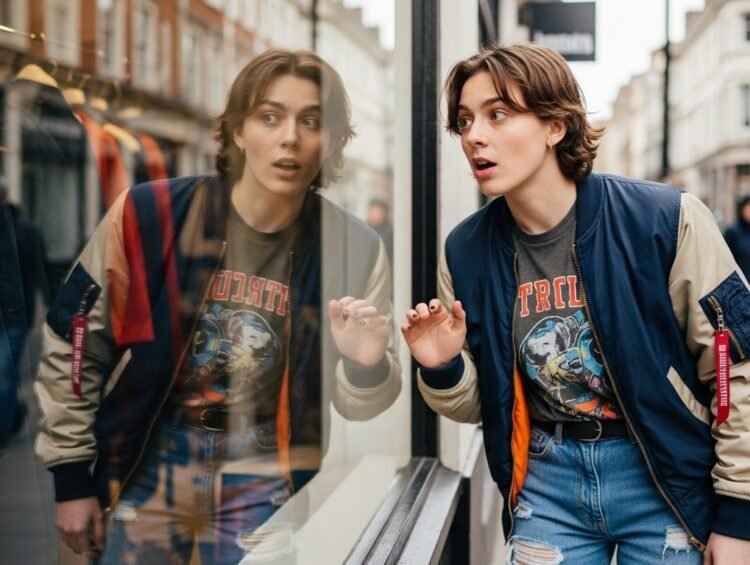
We have all had that moment: catching sight of ourselves in a store window or a tagged photo and thinking, how did I walk out of the house like this? The frustrating part is that most outfit mistakes are not about bad taste. They are small, fixable details that quietly undermine an otherwise fine look. The difference between an outfit that works and one that falls flat usually comes down to fit, care, and intention. Here are the most common outfit mistakes people make without realizing it, and the simple fixes that instantly elevate everything you wear.
Ignoring The Power Of Tailoring
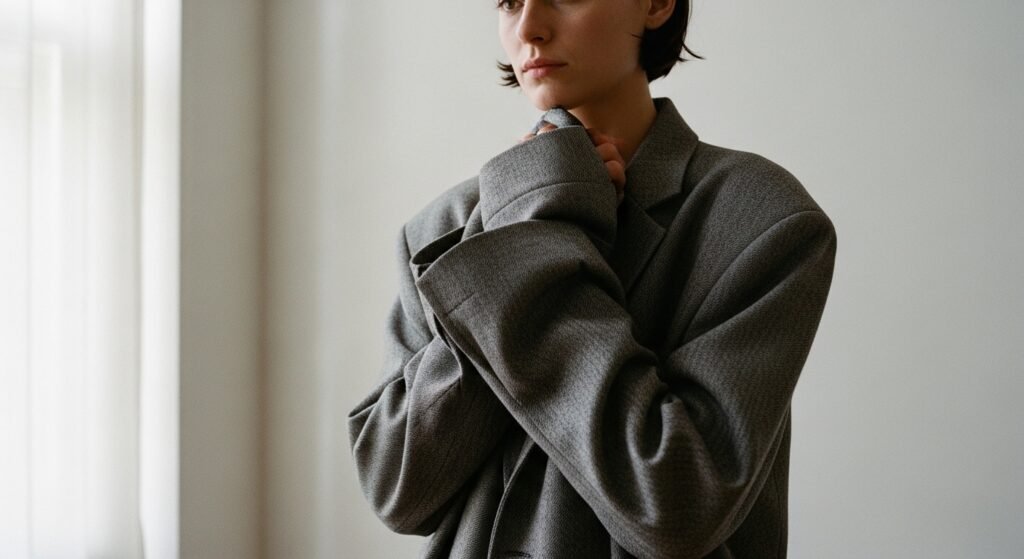
Off-the-rack clothing is cut for an average body that almost nobody has, which means sleeves run long, waists gap, and hems drag. Wearing clothes that do not quite fit is the single most common style mistake, and it affects everything from jeans to blazers. A garment that pulls, bunches, or swims on you looks sloppy no matter how nice the fabric or how current the style.
The fix is a tailor, and it costs less than you think. Hemming trousers, taking in a waist, and shortening sleeves are quick jobs, often fifteen to thirty dollars each. Focus alterations on the pieces you wear most, since the cost per wear makes the math irresistible. A forty-dollar pair of trousers with a twenty-dollar hem looks like it was made for you, because it was. Fit is the invisible luxury that separates polished from merely dressed.
The Wrong Sock Choice
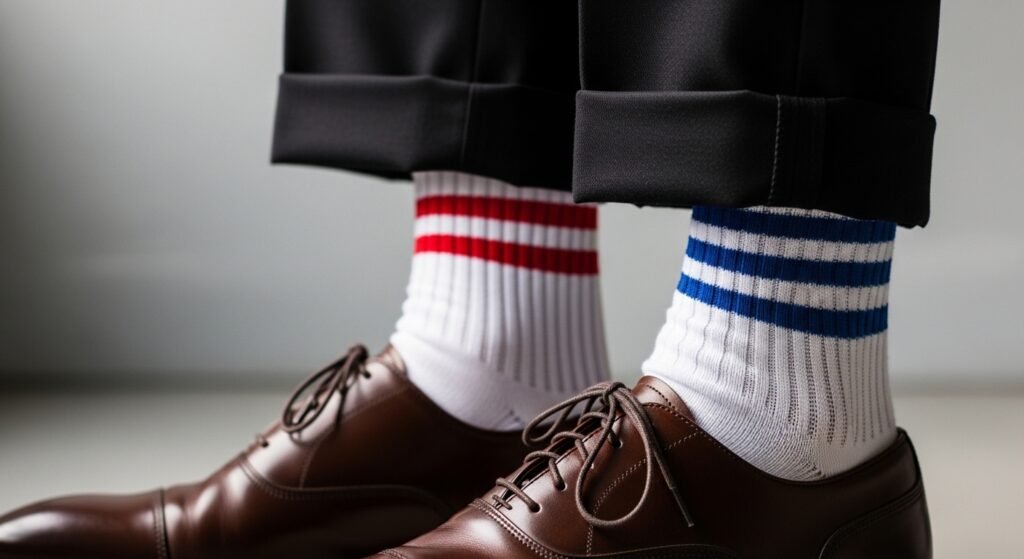
White athletic socks with dress shoes is a mistake that instantly downgrades an entire outfit. Socks are a small detail, but they sit at the critical junction between your trousers and your shoes, right where the eye lands. The wrong socks create a visual interruption that screams carelessness, even when everything above the ankle is perfect.
The rule is simple: match your socks to your trousers, not your shoes, for the most elongating effect. Dark dress socks with dark trousers, and save the white athletic socks strictly for workouts. For a bit of personality, patterned or colored dress socks work when the rest of the outfit is restrained. And keep them in good condition: thin, holey, or stretched-out socks undermine the whole effort. It is a tiny detail with an outsized impact.
Neglecting Fabric Care
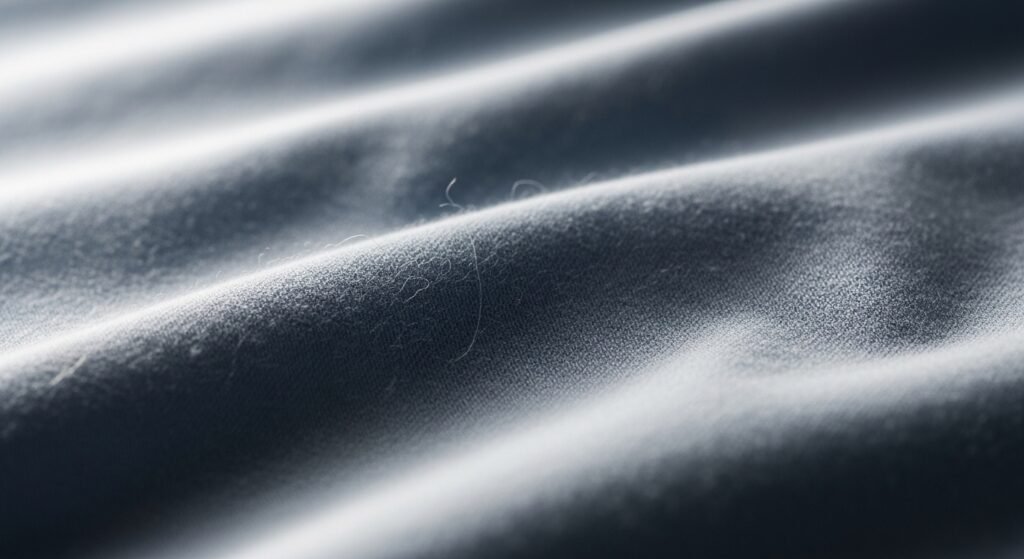
A wrinkled shirt, a pilled sweater, a jacket covered in lint: these are the fastest ways to make good clothes look bad. Fabric care is the unglamorous foundation of style. Wrinkles signal that you grabbed something from a pile and ran out the door. Pilling, those tiny balls of fiber on sweaters and knits, makes even expensive pieces look worn out. And pet hair or lint on dark clothing is visible from across the room.
Build a five-minute routine: a handheld steamer is faster and easier than ironing and works on almost everything. A fabric shaver, which costs under twenty dollars, removes pilling and makes old sweaters look new. Keep a lint roller by the door. Hang clothes properly instead of crumpling them, and follow wash instructions rather than defaulting to hot water and high heat, which destroy fabric. Cared-for clothes look expensive. Neglected clothes look tired, whatever they cost.
Wearing Worn-Out Footwear
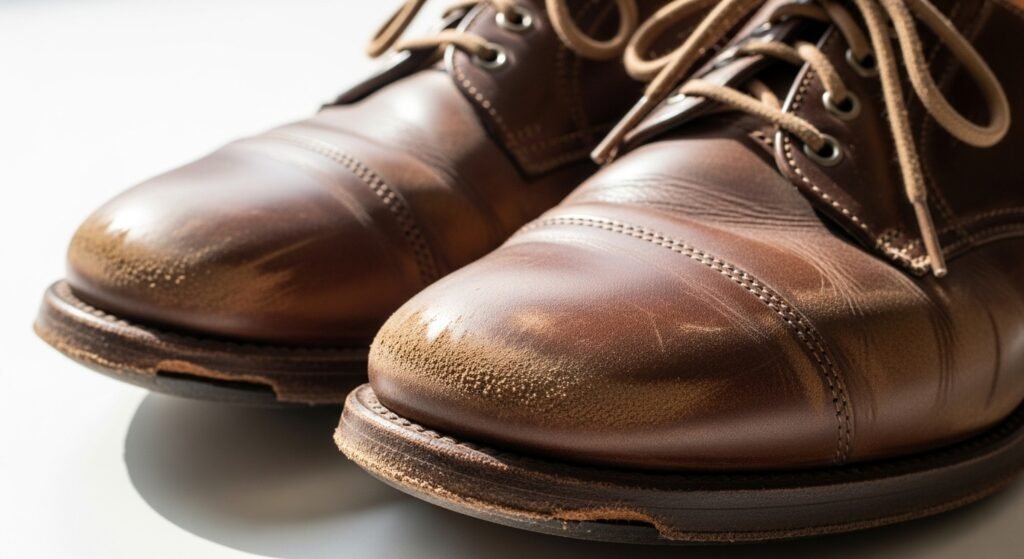
People notice shoes first and remember them longest. Scuffed toes, worn-down heels, stained uppers, or sneakers that have lost their shape drag down everything above them. It does not matter how good the outfit is; tired shoes tell a story of neglect that colors the whole impression. This is one of the oldest style truths, and it holds up every time.
Maintain what you own: clean leather regularly, replace heel caps before they wear through, and use shoe trees to hold shape. Rotate your shoes so no single pair takes daily abuse. And know when to retire a pair: once the structure collapses or the damage is beyond repair, let them go. Three well-kept pairs beat ten worn-out ones every time. Your shoes are the foundation of your look, literally and visually.
Overlooking The Seasonal Vibe

Wearing heavy wool in July or flimsy fabrics in January is not just uncomfortable; it looks wrong. Every season has a visual language: light colors and breathable fabrics for warm months, richer tones and substantial textures for cold ones. Ignoring the seasonal vibe makes an outfit feel disconnected from its context, like playing a winter song at a summer party.
Dress for the season you are in, not just the temperature. Linen, cotton, and light colors read as summer. Wool, corduroy, leather, and deeper hues read as fall and winter. Transitional months are for layering, which is itself a style opportunity. And pay attention to color psychology: the same outfit in pastel versus jewel tones sends a completely different seasonal signal. Context is part of the outfit.
Poor Color Coordination
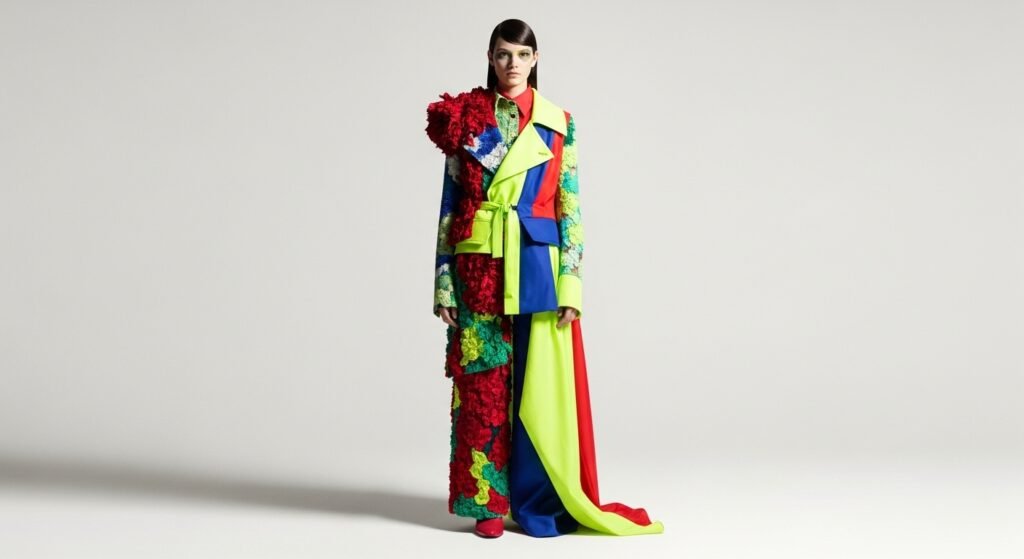
Colors that clash or compete make an outfit look chaotic even when every piece is nice individually. The most common mistake is too many bold colors fighting for attention, or undertones that do not harmonize: warm oranges with cool pinks, for example, can create a jarring effect. Color coordination is not about matching everything; it is about making sure nothing fights.
The safest approach is a neutral base with one accent color. Navy, gray, black, white, camel, and olive all play well together and let a single bolder piece shine. If you want to mix colors, keep them in the same temperature family: warm with warm, cool with cool. And when in doubt, simplify. An outfit with too many colors looks accidental. An outfit with two or three looks intentional.
Baggy Clothes Confusion
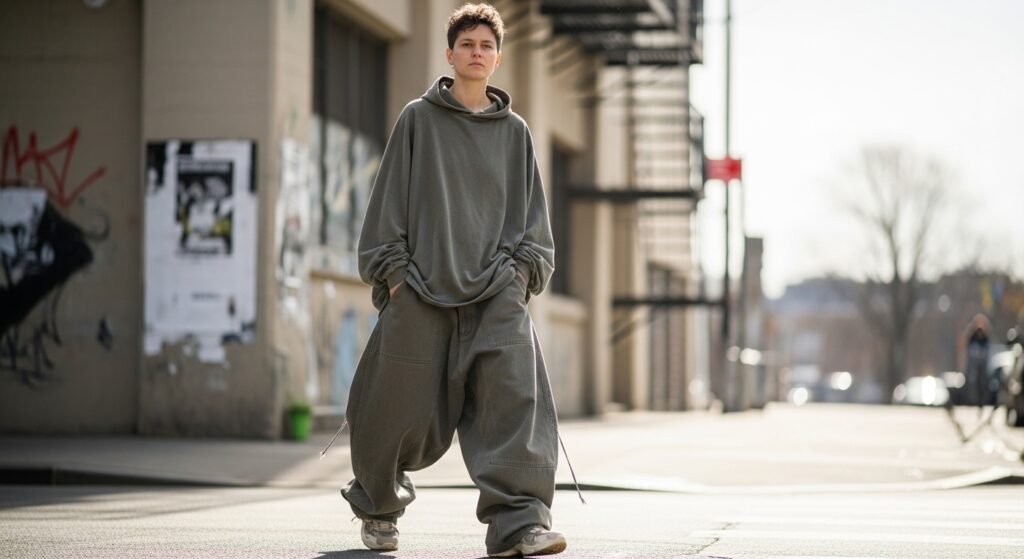
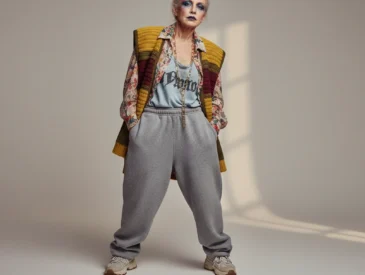
Oversized is a trend. Shapeless is a mistake. The difference is intention. Deliberately oversized pieces have structure: defined shoulders, quality fabric, and a clear silhouette. Clothes that are simply too big, with no shape and no plan, just look like you got dressed in the dark. The line between fashion-forward volume and drowning in fabric is thinner than most people think.
If you wear oversized pieces, balance them: volume on top pairs with something more fitted below, and vice versa. Show some shape somewhere, whether it is a defined shoulder, a visible waist, or a tapered ankle. And make sure the garment is oversized by design, not just the wrong size. One oversized element per outfit is a statement. Head-to-toe excess fabric is a tent.
Ignoring Hair and Grooming

The same outfit looks dramatically different depending on grooming. Unkempt hair, chipped nails, and neglected details drag down even expensive clothes, while neat grooming elevates the simplest outfits. This is not about elaborate styling. It is about the basics: clean, intentional hair, maintained nails, and the small details that show you pay attention.
Think of grooming as the frame around the picture. You do not need a glam squad; you need consistency. Find a hairstyle that works with minimal daily effort, keep nails clean and tidy, and handle the small maintenance tasks regularly rather than letting them pile up. The most stylish people are often wearing simple clothes. What makes them look good is that every detail, including the ones above the neckline, looks deliberate.
The Wrong Proportions
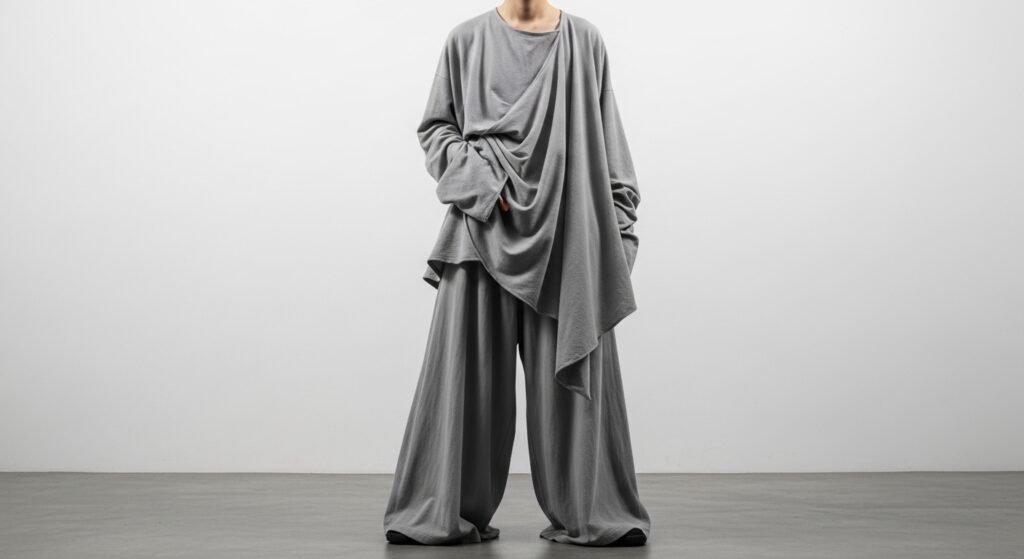
Proportion is the secret language of style. A very long top with very wide pants erases your shape entirely. A cropped jacket with low-rise bottoms creates an awkward gap. When the proportions are off, the eye does not know where to land, and the whole outfit feels wrong even if the individual pieces are fine. This is the mistake people describe as something looks off without knowing what.
The classic formula is balance: if one half is loose or long, make the other half more fitted or shorter. Tucking in your top defines the waist and instantly improves proportions. Cropped or high-rise bottoms pair well with longer tops. The goal is a clear silhouette with a visible waist or a deliberate line. When in doubt, stand in front of a full-length mirror and check: can you see your shape? If not, adjust one element until you can.
Sticking To Old Trends

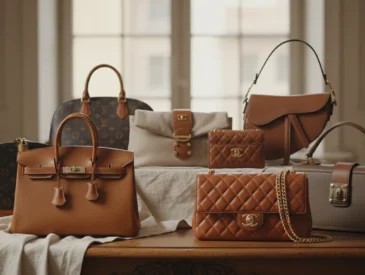
Fashion moves in cycles, and wearing a trend years past its peak can make an otherwise fine outfit look dated. This does not mean chasing every micro-trend; that is its own mistake. It means noticing when the overall silhouette of your wardrobe belongs to a different era: the ultra-skinny jeans of the 2010s, the specific sneaker of 2018, the handbag shape everyone carried five years ago. Clothes do not expire, but context changes.
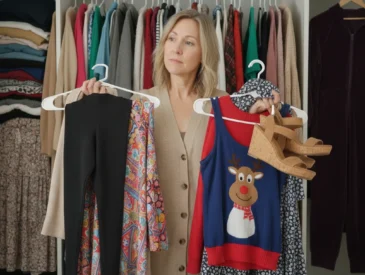
The solution is not constant shopping. It is periodic editing. Once or twice a year, look at your wardrobe with fresh eyes and retire the pieces that anchor you to a past era. Invest in timeless foundations: well-fitting jeans in a current cut, classic outerwear, simple quality basics. These do not chase trends, so they never look dated. Then add one or two current pieces per season to keep things fresh. Style is not about being trendy. It is about being current, which is a much cheaper goal.
Small Fixes, Big Difference
Notice what all of these mistakes have in common: none of them require a new wardrobe. Tailoring, fabric care, shoe maintenance, grooming, proportion, color: these are habits and adjustments, not purchases. The people who always look good are not necessarily spending more. They are paying attention to the details that most people ignore.
Start with the easiest wins. Steam your clothes. Fix your proportions with a tuck. Match your socks. Retire the worn-out shoes. These tiny changes compound into a completely different impression. Style is not a talent or a budget. It is a series of small intentional choices, made daily. And now you know exactly which ones to make.