 Sarah Grey
There is a special kind of dread reserved for the airport security line: the shuffling forward, the frantic unpacking, the shoes, the laptop, the liquids baggie, the belt. But the checkpoint you remember is changing fast. Across the United States, the Transportation Security Administration is rolling out new technology and new rules that are quietly transforming the screening experience. Facial recognition, CT scanners that see through your bag, digital IDs on your phone, and self-service screening lanes are all moving from pilot programs to everyday reality. Here is what is changing, what it means for your next trip, and how to get through faster than ever.
The Rise Of Facial Recognition
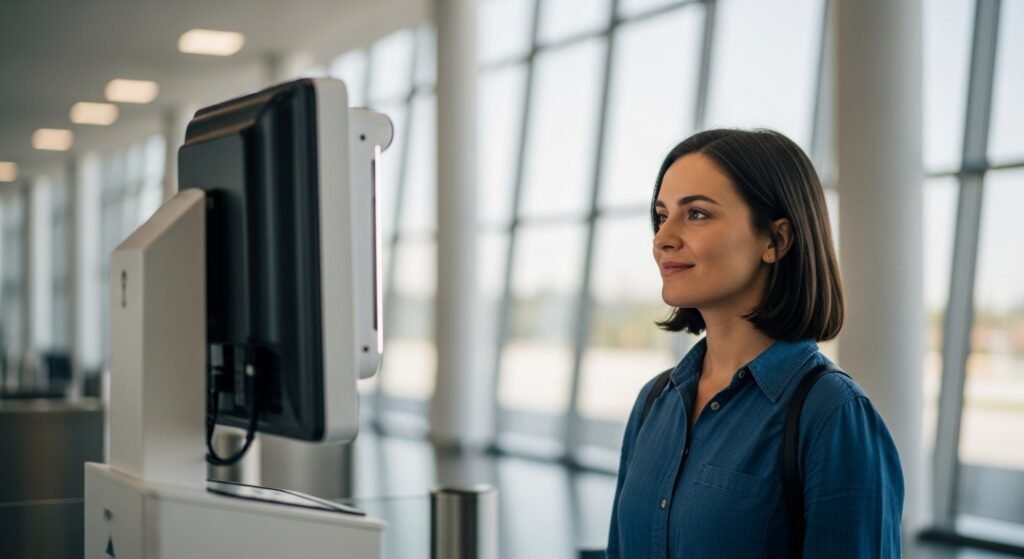
The TSA has been deploying Credential Authentication Technology with cameras, known as CAT-2, at checkpoints nationwide. These machines scan your ID and take your photo, then match your face to the ID photo in seconds, verifying your identity without an officer manually inspecting your documents. For travelers, the experience is noticeably faster: place your ID in the machine, look at the camera, and walk through. No handing your license to anyone, no fumbling.
The program is optional, and that matters. The TSA states that travelers who prefer not to have their photo taken can opt out and go through standard ID verification. Privacy advocates have raised concerns about data retention and mission creep, and those concerns deserve attention. But operationally, the technology is here and expanding. If you are comfortable with it, it shaves real time off the identity check. If you are not, know that opting out is your right, and officers must accommodate you.
Laptops Staying In Your Bag
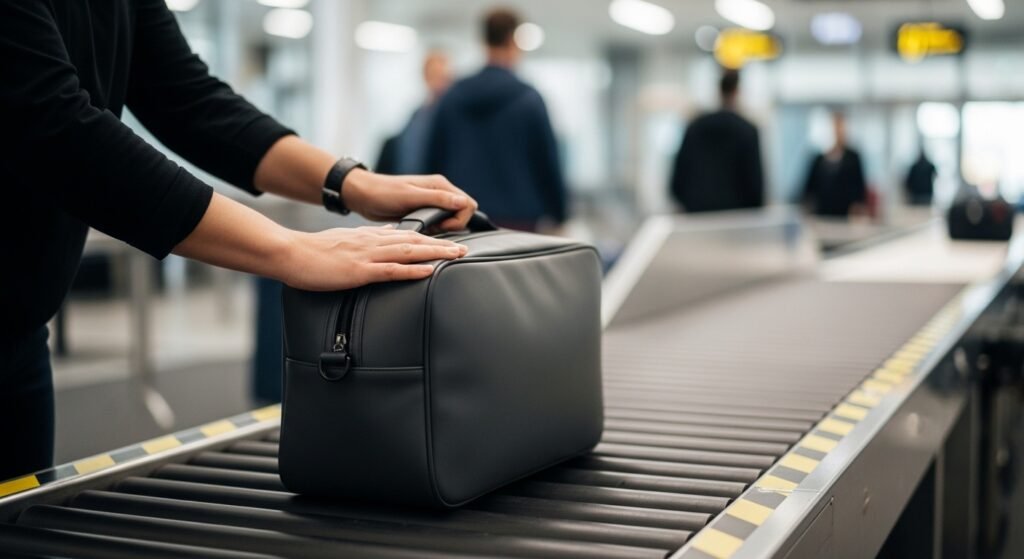
One of the most tedious checkpoint rituals, pulling out your laptop and placing it in its own bin, is on its way out. The TSA is deploying computed tomography (CT) scanners at checkpoints across the country. These machines create detailed 3D images of bag contents that officers can rotate and inspect on screen, which means electronics and other items can stay packed. The same technology is behind similar changes at airports in Europe and the UK.
The rollout is gradual, so the rule still varies by lane: if the checkpoint has the new scanners, signs will tell you to leave everything in your bag. If it does not, the old rules apply. The practical advice is to watch the signs and listen to the officers rather than assuming. But the direction is clear. Within a few years, the laptop dance will be a memory, and packing will get simpler because the order of items in your bag will matter less.
Liquids No Longer Separated
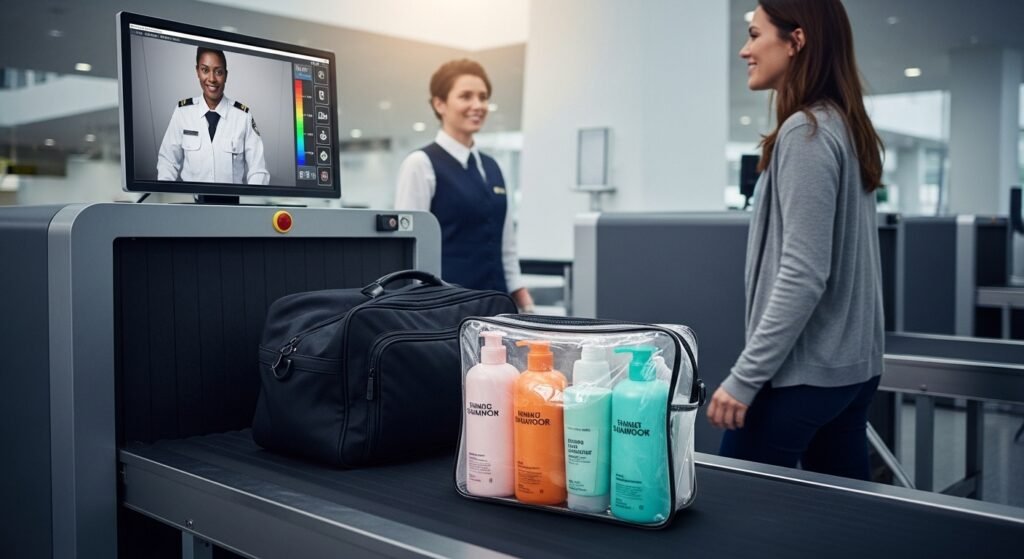
The 3-1-1 liquids rule, in place since 2006, requires containers of 3.4 ounces or less in a single quart-sized bag. It is one of the most annoying and least understood rules in travel. The new CT scanners can analyze liquids inside bags, which is why several countries have begun relaxing the requirement to remove the liquids baggie at equipped checkpoints. The UK has been rolling out similar technology with the goal of eventually lifting liquid restrictions at major airports.
In the US, the 3-1-1 rule itself remains in effect for now, but the separate screening step is disappearing at upgraded lanes. Keep packing your liquids bag the same way until the rules formally change, because non-equipped lanes and international destinations still enforce the old procedure. But enjoy the small win: at modern checkpoints, the baggie can stay buried in your bag, which is one less thing to unpack and repack while a line breathes down your neck.
Self-Service Screening Pods
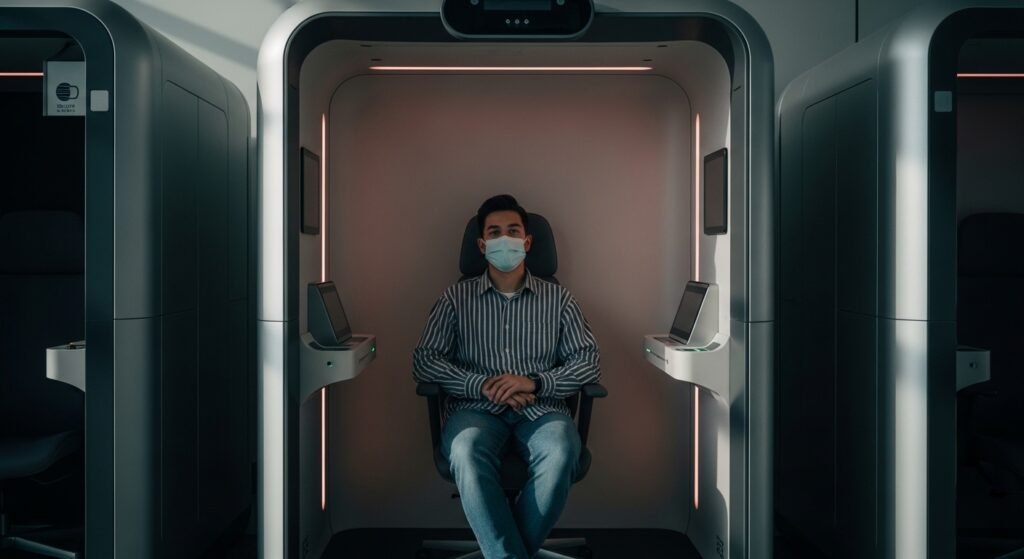
The TSA has been testing self-service screening at Harry Reid International Airport in Las Vegas, a prototype that lets PreCheck travelers move through their own screening pod at their own pace. The concept borrows from self-checkout: instead of waiting for an officer to direct every step, travelers follow on-screen guidance through the process. Early reports suggest it reduces bottlenecks caused by the stop-and-go rhythm of traditional lanes.
Self-service screening is still in the testing phase, and officers remain present for assistance and oversight. But it signals where checkpoints are headed: more automation, more traveler control, fewer human bottlenecks. If the trials succeed, expect to see these pods spread to more airports. The checkpoint of the near future may feel less like a security gauntlet and more like a well-designed machine you operate yourself.
Digital IDs On Your Phone
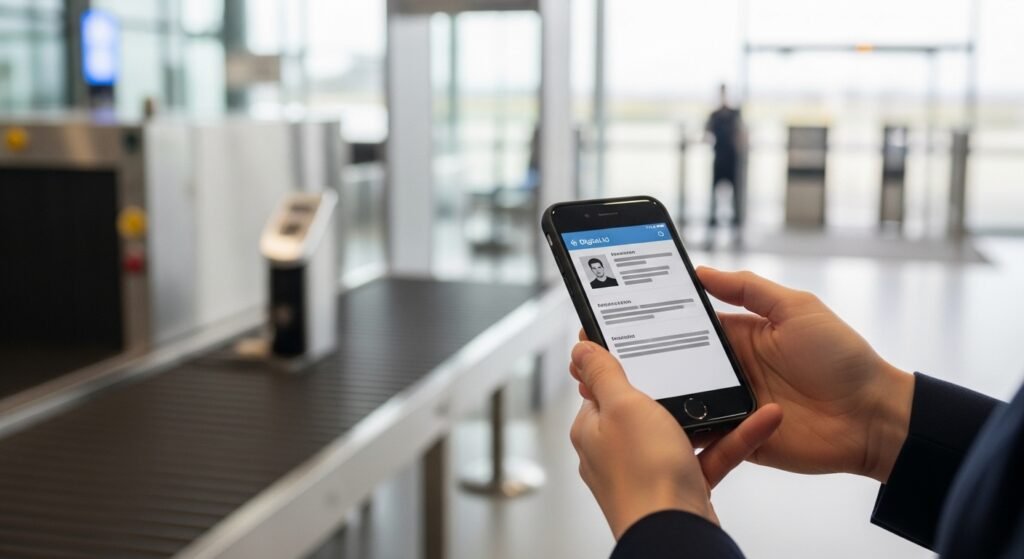
More states are issuing mobile driver’s licenses that live in your phone’s wallet app, and the TSA accepts them at a growing number of checkpoints. The process uses the same CAT-2 machines: tap your phone, verify with Face ID, and your identity is confirmed without ever opening your physical wallet. It is faster, it is touchless, and it means one less thing to lose at the airport.
Adoption varies by state and airport, so check whether your state’s mobile ID is supported and which checkpoints accept it before relying on it. Always carry your physical ID as backup for now. But the trajectory is obvious: the wallet is moving into the phone, and the checkpoint is following. Within a few years, fumbling for a license at security will feel as dated as paper tickets.
The Real ID Experience

After years of delays, REAL ID enforcement finally began on May 7, 2025. Travelers eighteen and older now need a REAL ID-compliant license, marked with a star, or another acceptable form of identification such as a passport to board domestic flights. Standard licenses without the star no longer clear the checkpoint. The TSA has been warning about this deadline for years, and enforcement is now real.
If you have not upgraded yet, do it before your next trip. Visit your state’s DMV with the required documents: proof of identity, Social Security number, and residency. Processing takes weeks in many states, so do not wait until the week of your flight. Travelers who show up with non-compliant IDs face additional screening at best and denied boarding at worst. This is the rare security change that is entirely in your control, so handle it once and never think about it again.
Shoes Staying On More Often
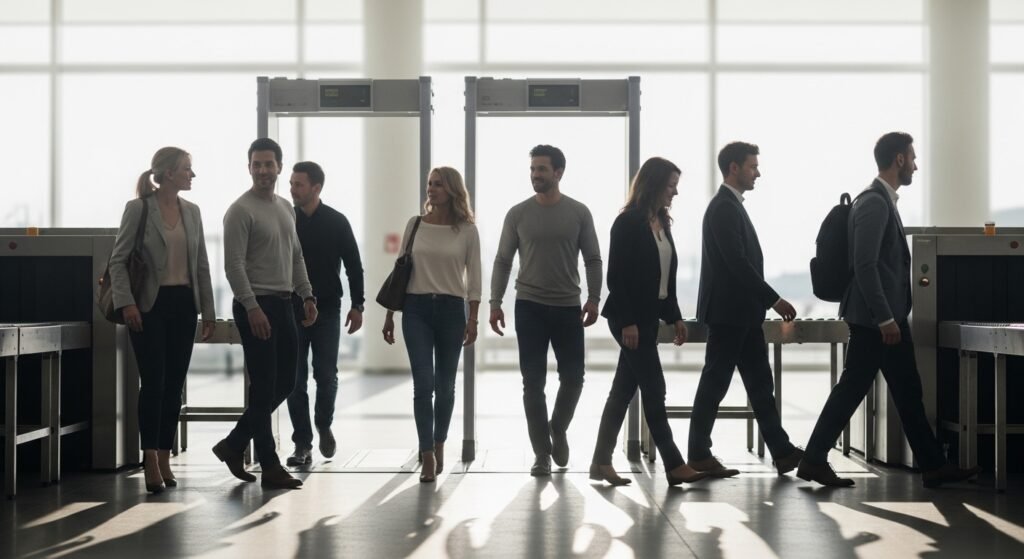
The shoe removal rule, in place since 2006, has always been the most viscerally annoying part of screening. Newer scanning technology is better at detecting threats in footwear, which means more checkpoints can let travelers keep their shoes on. TSA PreCheck members have long enjoyed this benefit, and the technology is gradually extending it to standard lanes at equipped airports.
Until the change is universal, wear shoes that slip on and off easily when you fly. Avoid complicated laces, buckles, and boots on travel days. And consider that this is one more reason PreCheck pays for itself: guaranteed shoes-on, laptop-in, liquids-packed screening for five years at a cost of seventy-eight dollars. That is less than sixteen dollars a year to skip the worst parts of the checkpoint.
AI-Powered Bag Analysis
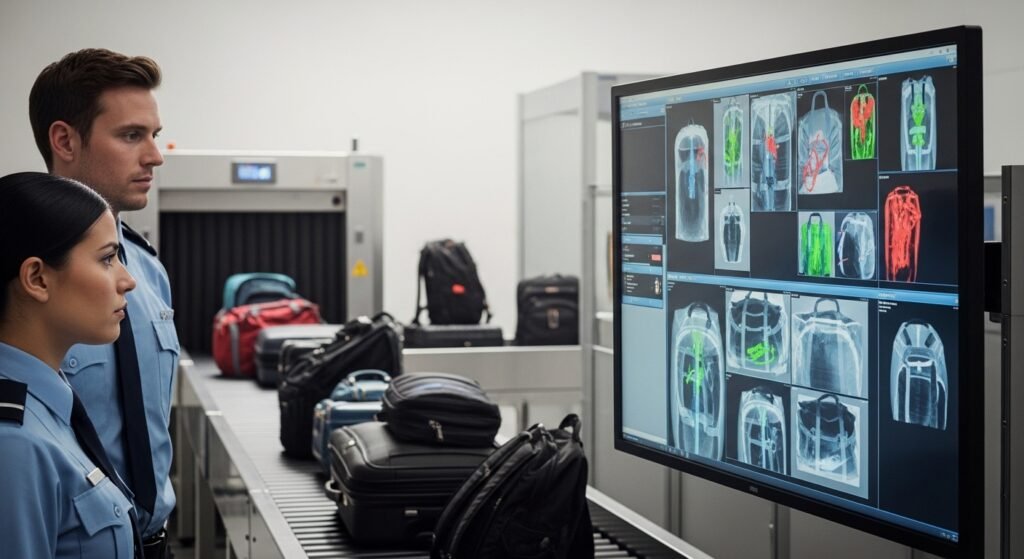
Behind the screens, artificial intelligence is increasingly assisting human officers in analyzing bag scans. AI systems trained on millions of X-ray images can flag potential threats for closer inspection, helping officers work faster and more accurately. This does not replace human judgment; officers make all final decisions. But it reduces the false alarms that cause bag checks and re-scans, which are a major source of checkpoint delays.
For travelers, the practical effect is fewer random bag pulls and faster resolution when something does look odd. Packing neatly still helps: dense, jumbled bags are harder for both AI and humans to read. But the technology is steadily making the process smoother. The checkpoint is becoming a collaboration between human expertise and machine speed, and travelers benefit from both.
Stricter Lithium Battery Rules
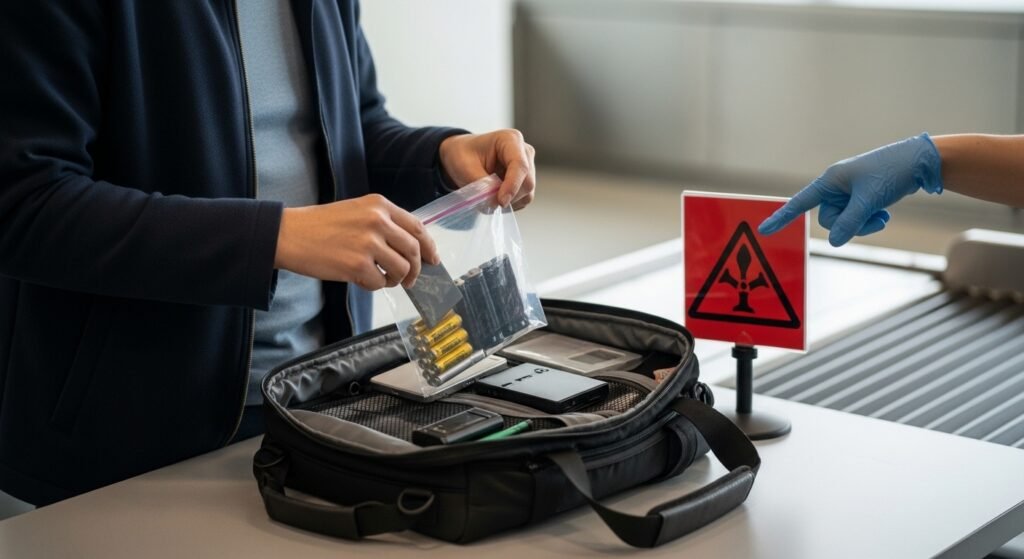
As our lives fill with rechargeable devices, lithium battery rules keep tightening. The core rule from the FAA: spare lithium batteries and portable chargers must go in carry-on baggage, never in checked bags. This is a genuine safety matter. Damaged or defective lithium batteries can overheat and catch fire, and a fire in the cabin can be addressed while a fire in the cargo hold cannot.
Keep all power banks, spare batteries, and e-cigarettes in your personal item or carry-on. If a device is damaged, swelling, or recalled, do not fly with it. Tape over the terminals of spare batteries or keep them in their original packaging. These rules are not going away; if anything, they will get stricter as battery-powered everything becomes the norm. Pack your tech accordingly.
PreCheck Expansion For Families
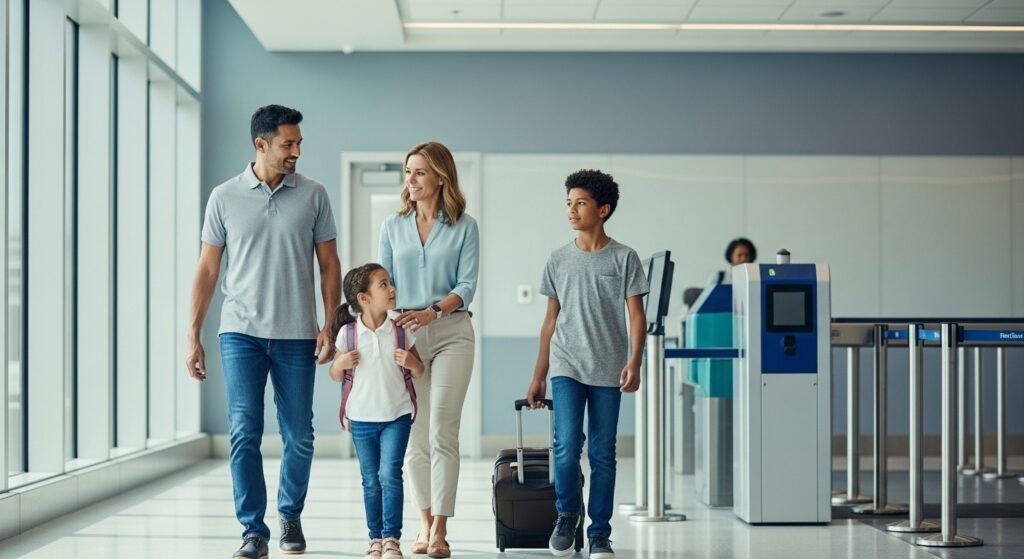
TSA PreCheck keeps getting more family-friendly. Children twelve and under have long been able to join enrolled parents in the PreCheck lane, and the TSA expanded this so teenagers thirteen to seventeen can also accompany PreCheck-enrolled parents or guardians. For families, this is transformative: the entire party gets the expedited experience, with shoes on, laptops packed, and wait times that are typically under ten minutes.
If you fly even twice a year, PreCheck is one of the best values in travel. Enrollment costs seventy-eight dollars for five years and involves a short in-person appointment. Many travel credit cards reimburse the fee entirely, making it free. The time savings compound with every trip, and traveling with kids through the standard lane is a special kind of chaos you will be glad to skip.
Smart Bins That Move Faster
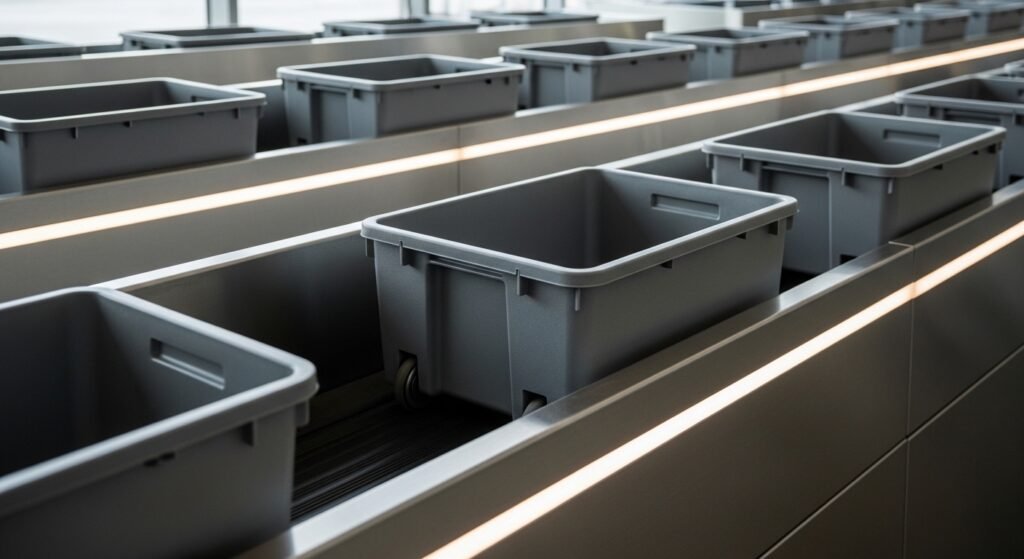
Automated screening lanes, with their larger bins and conveyor systems, have been one of the quietest revolutions at the checkpoint. These lanes let multiple travelers load bins simultaneously instead of waiting single-file, and the bins return automatically. Some airports report significantly faster throughput in these lanes. The bins are bigger too, which means your bag actually fits without the Tetris game.
When you have a choice of lanes, pick the automated one. Load your bin efficiently: one bin per traveler where possible, nothing dangling over the edges. And return the courtesy the system extends to you by being ready: have your ID out, know the current electronics rules for that lane, and move with purpose. The fastest lane is the one where everyone is prepared.
The End Of Paper Boarding Passes
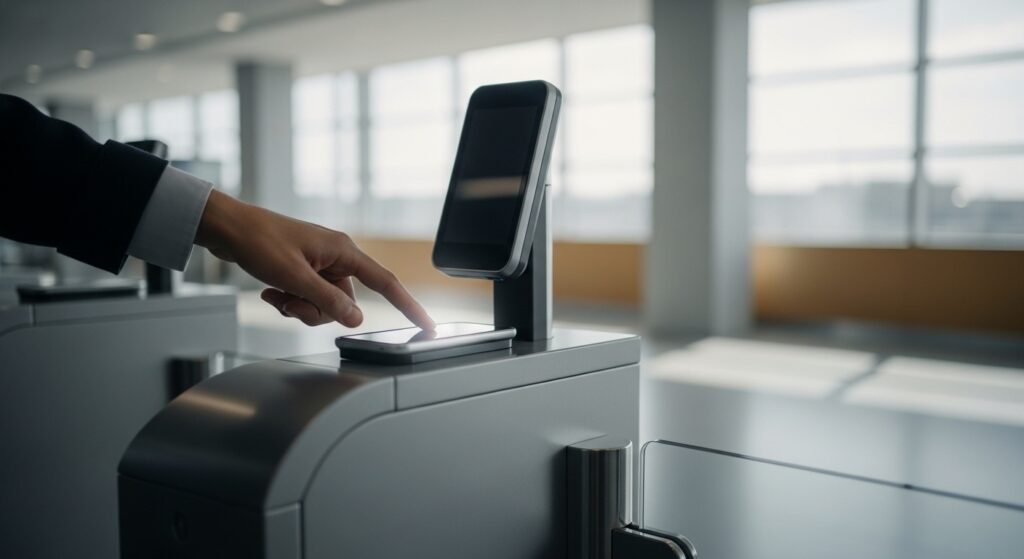
The paper boarding pass is going extinct. Mobile passes in airline apps and phone wallets are now the default, and they integrate with everything: check-in reminders, gate change alerts, and the facial recognition systems at identity checkpoints. Some airlines are experimenting with fully biometric boarding, where your face is your boarding pass from curb to gate.
Go digital, but keep a backup. Screenshot your boarding pass in case the app fails or the airport Wi-Fi dies. Make sure your phone is charged; a dead phone at the checkpoint is a self-inflicted crisis, which is why a portable charger belongs in every carry-on. The future is paperless, but the wise traveler carries a screenshot.
Better Support For Accessibility
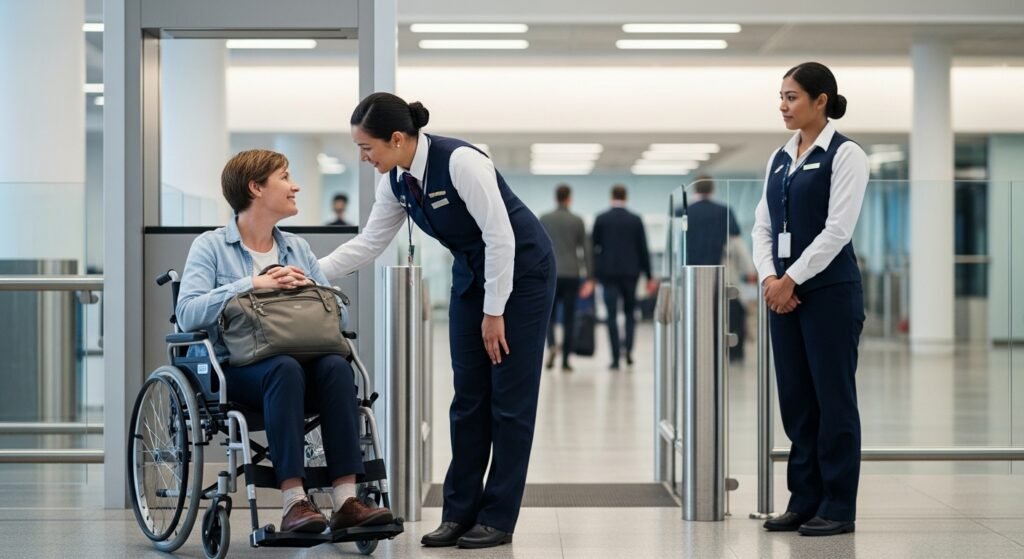
One of the most welcome changes is the growing visibility of TSA Cares, the program that provides assistance to travelers with disabilities, medical conditions, and accessibility needs. Travelers can request assistance in advance, and trained officers help navigate screening in ways that accommodate wheelchairs, prosthetics, medical devices, and sensory sensitivities. Airports are also improving signage, quiet rooms, and dedicated lanes.
If you or someone you travel with has accessibility needs, contact TSA Cares at least seventy-two hours before your flight. You can request a passenger support specialist to walk you through the process. Traveling with a disability involves enough logistics without checkpoint surprises. These programs exist to help, and using them is not special treatment. It is the system working as it should.
The Future Checkpoint Is Already Here
The airport security experience is in the middle of its biggest transformation since 2001, and the direction is unmistakable: faster, more automated, less intrusive. Facial recognition handles identity in seconds. CT scanners see through packed bags. Digital IDs live on phones. PreCheck keeps expanding. The rituals we all memorized, shoes off, laptop out, liquids baggie, are gradually becoming optional at modern checkpoints.
To travel fastest right now: get PreCheck, upgrade to a REAL ID, go digital with boarding passes and IDs, pack neatly, and arrive prepared for whichever technology your airport has installed. The checkpoint will never be anyone’s favorite part of travel. But it is finally, measurably getting better. And on your next trip, you might just walk through with your shoes on, your laptop packed, and a smile on your face.