 Sarah Grey
Trends come and go with the seasons, but certain handbags never leave. These are the designs that have survived decades of fashion cycles without losing an ounce of their power: carried by princesses and movie stars, reinterpreted by generations of creative directors, and still instantly recognizable on the street today. They share a few essential qualities, impeccable craftsmanship, a distinctive silhouette, and a story worth telling.
What makes a handbag truly timeless is not its price tag but its staying power. The eleven icons below have each earned their place through decades of uninterrupted relevance, and every one of them still works as beautifully with today’s wardrobe as it did on the day it debuted. These are the bags that never go out of style, and understanding them is a masterclass in what makes design last.
Hermès Birkin
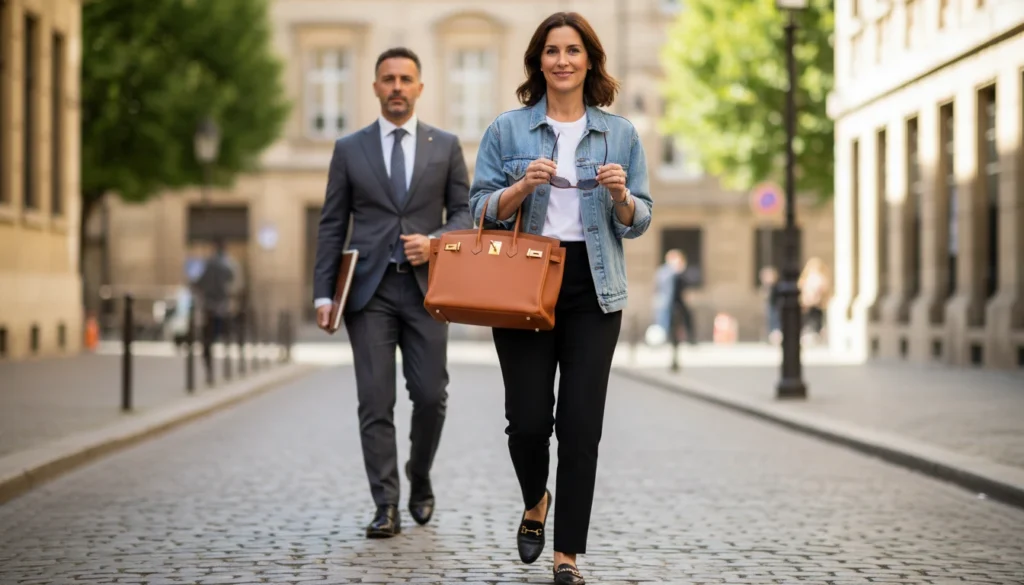
Born from a chance encounter in 1984, when actress Jane Birkin found herself seated next to Hermès chief executive Jean-Louis Dumas on a flight and sketched her ideal travel bag on an airplane sick bag, the Birkin went on to become the most coveted handbag in the world. Each one is handmade in France by a single artisan from start to finish, taking many hours of meticulous saddle-stitching, in leathers like Togo and Clemence with hand-polished edges and signature hardware.
The Birkin’s structured silhouette, clean flap top, and distinctive turnlock work with everything from jeans and a white shirt to full tailoring, which is exactly why it endures across every dress code. It is also famously an investment piece, with resale values on the secondary market that often exceed the retail price. More than a bag, it is a cultural landmark, the definitive symbol of quiet, confident luxury.
Hermès Kelly
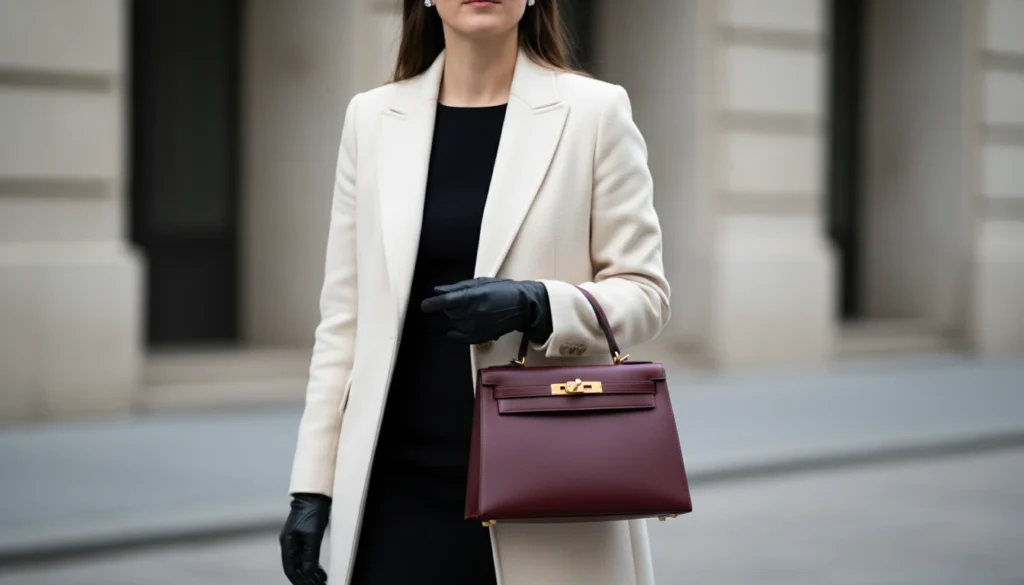
Older than the Birkin by nearly a century, the Kelly began life in 1892 as the Sac à dépêches, a bag originally designed to hold a saddle. It was renamed in 1956 after Grace Kelly, then Princess of Monaco, was photographed using it to shield her pregnancy from the paparazzi. The image circled the globe on magazine covers, and the bag became the Kelly practically overnight.
With its crisp trapezoidal shape, single rolled top handle, and structured, architectural elegance, the Kelly is the more formal sister to the Birkin, a bag of ladylike polish that elevates everything it accompanies. It can be carried by the handle or on the shoulder with its strap, moving from boardroom to evening with ease. Decades later, it remains the definitive ladylike handbag, proof that true elegance never needs to shout.
Chanel 2.55 Flap Bag
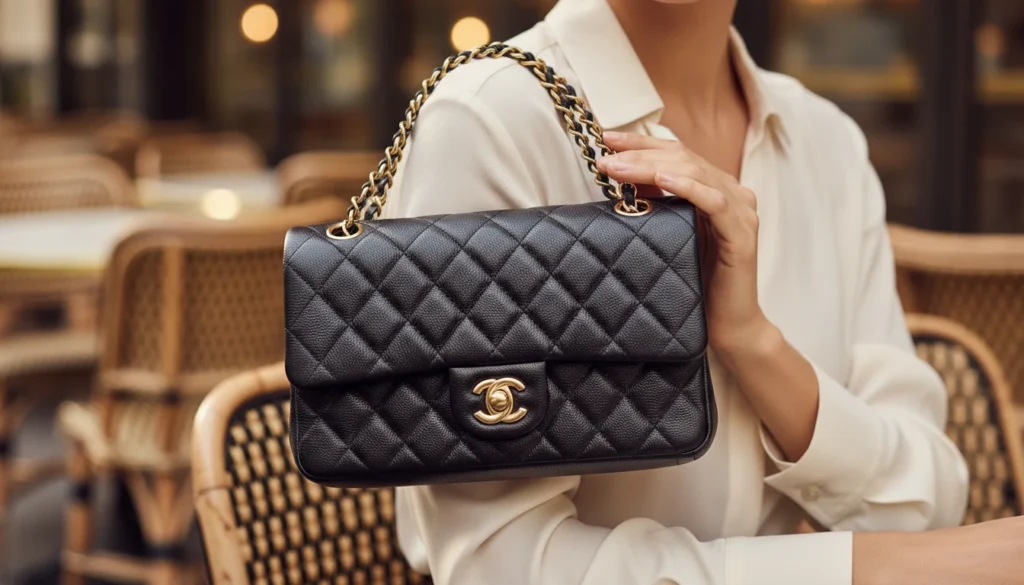
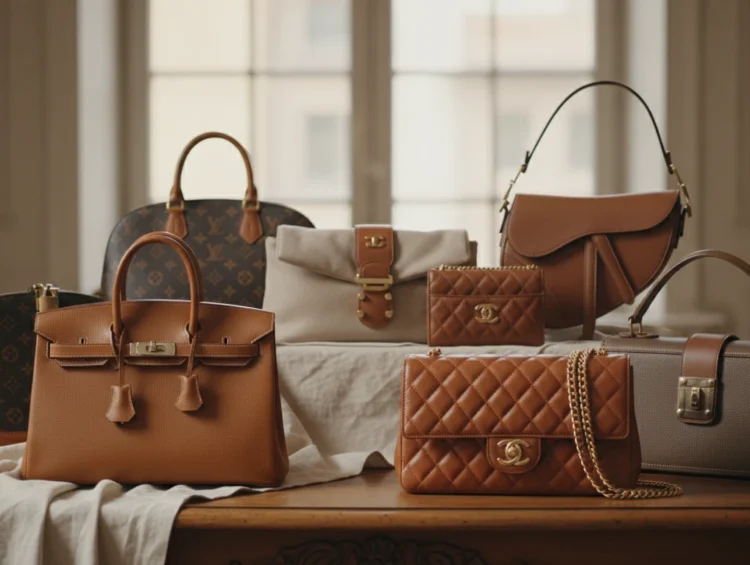
Introduced in February 1955, hence the name, by Coco Chanel herself, the 2.55 was genuinely revolutionary: the first luxury handbag designed to be worn on the shoulder, freeing women’s hands at a time when clutches dominated. Its diamond quilting, inspired by equestrian jackets and the stained-glass windows of the abbey where Chanel grew up, and its chain strap interwoven with leather became instant signatures.
The 2.55’s rectangular flap silhouette works from day to evening, from casual brunches to black-tie events, which is precisely why it has never left the fashion conversation in seventy years. Karl Lagerfeld’s later Classic Flap variations, with the interlocking CC turnlock, only cemented its status further. It is the bag that invented the modern handbag, and it still defines the category.
Louis Vuitton Speedy
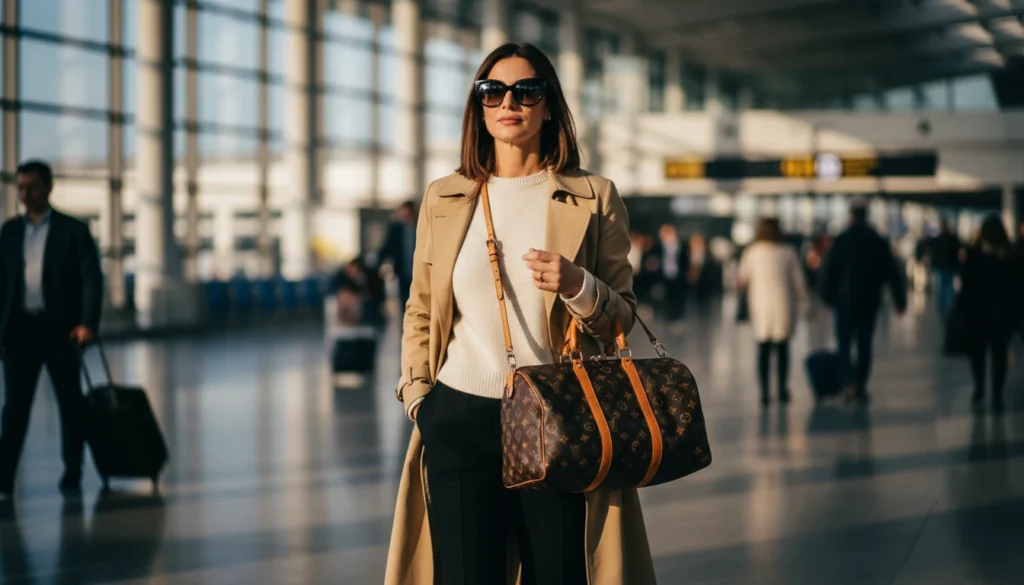
Created in 1930 as a smaller, everyday version of the Keepall travel bag, the Speedy became a true legend when Audrey Hepburn requested a more petite version in 1959, giving rise to the beloved Speedy 25 that remains the most popular size today. Its rounded, Boston-bag silhouette in the iconic monogram canvas is arguably the most recognized handbag shape on the entire planet.
Lightweight, durable, and endlessly versatile, the Speedy moves from work tote to weekend bag without missing a beat. The coated canvas shrugs off rain and daily wear, which is why vintage Speedys in beautiful condition remain everywhere, passed down through families. It is luxury at its most democratic and most enduring, an icon that asks for nothing but carries everything.
Lady Dior
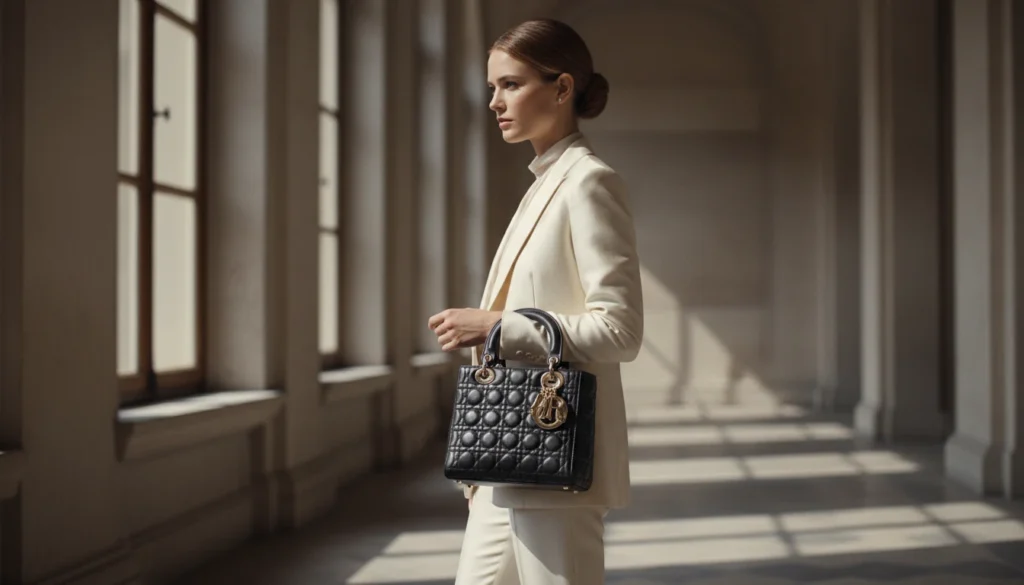
Created in 1994 and gifted to Princess Diana in 1995 during an official visit to Paris, the Lady Dior, originally called Chouchou, became inseparable from the princess, who carried it to countless engagements around the world. Dior renamed the bag in her honor, and it has been a global icon ever since, forever linked to one of history’s most photographed women.
Its cannage quilting, inspired by the Napoleon III cane chairs in Dior’s historic Paris salons, and its structured, ladylike silhouette give it an unmistakable architectural presence. The dangling gold D-I-O-R letter charms add the perfect finishing touch. Elegant, feminine, and eternally associated with a style legend, the Lady Dior is timelessness rendered in lambskin.
Gucci Jackie
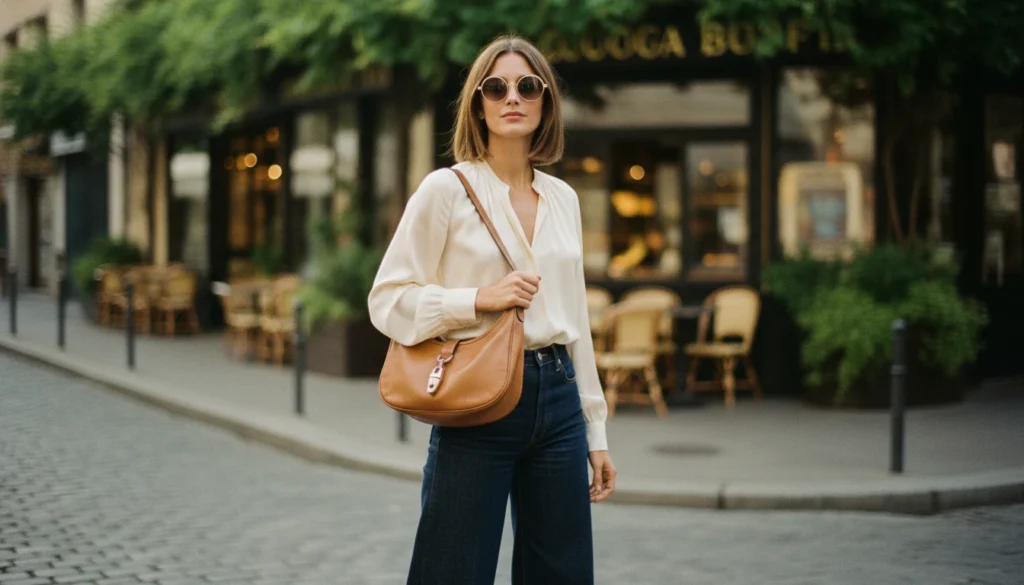
Originally introduced in 1961 as the Constance, this slouchy hobo was renamed the Jackie after Jacqueline Kennedy Onassis adopted it as her signature bag in the late 1960s and 1970s, photographed carrying it everywhere from Capri to New York. Its soft curved silhouette and distinctive piston-shaped closure made it instantly recognizable and endlessly imitated.
The Jackie’s relaxed, unstructured shape drapes beautifully over the shoulder, working equally well with bohemian dresses and sharp tailoring, which explains its repeated revivals under successive creative directors. Effortless rather than formal, polished but never stiff, it is the icon for women who want luxury that moves with them.
Chanel Wallet on Chain
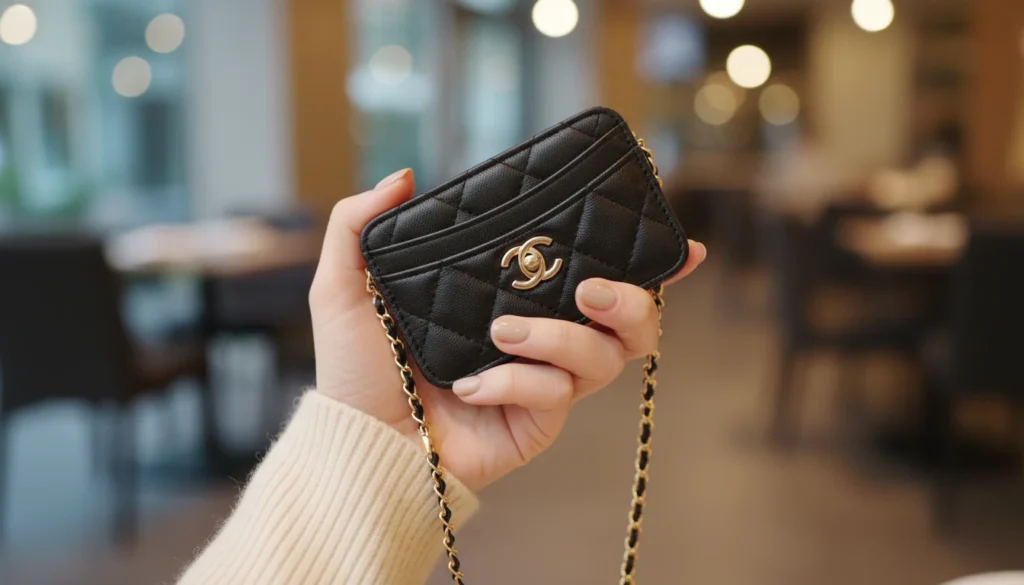
A miniature evolution of the classic flap bag, the wallet on chain distills every Chanel code, the diamond quilting, the leather-interwoven chain strap, the polished turnlock, into an evening-sized treasure. It carries the absolute essentials and nothing more, which is precisely the point: a masterclass in editing, rendered in lambskin and gold hardware.
Worn crossbody by day for hands-free ease or with the chain doubled as a shoulder bag by night, it is the perfect modern alternative to the traditional clutch. Small, exquisite, and unmistakably Chanel, it proves that timelessness comes in every size, and that the most powerful statements are often the smallest ones.
Louis Vuitton Alma
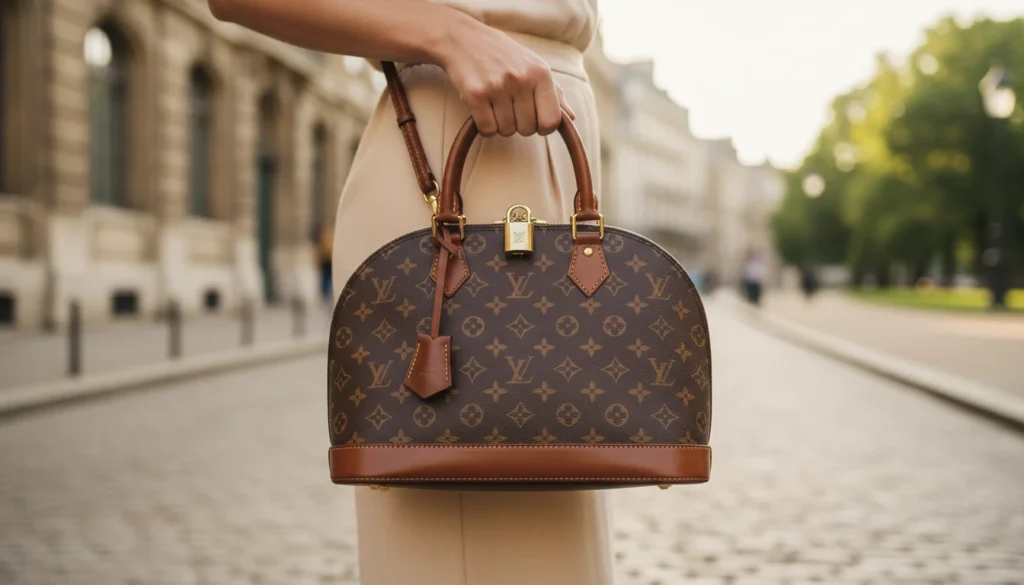
Dating to the 1930s, the Alma’s distinctive domed silhouette and structured elegance made it an instant classic of the Art Deco era, a period that prized geometry, architecture, and polish. Its arched top, rolled double handles, and signature padlock detail give it a ladylike architecture that stands apart from every softer, slouchier shape.
In monogram canvas, Damier check, or rich Epi leather, the Alma moves seamlessly from office to travel, holding its impeccable shape beautifully for decades of use. It is the thinking woman’s classic: refined, architectural, quietly confident, with none of the flash its remarkable longevity never needed.
Dior Saddle Bag
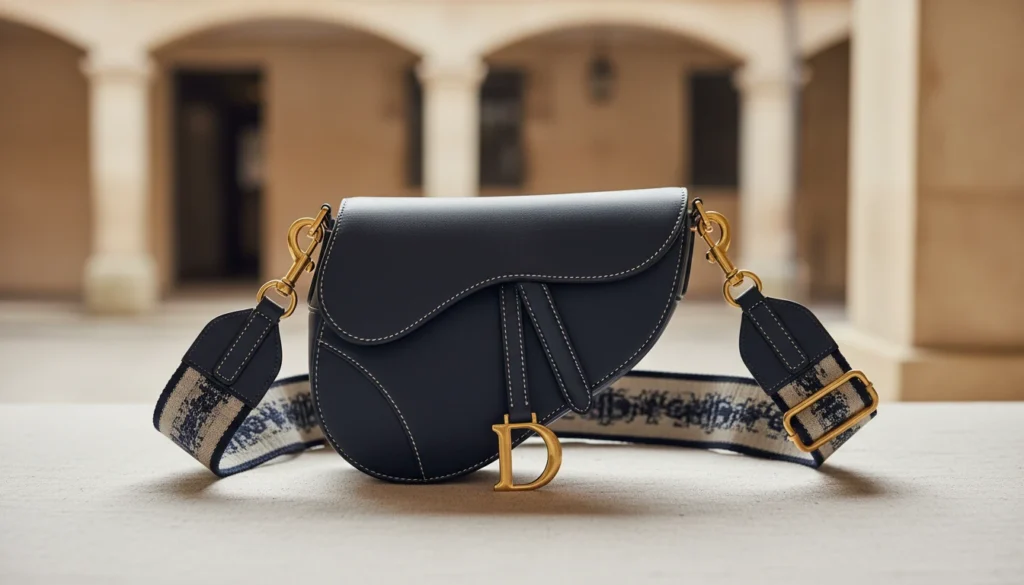
Designed by John Galliano and debuted on the runway in 2000, the Saddle Bag’s equestrian-inspired curved flap and D-shaped silhouette were an instant sensation of the new millennium, spotted on the arm of every style star of the era. Its asymmetrical, equestrian shape was daring then and remains utterly distinctive now, two decades later.
Revived to enormous acclaim in 2018, the Saddle proved that a truly original silhouette only gets better with time, winning over an entirely new generation. Worn on the shoulder, crossbody, or even as a belt bag, it brings a playful, confident energy to any outfit. An icon twice over, which is the rarest achievement in all of fashion.
Fendi Baguette
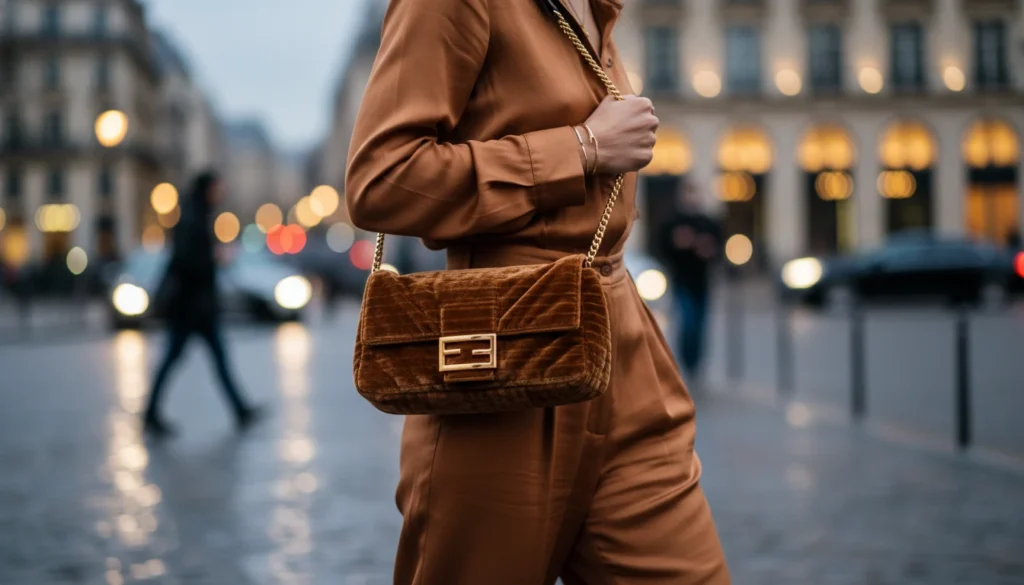
Designed by Silvia Venturini Fendi in 1997, the Baguette was created to be tucked neatly under the arm like a loaf of French bread, and its slim, compact, rectangular shape launched a thousand imitations overnight. It became a full pop-culture phenomenon when Carrie Bradshaw declared hers “not a bag, it’s a Baguette” on television, cementing its place in fashion history.
Reissued over the years in endless fabrications, from classic smooth leather to extravagant sequins, embroidery, and artist collaborations, the Baguette is the chameleon of icons: always the same beloved shape, always new again. Few bags capture the pure joy of fashion quite like it, which is exactly why it never truly left and never will.
Yves Saint Laurent Muse
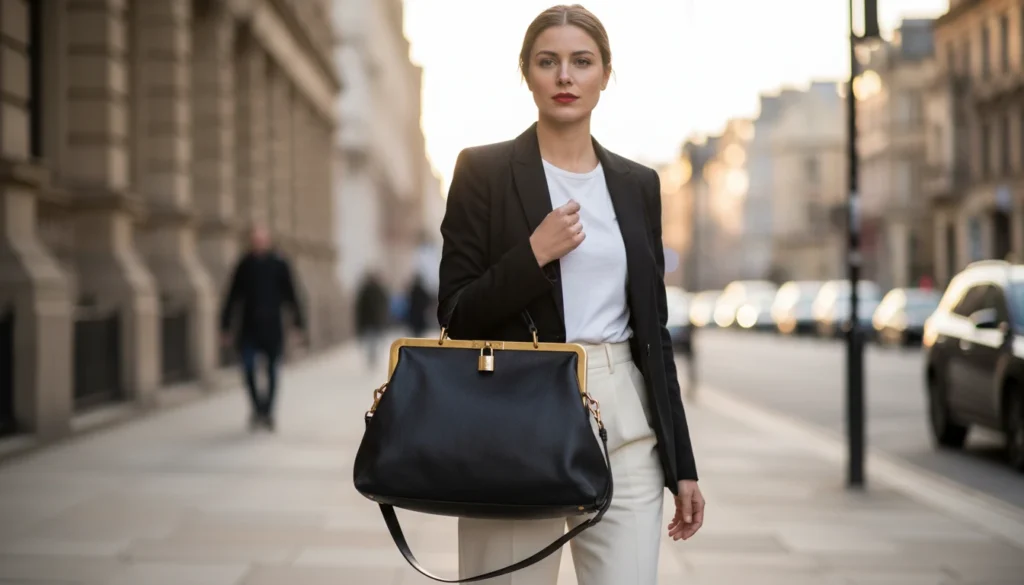
Launched in the mid-2000s, the Muse was the defining handbag of its era: an oversized, slouchy bowling-bag silhouette built on a structured frame with bold, polished hardware. It captured the mood of the decade perfectly, luxurious but relaxed, expensive but never precious, the ultimate off-duty status bag.
The Muse’s generous proportions and soft, beautifully broken-in leather made it a favorite of models, editors, and actresses living their real lives, and its influence echoes in every slouchy luxury bag that followed. It represents a modern kind of timelessness: not the formal, ladylike classic, but the perfectly worn-in icon that only gets better with age.
What Makes an Icon
Look closely at these eleven bags and a pattern emerges. Each arrived with a clear point of view: the 2.55 liberated women’s hands, the Baguette made a joke about bread into high fashion, the Birkin was sketched on an airplane. None was designed by committee, and none chased a trend. They were answers to real needs, expressed with conviction and made to the highest standard.
Craftsmanship is the other common thread. Hand-stitching, structured frames, hardware that still works decades later, these bags were built to be carried for a lifetime and handed down. In an era of disposable fashion, that durability is the ultimate luxury, and it is why the resale market treats these icons like blue-chip assets.
Icons Earn Their Status
What ultimately unites these eleven bags is not price or prestige alone, but something far rarer: the ability to remain desirable across decades, creative directors, and complete cultural shifts. Each was designed with conviction, made with extraordinary care, and adopted by women whose style the entire world watched and remembered.
You do not need all eleven, or even one, to appreciate what they represent. But understanding why these designs endure is a masterclass in style itself: invest in quality over novelty, choose distinctive silhouettes with confidence, and trust that true elegance never expires. That is the real luxury here, and it never, ever goes out of style.