 Sarah Grey
We all have those trips we booked for the photos and remember for something else entirely. I have stood in front of famous landmarks feeling oddly unmoved, and I have been stopped in my tracks by a quiet moment nobody could have planned: a shared umbrella in a sudden downpour, a bowl of soup I could not name, a sky so full of stars it did not look real. The souvenirs fade. The perspective shifts stay.
Travel changes us not through the big sights but through the small collisions with how other people live. Psychologists who study awe, including researcher Dacher Keltner at UC Berkeley, have found that experiences of vastness, whether natural wonders or human kindness, can quiet our self-focused thoughts and increase our sense of connection to something larger. These are the eleven travel moments that rearranged something inside me, and none of them were on the itinerary.
1. The Quiet Power of Silence
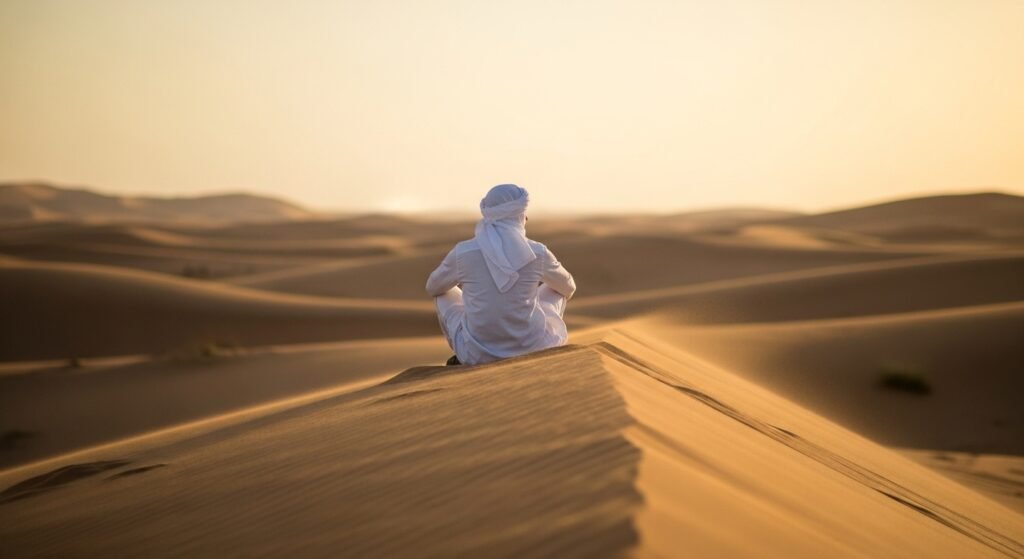
Standing alone in a desert at dawn, I realized I had forgotten what real quiet sounds like. Not the absence of noise, but the presence of something else: wind moving over sand, my own breathing, space. At home, silence feels like something to fill. Out there, it felt like a gift I had been too busy to open.
That morning rewired my relationship with stillness. I stopped treating every quiet moment as a problem to solve with a podcast or a scroll. Now I deliberately build silence into my days: a walk without earbuds, coffee without a screen. The desert taught me that quiet is not empty. It is where your own thoughts finally get a word in.
2. Local Markets Are Real Classrooms

Skip the museum one morning and go to the market instead. I have learned more about how people actually live from an hour among the stalls than from any guided tour. The way vendors arrange their produce, what is in season, how neighbors greet each other, what people haggle over and what they do not. A market is a city’s diary, written fresh every day.
In one market, I watched an elderly vendor press a piece of fruit into a hesitant tourist’s hand, refusing payment, just so she could taste it. No language shared, complete understanding. Commerce, I realized, is often just hospitality with a price tag. Now, wherever I travel, the market is my first stop and my truest orientation.
3. Nature Makes Everything Smaller
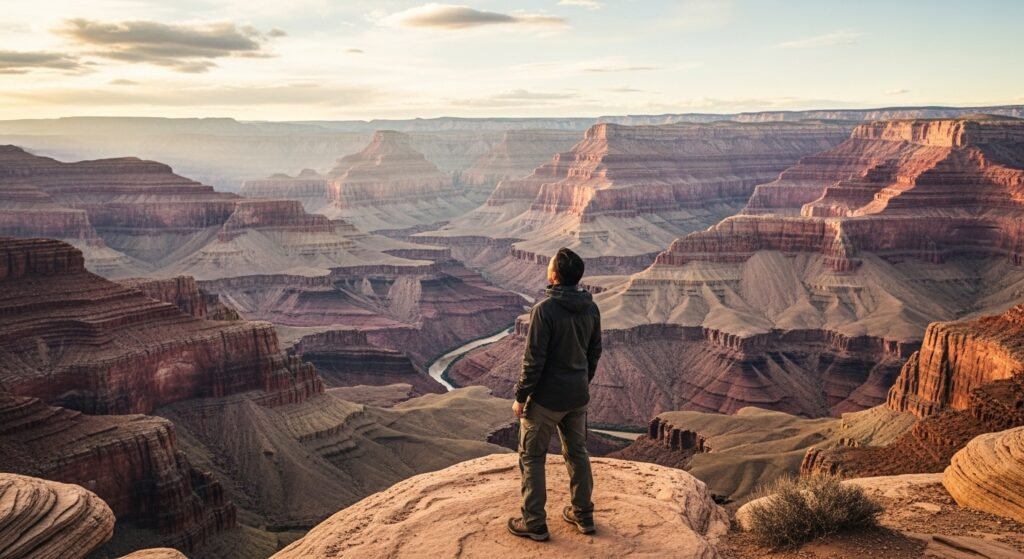
Standing at the edge of a canyon that took millions of years to carve, my inbox anxiety felt appropriately tiny. This is the famous small-self effect of awe: when we confront vastness, our personal worries shrink to their proper size. The Grand Canyon stretches 277 miles and in places is over a mile deep. My deadline stress, measured against that, was almost funny.
I do not need a canyon to access this feeling anymore. A big sky, an old tree, the ocean at night. Whenever my problems start feeling enormous, I borrow some vastness. Perspective is a renewable resource, and nature gives it away for free.
4. Routine Looks Different Elsewhere
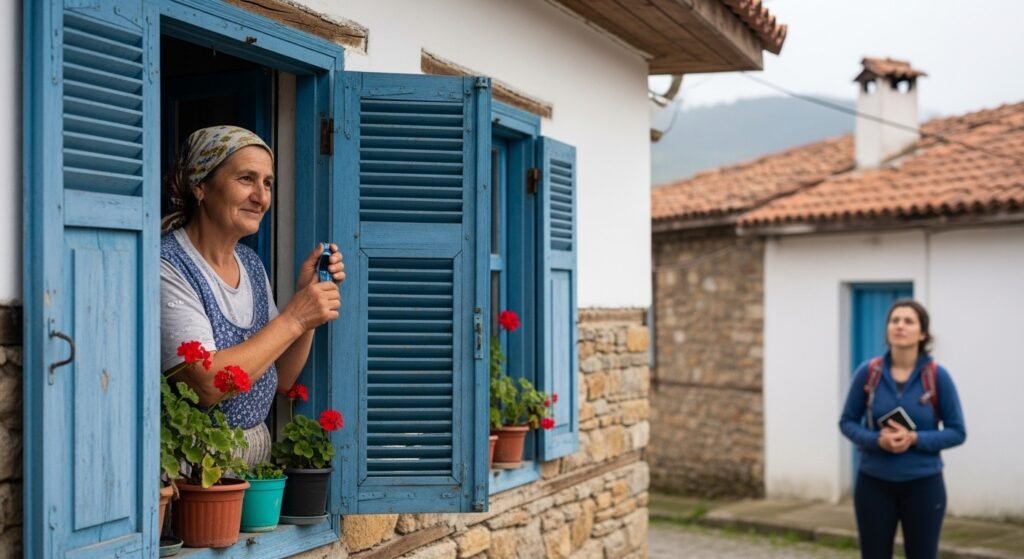
Watching a shopkeeper open his store at dawn in a small town, sweeping the step, arranging the awning, exchanging unhurried greetings, I realized his morning routine was as deliberate as any CEO’s, just aimed at different things. There are a million ways to build a good day, and mine was only one of them.
Travel is the fastest cure for the belief that your way is the way. Siestas, late dinners, morning markets, evening promenades. Every culture has solved the puzzle of daily life differently, and most of the solutions work beautifully. I came home and redesigned my own mornings, borrowing freely. Routine is a choice, not a law.
5. Architecture Tells a Story
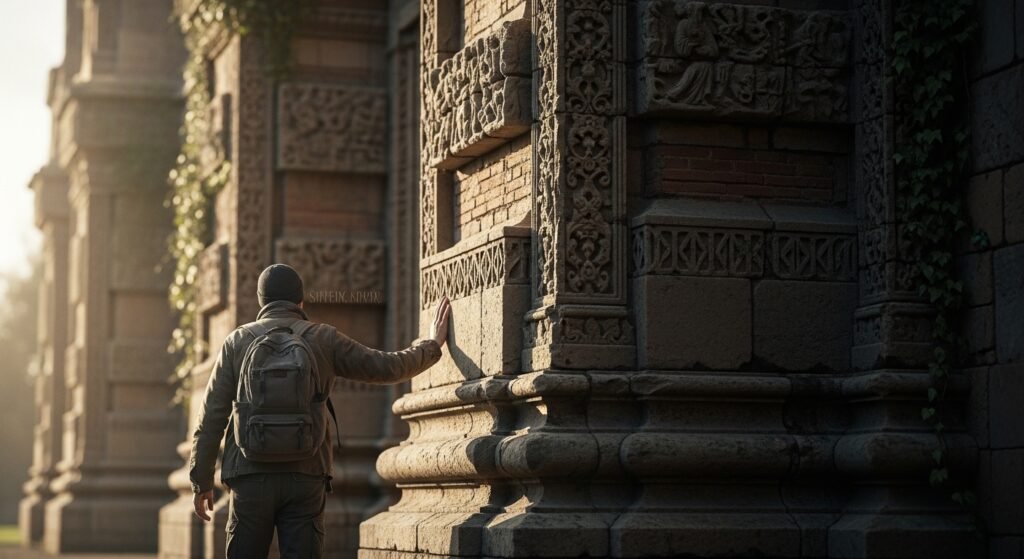
Walking through a building older than my country, I felt the peculiar humility of being temporary. The stones had been cut by hands centuries gone, for purposes I could only guess at. People had celebrated, mourned, and argued within those walls long before I existed, and the walls would outlast me too.
Old places teach a long view that is hard to get from a news cycle. Trends, outrages, urgencies. They all look different from inside a thousand-year-old church. I started asking a new question about my own worries: will this matter in a hundred years? Most of the time, the answer is mercifully no, and the relief is immediate.
6. Small Acts of Kindness

The travel memories that glow brightest in my mind are not sights but kindnesses. The stranger who walked me three blocks out of her way when I was lost. The family who insisted I join their picnic. The taxi driver who refused a tip and gave me a history lesson instead. I remember their faces more clearly than any monument.
Kindness from strangers hits differently because it is freely given to someone who can offer nothing in return. It restored my faith in people more than once, usually precisely when travel had worn it thin. I try to pay it forward at home now: directions given generously, patience extended to the confused. You never know which small act becomes someone’s favorite travel memory.
7. Walking Is the Best Way
Every trip has a moment when I ditch the itinerary and just walk, and it is always the best part. A taxi shows you a city through glass. Walking shows you the city itself: the smell of bakeries, the sound of a street musician two blocks away, the courtyard you would never have found otherwise. The best discoveries are allergic to schedules.
My rule now is one unplanned hour per day, minimum. No map, no destination, just wandering in the general direction of interesting. Some of my favorite travel stories began with a wrong turn. Getting a little lost is not a failure of planning. It is the plan working.
8. The Stars Look Different
Far from city lights, the night sky does not look like the sky at all. It looks like someone spilled diamonds on black velvet. The first time I saw the Milky Way properly, I just stood there with my mouth open. Light pollution hides this from most of us most of the time, and we forget what we are missing.
Organizations like DarkSky International work to preserve naturally dark places, and visiting one is worth building a trip around. But even a short drive out of town on a clear, moonless night will show you more stars than you have seen in years. Look up more often. The universe is putting on a show every night, and admission is free.
9. Home Feels Brand New
The strangest travel moment is coming home. After two weeks away, my own street looked different. I noticed the trees, the light, the little shop I had walked past a thousand times without seeing. Travel does not just show you new places. It gives you new eyes, and you get to keep them.
This is the real souvenir, and it does not fade. The first week home after a trip, I am a tourist in my own life, noticing and appreciating things I had gone blind to. I try to extend that feeling by deliberately exploring my own city: a new neighborhood, a different route, a restaurant I have never tried. Wonder is a practice, not a place.
10. Unexpected Delays Are Lessons
Missed flights, broken-down buses, rained-out plans. In the moment, they feel like disasters. In retrospect, they are always the stories. The delayed train that led to a conversation with a fascinating stranger. The cancelled tour that freed up the afternoon I wandered into my favorite hidden garden. The obstacle becomes the adventure.
Travel taught me to hold plans loosely. I still plan, but I no longer clutch the plan. When things go sideways, I ask: what is this making room for? That question has turned frustrations into some of my best memories, and it works just as well at home as it does abroad. Flexibility is a superpower, and delays are its training ground.
11. Connections Matter Most
Years later, what remains from any trip is the people. The hostel friend I still message. The grandmother who taught me to fold dumplings through gestures alone. The guide whose pride in his city was contagious. Places are the backdrop. People are the story.
This changed how I travel. I say yes to the group dinner. I ask questions and actually listen. I learn ten words of the local language, because the smile it earns is worth the butchered pronunciation. The research on happiness is clear that relationships drive well-being more than anything else, and travel keeps proving it: the best moments are always, always shared.
How to Travel for Perspective
You do not need a month off or a big budget to collect moments like these. Here is what I have learned about traveling in a way that changes you:
- Leave gaps in the itinerary. Schedule one unplanned block per day. The best moments cannot be booked in advance.
- Go where the locals go. Markets, neighborhood cafes, public parks. Tourist centers show you the postcard; local spots show you the life.
- Walk whenever you can. The slower you move, the more you see. Some of the best travel happens at three miles per hour.
- Talk to people. Ask your server what they love about their city. Chat with the person next to you. Most people are delighted to share.
- Seek out vastness. A coastline, a desert, a mountain viewpoint, a dark sky. Awe is the fastest route to perspective.
- Write it down. Keep a small travel journal. The moments you record are the ones you keep.
I did not expect a series of small, unplanned moments to rearrange how I see everything. But that is how travel works when you let it. It does not change the world. It changes the eyes you see it with. And that changes everything.