
 Sarah Grey
Six months ago, I caught myself doing something that stopped me cold. I had picked up my phone to check the time, and twenty minutes later I was deep in a stranger’s vacation photos, feeling vaguely dissatisfied with my own perfectly good life. I had not chosen to do that. My thumb had just… gone there on its own. That was the moment I realized my days were being quietly run by habits I never consciously chose, and most of them were making me less happy, not more.
So I ran an experiment on myself. I identified eleven small habits that were draining my energy, my time, or my mood, and I quit them one by one. Not all at once, which would have been a recipe for failure, but gradually, replacing each with something better. The change was not dramatic in any single week. But day by day, my happiness genuinely improved. Here are the eleven habits I quit, why they were hurting me, and what I do instead.
1. Checking My Phone First Thing in the Morning
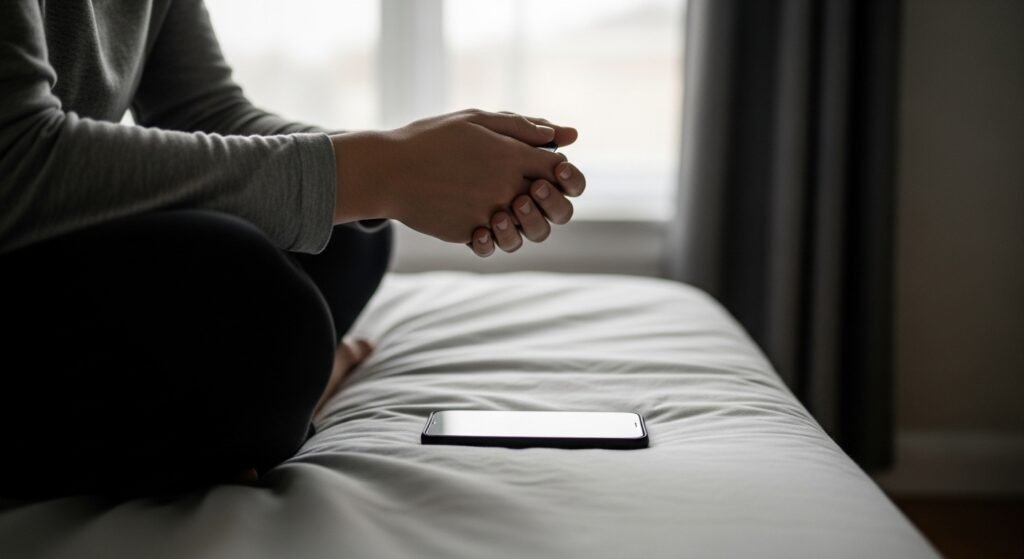
The first thing I used to do every morning was reach for my phone. Before my feet hit the floor, I had already absorbed a dozen notifications, three headlines, and someone’s opinion about something. My brain was in reactive mode before I was even awake, and the whole day inherited that frantic, scattered feeling.
Now my phone charges in the kitchen overnight, and the first thirty minutes of my day belong to me: water, daylight, getting dressed, a real thought of my own. Research on attention suggests that how we spend the first part of our day shapes our focus for hours afterward. Protecting that window was the single highest-impact change I made. If moving the charger feels too extreme, start with just keeping the phone on Do Not Disturb until you have finished breakfast.
2. Overscheduling Every Minute

I used to treat a full calendar as proof of a full life. Every evening was booked, every weekend was planned, and I wore my busyness like a badge of honor. The result was not fulfillment. It was a constant low-grade exhaustion and the strange feeling of never having time to actually enjoy anything.
Quitting overscheduling did not mean becoming a hermit. It meant leaving deliberate blank space: one unscheduled evening a week, one weekend day a month with zero plans. Those empty spaces are where rest happens, where spontaneity lives, and where I finally had time to notice I was happy. Busyness is not the same as richness, and an empty square on the calendar is not a failure. It is a gift to your future self.
3. Complaining on Autopilot

Venting feels good for about ninety seconds. Then the complaint lingers, coloring everything after it. I noticed my conversations had developed a pattern: weather, traffic, workload, repeat. I was rehearsing my dissatisfaction out loud several times a day, and each retelling made the small annoyances feel bigger.
I did not become artificially positive. I just added a rule: for every complaint, I have to name one thing that is working. The traffic was terrible, but the podcast was great. The project is stressful, but my coworker is wonderful. This tiny practice retrains attention. Psychologists call it the negativity bias: our brains naturally spotlight the bad. Consciously balancing the picture does not deny reality. It just stops letting the bad parts hog the microphone.
4. The Late-Night Scroll

The late-night scroll is the cruelest habit because it steals from tomorrow to pay for tonight. I would climb into bed exhausted and then spend forty-five minutes watching videos I would not remember in the morning. Screens emit blue light that can suppress melatonin, the hormone that signals sleepiness, and the endless novelty of a feed keeps the brain alert precisely when it should be winding down.
My replacement is almost embarrassingly simple: a physical book on the nightstand and a phone charger in another room. Reading makes me sleepy in the best way, and I wake up without the groggy, screen-hungover feeling. If a book feels like too much commitment, even ten minutes of stretching or writing down tomorrow’s top three tasks works. The goal is a buffer between the noise of the day and sleep.
5. Holding Onto Grudges

Here is an uncomfortable truth I had to face: the grudges I was carrying were only punishing me. The people who had annoyed or hurt me were living their lives, completely unaffected, while I was replaying old scenes and rehearsing conversations that would never happen. Resentment is like paying rent on a room you hate living in.
Letting go did not mean pretending things were fine or inviting anyone back into my life. It meant a weekly practice of asking: am I still carrying something that is only hurting me? Usually the answer involved writing it out, feeling the feeling, and consciously deciding to set it down. Forgiveness, I learned, is not something you do for the other person. It is something you do for your own peace. My emotional energy is too valuable to spend on reruns.
6. Multitasking Everything

I prided myself on multitasking: answering emails during meetings, half-watching shows while scrolling, cooking while on the phone. I felt productive. I was not. Research on task-switching, including well-known studies from Stanford, has consistently shown that the brain does not truly multitask. It rapidly switches between tasks, and each switch carries a cognitive cost. The result is slower work, more errors, and a frazzled feeling that masquerades as productivity.
Single-tasking felt painfully slow for the first week. Then something shifted. Work got done faster because I was not re-reading the same paragraph three times. Meals tasted better because I was actually tasting them. Conversations got richer because I was actually listening. Doing one thing at a time is not laziness. It is the fastest way through, and the calm that comes with it is its own reward.
7. Impulse Buying for a Quick Hit
The dopamine hit of clicking buy now is real, and so is how quickly it fades. I used to soothe boredom, stress, or a bad day with small purchases that added up to real money and a closet full of things I did not love. The thrill lasted about as long as the unboxing.
My rule now is the 48-hour list. When I want something non-essential, it goes on a note on my phone. If I still want it in two days, I can reconsider. Nine times out of ten, I forget about it entirely, which tells me everything I need to know about how much I actually wanted it. The money I save goes toward things I genuinely value: experiences, quality pieces I will use for years, and a savings buffer that brings more peace than any package ever did.
8. Saying Yes to Everything
Every yes is a thousand tiny noes to everything else, including rest, focus, and the people who matter most. I said yes to keep the peace, to seem helpful, to avoid the discomfort of declining. The result was a calendar full of obligations I resented and no energy left for the things I actually cared about.
Learning to say no gracefully was a skill, not a personality transplant. My go-to phrases: Let me check my calendar and get back to you. I cannot commit to that right now. That does not work for me, but thank you for thinking of me. No long explanations, no guilt spirals. The surprising discovery was that people respected it. Boundaries do not push good people away. They teach people how to treat you, and they protect the energy you need for your own life.
9. Sitting All Day
My body kept the score of my sedentary days: the stiff neck, the 3 p.m. energy crash, the restless-but-exhausted feeling at bedtime. I was not skipping workouts out of laziness. I just believed exercise had to be an hour at the gym or nothing. That all-or-nothing thinking kept me firmly in my chair.
The fix was movement snacks: a ten-minute walk after lunch, stretching while the coffee brews, taking stairs, parking farther away. Health researchers have found that breaking up long sitting periods with short movement breaks benefits both body and mind. I also started walking meetings for phone calls. My step count roughly doubled without a single dedicated workout, and the afternoon slump mostly disappeared. Motion, it turns out, creates energy rather than consuming it.
10. Living on Fast Food and Takeout
There was a stretch when my diet was essentially whatever arrived fastest. It was convenient, and then it was a cycle: heavy food, energy crash, cravings, repeat. I do not believe in food guilt or extreme diets, but I could not deny the connection between what I ate and how I felt an hour later.
I did not quit takeout. I quit defaulting to it. Now I keep simple building blocks on hand: eggs, frozen vegetables, rice, beans, good bread. A real meal takes fifteen minutes, and I still order in once a week as a genuine treat rather than a daily reflex. The difference in my energy has been remarkable. Food is information for your body, and I finally started sending better messages.
11. People Pleasing
The deepest habit on this list was shaping my opinions, my plans, and even my personality around what I thought others wanted. It looked like kindness. It felt like self-erasure. I was so busy managing everyone’s comfort that I lost track of my own preferences. Ask me what movie I wanted to watch, and I genuinely did not know.
Reclaiming myself started small: stating a preference when asked, wearing what I liked, spending a Saturday exactly how I wanted. The people worth keeping did not mind at all. In fact, my relationships got better, because I was showing up as a real person instead of a mirror. You cannot pour from an empty cup, and you cannot be happy while performing a version of yourself for an audience.
How to Actually Break a Habit
If you want to try this yourself, here is what I learned about making change stick. First, do not try to quit everything at once. Willpower is a limited resource, and overhauling your life in a week is how resolutions die by February. Pick one habit, the one that bothers you most, and start there.
Second, replace rather than remove. In his book The Power of Habit, Charles Duhigg describes the habit loop: a cue triggers a routine, which delivers a reward. You cannot easily erase the loop, but you can swap the routine while keeping the cue and reward. The cue of getting into bed can trigger reading instead of scrolling. The cue of stress can trigger a walk instead of a purchase.
Third, be patient with the timeline. You have probably heard it takes 21 days to form a habit, a figure traced to a 1960s plastic surgeon, Maxwell Maltz. A 2009 study published in the European Journal of Social Psychology found the reality is messier: new behaviors took anywhere from 18 to 254 days to become automatic, averaging around 66. Missing a day does not reset the clock. What matters is the overall direction, not perfection.
I am not a different person than I was six months ago. I am the same person with better defaults. My happiness did not improve because my life became perfect. It improved because I stopped doing the small things that were quietly making it worse, day by day. Pick one habit from this list and start today. Six months from now, you will be glad you did.