 Sarah Grey
We tend to think that a beautiful life requires a huge bank account, exotic vacations, designer clothes, and expensive experiences. Social media reinforces this constantly, showing us curated highlights that imply happiness has a price tag. But I have learned through experience that magic is often hiding in the ordinary, waiting patiently for us to notice it. After watching so many people burn out chasing happiness through purchases and achievements, I decided to try a radically different approach. I started romanticizing my everyday life, deliberately finding beauty in small, free moments, and it genuinely changed everything about how my days feel and how I experience the world.
Romanticizing your life does not mean pretending everything is perfect or ignoring real problems. It means choosing to see the beauty that is already present in your ordinary days. It is a practice of attention and gratitude, not delusion. Here are eleven free ways I did it, each one simple, each one transformative.
1. Fall in Love With the Library
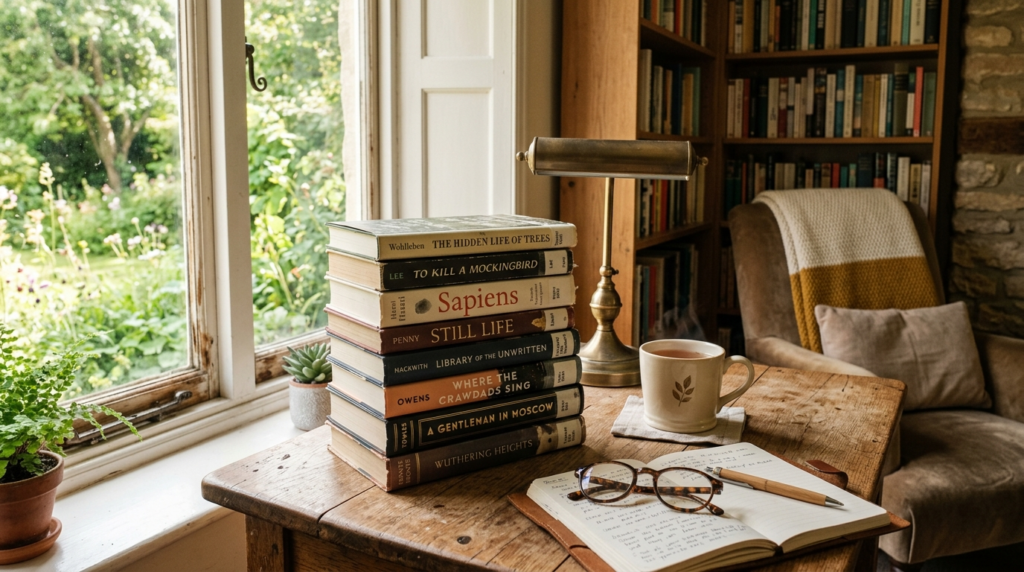
Walking into a library and choosing a stack of books feels like a shopping spree, except everything is completely free. The quiet aisles, the distinctive smell of paper and possibility, the thrill of discovering something unexpected. I started making weekly library trips a sacred ritual, and they quickly became one of my favorite parts of the week. Bringing home an armful of books feels abundant and luxurious in a way that buying never quite did.
Beyond books, most libraries offer an astonishing range of free resources: movies, music, audiobooks, classes, workshops, and even museum passes or tool lending. A library card is essentially a passport to enrichment that costs absolutely nothing. If you have not visited yours lately, go this week with no agenda. Wander the stacks slowly. Let yourself be surprised by what you find. The library is living proof that the best things in life are free, and they have been patiently waiting for you all along.
2. Light Candles for Ordinary Dinners
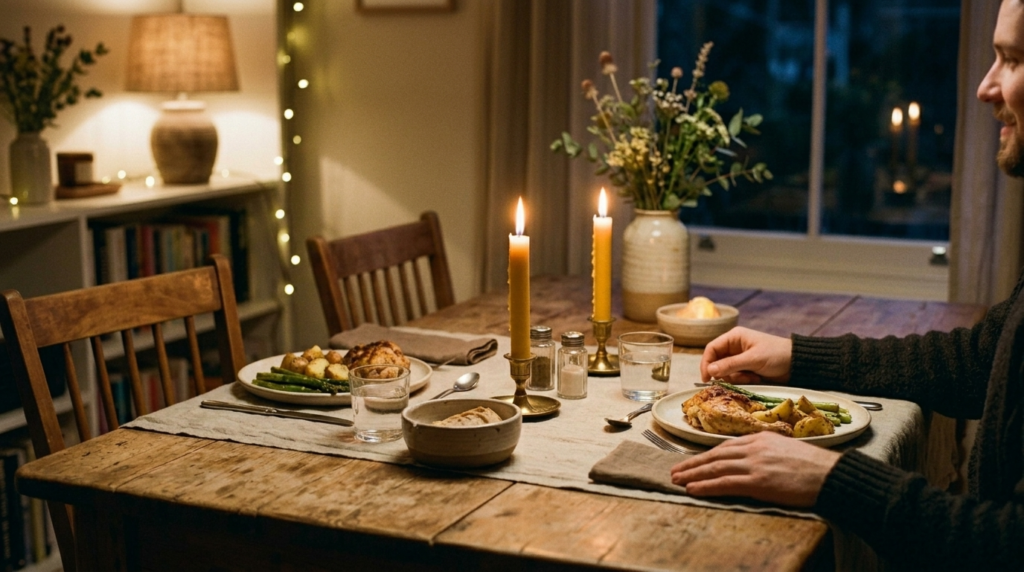
Those decorative candles sitting unused in a drawer or on a shelf? Light them. Tonight. On a regular Tuesday. For simple pasta. Candlelight has a magical ability to transform the most ordinary meal into a meaningful occasion. The warm, flickering glow softens the entire room, naturally slows you down, and makes dinner feel intentional and special rather than merely functional. It costs nothing and changes the entire atmosphere.
I started lighting candles for regular weeknight dinners, and the shift in our evenings was immediate and profound. We talked more deeply. We rushed less. We actually tasted the food. The meal felt like an event to savor instead of a refueling stop between tasks. Why do we save beautiful things for special occasions that rarely come? Every dinner is an opportunity to make life feel beautiful. The candles were always there in the drawer. I just had to finally strike the match.
3. Create Soundtracks for Your Daily Life
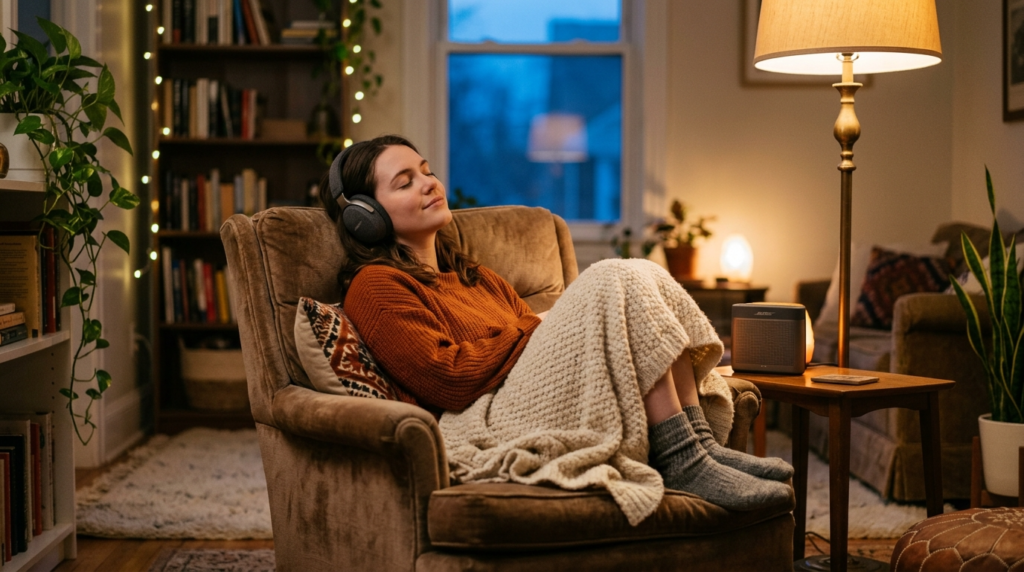
Music is a free time machine and an instant mood shifter. I started curating specific playlists for different moments of my day: gentle jazz for slow Sunday mornings, classical for focused work sessions, upbeat pop for cleaning the house, acoustic folk for evening wind-downs. Playing the right music transforms mundane tasks into cinematic experiences. Doing dishes while listening to Edith Piaf genuinely feels like a scene from a French film.
The key is intentionality rather than default. Instead of sitting in silence or letting random radio play, consciously choose your soundtrack. It takes two minutes to start a playlist, and it completely changes the texture and emotional tone of the next hour. Your life has a score, whether you choose it or not. You might as well be the conductor. Free streaming services make this accessible to everyone, no subscription required for the basics.
4. Use the Good Stuff Every Day

We all have the good stuff we are saving for someday: the expensive candles, the luxurious soap, the beautiful notebook, the cloth napkins, the nice wine glasses. We tell ourselves we will use them when the occasion is special enough. But that occasion rarely comes, and the beautiful things sit unused while we use the mediocre ones daily. I decided to stop waiting for permission to enjoy my own belongings.
I started using the good candle on random Wednesdays, the luxurious soap every single day, the beautiful notebook for ordinary grocery lists, the cloth napkins for Tuesday tacos. Here is what I discovered: using the good stuff does not deplete the joy. It fulfills the purpose those things were made for. Beautiful objects are meant to be enjoyed, not preserved in pristine condition. And ordinary days deserve beauty just as much as special ones. The fancy linens do not make the day special. They reveal that the day was already special. Stop saving. Start savoring.
5. Make Your Bedroom a Personal Sanctuary
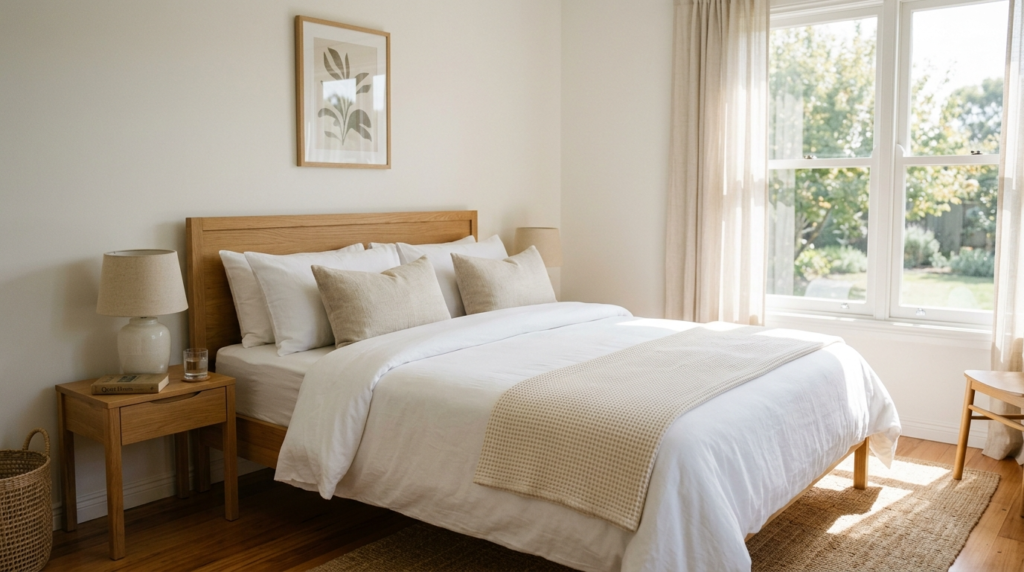
You do not need an expensive renovation to make your bedroom feel like a peaceful retreat. Make the bed properly with care, clear off the nightstand, open the window for fresh air, add a small plant or a framed photo that makes you happy, light a candle in the evening. These tiny, free actions transform how the entire room feels and functions.
I started treating my bedroom like a sanctuary deserving of respect instead of a storage room I happened to sleep in. Bed made every morning without fail. No clothes draped on the chair. Surfaces clear. A candle on the dresser for evenings. Waking up in a calm, beautiful, intentional space sets a peaceful tone that carries through the whole day. Falling asleep in that same space feels like a gift you give yourself. Your bedroom is the first place you see each morning and the last each night. It deserves to be lovely.
6. Write Real Handwritten Letters
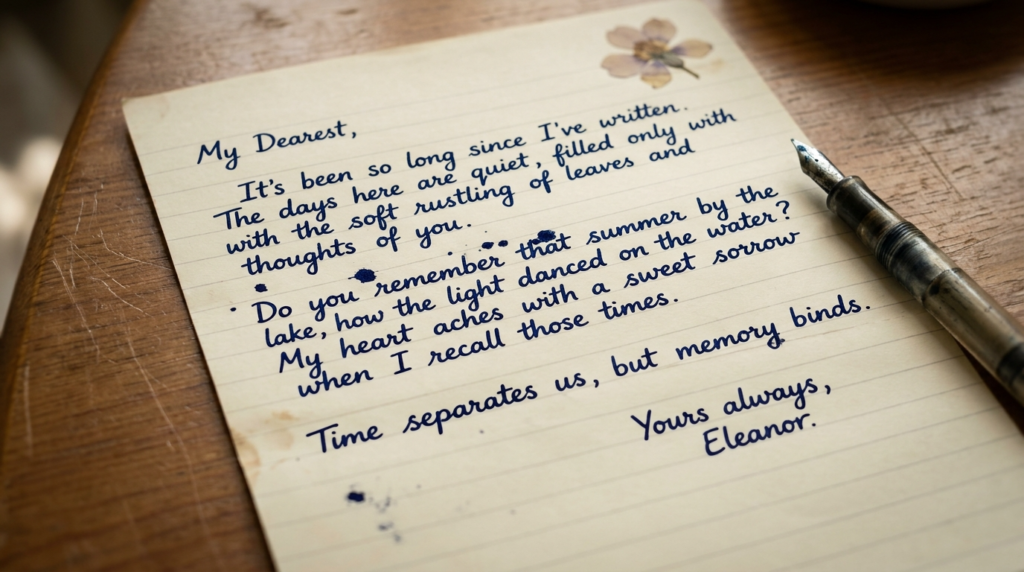
In an age of instant messages, disappearing stories, and rapid-fire texts, a handwritten letter is practically revolutionary. I started writing letters to friends regularly, not for birthdays or special occasions, just because I was thinking of them. The deliberate act of choosing nice paper, forming words slowly by hand, addressing an envelope, and walking to the mailbox feels deeply meaningful in a way that typing on a screen never could.
And receiving a letter in return? It is pure, unexpected joy in your mailbox among the bills and flyers. It costs the price of a stamp and a few minutes of your time. The emotional impact, however, is enormous and lasting. Friends have told me they kept my letters in drawers, re-read them during hard times, even framed them. In our disposable digital world, something tangible, personal, and permanent stands out beautifully. Write the letter. The authentic connection it creates is worth infinitely more than any text thread.
7. Actually Explore Your Local Parks
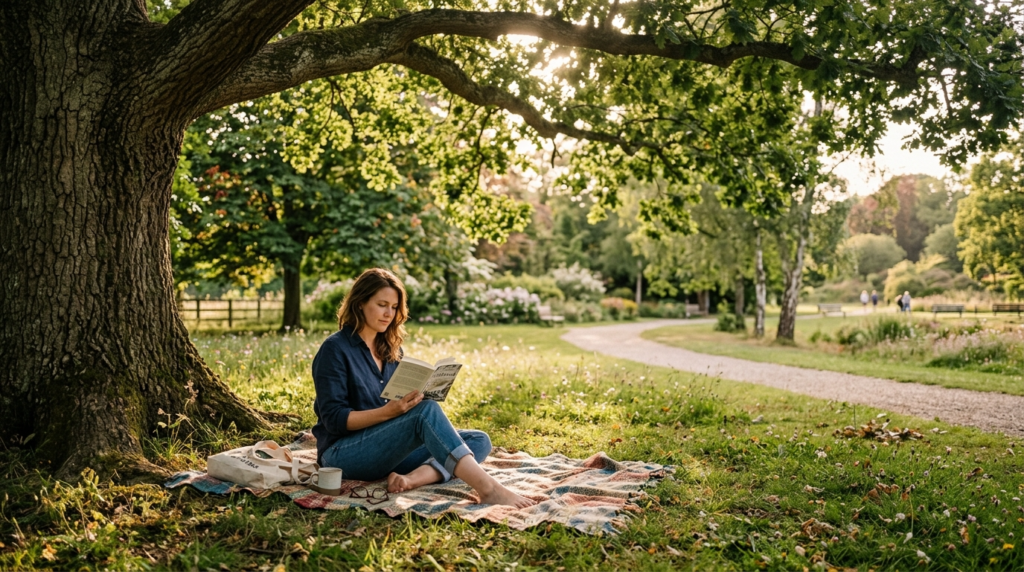
Most of us walk or drive past green spaces every single day without ever actually entering them. They become background scenery. I started deliberately going into my local park: sitting on benches with no agenda, walking the paths slowly, watching the seasons change week by week, noticing which flowers bloomed when. It is completely free, it is always there waiting, and it is quietly transformative. Nature is the original romance, and we have forgotten to court it.
Bring a book and read under a tree. Bring a friend and talk without distractions. Or just bring yourself and sit. Watch the light filter through the leaves. Listen to the birds and the wind. Feel the air on your skin. These simple sensory moments are what make life feel rich and meaningful, and they cost absolutely nothing. The park was always there, just beyond the fence. I just had to finally walk through the gate and claim it.
8. Document Three Good Things Daily
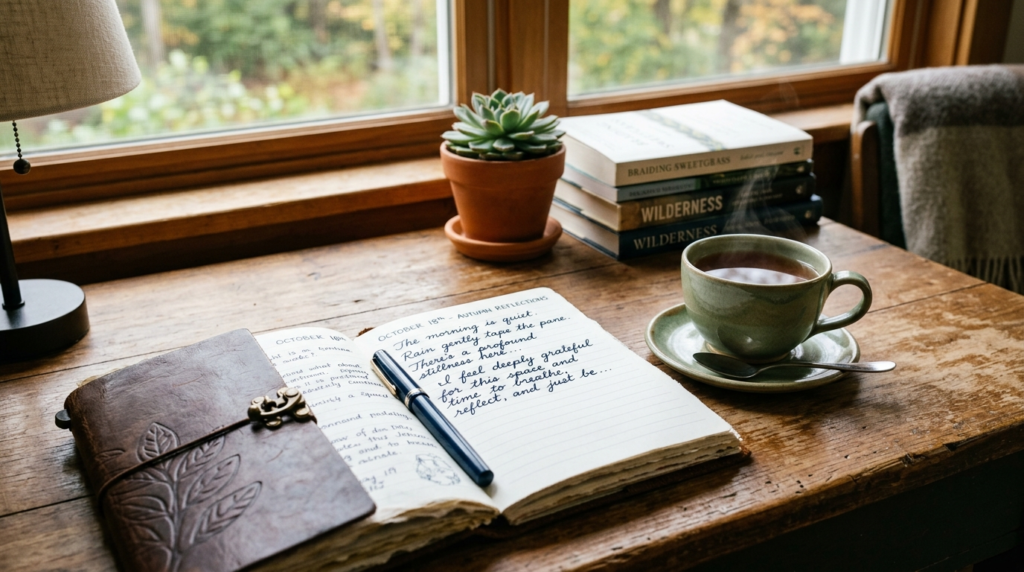
I started keeping a simple daily journal where I wrote down three good things from each day. Not major achievements or milestones. Small, ordinary wins: a perfect cup of coffee, a kind word from a stranger, sunlight streaming through the window at just the right angle, a song that made me smile. This practice, well-supported by positive psychology research on gratitude, gradually retrains your brain to notice the positive instead of defaulting to the negative.
Within just a few weeks, I found myself naturally spotting beautiful moments throughout the day because I knew I would be writing them down later. The journal did not merely record happiness after the fact. It actively created happiness by directing my attention toward beauty in real time. What you consistently look for, you will inevitably find. I started deliberately looking for beauty in my ordinary days, and it turned out to be everywhere, hiding in plain sight.
9. Learn Something New Just for Joy

The internet is essentially a free university, if you know where to look and are willing to be a beginner. I started learning watercolor painting from YouTube tutorials, using the basic supplies I already had in a drawer. The act of learning something purely for personal joy, with absolutely no pressure to monetize it, master it, or post about it, felt incredibly luxurious. It was play in its purest form, and adults do not allow themselves enough play.
Pick something you have always been quietly curious about: drawing, a new language, basic coding, bread baking, photography, gardening, an instrument. Completely free, high-quality resources exist for all of it. The beginner phase, where everything is new and exciting and you improve rapidly, is itself a form of romance with life. It reminds you that you are still growing, still capable of surprise. Stay curious about the world. It is what keeps you feeling young and alive.
10. Window Shop as a Free Experience
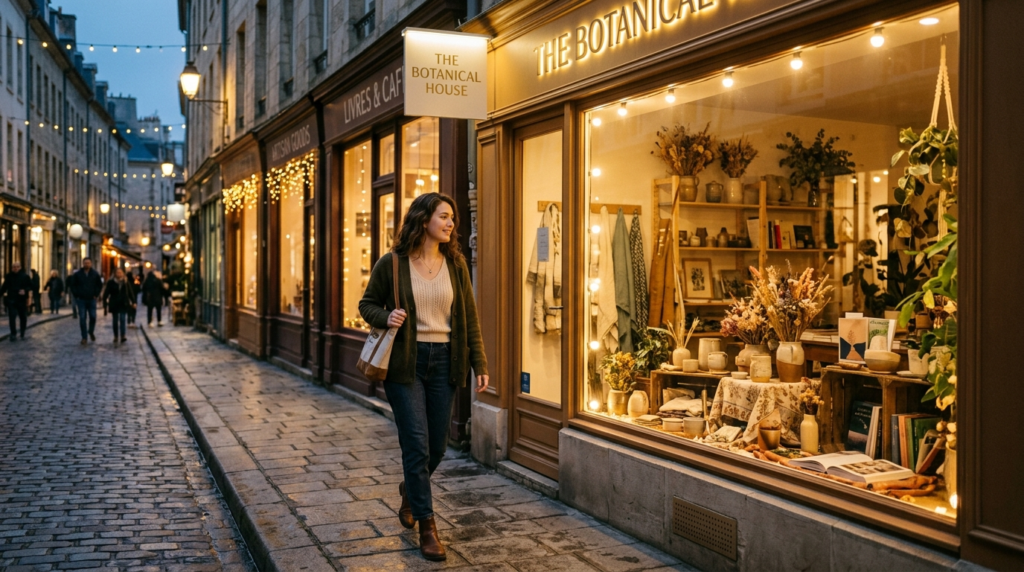
Walking through a beautiful neighborhood and looking in shop windows is a genuinely lovely outing that costs absolutely nothing. I started doing this on weekend afternoons: strolling nice streets slowly, admiring creative displays, people-watching at outdoor cafes, soaking in the architecture and atmosphere. It feels like a mini-vacation or travel experience without ever leaving town.
The key mindset shift is to enjoy it fully without feeling obligated to buy anything. Appreciate the aesthetics and craftsmanship. Get ideas for your own style or home. Soak in the vibrant atmosphere. Not every outing needs to end with a purchase to be worthwhile and fulfilling. Sometimes the experience itself is the entire point. Your city has beauty waiting to be noticed. Go look at it with fresh eyes.
11. Practice Intentional Silence
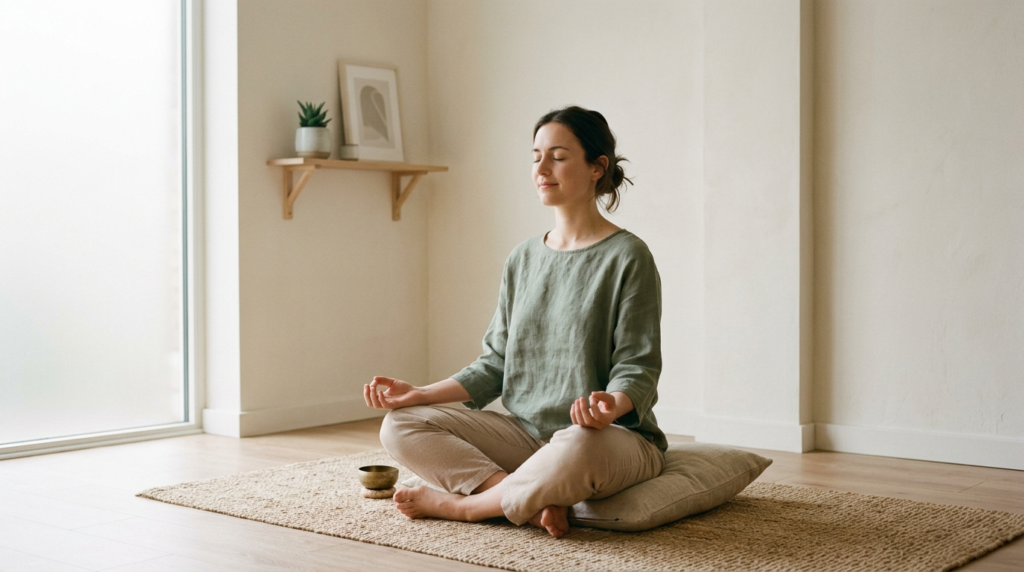
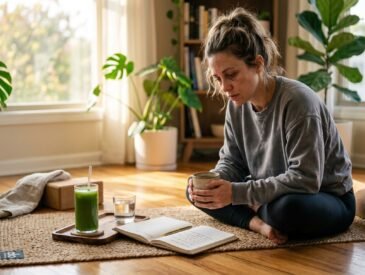
Ten minutes of sitting in complete silence, with no phone, no music, no podcast, no input of any kind, felt genuinely radical the first time I tried it. We are so thoroughly accustomed to constant stimulation and background noise that true quiet feels uncomfortable, even anxiety-inducing at first. But in that quiet space, I started hearing my own thoughts clearly, noticing my physical surroundings, feeling present in my body in a way I rarely was during busy days.
Silence is the blank canvas on which the beauty of life becomes visible. Without intentional quiet, we miss the subtle, gorgeous things: the quality of light at golden hour, the distant sounds of the neighborhood, the feeling of simply being alive and breathing. Start with just five minutes. Gradually work up to ten or fifteen. It is completely free, always available wherever you are, and it might become the most romantic, grounding part of your entire day. Just you, being here, now, with nothing to prove.
Romance Is a Daily Practice, Not a Purchase
Here is the profound truth that romanticizing my life taught me: beauty is not something you buy or achieve. It is something you notice and choose. It is a daily practice of attention, gratitude, and intention, not a destination you arrive at after acquiring enough things. The candles, the handwritten letters, the library books, the park benches, the quiet moments. They were all there before I started. I just was not truly looking.
You do not need more money to live a significantly more beautiful life. You need more presence, more attention, more willingness to find the extraordinary hiding inside the ordinary. Start with just one thing from this list today. Light the candle tonight. Write the letter this weekend. Visit the library tomorrow. Notice how it shifts something inside you. Then try another the next day. The romance was never in the expensive things or faraway places. It was in you all along, waiting for you to decide to see it.