 Sarah Grey
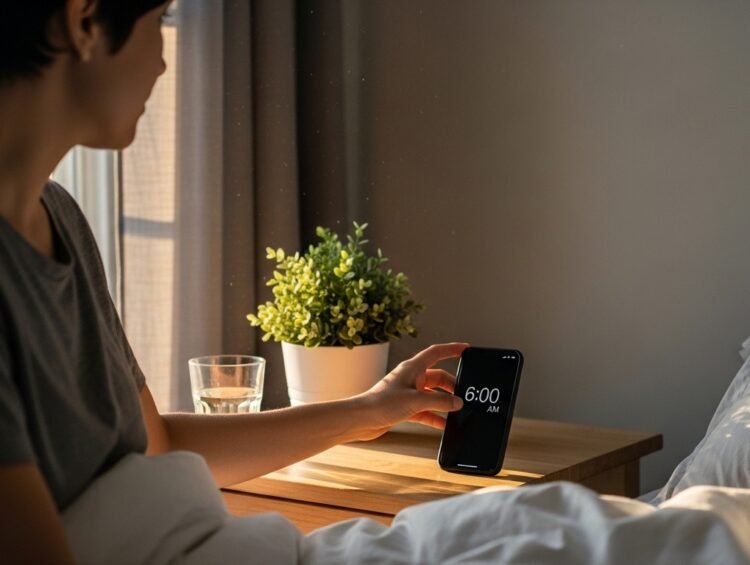
For years, my mornings began with a familiar ritual: the alarm rang, I tapped snooze, and I promised myself five more minutes.
Those five minutes rarely felt restful, yet I repeated the cycle every single day.
Eventually, I wondered what would happen if I simply stopped negotiating with my alarm clock.
What if I stood up the moment it rang, without hesitation or bargaining?
So I committed to a 30-day no snooze rule.
I was curious whether such a small change could truly reshape my energy, focus, and routine.
The rules were simple: one alarm, no snooze, feet on the floor immediately.
No exceptions for weekends, rainy days, or restless nights.
I kept a journal to track how each morning felt.
What I discovered surprised me in ways I never expected.
This is the story of those 30 days.
Every lesson is one you can apply starting tomorrow.
I also tracked my mood each evening on a simple one-to-ten scale.
The data revealed patterns I would never have noticed otherwise.
Numbers don’t lie, and mine told a compelling story.
The First Morning Shocked My System

On the first day, getting up immediately felt abrupt and almost unnatural.
My body had grown accustomed to drifting in and out of light sleep during repeated snooze cycles.
Instead of easing into the day, I felt a jolt of resistance.
But I also noticed a surprising clarity from making one decisive action.
There was no groggy negotiation, just movement.
My feet hit the cold floor and my brain switched on faster than usual.
I splashed water on my face and felt oddly alert.
The discomfort lasted minutes, not the usual half hour of snoozing.
By the time I would normally have gotten up, I was already dressed.
That extra time felt like a gift I had been stealing from myself.
I drank my coffee slowly instead of gulping it.
The morning felt spacious rather than frantic.
Day one taught me that the shock fades quickly.
What remains is a strange sense of pride.
I had kept my first promise before 7 a.m.
I placed my phone across the room so I had to stand to silence it.
That single trick made snoozing physically impossible.
I Realized Snoozing Was Not Restful Sleep
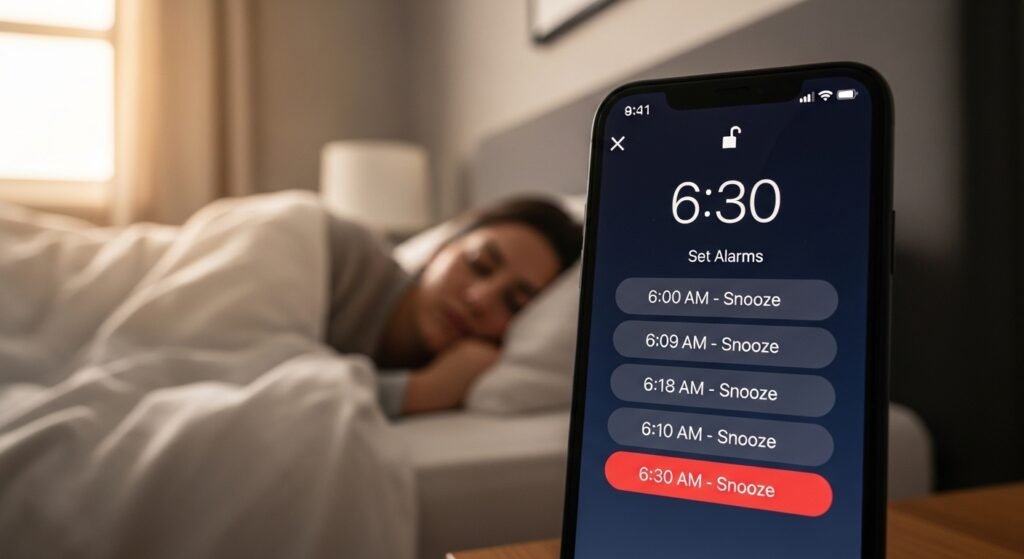
As the days progressed, I learned that hitting snooze was not giving me meaningful rest.
It was fragmenting my final sleep cycle and leaving me groggier.
Research shows that interrupted sleep increases sleep inertia.
Sleep inertia is that heavy, disoriented feeling after waking.
Short bursts of snooze sleep make it worse, not better.
I often felt more tired after multiple alarms than on single-alarm days.
The science finally made sense in my own body.
Each snooze restarted a sleep cycle that couldn’t finish.
My brain kept getting yanked awake mid-cycle.
No wonder I felt worse after nine extra minutes.
Understanding this made the rule easier to follow.
I wasn’t losing rest by skipping snooze.
I was avoiding fake rest that harmed more than helped.
Knowledge became my best alarm clock.
The snooze button is a lie we tell ourselves.
I read sleep research during the experiment to stay motivated.
The science kept me committed on difficult mornings.
My Mornings Became More Structured
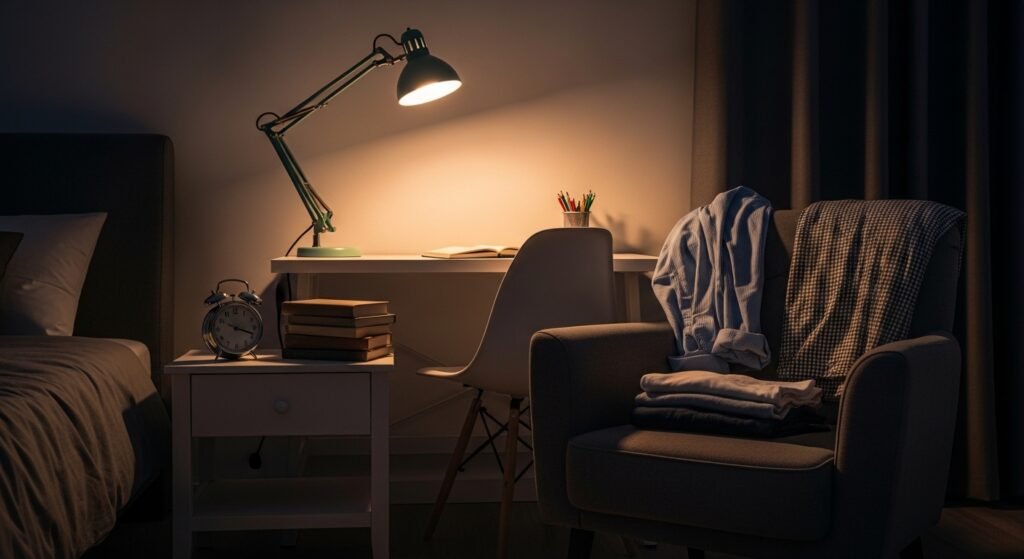
Without the cushion of extra minutes, I had to prepare more intentionally.
The night before became part of the morning routine.
I set out clothes, organized my workspace, and chose a realistic bedtime.
This structure created a smoother start to each day.
I was no longer scrambling to make up lost time.
My bag was packed, my lunch was ready, my keys were visible.
Decision fatigue vanished from my mornings.
I simply executed a plan I had already made.
The evening preparation took only ten minutes.
But it saved thirty minutes of morning chaos.
I started enjoying my evenings more too.
Tidying up became a calming wind-down ritual.
Structure turned out to be freedom, not restriction.
My mornings finally had a rhythm I could trust.
Preparation is the secret nobody talks about.
I created a simple checklist for my evening preparation routine.
Checking boxes gave me a satisfying sense of closure.
My Energy Levels Evened Out Throughout the Day

By the second week, I noticed fewer dramatic energy dips midmorning.
Waking at a consistent time reinforced my circadian rhythm.
My internal clock stabilized remarkably fast.
Mornings felt less like a battle and more like a transition.
I stopped needing a second coffee by 10 a.m.
Afternoon slumps became milder and shorter.
My body learned when to be alert and when to wind down.
Consistency proved more powerful than duration.
Seven hours of regular sleep beat nine hours of chaotic sleep.
I started waking naturally minutes before the alarm.
That had never happened in my snoozing years.
Even my weekends felt better with steady wake times.
Energy is a rhythm, not a resource to chase.
The no snooze rule tuned my rhythm beautifully.
Steady beats spiky every time.
I stopped scheduling important meetings before 9 a.m.
My calendar finally matched my natural rhythm.
I Became More Accountable to Myself

Standing up when the alarm sounded became a powerful act of self-discipline.
It reinforced that I could keep promises made to myself.
That simple commitment carried into other areas of my day.
I found it easier to start tasks without procrastinating.
The workout I kept postponing finally happened.
Difficult emails got answered instead of avoided.
Each kept promise strengthened the next one.
Self-trust compounds like interest in a bank account.
I stopped negotiating with myself about everything.
The decision was made the night before, not debated at dawn.
This mental shift felt profound by week three.
I respected myself more, and it showed.
Accountability starts with the smallest promises.
The alarm clock became my integrity coach.
Every morning was a fresh vote for who I wanted to be.
I told a friend about the challenge for accountability.
Knowing someone would ask kept me honest.
My Evenings Started to Matter More
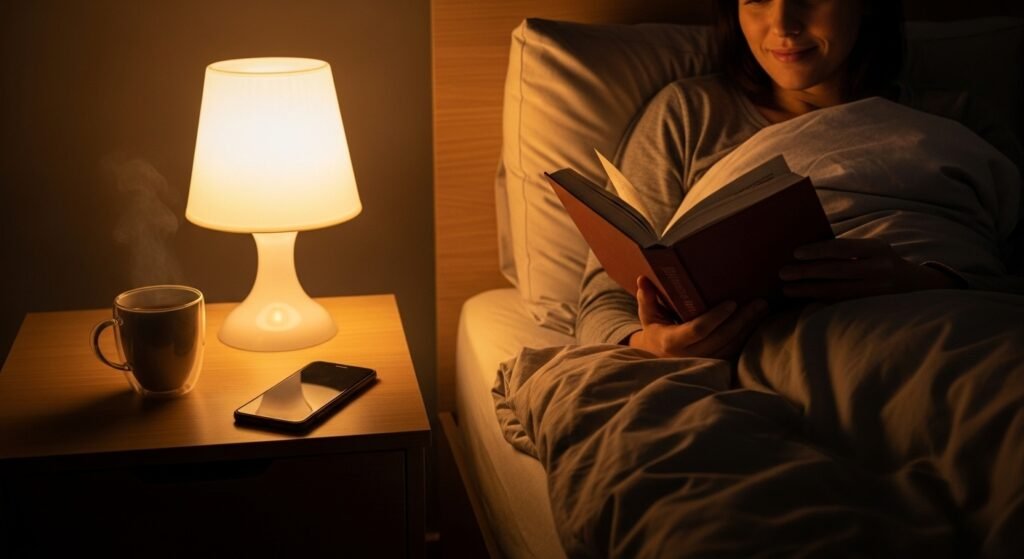
Knowing I would not rely on snooze forced me to respect my bedtime.
Adequate sleep became essential rather than optional.
I began winding down earlier each night.
Late-night scrolling lost its appeal.
I prioritized seven to eight hours of rest.
The alarm would not feel punishing with enough sleep.
My evenings developed a gentle, intentional rhythm.
Herbal tea replaced midnight snacks.
A book replaced the phone in bed.
I started looking forward to sleep instead of resisting it.
That mindset shift changed everything.
Mornings are won the night before.
My evenings became as nourishing as my mornings.
The whole day improved from both ends.
Sleep is not wasted time; it is an investment.
I dimmed the lights an hour before bed each night.
My body learned to associate darkness with sleep.
Stress Around Mornings Decreased

Ironically, removing snooze reduced my morning anxiety.
I was no longer half-awake calculating minutes I could afford to lose.
The mental tug-of-war simply disappeared.
A calmer, more straightforward routine replaced it.
I stopped dreading the alarm sound.
It became a signal, not a threat.
My cortisol spike in the morning felt manageable.
I had time for breakfast without rushing.
Traffic felt less stressful with a time buffer.
I arrived everywhere a few minutes early.
That alone transformed my daily stress levels.
Rushing is a choice, and I stopped choosing it.
Calm mornings create calm days.
The snooze button was manufacturing my stress.
Removing it removed the panic.
I practiced deep breathing while my coffee brewed.
Two calm minutes set the tone for the whole day.
I Learned That Motivation Follows Action
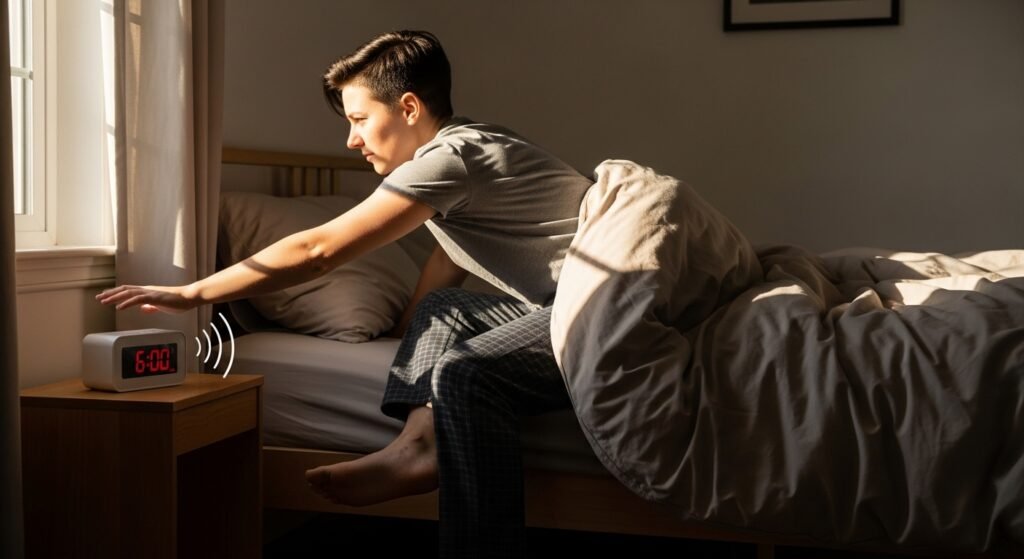
I had always believed I needed motivation before getting out of bed.
The experiment taught me the reverse is true.
Action comes first, and motivation follows.
Once my feet touched the floor, momentum built quickly.
The dread I associated with mornings faded fast.
Waiting to feel ready is a trap.
Readiness arrives after you begin.
This principle applied far beyond mornings.
Work projects, exercise, and chores all followed the same pattern.
Start badly, then adjust, was my new motto.
Perfectionism had been disguised as low motivation.
Movement dissolves resistance better than thought.
Your body can lead your mind.
Let it.
The snooze button waits for motivation that never comes.
I applied the action-first principle to my exercise routine.
Laying out workout clothes the night before removed all excuses.
The Results Were Subtle but Lasting

After 30 days, I was not a radically different person.
Yet the shift in my mornings created a noticeable ripple effect.
My schedule and mindset both improved meaningfully.
The rule did not magically increase productivity overnight.
But it strengthened consistency and improved sleep quality.
Hesitation was replaced with intention.
Small behavioral changes proved their long-term impact.
Six months later, I still rarely hit snooze.
The habit stuck because the benefits were real.
I recommend the challenge to anyone feeling stuck.
Thirty days is short enough to attempt and long enough to matter.
Start tonight by setting one alarm.
Place your phone across the room for extra insurance.
Tomorrow morning, just stand up.
Everything else follows from that single act.
Friends who tried it reported similar subtle improvements.
The challenge works because it is simple enough to sustain.
Your Turn to Try
The no snooze rule costs nothing to try.
It requires no equipment, apps, or special skills.
Just one decision, repeated daily for a month.
Track your own experience in a journal.
Notice what changes in your energy and mood.
Share the challenge with a friend for accountability.
Small steps lead to remarkable transformations.
Your best mornings are waiting.
All you have to do is get up.
Start tonight.
You don’t need perfect sleep to start, just a willingness to try.
The first morning is the hardest, and every one after gets easier.
Thirty days from now, you’ll wish you had started today.