 Sarah Grey
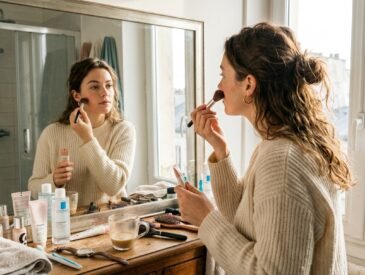
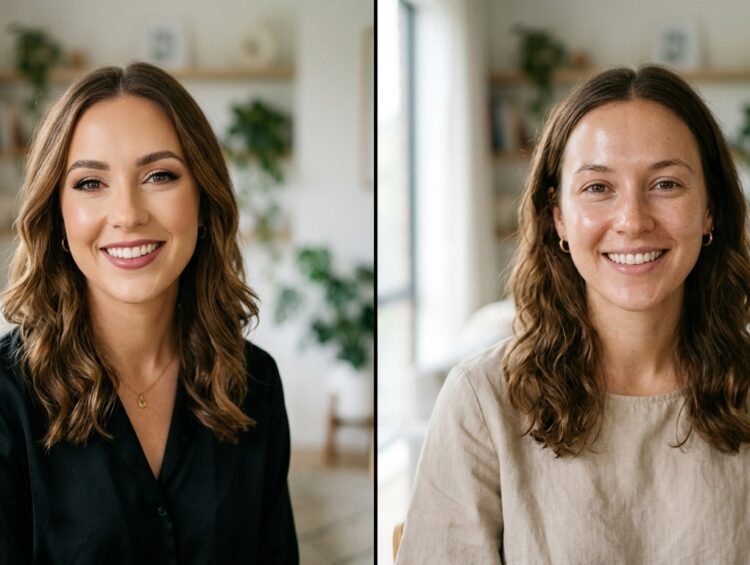
My morning routine used to be a forty-minute production: primer, foundation, concealer, powder, blush, eyeshadow, eyeliner, mascara, brows, lips. I would not leave the house without a full face, convinced the world expected it and that I looked unfinished without it. Then I started seeing celebrities and influencers posting raw, makeup-free selfies, embracing their natural skin with confidence. Something shifted in my thinking. What if I just stopped? For one entire week, I quit makeup completely. No foundation, no mascara, no tinted moisturizer, nothing. What happened over those seven days surprised me in ways I never expected.
Here is the honest day-by-day reality of going completely bare-faced for seven days, the reactions I got, and what the experiment taught me about beauty, confidence, and self-worth.
1. Work Meetings Felt Different Than Expected
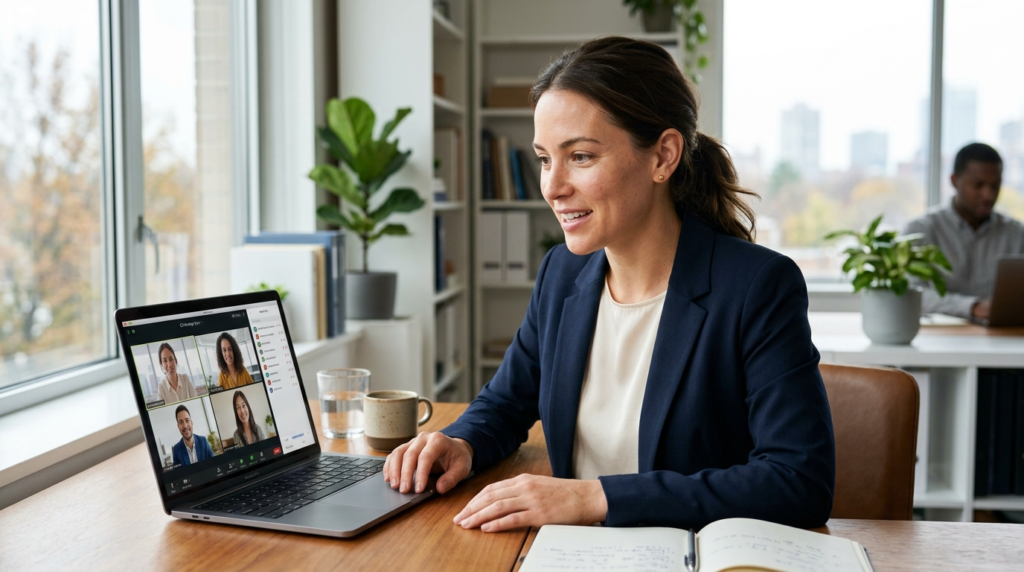
Day one was a video conference with my entire team, and I was terrified. No filter, no foundation, just my actual face on a large screen for everyone to see. I spent the first ten minutes convinced everyone was staring at my dark circles, my uneven skin tone, the blemish on my chin. I kept touching my face self-consciously. By the end of the meeting, I realized something profound: nobody cared. They were focused on the project timeline, the quarterly goals, the actual work. Not my pores.
This was the first unexpected lesson, and it hit hard. The professional world did not collapse because I skipped concealer. My ideas were the same. My competence was the same. My contributions were valued exactly as before. The only thing that changed was my anxiety, which faded steadily as the day went on. We vastly overestimate how much others notice our appearance and vastly underestimate how much they notice our work and character. Showing up bare-faced did not make me less professional. It made me more present, more focused, and more authentic.
2. My Skin Started Breathing Again
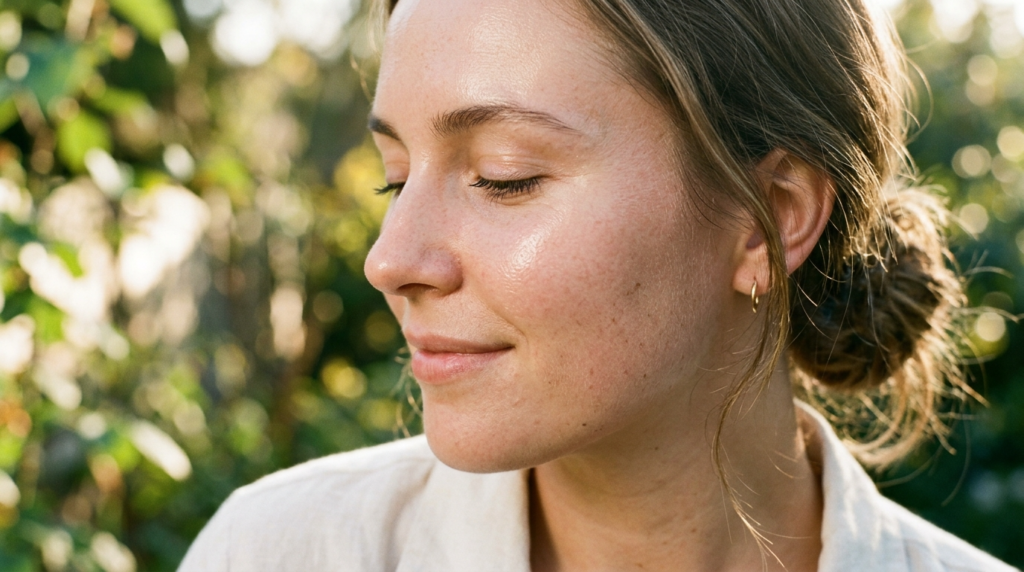
By day three, my skin looked visibly different. Better. Healthier. The full-coverage foundation I wore daily had been clogging my pores and stressing my skin barrier. Without it, my skin could actually breathe and function normally. The small congested bumps along my jawline diminished. My natural oil production balanced out instead of overcompensating. The dullness lifted. Dermatologists often recommend occasional makeup breaks to let the skin barrier reset and repair, and I was seeing exactly why.
It was not just the absence of makeup that helped. It was the simplified routine that came with it. Without layers of primer, foundation, and powder to remove, my evening cleanse became gentle and quick instead of a harsh double-scrub. Without heavy products sitting on my skin all day, my morning skincare absorbed better and worked more effectively. My skin was not just surviving without makeup. It was thriving in a way it had not in years. The break revealed how much my daily full face had been compromising my skin health.
3. Strangers Treated Me More Warmly

The barista at my regular coffee shop was chattier than usual on day two. The cashier at the grocery store smiled more and asked about my day. A stranger on the bus started a friendly conversation. I wondered if I was imagining the pattern, but it held consistently all week. Without the polished mask of makeup, I looked more approachable, more human, more like someone you could talk to. People responded to that openness.
Makeup can create a subtle social barrier, a polished exterior that signals put-together but also unapproachable. A bare face is vulnerable and real, and humans are wired to connect with authenticity. I had more genuine small-talk interactions in that single week than in the entire previous month. It was not that I looked better without makeup. It was that I looked real, and real invites connection. This was the most surprising and heartwarming social discovery of the entire experiment.
4. My Family Saw the Healthy Glow
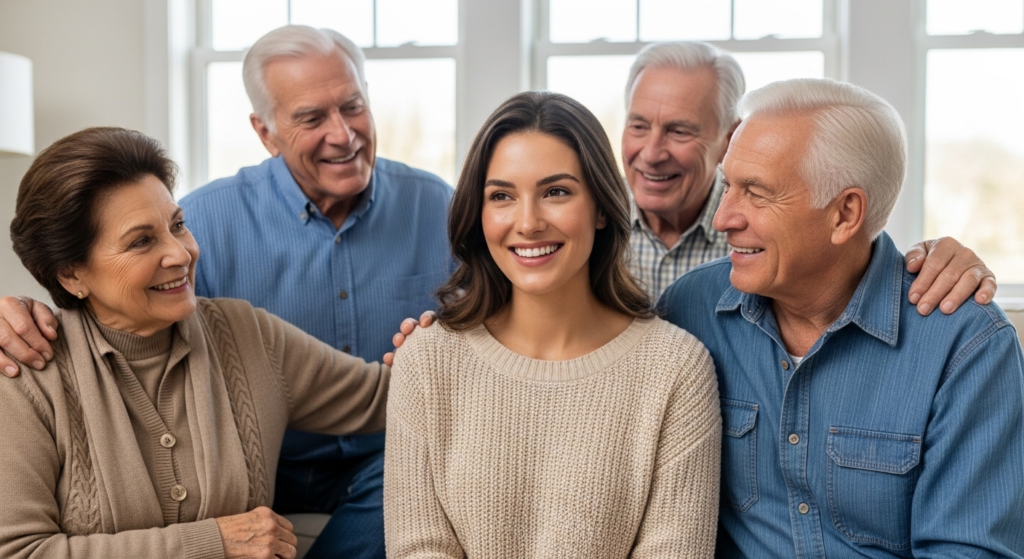
I braced myself for concerned comments like you look tired or are you feeling sick? Those are the responses our culture has trained us to expect when a woman skips makeup. Instead, my family said I looked fresh, healthy, vibrant, and rested. My mother said my skin was glowing. My sister asked what new skincare products I was using. My partner said I looked happy. The answer to all of it was simple: I was not covering my skin up, and the health underneath was finally visible.
The people who love you see you, not your makeup routine. They noticed the natural health in my skin that had been hidden under layers of matte powder and full coverage for years. Their genuinely positive reactions gave me the confidence to continue the experiment without self-consciousness. If the people whose opinions matter most thought I looked good bare-faced, why had I been so afraid? The fear was never really about others judging me. It was about my own harsh, internalized self-judgment.
5. Mornings Became Peaceful Instead of Frantic
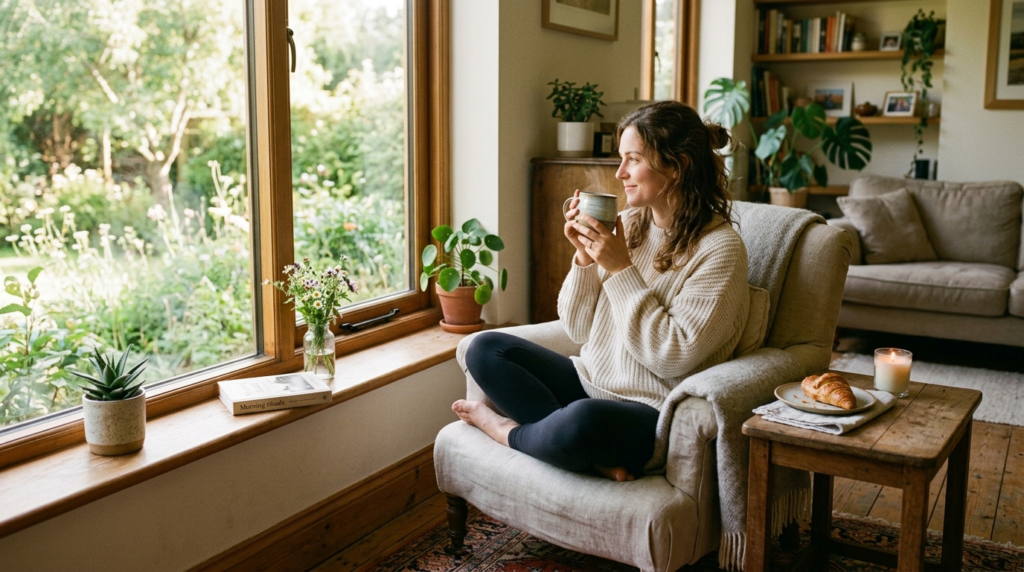
Skipping the full makeup routine gave me back thirty to forty minutes every single morning. That is hours per week. I used the time to drink coffee slowly while it was still hot, to sit in quiet for a few minutes, to stretch, to simply not rush. The frantic, anxious energy of my old mornings completely disappeared. I left the house calmer, and that calm set the tone for the entire day.
We drastically underestimate how much our morning routines shape our mental state. Starting the day with a stressful, time-pressured beauty routine had been setting a frantic, perfectionist tone that bled into everything else. Starting with ease and spaciousness set a peaceful, grounded tone instead. The time savings were practical and welcome, but the mental shift was truly profound. Mornings stopped being a performance to prepare for and became a pleasure to savor. I had no idea how much my makeup routine had been costing me in daily peace.
6. The Mirror Stopped Being My Enemy
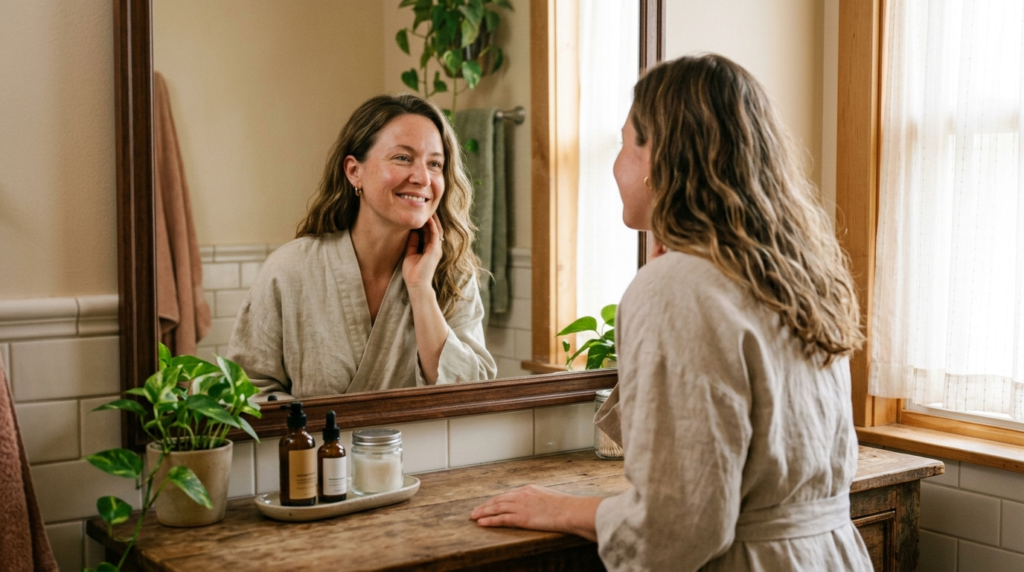
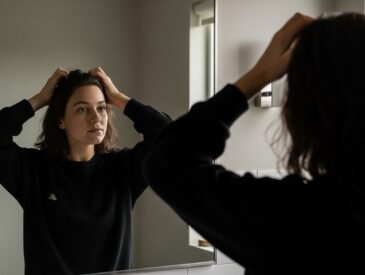
By midweek, something fundamental shifted in how I saw myself in the mirror. The first two days were brutal. All I could see were flaws: the dark circles, the uneven tone, the pores, the blemish. I compared my bare face to the made-up version I was used to presenting, and the gap felt enormous. But as the week progressed, my eyes and my brain adjusted. I started seeing my actual face instead of constantly measuring it against an artificial ideal.
The dark circles were just natural shadows. The uneven tone was just normal human skin. The pores were just pores. It was all fine. I was fine. This was the deepest and most valuable lesson of the entire week. My dissatisfaction had never actually been about my face. It was about the painful gap between my real face and the polished ideal I presented daily. Removing the ideal removed the gap entirely. I was not learning to love my flaws. I was learning they were never flaws at all. Just features. Just skin. Just a face. Just mine, and perfectly okay.
7. Evenings Got Simpler and Skin Got Happier
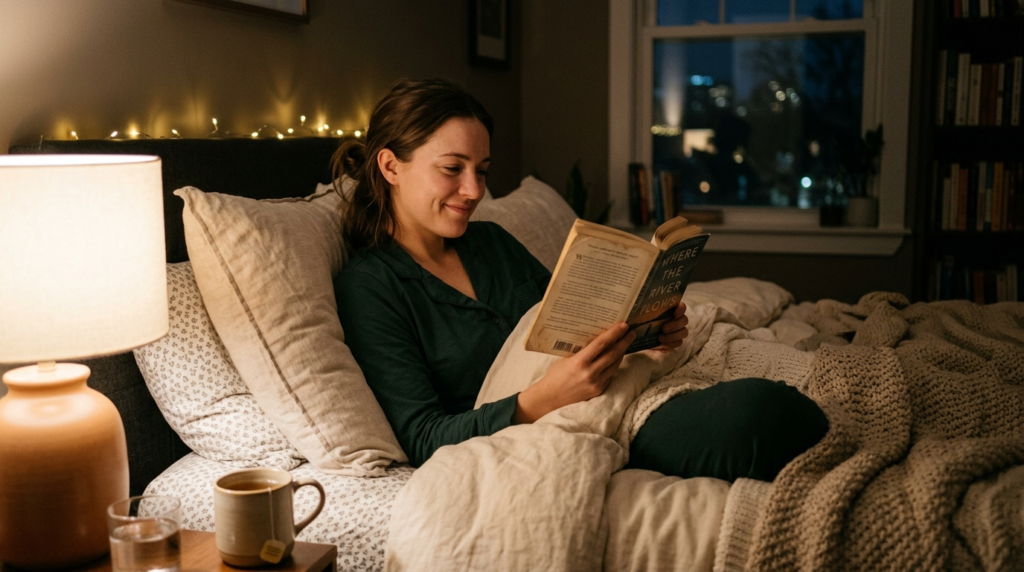
Without layers of makeup to remove, my evening routine shrank to a single gentle cleanse and moisturizer. No double cleansing, no scrubbing with harsh removers, no tugging at delicate eye skin with waterproof makeup removers. My skin barrier, which had been chronically stressed, finally got a chance to recover. The mild irritation and sensitivity I thought were just my skin type turned out to be caused by my aggressive removal routine.
Bedtime also came earlier without the twenty-minute removal ritual, which meant more sleep. Better sleep meant better skin the next morning, which meant even less desire for makeup. A beautiful virtuous cycle replaced the vicious one I had been trapped in for years. Simplicity in the evening created natural beauty in the morning. I had been working so hard to look good that I was preventing my skin from actually being good.
8. I Noticed the World More Vividly
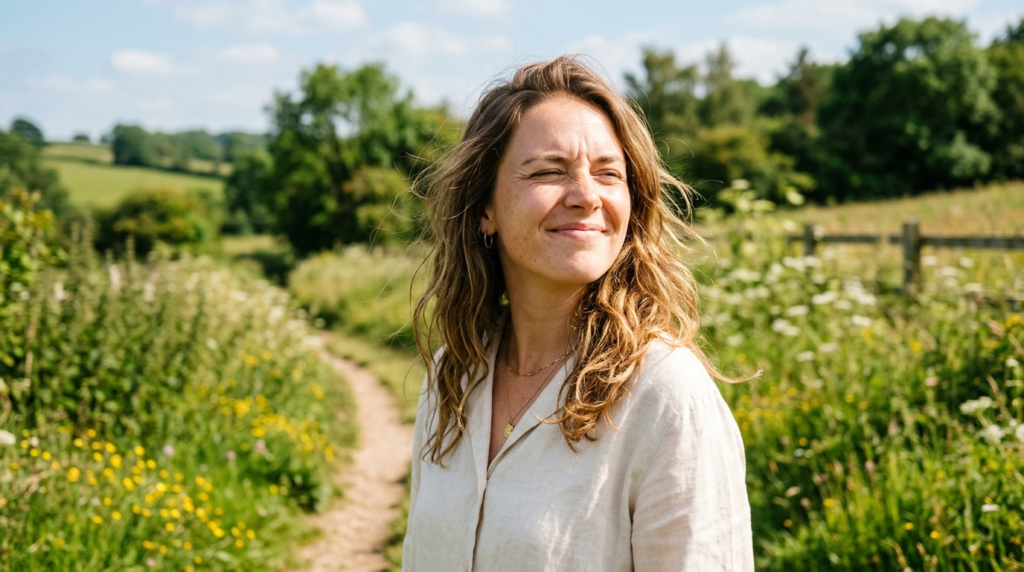
Without the familiar psychological armor of makeup, I felt more exposed to the world at first. Bright lights felt brighter. I was hyper-aware of my expressions, my skin, my physical presence in spaces. This heightened self-consciousness was uncomfortable for the first couple of days. Then something unexpected happened: it transformed into heightened awareness of everything else too.
I started noticing things I had been missing: the way morning light hit the buildings on my walk, the expressions on people faces, the taste of my food, my own emotions as they arose. Makeup had been a managed project, a distraction from simply being present. Without it, there was nothing to manage, nothing to check, nothing to fix. I was simply there, fully present in my own life. The world did not become harsher without my filter. It became more vivid, more textured, more alive. I had been dimming my own experience along with my insecurities, and I never knew.
9. My Entire Relationship With Makeup Transformed
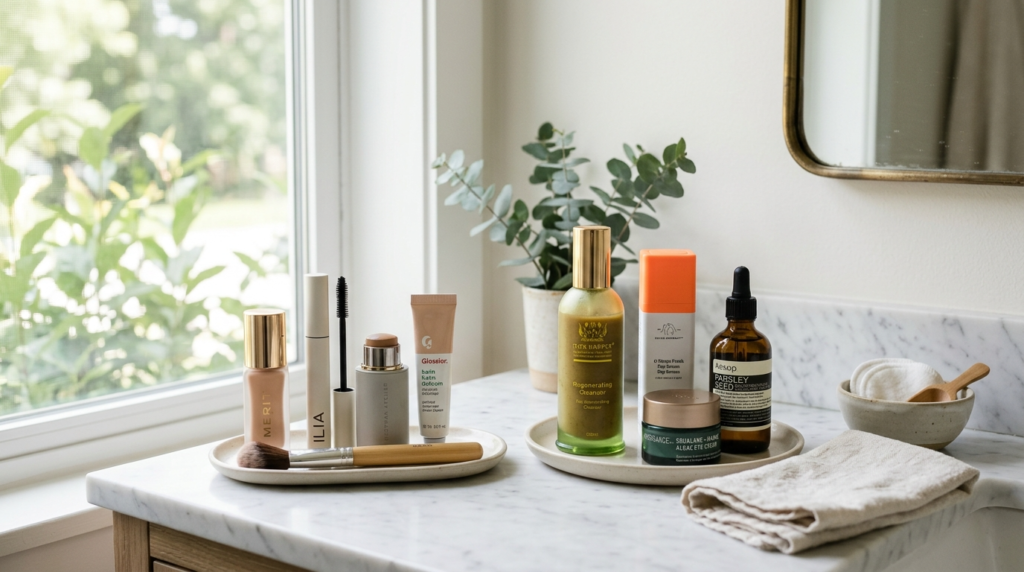
When the seven days ended, I did not throw away my makeup bag or declare myself permanently bare-faced. That was never the point. But my relationship with makeup transformed completely and permanently. It went from daily obligation to genuine option, from protective armor to creative accessory, from anxious need to playful want. I still wear makeup sometimes, for the fun of it, for the artistry I genuinely enjoy, for special occasions when I want to play with color. The difference is that now it is a choice, not a requirement.
This is the real freedom the experiment gave me. Not the absence of makeup, but the absence of dependence on it. I can go completely bare-faced to an important meeting or do a full glam look for a night out, and both feel like authentic choices rather than obligations driven by fear. The week without makeup did not make me anti-makeup. It made me pro-autonomy. It gave me back the power to decide. My face, my rules, my choice, every single day.
The Money I Saved
Here is a practical benefit I did not expect: the financial savings. When I calculated what I typically spent on makeup, the numbers were staggering. Foundation every two months, mascara every three, plus concealer, powder, blush, eyeshadow palettes, liners, lip products, brushes, removers, and the constant temptation of new launches. It added up to well over a thousand dollars a year. Going without for a week made me realize how much of that spending was driven by insecurity rather than enjoyment.
I am not saying never buy makeup again. But the experiment taught me to buy intentionally, for joy and creativity, not from fear of facing the world bare. My makeup spending has dropped dramatically, and I do not miss a single product. The beauty industry profits from our insecurities. Opting out, even partially, is both financially and emotionally liberating.
What I Would Tell Anyone Considering This Challenge
Try it, even for just three days. The initial discomfort is temporary, but the insights will stay with you permanently. You will learn exactly how much of your beauty routine brings you genuine joy and how much is driven by fear and habit. You will discover what your skin actually looks like when it is healthy and breathing. You will realize that the world is far kinder and less judgmental than your inner critic.
Start on a weekend to ease into it gently. Tell a friend so you have accountability and support. Take a photo on day one and day seven to document the real, visible change in your skin. Wear sunscreen daily, because bare skin still needs protection. And above all, be gentle with yourself when you look in the mirror during those first difficult days. You are not looking at flaws or problems to fix. You are looking at freedom. The bare face staring back at you is not less beautiful than the made-up one. It is more honest. And honesty, it turns out, is the most beautiful look of all.