 Sarah Grey
Planning a getaway usually starts with the fun part — spreading out the map and dreaming. But lately, that ritual feels a little different for those of us carrying the blue passport. Shifting entry policies, strained diplomatic relations, and unpredictable local developments have quietly moved several dream destinations from the bucket list to the no-go list. The world remains largely open for business, and most borders welcome American visitors warmly. Still, a handful of countries are now effectively off-limits or are signaling quite clearly that American tourists should stay away for now. Knowing which places to skip is not about fear. It is about making sure your dream vacation does not turn into a logistical nightmare at the check-in gate. Here are the twelve countries where American travelers are not welcome right now, and why.
North Korea: The One Place Your Passport Cannot Go
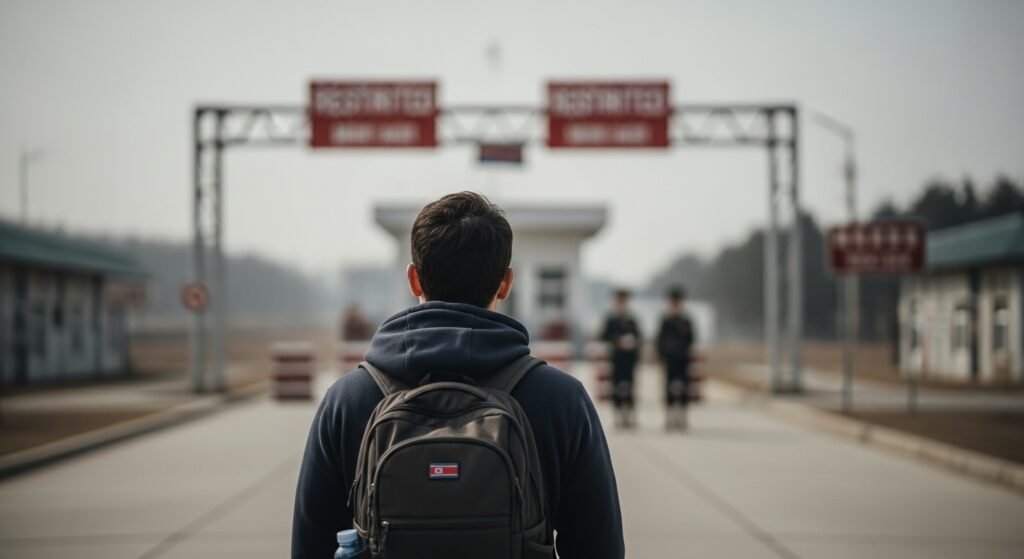
North Korea stands alone as the single country where using an American passport for travel is explicitly forbidden by the United States government. Since 2017, Americans have been barred from visiting unless they hold an extremely rare special validation, granted only in limited circumstances. The ban followed the detention and death of American student Otto Warmbier and reflects the very real danger of arbitrary arrest. Even for the few who qualify for an exception, the risks are extraordinary: no U.S. embassy, no consular help, and a regime that has used detained foreigners as diplomatic bargaining chips. This is not a soft advisory. It is a hard legal line, and crossing it can mean years in a labor camp. North Korea is the definitive no-go.
Russia: Visas, Tensions, And Closed Doors

Ongoing diplomatic tensions have made Russia one of the most difficult destinations for American travelers to reach — and one of the riskiest to attempt. Tourist visas have become extremely hard to obtain and are processed erratically, with many applications delayed or denied without explanation. Even travelers who secure proper paperwork report hostile receptions, invasive questioning, and the ever-present risk of wrongful detention, which the U.S. government has repeatedly warned about. With limited consular services and direct flights largely suspended, getting in is hard and getting help if something goes wrong is harder. Russia’s extraordinary cultural treasures will have to wait. For now, the red square on the map should stay red.
Iran: Beautiful But Beyond Reach
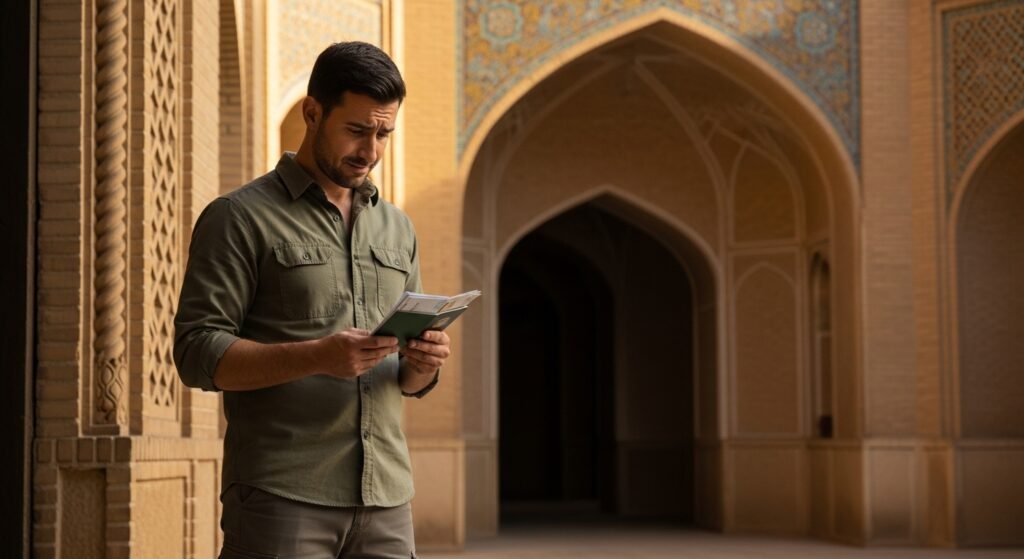
Iran’s ancient mosques, poetry-filled cities, and legendary hospitality make it a heartbreaking entry on this list. Technically, some highly restricted guided tours exist for Americans, but the current environment makes them a difficult and risky proposition. Visa procedures are strict and unpredictable, there are no official diplomatic relations between the two countries, and American visitors face a genuine risk of detention on vague charges. The U.S. has no embassy in Tehran to intervene if things go wrong. While the Iranian people themselves are famously welcoming, the political reality means American tourists cannot count on a warm — or safe — reception. Until relations fundamentally change, Iran’s wonders remain visible only from afar.
Afghanistan: No Tourism, Only Danger
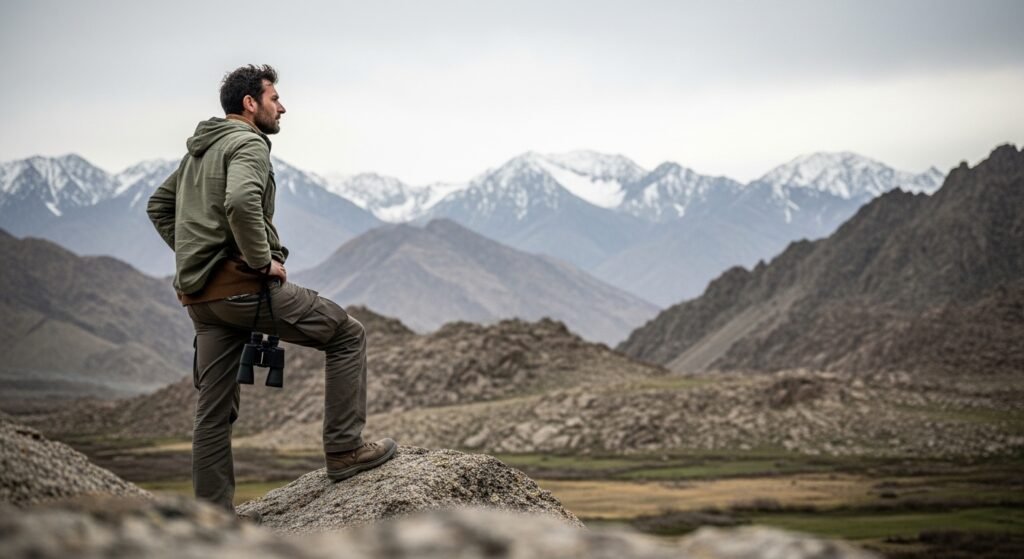
Tourism in Afghanistan has become virtually impossible under current conditions. The security climate is dire, with ongoing conflict, the constant threat of kidnapping, and no functioning tourist infrastructure to speak of. Official travel advisories place the country at the highest possible warning level, explicitly urging American citizens not to travel there under any circumstances. There is no U.S. diplomatic presence to assist in emergencies. While Afghanistan’s mountains and ancient Silk Road cities hold undeniable allure for the adventurous, this is one adventure that no responsible traveler should attempt. The dangers are not theoretical — they are immediate, severe, and well-documented. Cross it off the list entirely.
Syria: A Land Still Healing
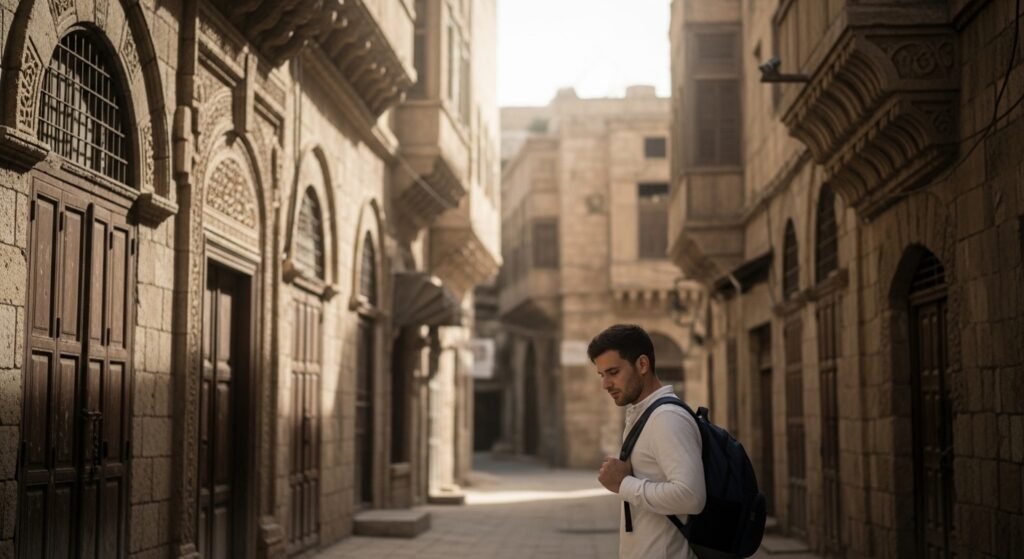
Years of devastating conflict have left Syria’s tourism infrastructure in ruins — literally and figuratively. The ancient wonders of Palmyra, the souks of Aleppo, and the Umayyad Mosque of Damascus sustained terrible damage, and much of what would welcome foreign visitors simply no longer exists. Entry points are closed or severely restricted, security remains volatile across large parts of the country, and the U.S. maintains its highest-level travel warning. There is no American embassy in Damascus. Syria’s cultural heritage is among the richest on earth, and one day it may welcome travelers again. But that day is not now. For the foreseeable future, Syria belongs on every American traveler’s no-go list.
Libya: The Welcome Mat Is Gone
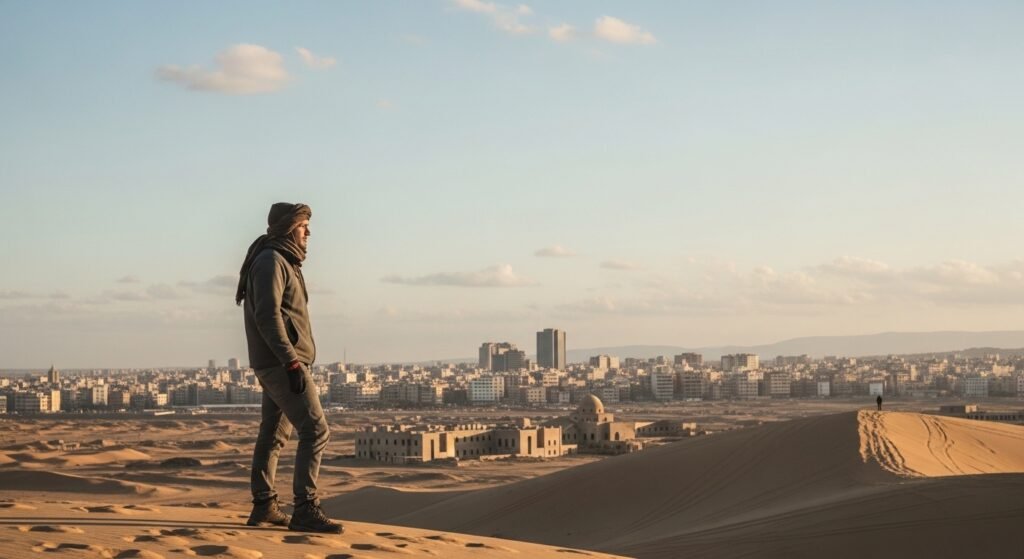
Libya’s situation remains highly fluid, with competing authorities, ongoing militia activity, and virtually no tourist visa issuance for American citizens. The country’s magnificent Roman ruins at Leptis Magna — among the best-preserved in the world — sit unreachable behind a wall of instability. The U.S. has no diplomatic presence in the country, and official guidance is unequivocal: do not travel. Kidnapping, armed conflict, and civil unrest make even the most intrepid travel inadvisable. Libya is a place where the welcome mat has been rolled up indefinitely, and no amount of wanderlust justifies the risk. Admire its antiquities in photographs, and wait for a peace that has not yet arrived.
Myanmar: A Paradise On Pause
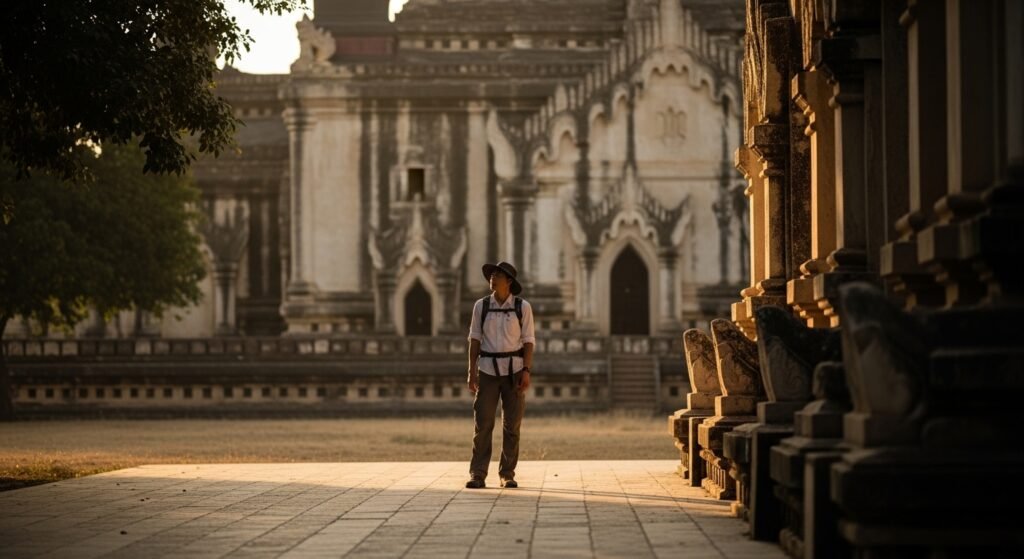
Myanmar’s temple-dotted plains of Bagan were once a rising star on the Southeast Asia travel circuit, but internal turmoil has brought international tourism to a near standstill. Entry requirements shift without notice, large regions are consumed by armed conflict, and the overall environment is not conducive to the leisurely exploration the country deserves. Official advisories warn Americans against travel due to civil unrest and the risk of arbitrary detention. The tragedy is that Myanmar’s people and heritage deserve better — but travelers cannot fix a crisis by visiting one. For now, the sunrise over Bagan’s thousand temples will have to wait for calmer days.
Belarus: Frosty Borders, Frostier Reception
Belarus has grown markedly less accessible as its close alignment with regional conflicts has deepened its isolation from the West. Flight paths are frequently disrupted, sanctions complicate even basic travel logistics, and the reception awaiting American tourists is frostier than it has been in years. The U.S. has warned of the risk of harassment and detention, and consular support is severely limited. What was once a quirky, off-the-beaten-path European destination is now effectively closed to American visitors in all but name. The castles and forests of Belarus will keep. Until the geopolitical frost thaws, American travelers should look elsewhere.
Venezuela: Stunning Nature, Serious Risks
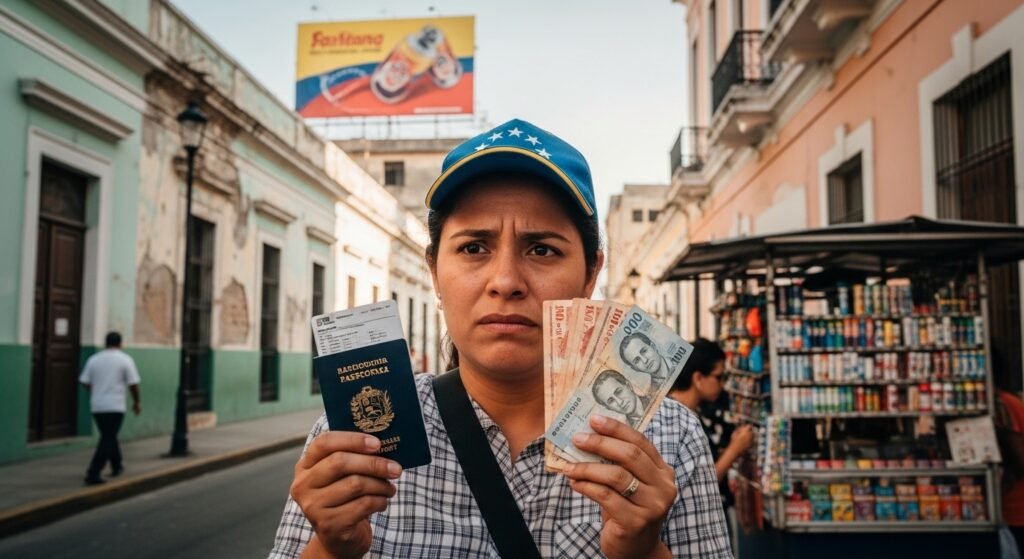
Venezuela holds some of South America’s greatest natural wonders — the thundering Angel Falls, the world’s highest waterfall, among them — but visiting is a serious gamble for Americans. With no operating U.S. embassy to help with paperwork or emergencies, travelers are on their own if anything goes wrong. Entry barriers have tightened considerably, crime and instability are widespread, and the attitude toward American visitors can be unpredictable. Official travel warnings are at the maximum level. The tragedy of Venezuela is that its beauty is matched only by its current danger. Until the country stabilizes and diplomatic services resume, even the most spectacular waterfall is not worth the risk.
Mali: Security Over Tourism
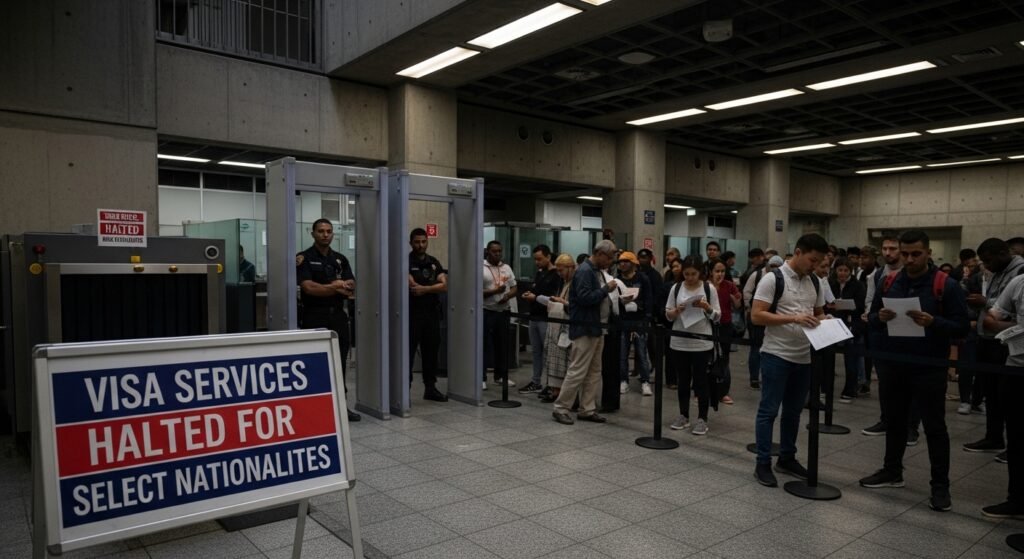
Mali’s legendary Timbuktu and the Great Mosque of Djenne speak to a golden age of African scholarship and architecture, but the country’s present reality is dominated by security concerns. Recent diplomatic shifts have seen visa services suspended or severely restricted for several nationalities, and authorities have made clear that security takes absolute precedence over tourism. Armed groups operate across large swaths of the country, and the risk of kidnapping targeting Westerners is severe. With minimal consular support available, Mali is exceptionally difficult to enter legally and dangerous to attempt otherwise. Its cultural treasures deserve admiration — from a safe distance, for now.
Niger: Closed Doors In The Sahara
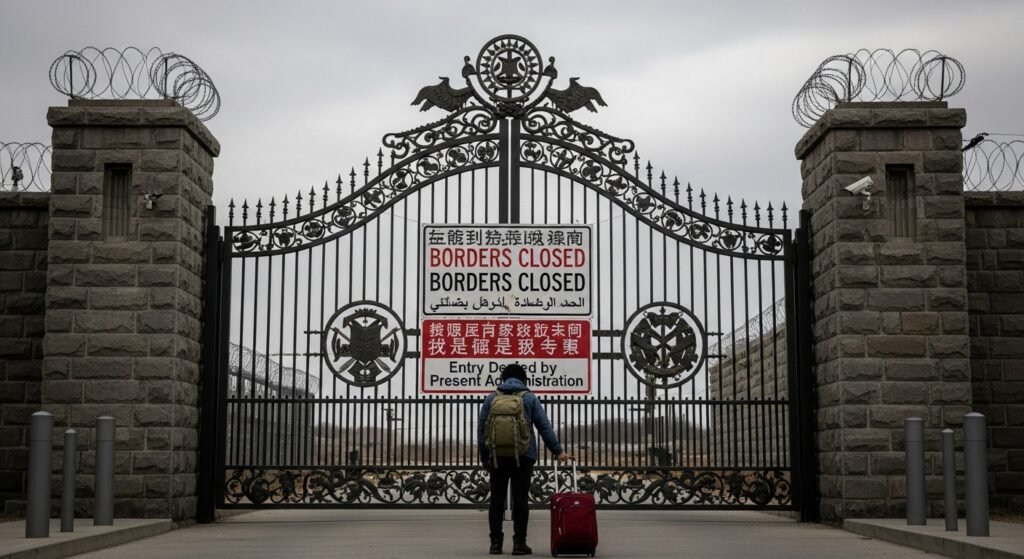
Following recent political upheaval, Niger has effectively closed its doors to many international visitors. Visa applications from Americans are routinely delayed or rejected outright, and the security situation — with extremist groups active in border regions — makes independent travel extremely hazardous. The U.S. has drawn down its diplomatic presence, leaving travelers with little recourse in an emergency. Niger’s vast Sahara landscapes and vibrant markets are compelling on paper, but the current reality is one of closed gates and high risk. Until the political situation stabilizes and consular services are restored, this is a destination to admire from afar and revisit in more peaceful times.
Sudan: A Country Turned Inward
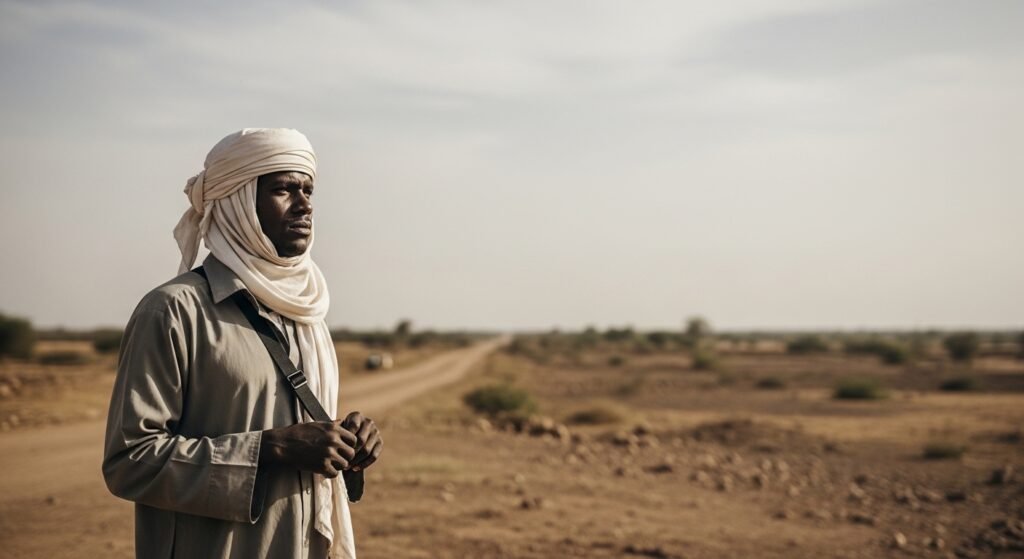
Sudan’s ancient pyramids of Meroe — more numerous, if less famous, than Egypt’s — hint at the wonders this country holds. But Sudan is currently consumed by internal conflict, with borders tightly controlled and the entire state apparatus focused on crisis rather than visitors. There is no meaningful tourist infrastructure, no reliable consular support, and a maximum-level travel warning from the U.S. government. This is not a place for leisure travel under any circumstances right now. Sudan’s heritage will endure, and one hopes a peaceful future will one day let travelers experience it. But today, it belongs firmly on the no-go list.
The world is still wonderfully, overwhelmingly open — these twelve countries are the exception, not the rule. For every closed door, there are a hundred welcoming ones, from the street food stalls of Bangkok to the fjords of Norway. The smartest travelers are not the most fearless; they are the most informed. Check official travel advisories before you book, register your trips, buy real travel insurance, and respect the guidance even when it disappoints your plans. The destinations on this list will, we hope, welcome American visitors again one day. Until then, let them be a reminder of how precious open borders are — and go enjoy the ones that are open.