 Sarah Grey
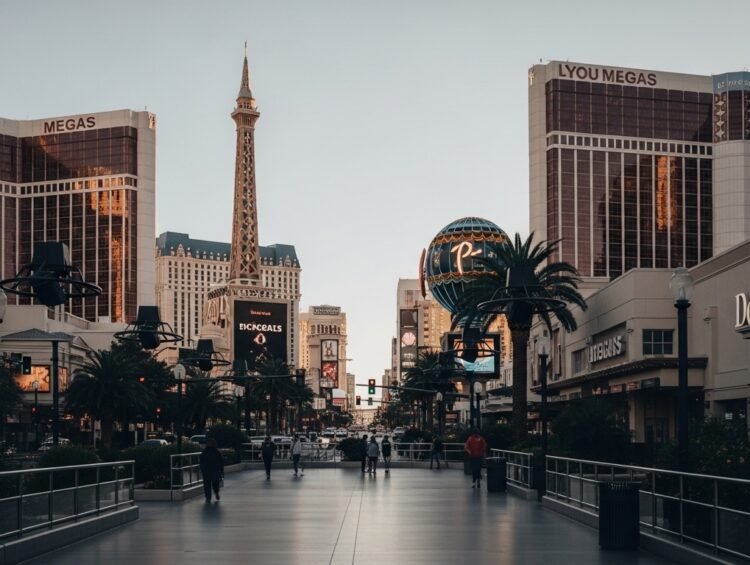
The neon glow of the Las Vegas Strip has embodied the great American getaway for decades. It was the one place where anyone — regardless of what was in the checking account — could feel like a high roller for a weekend. But lately, the mood in the desert has shifted, and a growing number of travelers are pausing before booking their next flight to Nevada. From eye-watering fees to the slow disappearance of the classic budget Vegas experience, the city is changing fast. The shows are still spectacular and the lights still dazzle, but the inclusive magic that once made Vegas feel like it belonged to everyone is starting to fade. Here are twelve reasons why Americans are falling out of love with Las Vegas — and whether you agree might tell you a lot about the future of the Strip.
The Disappearing Five Dollar Table
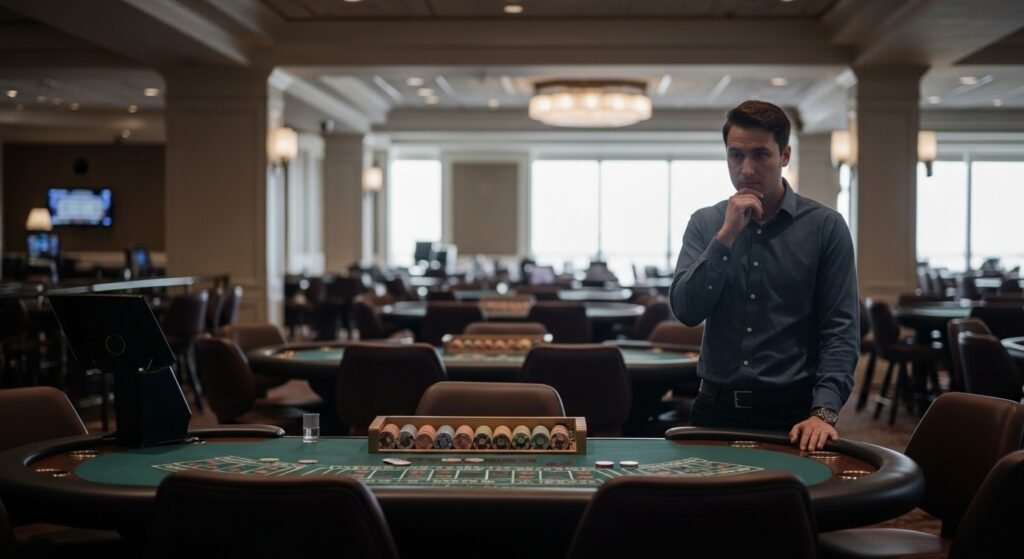
There was a time when anyone could sit down at a five-dollar blackjack table and play for hours on a modest budget, soaking up the casino atmosphere without risking the rent money. Those days are nearly gone. Minimum bets on the Strip have climbed dramatically, with twenty-five-dollar tables now common and even higher minimums on weekends. For casual players who gamed for fun rather than profit, an afternoon of low-stakes play has turned into a genuinely expensive gamble. The message is clear: the casinos increasingly want serious gamblers, not tourists looking for affordable entertainment. When the everyman game disappears, a big piece of the Vegas dream disappears with it.
Those Pesky Nightly Resort Fees

That attractive nightly rate you found online? Add forty or fifty dollars per night in mandatory resort fees, plus tax on the fee itself, and your bargain suddenly is not one. These daily charges — ostensibly for Wi-Fi, pool access, and the fitness center — apply whether you use any of those amenities or not. For a three-night stay, resort fees can add hundreds of dollars to the bill, often nearly doubling the advertised price. Travelers consistently rank resort fees among their top grievances, and it is easy to see why: they feel deceptive, they are unavoidable, and they deliver no obvious value in return. A pricing practice that makes guests feel tricked at check-in is a strange way to welcome people to a vacation destination.
Paying Just To Park Your Car

Free parking used to be part of the Vegas promise — drive in, park free, and spend your money on fun instead of garages. That era ended when the major Strip resorts began charging for self-parking and valet, with daily rates that can rival a nice dinner. For road-trippers and locals alike, paying twenty or thirty dollars a day just to leave your car somewhere feels like an insult, especially when you are already spending plenty inside the resort. It is a small charge in the grand scheme, but it lands wrong. Parking fees have become a symbol of the broader shift: a city that once competed for your visit now charges you for the privilege of arriving.
The Loss Of Iconic Classic Hotels
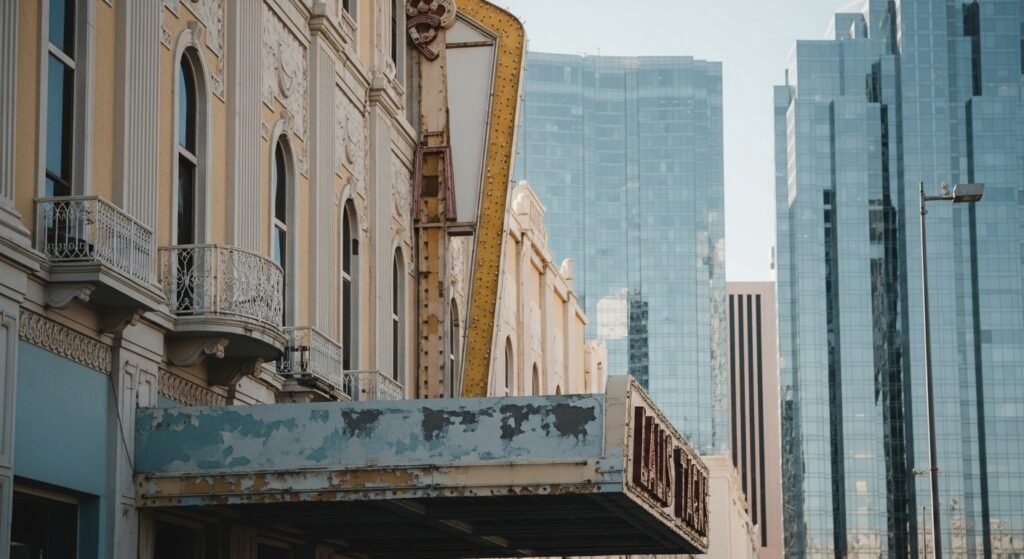
The recent closures of beloved landmarks like the Tropicana and the Mirage felt like losing old friends. These were not just hotels; they were pieces of Vegas mythology, with themed architecture, storied showrooms, and decades of memories. Their replacements — sleek, modern, interchangeable glass towers — may be luxurious, but they lack the character and quirk that made the Strip feel like nowhere else on earth. Longtime visitors mourn the vanishing Vegas of volcanoes, white tigers, and tropical atriums. A city that demolishes its own history to build generic luxury risks becoming just another expensive destination, interchangeable with a dozen others. Nostalgia is a powerful force, and Vegas is spending it fast.
Outrageous Prices For Simple Snacks

Finding an affordable bite on the Strip has become a genuine challenge. When a plain bottle of water costs as much as a full meal back home, and a basic sandwich carries a fine-dining price tag, visitors start to feel taken advantage of. The famous cheap eats of old Vegas — the 99-cent shrimp cocktail, the affordable buffets — have largely vanished, replaced by celebrity-chef restaurants with celebrity-chef prices. There is nothing wrong with luxury dining, but the disappearance of the middle ground means every meal becomes a financial decision. Travelers should not need a spreadsheet to buy a snack. When hydration feels like a luxury purchase, something has gone wrong with the value proposition.
The Stress Of Major Sporting Events
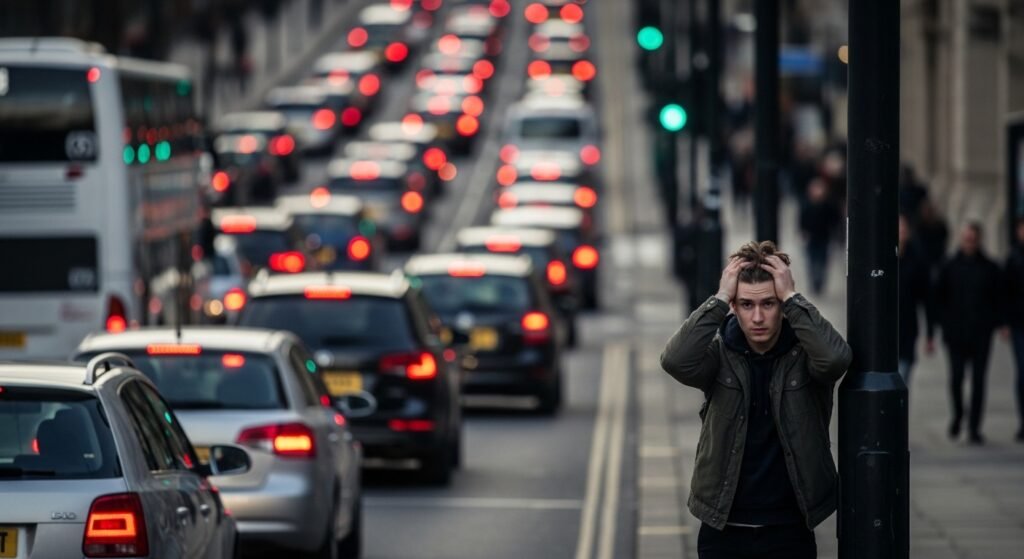
Vegas has gone all-in on major sporting events, from Formula 1 to the Super Bowl, and while that brings prestige, it brings chaos too. Months of construction, road closures, and traffic nightmares precede events like the Grand Prix, turning the Strip into an obstacle course for regular visitors. Hotel prices during event weekends reach astronomical levels, effectively pricing out the ordinary tourists who sustained the city for decades. For someone seeking a relaxed getaway, arriving to find their vacation swallowed by a mega-event is deeply frustrating. There is a growing sense that the city now caters to event crowds and high rollers first, with the traditional leisure traveler treated as an afterthought.
Triple Zero Roulette And Worsening Odds
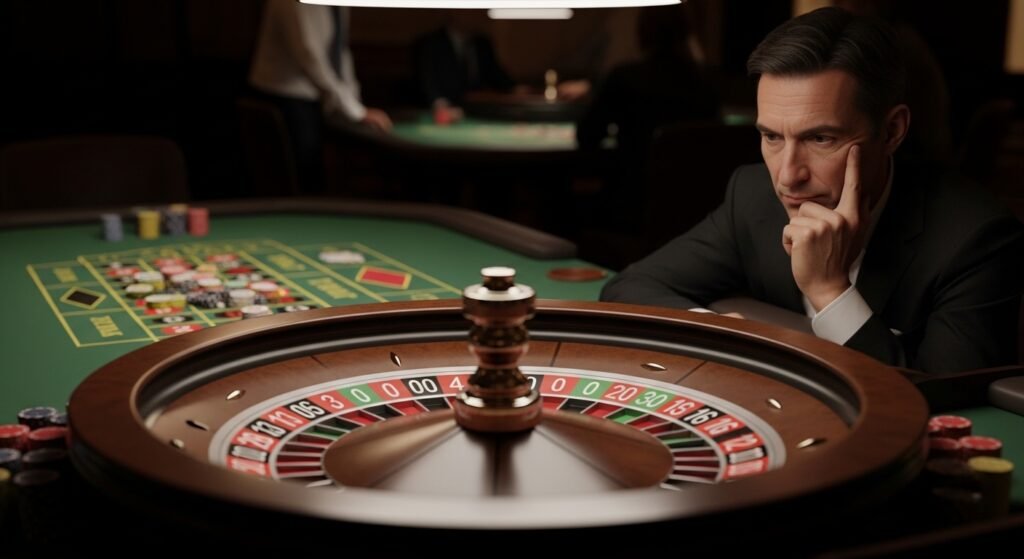
Casinos have quietly made their games less generous, and savvy players have noticed. The spread of triple-zero roulette — which adds a third green pocket and significantly increases the house edge — is the most visible example, but it is part of a broader trend of tighter slots and less favorable table rules. For the casual gambler, these changes mean bankrolls vanish faster and the fun ends sooner. Gambling was always a losing proposition mathematically, but it used to feel like a fair fight. When players sense the games are being squeezed, trust erodes. Vegas built its legend on the dream that anyone could win; making that dream measurably dimmer is a curious business strategy.
A Focus On The Ultra Wealthy

Walk the Strip today and the message is unmistakable: this city is courting the ultra-wealthy. Private villas, exclusive high-limit salons, designer shopping, and bottle-service clubs dominate the landscape, while the mid-market experiences that defined classic Vegas quietly recede. There is nothing wrong with luxury, but a destination that visibly prioritizes billionaires can make ordinary visitors feel like second-class citizens in their own vacation. The magic of old Vegas was its democracy — the cocktail waitress and the CEO could play side by side. As the city tilts ever more toward the top one percent, that democratic spirit fades, and with it, the affection of the middle-class travelers who were always its backbone.
Nickel-And-Diming At Every Turn

Beyond the headline resort fees, visitors encounter a dizzying array of micro-charges: early check-in fees, mini-fridge restocking fees, pool cabana minimums, and service charges that appear from nowhere. Individually they are small; collectively they create the unmistakable feeling of being squeezed. Psychologists call this the pain of paying, and Vegas has become a masterclass in maximizing it. Each new fee is a tiny betrayal of the carefree spirit a vacation is supposed to have. Travelers do not mind spending money — they mind feeling manipulated. When every interaction comes with an asterisk and a surcharge, the city starts to feel less like an escape and more like a toll road.
Competition From Local Destinations

Vegas no longer has a monopoly on gaming and entertainment. High-quality casinos, concert venues, and resorts have sprouted across the country, from tribal gaming destinations to regional entertainment hubs. For many Americans, a comparable weekend of fun is now available a short drive away — without the airfare, the resort fees, or the inflated Strip prices. This competition has fundamentally changed the calculation. Why fly to the desert and pay a premium when a great time awaits closer to home? Vegas must now compete on experience rather than exclusivity, and on value it is increasingly losing. Convenience is a powerful competitor, and it is one the Strip cannot outbuild.
The Corporate Feeling Of The Strip

As a handful of giant corporations have swallowed more and more of the Strip, the individuality that made each resort special has begun to blur. Loyalty programs merged, policies standardized, and the quirky independence of old Vegas gave way to corporate uniformity. Visitors notice when every property feels like a different skin on the same business model. The soul of classic Vegas was its eccentricity — the sense that anything could happen because no one was entirely in charge. A corporatized Strip is more efficient and more profitable, but it is also more soulless. Travelers seeking authentic, distinctive experiences increasingly find the polished sameness of the modern Strip less compelling than it once was.
Changing Priorities After The Pandemic

The pandemic rewired how many Americans think about travel. Priorities shifted toward nature, wellness, cultural authenticity, and meaningful experiences — exactly the things a casino floor does not offer. National parks saw record visitation while Vegas worked to rebuild, and many travelers discovered they preferred sunrise hikes to slot machines. Tastes evolve, and the sensory bombardment of the Strip — the noise, the smoke, the crowds — appeals less to a generation that increasingly values calm and connection. This may be the deepest challenge Vegas faces: not a fee that can be reversed or a hotel that can be rebuilt, but a cultural shift in what a great vacation means. The city that sold escape must now figure out what people want to escape to.
So do you agree? Las Vegas is not dying — its revenue numbers tell a story of continued success with a wealthier clientele. But the Vegas that everyday Americans fell in love with, the affordable, democratic, slightly wild playground in the desert, is undeniably fading. Whether that is a tragedy or simply evolution depends on your perspective. What is certain is that the city faces a choice: keep chasing the high end and risk losing its soul, or rediscover the inclusive magic that made it an American icon in the first place. The neon will keep buzzing either way. The question is who it is buzzing for.