 Sarah Grey
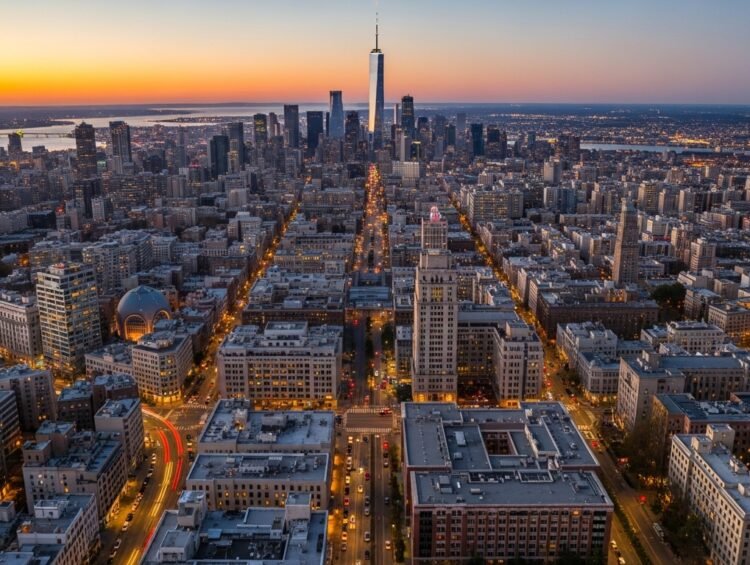
Something quiet but profound is happening to American cities. While some metro areas are booming, a number of America’s most iconic urban centers are steadily losing residents — and the numbers are raising eyebrows. It is not a dramatic exodus with moving trucks lining every street, but a slow, persistent outflow driven by remote work, housing costs, and changing ideas about what makes a good life. Here is a look at the cities feeling the shift, and what it means for the future of urban America.
These are the US cities quietly emptying out — and the forces behind the numbers.
New York City Is Seeing A Shift
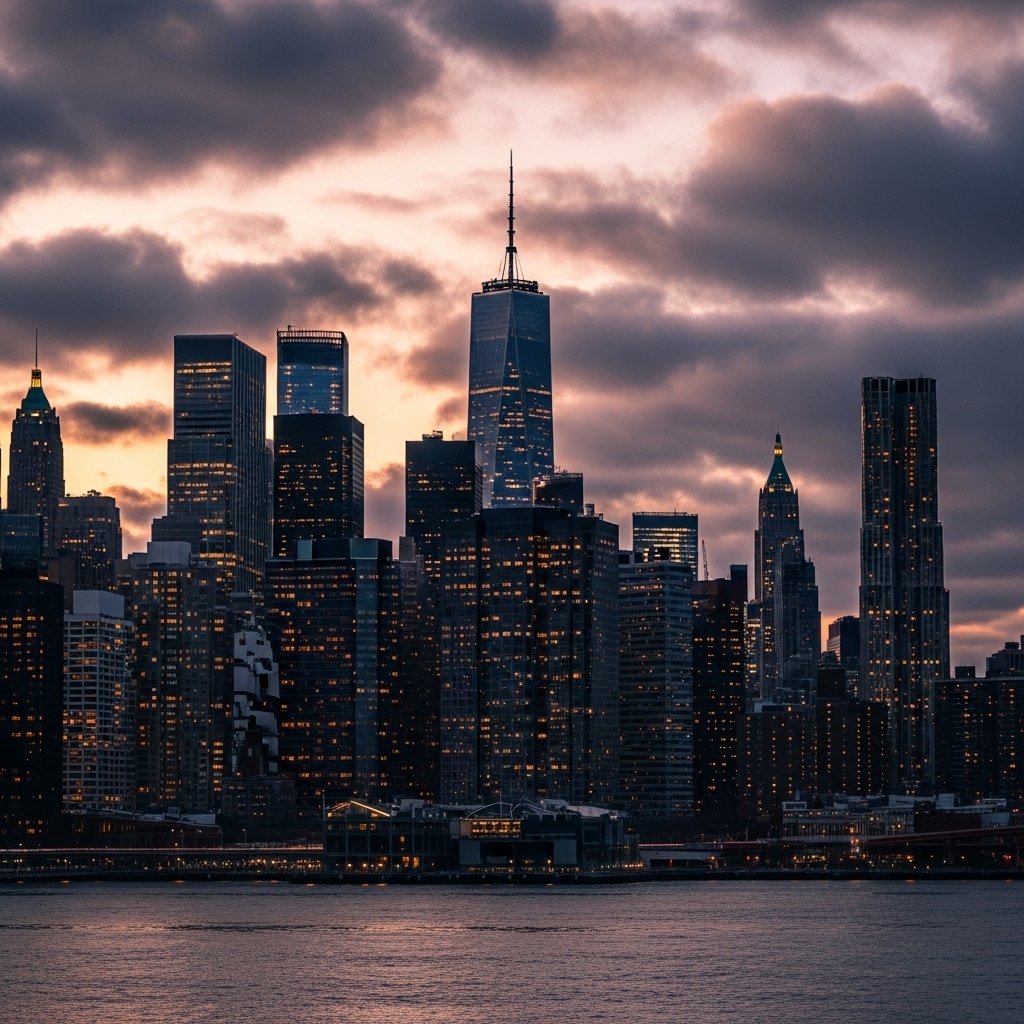
New York has always been America’s beating heart, but recent years have brought a noticeable decline in residents. The city remains a global icon, yet the crushing cost of living combined with the rise of remote work has pushed many to reconsider whether the five-borough dream is worth the price tag.
Those leaving are not giving up on ambition — they are redefining it. With salaries that once required a Manhattan address now accessible from anywhere, many former New Yorkers are trading tiny apartments for space, light, and a dramatically lower cost of living.
Los Angeles Feels A Little Lighter
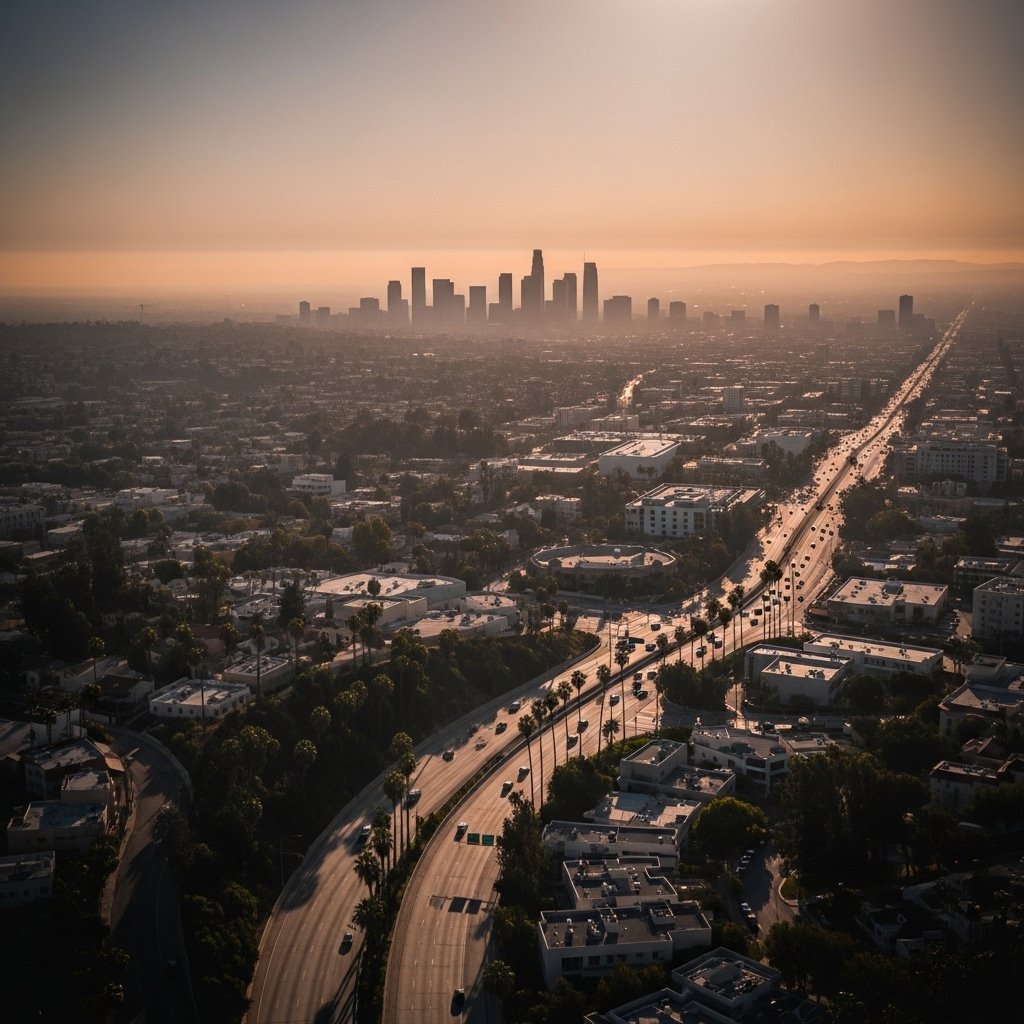
Even California sunshine has not been enough to keep everyone in Los Angeles. Sky-high housing prices, legendary traffic, and a rising cost of everyday life have nudged residents toward the Mountain West and the South, where their dollars stretch much further.
The irony is hard to miss: people are leaving the land of golden opportunity in search of a more affordable version of the California dream — sunshine, space, and a backyard, just in a different zip code.
Chicago’s Windy City Blues

Chicago remains a cultural powerhouse, but the numbers show a gradual population decline. Between brutal winters, rising costs, and the pull of warmer, cheaper metros, some Midwesterners are deciding that deep-dish pizza is not quite enough to keep them braving February.
The city is fighting back with revitalized neighborhoods and a thriving food scene, but stemming the outflow will require tackling the affordability and climate concerns driving people south.
San Francisco’s Tech Exodus

San Francisco is living through a tech-driven transformation. As remote work untethered engineers from the Bay Area, many realized that a cramped, wildly expensive apartment loses its charm when the office is optional. The result: a steady outflow to places where the same salary buys a house.
The city is not emptying — it is recalibrating. But the era when every ambitious tech worker had to live within BART distance is definitively over.
Philadelphia Finds Its New Normal
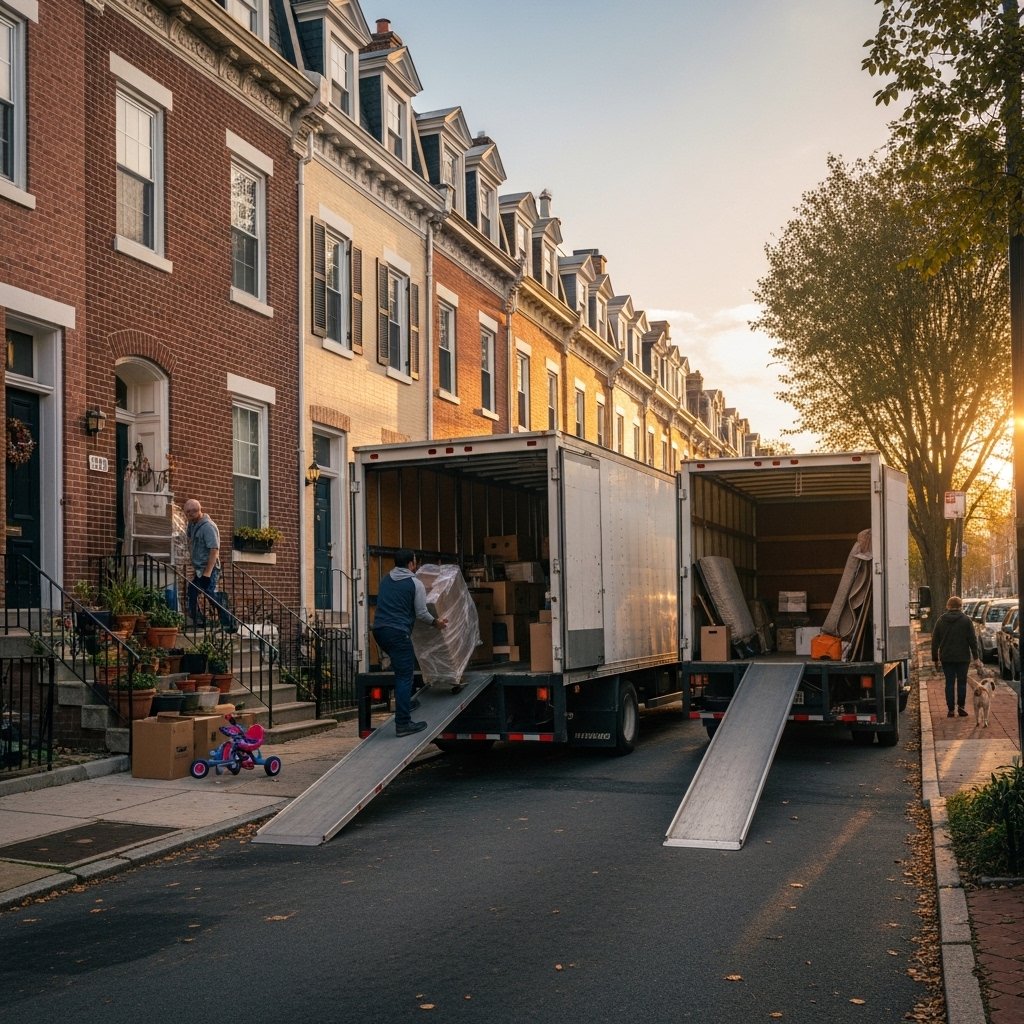
Philadelphia, with its unmatched urban grit and history, is experiencing a gentle population decline. Many families are drifting toward the suburbs and nearby smaller towns, seeking a balance between city access and personal space.
The silver lining: Philly’s relative affordability compared to New York and DC makes it a landing spot for priced-out Northeasterners — a dynamic that could stabilize its numbers over time.
Detroit’s Long Transformation Continues
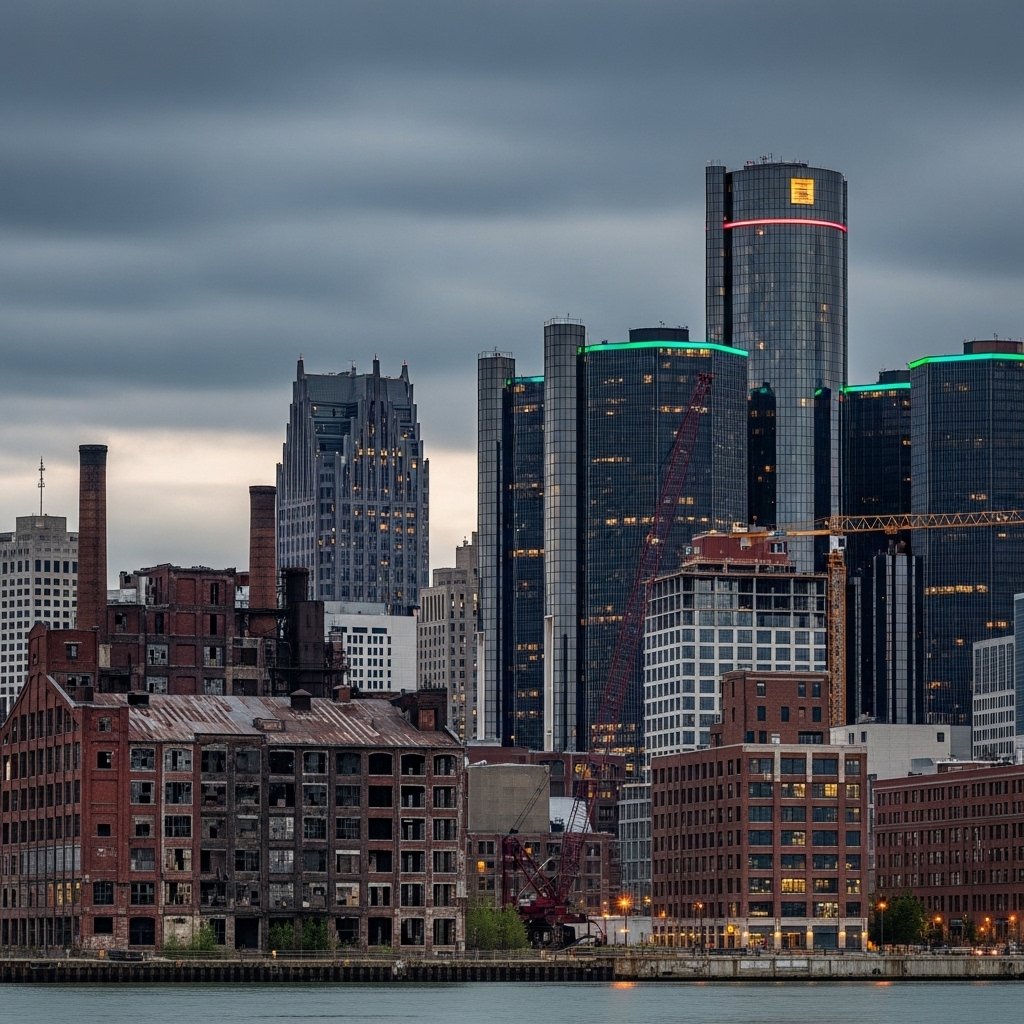
Detroit has been through more reinventions than almost any American city, and its population story is still being written. Despite genuine revitalization downtown, the broader numbers reflect decades of industrial change that are slow to reverse.
Yet there is cautious optimism: young creatives and entrepreneurs drawn by cheap space and authentic character are planting roots, even as the overall statistics take time to catch up.
New Orleans Faces The Coastal Question
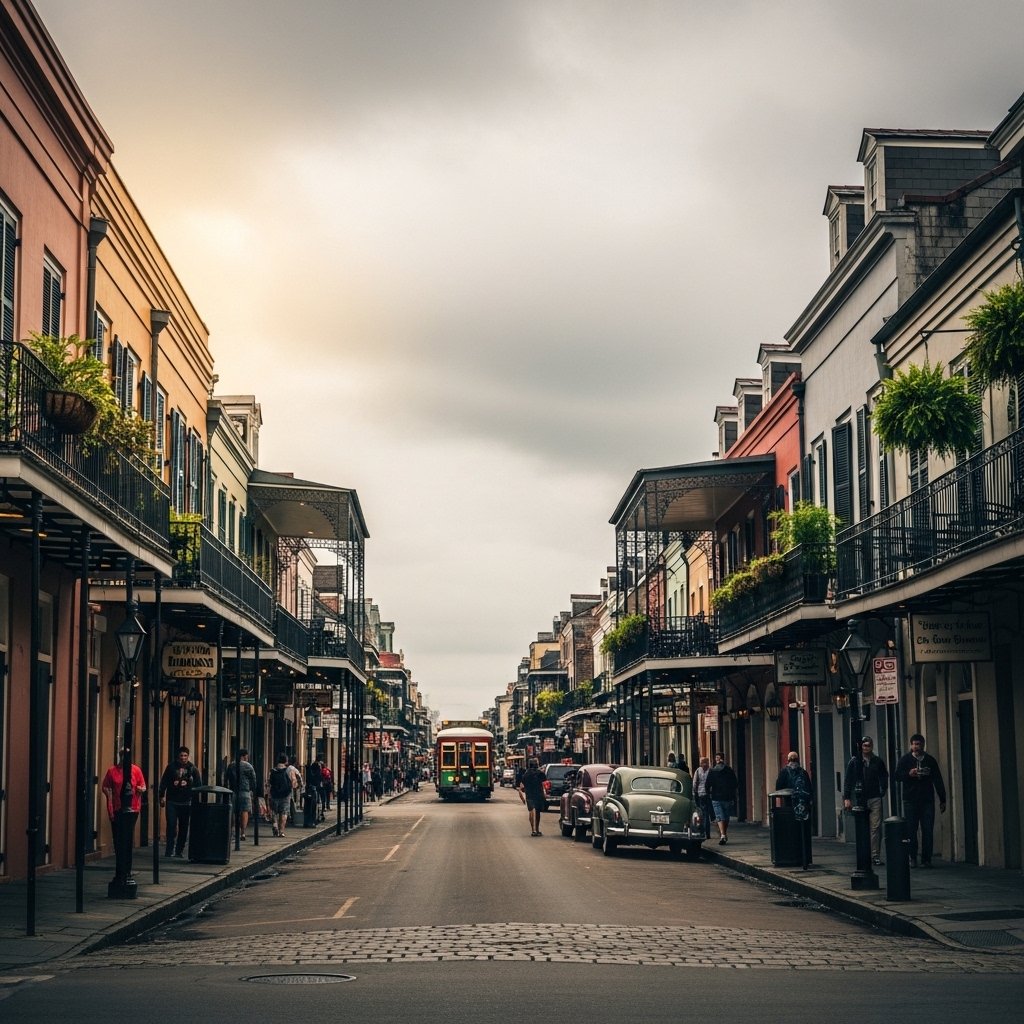
New Orleans contends with a unique mix of pressures: climate vulnerability, economic fragility, and the long shadow of past disasters. The Big Easy’s culture is irreplaceable, but practical concerns about insurance costs and storm risk are nudging some residents inland.
For those who stay, the city’s soul remains its superpower — but keeping them will require real answers on resilience and economic opportunity.
St. Louis Feels The Squeeze
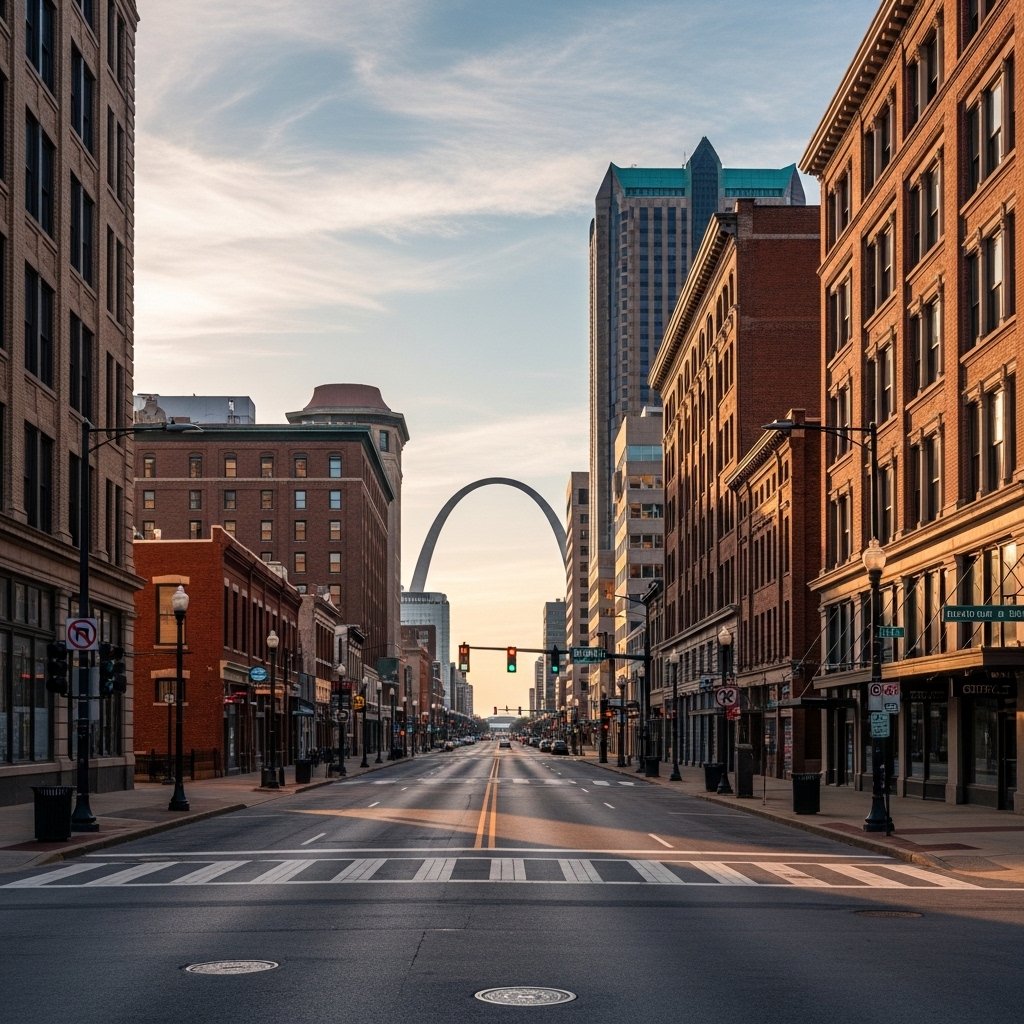
St. Louis is a classic American city watching its population drift downward. Better job opportunities in faster-growing Sun Belt metros are a major pull, as workers follow employers — and remote flexibility — to places with momentum.
The city’s challenge is familiar: convert its genuine assets — architecture, affordability, location — into a story that convinces young talent to stay and build.
Cleveland Looks For A Spark
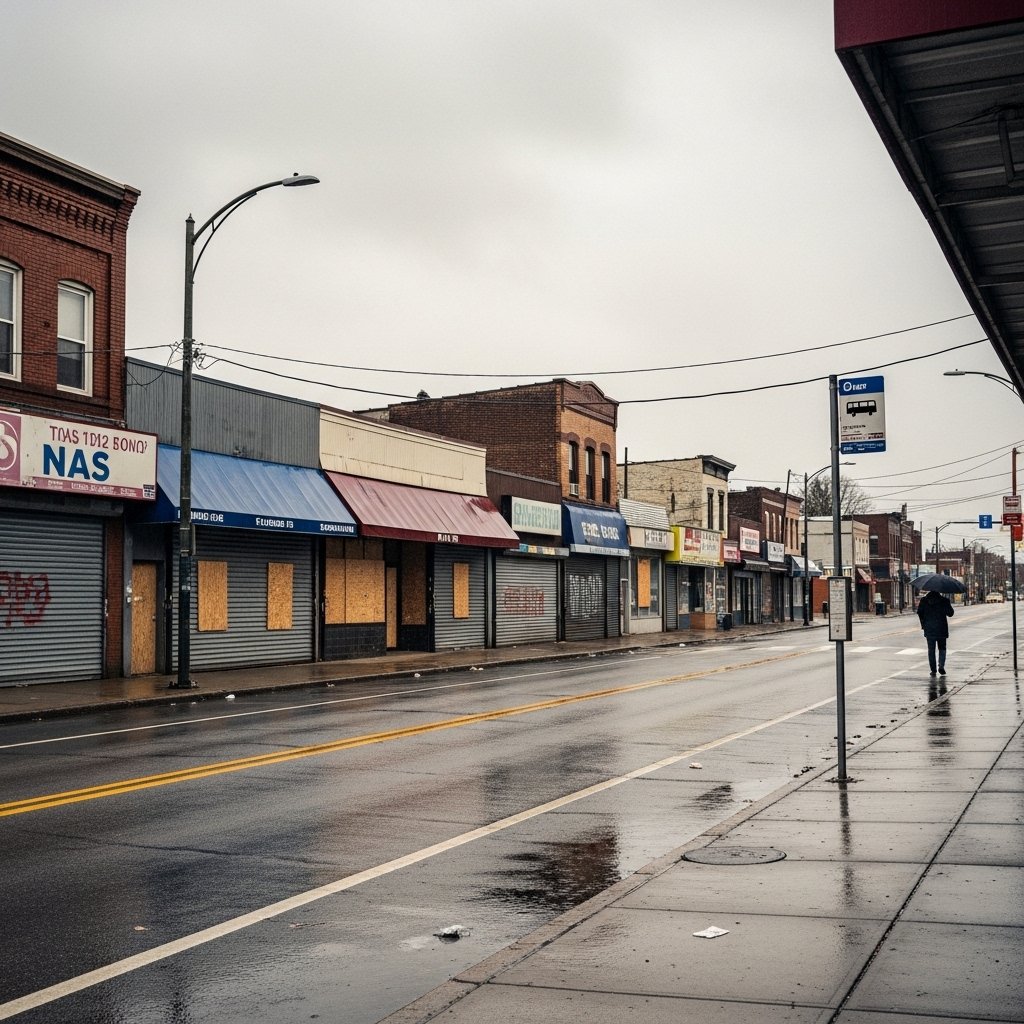
Cleveland’s legendary sports passion and world-class museums have not been enough to stop population decline. It is a story shared by many industrial-era cities working to rebrand themselves for a young, mobile workforce.
The ingredients for a comeback exist — affordability, lakefront beauty, a growing healthcare sector — but the city needs a compelling narrative to win the competition for residents.
The Rise Of The Micro-Destination
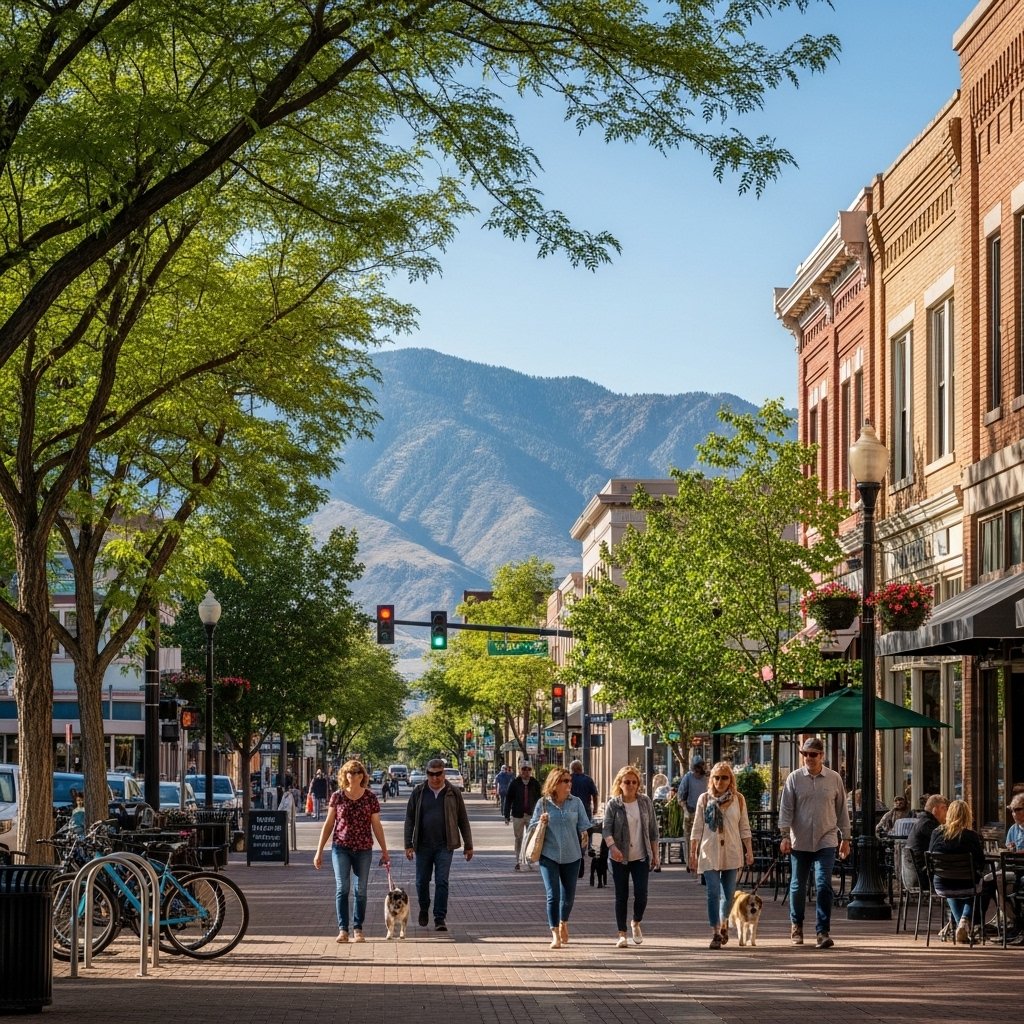
While the giants grapple with outflow, smaller cities are having a moment. Places like Boise, Greenville, and Bentonville offer an irresistible combo: affordability, outdoor access, and a sense of community that massive metros struggle to replicate.
These micro-destinations are not just bedroom communities — they are building their own economies, food scenes, and cultural identities, attracting exactly the young professionals the big cities are losing.
Remote Work Is The Great Reshaper

If one force explains the great reshuffling, it is remote work. The freedom to earn a big-city salary from anywhere has fundamentally rewritten the geography of American opportunity. Proximity to the office — once the organizing principle of where people lived — is now optional for millions.
This is not a temporary pandemic blip. Hybrid and remote arrangements have stuck, and every year they do, the gravitational pull of expensive coastal cities weakens a little more.
Why People Are Leaving: The Common Threads
Look closely at the cities losing residents and the same themes repeat: housing costs that outpace wages, taxes that feel punishing, quality-of-life frustrations from traffic to safety, and a growing sense that the trade-offs of big-city life no longer pencil out. No single factor drives the trend — it is the accumulation that tips the scales.
Notably, people are not fleeing cities altogether. They are fleeing specific cost-benefit equations. The cities gaining population — in Texas, Florida, the Carolinas, and the Mountain West — are still cities. They just offer a different deal.
Where Are They Going?
The winners of the reshuffle are well documented: Austin, Nashville, Raleigh, Phoenix, Tampa, and Boise consistently top the lists. They share a formula — lower costs, business-friendly climates, warm weather or outdoor lifestyle, and enough urban energy to feel like a real city rather than a compromise.
But the map is more nuanced than a simple Sun Belt story. College towns, scenic mountain communities, and revitalized small cities across the Midwest are also gaining, proving that the new American dream has many addresses.
The Hidden Costs Of Urban Flight
When residents leave, cities lose more than population — they lose tax revenue, civic energy, and the network effects that make urban life vibrant. Shrinking cities face a vicious cycle: fewer residents mean less funding for services, which makes the city less attractive, which drives more departures. Breaking this cycle requires bold leadership and honest reckoning with why people left.
There is also a human cost. Behind every statistic is a family that weighed its options and decided the place it called home no longer worked. Understanding their reasons — not dismissing them — is the first step toward winning them back.
How Smart Cities Are Responding
The savviest city leaders are treating population loss as a wake-up call, not a death sentence. They are streamlining housing approvals, investing in downtown vibrancy, improving public safety, and marketing their cities to remote workers who can live anywhere. Some are even offering cash incentives to attract new residents.
The cities that will thrive are those that listen. Residents are voting with their feet, and their message is clear: make housing affordable, make streets safe, make life workable — and we will stay.
What This Means For The Future
The quiet emptying of America’s legacy cities is not a death knell — it is a market signal. Cities that adapt by tackling housing affordability, investing in quality of life, and embracing flexible work will stabilize. Those that do not will keep watching U-Hauls head south.
For residents, the shift means more choice than any previous generation enjoyed. The question is no longer “where do I have to live?” but “where do I want to live?” — and millions are answering it with their feet.
Your Move: What This Means For You
Whether you are considering a move yourself or simply watching the trends, one thing is clear: the American city is not dying, it is evolving. The places that thrive will be those that offer not just jobs, but lives worth living — affordable, vibrant, and full of possibility for everyone who calls them home.
The Map Is Being Redrawn
America’s population map is being redrawn in real time, not by planners but by millions of individual decisions about cost, lifestyle, and freedom. The cities losing residents today have every chance to win them back tomorrow — if they listen to what the numbers are saying.
Because in the end, people do not leave cities they love for no reason. They leave when the math stops working — and they will return when it does.