 Sarah Grey
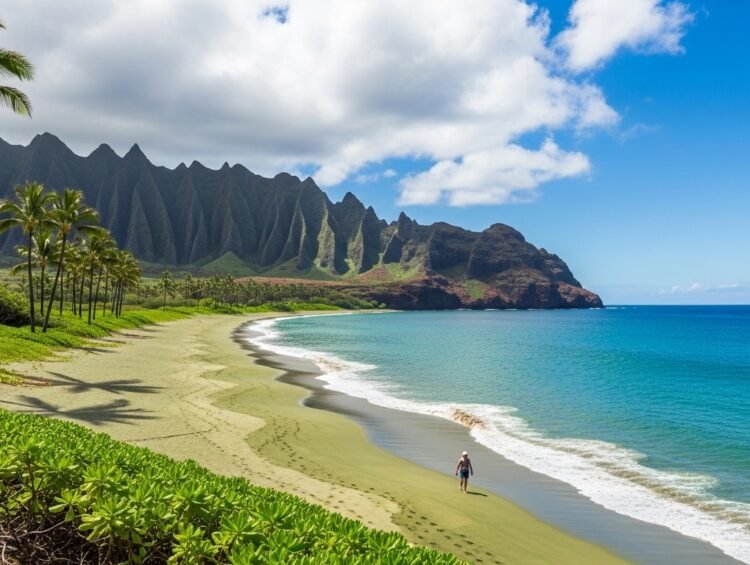
Nature loves to surprise travelers with unusual, breathtaking landscapes. Papakolea Beach on Hawaii’s Big Island is one of those rare destinations, famous for its remarkable green sand created by volcanic minerals.
It is one of only four green sand beaches in the world. Under sunlight, the shore glows in shifting shades of green, creating a peaceful and unforgettable scene.
Visiting this remote wonder requires planning, patience, and respect for the fragile environment. Those who make the journey discover a place shaped by geological history, ocean forces, and time itself.
The beach lies at the edge of the Pacific, far from resorts and crowds. Its isolation has kept it wild and pristine for generations.
This guide covers everything you need to know: the science, the hike, the best timing, and how to visit responsibly.
Rare Natural Formation
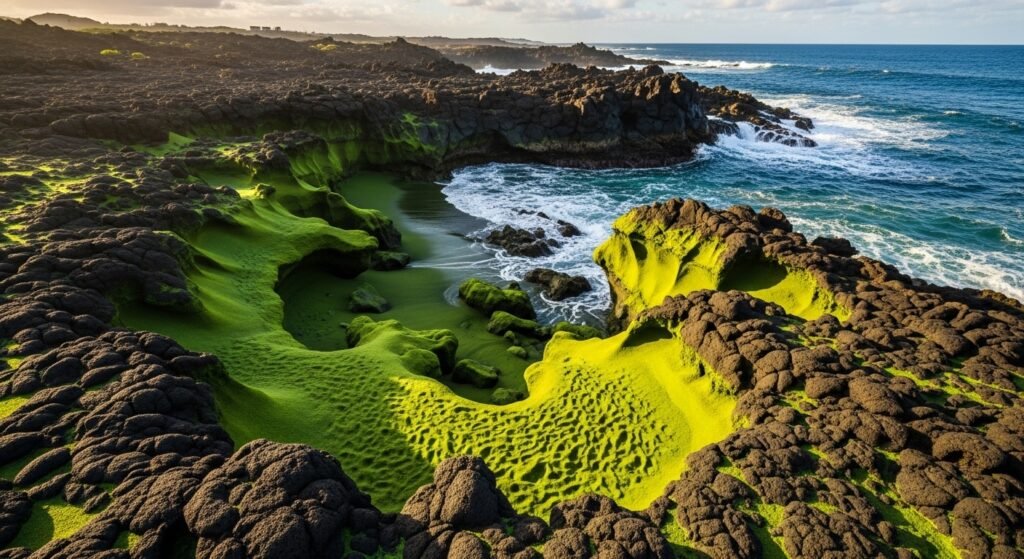
Olivine crystals embedded in volcanic lava give the sand its green color. Over time, ocean waves erode the lava, leaving the denser olivine minerals behind.
This creates a shoreline unlike any ordinary beach. The green grains sparkle in the sunlight, shifting from olive to emerald tones.
Olivine is a common mineral in Hawaiian lava, but rarely concentrates like this. Papakolea’s unique geology makes the phenomenon possible.
The beach sits in a collapsed cinder cone that eroded over thousands of years. The half-moon bay cradles the green sand protectively.
Geologists consider Papakolea a living laboratory of coastal erosion. Watching the process continue is witnessing Earth in action.
Only three other green sand beaches exist worldwide. This rarity makes Papakolea a true geological treasure.
Understanding the science deepens appreciation for the visit. Knowledge transforms a pretty beach into a profound experience.
Remote Coastal Location
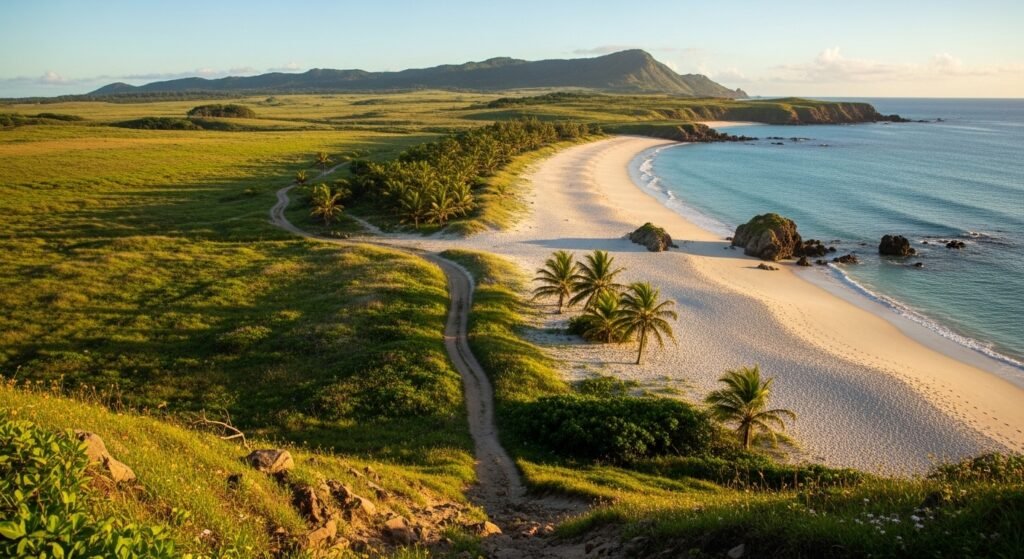
Papakolea sits near South Point, the southernmost tip of the Big Island. Its remoteness is central to its unspoiled charm.
The journey crosses open ranchlands and stark lava fields. The landscape itself is part of the adventure.
Few crowds make it this far, so solitude is common. You may share the beach with only a handful of visitors.
The isolation preserves the beach’s pristine character. It feels like a discovery rather than a tourist stop.
Ka Lae, the South Point area, holds cultural significance for Hawaiians. Ancient fishermen launched canoes from these shores.
Respect the land’s history as you travel through it. This is a place of deep heritage, not just scenery.
The remoteness demands self-reliance from visitors. Preparation is essential for a safe, enjoyable trip.
Volcanic Landscape Views
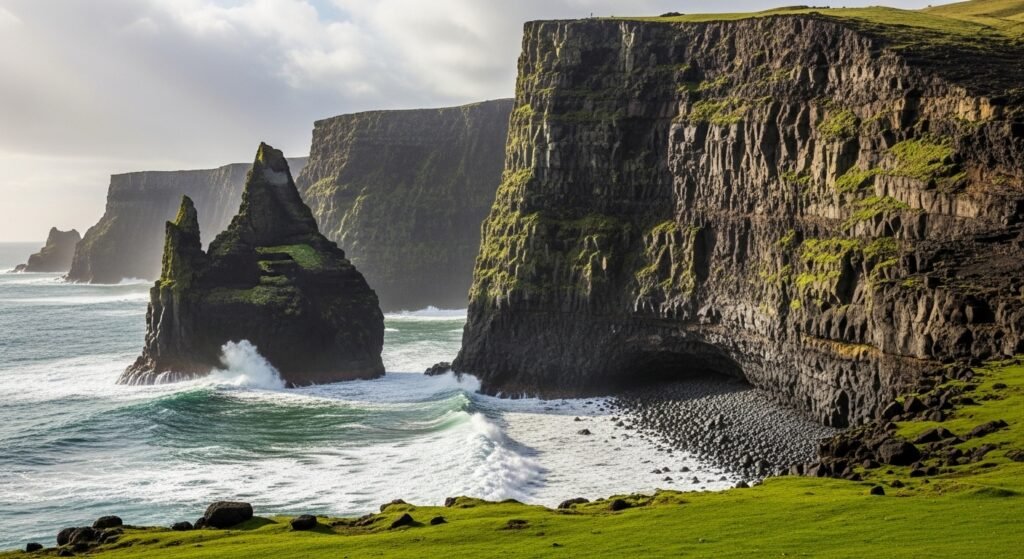
Volcanic cliffs frame the beach, sculpted by waves over countless ages. These formations reveal the island’s fiery geology.
The rough black lava contrasts dramatically with the smooth green sand. This interplay of textures is visually stunning.
Layered rock tells stories of ancient eruptions. Each stratum marks a chapter in the island’s formation.
Sea arches and blowholes dot the nearby coastline. The ocean continues reshaping the land every day.
The cinder cone’s rust-red slopes add another color to the palette. Green, black, red, and blue merge spectacularly.
Photographers find endless inspiration in these contrasts. Every angle offers a new composition.
Take time to simply observe the landscape’s details. The geology rewards patient attention.
Challenging Access Route
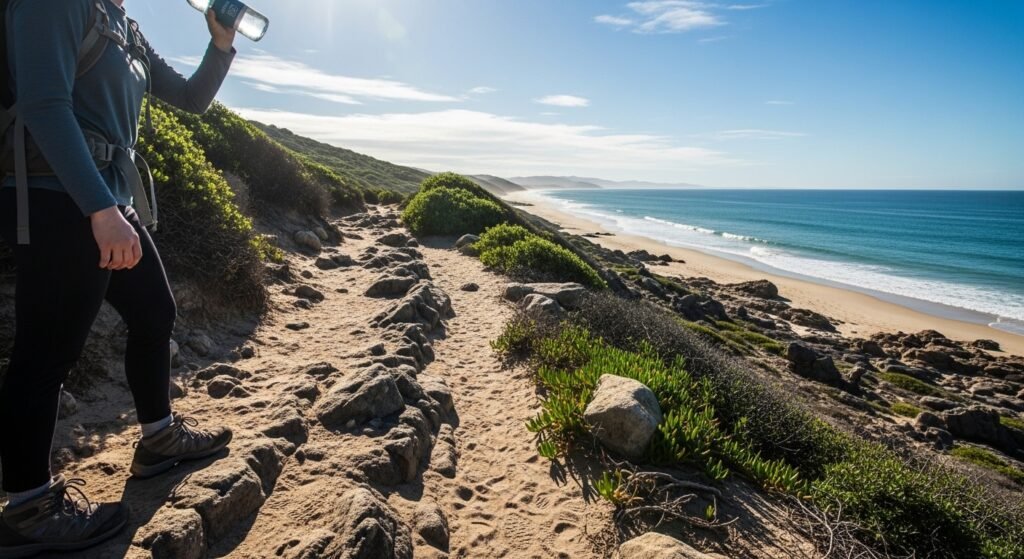
Reaching the beach requires hiking several kilometers over rough terrain. The trail can be exhausting, especially in strong sun.
Comfortable footwear, plenty of water, and sun protection are essential. There is no shade along the exposed route.
The hike takes about an hour each way for most walkers. Pace yourself and rest when needed.
Some visitors pay locals for 4×4 shuttles along the rutted track. This controversial option saves energy but impacts the land.
Walking is the most respectful way to arrive. It also lets you appreciate the changing landscape gradually.
The final descent into the cove is steep and sandy. Take care on the loose slope down to the shore.
The effort makes arrival feel earned and special. Difficult journeys create the most memorable destinations.
Essential Packing List
Smart packing makes the difference between misery and magic on this hike. Every item should earn its place in your bag.
Carry at least two liters of water per person. The exposed trail and tropical sun dehydrate you faster than expected.
Pack high-SPF reef-safe sunscreen and reapply often. The reflection off sand and water intensifies UV exposure.
A wide-brimmed hat and polarized sunglasses protect your face and eyes. Shade is nonexistent along the entire route.
Bring energy-rich snacks like nuts, fruit, and granola bars. You will burn serious calories on the rough terrain.
A lightweight dry bag keeps electronics safe from spray and sudden rain. Ocean mist reaches surprisingly far inland.
Include a basic first-aid kit with blister treatment. Lava rock is sharp and unforgiving on feet and hands.
Download offline maps before you lose signal. Cell coverage disappears well before the trailhead.
Best Time to Visit
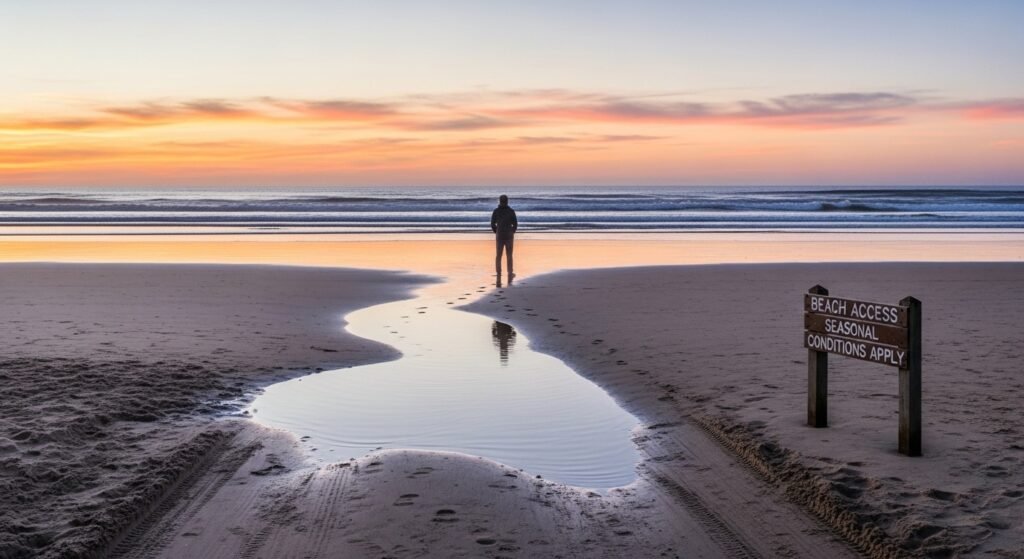
Mornings offer the best conditions with cooler air and softer light. Early arrivals enjoy the beach with minimal crowds.
Midday sun intensifies the green color dramatically. The olivine sparkles most brilliantly under direct light.
Check ocean conditions before swimming. The cove can have strong currents and shore breaks.
Trade winds pick up in the afternoon, cooling the hike back. Plan your return with the breeze in mind.
Winter swells can make the shore dangerous. Summer generally offers calmer, safer conditions.
Local advice is invaluable for timing your visit. Rangers and residents know the rhythms of this coast.
Allow a half day minimum for the round trip. Rushing diminishes both safety and enjoyment.
Unique Coastal Photography
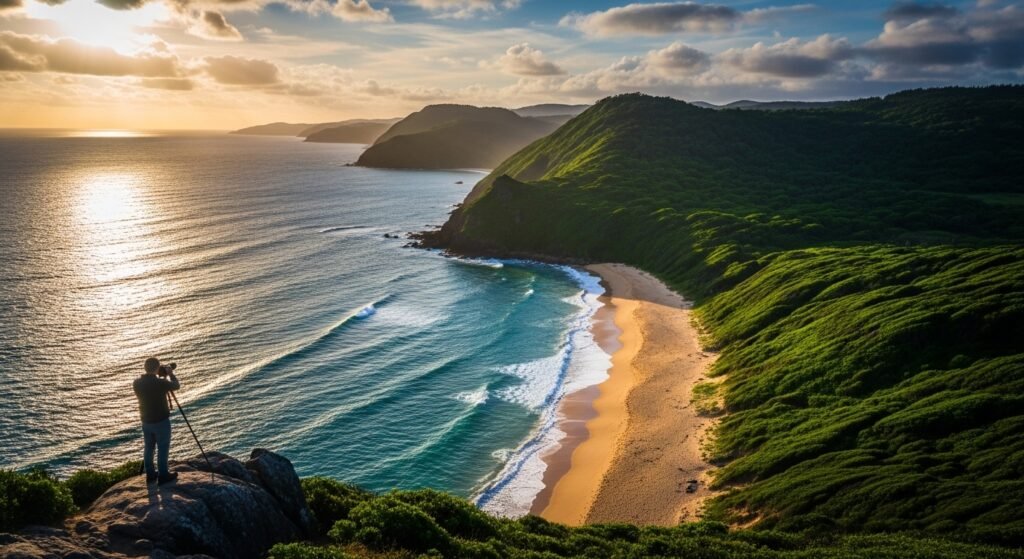
The green shoreline offers extraordinary photography opportunities. Changing light transforms the sand and sea throughout the day.
Photographers capture striking contrasts between emerald sand and blue water. The color combination is naturally surreal.
Close-up shots reveal individual olivine crystals glinting. Macro photography exposes the beach’s hidden detail.
Wide angles showcase the cove’s dramatic amphitheater shape. The cliffs frame the green crescent perfectly.
Golden hour bathes the cliffs in warm light. Late afternoon offers the most flattering illumination.
Protect camera gear from sand and salt spray. The elements are harsh on equipment here.
Remember to put the camera down and simply absorb the view. Some moments deserve undivided attention.
Respect for Natural Environment
Preserving Papakolea is every visitor’s responsibility. Removing sand or disturbing the landscape damages a fragile ecosystem.
Taking even small amounts of sand depletes the beach over time. What seems harmless multiplied by thousands of visitors is devastating.
Stay on established paths to protect native plants. The surrounding area hosts delicate coastal vegetation.
Pack out all trash, including food scraps and tissues. Leave no trace of your visit behind.
Respect any posted closures or restrictions. They exist to protect both visitors and the environment.
Responsible tourism keeps this wonder intact for future generations. Your choices directly impact its survival.
Teach fellow travelers about conservation when opportunities arise. Awareness spreads through example.
Limited Visitor Facilities
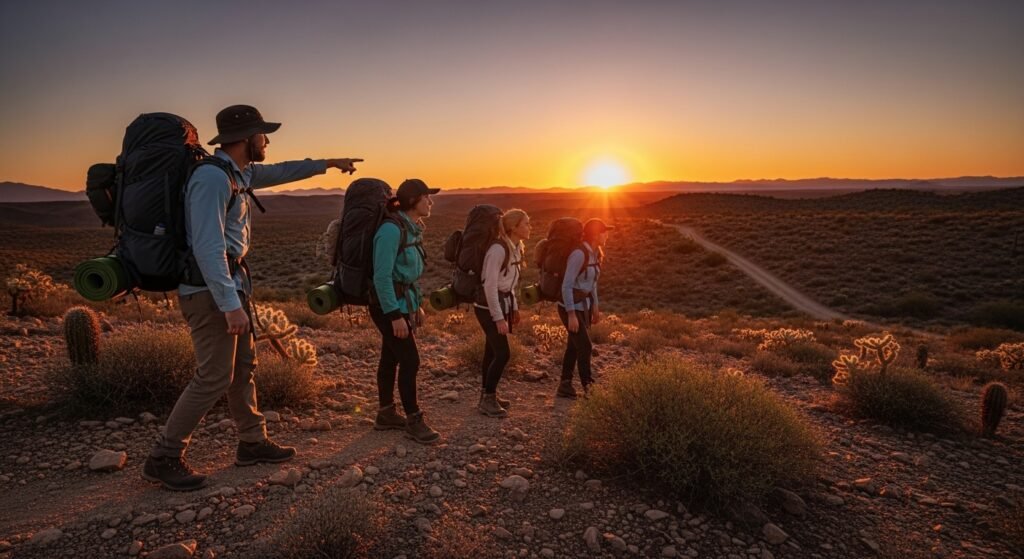
The remote location means facilities are virtually nonexistent. Travelers must carry food, water, and all necessities.
There are no restrooms, shops, or lifeguards at the beach. Self-sufficiency is mandatory.
Bring more water than you think you will need. The exposed hike dehydrates faster than expected.
Sun protection is critical without any shade available. Hats, sunscreen, and sunglasses are essential.
A basic first-aid kit is wise for the rugged trail. Blisters and scrapes are common on the rough terrain.
Cell service is unreliable in the area. Tell someone your plans before heading out.
Careful planning prevents discomfort and lets you focus on the experience. Preparation is the price of admission to paradise.
Cultural and Geological Significance
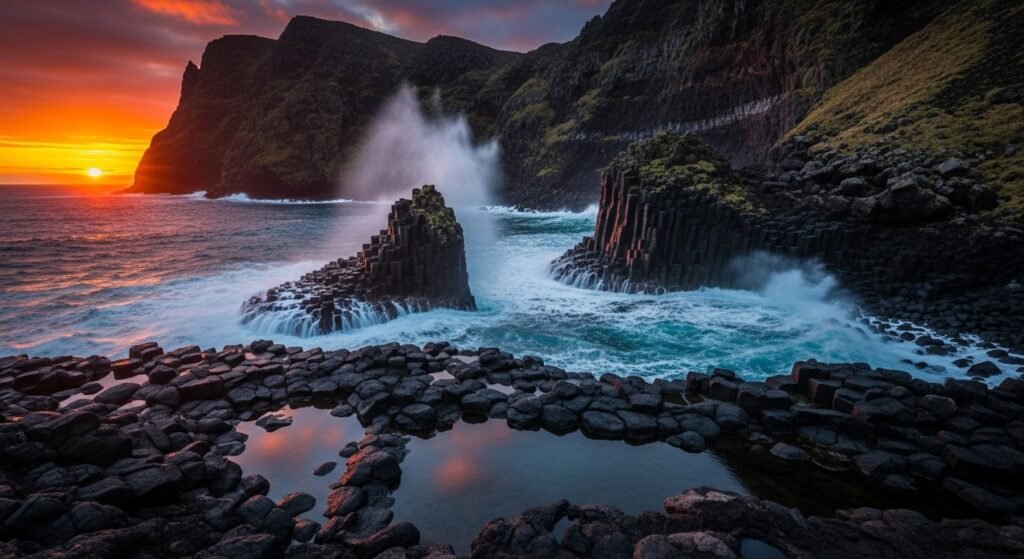
Papakolea embodies Hawaiian volcanic heritage and natural transformation. It symbolizes the island’s ongoing creation.
For Native Hawaiians, the land holds deep spiritual meaning. The volcano goddess Pele’s presence is felt throughout the island.
Understanding its formation enriches every moment of the visit. Geology becomes a lens for wonder.
The beach demonstrates how destruction creates beauty. Violent eruptions produced this serene shoreline.
It reminds us that Earth’s processes operate on magnificent timescales. We are brief witnesses to ancient forces.
Protecting such places honors both science and culture. Their value far exceeds any souvenir.
Visiting with reverence deepens the experience immeasurably. Approach Papakolea as a guest, not a conqueror.
Planning Your Papakolea Adventure
Combine Papakolea with other South Point attractions for a full day. The southern tip offers dramatic cliffs and cultural sites.
Nearby Naalehu town provides last supplies and local food. Stock up before heading to the trailhead.
Wear sturdy closed-toe shoes with good grip. The lava terrain is unforgiving on flimsy footwear.
Start early to avoid the harshest midday heat on the trail. An early departure also secures parking at the trailhead.
Check the weather forecast the morning of your hike. Sudden rain can make the lava rock dangerously slippery.
Consider visiting on a weekday to avoid weekend crowds. Solitude amplifies the beach’s magic considerably.
A Once-in-a-Lifetime Coastal Wonder
Papakolea is more than a beach; it is an encounter with Earth’s creative power. The green sand, volcanic cliffs, and ocean merge into something magical.
Those who make the journey carry the memory forever. Few places on the planet offer such singular beauty.
Visit with preparation, respect, and wonder. Papakolea rewards those who approach it well.
Share your experience thoughtfully to inspire responsible travel. Your stories can protect this place.
The green sand will stay with you long after you leave. Some destinations change how you see the world.