 Sarah Grey
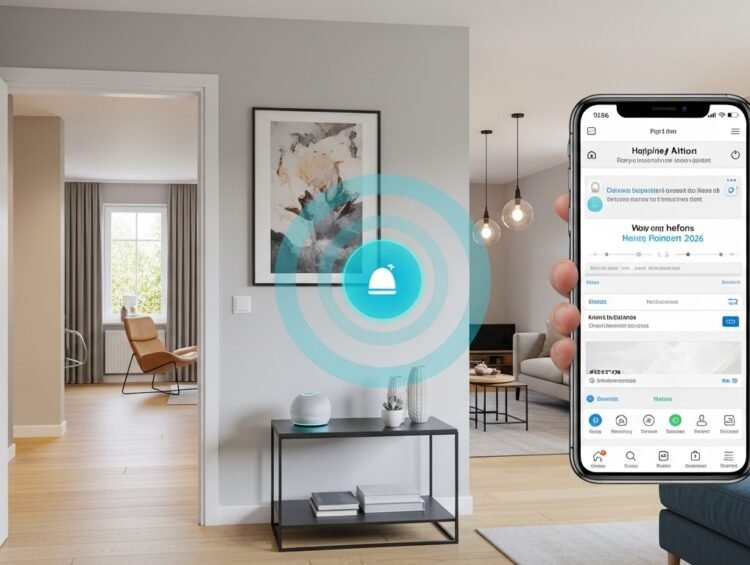
Walking into a house in 2026 feels different than it did just a few years ago. The flickering lamps, the half-dozen incompatible apps, the gadgets that promised the future and delivered frustration: those days are fading. Today’s smart home is quieter, kinder, and genuinely helpful. It is no longer about the flashiest device to impress the neighbors; it is about a home that works like a thoughtful assistant, anticipating needs instead of creating chores. From kitchens that help cook dinner to lighting that protects your sleep, the technology people are loving most is the kind that disappears into daily life.
This is the year the smart home grew up. Interoperability finally arrived, artificial intelligence got genuinely useful, and privacy became a selling point rather than an afterthought. Here are the must-have smart home technologies of 2026, and why they are earning a permanent place in American homes.
The New Standard Of Seamless Connection
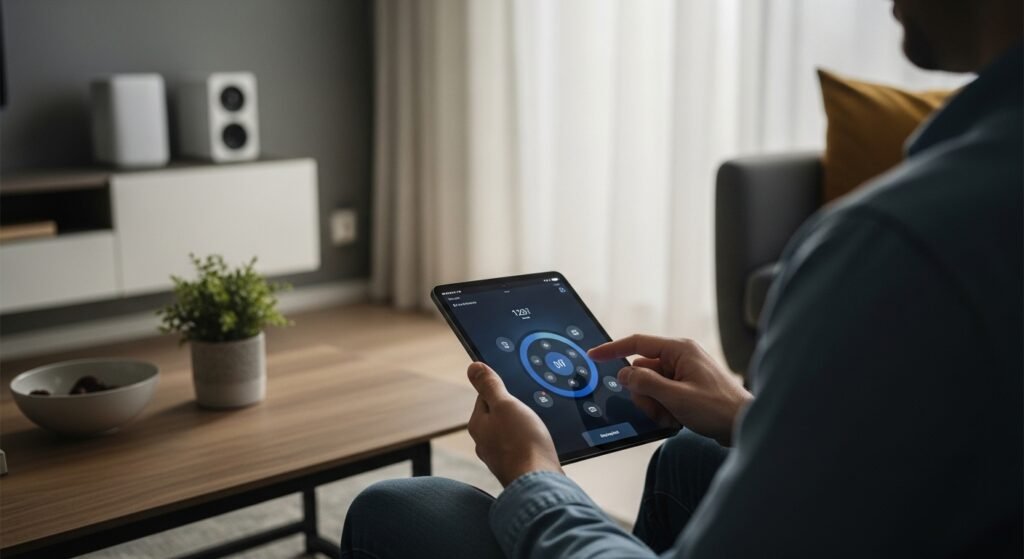
The single biggest headache of early smart homes was incompatibility: devices that refused to talk to each other, ecosystems that locked you in, and the dreaded drawer of abandoned hubs. That era is ending. With universal connectivity standards now widely adopted, devices from different brands finally cooperate. You can mix and match your favorite gear without worrying whether the thermostat will speak to the shades or the doorbell will trigger the lights.
This boring-sounding breakthrough is the foundation everything else is built on. When setup takes minutes instead of weekends and automations simply work, the smart home stops being a hobby and starts being infrastructure. The best technology of 2026 is the kind you never have to think about, and seamless connection is what makes that invisibility possible.
Security That Recognizes Your Face

Fumbling for keys or trying to remember a PIN code is becoming a relic of the past. The newest smart locks use advanced facial recognition to identify residents at a glance, unlocking the door as you approach with hands full of groceries. It is a small daily friction removed, and those small removals compound into a noticeably easier life.
Beyond convenience, the security is meaningfully better than a key under the mat. Temporary digital access for guests, cleaners, or dog walkers can be granted and revoked remotely, with a full log of who came and went. Your front door finally knows the difference between family and strangers, and it acts accordingly.
Energy Panels That Think For You
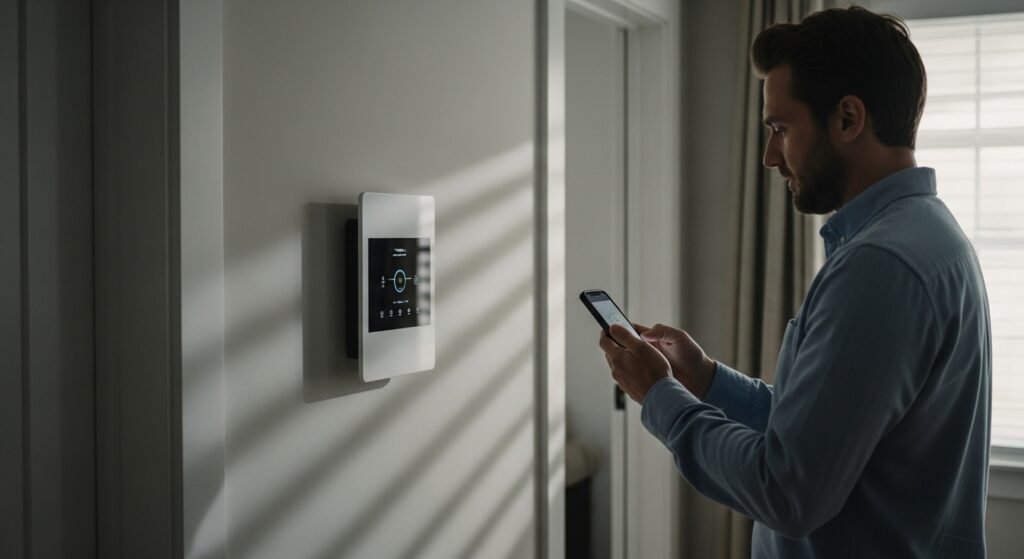
The smart electrical panel is the unsung hero of the modern American home. These systems monitor energy consumption circuit by circuit, learn your household’s patterns, and automatically shift heavy loads like EV charging, water heating, and laundry to the hours when electricity is cheapest. The result is lower utility bills with zero effort and zero lifestyle change.
For homes with solar panels or battery storage, the intelligence goes further: the panel decides when to store, when to use, and when to sell power back to the grid. As energy prices fluctuate and electrification accelerates, the smart panel is quietly becoming as essential as the breaker box it replaces.
Kitchen Assistants That Actually Cook
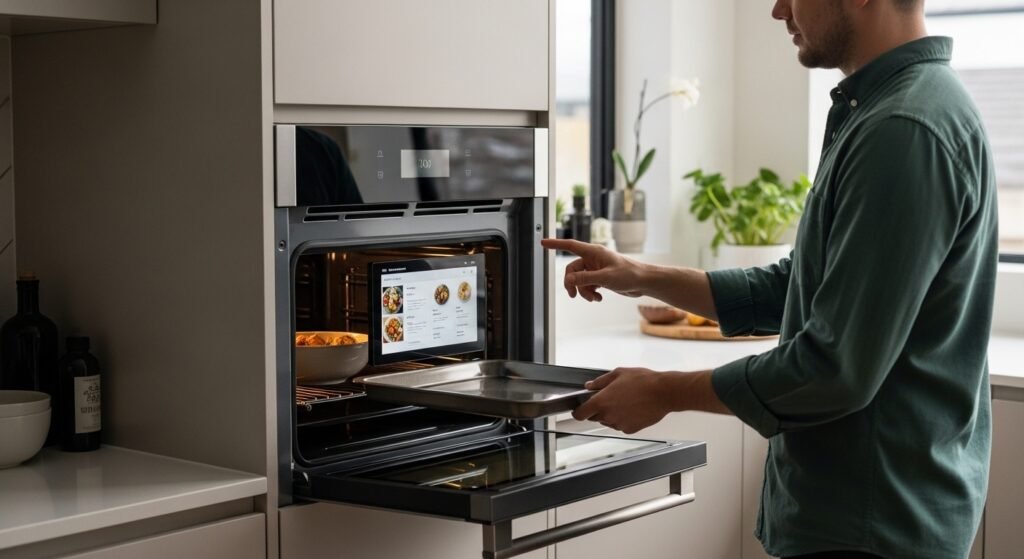
Dinner is becoming a team effort between you and your appliances. Smart ovens now recognize what you have put inside them, automatically setting the right temperature, mode, and timing. Guided cooking walks you through unfamiliar recipes step by step, adjusting on the fly. The trial and error that used to ruin a new dish, or a cherished family recipe, is quietly disappearing.
The real magic is how these assistants learn. They remember how you like your roast, notice when you consistently adjust a setting, and adapt. Cooking with a smart kitchen feels less like operating machinery and more like cooking alongside someone experienced. Weeknight dinner gets easier; weekend projects get braver.
Cleaning Robots With Real Legs

The era of the helpless vacuum disc, stranded at the bottom of the stairs, is over. The newest cleaning robots can climb steps, navigate thresholds, and handle uneven surfaces, bringing genuinely autonomous cleaning to multi-level homes for the first time. They map intelligently, avoid obstacles with uncanny skill, and even recognize rooms by function.
Combined with self-emptying bases and mopping capabilities, these machines are approaching the dream: floors that are simply always clean, with no human involvement beyond the occasional filter change. For busy households, pet owners, and anyone who would rather spend Saturday doing literally anything else, it is transformative.
Health Monitors Hidden In Plain Sight
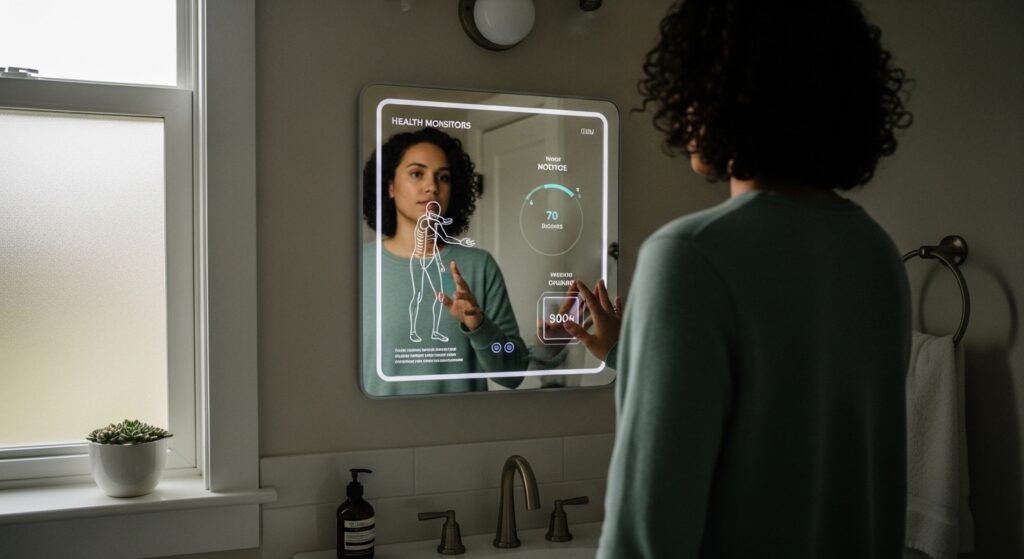
Wellness technology is moving out of the gym and into the furniture. Smart mirrors that assess posture and form, mattresses with sensors that track sleep quality, bathroom fixtures that monitor hydration and vital signs: these tools weave health tracking into the fabric of daily life without wearables, chargers, or conscious effort.
The unobtrusive approach matters because consistency is everything in health data. A sensor you never have to remember to wear collects months of baseline information, making real changes visible and early warnings possible. Your home is becoming the most thorough health diary you have ever kept, and you barely have to lift a finger.
Lighting That Mimics The Sun
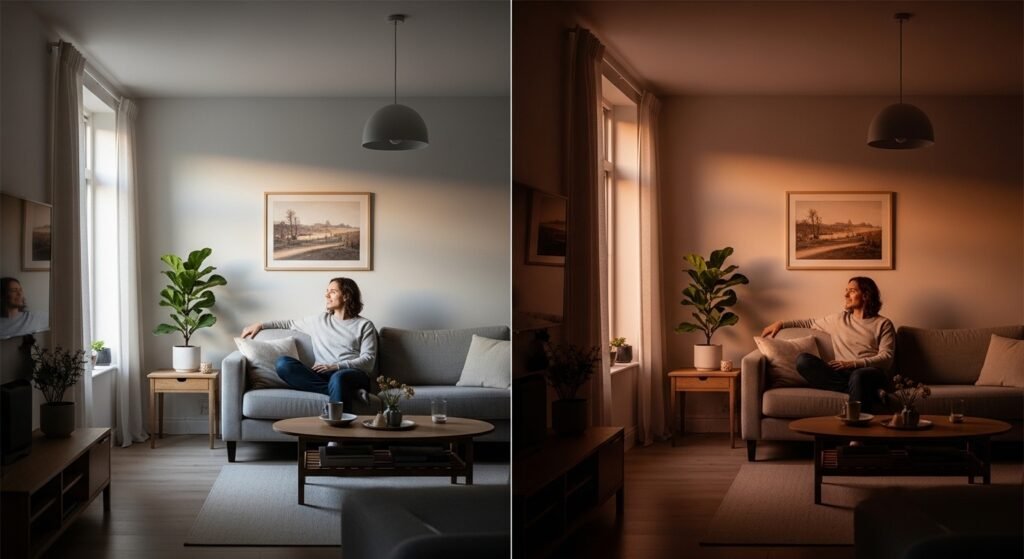
Circadian lighting has quietly become one of the most loved smart home upgrades. These systems shift color temperature and intensity throughout the day to mirror natural sunlight: bright and cool in the morning to promote alertness, warm and dim in the evening to support melatonin and restful sleep. Your home’s light finally works with your biology instead of against it.
People report feeling more energized during the day and falling asleep more easily at night, which makes sense: modern humans spend most of their lives under static artificial light that confuses the body clock. Bringing the sun indoors, even artificially, is one of the simplest wellness upgrades a home can offer.
Privacy-First Smart Cameras
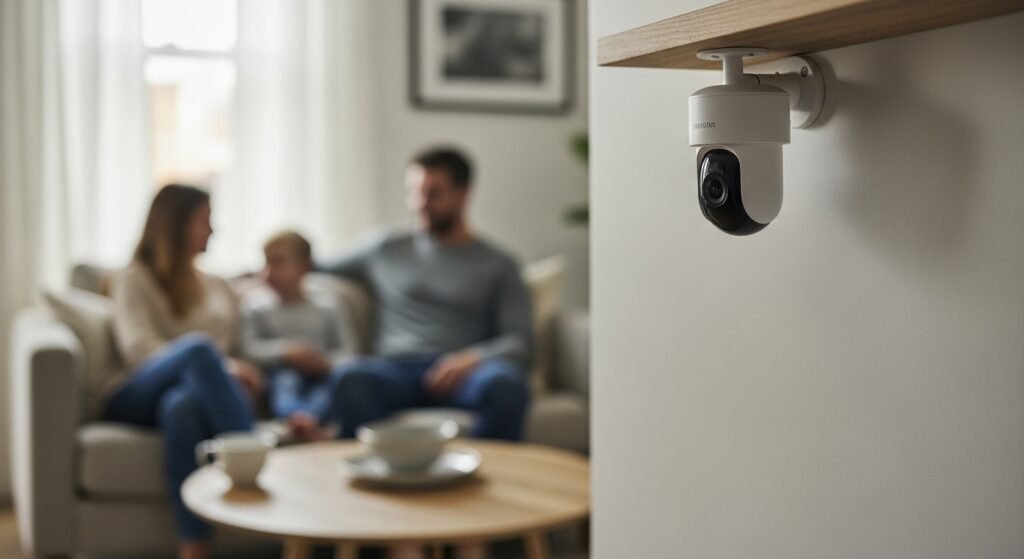
Security cameras have grown far smarter about what they capture and where that footage goes. The 2026 generation processes video locally on the device, distinguishing between a package delivery, a pet, and a person, and only alerting you about what matters. Footage stays inside your home rather than streaming to distant servers by default.
This privacy-first design answers the biggest objection to home cameras. Physical shutters, clear recording indicators, and local storage give families genuine peace of mind: protection without surveillance. Security that respects the people it protects is security people actually want to live with.
Air Purifiers That Target Allergens
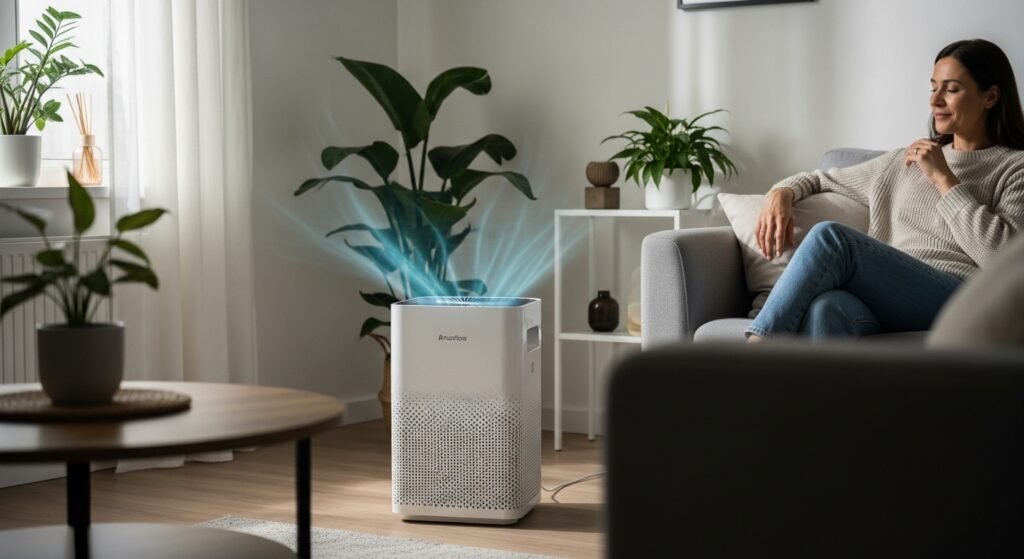
Today’s air quality monitors work hand in hand with purifiers, detecting dust, pollen, volatile compounds, and other pollutants before you can feel them, then targeting purification exactly where it is needed. For allergy sufferers, city dwellers, and parents of small children, it is like a breath of fresh air on demand.
The intelligence makes the difference between a purifier that runs blindly and one that responds to reality. Sensors track outdoor air quality, cooking fumes, and even wildfire smoke, ramping up protection automatically. Clean air stops being something you hope for and becomes something your home guarantees.
Voice Assistants With Actual Personality
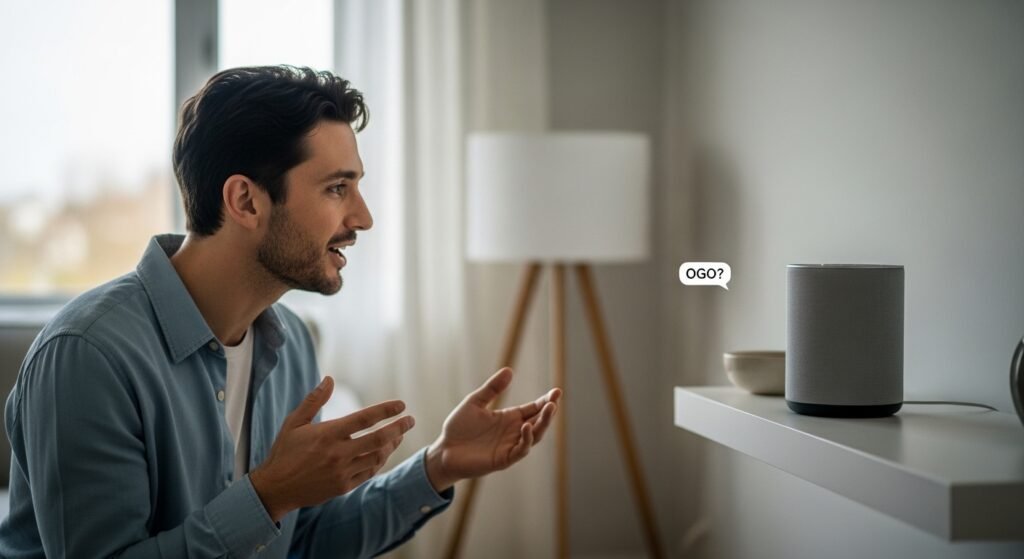
Talking to your home is finally starting to feel like a conversation rather than a command line. Modern voice assistants understand context, remember preferences, and handle multi-step requests without making you repeat yourself three times. Setting up routines, getting answers, and managing the house happens in natural language.
The personality upgrade matters more than it sounds. An assistant that understands “make it cozy” means dimming lights, lowering shades, and queuing the playlist is not just convenient; it is delightful. The smart home’s voice has grown up, and the whole house feels more human for it.
Where To Start Your Smart Home
Overwhelmed? Start with the problem that annoys you most. High energy bills point to a smart panel or thermostat. Restless nights suggest circadian lighting. Allergy misery calls for air quality monitoring. Buy one thing, live with it for a month, and let the benefits convince you before adding more. The best smart home is built gradually, around real needs rather than gadget lust.
The through line of 2026’s best tech is humility: devices that serve quietly, connect seamlessly, and respect your privacy. The future of the home is not louder or flashier. It is calmer, kinder, and a little bit magical, exactly the way home should feel.
Budget wisely by starting with a smart speaker or display as your hub, then adding devices that solve real annoyances. Watch for bundle deals during major sales events, and prioritize devices supporting universal standards so nothing becomes obsolete. A thoughtful fifty-dollar upgrade that fixes a daily frustration beats a five-hundred-dollar gadget that impresses for a week.
Security deserves special attention: use strong unique passwords, enable two-factor authentication, and keep device firmware updated. A smart home is only as strong as its weakest login. With those basics covered, you can enjoy the magic without the worry, and let your home quietly take care of you and your family for years to come, safer and smarter every single day of the year ahead and well beyond that point.