 Sarah Grey
The biggest food trend of the year is not a diet or a superfood; it is an ecosystem. Open any social feed or refrigerator door and you will find the same buzzword staring back: the gut microbiome. The focus has shifted decisively away from restrictive calorie counting and toward something far more interior, the trillions of microbes that influence digestion, immunity, mood, and more. People are swapping ordinary snacks for things that bubble, fizz, ferment, and crunch, all in the name of feeling lighter and more energized. This is the gut-health era, and it is delicious.
What makes this trend different is its staying power. Unlike crash diets, feeding your microbiome is a long game built on enjoyable daily habits rather than deprivation. Here is the complete guide to the gut-health foods taking over this year, and how to make them part of your routine.
The Rise Of Fibermaxxing Cultures
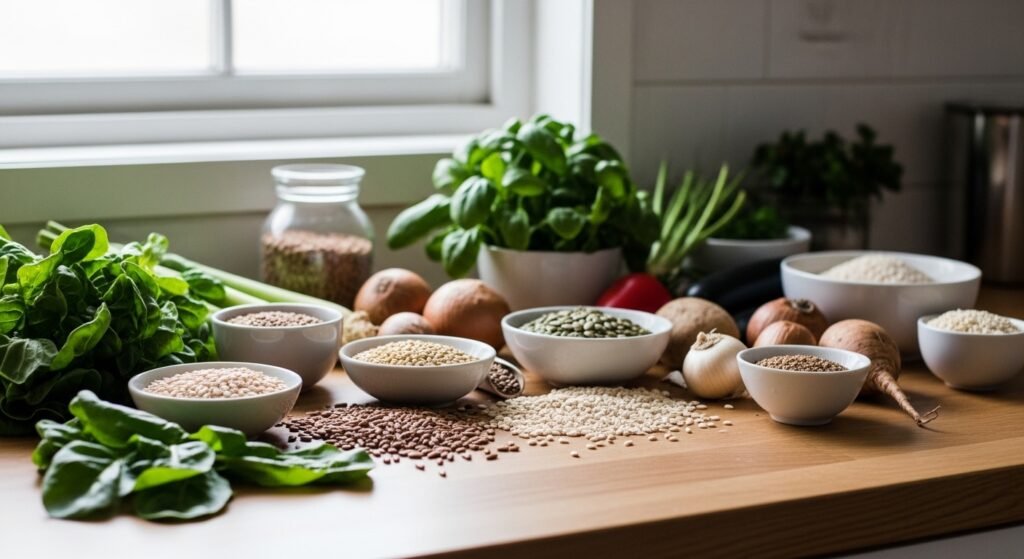
Fiber is having its moment. The “fibermaxxing” movement has stormed the mainstream, with people tracking daily fiber intake the way they once tracked protein. Most adults get barely half the recommended amount, so the push is overdue. Fiber feeds beneficial gut bacteria, supports digestive comfort, steadies blood sugar, and promotes satiety, making it arguably the most underrated nutrient in the modern diet.
The practical approach is gradual and varied. Beans, lentils, oats, berries, vegetables, nuts, and seeds all contribute different fiber types that nourish different microbes. Diversity matters more than any single number. Increase intake slowly, drink plenty of water, and let your microbiome adjust; the goal is a thriving inner ecosystem, not a fiber scoreboard.
The Fermentation Fascination Comes Back
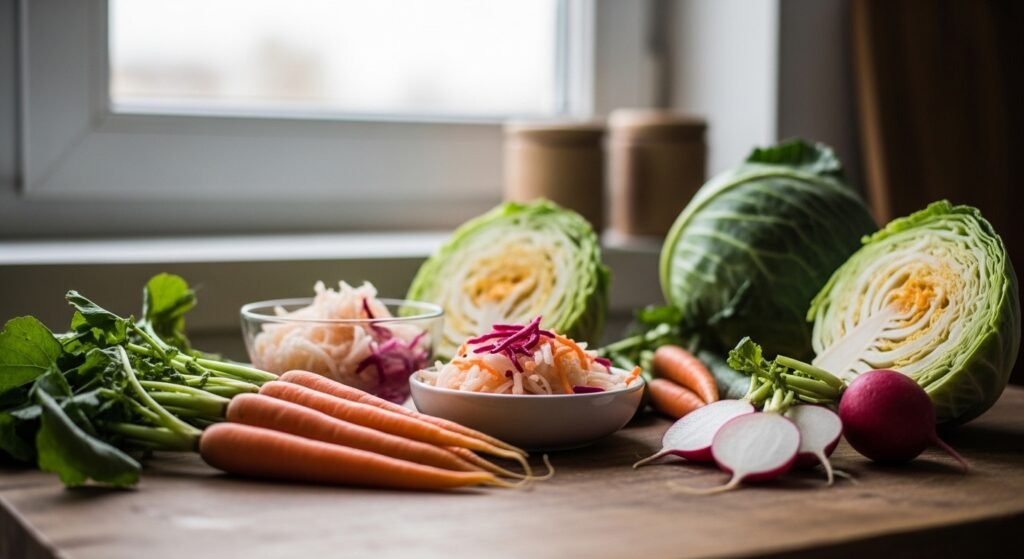
Fermented foods have escaped the DIY fringe and conquered the mainstream pantry. Yogurt, kefir, kimchi, sauerkraut, miso, tempeh, and kombucha are now everyday staples, prized for their live cultures and the compounds those cultures produce. Research increasingly links regular fermented food consumption to greater microbiome diversity and calmer immune responses.
The key is “live and unpasteurized” for the full benefit. Heat kills the beneficial bacteria, so add fermented foods at the end of cooking or enjoy them raw. A forkful of sauerkraut with lunch or a glass of kefir at breakfast is enough to join the fermentation fascination; no brewing equipment required.
Kefir In The Morning Routine
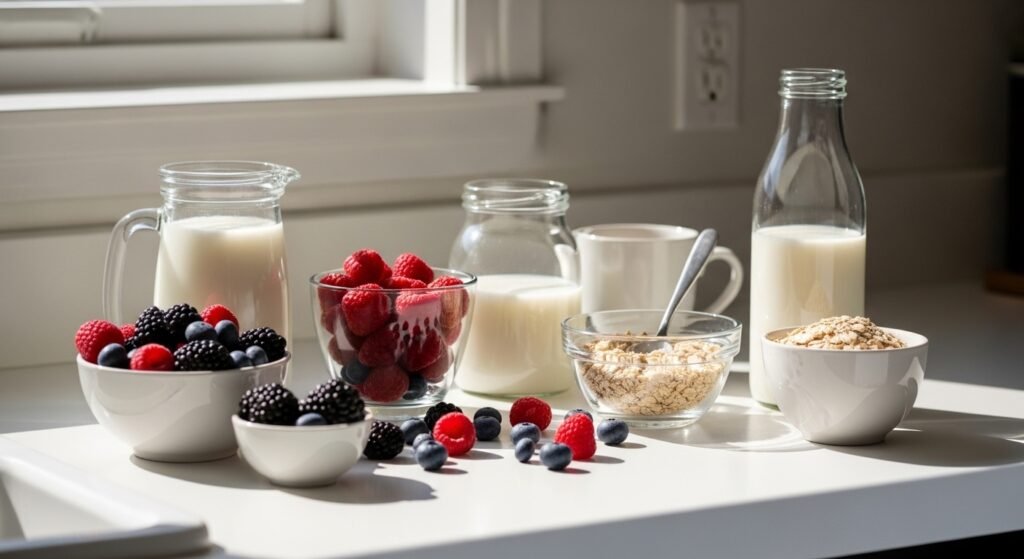
Kefir is replacing regular milk as the base of morning smoothies and cereal bowls, and for good reason. This tangy, drinkable fermented milk contains a far wider variety of probiotic strains than conventional yogurt, in some cases dozens of bacterial and yeast species. It is one of the most potent probiotic foods you can buy.
Start with a small glass if you are new to it; the tang takes adjustment and the live cultures can be lively at first. Blend it with fruit and a spoonful of nut butter for a breakfast that delivers protein, probiotics, and staying power. Dairy-free drinkers can find coconut and water kefir versions with similar cultures.
Kimchi As A Flavor Powerhouse
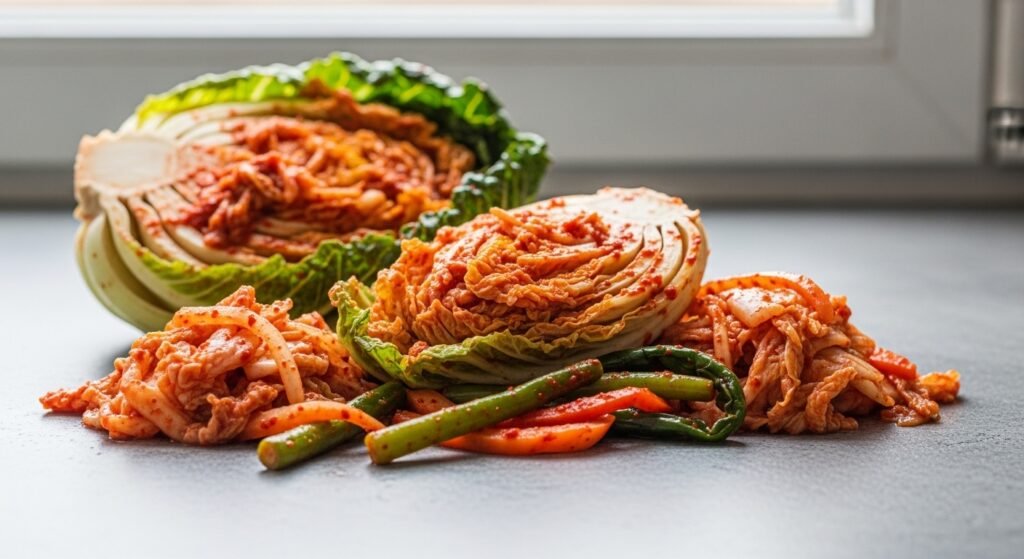
Once a niche Korean side dish, kimchi now shows up everywhere: on avocado toast, in grain bowls, atop burgers, folded into fried rice. Its bold, spicy, funky flavor transforms bland meals, and its live lactobacillus cultures make it a genuine probiotic food. Flavor and function rarely align this deliciously.
A little goes a long way, both for taste and for your gut. A quarter-cup serving alongside meals is plenty. Look for refrigerated, unpasteurized kimchi with simple ingredients, and add it after cooking to preserve the live cultures. Your taste buds and your microbiome will both notice.
Savory Miso For Depth
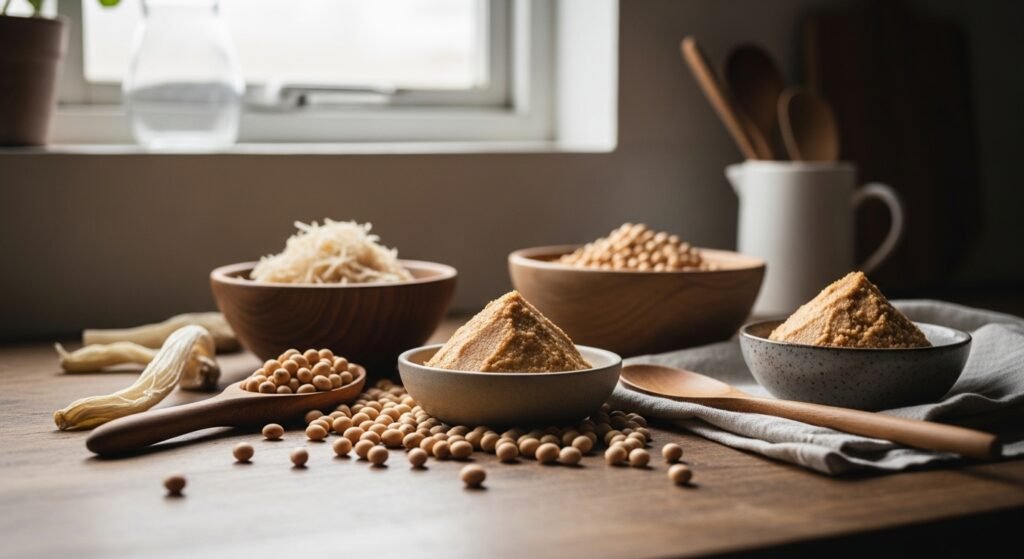
Miso paste has broken out of the soup bowl and into glazes, dressings, marinades, and even baked goods. This fermented soybean paste delivers deep umami savoriness plus beneficial bacteria and enzymes. A spoonful can rescue a bland dressing or elevate roasted vegetables from side dish to star.
Because miso is salty and concentrated, a little suffices. Whisk it into warm, not boiling, liquid to protect its live cultures, or use it in no-cook applications like salad dressings. White miso is mellow and versatile; red miso brings bolder, longer-fermented depth.
The Sourdough Renaissance Continues
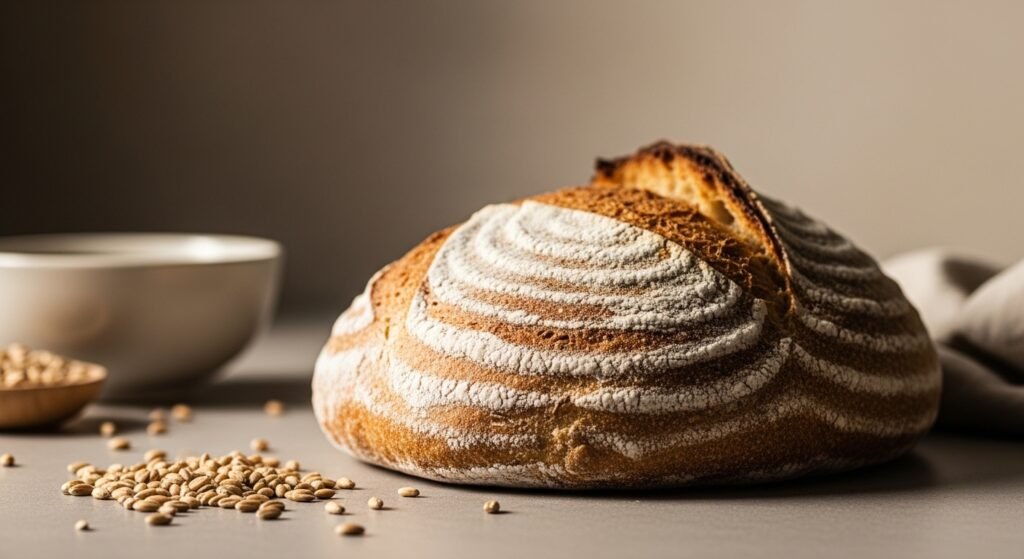
The sourdough craze has matured from pandemic hobby into lasting wisdom about slow-fermented grains. True long-fermented sourdough is easier to digest than conventional bread: fermentation partially breaks down gluten and starches, lowers the glycemic impact, and creates prebiotic fibers that feed gut bacteria. It is bread working with your body instead of against it.
The qualifier matters: only genuine long fermentation delivers these benefits. Seek out bakeries that ferment for many hours and list just flour, water, salt, and starter. Supermarket “sourdough-style” loaves with added yeast and flavoring offer little of the magic.
Prebiotic Superstars In The Kitchen
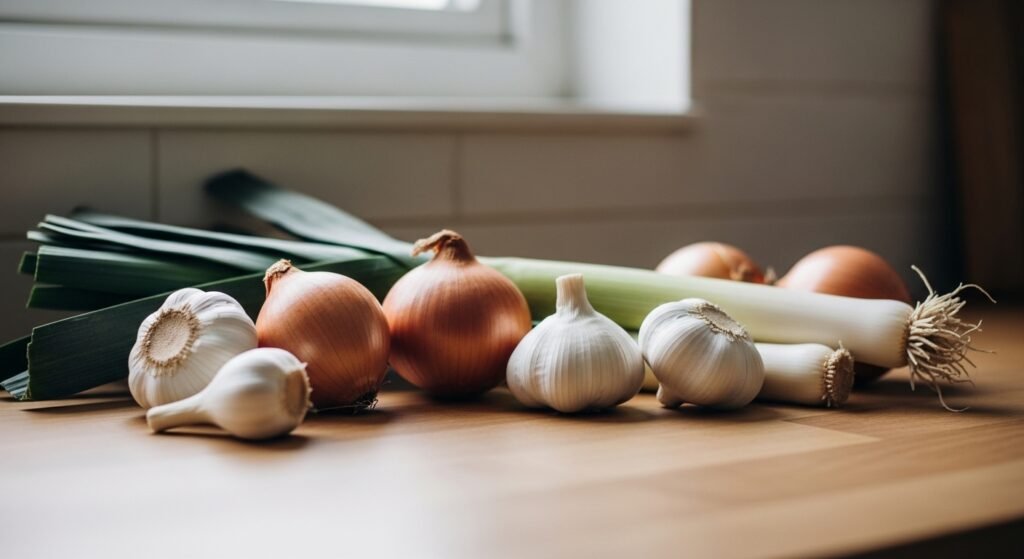
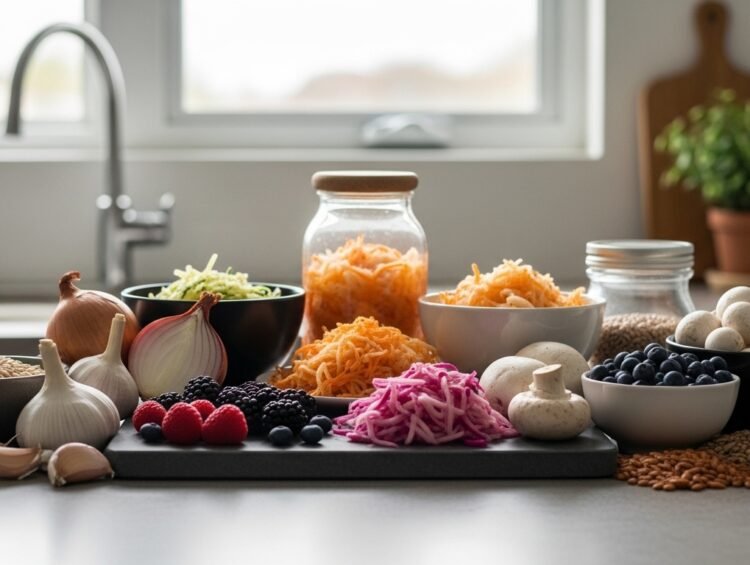
Probiotics get the headlines, but prebiotics, the fibers that feed good bacteria, are the unsung heroes. Onions, garlic, leeks, asparagus, bananas, and oats are rich in prebiotic fibers like inulin and fructooligosaccharides. Home cooks are now deliberately building meals around these ingredients, sautéing the aromatics that feed the microbiome with every dinner.
The beauty of prebiotics is their ordinariness. You do not need exotic products; the humble onion is a prebiotic powerhouse. Eating a variety of plant foods throughout the week naturally provides diverse prebiotic fibers, giving your beneficial bacteria the varied diet they need to thrive.
Ancient Grains Take Center Stage
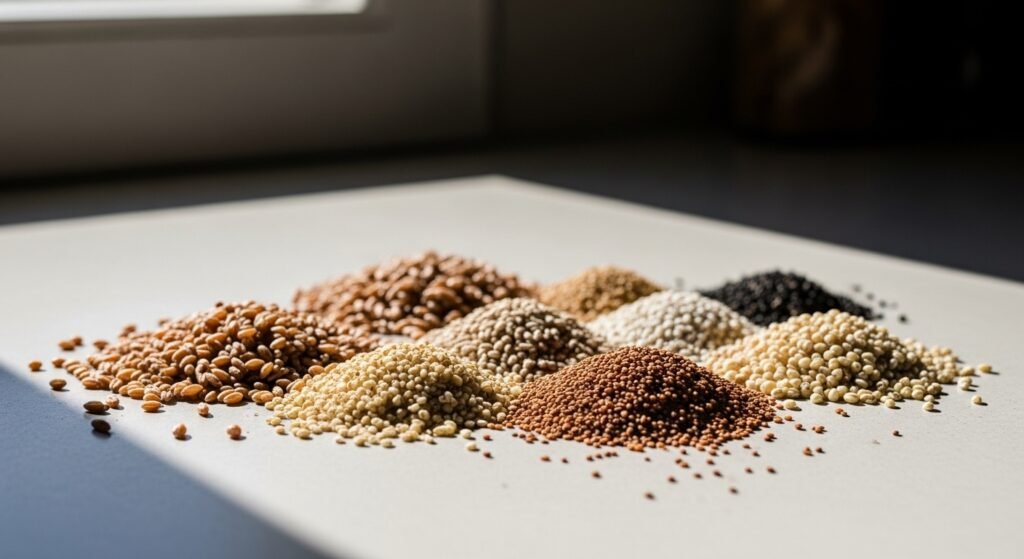
White rice is yielding the spotlight to farro, teff, freekeh, quinoa, barley, and other ancient grains. These whole grains deliver substantially more fiber than refined versions, along with minerals and phytonutrients. Their complex carbohydrates break down slowly, feeding gut bacteria steadily rather than spiking blood sugar.
Swapping is easy: cook a big batch of farro or quinoa on Sunday and use it all week in bowls, salads, and soups. The chewy texture and nutty flavor are upgrades in their own right. Your gut bacteria, which thrive on precisely these fibers, will thank you with better digestion.
Mushroom Magic On The Menu
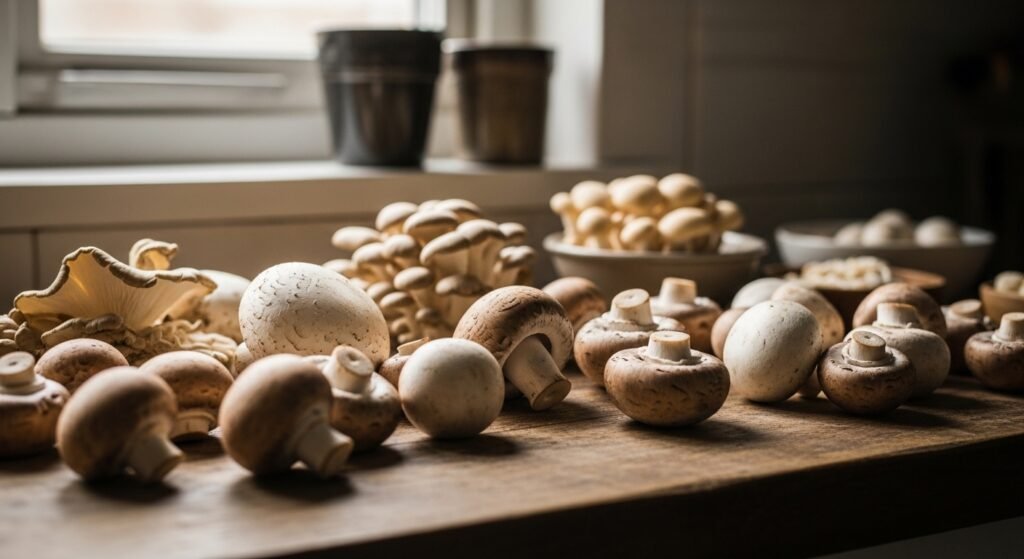
Mushrooms are earning superfood status for their unique fibers, particularly beta-glucans, which support immune function and feed beneficial gut bacteria. Their deep umami flavor also makes them a satisfying stand-in for meat, adding richness to dishes while lightening their load. From shiitake to maitake to humble cremini, fungi are having a moment.
Cook them well: high heat and patience develop the caramelized flavor that makes mushrooms irresistible. Add them to stir-fries, pastas, grain bowls, and soups. Dried mushrooms and their soaking liquid bring concentrated umami to broths and sauces.
Polyphenol-Rich Berries
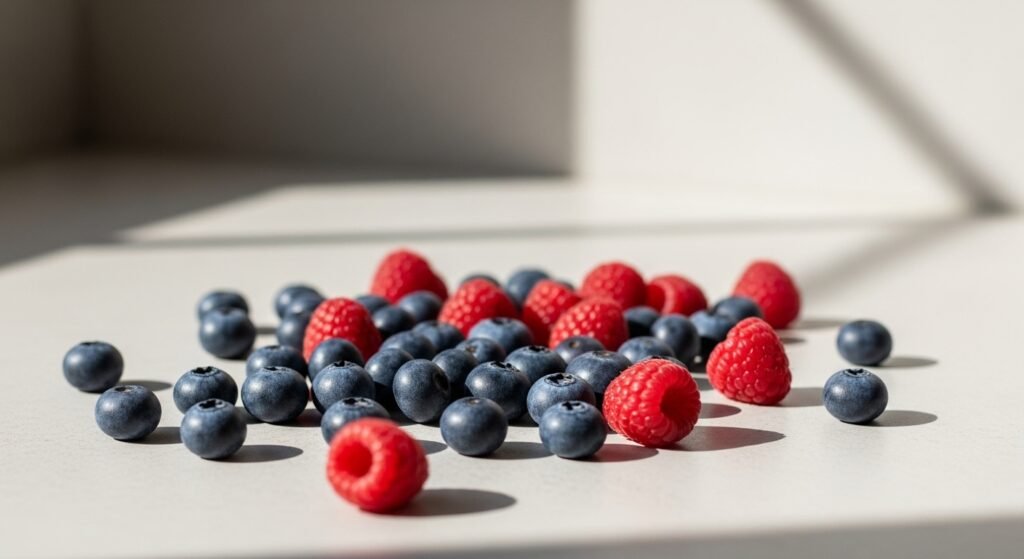
Blueberries, raspberries, blackberries, and strawberries are being celebrated as polyphenol powerhouses. These plant compounds act as antioxidants and, crucially, as fuel for beneficial gut bacteria, which transform them into useful metabolites. Berries deliver fiber, natural sweetness, and microbiome support in one delicious package.
Frozen berries are just as nutritious as fresh, often more so, since they are picked ripe. Keep a bag in the freezer for smoothies, oatmeal, and yogurt bowls. A daily handful is one of the simplest high-impact habits in the gut-health playbook.
Chicory Root In Everything
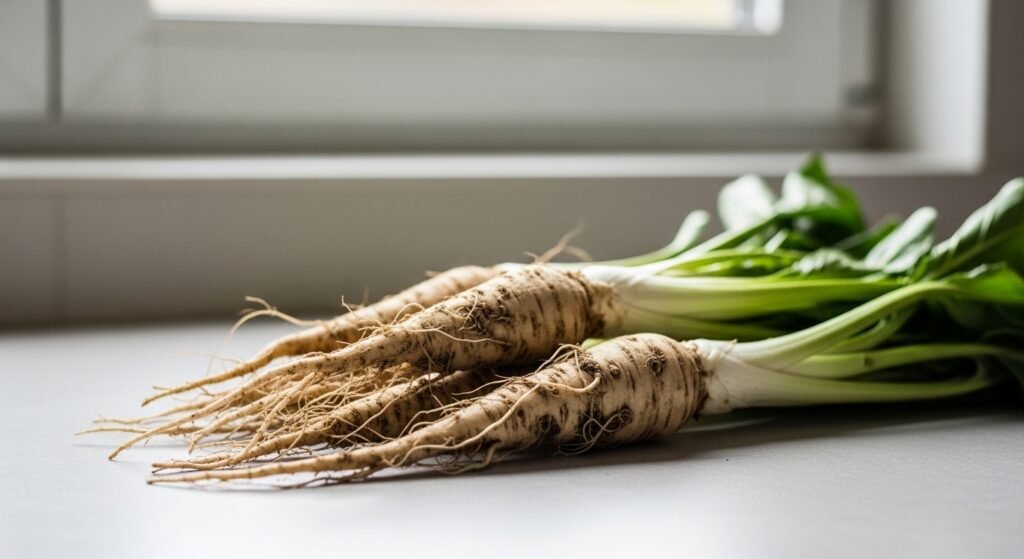
Chicory root fiber, rich in the prebiotic inulin, is appearing everywhere: in high-fiber snack bars, as a coffee alternative, and as an ingredient boosting the fiber content of packaged foods. It is an easy way for busy people to add prebiotics without overhauling their diet.
A gentler path is roasted chicory root as a coffee substitute or addition: it brews into a rich, slightly caramel cup that is naturally caffeine-free. Start with modest amounts, as concentrated inulin can be gassy for the unaccustomed. Your microbes will adapt, and your mornings may get calmer.
Small Habits Over Big Changes
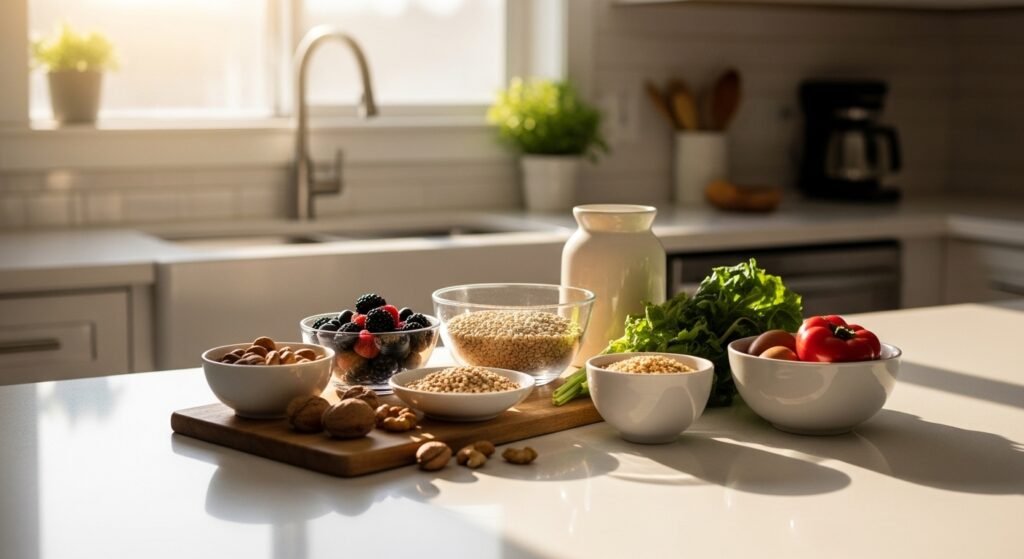
The wisest shift in the gut-health movement is philosophical: consistency over intensity. Rather than occasional cleanses or dramatic overhauls, the winning strategy is small daily additions, a serving of sauerkraut, a handful of nuts, an extra vegetable, a glass of kefir. These modest habits compound into a fundamentally different inner ecosystem over months.
This is why the trend endures while diets fade. Nothing is forbidden; good things are simply added. The microbiome responds to what you do most days, not what you do once. Feed it well, feed it often, and it will return the favor in energy, comfort, and resilience.
Building Your Gut-Friendly Plate
Start where you are. Add one fermented food and one extra vegetable to your day this week; next week, swap a refined grain for an ancient one. Keep berries in the freezer, kimchi in the fridge, and oats in the pantry. Small, steady, delicious: that is the whole formula.
The gut-health trend is really a return to how humans ate for most of history: diverse plants, fermented foods, whole grains, and patience. Your microbiome has been waiting for this menu all along. Feed it well, and it feeds you back, in digestion, immunity, mood, and the quiet energy of a body in balance.
Listen to your body as you experiment: introduce new fermented foods gradually, note what agrees with you, and build from there. The best gut-health routine is the one you actually enjoy enough to keep.