Sarah Grey
Apple has a way of turning product announcements into cultural events. Every year, the cycle begins the same way: subtle supply chain leaks, cryptic analyst predictions, and growing chatter across the tech community. By the time an official event is announced, expectations are sky-high. This year feels no different. While nothing is certain until it is revealed on stage, Apple’s historical patterns and industry trends suggest several possibilities worth discussing. New hardware may arrive with refined designs, next-generation chips could boost performance across the lineup, and software updates may bring more personal, intelligent features. Whether the announcements represent incremental improvements or genuine leaps forward, they will shape the tech conversation for months. Here is a look at what might be coming and why it matters.
It is worth approaching Apple predictions with balanced expectations. The company is famously secretive, and rumors often outpace reality. Yet patterns in Apple’s release cadence, combined with credible reporting, allow for informed speculation. The following overview explores the most plausible announcements across iPhone, Mac, iPad, Apple Watch, AirPods, and software, distinguishing between likely refinements and more ambitious possibilities.
A Fresh Look at the iPhone Lineup

The iPhone remains Apple’s flagship product, and each year’s models typically bring design refinements that feel familiar yet fresh. Possibilities include slimmer bezels, more durable materials, and new color options aligned with current trends. Apple has gradually refined the iPhone’s aesthetic over recent generations, favoring evolution over revolution. Small visual changes, combined with improved ergonomics, can make a device feel meaningfully new in daily use.
Camera systems are likely to receive attention, as they have in nearly every recent cycle. Improvements might include larger sensors for better low-light performance, enhanced optical zoom on Pro models, and computational photography advances powered by the new chip. For most users, the camera is the iPhone’s most-used feature, so even modest upgrades resonate. Display technology could also see refinements, such as brighter panels or more efficient refresh rate management, improving both visual quality and battery life.
Performance Boost Using a New Chip

A new generation of Apple silicon could power the upcoming devices, bringing gains in speed, multitasking, and energy efficiency. Apple’s chip development has been a consistent bright spot, with each generation delivering measurable improvements. While year-over-year performance jumps may not always feel dramatic in everyday tasks, the cumulative effect is significant: apps launch faster, games run smoother, and demanding workflows like video editing become more fluid.
The neural engine, Apple’s dedicated machine learning hardware, is likely to see particular emphasis. As AI features become more central to the iPhone experience, on-device processing power matters enormously. A more capable neural engine enables faster photo processing, smarter voice recognition, and new generative features without relying on cloud servers. This focus on on-device intelligence also aligns with Apple’s privacy philosophy, keeping sensitive data on the phone rather than sending it elsewhere.
Extended Battery Life

Battery improvements are always welcome, and this year may bring meaningful gains. The combination of more efficient chips, optimized software, and possibly larger battery capacities could extend usage time. Even an additional hour of screen time makes a real difference for heavy users who rely on their phones throughout the day. Apple has historically achieved battery gains through system-level optimization rather than simply increasing battery size.
Charging technology may also evolve. Faster wired charging, improved MagSafe wireless charging speeds, and smarter battery health management could all appear. Apple has been gradually enhancing how iPhones manage long-term battery health, with features that limit charging to 80 percent to reduce wear. These behind-the-scenes improvements may not generate headlines, but they contribute to devices that age more gracefully over years of use.
Smarter iOS Features

The next major iOS release could bring features that make the iPhone feel more personal. Smarter notifications that prioritize what matters, more polished widgets, and deeper customization options are all plausible. Apple has been steadily giving users more control over their home screens and lock screens, and this trend is likely to continue. Small software refinements often transform the daily experience more than hardware changes.
Continuity features that strengthen the connection between iPhone, Mac, iPad, and Apple Watch may also expand. The Apple ecosystem’s integration is one of its strongest selling points, and each year brings tighter weaving. Possibilities include more seamless handoff between devices, shared experiences across platforms, and smarter automation through Shortcuts. These ecosystem enhancements reward users who own multiple Apple products and encourage deeper investment in the platform.
Artificial Intelligence in Everyday Tools

Artificial intelligence is expected to weave deeper into Apple’s apps and system capabilities. This could include smarter writing assistance in Messages and Mail, improved voice recognition for Siri, and more capable photo editing tools. Apple’s approach to AI has emphasized practical, on-device features rather than flashy demonstrations, and that philosophy will likely continue. The changes may feel subtle individually but collectively make interactions more intuitive.
What distinguishes Apple’s AI strategy is its privacy focus. By processing data on-device whenever possible, Apple can offer intelligent features without sending personal information to servers. This constraint shapes the kinds of AI experiences Apple builds, favoring those that work with local data. As the company’s custom silicon becomes more capable, the range of on-device AI features will expand, potentially including real-time translation, advanced image generation, and more natural conversational interactions.
Mac Updates With More Power

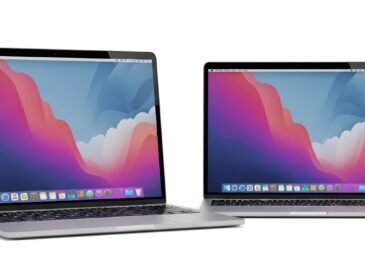
The Mac lineup could see hardware refreshes bringing improved displays and next-generation processors. For professionals and students, faster rendering, smoother multitasking, and better efficiency are compelling even without dramatic redesigns. Apple’s transition to its own silicon has been transformative for the Mac, delivering performance and battery life that reset expectations for laptops and desktops.
Specific possibilities include updated MacBook Air and MacBook Pro models with newer chips, display enhancements like brighter mini-LED panels, and improved thermal designs that sustain performance longer. Desktop Macs like the iMac and Mac Studio may also receive updates. For creative professionals, developers, and anyone who depends on their Mac for demanding work, these performance gains translate directly into productivity.
iPad Work and Play Upgrades

Upcoming iPad models may continue bridging the gap between productivity and entertainment. Display improvements, accessory upgrades like enhanced Apple Pencil or Magic Keyboard, and more powerful chips could make the iPad feel increasingly laptop-like while retaining its portability and touch-first simplicity. Apple has been gradually positioning the iPad Pro as a genuine computer alternative.
Software will be as important as hardware for the iPad’s evolution. iPadOS enhancements that improve multitasking, external display support, and pro app capabilities could make the tablet more viable as a primary device. The iPad’s identity remains delightfully flexible: a drawing canvas, a reading device, a portable theater, and increasingly, a work machine. Each year’s refinements expand that versatility a little further.
Health Expansions of the Apple Watch

The Apple Watch could expand its health tracking capabilities with improved sensors and richer health data. Each generation has added meaningful health features, from ECG to blood oxygen monitoring to sleep tracking. Future additions might include more advanced sleep analysis, enhanced workout metrics, or new wellness indicators. While revolutionary breakthroughs cannot be guaranteed, incremental additions steadily increase the Watch’s value as a health companion.
Beyond sensors, software intelligence may make health data more actionable. Instead of merely recording metrics, the Watch could offer more personalized insights and coaching. Integration with healthcare providers and research studies continues to grow, positioning the Apple Watch as a bridge between consumer technology and medical care. For users focused on fitness and wellness, these evolving capabilities make the Watch increasingly indispensable.
AirPods Getting Smarter

AirPods could become smarter in connectivity and sound quality. Possibilities include improved noise cancellation, longer battery life, and more comfortable designs. Even modest improvements in these areas enhance daily listening significantly, given how much time people spend wearing earbuds. Apple’s audio products have consistently refined the wireless listening experience.
Health-related features may also migrate to AirPods. Rumors have long suggested hearing health capabilities, such as hearing aid-like functionality or hearing tests administered through the earbuds. Such features would extend Apple’s health ecosystem into audio in a natural way. Combined with tighter integration across Apple devices, smarter AirPods would strengthen the company’s already formidable position in personal audio.
Enhanced Privacy Features

Privacy has become one of Apple’s defining differentiators, and new updates may strengthen data controls and app permissions further. These changes often operate quietly in the background, but they build trust among users who value control over their personal information. Features like App Tracking Transparency and Lockdown Mode have set industry precedents, and Apple is likely to continue leading in this area.
Future privacy enhancements might include more granular control over what data apps can access, expanded on-device processing that minimizes data sharing, and clearer visibility into how information is used. As AI features grow more powerful, maintaining privacy while delivering intelligence becomes both more challenging and more important. Apple’s ability to navigate this tension will shape its reputation in the years ahead.
Separating Likely From Wishful
As event day approaches, it helps to calibrate expectations. The most reliable predictions involve iterative improvements: faster chips, better cameras, refined software, and longer battery life. These may sound unexciting, but they represent the steady progress that keeps Apple products competitive. Revolutionary announcements are rarer and harder to predict, which is precisely why they generate such excitement when they occur.
The wisest approach is to appreciate both dimensions. Incremental refinements improve the devices millions of people use every day, while occasional breakthroughs redefine categories. Apple’s big reveal will likely contain elements of each. Whatever is announced, the true measure will be how the new products and features feel in daily use, long after the keynote applause fades. That is when speculation gives way to experience, and the real verdict begins.