 Sarah Grey
Food trends cycle faster than seasonal fashion. One month the internet insists we cut all carbohydrates, the next month protein becomes the hero macronutrient, and the month after that everyone is debating seed oils. Yet amid this constant noise, a quieter movement has been gaining momentum: a growing number of Americans are returning to a familiar, balanced way of eating centered on heart health. Drawing heavily from Mediterranean-style dietary patterns, this approach is not flashy or extreme. It is steady, flexible, and grounded in decades of research. For people exhausted by conflicting nutrition advice, it offers something increasingly rare — a sustainable path to wellness that feels like common sense rather than another restrictive fad.
Heart disease remains the leading cause of death in the United States, claiming nearly 700,000 lives each year according to the Centers for Disease Control and Prevention. This stark reality has prompted many Americans to reconsider their eating habits with a focus on long-term cardiovascular health. The Mediterranean diet has been ranked the number one overall diet by U.S. News & World Report for multiple consecutive years, praised by nutrition experts for its balance, sustainability, and robust scientific backing. Unlike fad diets that promise rapid results, this heart-healthy approach emphasizes gradual, sustainable changes that can be maintained for a lifetime. Americans are taking notice, and the shift is reshaping how families eat.
Focus on Whole Foods

At the core of this dietary shift is a renewed emphasis on whole, minimally processed foods. While few people have abandoned packaged products entirely, there is a clear movement toward ingredients that look like they came from a farm rather than a factory. Fresh vegetables, fruits, whole grains, legumes, nuts, seeds, and olive oil form the foundation of heart-healthy eating. These foods are naturally rich in fiber, antioxidants, vitamins, minerals, and healthy monounsaturated fats — nutrients consistently linked to better cardiovascular outcomes in large population studies.
This transition does not require perfection or an all-or-nothing mindset. Choosing brown rice over white rice, snacking on a handful of almonds instead of potato chips, or cooking with extra virgin olive oil rather than butter are small, manageable steps that accumulate into significant health benefits over time. The beauty of the heart-healthy approach is that it meets people where they are in their wellness journey. Every whole-food swap, however modest it may seem, moves the needle in the right direction and builds momentum for further positive changes.
Meal preparation also becomes more enjoyable when centered on vibrant, fresh ingredients. A rainbow of bell peppers, leafy greens, ripe tomatoes, and fresh herbs is not only nutritious but visually appealing. This visual satisfaction enhances the eating experience and makes healthy meals feel like a treat rather than a chore. When food looks beautiful and tastes delicious, maintaining healthy habits becomes effortless.
Supported by Health Professionals

Physicians, cardiologists, and registered dietitians have long championed Mediterranean-style eating patterns as the gold standard for heart health. The American Heart Association explicitly recommends a diet rich in fruits, vegetables, whole grains, lean proteins, and healthy fats while limiting saturated fat, trans fat, sodium, and added sugars. When these evidence-based recommendations are repeated consistently across annual checkups, media interviews, and public health campaigns, they carry significant weight with the public.
Landmark research provides the scientific foundation for this professional consensus. The PREDIMED study, published in the New England Journal of Medicine, found that a Mediterranean diet supplemented with extra virgin olive oil or mixed nuts significantly reduced the risk of major cardiovascular events — including heart attack and stroke — among high-risk individuals. This was not a small, short-term trial but a large, rigorous study that has influenced dietary guidelines worldwide. Findings like these give the heart-healthy diet a credibility that fad diets, which often rely on anecdotes and influencer testimonials, simply cannot match.
Beyond heart health, research has linked Mediterranean-style eating to reduced risk of type 2 diabetes, certain cancers, cognitive decline, and even depression. This broad spectrum of benefits makes it an attractive choice for people seeking overall wellness, not just cardiovascular protection. When doctors recommend this way of eating, they are drawing on a deep well of peer-reviewed science.
Social Media Simplicity

While social media is often criticized for promoting unrealistic diet trends and disordered eating patterns, it has also become a powerful vehicle for practical, wholesome food inspiration. Content creators sharing colorful grain bowls, simple sheet-pan dinners, overnight oats, and budget-friendly Mediterranean recipes are attracting massive, engaged audiences. The visual appeal of this way of eating — vibrant vegetables, golden olive oil glistening on fresh salads, bright herbs scattered over whole grains — translates beautifully to photos and short-form videos.
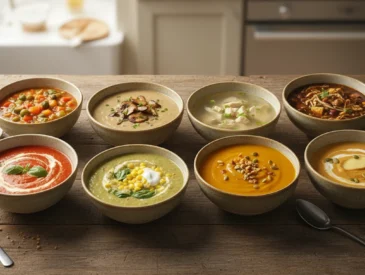
Unlike restrictive diet content that can feel punishing or fear-based, heart-healthy food posts tend to feel inviting, abundant, and achievable. A Caprese salad with ripe tomatoes and fresh mozzarella, a hearty lentil soup simmered with vegetables, or a piece of grilled salmon with roasted sweet potatoes does not require exotic ingredients, expensive equipment, or complicated techniques. This accessibility encourages viewers to try these meals at home, creating a positive feedback loop where success breeds further experimentation.
The comment sections on these posts often become supportive communities where people share modifications, ask questions, and celebrate each other’s cooking. This social reinforcement helps sustain motivation in ways that solitary dieting cannot. Food becomes a shared joy rather than a private struggle.
Long-Term Thinking Over Quick Fixes
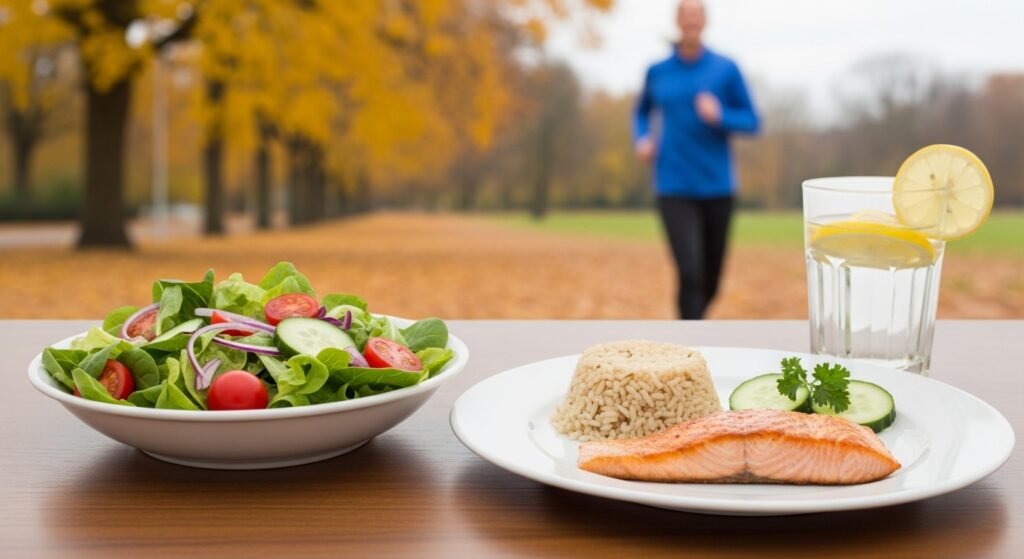
Crash diets promise rapid results but rarely deliver lasting change. The allure of losing ten pounds in ten days is undeniably powerful, yet the rebound is almost inevitable. Studies show that the vast majority of people who lose weight through extreme restriction regain it within a year, often ending up heavier than when they started. This frustrating cycle damages both physical health and psychological well-being. In contrast, the heart-healthy diet appeals to those thinking in terms of years and decades rather than weeks. It is framed not as a temporary intervention but as a permanent, enjoyable way of eating.
This long-term perspective is psychologically liberating. There is no finish line to cross, no “after” photo deadline to meet, no guilt over a single indulgent meal. The focus shifts from short-term restriction to lifelong nourishment. A slice of birthday cake or a holiday feast does not “ruin” anything because there is no rigid plan to break. For many Americans weary of the diet-binge-regret cycle, this sustainable, forgiving mindset is the primary attraction.
The health benefits also compound over time. Blood pressure improvements, better cholesterol profiles, and reduced inflammation do not happen overnight, but they build steadily with consistent healthy eating. This gradual progress may lack the drama of a 30-day transformation, but it creates lasting change that truly protects the heart.
Family-Friendly Meals
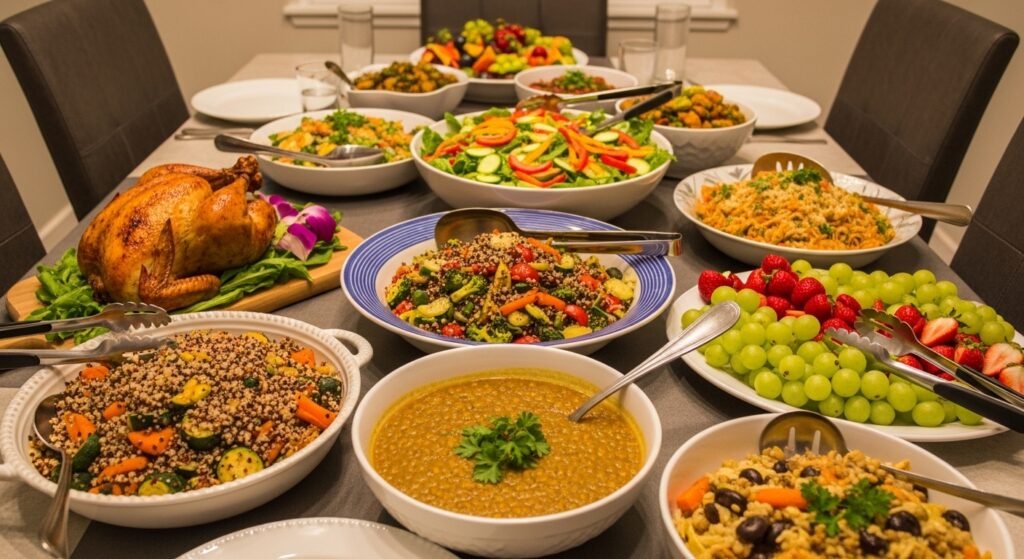
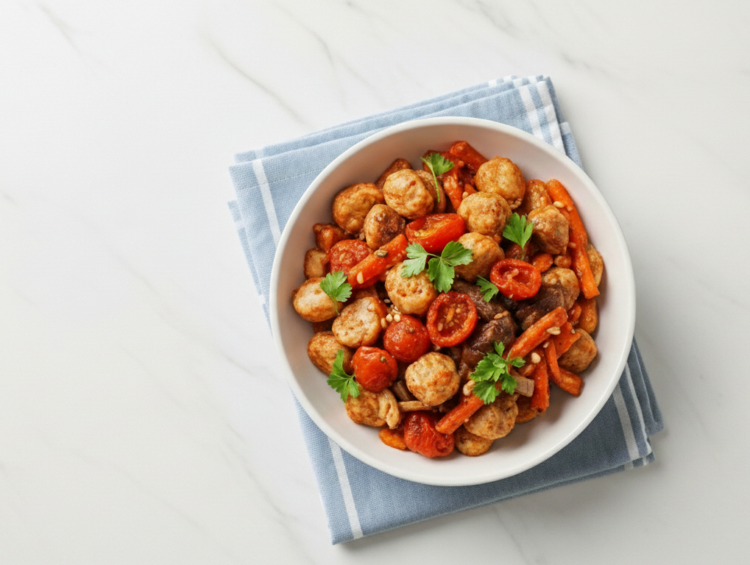
One of the most practical advantages of heart-healthy eating is that it works for the entire household. Unlike specialized diets that require cooking separate meals for different family members — a low-carb dish for one parent, a kid-friendly meal for children, something else for grandparents — Mediterranean-style dishes are universally appealing. A pasta primavera loaded with vegetables and olive oil, a hearty three-bean chili, or herb-roasted chicken with sweet potatoes and green beans can satisfy everyone at the table.
This inclusivity removes a major barrier to healthy eating. Busy parents do not need to become short-order cooks, preparing multiple different meals each evening. The variety and bold flavors inherent in this style of cooking — garlic, lemon, fresh basil, oregano, cumin, smoked paprika — make nutritious food genuinely delicious. When healthy food tastes amazing, even picky eaters are more willing to try new things. This is the real secret to getting families on board with lasting dietary changes.
Cooking together also becomes a meaningful family activity. Children who help wash vegetables, stir soups, or assemble grain bowls develop positive relationships with food and learn valuable life skills. These shared kitchen moments create memories while reinforcing healthy habits that can last a lifetime.
Less Stress Around Food Rules
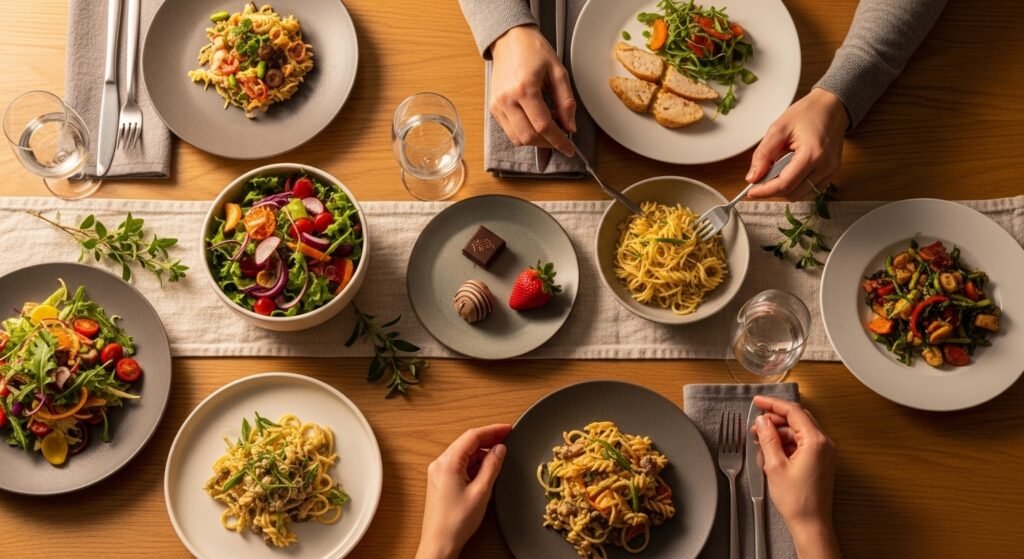
Overly rigid food rules can turn eating into a source of chronic anxiety. Counting every gram of macronutrients, fearing entire food groups, and agonizing over restaurant menus drains the joy from meals and can lead to disordered eating patterns. The heart-healthy approach offers a refreshing alternative: clear guidance without dogma. It emphasizes what to include more of — vegetables, fruits, whole grains, healthy fats — rather than what to banish entirely.
This flexibility is not a weakness but a profound strength. Nutrition research consistently shows that the most effective diet is the one a person can actually maintain over time. By allowing room for cultural food traditions, personal taste preferences, and occasional indulgences, the heart-healthy pattern avoids the all-or-nothing thinking that derails so many eating plans. A person who enjoys this way of eating is far more likely to stick with it for years. Moderation, not martyrdom, is the guiding principle.
This balanced mindset also improves the social aspects of eating. Dining out with friends, celebrating holidays, and traveling do not become minefields of temptation and guilt. Instead, they remain pleasurable experiences. A heart-healthy eater can enjoy a restaurant meal, savor a dessert, and simply return to their usual balanced pattern the next day without drama.
Availability and Affordability
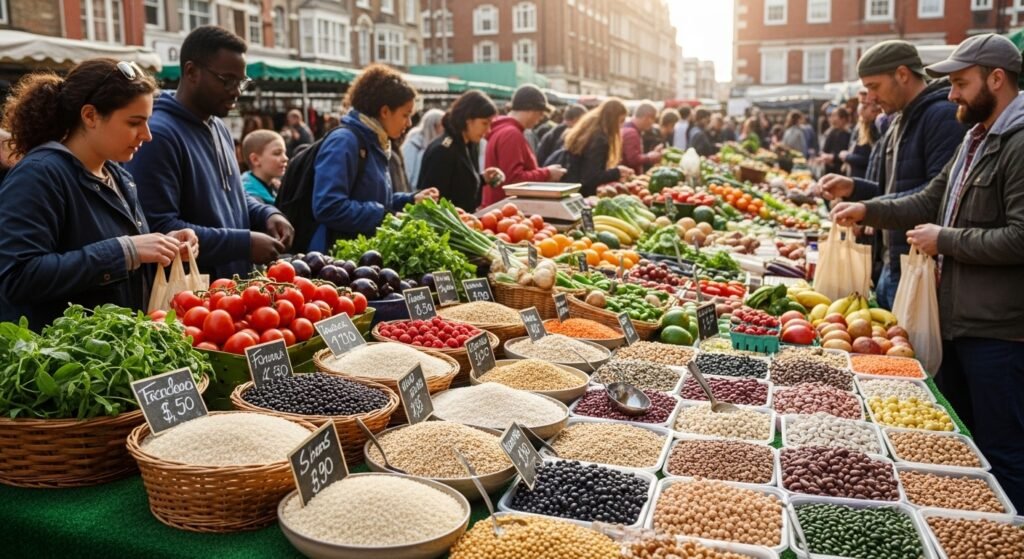
A persistent misconception is that healthy eating is inherently expensive, accessible only to the affluent. While some specialty health-food products do carry premium prices, the staples of a heart-healthy diet rank among the most affordable foods available. Dried beans, lentils, chickpeas, oats, brown rice, frozen vegetables, bananas, and seasonal produce offer exceptional nutritional value per dollar. Canned sardines, mackerel, and tuna provide heart-protective omega-3 fatty acids at a fraction of the cost of fresh salmon.
Most American communities have access to these basics through supermarkets, farmers markets, discount grocers, and warehouse clubs. Community gardens, food cooperatives, CSAs (community-supported agriculture), and federal nutrition assistance programs further expand access for lower-income families. Buying in bulk, choosing frozen produce (which is just as nutritious as fresh), and cooking at home rather than dining out can make heart-healthy eating remarkably economical. The perception that this way of eating is a luxury is fading as more people discover how budget-friendly its core ingredients truly are.
Simple meal-prepping strategies stretch dollars even further. A large pot of bean and vegetable soup, a tray of roasted seasonal vegetables, or a batch of whole-grain pilaf can provide multiple meals throughout the week. This practical approach to cooking saves both money and time.
A Return to Common-Sense Eating
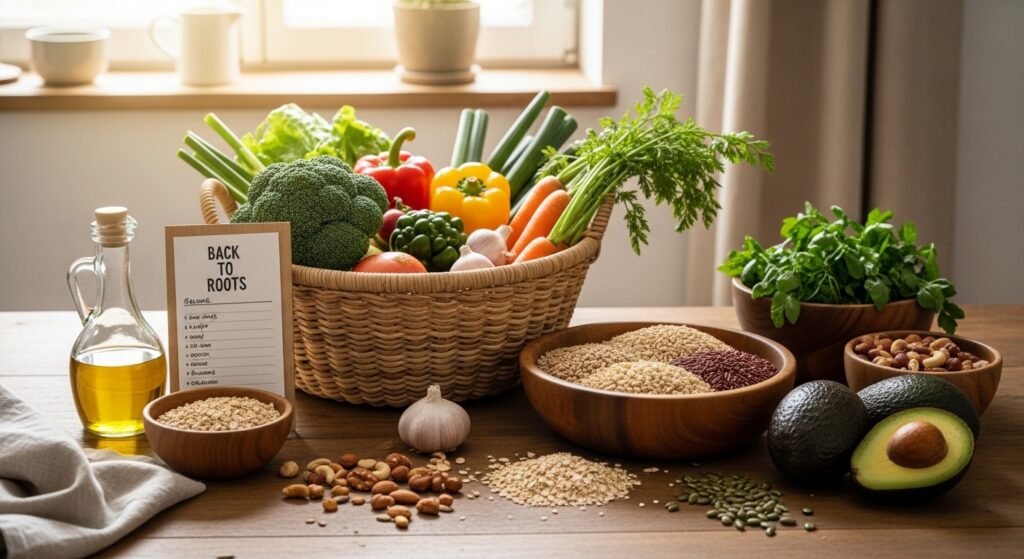
Strip away the marketing hype and the nutritional mythology, and the heart-healthy diet is essentially what grandmothers and traditional food cultures have always recommended: eat plenty of vegetables, choose whole grains over refined ones, enjoy healthy fats like olive oil and nuts, eat fish regularly, include beans and legumes often, and go easy on sweets, sugary drinks, and heavily processed foods. It is not revolutionary or exotic. That is precisely the point, and that is why it works.
In a nutrition landscape cluttered with contradictory claims, miracle cures, and fear-mongering about individual ingredients, there is profound relief in returning to these basics. The heart-healthy diet does not require expensive supplements, complicated meal timing windows, genetic testing, or the elimination of entire food groups. It asks only for a consistent, balanced, and enjoyable approach to eating — one that has nourished Mediterranean populations for centuries, supported by some of the strongest evidence in nutritional science, and is now winning over Americans who are seeking a saner, kinder relationship with food. Sometimes the wisest nutritional move is not to chase the newest trend but to embrace the timeless wisdom that has worked all along.