 Sarah Grey
Food trends have a funny way of surprising everyone. What seemed like an oddity not long ago gradually finds its way into home kitchens. Across the United States, people are experimenting with parts of foods that used to be thrown away or avoided entirely. Curiosity, a desire for novelty, and a more sustainable approach to cooking are driving small but meaningful changes in how meals are prepared. From fruit peels to vegetable stems to seeds, previously discarded items are showing up in creative dishes and everyday homemade food. Not everyone will embrace these ideas, but the trend reveals how open-minded cooks are becoming about reexamining ingredients they thought they knew well.
Before diving in, a note on safety: some peels, seeds, and pits contain compounds that are fine in small culinary amounts but not meant to be eaten in large quantities. Apple seeds, for example, contain amygdalin, and avocado pits are very hard and bitter. The ideas below focus on preparations that cooks are actually using, but as with any unfamiliar ingredient, start small, wash produce thoroughly, and use common sense.
Banana Peels Are Having a Moment
Banana peels are the headline act of this movement, and for good reason. They are rich in fiber, potassium, and antioxidants, and when cooked, their texture softens considerably. The most popular preparation involves simmering or sauteing the peels until tender, then seasoning them much like pulled pork or bacon. Some cooks shred cooked peels and crisp them in a pan for a surprisingly savory topping.
The key is using ripe bananas with unblemished peels, washed well, and removing the tough stem and tip. Boiling the peels first reduces bitterness. While they will never taste exactly like the foods they imitate, their mild flavor absorbs seasonings beautifully. For anyone motivated by reducing food waste, the banana peel is the ultimate challenge: turning the most automatically discarded part of a beloved fruit into something genuinely enjoyable.
The Broccoli Stems in the Limelight
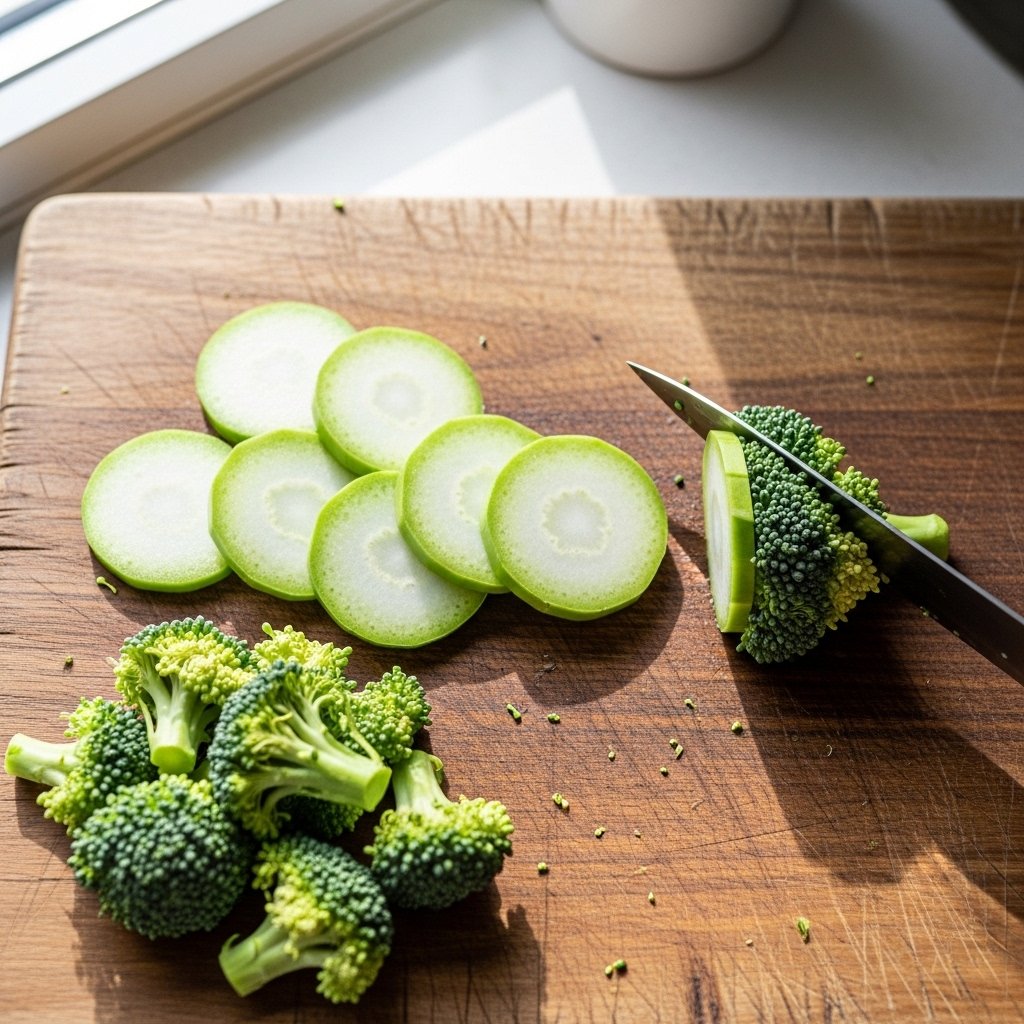
Most people trim off broccoli florets and throw away the thick stems. But these stems are entirely edible and, when prepared well, delicious. Peeled and sliced thin, they can be stir-fried, roasted, or eaten raw in slaws. Their texture is crisp and mildly sweet, similar to kohlrabi, and they hold up beautifully in soups and grain bowls.
The stems are also nutritionally valuable, containing fiber, vitamin C, and potassium. The trick is peeling away the tough outer layer to reveal the tender interior. Once you start using them, you will wonder why you ever threw away nearly half the vegetable. Shredded broccoli stems even make an excellent slaw base or a crunchy addition to fried rice.
Carrot Tops in Fresh Recipes
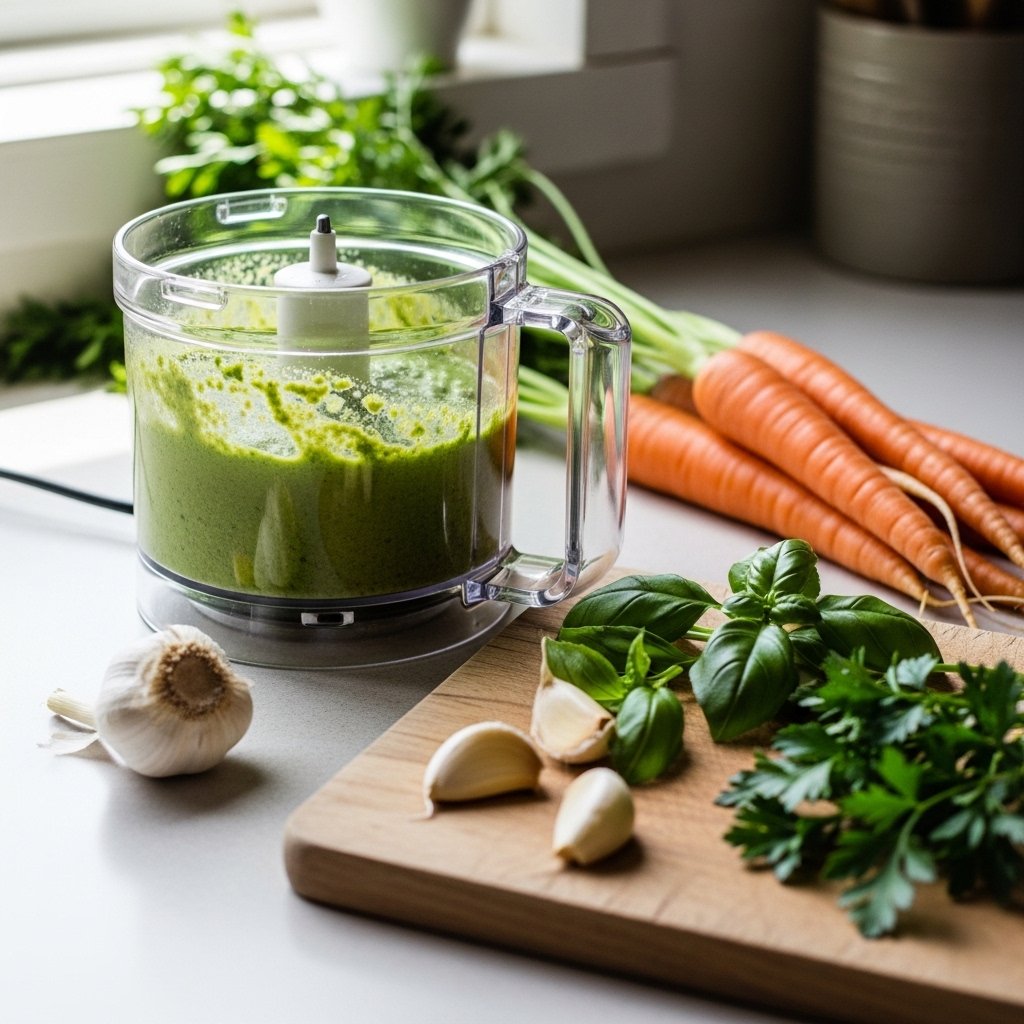
Carrot tops were once treated as garden waste, yanked off and discarded before the carrots even made it home. Now they are appearing in pesto, chimichurri, salads, and soups. Their flavor is earthy and slightly bitter, reminiscent of parsley with a carrot-like sweetness underneath.
Carrot top pesto is the gateway preparation: blended with garlic, nuts, olive oil, and cheese, the greens transform into a vibrant sauce for pasta or sandwiches. The tops are rich in vitamin K and antioxidants. Just be sure to use tops from fresh, preferably organic carrots, and wash them thoroughly, since the feathery leaves can trap grit. People who have never considered keeping them are often surprised by how much they enjoy the taste.
Apple Cores Becoming Kitchen Ingredients

Apple cores rarely spend more than a moment on the cutting board before being tossed. Yet resourceful cooks have started simmering them into syrups, jellies, and flavored vinegars. The cores contain pectin and plenty of apple flavor that would otherwise go to waste, making them ideal for small-batch preserves.
Collect cores in the freezer until you have enough for a batch, then simmer with water and a little sugar. Strain out the solids and you have a delicately flavored syrup for pancakes or cocktails. Some cooks add cores to homemade apple cider vinegar. The seeds should be strained out rather than eaten in quantity, but the surrounding flesh and peel contribute real flavor worth capturing.
Pumpkin Skins Staying on the Plate
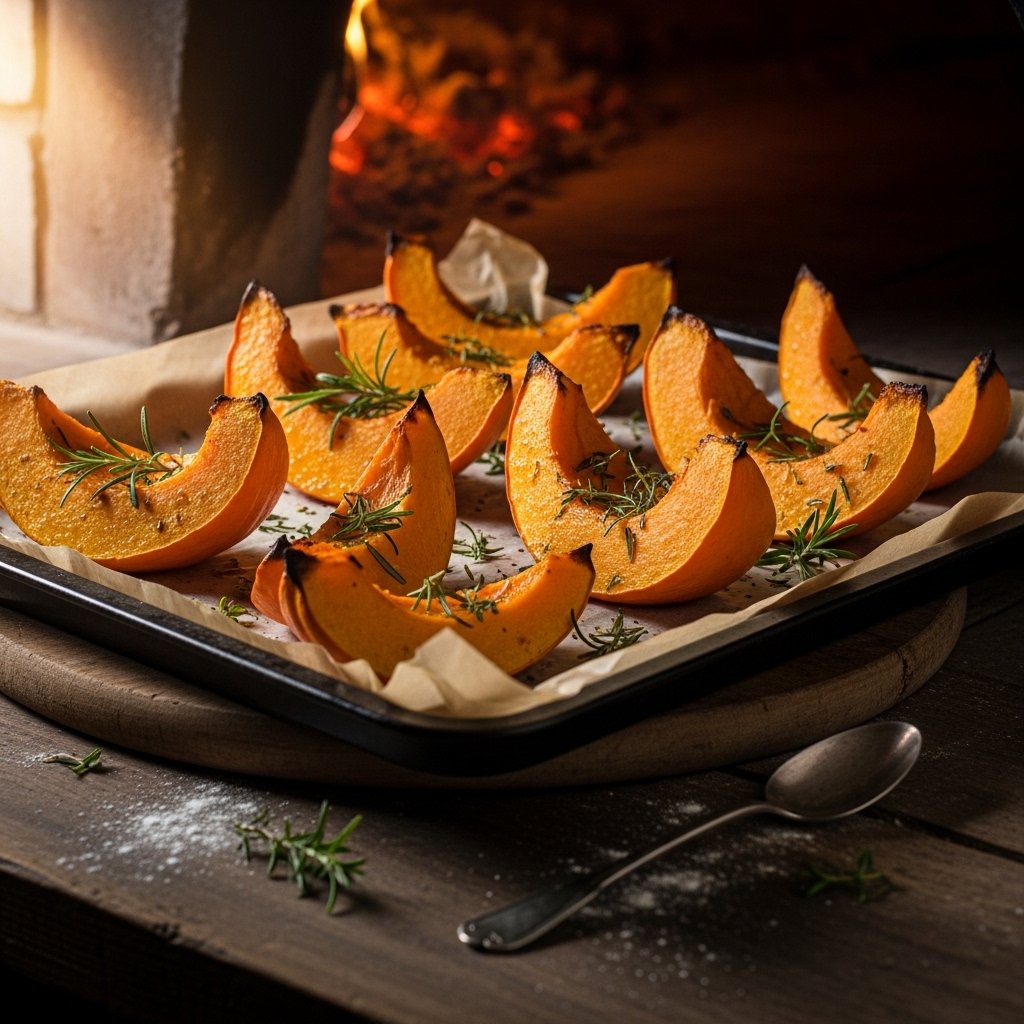
Peeling pumpkin before cooking is standard practice, but many recipes now leave the skin on. When roasted or baked long enough, the skin of varieties like delicata, butternut, and kabocha becomes tender and entirely edible. It adds a pleasant chewiness and a rustic, wholesome character to the dish.
Leaving the skin on also saves significant prep time, since peeling raw winter squash is one of the kitchen’s more annoying tasks. The skin contains fiber and nutrients, and it helps the wedges hold their shape during roasting. Delicata squash skin becomes so tender it practically melts. Once you try roasted pumpkin wedges with crispy, caramelized skin, you may never peel again.
Citrus Peels in Savory Meals
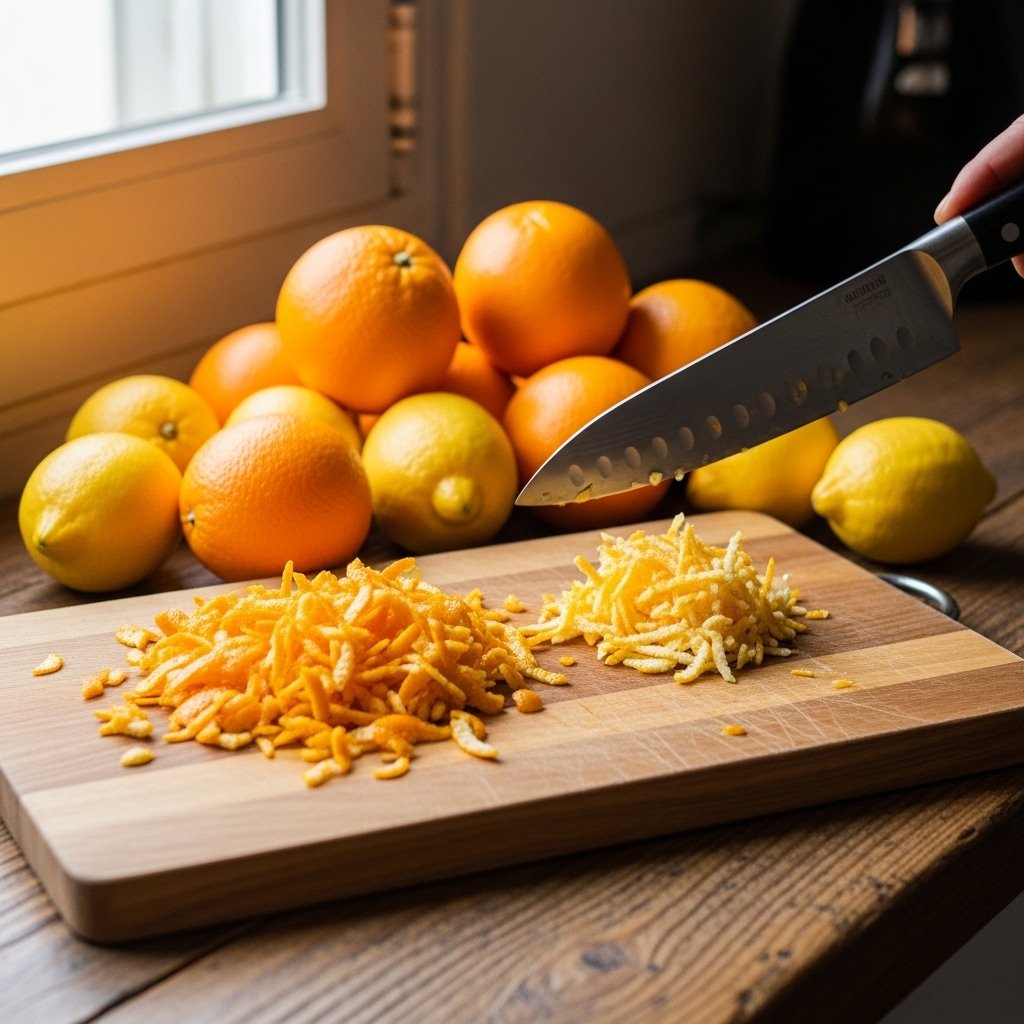
Citrus peels have long been used as zest, but cooks are now going further, using larger pieces of peel in savory cooking. Finely chopped or simmered peel can add brightness and complexity to stews, grain dishes, and roasted vegetables. The bitter pith must be managed carefully, but the aromatic outer peel is a flavor powerhouse.
Preserved citrus peel is a traditional ingredient in many cuisines, from Moroccan tagines to Italian gremolata. Candied peel, dried peel ground into seasoning blends, and peel-infused oils are all gaining attention. Citrus peels are rich in aromatic oils and vitamin C. Using the whole fruit honors the ingredient fully and adds layers of flavor that juice alone cannot provide.
Avocado Seeds in Creative Experiments
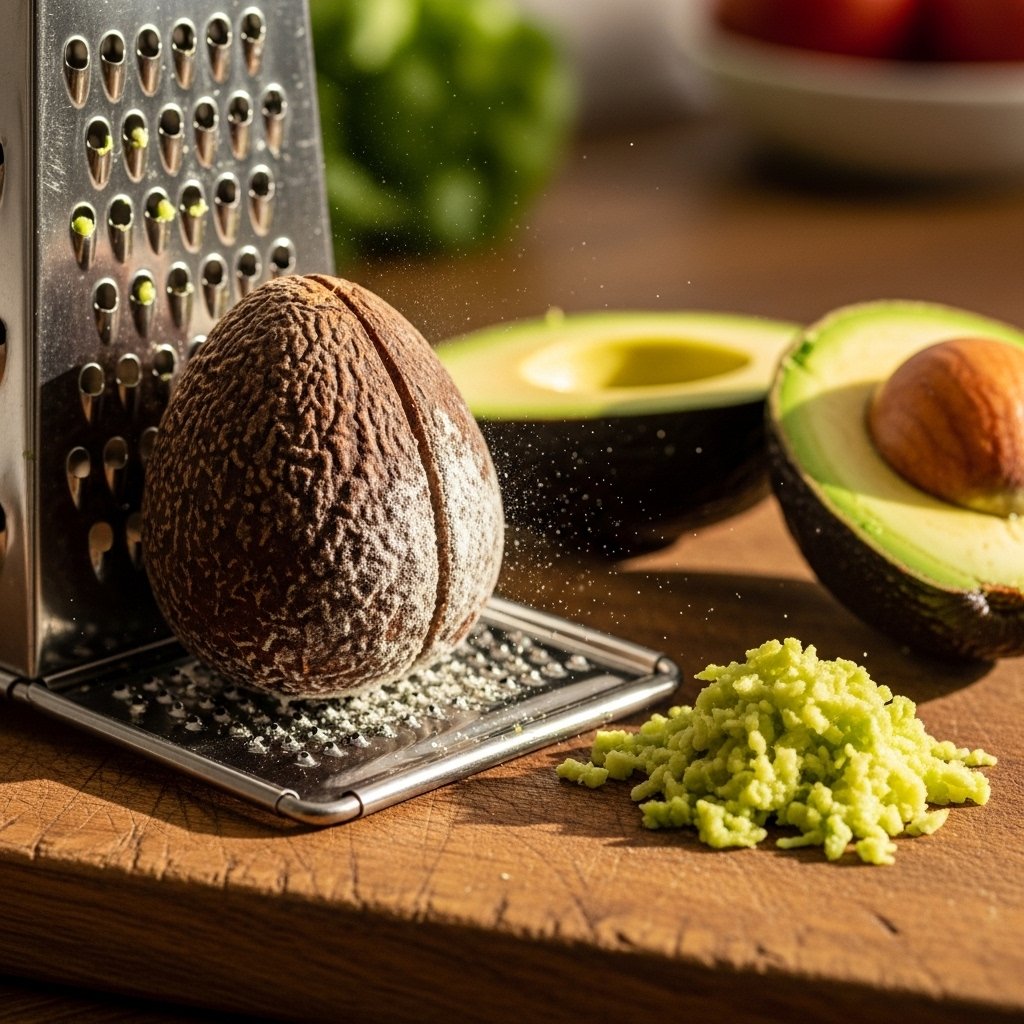
Avocado toast is a staple across the country, and the large seed inside is almost always discarded. Recently, experimental cooks have begun drying and grating avocado seeds into smoothies, teas, and mole-like sauces. The seed is very hard and must be dried and ground finely before it can be used at all.
This remains one of the more adventurous frontiers, and it is worth approaching cautiously. The seed is intensely bitter and should be used sparingly, if at all. Some people steep small pieces in tea, while others grind dried seed into powder for smoothies. Whether this becomes mainstream is uncertain, but it illustrates how far the waste-reducing impulse is pushing curious cooks to reconsider every part of their ingredients.
Potato Skins as a Main Ingredient
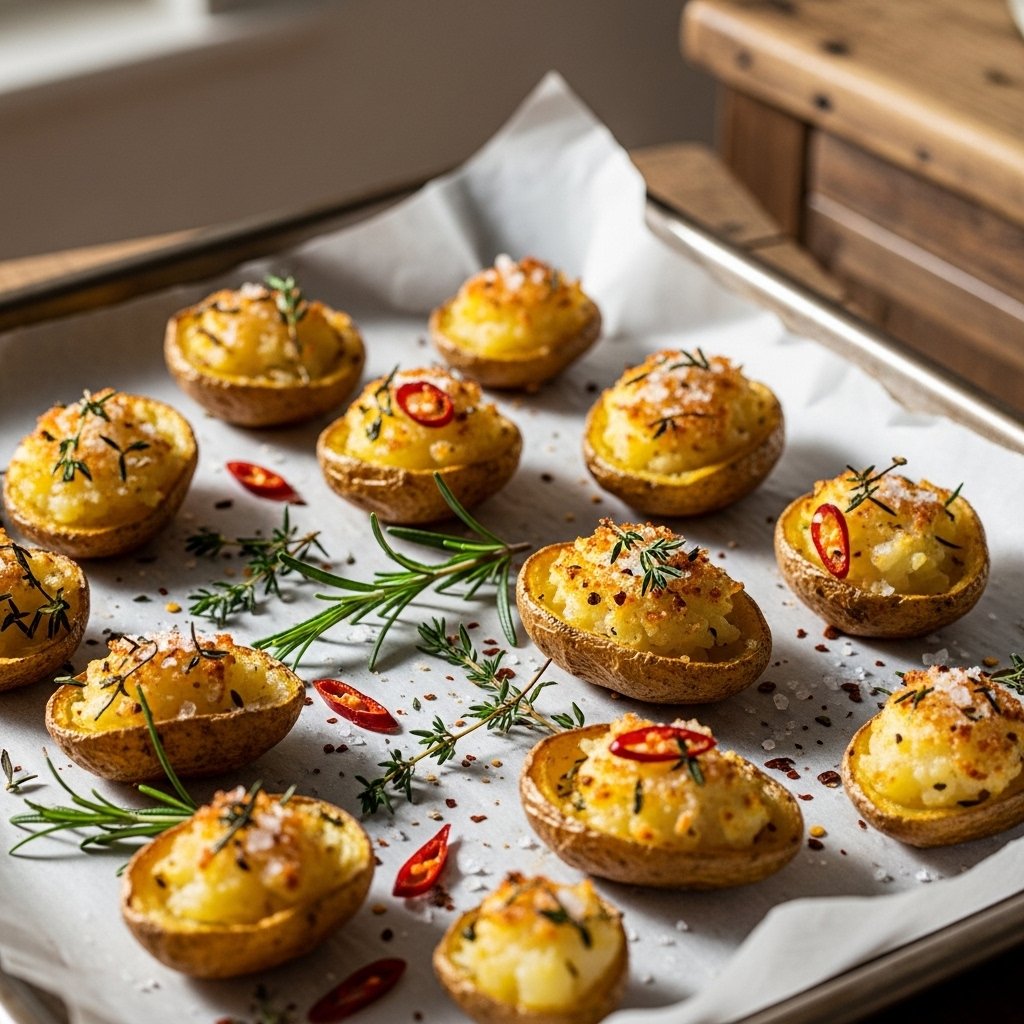
When baking potatoes, the skins often stay attached, but they are frequently removed for mashed potatoes or peeled dishes. Lately, cooks have been saving those skins, roasting or crisping them in the oven until they become a dish in their own right. Tossed with oil, salt, and spices, they turn into an irresistible snack or side.
Potato skins are where much of the tuber’s fiber and nutrients reside, including potassium and B vitamins. Loaded potato skins have been a restaurant appetizer for decades, but the homemade version from otherwise discarded peels is even better. They crisp up beautifully in a hot oven and can be seasoned endlessly, from smoky paprika to parmesan and herbs. It is the rare trend that is both thrifty and genuinely delicious.
Mango Peels in Sweet Creations
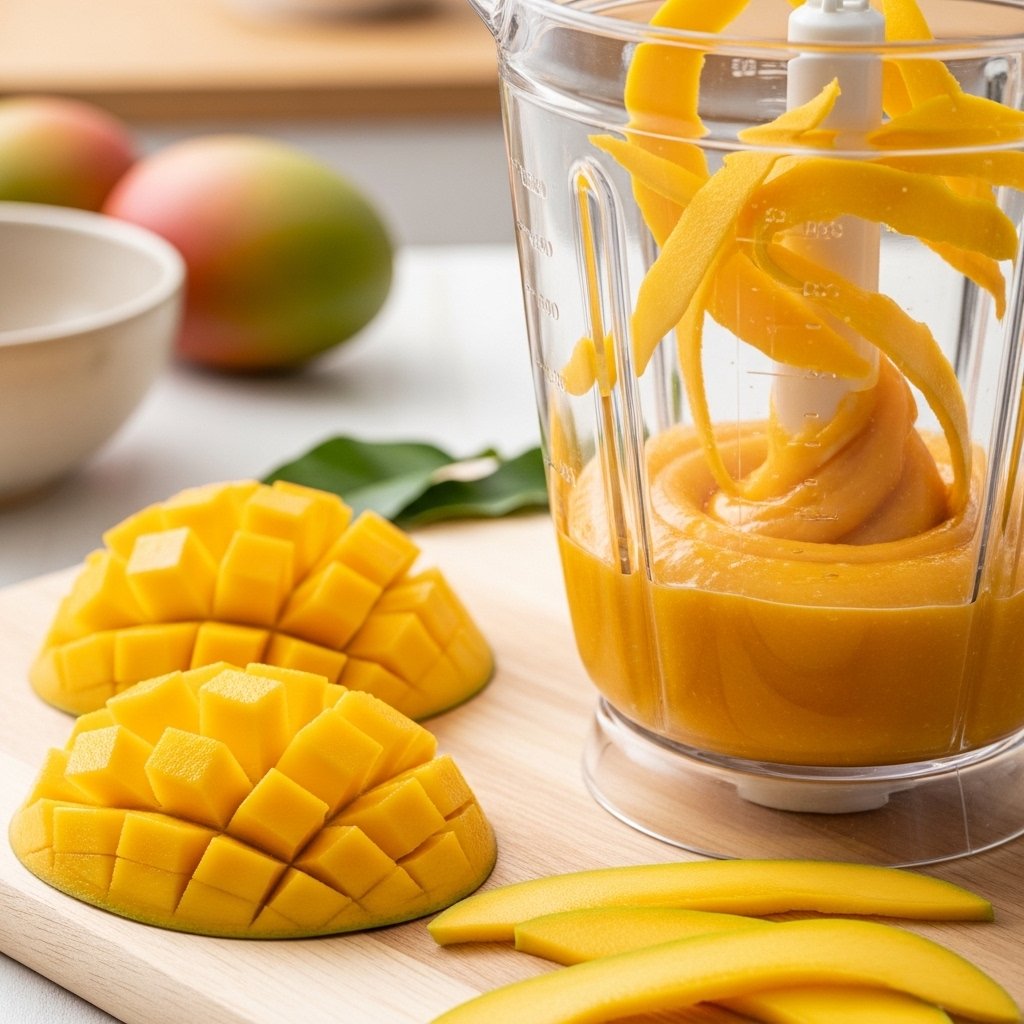
Mango lovers focus on the sunny orange flesh inside, but some are now experimenting with the peel in smoothies, fruit sauces, and desserts. Used sparingly, mango peel can add texture, color, and a slightly resinous, tangy flavor that complements the sweetness of the fruit.
The peel contains antioxidants and fiber, though it can be tough and bitter in large amounts. Blending small pieces into smoothies is the gentlest introduction, while candied mango peel is a more indulgent application. As with any peel, wash the fruit well and start with modest quantities. It is a reminder that even tropical fruits have more to offer than just their flesh.
Cauliflower Leaves in Home Kitchens
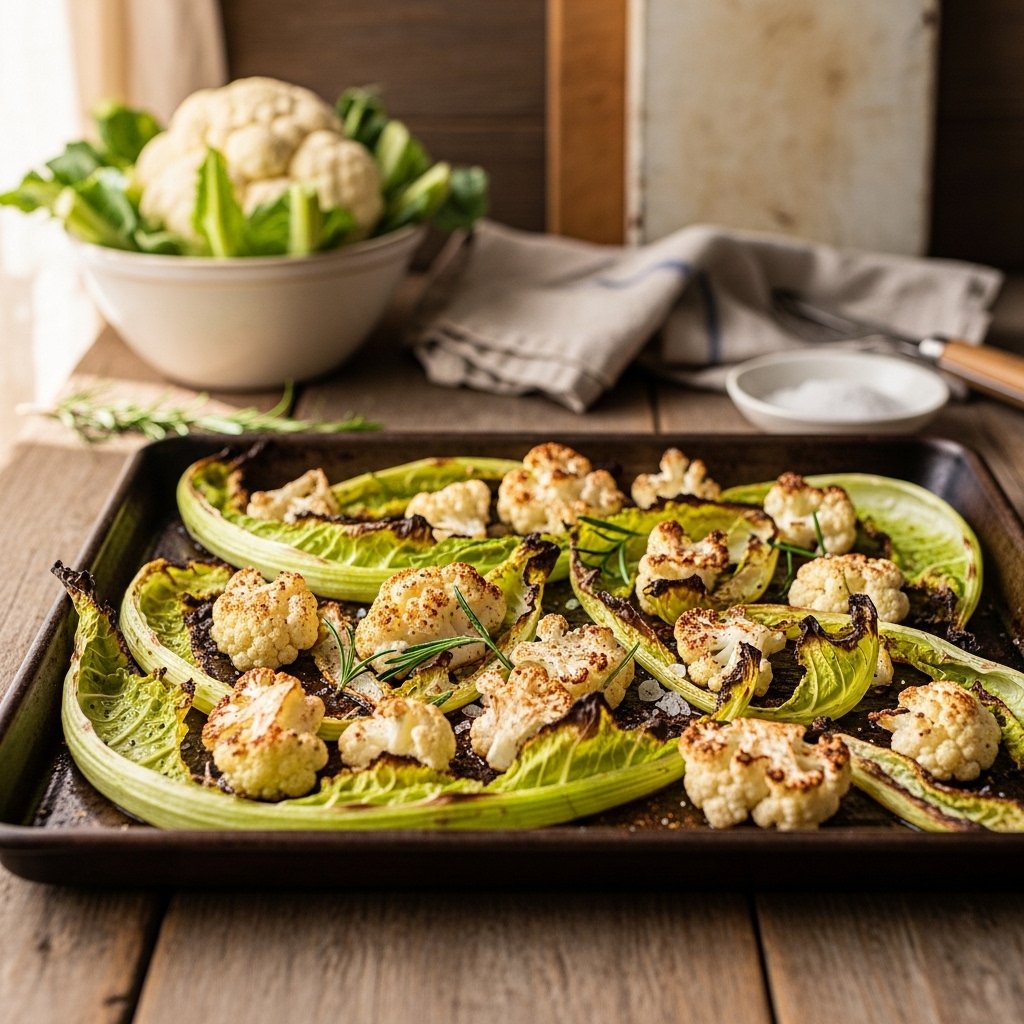
The leaves surrounding a cauliflower head are usually stripped away before the vegetable reaches the pot. Instead, more cooks are roasting or sauteing them right alongside the florets. When cooked, the leaves turn tender with deliciously crispy edges, similar to roasted kale or cabbage.
Cauliflower leaves are nutritious, offering vitamin C, vitamin K, and fiber. They need only olive oil, salt, and a hot oven to become a side dish that rivals the florets. Their ruffled texture catches seasonings beautifully. Keeping the leaves also means less trimming and less waste, a small change that makes the whole vegetable more useful.
Corn Cobs Beyond the Grill

Corn cobs usually head for the trash or compost once the kernels are removed. But simmered in water, they produce a sweet, golden corn broth that is far tastier than it sounds. This cob stock adds wonderful depth to chowders, risottos, and vegetable soups.
The cobs still hold plenty of flavor after the kernels are gone, and a long, gentle simmer extracts it fully. Some cooks also infuse milk or cream with corn cobs for desserts like ice cream or panna cotta. It is a classic example of a restaurant-kitchen trick migrating to home cooking, turning what was garbage into liquid gold.
Pineapple Cores in Unexpected Dishes

The fibrous core of a pineapple gets little attention, often cut out and discarded. Recently, though, cooks have been using it in cooked fruit mixtures, smoothies, and even savory dishes. With enough chopping, blending, or heat, the tough core softens into something pleasant and intensely flavorful.
The core is actually the most concentrated source of bromelain, the enzyme that gives pineapple its reputation as a digestive aid. It is also very sweet. Blended into smoothies, the fibrousness disappears entirely. Simmered into chutneys or glazes, it adds bright tropical flavor. It is a fitting final example of the trend: the part we were taught to throw away turns out to be worth keeping.
Waste Less, Taste More
The movement toward eating peels, stems, seeds, and cores is about more than novelty. Food waste is a serious issue, with a significant share of the food supply never eaten, and using more of each ingredient is a practical response any home cook can adopt. These preparations also reconnect us with how previous generations cooked, when thrift was a necessity and nothing edible went to waste. Start with one or two ideas that appeal to you, perhaps crispy potato skins or broccoli stem slaw, and see how much more your groceries can do. The results might surprise you.