
 Sarah Grey
Retirement is often imagined as a finish line: decades of work behind you, savings in the bank, and finally the freedom to buy the things you postponed. A bigger house, a boat, a luxury car, a vacation home by the water. The dream is powerful, and for many new retirees the first year brings a wave of celebratory spending. Yet talk to retirees a few years down the road and a surprising number will tell you the same thing: some of their biggest purchases brought less joy than expected and more ongoing cost, maintenance, and worry than they ever imagined.
This is not an argument against enjoying your money. It is an argument for spending it where it actually improves your life. Researchers who study happiness and spending consistently find that experiences, time with loved ones, and freedom from financial stress contribute more to well-being than expensive possessions, which tend to lose their thrill quickly. Below are fifteen purchases retirees most commonly regret, each paired with a smarter way to get the same satisfaction for less money and less hassle.
Why big retirement purchases so often disappoint
Before the list, it helps to understand the pattern. Psychologists call it the hedonic treadmill: the excitement of a new purchase fades as it becomes the new normal, while the costs keep coming. A luxury car thrills for a month and then it is just the car you drive, but the insurance premiums, maintenance bills, and depreciation continue for years. Add the physical reality of aging, changing interests, and the simple math that retirement savings must last decades, and it becomes clear why financial planners urge retirees to separate one-time delights from permanent obligations. The purchases below share a common trait: they convert flexible savings into fixed, ongoing commitments.
1. Oversized dream homes

Trading up to a larger home at retirement feels like a reward, but many retirees discover that extra square footage mostly means extra work: higher property taxes, bigger utility bills, more cleaning, more maintenance, and rooms that sit empty eleven months a year. Stairs and sprawling layouts can also become genuine obstacles as mobility changes. The smarter move is usually rightsizing rather than upsizing: a comfortable, single-level home in a walkable area with lower carrying costs. The money freed up can fund travel, hobbies, and the experiences that actually fill the days, while a manageable home stays manageable for decades.
2. Vacation homes
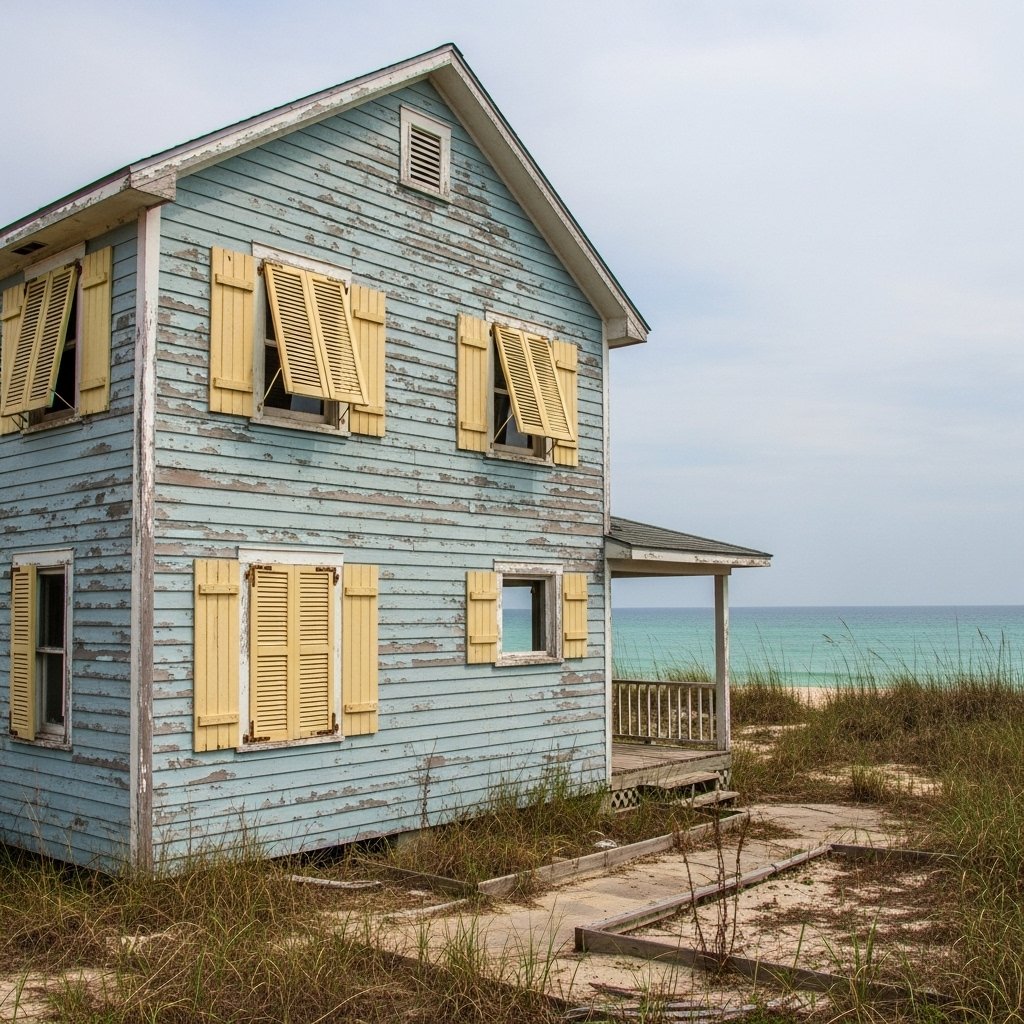
A second home promises endless getaways, but ownership means paying for a house you do not live in: mortgage or opportunity cost, property taxes, insurance, utilities, repairs, and often management fees, all year long. Many owners are surprised by how rarely they actually visit once the novelty fades, and an empty house still needs care. Renting a vacation home for a few weeks a year typically costs a fraction of ownership, lets you try different destinations, and comes with zero maintenance headaches. Unless you will genuinely spend months there, rent the dream instead of buying it.
3. Luxury cars

A luxury car is one of the fastest-depreciating purchases a retiree can make, losing a large share of its value in the first few years while insurance, premium fuel, and specialized maintenance keep draining the budget. Retirees also tend to drive fewer miles than they expect, which makes the per-mile cost of an expensive car punishing. A reliable, comfortable, mid-range vehicle with good safety ratings and low running costs delivers nearly all of the practical benefit. If the itch for something special persists, renting a luxury car for a special trip scratches it for a tiny fraction of the price.
4. Recreational boats

Boating has a saying every owner learns: the two happiest days are the day you buy the boat and the day you sell it. Docking fees, winter storage, insurance, fuel, maintenance, and repairs add up relentlessly, and a boat you use six weekends a year costs a fortune per outing. Many retirees find that boat clubs, fractional memberships, or simple day rentals deliver the same afternoons on the water with none of the ownership burden. Try a season of renting first; if you are still on the water every weekend, then reconsider.
5. Expensive home renovations

Major renovations routinely cost more and take longer than planned, and high-end finishes rarely return their full cost in home value. Retirees sometimes renovate for a lifestyle they imagine rather than the one they live, installing gourmet kitchens they rarely cook in or guest suites for visitors who come twice a year. The smarter approach is to prioritize renovations that improve daily comfort and safety: better lighting, a walk-in shower, improved insulation, a main-floor laundry. These modest upgrades genuinely improve quality of life and cost far less than a full luxury remodel.
6. Timeshare properties

Timeshares are sold with glossy presentations and free breakfasts, but the reality includes annual maintenance fees that rise over time, limited booking flexibility, and resale values that are often a small fraction of the purchase price. Exiting a timeshare can be difficult and costly. Consumer protection agencies regularly warn buyers to read every clause and resist high-pressure sales tactics. For flexible, commitment-free vacations, booking hotels or vacation rentals trip by trip almost always wins on both cost and freedom.
7. Luxury RVs

The open-road fantasy is real, but luxury motorhomes combine the depreciation of a car with the maintenance of a house, plus fuel, insurance, campground fees, and storage for the months it sits unused. Many owners take one or two big trips and then watch the RV depreciate in the driveway. Renting an RV for a few weeks a year gives you the adventure, a different rig each time if you like, and no year-round costs. It is also a wise trial: rent first, and only buy if the lifestyle genuinely sticks.
8. Costly collectibles

Art, memorabilia, rare coins, and other collectibles are often pitched as investments, but their markets are illiquid, unpredictable, and expensive to enter and exit. Authentication, insurance, storage, and dealer commissions eat into returns, and selling at a fair price can take months or years. Collect because you love something, not because you expect it to fund your retirement. Money earmarked for the future belongs in diversified, low-cost investments you can actually sell when you need the cash.
9. High-maintenance landscaping

Elaborate gardens are beautiful in the brochure and exhausting in practice. As energy and mobility change, steep terraces, endless flowerbeds, and thirsty lawns turn from a hobby into a burden, or into a large bill for professional help. Retirees who love gardening do better with raised beds, native plants, and smaller designed spaces that deliver beauty without the workload. Enjoy the garden; do not become its full-time employee.
10. Unnecessary technology upgrades

Chasing every new phone, laptop, smartwatch, and home gadget is a quiet budget leak. New devices bring learning curves and subscription fees, and most retirees use only a fraction of the features. A better rule: upgrade when something you own no longer does what you need, not when a new model launches. Dependable, familiar technology that you actually understand will serve you better than a drawer of barely used novelties.
11. Costly hobby equipment

New retirees often buy professional-grade gear for hobbies they are just starting: top-end golf clubs, cameras, woodworking shops, or e-bikes. When enthusiasm fades, the equipment gathers dust and resells for a fraction of its price. The wiser path is to start modest, take lessons, rent or buy used, and upgrade only after a year of genuine, sustained interest. Skill comes from practice, not from the price tag on the equipment.
12. Long-term club memberships
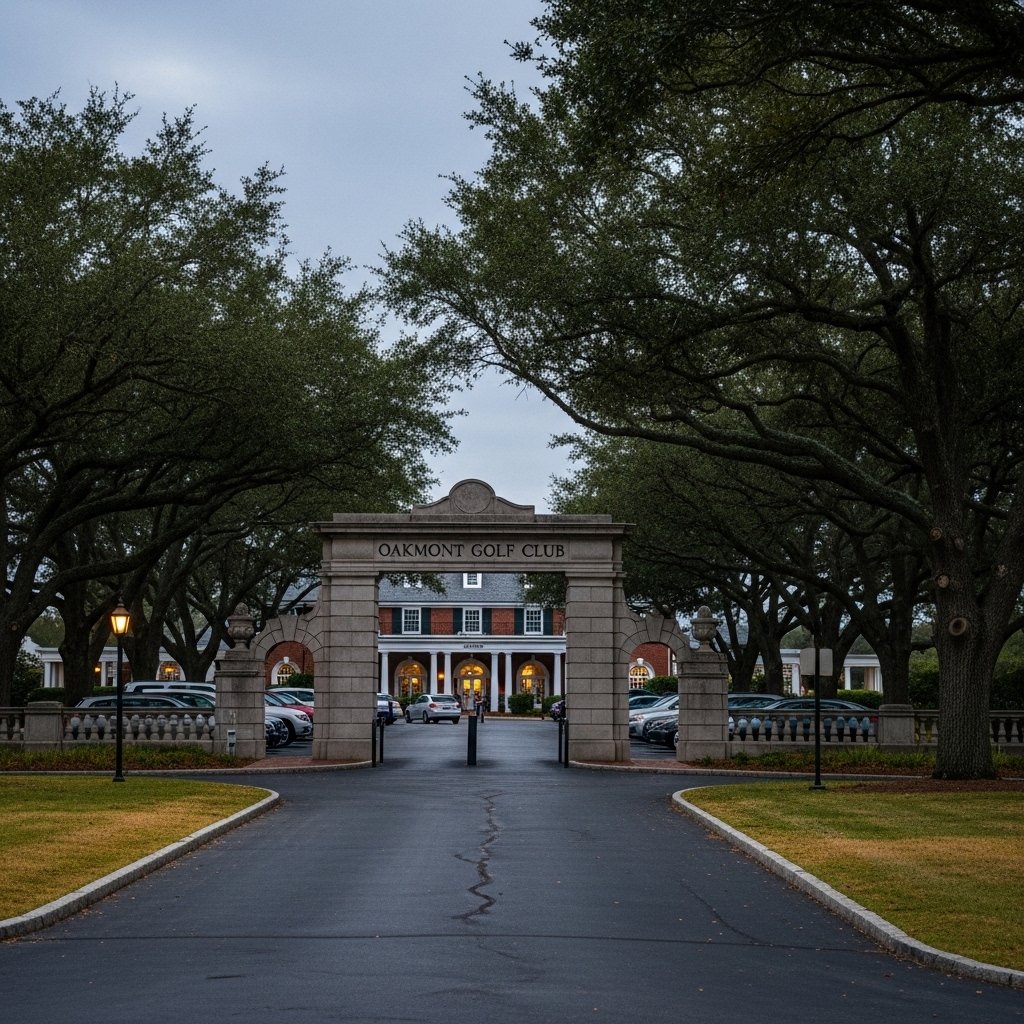
Initiation fees and annual dues for golf, country, or social clubs buy a lifestyle that may not survive contact with reality. Interests shift, friends move, health changes, and the per-visit cost of a membership you rarely use becomes absurd. Before committing, buy a trial or pay-as-you-go package for a full season and track how often you actually go. Many retirees discover that public courses, community centers, and informal groups deliver the same social life for far less.
13. Helping adult children beyond your means

Wanting to help your children is natural, but large gifts, loans, or co-signed debts can quietly endanger your own security. Financial planners are blunt about this: you can borrow for college, but you cannot borrow for retirement. Set a clear giving budget that does not touch your essential reserves, put agreements in writing, and remember that your long-term independence is itself a gift to your children, who will not have to support you later. Guidance, childcare, and modest help often matter more than big checks.
14. Prepaid travel packages

Travel clubs and prepaid vacation packages lock you into future trips on someone else’s terms, with blackout dates, expiring credits, and itineraries that may not suit you when the time comes. Health, family needs, and interests change, and rigid packages do not. Flexible, pay-as-you-go travel lets you go where you want, when you want, often for less. If a deal sounds too good to be true, read the cancellation terms twice before signing anything.
15. Luxury furniture sets

Designer furniture showrooms are seductive, but tastes change, bodies change, and living spaces change, especially if you later downsize. Ultra-expensive pieces also resell poorly and can make you reluctant to actually use them. Comfortable, well-made, mid-range furniture that suits how you live today is the better buy. Spend the savings on the experiences you will have sitting in those chairs, not on the chairs themselves.
A simple test before any big purchase
Before committing to any major retirement expense, run it through three questions. First, what will this cost me every year, not just today? Add up taxes, insurance, maintenance, fees, and depreciation over five years; the true number is often double the sticker price. Second, how many times will I actually use it? Divide the annual cost by realistic uses to get the true price per enjoyment. Third, can I rent, borrow, or trial this first? A season of renting an RV, a boat club membership, or a trial golf package gives you real data about your own behavior before you commit capital.
Also build in a waiting period. For any purchase over a threshold you set in advance, wait thirty days before deciding. Impulse is the enemy of retirement budgets, and most urges fade. Discuss big decisions with a spouse, a trusted friend, or a fee-only financial adviser who has no commission riding on your answer. A second perspective catches blind spots that excitement hides.
Where the money works harder
If the goal is a richer retirement, research points to a few high-return uses of money. Health spending tops the list: good insurance, preventive care, dental work, hearing aids, and fitness all pay dividends in independence and quality of life. Time with people comes next: travel to see family and friends, shared experiences, and generosity within your means. Buying back your time matters too: housekeeping help, lawn care, or a handyman can be worth far more than another possession. Finally, keep a healthy cash cushion for the unexpected, because the retirees who sleep best are not the ones with the most impressive things, but the ones with the fewest financial worries.
Retirement is not a shopping deadline; it is the beginning of a decades-long project of living well. The retirees who report the highest satisfaction tend to share a habit: they spend deliberately on health, relationships, and experiences, and they stay skeptical of anything that converts their freedom into a maintenance schedule. Learn from the regrets above, run the numbers honestly, and your savings will buy what they are meant to buy: not just things, but peace of mind.