 Sarah Grey
Most men care about getting strong, doing well in workouts, looking good – they see fitness as toughness or image. Yet lasting life matters too: staying well for many years, not just alive. Studies keep revealing regular activity cuts down chances for heart trouble, dementia, diabetes, dying too soon. Pick smart activities over time, and brains stay quicker while bodies hold up better, even half a lifetime later.
The difference between lifespan and healthspan is worth understanding. Lifespan is how long you live. Healthspan is how long you live well, free of serious disease and disability. Exercise extends both, but its effect on healthspan is even more dramatic. Active people do not just add years to their lives. They add life to their years.
Researchers have spent decades tracking which types of exercise deliver the biggest longevity returns. The answer is not one magic workout. It is a mix of activities that challenge the heart, build muscle, sharpen coordination, and calm the mind. Here are the eight types most strongly linked to longer life and better healthspan.
Aerobic Endurance Training

Heart health gets a boost from moving vigorously – like jogging or cycling – that also boosts how well blood flows throughout the body. Swimming at a strong pace does much of the same work as brisk walking when it comes to keeping the cardiovascular systems running smoothly. Since these efforts happen regularly, they tend to lower pressure inside arteries without requiring special equipment. Over months that stretch into years, the way insulin works also improves under steady workout routines.
Aerobic exercise is the foundation of longevity fitness. Large studies, including research following hundreds of thousands of adults, consistently find that regular moderate-to-vigorous cardio is associated with lower risk of heart disease, stroke, and early death. The heart is a muscle, and like any muscle, it grows stronger with training.
The benefits extend well beyond the heart. Aerobic training improves blood vessel function, reduces chronic inflammation, helps regulate blood sugar, and even supports brain health by increasing blood flow to the brain. Some research links regular cardio to slower cognitive decline and lower dementia risk.
You do not need to run marathons. Brisk walking, cycling, swimming, dancing, or hiking for 150 minutes a week at moderate intensity, or 75 minutes at vigorous intensity, captures most of the benefit. The key is consistency over intensity.
Start where you are. A daily thirty-minute walk is one of the most powerful longevity habits ever studied. Build from there, and let your endurance grow gradually.
Strength Training
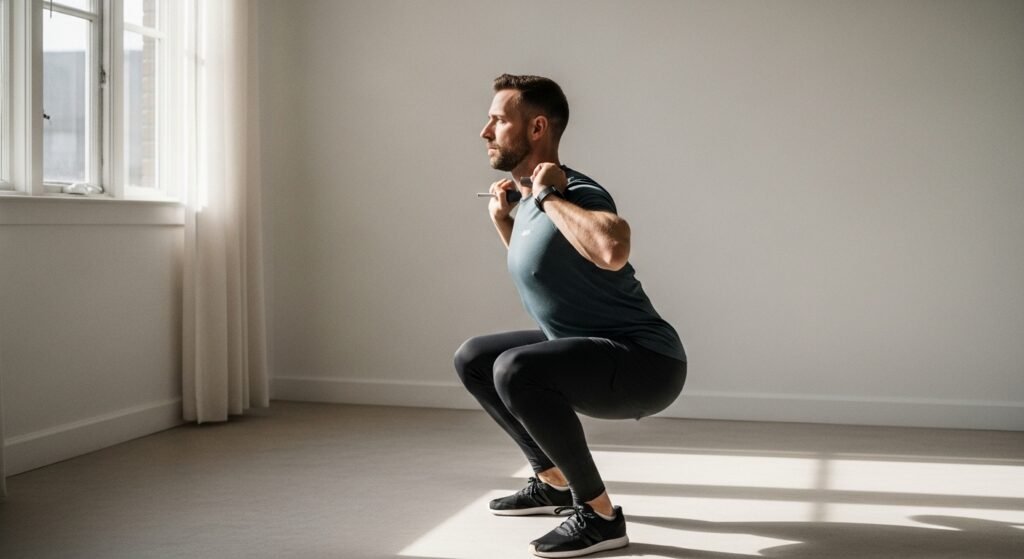
As people get older, muscle and strength often drop – but regular resistance work can slow that down. Free weights, resistance machines, or even just body weight make a difference for men. When exercised two or more times weekly, their risk of dying from any cause goes down. Their blood sugar and overall body function tend to stay healthier too. Staying strong through life also means fewer falls, broken bones, or weak aging – science backs that now.
After age thirty, adults lose three to eight percent of muscle mass per decade, a process called sarcopenia. This is not just cosmetic. Muscle is metabolically active tissue that regulates blood sugar, supports joints, and protects bones. Losing it accelerates aging.
Strength training reverses this process at any age. Studies of adults in their seventies, eighties, and even nineties show that resistance exercise builds muscle and strength reliably. It is never too late to start, and the returns are fast.
Beyond muscle, strength training improves bone density, which protects against fractures, enhances insulin sensitivity, and supports better posture and joint health. Some research even links greater muscular strength to lower cancer mortality.
Two to three sessions per week, covering major muscle groups, is enough. Bodyweight exercises like push-ups, squats, and lunges work well. Add resistance gradually, and prioritize good form over heavy weight.
High Intensity Interval Training

Short bursts of full-on work followed by brief breaks – that is HIIT. It builds endurance without dragging out workouts. Studies reveal better oxygen delivery in muscles, steadier blood sugar levels, and stronger heart function. For active guys with tight schedules, gains come fast, sharp, no long slog on treadmills.
HIIT alternates periods of near-maximal effort with recovery intervals. A typical session might be thirty seconds of sprinting followed by ninety seconds of walking, repeated eight to ten times. The whole workout takes twenty minutes.
Research shows HIIT improves cardiovascular fitness more efficiently than steady-state cardio, boosts mitochondrial function in muscles, and enhances insulin sensitivity. Some studies suggest it may even slow cellular aging markers more effectively than moderate exercise.
The time efficiency is the real draw. For busy men who cannot spare an hour, two or three short HIIT sessions per week deliver outsized returns. But intensity demands respect: warm up thoroughly, start with longer rest intervals, and build up gradually.
HIIT is not for everyone every day. One to three sessions per week, balanced with easier activity, is the sweet spot for most people.
Functional Movement Training
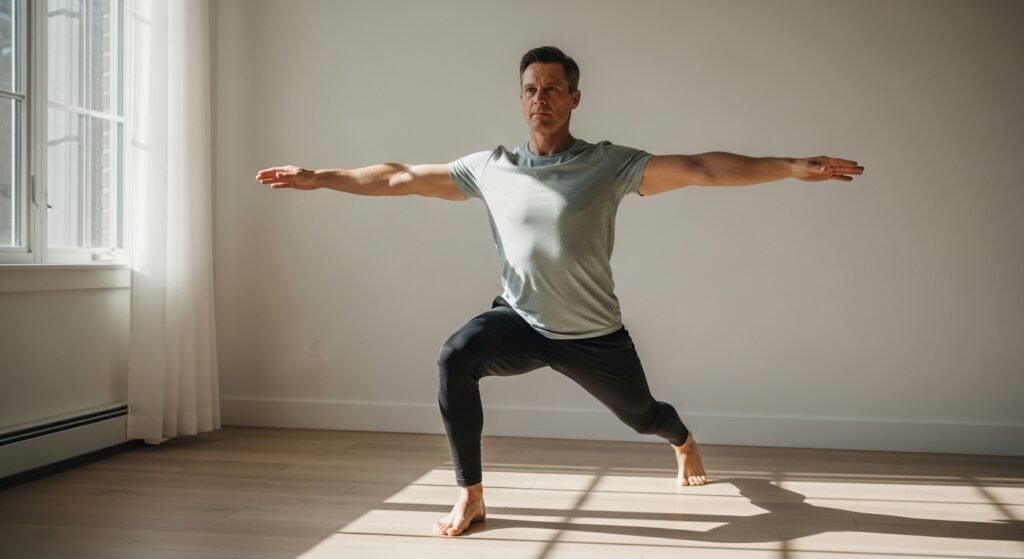
Working out with functional exercises means doing moves like squats, lunges, pushing, pulling – things that copy real-life tasks and help keep joints strong. Men who follow this approach tend to handle themselves better, staying steady and on their feet longer. Movements become smoother, timing improves, and balance gets stronger. Falls happen less often. Body adapts by handling everyday strain without flaring up. Pain from repeated strain fades over time. Strength builds without losing control. Later years arrive with more confidence, less reliance on others.
Functional training focuses on movement patterns rather than isolated muscles. Instead of a bicep curl, you do a pull-up. Instead of a leg extension, you do a squat. The goal is strength that transfers to real life: lifting groceries, climbing stairs, playing with grandchildren.
This approach trains coordination, core stability, and joint mobility alongside raw strength. The result is a body that moves well, not just one that looks strong. For longevity, moving well matters more.
Functional exercises also tend to be joint-friendly. Because they distribute load across multiple joints and muscles, they avoid the repetitive stress of machine-based isolation work. This makes them sustainable for decades.
Incorporate functional movements into strength sessions: squats, deadlifts, lunges, pushes, pulls, carries, and rotations. Master bodyweight versions first, then add load.
Flexibility and Mobility Work
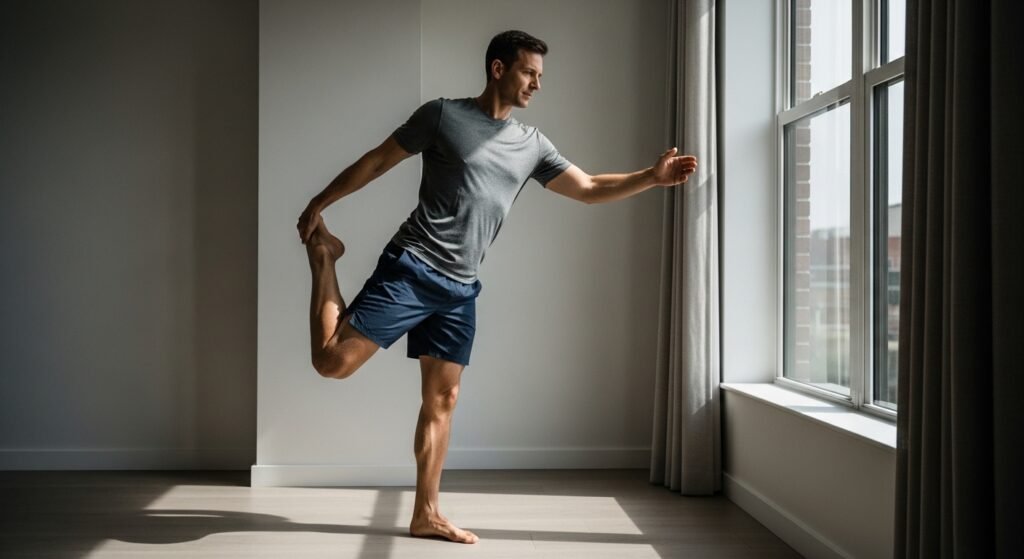
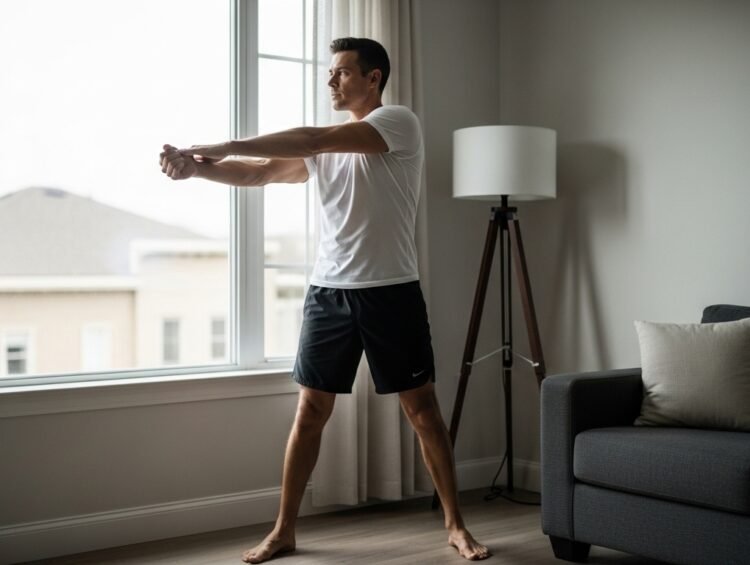
Older bodies tend to stiffen, yet moving joints daily keeps things loose and ready. Movement routines, even light ones, help muscles bend more easily while cutting down rigidity. When training gets tougher, these habits speed up healing without slowing progress. Active aging often means doing less damage by simply moving more freely.
Mobility is the ability to move joints through their full range of motion with control. It declines with age and with sedentary habits, leading to stiffness, poor posture, and compensatory movement patterns that cause pain.
Regular mobility work reverses this. Dynamic stretching, controlled joint rotations, and targeted exercises for hips, shoulders, and spine keep tissues supple and movement smooth. Ten to fifteen minutes daily is enough to maintain what you have and gradually reclaim what you have lost.
The longevity link is practical: mobile people stay active. Stiff, achy people stop moving, and stopping moving accelerates decline. Mobility work is maintenance for the machine, keeping every part working so the whole keeps running.
Pair mobility work with your other training. A few minutes before workouts as a warm-up and a few minutes in the evening as a wind-down covers it.
Balance and Stability Exercises
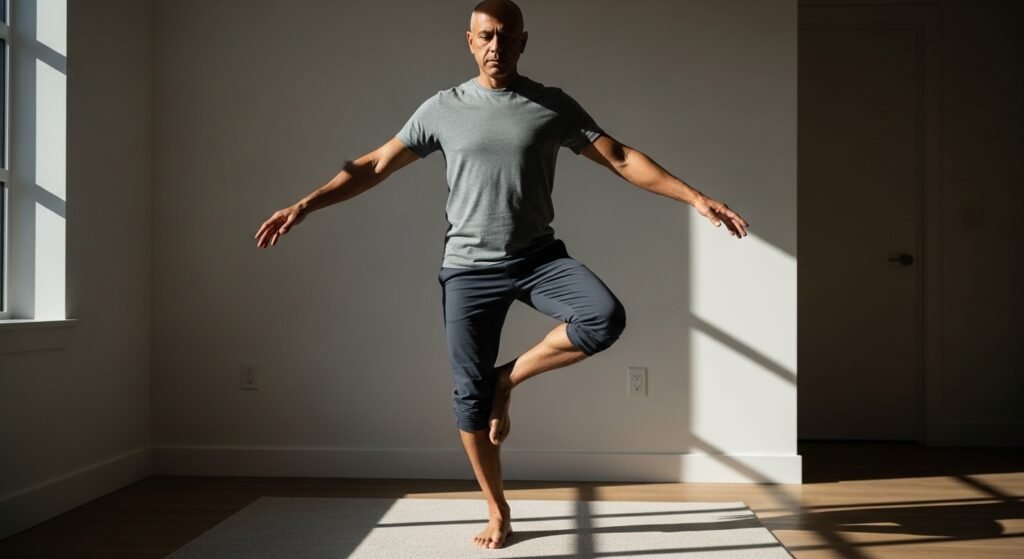
Younger men might think balance workouts are not pressing, yet starting them builds stronger stabilizer muscles while improving how movement is coordinated by the brain and nerves. Studies indicate improved balance leads to fewer falls, plus supports lasting physical freedom and wellbeing across decades.
Falls are one of the leading causes of injury and loss of independence in older adults. A broken hip can trigger a cascade of decline. Balance training is one of the most effective fall-prevention strategies available, and it costs nothing.
Balance is a trainable skill at any age. Single-leg stands, heel-to-toe walking, and exercises on unstable surfaces all challenge the systems that keep you upright: vision, inner ear, proprioception, and muscular response.
The brain benefits too. Balance work demands constant neural adjustment, which keeps the nervous system sharp. Some researchers consider it a form of brain training disguised as physical exercise.
Add a few minutes of balance work to your routine two or three times per week. Stand on one leg while brushing your teeth. Walk a straight line heel to toe. Small challenges, done regularly, build remarkable stability.
Mind-Body Practices
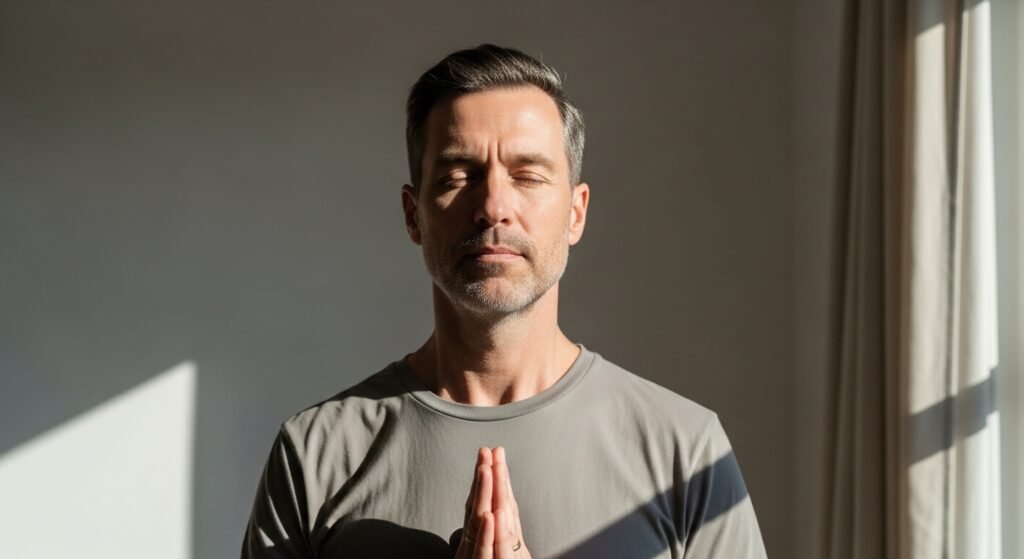
Moving slowly while tuning into breath and inner awareness – yoga or tai chi – can ease tension and strengthen body awareness at once. Research shows regular sessions tend to balance movement and calm the mind, along with boosting range of motion and steadiness on feet. Long-term involvement might also quietly benefit heart rhythms and mental clarity down the road.
Mind-body practices like yoga and tai chi combine physical movement with breath control and mental focus. This combination delivers benefits that purely physical exercise misses: stress reduction, improved body awareness, and nervous system regulation.
Chronic stress accelerates aging through elevated cortisol, inflammation, and poor sleep. Mind-body practices directly counter these effects. Regular practitioners show lower stress hormones, better heart rate variability, and improved emotional regulation.
The physical benefits are real too. Yoga builds strength, flexibility, and balance simultaneously. Tai chi is particularly well studied for fall prevention in older adults, with some trials showing dramatic reductions in fall risk.
One or two sessions per week is a good starting point. Even ten minutes of daily breath-focused movement can shift your stress baseline noticeably.
Recreational Sports
Playing sports like tennis, soccer, basketball, or joining casual matches mixes in heart-rate work, muscle challenge, quick movements, along with bonding with others. Research covering many people shows that some low-intensity activities are linked to lower death risk, mainly since they demand effort yet stay fun and sustainable over time.
One famous long-term study found that tennis players lived nearly a decade longer than sedentary people, more than the benefit seen for jogging or gym workouts alone. The researchers credited the social component: sports build relationships, and relationships extend life.
Sports also solve the motivation problem. A treadmill session is a chore. A tennis match is play. The exercise that you actually do, because you enjoy it, beats the perfect program you abandon.
Racket sports, in particular, combine aerobic fitness, agility, hand-eye coordination, and strategic thinking. They challenge the body and brain together, which may explain their outsized longevity association.
Find a sport you enjoy and play it regularly. The social bonds you build may be as valuable as the fitness you gain.
Building a Longevity Focused Routine
Staying alive longer and feeling better does not come from picking just one kind of movement. Instead, fitting different types into daily life builds resilience – heart stays steady, muscles hold firm, joints keep pace, thinking sharpens. It is less about doing it perfectly, rather showing up regularly, pushing slightly harder each week, allowing rest between efforts. Lasting health grows quietly when routine becomes part of who you are.
A practical weekly template: two to three strength sessions, two to three cardio sessions, one HIIT session, daily mobility work, balance exercises twice weekly, and one mind-body session. Add a recreational sport for joy. Adjust to your schedule and preferences.
Recovery matters as much as effort. Sleep seven to nine hours, eat enough protein, and take at least one full rest day per week. Overtraining accelerates the very decline you are trying to prevent.
Finally, think in decades, not weeks. The goal is not a summer body. It is a body that carries you energetically through your sixties, seventies, and beyond. Every workout is a deposit in that account.
Start today, start small, and keep going. Your future self is counting on it.