 Sarah Grey
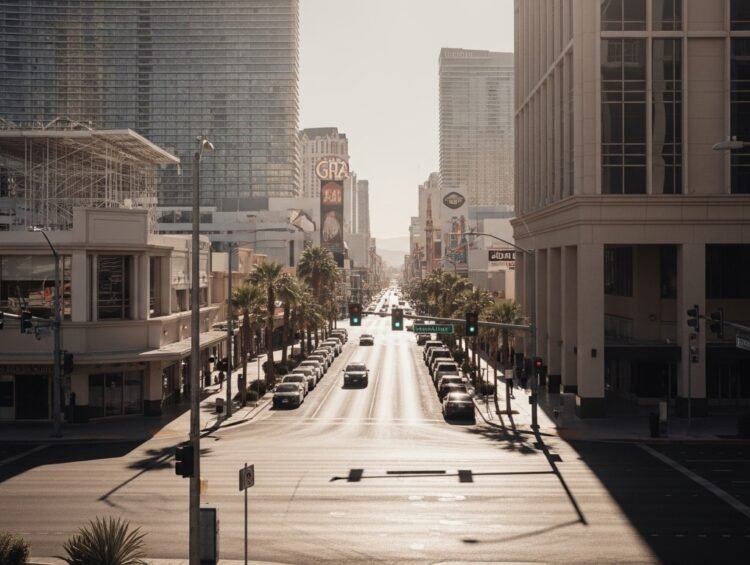
For years, Las Vegas thrived as America’s go-to escape, a city built on big shows, bright lights, and endless energy. But lately the numbers tell a different story. Visitor counts have now fallen for ten consecutive months, a sustained slide that has caught the attention of tourism officials, casino executives, and city planners alike.
Ten months of decline is not a blip. It is a pattern, and patterns demand explanations. What is happening in Las Vegas reflects broader shifts in how Americans travel, spend, and choose their leisure, from tighter household budgets to changing expectations about what a getaway should deliver.
The forces at work go beyond flashing billboards or casino floors. National economic pressures, evolving trip-planning habits, softer convention traffic, and cautious airlines all play a role. Even as the neon streets keep humming, decision makers are working to understand a quieter rhythm taking hold.
Here is a closer look at the slowdown, what is driving it, and why long-term confidence in Las Vegas remains intact.
A City Confronts a Prolonged Slowdown
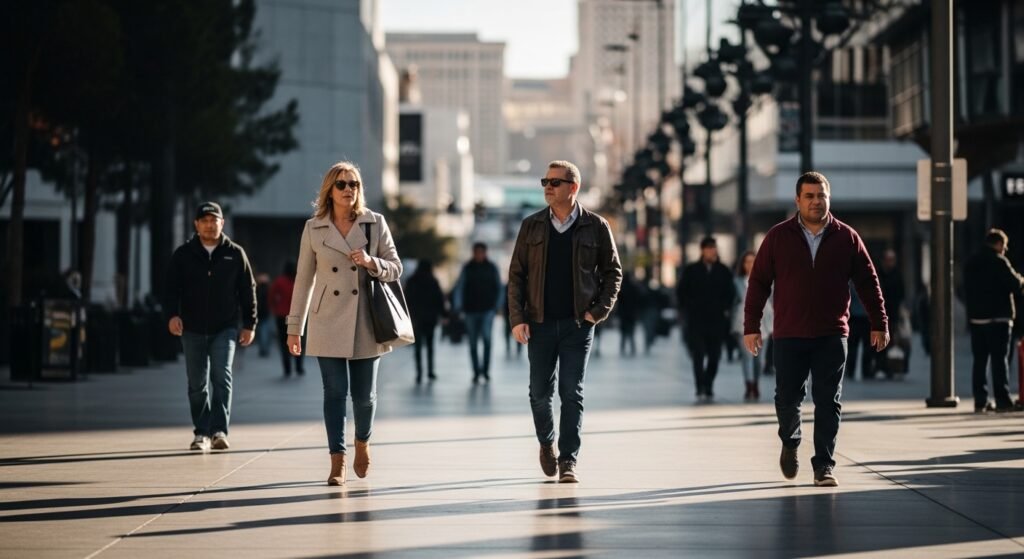
City leaders now view the drop not as a brief stumble but as an ongoing trend, one demanding thoughtful strategy instead of quick fixes. That framing matters, because it shapes how the industry responds.
A single bad month can be weather, a convention calendar quirk, or simple statistical noise. Ten bad months is a signal. Tourism officials, casino executives, and city planners are treating this as a structural challenge rather than a temporary dip.
The response has been measured rather than panicked. Las Vegas has reinvented itself repeatedly over the decades, from mob-run gambling halls to family-friendly resorts to a luxury entertainment capital. Each transformation was born from a moment of pressure.
Current strategies focus on understanding the new traveler: more value-conscious, more experience-driven, and less loyal to any single destination. The city that learns to serve this traveler will emerge stronger.
Slowdowns, while uncomfortable, can be clarifying. They force hard questions about what visitors truly want, and the answers often point the way forward.
Economic Pressures Shape Travel Decisions
Nowhere is the shift clearer than in household travel plans. With flight costs climbing alongside hotel rates and everyday expenses, travelers hesitate before booking, often choosing shorter trips instead of the longer getaways they once took without a second thought.
Las Vegas has always been a value proposition as much as a destination. Affordable rooms, inexpensive food, and the promise of indulgence on a budget drew millions. As prices have risen across the board, that proposition has weakened.
Resort fees, parking charges, and higher table minimums have changed the math for budget-conscious visitors. A trip that once felt like a bargain can now feel like a splurge, and many travelers are doing the calculation differently.
The broader economy plays a role too. When household budgets tighten, discretionary travel is among the first things cut. Las Vegas, as a purely discretionary destination, feels these shifts acutely.
The industry’s challenge is to rebuild the value story without racing to the bottom on price. That means better experiences at fair prices, not just cheaper rooms.
Convention Traffic Shows Signs of Softness
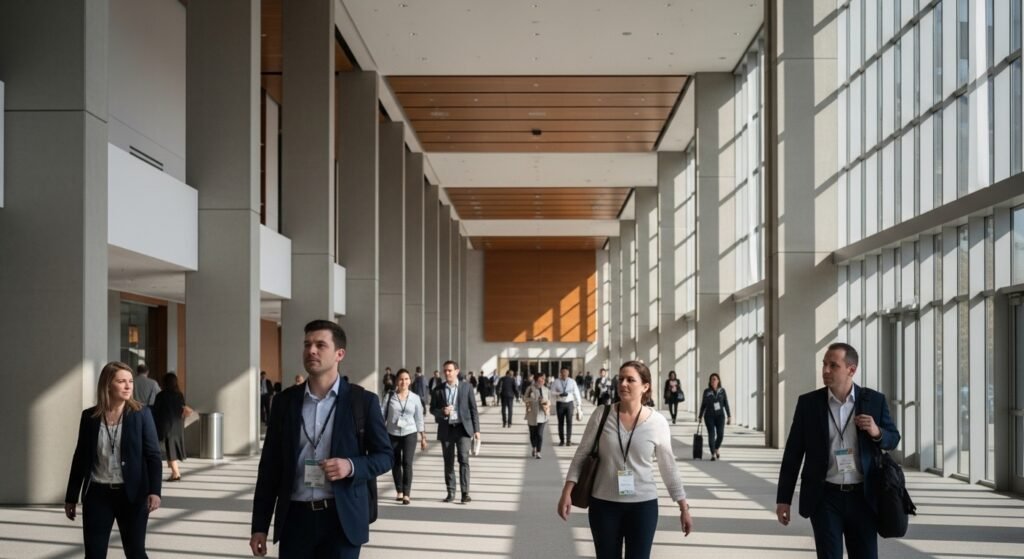
Large gatherings matter enormously in Las Vegas, and recent convention attendance has stayed flat even as other segments show strain. The meetings business remains a critical pillar, and its softness ripples outward.
Conventions are the backbone of midweek Las Vegas. They fill hotel rooms Tuesday through Thursday, pack restaurants, and drive the business travel that smooths out seasonal swings. When convention traffic softens, the whole city feels it.
Corporate travel budgets remain under scrutiny, and some companies have permanently reduced their event footprints. Virtual and hybrid formats, widely adopted in recent years, continue to siphon off attendance that once filled convention halls.
Las Vegas is responding with upgraded convention facilities and aggressive bidding for major events. The city’s pitch remains strong: unmatched capacity, endless entertainment options, and an experience no video call can replicate.
The convention business is cyclical, and history suggests it will recover. But the recovery may look different, with smaller groups and higher expectations for every event.
Hotel Occupancy Reflects Changing Demand

Guest numbers remain fairly strong in absolute terms, but they fall short of the levels the city grew accustomed to in busier years. The gap between then and now is where the pressure lives.
Occupancy rates tell the story in numbers. Las Vegas hotels were built for near-capacity operations, so they feel even small declines sharply. Empty rooms do not just reduce revenue. They reduce energy, spending, and the vibrant atmosphere that draws visitors in the first place.
Operators have responded with targeted promotions, loyalty offers, and package deals. But discounting is a delicate tool: too much of it trains visitors to wait for deals, eroding the pricing power the city spent years building.
The deeper question is whether supply has outrun demand. Years of expansion added thousands of rooms. If visitation growth has stalled, the math gets difficult, and some properties will feel more pain than others.
Occupancy will recover when the value proposition does. The two are inseparable.
Airlines Adjust Capacity to Match Reality
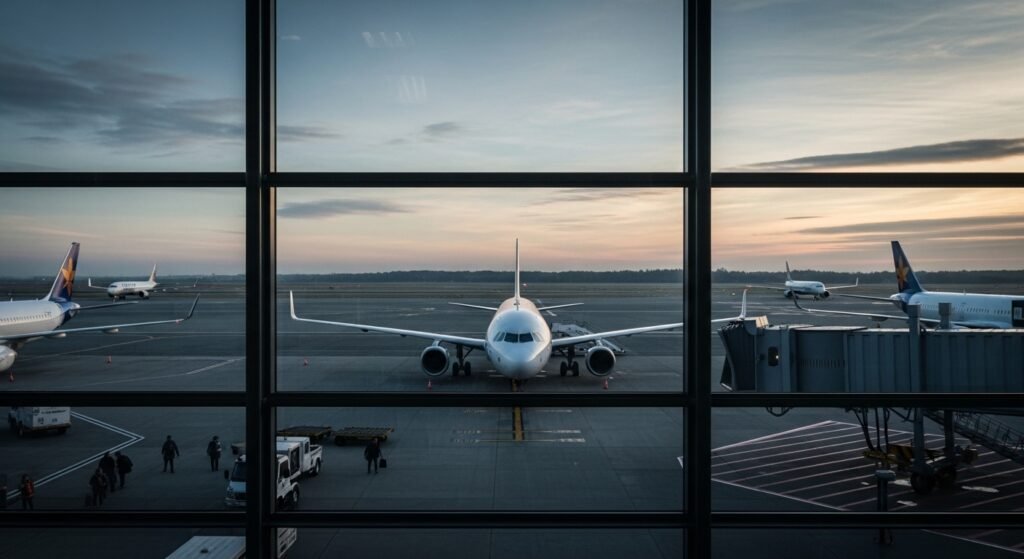
Flights into Las Vegas show fewer open seats on popular routes, a sign that airlines are carefully matching capacity to softer demand. Traveler numbers may stay flat for a while as this adjustment plays out.
Airlines are efficient at matching capacity to demand. When bookings soften, they reduce frequencies, use smaller aircraft, or shift planes to stronger markets. Each adjustment makes Las Vegas slightly harder to reach, which can reinforce the slowdown.
The relationship between airlift and visitation is circular. Fewer flights mean fewer visitors, which means fewer flights. Breaking the cycle requires confidence from both airlines and travelers that demand will return.
Las Vegas tourism officials work closely with airlines, offering marketing support and incentives to maintain service. These partnerships are critical during soft periods.
Capacity discipline by airlines is actually healthy long term. It prevents fare collapses and keeps the market stable. But in the short term, it can feel like another headwind.
Even as Global Travel Recovers, Gaps Persist Across Regions

International visitors are starting to return, but their numbers still lag behind what the city needs, leaving a gap that domestic travel alone has not filled.
International visitors are among Las Vegas’s most valuable guests. They stay longer, spend more, and fill luxury properties. Their slow return has been one of the biggest drags on the city’s momentum.
Visa processing delays, currency fluctuations, and uneven economic recoveries abroad have all played roles. Some key markets are bouncing back faster than others, creating a patchwork recovery.
The city is investing in international marketing, working with airlines on overseas routes, and streamlining the visitor experience. But these efforts take time to bear fruit.
When international travel fully normalizes, Las Vegas should see a meaningful lift. Until then, the gap remains a real challenge.
Local Businesses Feel the Ripple Effects
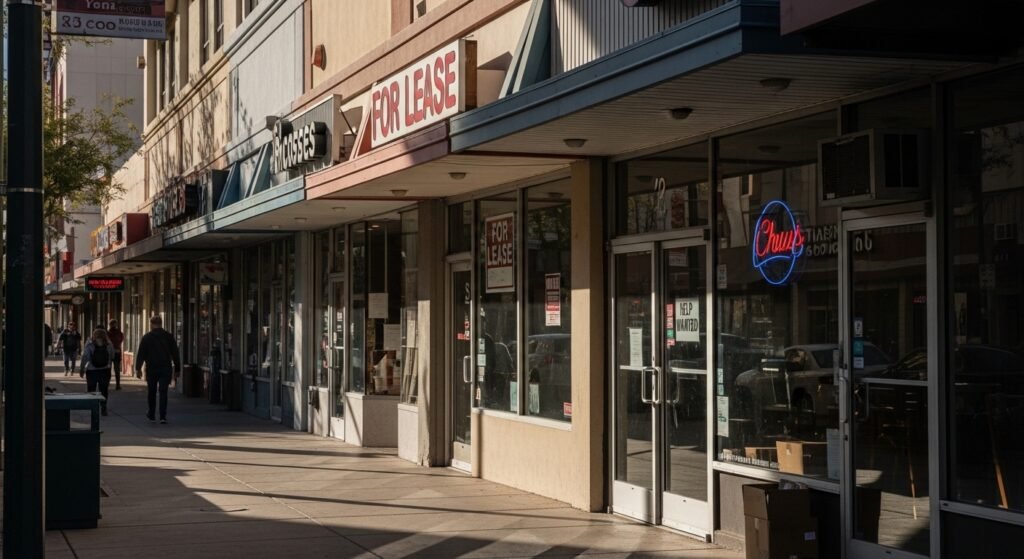
Beyond the resort corridor, shops, restaurants, and service providers earn less as visitor foot traffic thins. The slowdown does not stay on the Strip.
The tourism decline does not stop at the famous boulevard. Off-Strip restaurants, shops, tour operators, and service businesses all depend on visitor spending. When fewer tourists come, the pain spreads through the local economy.
Small businesses have the least cushion. A large resort can weather a soft quarter. A family-run restaurant cannot. The ripple effects show up in hiring freezes, reduced hours, and in the worst cases, closures.
Community leaders are pushing to diversify the local economy beyond tourism, but that is a long-term project. In the short term, the city’s fortunes remain closely tied to visitation.
Supporting local businesses during the slowdown, through resident patronage and targeted promotion, helps keep the economic fabric intact.
Workforce Stability Becomes a Growing Focus
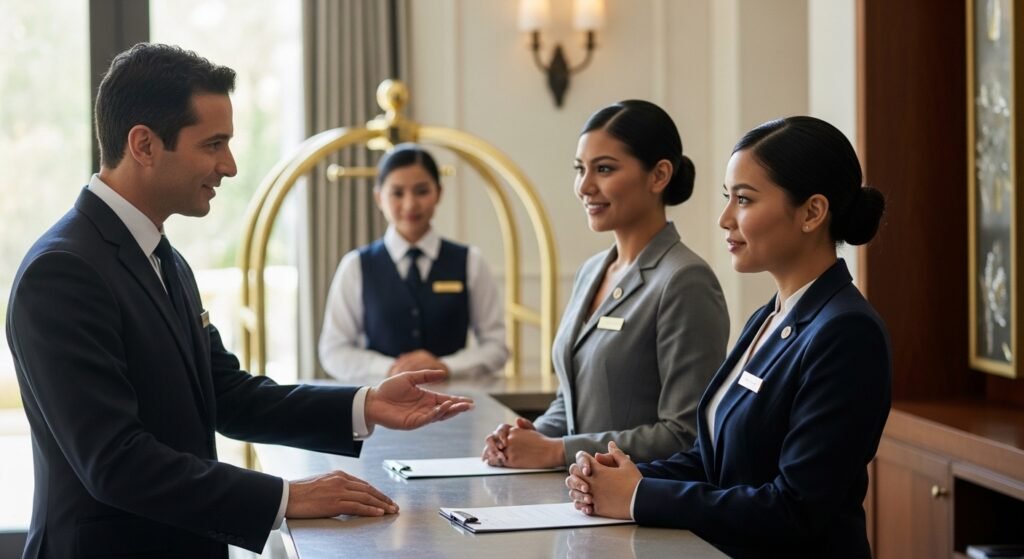
With demand softer, businesses across travel and hospitality are focusing more on retaining experienced staff while managing costs carefully.
Las Vegas runs on its workforce: dealers, servers, housekeepers, entertainers, drivers. When visitation softens, employers face a difficult balance between controlling costs and keeping the experienced staff they will need when demand returns.
The industry learned hard lessons from past downturns about cutting too deep. Rehiring and retraining is expensive, and service quality suffers in the meantime. Many operators are choosing to hold onto talent even at the cost of short-term margins.
Workforce stability is also a competitive advantage. Visitors notice the difference between experienced, engaged staff and a revolving door of newcomers. In a city selling experiences, people are the product.
The focus on retention reflects a maturing industry, one that understands its long-term value lies in its people.
Marketing Strategies Shift Toward Value

Travel marketers are adjusting their message, focusing less on spectacle and more on value, authentic moments, and ease. The push is deliberate, even if it stays relatively quiet.
The marketing message is evolving. The era of pure excess messaging is fading. Today’s campaigns emphasize value, genuine experiences, and the simplicity of a Las Vegas getaway. The city is selling smart fun, not just big spending.
Digital targeting has become more sophisticated. Instead of broad awareness campaigns, marketers are reaching specific segments: food lovers, sports fans, wellness seekers, adventure travelers. Each gets a tailored version of the Las Vegas story.
Sports has become a major marketing pillar. With professional teams and world-class events, Las Vegas now sells itself as a sports destination, attracting visitors who might never have considered it before.
The quieter approach reflects confidence. The city does not need to shout. It needs to remind the right people, at the right time, why Las Vegas is worth the trip.
Long Term Confidence Remains Intact
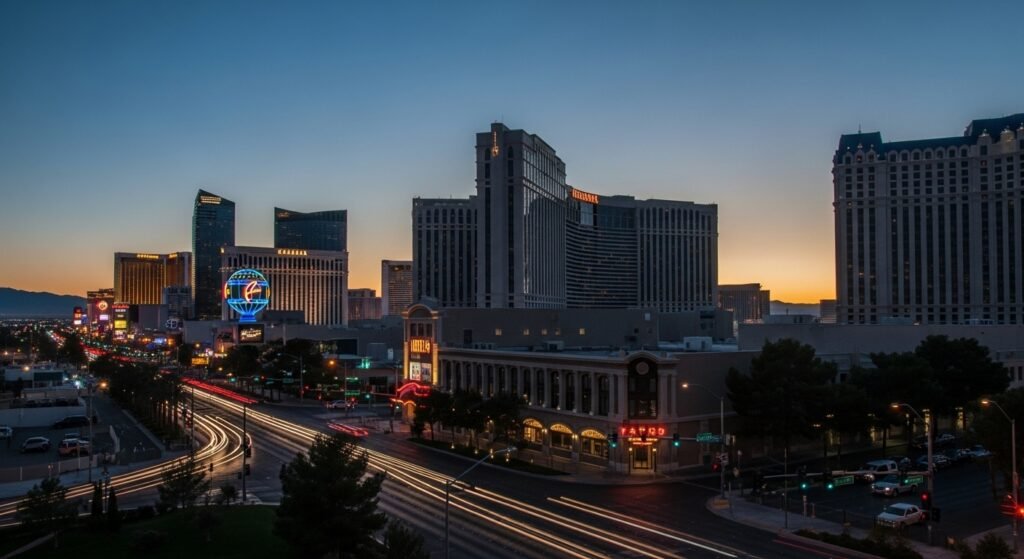
Even amid the discouraging numbers, industry leaders remain convinced that Las Vegas can reinvent itself once again, just as it has before, and find new energy as conditions evolve.
Through every downturn, one constant remains: Las Vegas reinvents itself. The city has survived recessions, pandemics, and shifting tastes by adapting faster than anyone expected. There is no reason to believe this time is different.
The fundamentals are strong: unmatched entertainment infrastructure, a growing sports scene, world-class dining, and a brand recognized around the globe. These assets do not disappear during a slowdown.
Investment continues. New resorts, renovated properties, and expanded attractions signal that smart money still believes in the city’s future. Construction cranes are a leading indicator of confidence.
Ten months of decline is a chapter, not the whole story. Las Vegas has written comebacks before, and its leaders are already writing the next one.