 Sarah Grey
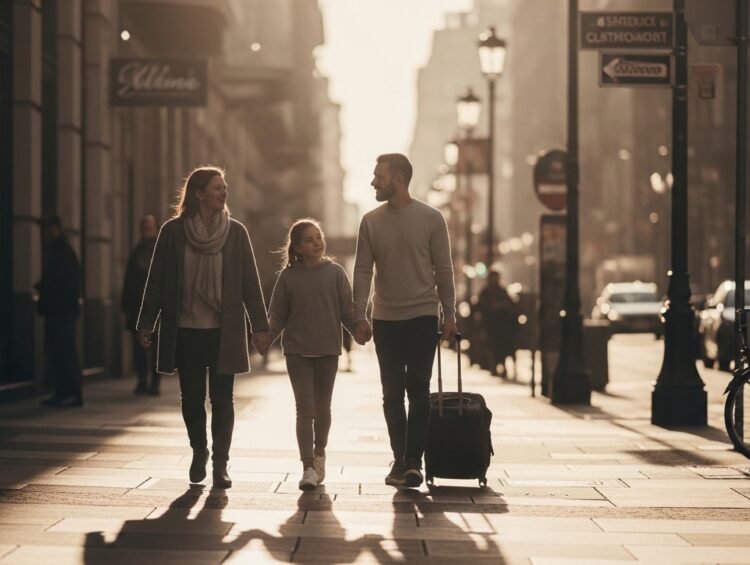
Walking across a city pulls you into its pulse, its people, its routine – something cars never provide. Curiosity finds rewards here: tight blocks, calm sidewalks, moments you miss behind glass. Old lanes give way to well-shaped new towns, each showing how knowing a place begins not with speed but with small steps.
The world’s most walkable cities share certain gifts: compact centers, streets that invite rather than intimidate, and a rhythm that rewards the unhurried. In these places, the journey between sights is as memorable as the sights themselves.
Here are ten cities where exploring on foot is not just possible but pure joy.
Paris
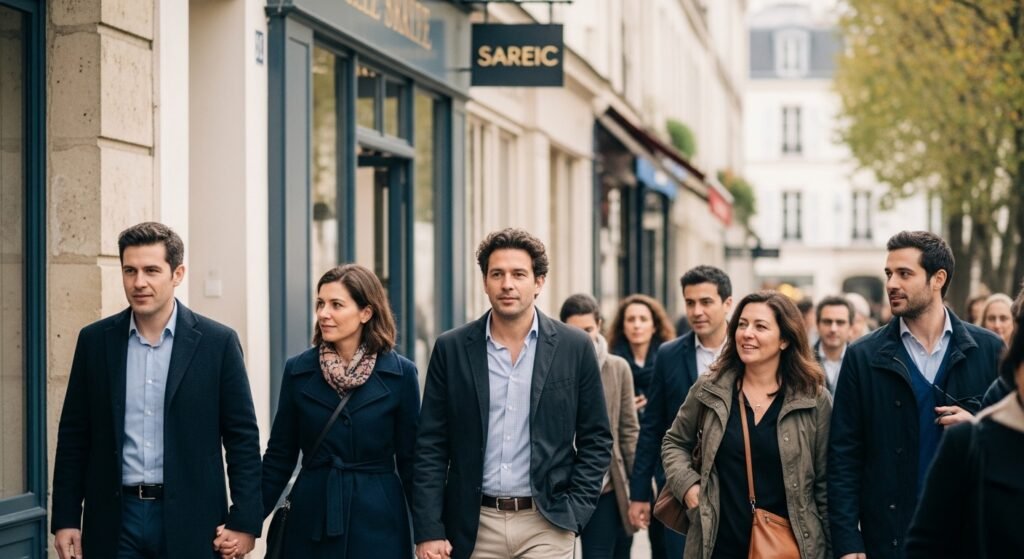
Wandering through Paris comes naturally, thanks to wide avenues that fold into quiet lanes – each leading to parks, stalls, or famous squares without rush. Landmarks stand close by, yet never dominate the view; instead, they blend into pauses at iron-armed seats or windows full of steaming crockery. Time stretches because the streets themselves seem to slow down, guiding you past limestone facades, small shops, and soft conversations drifting from doorways.
Paris was made for walkers long before the term walkability existed. The arrondissements spiral outward in a pattern that rewards exploration, each neighborhood with its own character and pace. From the grand boulevards of Haussmann’s redesign to the medieval tangle of the Marais, variety is constant.
The Seine ties it all together. Walking its banks, crossing its bridges, watching the light change on the water – these are experiences no metro ride can match. The riverside paths invite long, aimless strolls that somehow always lead somewhere wonderful.
Parisian walking culture is built into daily life. Locals stroll to markets, to cafes, to meet friends. Joining that flow, even as a visitor, is one of the great pleasures of travel. Slow down, look up, and let the city reveal itself.
No visit is complete without getting deliberately lost. Put the map away in Saint-Germain or Montmartre and follow your instincts. The best discoveries are unplanned.
Rome
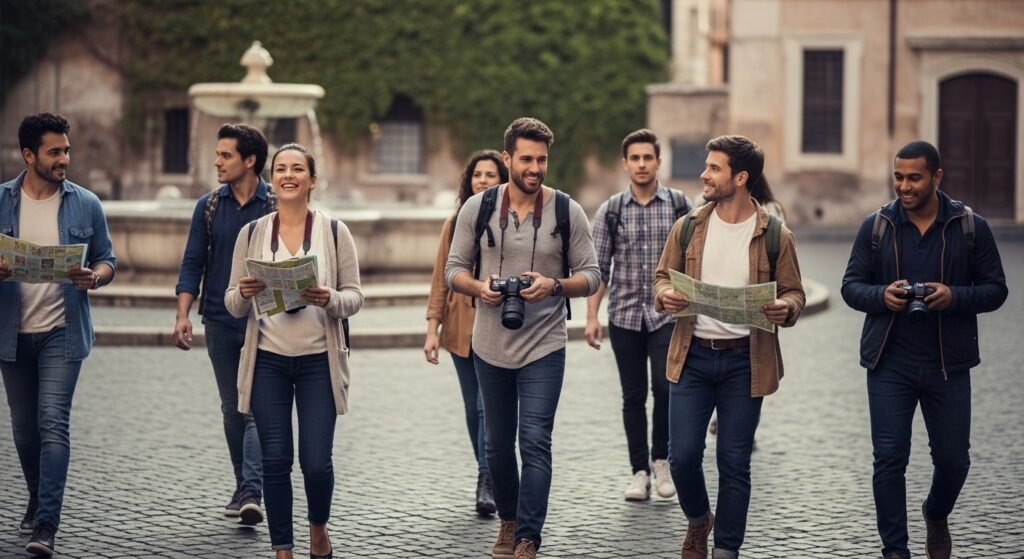
Step into Rome, where each walk unfolds like a layered story. History presses in from every direction, with ancient stones tucked beside bustling piazzas and soft side streets. Time slips away on paths that wind past iconic landmarks – yet surprises lurk around quiet corners too. Distance shrinks when you move by foot, allowing spaces past, present, and past again to overlap without warning.
Rome’s historic center is remarkably compact. The Colosseum, the Pantheon, the Trevi Fountain, the Spanish Steps – all within walking distance of each other. This density means a single afternoon stroll can span two millennia of history.
The piazzas are Rome’s living rooms. Each one invites lingering: a coffee, a gelato, an hour of people-watching. Walking between them becomes a rhythm of movement and rest, discovery and pause.
Beyond the famous sights, neighborhoods like Trastevere and Monti reward walkers with authentic local life. Narrow streets, ivy-covered walls, artisan workshops – this is Rome at its most intimate.
Wear comfortable shoes. The cobblestones are beautiful and unforgiving in equal measure.
Kyoto
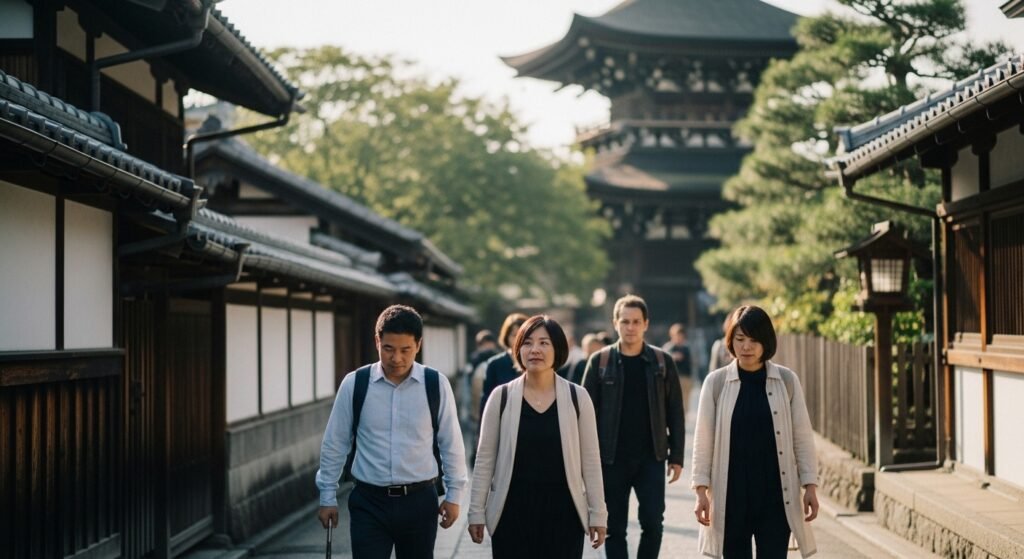
Slow walks through Kyoto’s quiet lanes reveal much, particularly near ancient temples, quiet gardens, and old neighborhood pockets. The pace slows naturally, giving visitors time to notice handiwork, shifting light across seasons, and small repeated acts throughout the day.
Kyoto rewards patience. Unlike cities that dazzle immediately, Japan’s ancient capital reveals itself gradually to those who walk slowly and look carefully. A moss garden, a temple gate glimpsed through trees, the sound of a bamboo grove in wind.
The Philosopher’s Path, the streets of Gion, the approach to Fushimi Inari – these are walks as meditation. Each step is part of the experience, not just transportation between sights.
Seasonal changes transform the walking experience entirely. Cherry blossoms in spring, lush green in summer, fiery maples in autumn, stark beauty in winter. Kyoto is four cities in one, depending on when you walk it.
Early mornings are magical. Arrive at popular temples at opening time and experience them in near-solitude before the crowds arrive.
Amsterdam
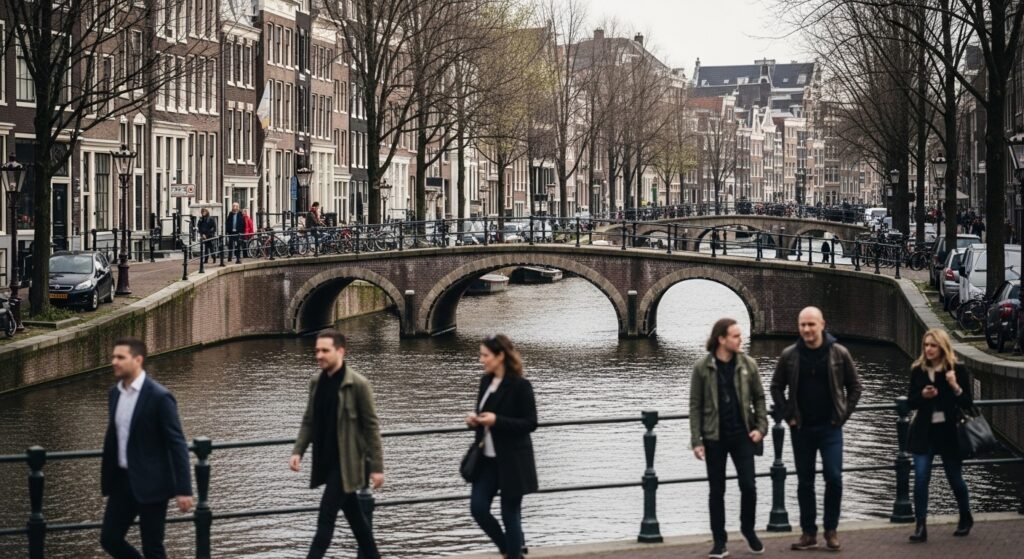
Built low to the ground, Amsterdam fits well into a traveler’s stride. Canals stretch between old buildings, while bridges rise quietly above the flow. Movement here does not rush – spaces open quietly one after another. Reaching museums, green spaces, or quiet streets happens without effort.
Amsterdam’s canal belt is a UNESCO World Heritage site best experienced on foot. The concentric rings of canals create a walkable core where every turn offers a postcard view. The scale is human, the pace relaxed.
The city’s flatness makes walking effortless. No hills, no steep climbs – just level streets that invite long explorations. Distances that look far on a map feel short on foot.
Neighborhoods each have distinct personalities. The Jordaan’s cozy streets, De Pijp’s market energy, the museum quarter’s grandeur – walking between them shows how much variety fits in a small area.
Watch for bikes. Amsterdam’s cyclists are fast and expect pedestrians to stay alert. Walk predictably and check before stepping into bike lanes.
Barcelona
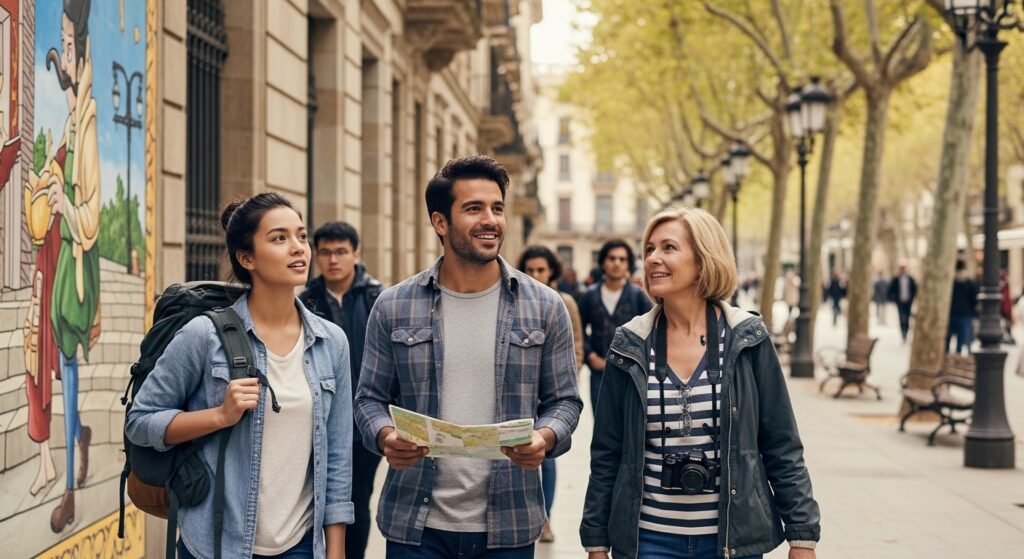
Wide boulevards stretch across Barcelona, yet tucked inside are cozy historic zones, offering movement without confusion. Seafront trails lead into bustling districts, where discovery happens naturally – murals cover walls, buildings tilt playfully, living moments unfold nearby.
Barcelona’s Eixample district, with its distinctive octagonal blocks, was designed for pedestrians. Wide sidewalks, chamfered corners, and consistent shade make walking comfortable even in summer heat.
The Gothic Quarter is the opposite: a medieval maze of narrow lanes where getting lost is the point. Every alley leads to a hidden square, a tiny chapel, or a centuries-old tavern.
La Rambla, despite its tourist crowds, remains an essential walk. And the seafront promenade offers miles of flat, scenic strolling with the Mediterranean as your companion.
Barcelona rewards walkers with constant surprises. Gaudi’s architecture appears suddenly around corners, markets burst with color and scent, and street life spills onto every plaza.
Prague
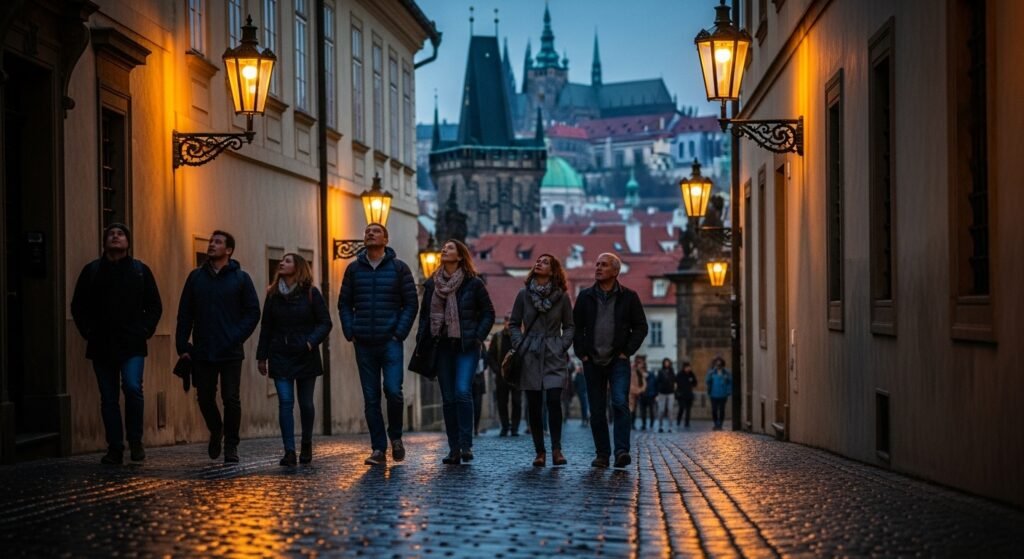
Wandering through Prague’s old town feels natural, thanks to narrow cobblestone lanes that lead toward castles, bridges, yet still unfold hidden corners. Everything stays close by, while the way the streets curve and meet keeps discovery alive without effort.
Prague’s historic center is remarkably intact. Walking from the Old Town Square across Charles Bridge to the castle is a journey through a thousand years of architecture, all within a couple of miles.
Charles Bridge itself is a destination. Lined with statues, filled with musicians and artists, offering views up and down the Vltava – crossing it slowly is one of Europe’s great walks.
The castle complex rewards exploration on foot. Its courtyards, gardens, and viewpoints unfold gradually, each offering new perspectives on the city below.
Evenings are special. As day-trippers leave, the old town empties and the golden light on the spires creates an almost magical atmosphere for walkers.
Florence
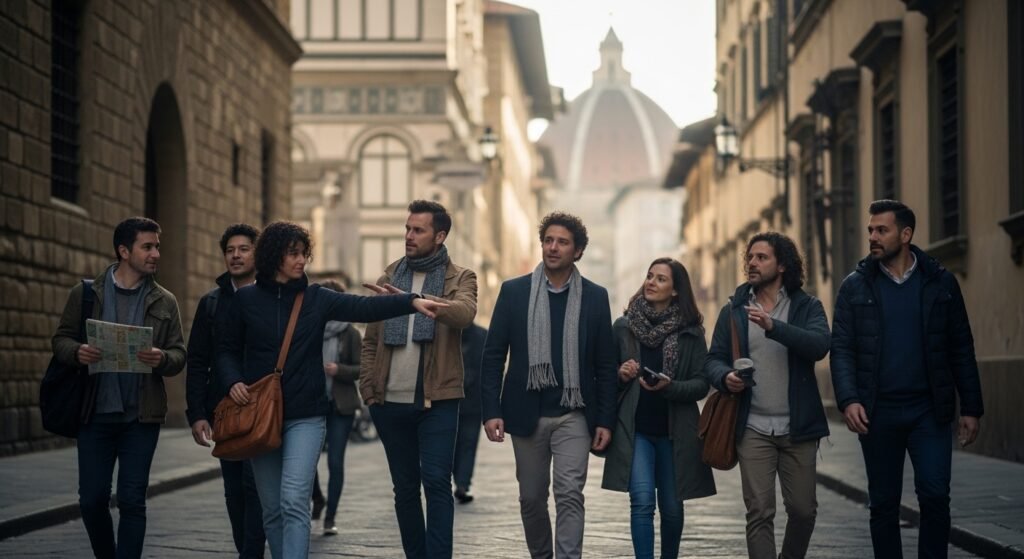
Built close together, Florence’s sights make walking between them straightforward. Because no trains or roads came first, moving by foot still fits how things feel.
Florence is the ultimate walking city. Its historic center is so compact that the Uffizi, the Duomo, the Ponte Vecchio, and the Accademia are all within a twenty-minute stroll of each other. Cars are largely banned from the center, leaving streets to pedestrians.
Walking here is a Renaissance experience. The streets themselves are the museum, lined with palazzi, churches, and workshops that have changed little in centuries.
Crossing the Arno on the Ponte Vecchio, climbing to Piazzale Michelangelo for sunset views, wandering the Oltrarno’s artisan quarter – these walks define the Florence experience.
The city’s small scale means you can walk everywhere, slowly, savoring each neighborhood. Florence does not need to be rushed. It needs to be absorbed.
Copenhagen
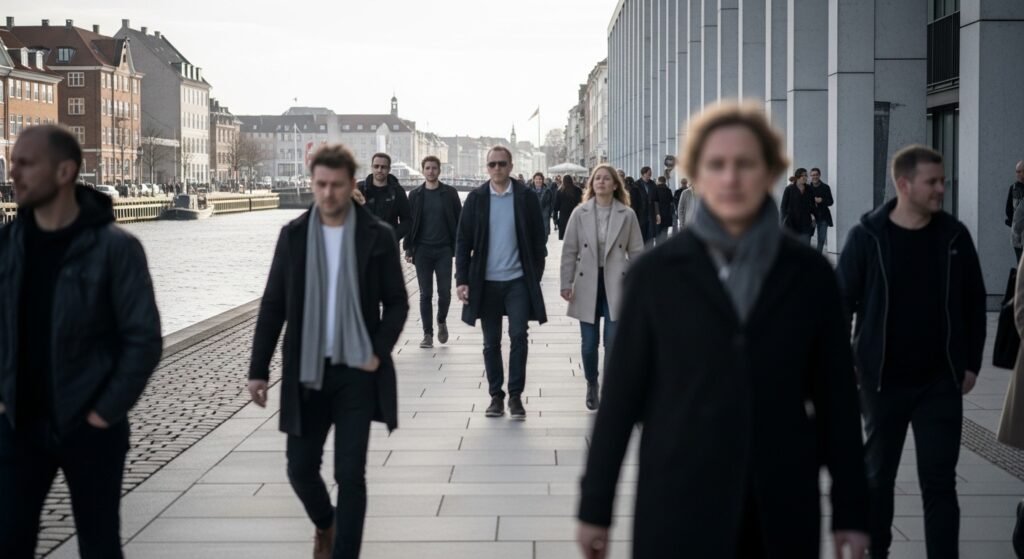
In Copenhagen, spaces open up just for walking. Wide walkways invite steps, while roads stay quiet and easy to follow. A path along the water leads one way, then busy yet peaceful streets wait nearby. Movement here feels light, full of room to notice things along the way.
Copenhagen pioneered pedestrian urbanism. Stroget, one of Europe’s longest pedestrian streets, has been car-free since the 1960s. The city keeps expanding its pedestrian zones, proving that walkability is a choice.
The harborfront is a walker’s delight. From Nyhavn’s colorful facades to the modern Opera House, the water’s edge offers miles of scenic promenades designed for strolling.
Danish design sensibility extends to the streetscape. Benches, lighting, paving – every detail is considered. Walking here feels less like navigating a city and more like moving through a well-designed living space.
The city’s compact size means most attractions are walkable. And when your feet tire, the harbor buses offer a scenic rest.
Edinburgh

Out here, Edinburgh folds its oldest lanes beside fresh neighborhoods, each corner opening to parks, museums, or hilly lookouts – all reachable by stepping from one to another. Wandering through gives a feel for how traditional districts rub against modern ones, not in fragments but as pieces of one flowing path.
Edinburgh’s dramatic topography makes walking an adventure. The Royal Mile slopes from castle to palace, closes and wynds branch off at angles, and sudden viewpoints open over the city. Every walk has elevation, literally and figuratively.
The contrast between the medieval Old Town and the Georgian New Town is best appreciated on foot. Crossing between them, you walk through centuries of urban planning in minutes.
Arthur’s Seat offers the ultimate walking reward. The climb from the city center to this ancient volcano’s summit delivers panoramic views that make every step worthwhile.
Edinburgh’s weather is famously changeable. Dress in layers, embrace the mist, and keep walking. The city is beautiful in all conditions.
Lisbon
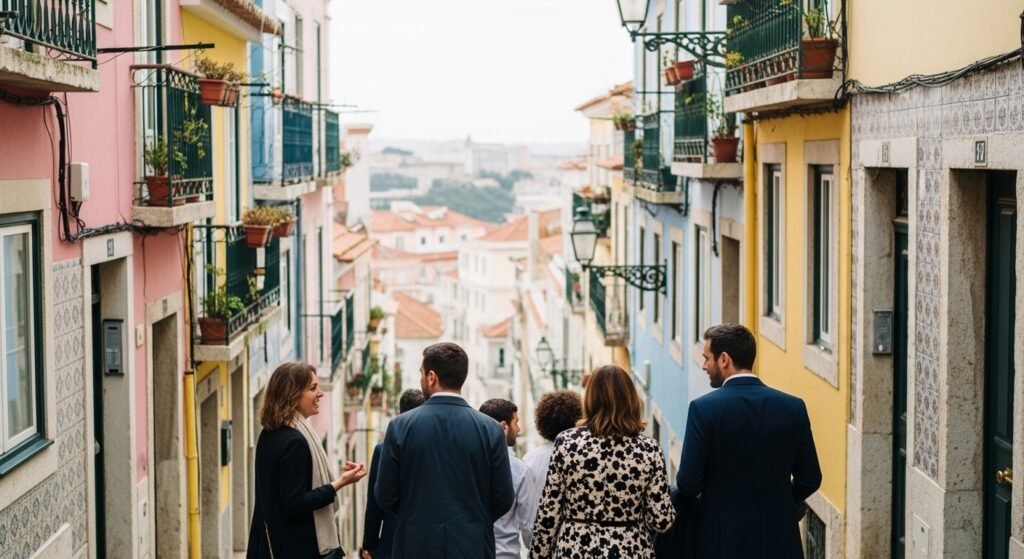
Walking connects Lisbon’s districts more than you might expect, even though steep roads appear at every turn. With each stride comes a colorful house, a hidden view, or moments of everyday energy – making the climb something to hold onto instead of fight.
Lisbon’s hills are legendary, and they are part of the charm. Yes, the climbs are real. But each ascent ends at a miradouro, a viewpoint terrace with sweeping views over terracotta rooftops to the Tagus River. The reward always justifies the effort.
Neighborhoods like Alfama, Bairro Alto, and Graca are walking experiences in themselves. Their narrow streets, tiled facades, and hidden courtyards reveal themselves only to those on foot.
The city’s iconic trams can give your legs a rest, but walking remains the best way to discover Lisbon’s secrets. The light here, bouncing off the river and the whitewashed walls, makes every walk photogenic.
Take it slow, stop often, and let the hills set your pace. Lisbon is not a city to conquer. It is a city to savor.
Lace Up and Go
These ten cities prove that the best way to know a place is on foot. Walking slows you down enough to notice, to wonder, to connect. It turns transportation into experience and sightseeing into discovery.
Each city walks differently. Paris strolls, Rome wanders, Kyoto meditates, Amsterdam glides, Barcelona surprises, Prague enchants, Florence immerses, Copenhagen flows, Edinburgh climbs, Lisbon savors. Together, they offer a masterclass in urban walking.
So pack comfortable shoes, leave extra time in your itinerary, and let your feet lead the way. The world’s most walkable cities are waiting, one step at a time.


