 Sarah Grey
In 2026, change is coming fast for trains in America – bold plans finally taking shape. New paths are opening, linking towns, states, and even nations in ways never seen before. People working in cities or journeying far will find better options rising up across regions. What drives this? A steady push toward fresher transportation systems, equipped with today’s smart design and faster performance. Speed, ease, and reach are growing without fanfare, step after step.
American rail has long lived in the shadow of highways and airlines. But a convergence of forces, infrastructure investment, new trainsets, major sporting events, and shifting travel preferences, is giving trains their biggest moment in decades. 2026 is shaping up to be a landmark year.
Here are seven of the most significant new and expanded train routes rolling out across America in 2026.
Whether you are a daily commuter or an occasional traveler, there is something here for you. Each of these routes represents real progress, and together they tell a story of a rail renaissance.
Expanded Cascades Service on the Pacific Northwest Corridor
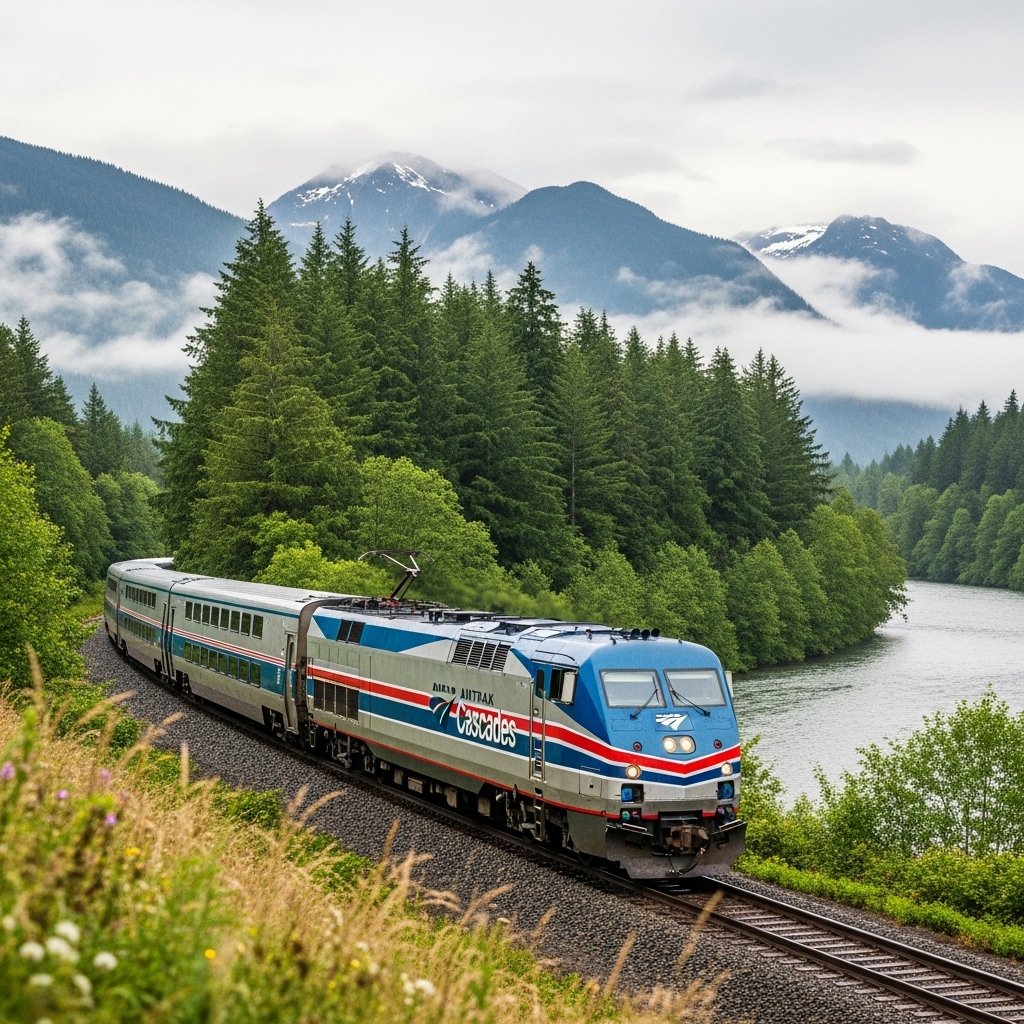
A fresh wave of high-speed trains rolls into service along Amtrak’s signature Cascades route by 2026, transforming the path from Vancouver across Seattle toward Portland. Scenic stretches of Interstate 5 become even more visible through large windows on sleek new fleets. Instead of old systems, smarter technology takes hold, delivering smoother journeys with upgraded comfort features built right in.
The Cascades corridor is one of Amtrak’s most beloved routes, hugging Puget Sound and threading through some of the most beautiful scenery in the country. The new trainsets bring wider windows, more comfortable seating, better accessibility, and improved reliability to a route that has long deserved them.
Expanded frequencies mean more daily departures, making the train a genuine alternative to driving or flying between these cities. For commuters and travelers alike, the choice gets easier every time another departure is added.
The cross-border connection to Vancouver adds international flavor. Few train journeys in America offer the combination of urban energy and natural beauty that this corridor delivers, and the upgrades make it better than ever.
If you have never taken the train through the Pacific Northwest, 2026 is the year to try it. Book a window seat and watch the landscape unfold.
Introduction of Airo Trains Across Key Routes
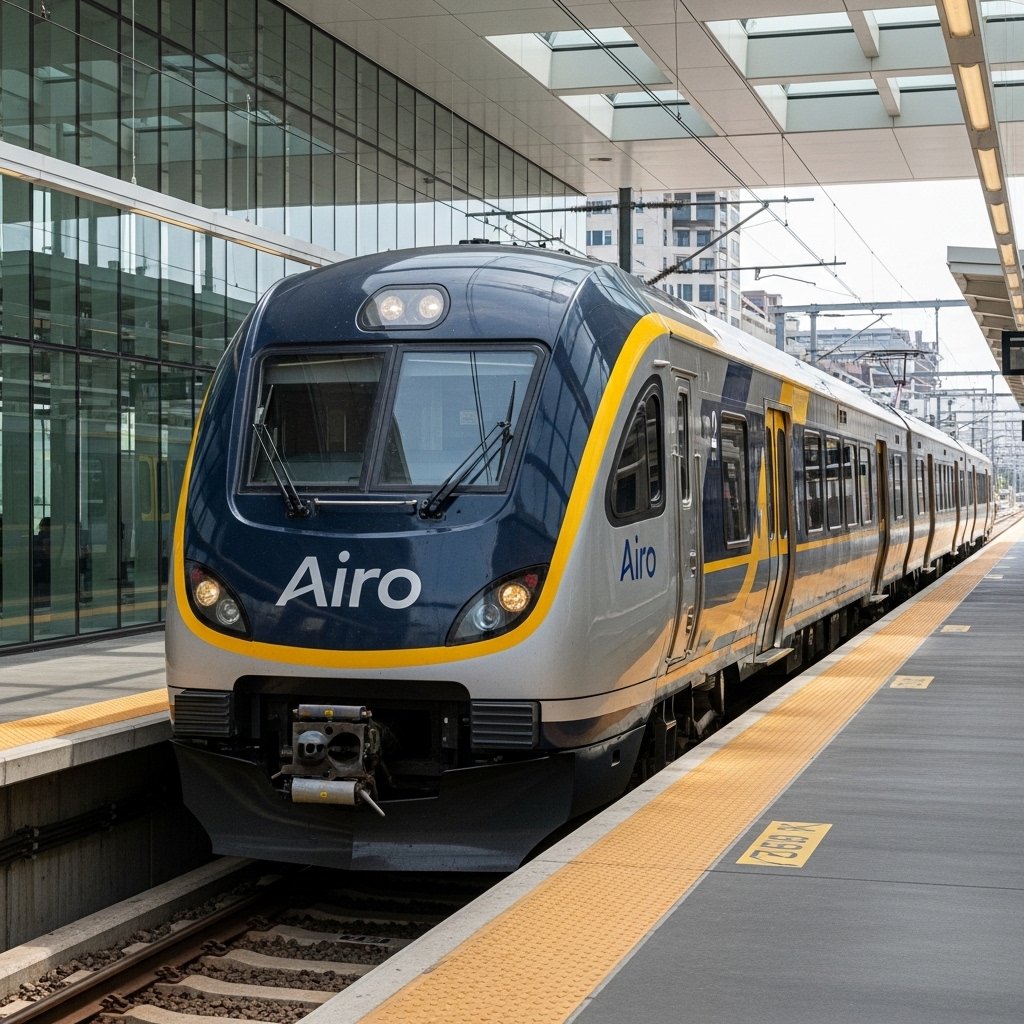
Coming in 2026, the next batch of Airo trains brings sharper views through wide windows, smoother rides, along with updated seating inside. These machines will roll out on varied paths – linking cities across the Northeast, parts of the Midwest, then stretching westward into the Pacific region. Performance jumps quietly forward without fanfare. Comfort climbs on tracks that matter from coast to coast.
The Airo trainsets represent Amtrak’s biggest equipment upgrade in a generation. Designed for flexibility, they can operate on both electrified and non-electrified routes, which means they can serve corridors that previous modern trains could not reach.
Passengers will notice the difference immediately: panoramic windows, more legroom, improved Wi-Fi, accessible restrooms and seating, and quieter rides. These are trains designed around the passenger experience, not just the timetable.
The rollout starts on key Northeast and Midwest routes before expanding westward. Each new deployment replaces aging equipment, improving reliability as well as comfort. Fewer breakdowns, fewer delays, better journeys.
The Airo is a statement of intent: American rail travel is being rebuilt from the inside out, one trainset at a time. Riders on the first routes will feel like they stepped into the future.
Northeast Corridor’s Modernized Services
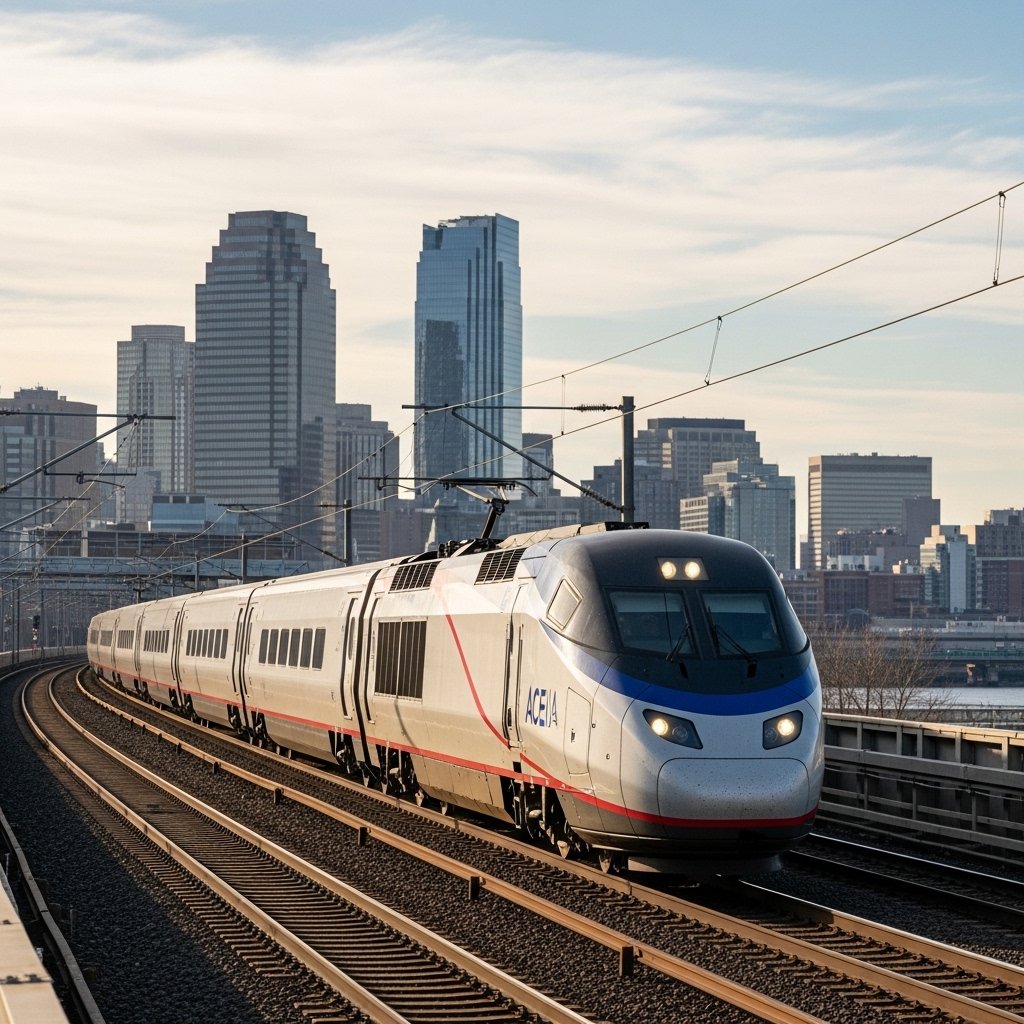
Along the busy train route linking Boston to Washington, changes linked to updated trains plus adjustments in underlying systems will boost consistency and comfort even as upgrades continue.
The Northeast Corridor is the beating heart of American rail, carrying millions of passengers a year between Boston, New York, Philadelphia, and Washington. It is also the corridor where investment is most visible.
New Acela trainsets, station modernizations, and track improvements are converging in 2026. The result should be faster trips, more frequent departures, and a more reliable experience on the country’s most important rail line.
The corridor’s success matters beyond the Northeast. It is the proof of concept for American high-speed rail, demonstrating that when trains are fast, frequent, and comfortable, Americans choose them enthusiastically.
Watch this corridor closely. Its progress in 2026 will shape the national conversation about rail for years to come.
West Lake Corridor Commuter Rail Opening in Indiana
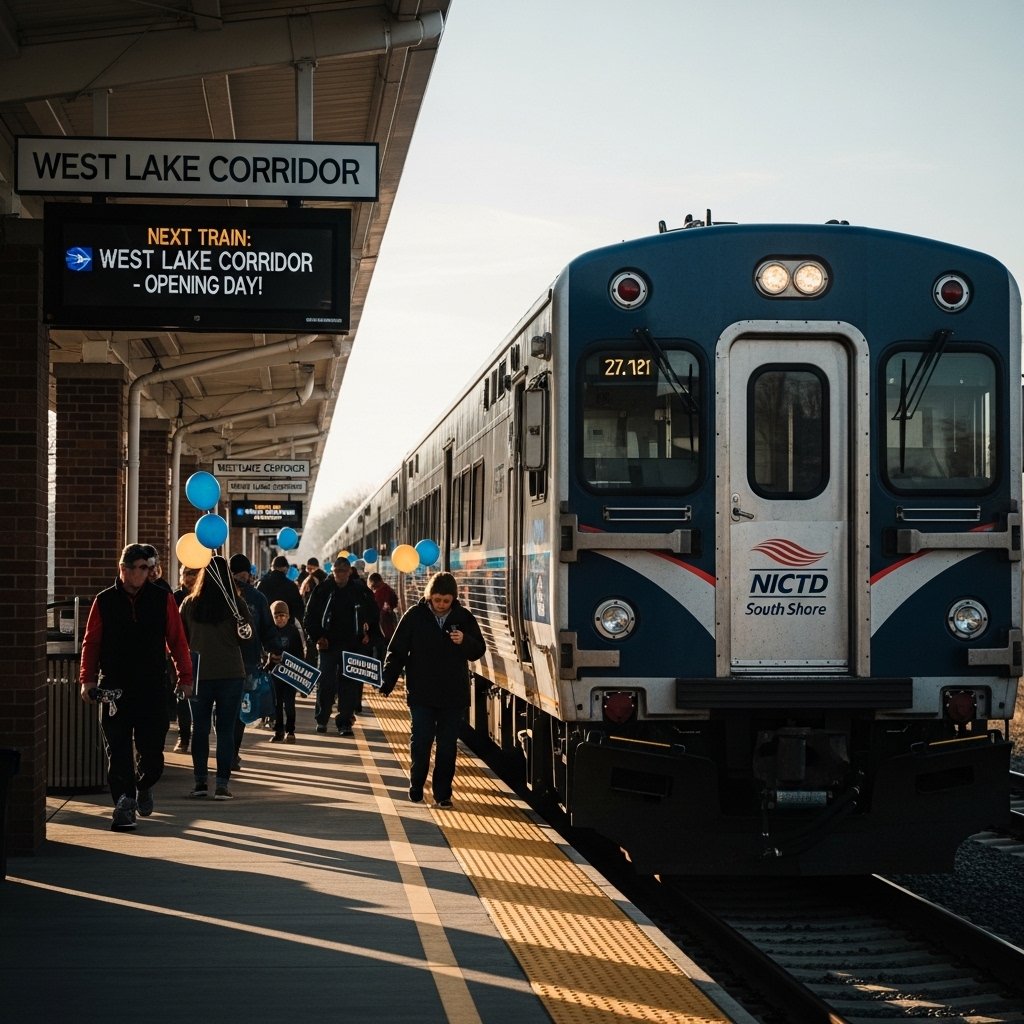
A fresh rail link along the West Lake Corridor now ties communities in Lake County to Chicago’s central tracks, arriving early in 2026. This shift opens more ways to commute while smoothing daily journeys through a highly crowded urban region.
New commuter rail lines are rare in America, which makes the West Lake Corridor notable. The project extends South Shore Line service into growing Indiana communities, giving residents a direct rail connection to downtown Chicago.
For commuters, the impact is immediate: an alternative to congested highways, predictable travel times, and the ability to work or relax during the journey. For the region, it means economic development around new stations.
The project also demonstrates how commuter rail can still grow in America. With the right planning and investment, new lines can open, new riders can be served, and car dependence can be reduced.
Indiana commuters have waited years for this connection. In 2026, the wait ends.
Metro-North’s First Direct Capital Service
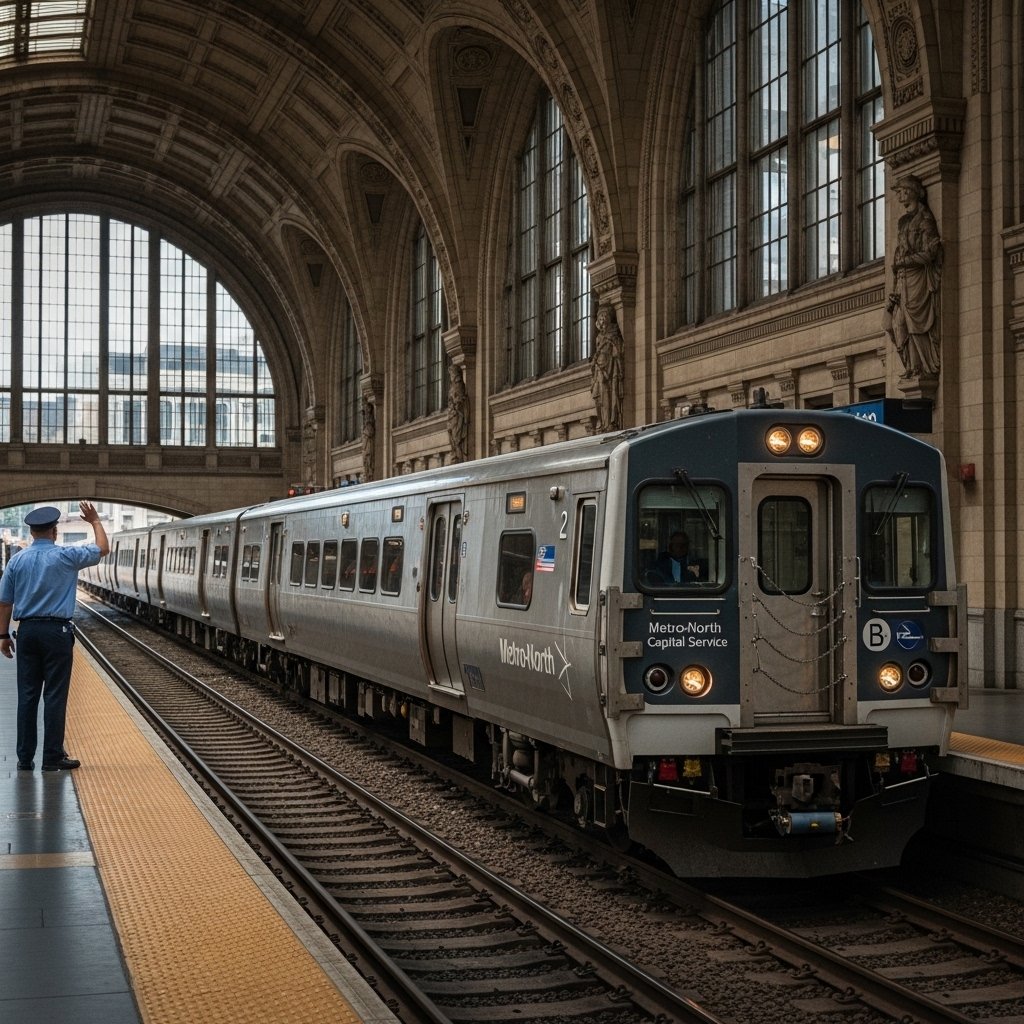
A fresh route opens when Metro-North introduces daily service straight from Grand Central in New York to Albany-Rensselaer, reviving a route once familiar. This move brings change without fanfare, giving travelers another path to reach the state’s capital.
Direct service between New York City and Albany fills a long-standing gap. Previously, travelers pieced together connections or drove. A one-seat ride transforms the journey from a chore into a pleasure.
The route serves multiple markets: state workers traveling to the capital, tourists heading to the Hudson Valley, and New Yorkers seeking weekend escapes upstate. Each group benefits from the simplicity of staying on one train.
The Hudson Valley scenery is a bonus. The run along the Hudson River is one of the most beautiful stretches of track in the eastern United States, and it is now easier to enjoy than ever.
Sometimes the best new routes are the ones that simply connect two places that should have been connected all along.
Boosting Amtrak Schedules Along Midwest Corridors
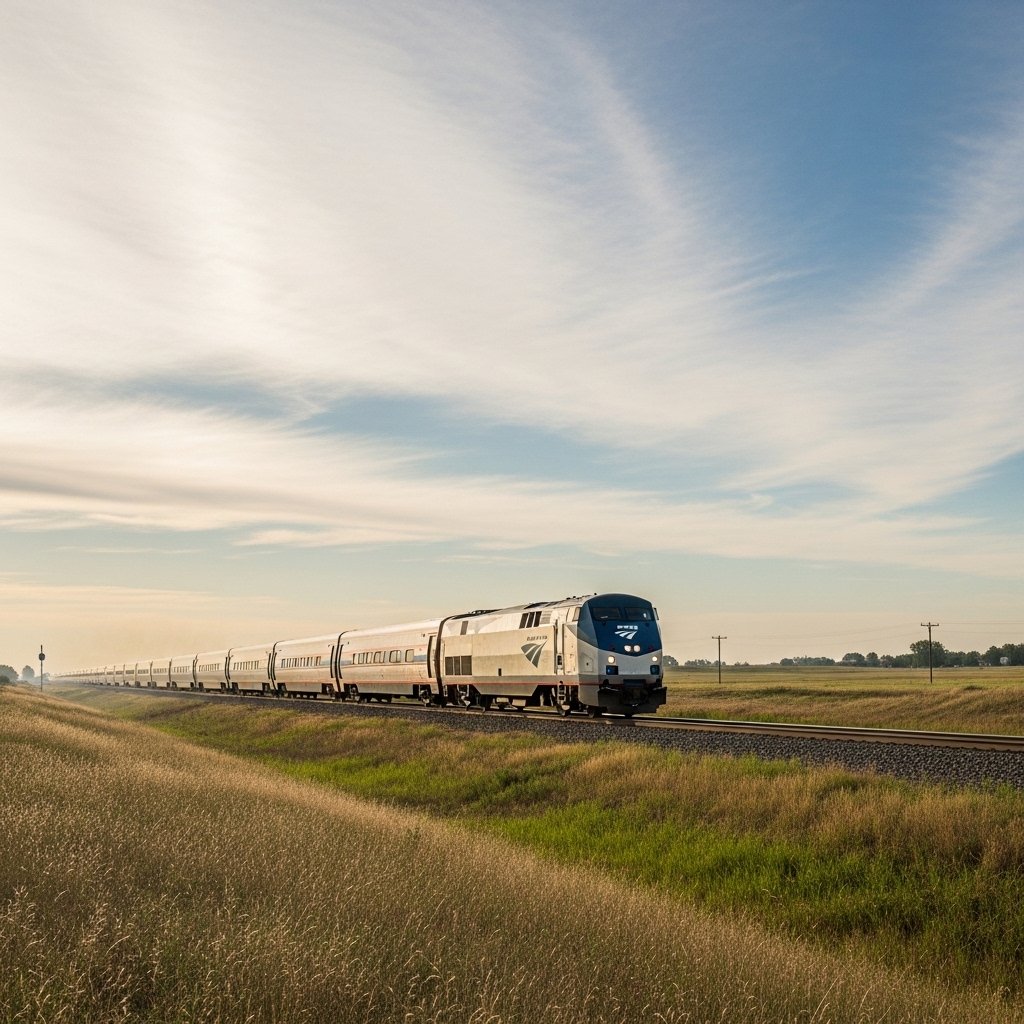
Out past standard routes in the Midwest, new lines stretching from regions like the Borealis effort – deeper into Minnesota and further – are pushing more trips per week and bigger crowds by 2026.
The Midwest is quietly becoming one of the most dynamic regions for passenger rail. The Borealis service between St. Paul and Chicago has exceeded expectations, proving that demand exists when service is convenient and reliable.
Building on that success, 2026 brings more frequencies and expanded schedules across Midwest corridors. More daily departures mean the train works for more trip purposes: business day trips, weekend getaways, and everything in between.
The Midwest model is instructive. Modest investments in frequency and reliability, on existing tracks, can produce outsized ridership gains. It is a template other regions are watching closely.
For a region defined by driving, the train’s quiet comeback is one of the most interesting transportation stories in America.
Temporary World Cup-Driven Service Boosts
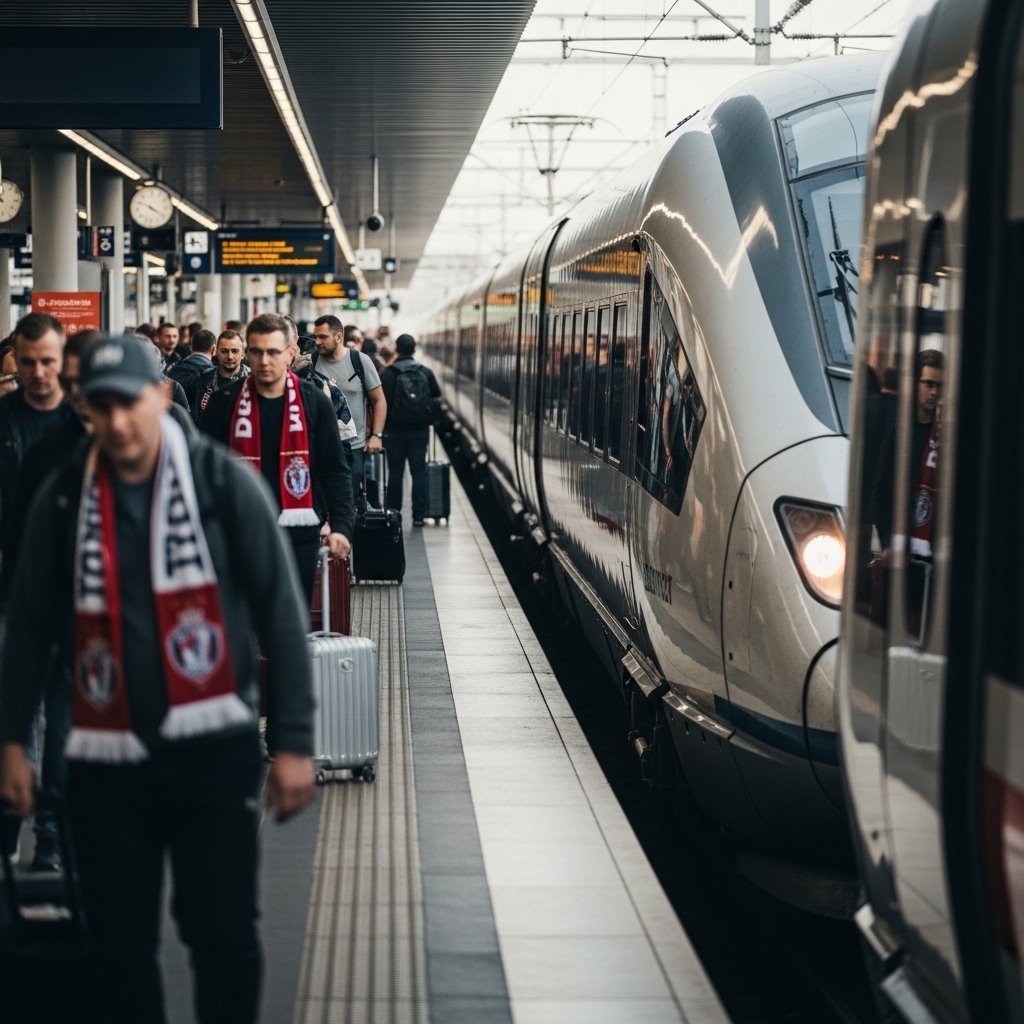
With the 2026 FIFA World Cup approaching, more regular train schedules may appear on routes now offering just a few trips daily – think extra departures along the Missouri River Runner linking St. Louis and Kansas City. Such spikes in interest often push changes faster than usual, showing how big moments nudge operators to do better.
Major events have a way of accelerating infrastructure. The 2026 World Cup, hosted across North America, is expected to draw millions of visitors, and trains will be essential for moving them between host cities.
Operators are adding extra departures, extending service hours, and increasing capacity on routes serving World Cup venues. The Missouri River Runner between St. Louis and Kansas City is one example, but similar boosts are planned wherever matches will be played.
The interesting question is what remains after the tournament. Temporary boosts sometimes become permanent when riders discover the service and demand stays high. The World Cup could leave a lasting legacy for American rail.
Even if some additions are temporary, they will introduce millions of visitors to American train travel. First impressions matter, and 2026 is a chance to make a good one.
All Aboard for 2026
From the Pacific Northwest to the Northeast Corridor, from new commuter lines to World Cup specials, 2026 is shaping up to be a breakthrough year for American trains. New equipment, expanded frequencies, and new routes are converging to make rail travel better than it has been in decades.
The best way to support this momentum is simple: ride the trains. Every ticket purchased is a vote for more service, better equipment, and continued investment. The future of American rail is being written right now, one journey at a time.
Whether you are planning a cross-country adventure or a daily commute, there has never been a better time to give the train a try. The upgrades are real, the routes are growing, and the experience keeps getting better.
All aboard.