
 Sarah Grey
My days used to run on autopilot in the worst way: snoozing the alarm five times, scrolling my phone before my eyes were fully open, mainlining coffee on an empty stomach, eating lunch over my keyboard, and falling asleep to the glow of a screen. I was busy all day and somehow accomplishing nothing that mattered. So I ran an experiment: for thirty days, I changed eleven small things about my daily routine. No dramatic life overhaul, no 5 a.m. boot camp. Just small, deliberate shifts. The results completely surprised me, and several of the changes stuck permanently.
Waking Up Twenty Minutes Earlier

The first change was the smallest: setting my alarm twenty minutes earlier. Not an hour, not some heroic 5 a.m. wake-up, just twenty minutes. The idea was to buy myself a buffer between waking and the day’s demands, a little pocket of time that belonged to me before emails, news, and obligations rushed in. Those twenty minutes became the foundation for almost every other change on this list.
What surprised me was how little I missed the sleep. Twenty minutes is one snooze cycle, and trading it for a calm, unhurried start paid back enormously in reduced morning stress. I stopped starting every day in a rush, which meant I stopped carrying that frantic energy into everything else. If you want to change your routine, start here: a tiny bit earlier, used intentionally, changes the texture of the whole day.
Forgetting The Morning Scroll

For the thirty days, my phone stayed on the nightstand for the first hour after waking. No news, no social media, no email. This was the hardest change by far. The pull to check was almost physical for the first week, which told me everything I needed to know about the habit I had built. Starting the day with other people’s emergencies, opinions, and highlight reels was setting my brain’s agenda before I had set my own.
By week two, the craving faded, and something remarkable happened: my mornings felt longer and calmer. Without the dopamine hits of the feed, my attention settled. I noticed things: the actual weather, my actual thoughts, what I actually wanted from the day. Researchers who study attention have found that starting the day with reactive tasks like email puts the brain in a responsive mode that is hard to escape. Protecting the first hour protects your focus for the hours that follow.
Starting The Day With Natural Light

Every morning, I stepped outside for a few minutes of natural light, even on cloudy days. This was not wellness fluff. Morning sunlight is the primary signal that sets your circadian rhythm, the internal clock governing sleep, energy, and hormones. Light hitting your eyes in the morning triggers a healthy cortisol awakening response and sets the timer for melatonin release about fourteen hours later, which is what makes you sleepy at night.
The effect on my sleep was the most dramatic result of the entire experiment. Within ten days, I was falling asleep faster and waking more easily, without changing my bedtime. Outdoor light is far brighter than indoor lighting, even on overcast days, which is why stepping outside matters more than sitting by a window. Two to ten minutes is enough. It is the simplest, most science-backed morning habit in existence, and it is free.
Hydration Before Caffeine

I replaced my immediate morning coffee with a large glass of water first. The logic is simple: you wake up mildly dehydrated after seven to eight hours without fluids, and your body needs water before it needs stimulation. Drinking coffee into dehydration is like pressing the gas pedal with the parking brake on. Water first, coffee after, about thirty minutes later.
I expected to feel deprived. Instead, I felt better. The water woke me up more gently than the coffee jolt, and when the coffee came, it worked better on a hydrated system. I also found I needed less of it. This tiny reordering of two habits cost nothing and changed my mornings noticeably. Your body spent the night doing maintenance without water. Replenish it before you demand performance from it.
No More Desktop Dining

For thirty days, I ate lunch away from my computer. No scrolling, no emails, no half-working through the meal. Just food, eaten at a table, with my full attention. This sounds trivial until you try it and realize how rarely you have eaten a meal with full attention as an adult. The first few lunches felt strangely long, which revealed how little time I had actually been giving the midday break.
Eating without screens improves digestion, because the body digests better when it is not in work-stress mode, and it improves satisfaction, because you actually taste the food. I also found that the mental break made my afternoons more productive, not less. Stepping away resets attention in a way that powering through never does. The work was still there after lunch. I was just better at doing it.
Finding Joy in Paper

Each morning, I wrote my top three priorities on a paper notepad. Not an app, not a digital task manager, paper. Handwriting engages the brain differently than typing: it slows you down just enough to think, and the physical act of writing helps commit plans to memory. There is also something satisfying about crossing items off with a pen that tapping a checkbox cannot match.
Limiting the list to three items was the real trick. It forced me to decide what actually mattered instead of maintaining an endless list that guaranteed failure. On days I completed all three, I felt accomplished by noon. On hard days, the short list kept me from spiraling. Paper planning is not nostalgia. It is a focus tool that works because of its limitations, not despite them.
Evening Tech Boundaries
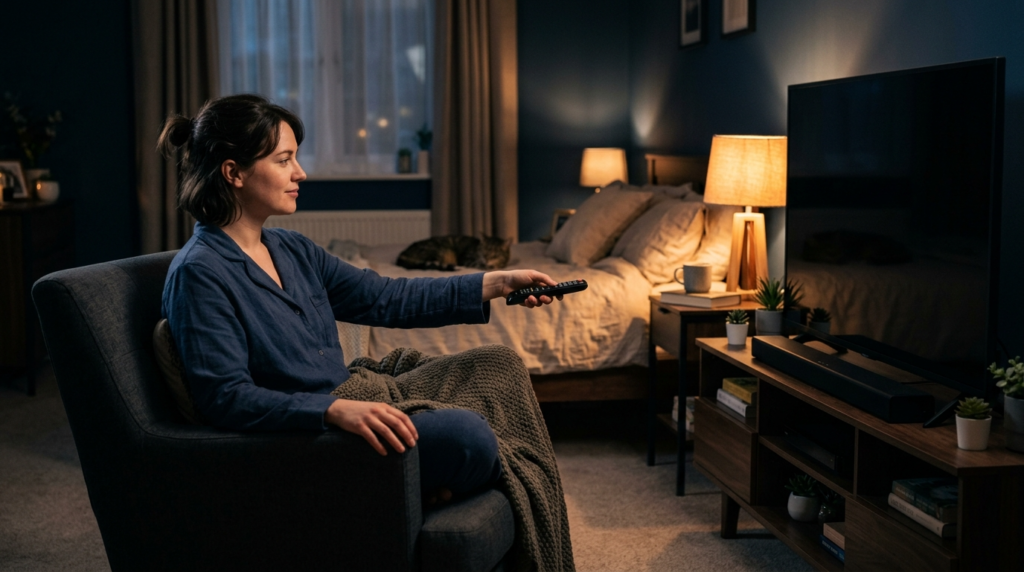
Screens went off an hour before bed. This was the evening mirror of the morning phone rule, and it was equally transformative. Blue light from screens suppresses melatonin production, the hormone that signals sleepiness, which is why scrolling in bed pushes sleep later and makes it shallower. Beyond the light, the content itself keeps the brain activated: arguments, news, and infinite novelty are the opposite of winding down.
I replaced the hour with reading, stretching, or simply talking to the people I live with. My sleep quality improved within days, which compounded with the morning light habit into the best sleep I had gotten in years. The phone now charges outside the bedroom permanently. That one boundary did more for my evenings than any productivity system ever did for my days.
The Cooling Bedroom Secret

I turned the bedroom temperature down a few degrees. Sleep researchers consistently find that a cool room, around sixty-five to sixty-eight degrees Fahrenheit, promotes better sleep, because the body’s core temperature needs to drop to initiate and maintain deep sleep. A warm room fights that process all night. I had been sleeping in a room that was comfortable for hanging out but too warm for sleeping.
The difference was immediate: I fell asleep faster and woke up fewer times. Combined with the dark room and the no-screens rule, my bedroom finally became what it should have been all along, a dedicated sleep environment. If you change one thing about your sleep setup, change the temperature. It is the highest-impact, lowest-effort sleep upgrade there is.
The Sound Of Silence

Every day, I spent ten minutes in complete silence. No music, no podcasts, no background noise. Just sitting, letting my thoughts settle. This was the strangest change and, unexpectedly, one of the most valuable. Modern life fills every gap with audio input, and I had forgotten what my own mind sounded like without a soundtrack. The first sessions were uncomfortable, full of mental chatter. Then the chatter quieted.
Silence is where the brain processes, consolidates, and creates. Researchers have found that periods of quiet can be more restorative than many relaxation techniques, partly because constant input keeps the nervous system activated. My ten silent minutes became the most creative part of my day; ideas I had been chasing for weeks surfaced on their own. You do not need to meditate formally. You just need to stop filling every silence and let your mind do what it does naturally.
Consistency Over Perfection
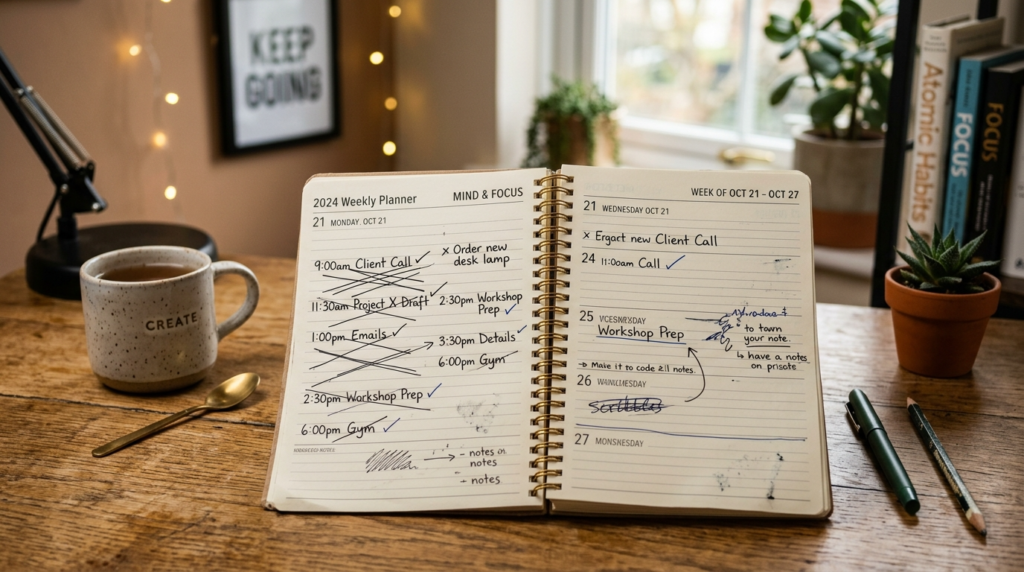
The meta-lesson of the thirty days: consistency beats perfection. I did not do every habit every day. Some days the phone came to breakfast. Some nights the TV stayed on. The old me would have declared the experiment ruined and quit. Instead, I followed the rule that matters: never miss twice. One bad day is an anomaly. Two is the start of a new pattern.
Habit research backs this up. A well-known study on habit formation found that missing a single day does not meaningfully affect long-term habit formation; what matters is the overall pattern of repetition. Perfectionism is the enemy of consistency because it turns every slip into a reason to quit. The goal was never a perfect thirty days. It was thirty days of mostly showing up, and that was enough to rewire the routine.
The Final Monthly Reflection

After thirty days, I sat down and reviewed what had actually changed. The results: my sleep was dramatically better, my mornings were calmer, my afternoons were more focused, and my general anxiety was lower. None of the changes were dramatic on their own. Together, they compounded like interest, each small habit amplifying the others. Better sleep made the early alarm easier. The early alarm made the morning light possible. The morning light improved the sleep. The system fed itself.
Six months later, most of the habits stuck: the morning light, the water before coffee, the phone boundaries, the cool bedroom, the paper planning. A few faded, and that is fine. The experiment taught me that routines are not about discipline or willpower. They are about design. Set up your environment and your defaults so the good choice is the easy choice, forgive the imperfect days, and let the small changes compound. Thirty days from now, you could be surprised too.