 Sarah Grey
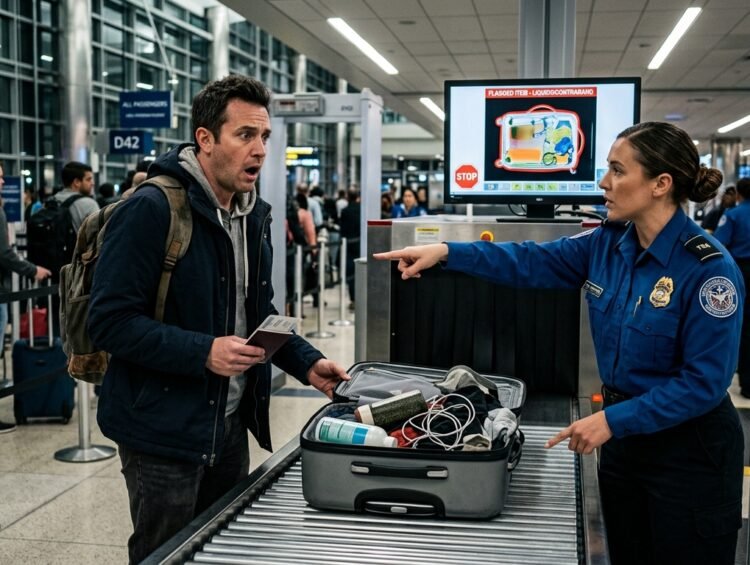
Remember that moment in the security line when you do a frantic mental inventory: is my bag too big, are my liquids right, will they make me check it at the gate? The rules around what you can carry onto a plane are shifting, and this summer’s travel season brings a wave of changes that will catch unprepared travelers off guard. From stricter size enforcement to new identity verification, from advanced scanners to evolving liquid rules, the carry-on landscape is transforming. Here is everything changing, what it means for your bag, and how to breeze through while everyone else is repacking at the checkpoint.
The End Of The Honor System
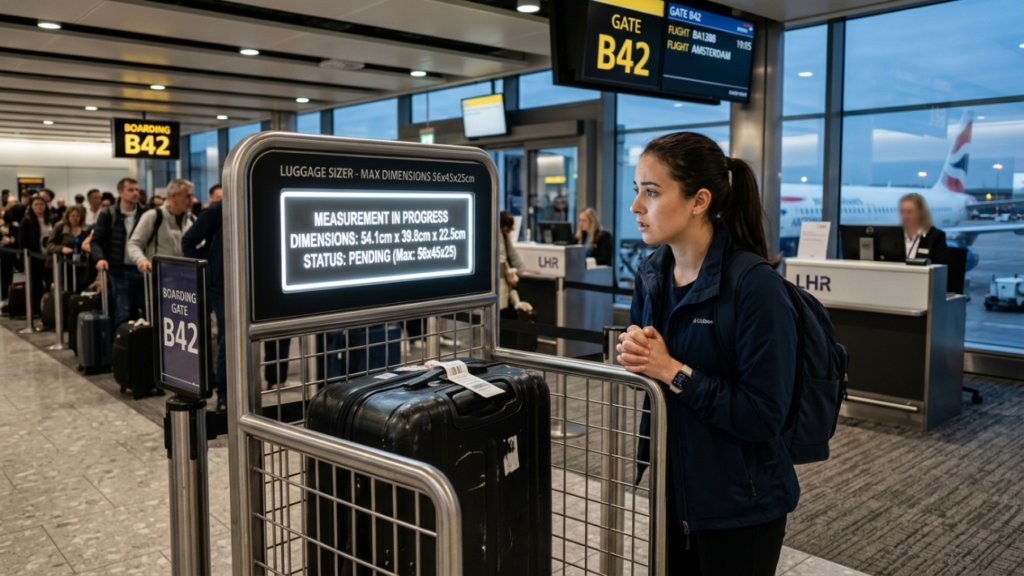
For years, carry-on size limits operated on the honor system. The official limit on most US airlines is around twenty-two by fourteen by nine inches, but enforcement was inconsistent, and travelers learned that slightly oversized bags usually slipped through. Those days are ending. Airlines are installing automated bag sizers at gates, training staff to flag oversized bags earlier, and charging gate-check fees that can exceed one hundred dollars on some carriers. The era of sneaking the big bag aboard is closing.
The reason is simple math: overhead bins have finite space, and as checked bag fees push more travelers toward carry-ons, the bins cannot hold everyone’s oversized luggage. When too many big bags board, boarding slows, departures delay, and the airline pays the price. Stricter enforcement is the inevitable response. Measure your bag at home, including wheels and handles, and if it exceeds the limit, check it willingly rather than paying the gate penalty.
The Wheels And Handles Rule
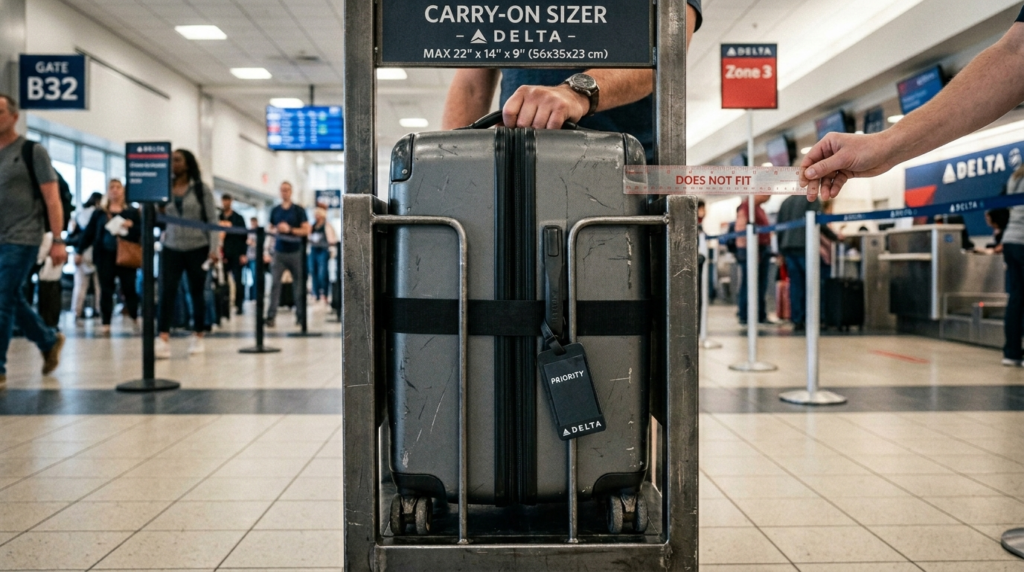
Here is the detail that trips up the most travelers: airline size limits include wheels and handles. That bag marketed as twenty-two inches might measure twenty-four with the wheels, which means it does not fit the sizer and does not fit the bin properly. Manufacturers measure the body of the bag; airlines measure the whole thing. This two-inch gap is responsible for a huge share of gate-check surprises.
When shopping for a carry-on, look for bags specifically marketed as meeting airline limits including wheels, and verify with a tape measure before you fly. The standard twenty-two by fourteen by nine inches is the most common US limit, but it varies: some airlines allow slightly more, regional jets allow far less. A bag that fits on a Boeing 737 might not fit on the regional jet operating your connecting flight. Know both limits before you pack.
A New Identity Verification Fee
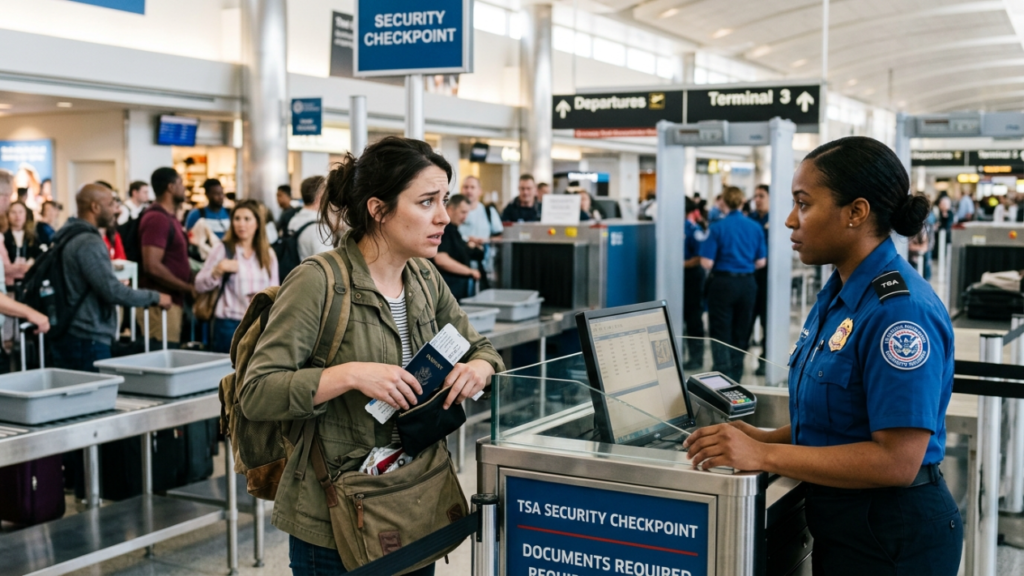
REAL ID enforcement began on May 7, 2025, and the grace period is over. Travelers eighteen and older must now present a REAL ID-compliant license, marked with a star, or an alternative acceptable ID such as a passport to clear the TSA checkpoint. Standard non-compliant licenses no longer work. Travelers who arrive without acceptable identification face additional screening, significant delays, and possible denied boarding.
The TSA has discussed potential fees for travelers who require alternative identity verification, which would add a financial sting to the inconvenience. Whether or not a formal fee materializes, the message is clear: the identity check is getting stricter, not looser. Upgrade to a REAL ID now if you have not already. The DMV visit takes an afternoon; the consequences of skipping it can ruin a trip.
Touchless ID Expansion Plans
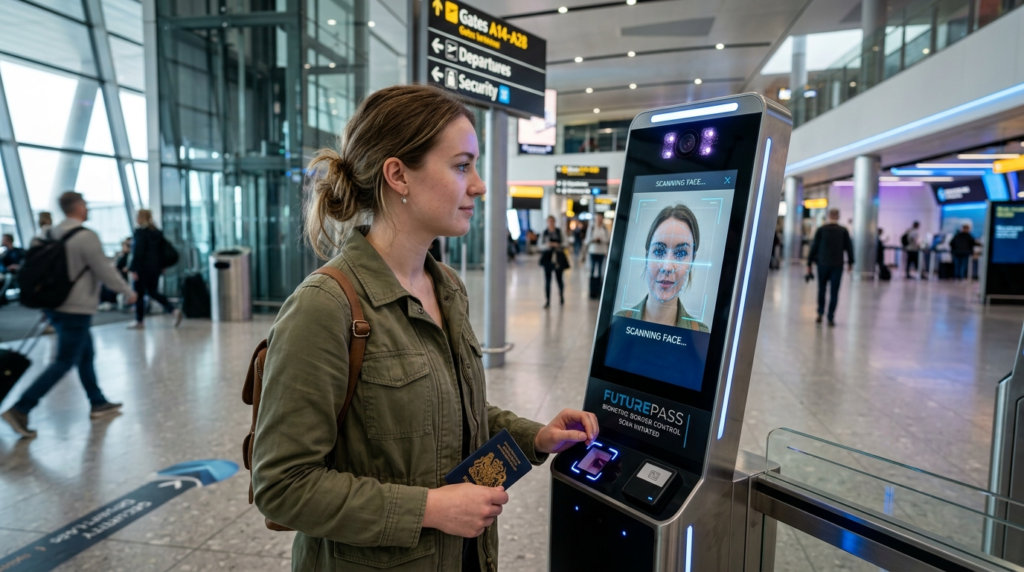
The TSA continues expanding its facial recognition identity verification to more airports nationwide. The CAT-2 machines with cameras scan your ID and match your face to the photo in seconds, creating a touchless identity check that is significantly faster than manual inspection. Dozens of airports now have the technology, with more added regularly.
Participation is optional, and travelers can decline the photo and use standard verification instead. But for those comfortable with it, the process shaves meaningful time off the checkpoint experience. The expansion signals the TSA’s direction: identity verification is becoming automated, biometric, and fast. Keep an eye out for the camera-equipped lanes at your airport and decide in advance whether you will opt in or out, so you are not making the choice under pressure.
Advanced CT Scanner Technology
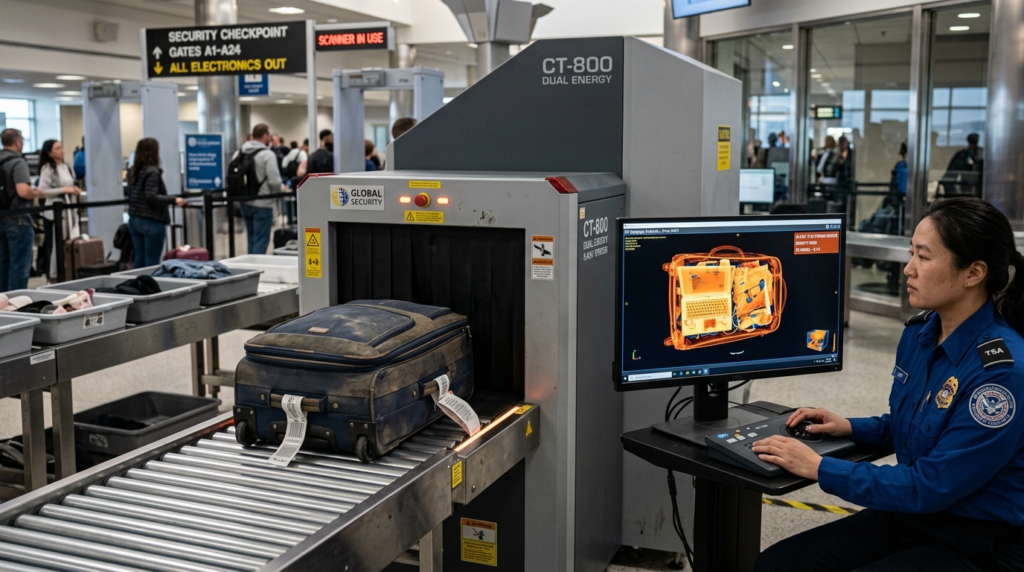
Computed tomography scanners are replacing traditional X-ray machines at checkpoints across the country. These devices create rotatable 3D images of bag contents, giving officers a far clearer view than flat X-rays. The practical benefit for travelers is enormous: at CT-equipped lanes, laptops can stay in bags, liquids can stay packed, and the whole unpacking ritual disappears.
The catch is inconsistency. Not every lane at every airport has the new scanners, so the rules change from lane to lane. Always read the signs and follow the officers’ instructions for your specific lane rather than assuming. But the trajectory is clear: within a few years, the CT scanner will be standard, and the checkpoint will be faster and less stressful for everyone. Pack neatly in the meantime; organized bags scan cleaner on any machine.
Liquid Limits Remain Steady
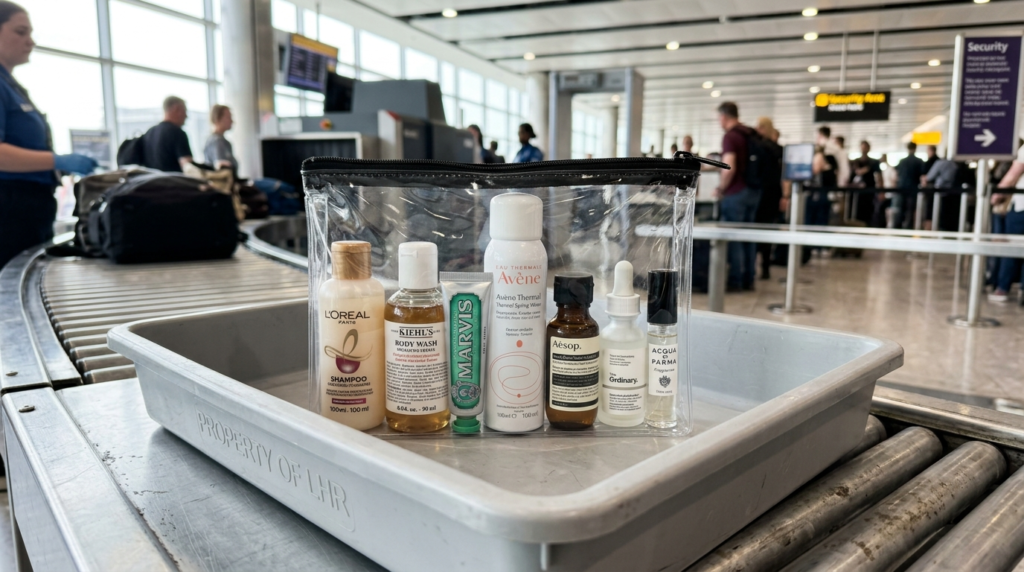
Despite the new scanner technology, the 3-1-1 liquids rule remains in effect in the United States: containers of 3.4 ounces or less, in a single quart-sized clear bag, one per passenger. The rule has been in place since 2006, and while CT scanners can analyze liquids inside bags, the underlying restriction has not been lifted domestically. Some countries are experimenting with relaxing it at equipped airports, but the US has not followed yet.
What has changed is the handling: at CT-equipped lanes, the liquids bag can stay in your carry-on during screening. Keep packing it the same way, because non-equipped lanes still require it out, and international destinations enforce their own versions. The day the 3-1-1 rule itself falls will be a glorious one for travelers, but until it is formally announced, the quart bag stays.
The Regional Jet Reality
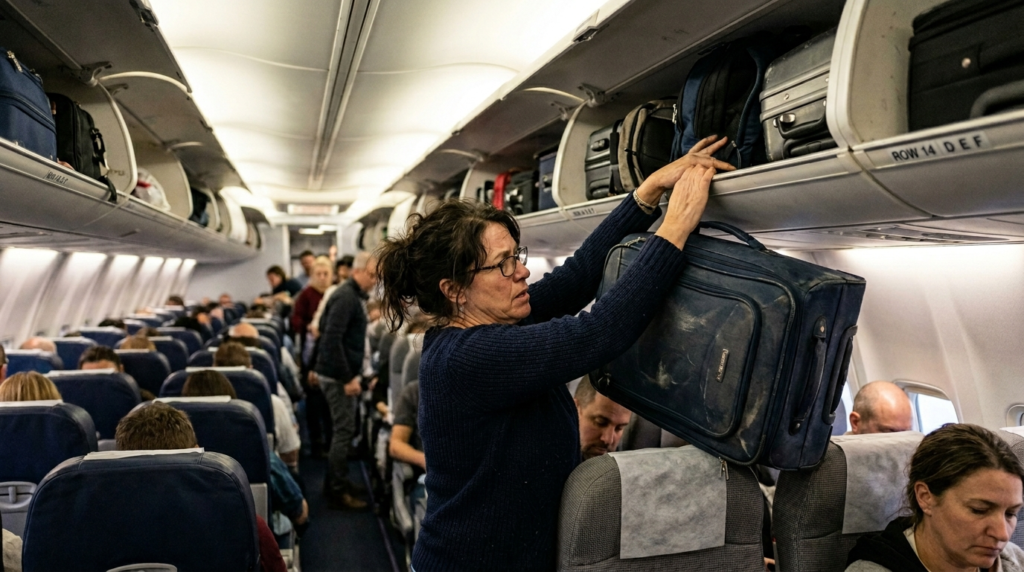
Regional jets, the smaller aircraft operating many short and connecting routes, have dramatically less overhead bin space than mainline jets. A standard carry-on that fits perfectly on a Boeing or Airbus often cannot fit on a fifty-seat regional jet. Airlines handle this with valet gate checking: bags are tagged at the gate, stowed in the hold, and returned planeside on arrival, usually free of charge.
The key is knowing when you are on a regional jet before you pack. Check your aircraft type when booking; if the flight is operated by a regional carrier on a small jet, pack accordingly or prepare for the gate check. Keep valuables, medications, and essentials in your personal item, because the gate-checked bag goes in the hold. The valet process is smooth and free, but only if you are expecting it.
Weight Limits On The Horizon
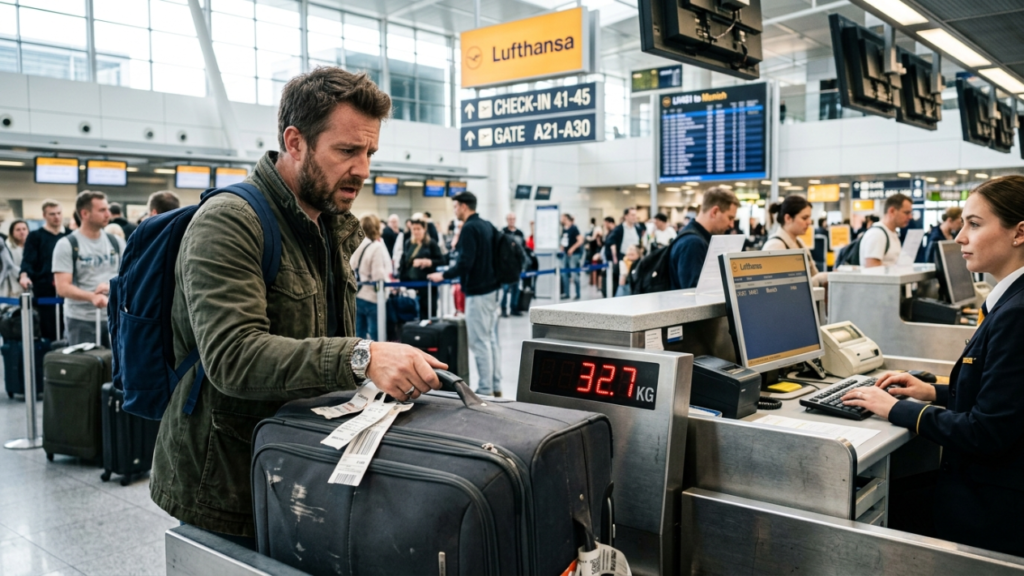
US airlines have traditionally been lenient about carry-on weight, focusing on size instead. That is unusual globally: many international carriers enforce strict weight limits, often around fifteen to twenty-two pounds, and weigh bags at check-in. As fuel costs rise and bins fill, industry watchers expect US carriers to pay more attention to weight, whether through formal limits or through fees for heavy bags.
Even without formal enforcement, heavy carry-ons cause real problems: they are harder to lift into bins, more dangerous if they fall, and slower to maneuver through the cabin. Pack with weight in mind, not just size. If your bag is bursting at the seams, it is probably over both limits. A lighter bag is a faster, safer, more pleasant bag for everyone, including you.
Digital ID Acceptance Growth
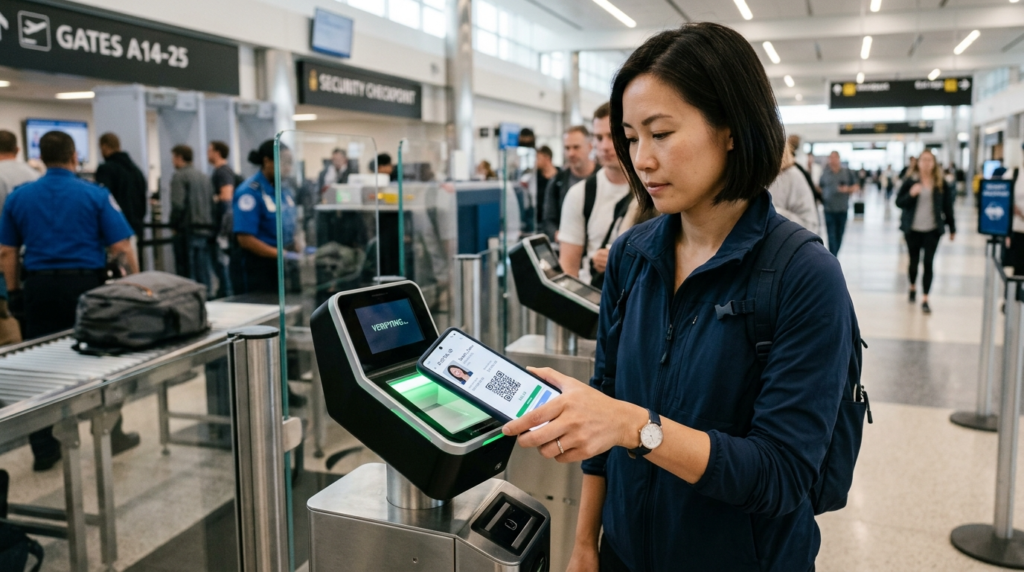
Mobile driver’s licenses are gaining traction, with more states issuing digital IDs that work with TSA readers at participating airports. The process is touchless: tap your phone, authenticate with Face ID, and your identity verifies without handling a physical card. It is faster, more hygienic, and one less thing to lose.
Support varies by state and airport, so verify compatibility before depending on it. Always carry your physical ID as backup. But the trend is unmistakable: identification is moving into the phone, and the checkpoint is adapting. Set up your mobile ID now if your state offers it, and you will be ready as acceptance spreads.
The Gate Check Surprise
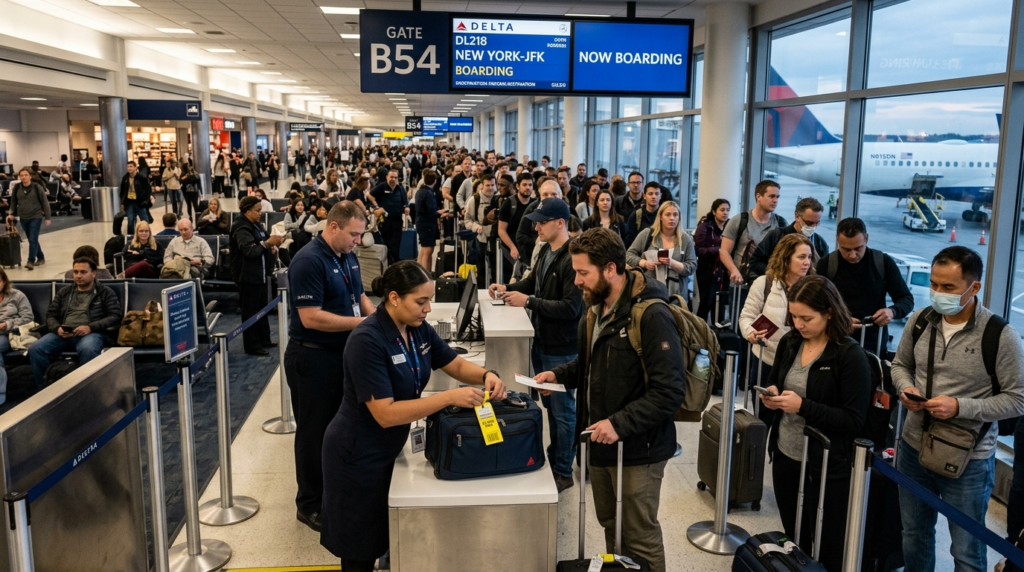
Even a perfectly sized bag can be gate-checked when the bins fill up. On full flights, which are increasingly the norm, late boarders often find no bin space remaining. The bag is tagged at the gate and checked to your final destination, usually free of charge. It is inconvenient but not punitive; the airline is solving a space problem, not punishing you.
Minimize the risk by boarding as early as your fare allows: status, premium seats, and airline credit cards often include priority boarding. Pack your personal item as if your carry-on might be checked, with valuables, medications, and in-flight essentials inside. And if you are gate-checked, confirm whether you will reclaim the bag planeside or at baggage claim, because it varies by situation.
Expandable Bag Risks
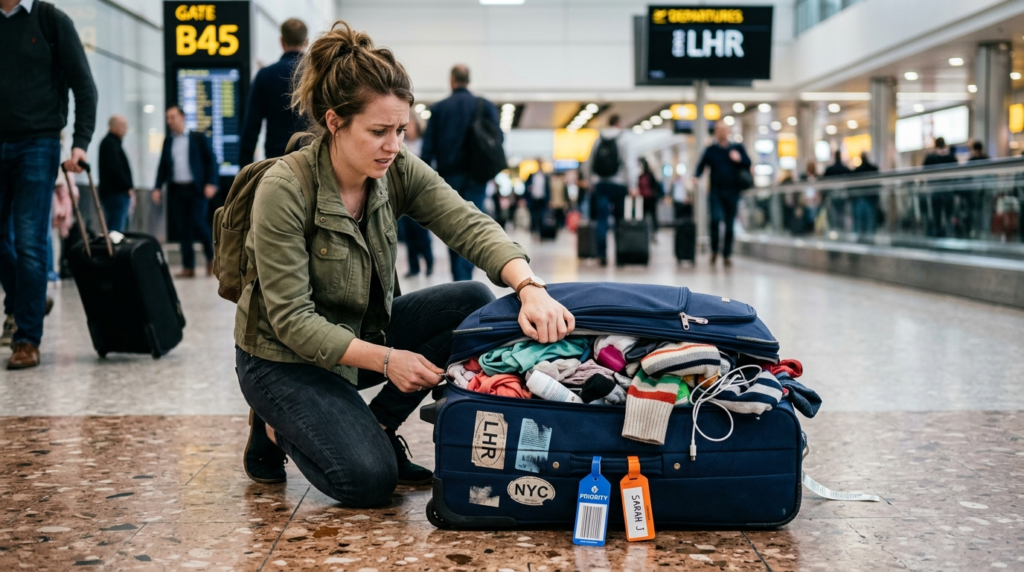
Expandable suitcases are brilliant for the return trip when souvenirs multiply, but the expansion zipper is a trap at the outbound gate. An expanded bag almost certainly exceeds carry-on dimensions, and gate agents are trained to spot the telltale bulge. Travel with the bag unexpanded on the way out, and only expand it if you are checking the bag on the way home.
Better yet, pack a foldable duffel inside your carry-on for the return trip. It weighs nothing, takes no space, and gives you a legitimate extra bag for souvenirs that you can check if needed. The expandable zipper is a useful feature used correctly and an expensive mistake used carelessly. Know which one you are doing.
Medical Liquid Exemptions
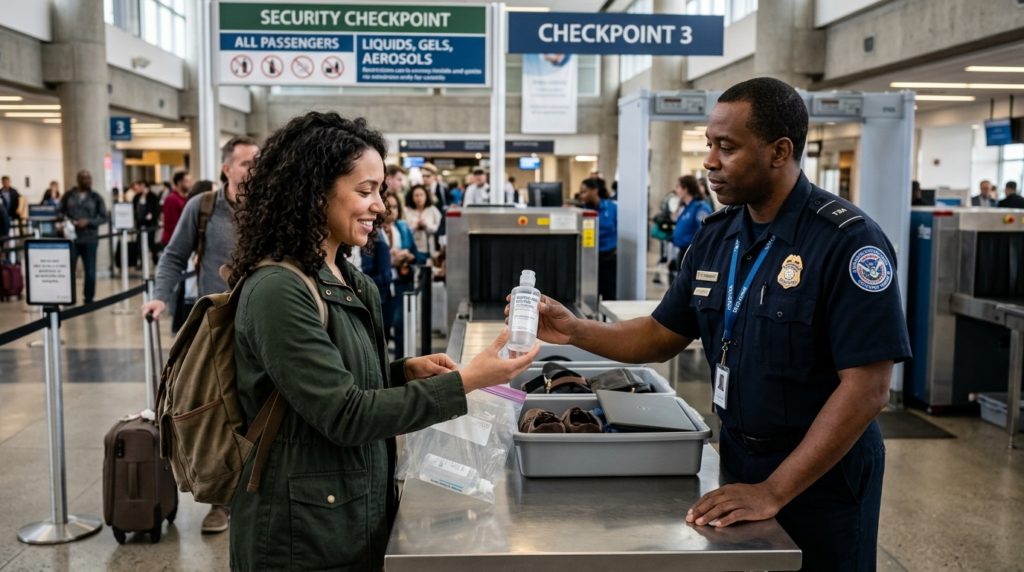
Medically necessary liquids, including medications, are exempt from the 3-1-1 rule in reasonable quantities. This is a lifeline for travelers with health conditions, but it requires proactive communication: declare the items to the TSA officer at the start of screening, keep them separate from your regular liquids bag, and bring documentation if you have it. Officers may test the liquids, which is routine and quick.
Breast milk and baby formula receive similar exemptions, also in reasonable quantities, and do not need to be in the quart bag. Traveling with medical needs involves enough stress without checkpoint surprises, so know your exemptions in advance. The TSA’s website details the medical exceptions clearly. A minute of preparation prevents a difficult conversation at the worst possible moment.
Soft-Sided Versus Hard-Shell
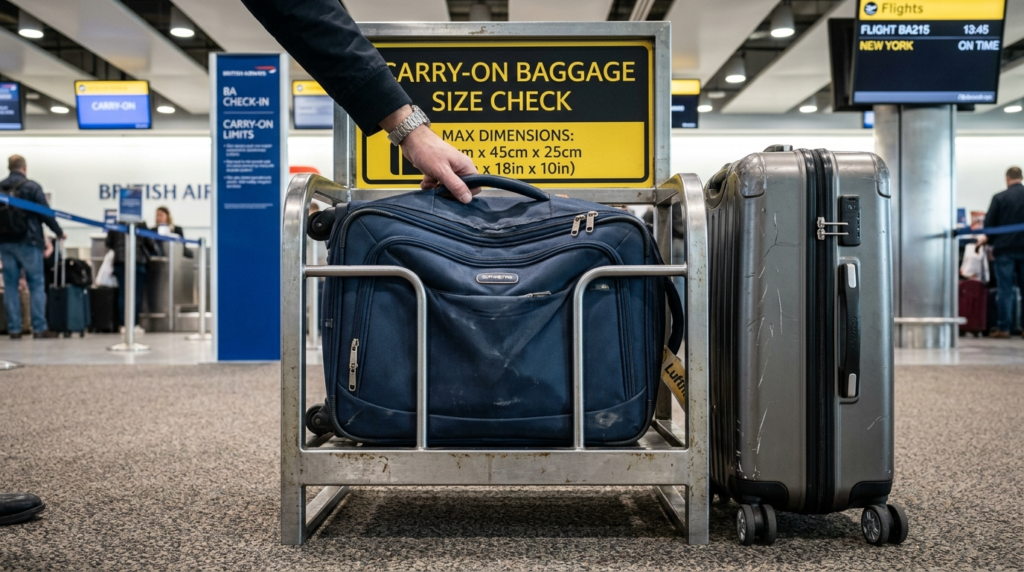
The soft versus hard luggage debate has a clear winner for carry-on purposes: it depends on your priority. Soft-sided bags compress slightly, which helps when squeezing into tight bins or metal sizers, and their outer pockets keep essentials accessible. Hard-shell bags protect fragile contents better and resist rain, but their rigid dimensions are unforgiving if they are even slightly oversized.
For maximum checkpoint compatibility, a soft-sided bag in compliant dimensions is the most forgiving choice. It absorbs the small variations between airlines’ sizers and bins. Hard-shell devotees should be extra careful about total dimensions including wheels. Either way, the bag that fits is the bag that flies. Choose based on honest measurement, not marketing.
The Standard Size Movement
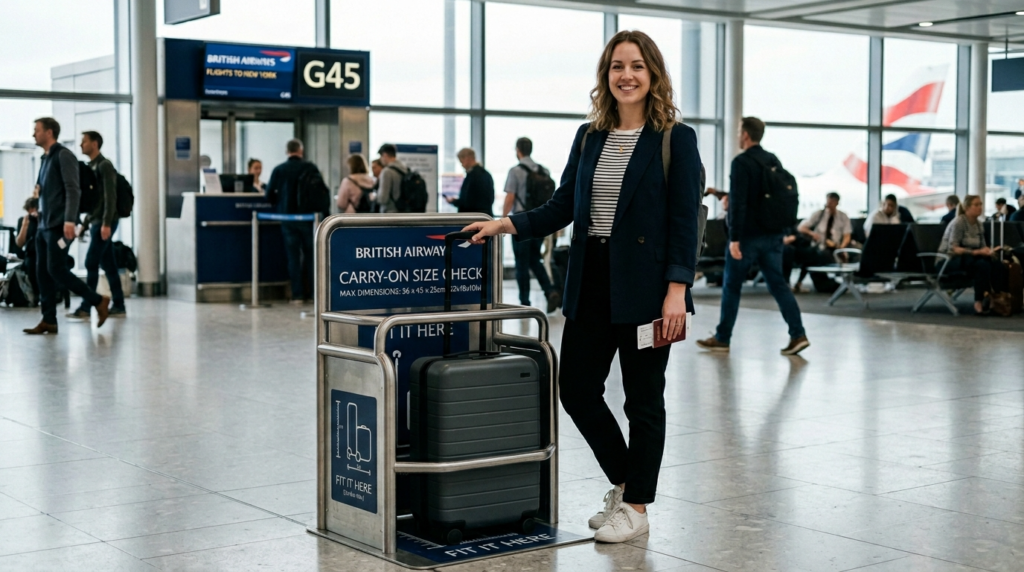
Industry groups have long discussed standardizing carry-on dimensions across airlines, which would end the confusion of slightly different limits at every carrier. While a universal standard has not fully materialized, the major US airlines have converged around similar sizes, and the twenty-two by fourteen by nine inch bag is the closest thing to a universal key. Buying to this standard maximizes your compatibility across carriers.
Until standardization arrives, the traveler’s strategy is simple: own one compliant bag, know its exact dimensions including wheels, and check the specific limits for unusual flights like regional jets or international budget carriers. The carry-on game is getting stricter, but it is also getting clearer. The travelers who thrive are the ones who treat the rules as information, not obstacles. Measure twice, pack once, and enjoy the fast lane.