 Sarah Grey
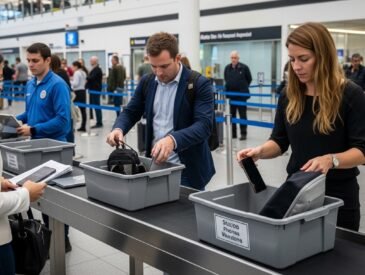
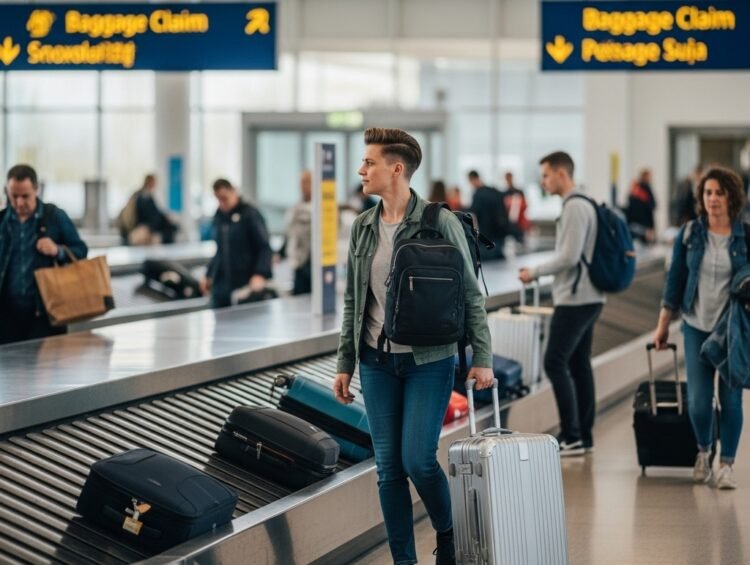
There is a special kind of freedom in skipping the baggage carousel entirely. No waiting, no lost-luggage anxiety, no hauling a giant suitcase over cobblestones. Just you, a carry-on, and the open terminal. But packing a full week into an overhead-sized bag feels impossible until you learn the system.
With airlines tightening carry-on rules and checked-bag fees climbing, carry-on-only travel isn’t just convenient — it’s economical. The secret isn’t bringing less of what you need; it’s being deliberate about every square inch. Here’s exactly what I pack, and the method behind each choice.
The Magic Of Compression Packing Cubes
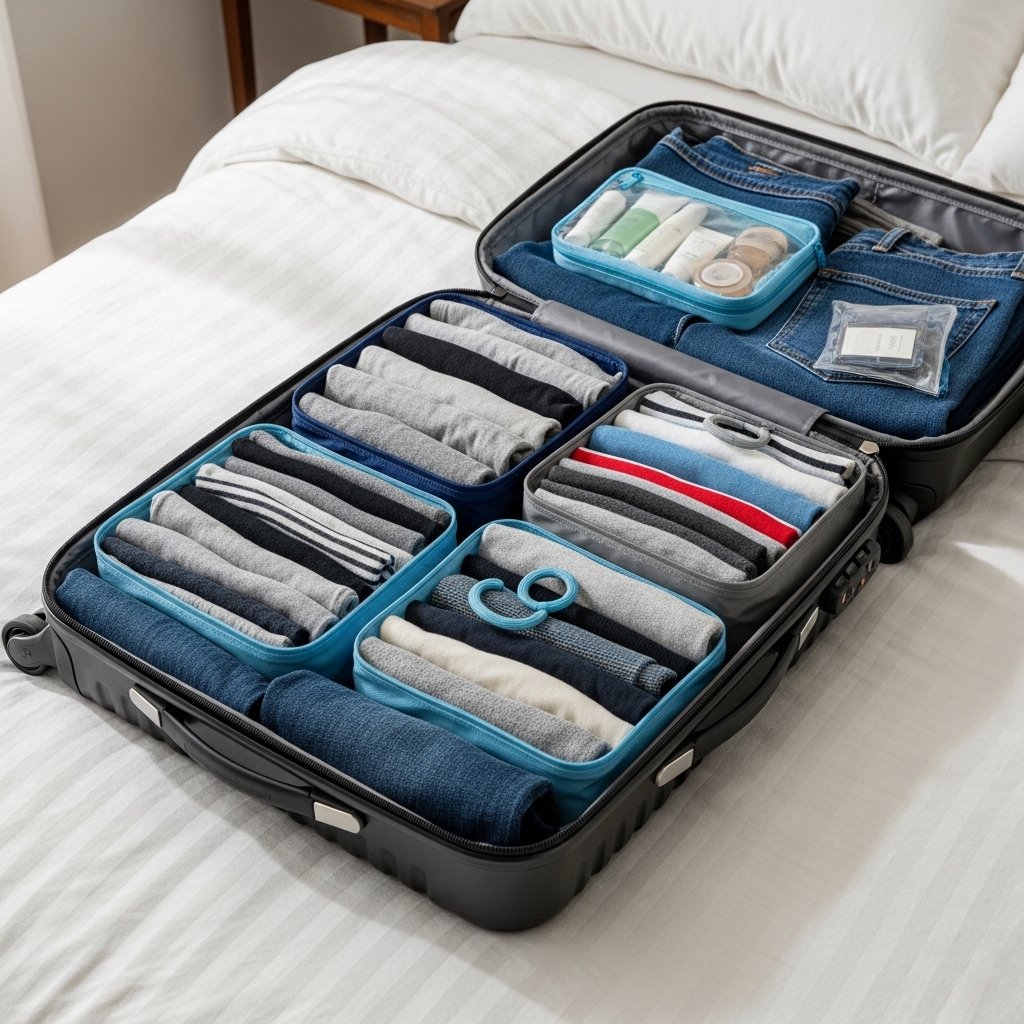
Packing cubes are the single biggest upgrade you can make. These lightweight fabric organizers compress your clothes, squeeze out dead air, and turn a chaotic suitcase into a tidy filing system. One cube for tops, one for bottoms, one for undergarments — everything has a place.
The real magic is the clean and dirty separation on the return trip. Flip one cube inside out, or use a dedicated laundry cube, and dirty clothes stay quarantined from the fresh ones. Compression cubes with a second zipper squeeze out even more air. They don’t just organize — they genuinely create space.
Selecting A Versatile Color Palette
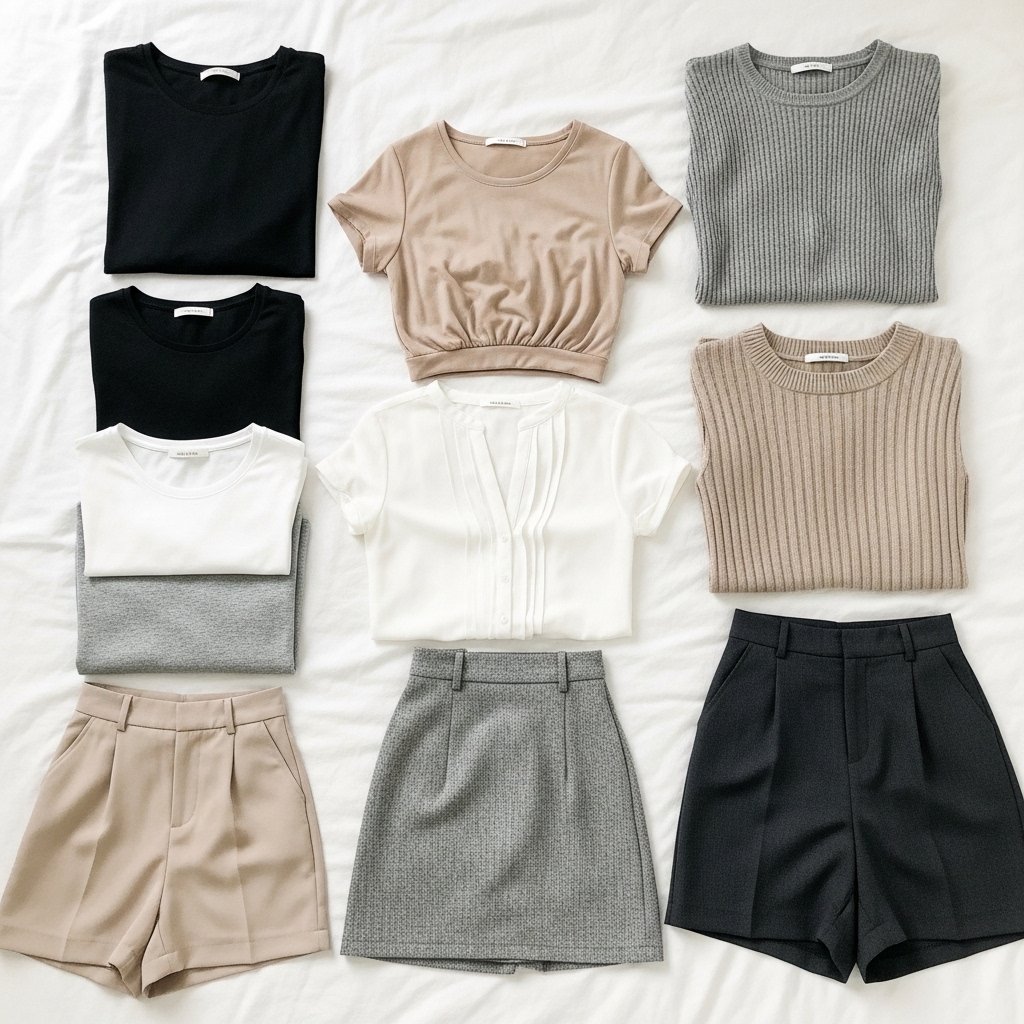
The math of a small wardrobe is simple: if every top goes with every bottom, five pieces make ten outfits. Pick a tight palette — say, navy, white, gray, plus one accent color — and build everything around it. Suddenly a week’s worth of outfits fits in a handful of items.
Neutrals do the heavy lifting; the accent color keeps things from feeling boring. Before packing, lay everything on the bed and check that each top works with each bottom. If a piece only matches one thing, it doesn’t earn its space. Versatility is the whole game.
Embracing The Art Of Rolling Clothes
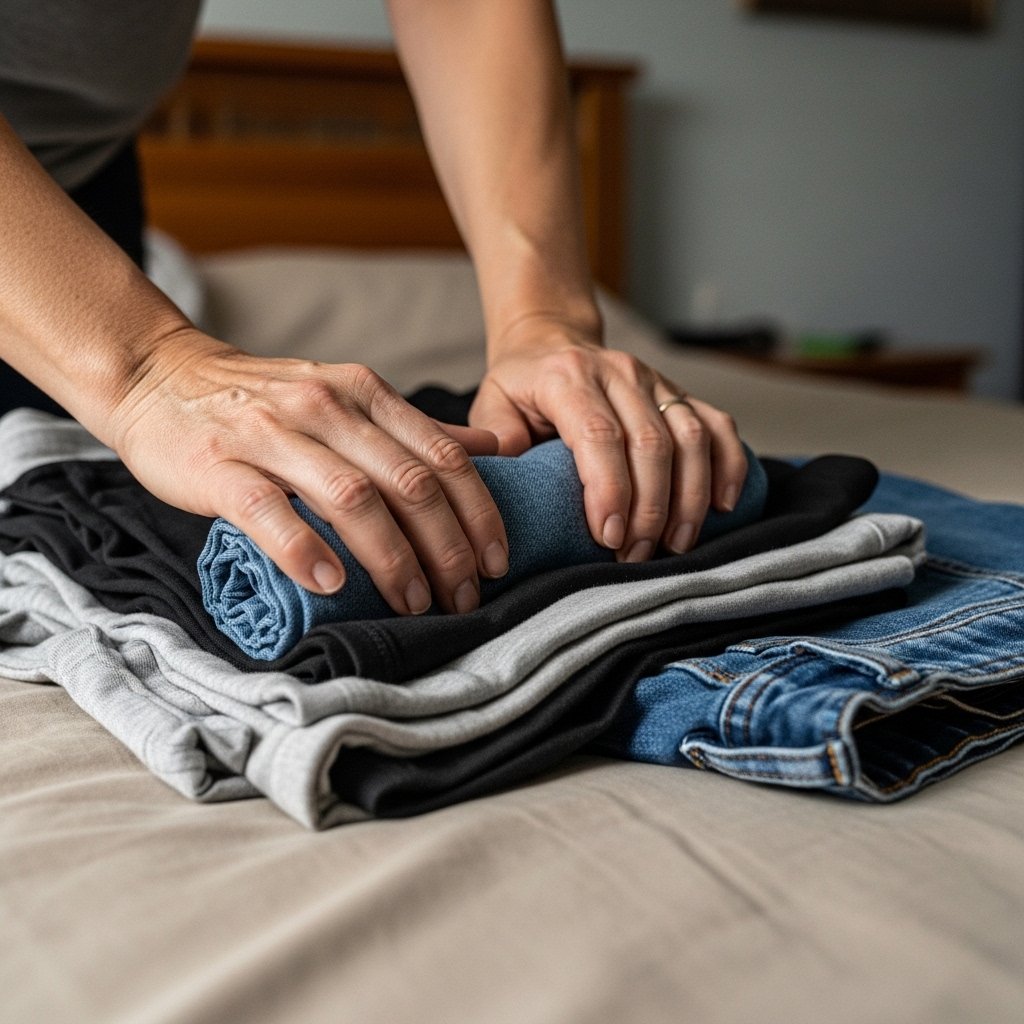
Rolling beats folding for carry-on packing, full stop. Rolled clothes resist deep wrinkles better, and cylinders fill the awkward gaps around suitcase handles and corners that folded stacks waste. It’s the difference between a bag that closes and a bag that won’t.
The technique matters: smooth the garment flat, fold in the sleeves, then roll tightly from the bottom. Knits and casual fabrics roll beautifully; structured blazers and dress shirts do better folded with tissue or packed in a dry-cleaning bag. Roll the casual, fold the formal.
Limiting Footwear To Two Reliable Pairs
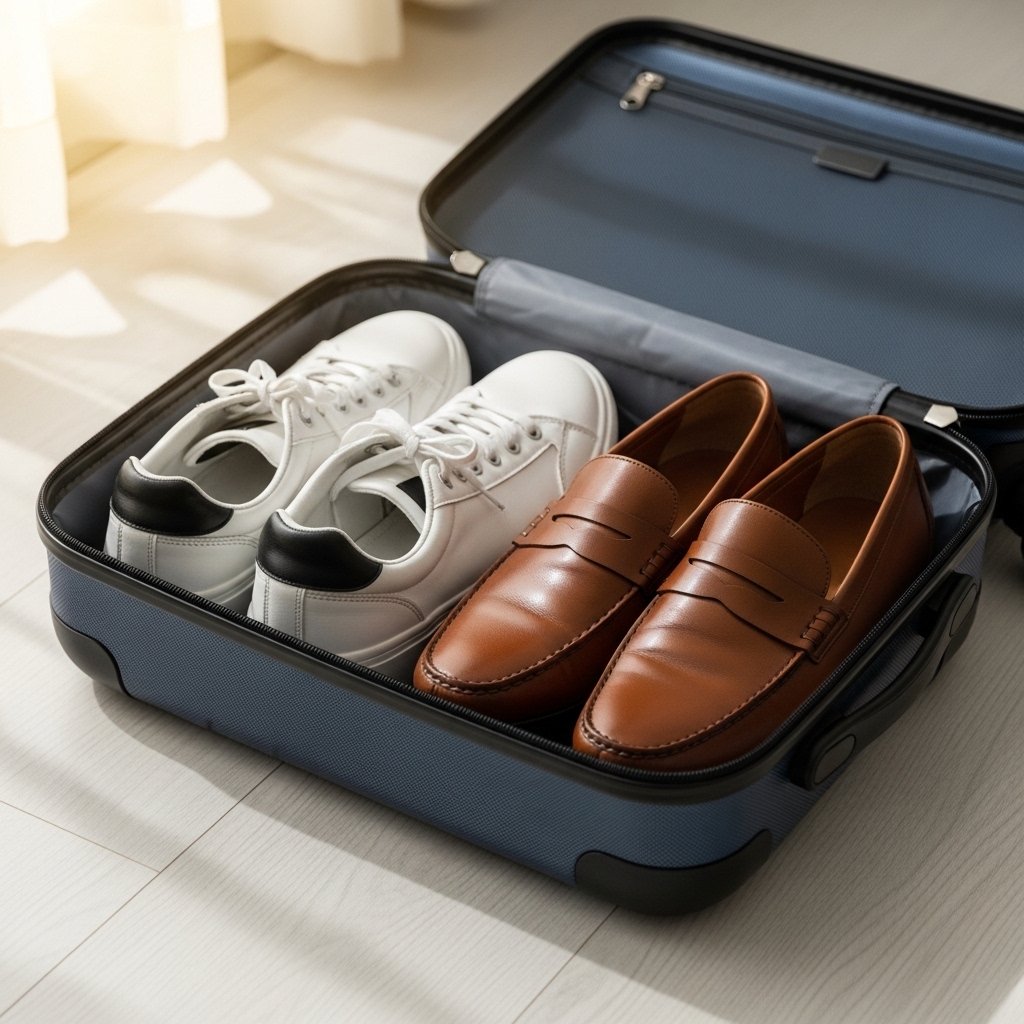
Shoes are the biggest space thieves in any suitcase — bulky, heavy, and awkwardly shaped. The two-pair rule solves it: wear your bulkiest pair on the plane, usually comfortable walking shoes, and pack one versatile second pair, like loafers or dressy flats that handle dinners and nice outings.
Choose shoes that earn their place by working with every outfit in your palette. Stuff socks and small items inside packed shoes to use the dead space. And be honest: that third just-in-case pair almost never gets worn. Two pairs, chosen well, cover everything.
Thinking Small With Solid Toiletries
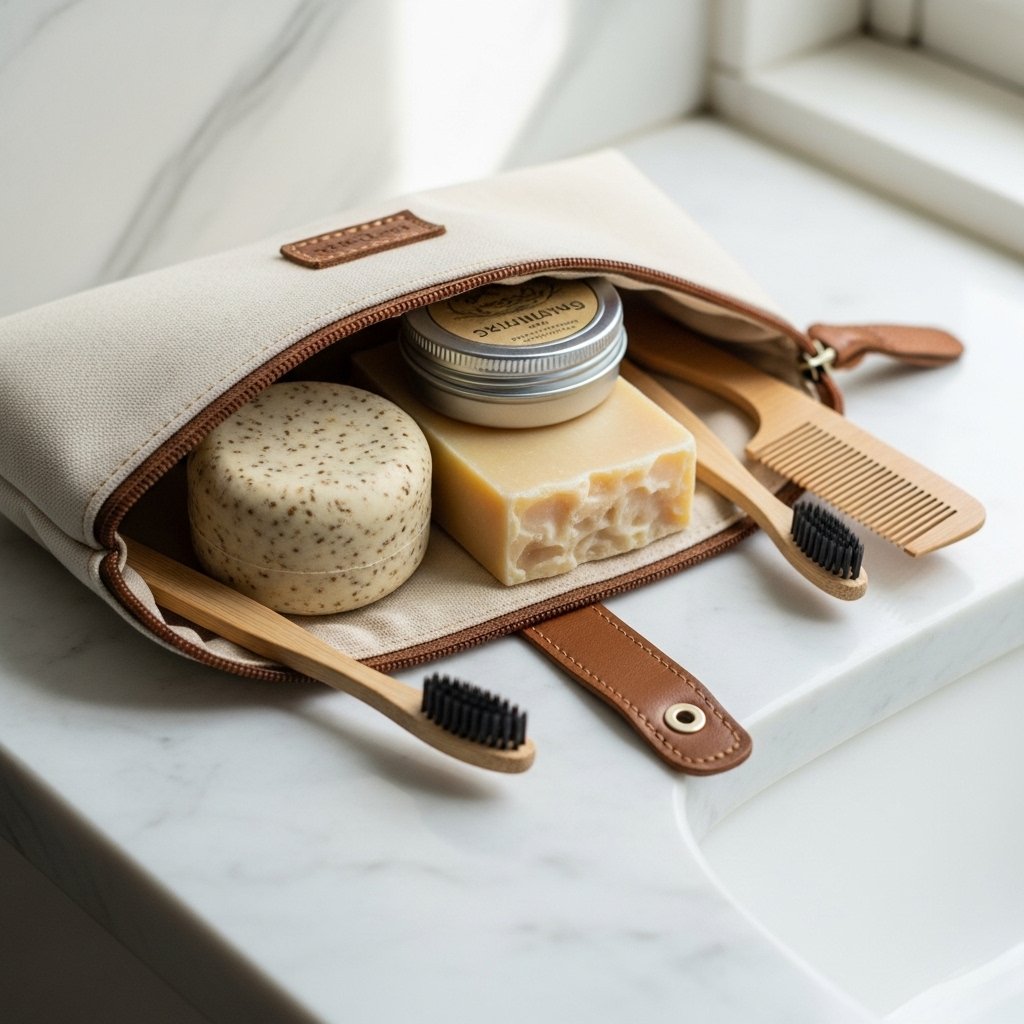
Liquids are the enemy of carry-on travel — the 3-1-1 rule, the leaks, the quart-bag puzzle. Solid toiletries sidestep all of it. Shampoo bars, conditioner bars, solid deodorant, and bar soap pack tiny, never leak, and don’t count toward your liquids limit at all.
They also last longer than you’d expect; one shampoo bar often outlasts two bottles. Store them in small tins or silicone cases. For the few liquids you still need, decant into tiny refillable bottles. Your toiletry kit shrinks to a fraction of its former size — and security gets easier.
Packing For The Just-In-Case Weather
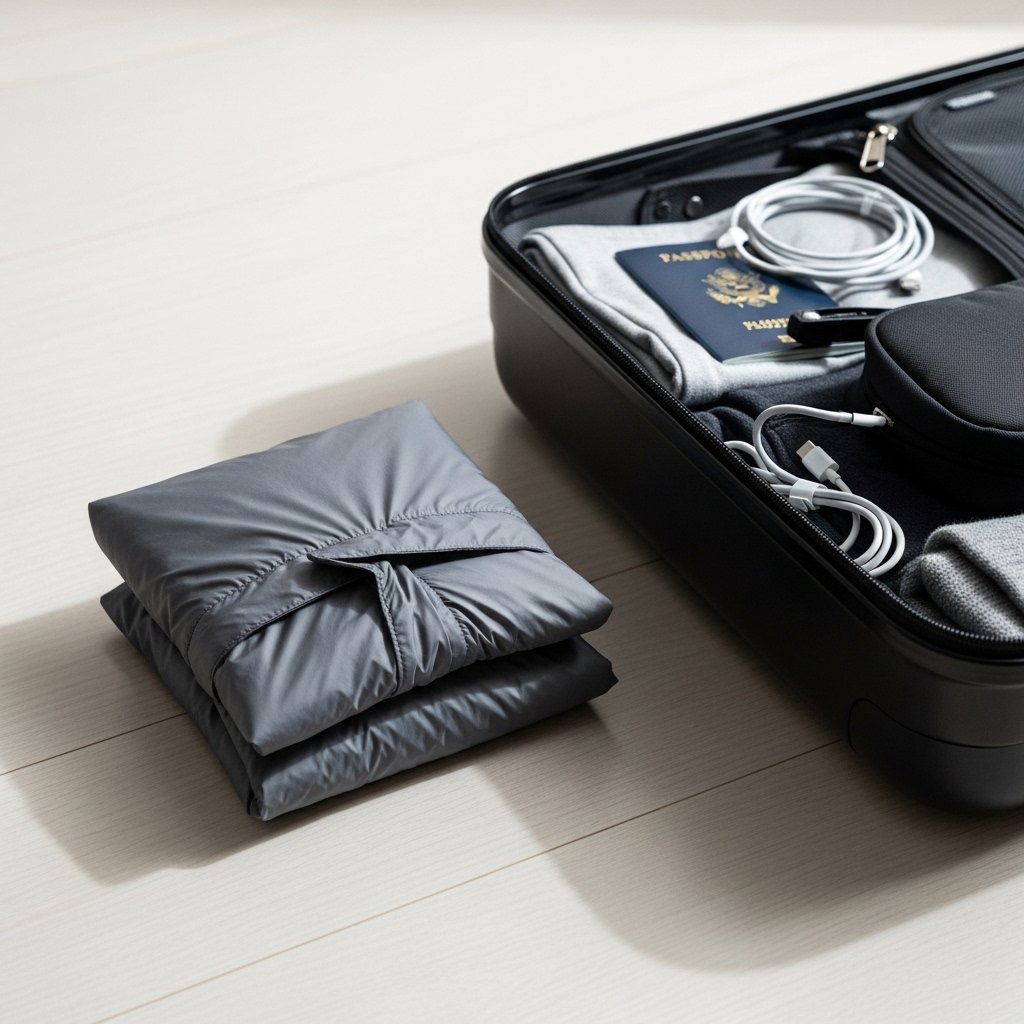
Weather is the wildcard that tempts overpacking. The answer isn’t three jackets — it’s one ultralight layer that handles the likely worst case. A packable rain shell or a thin puffer compresses to nearly nothing and covers rain, wind, and chilly evenings.
Check the forecast the night before, not a week out, and pack for the probable — not every possibility. Layers beat bulk: a base, a mid-layer, and a shell adapt to more conditions than any single heavy coat. If truly surprised, buy a cheap layer there; it’s a souvenir with a purpose.
The Value Of A Multipurpose Wrap
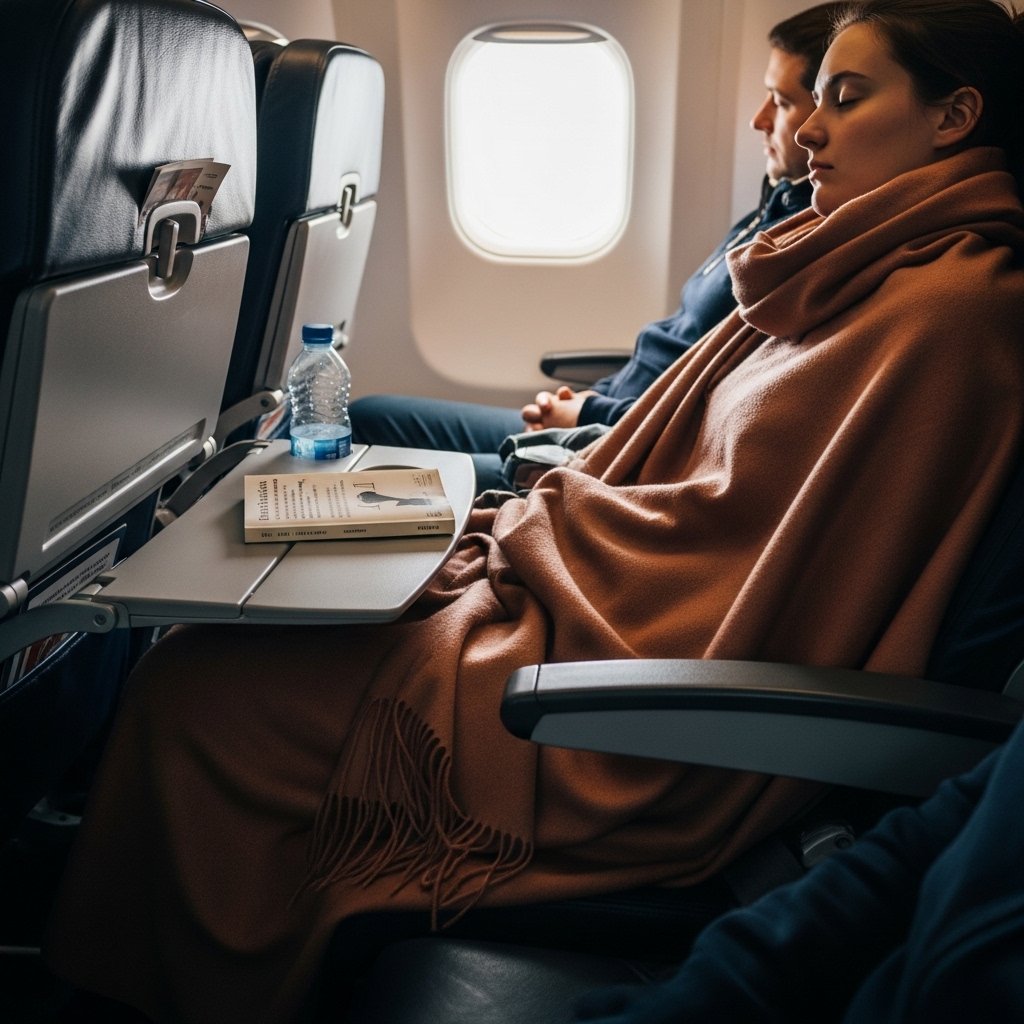
A large scarf or pashmina is the hardest-working item in my bag. It’s a blanket on freezing flights, a pillow rolled up, a shawl for chilly restaurants, a cover-up for temples and churches, and a pop of color that makes basic outfits feel styled. All for the weight of a t-shirt.
Choose one in a color from your palette so it coordinates with everything. It packs flat, wrinkles don’t matter, and it doubles as an extra layer in a pinch. If I had to pack only one extra, this would be it — versatility per ounce doesn’t get better.
Utilizing The Personal Item Bag Wisely
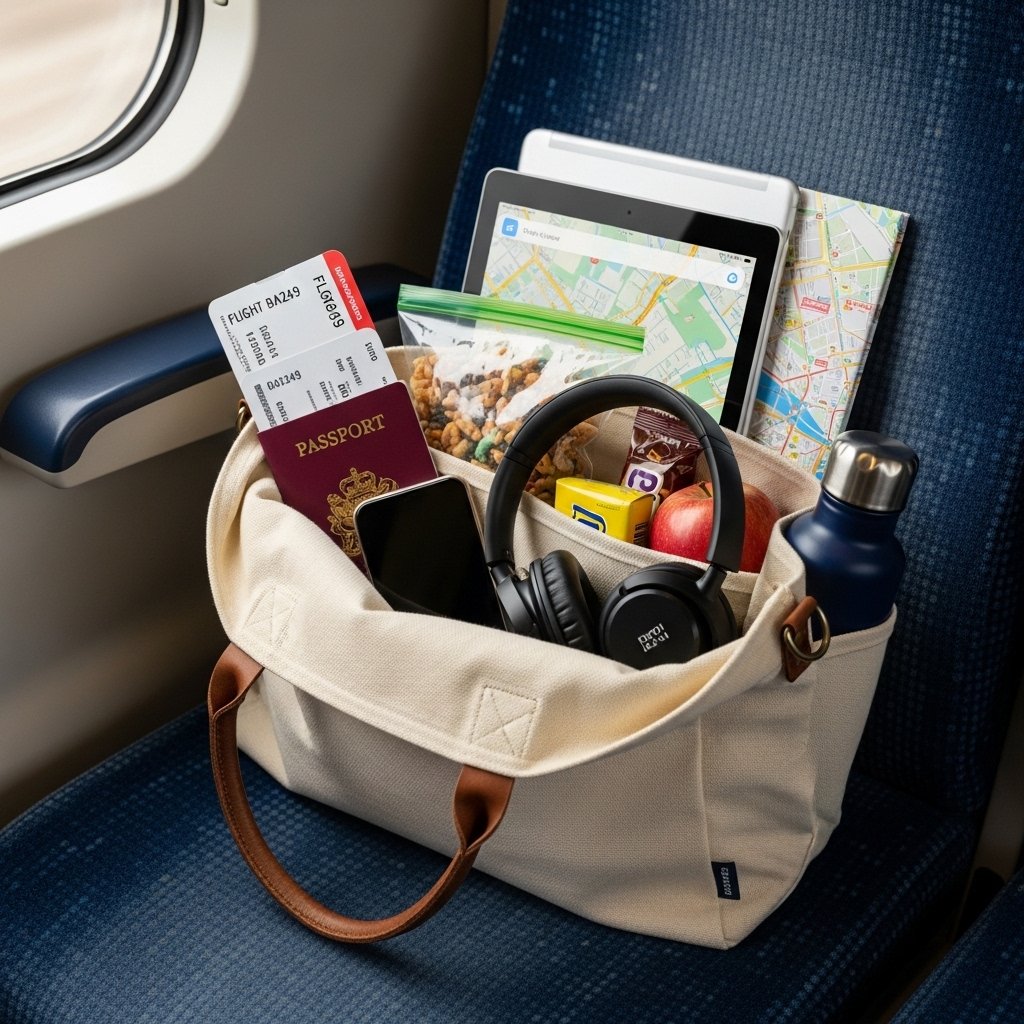
Most airlines allow a personal item on top of your carry-on — a backpack, tote, or large purse — and it’s essentially bonus packing space. This is where flight essentials live: laptop or tablet, chargers, medications, snacks, a water bottle, and anything you’d need if the overhead bag were gate-checked.
Pack it strategically: heavy or dense items like books and tech go here to keep the carry-on light, and valuables stay with you always. A personal item with good organization — pockets for documents, a padded laptop sleeve — doubles as your day bag at the destination. Two bags, zero checked luggage.
Reviewing Everything Before Zipping Shut
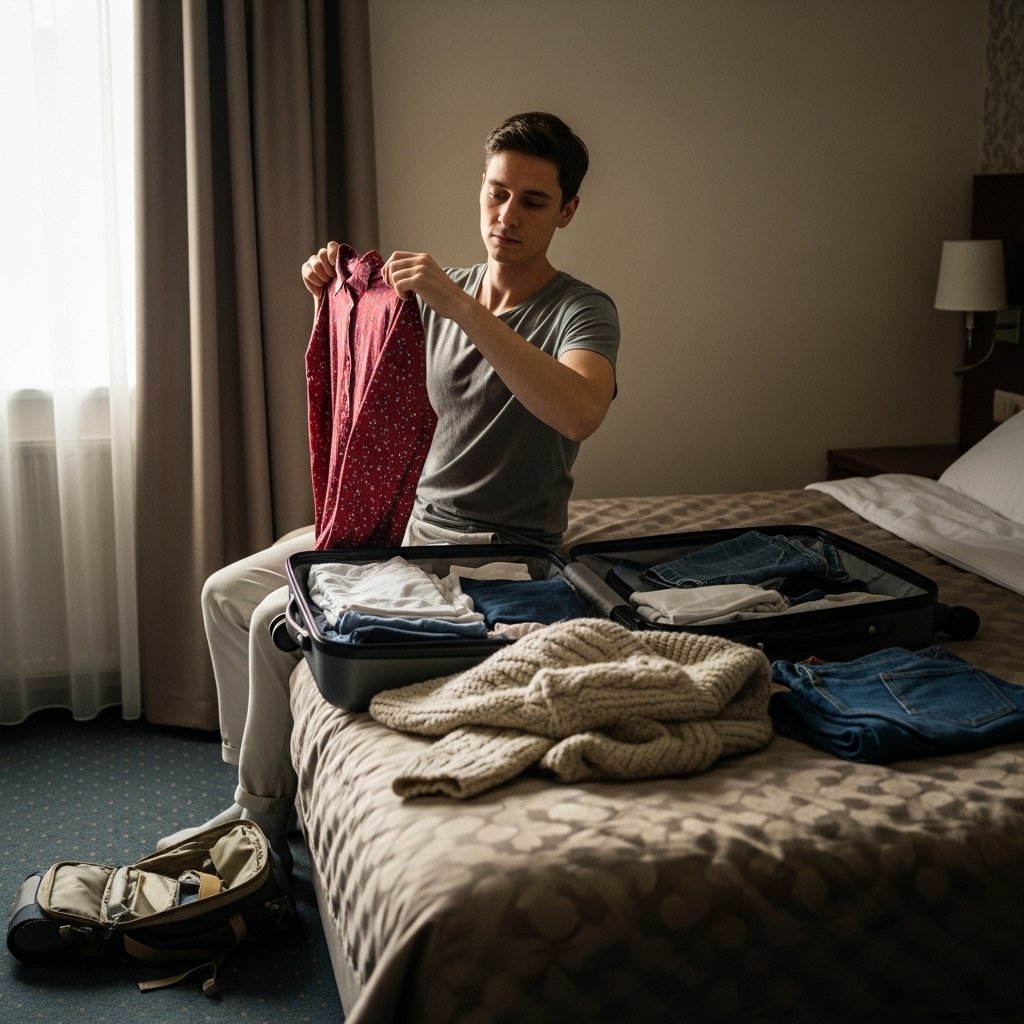
The final step is the most important: the ruthless edit. Lay everything out, then remove at least two items. It’s always the third pair of jeans, the nice-to-have book, the extra sweater just in case. You won’t miss them — and your shoulders will thank you.
Ask of each item: does it match everything, will I wear it twice, and is there a lighter alternative? Then do the lift test — close the bag, lift it, walk around. If it’s a struggle now, it’ll be misery in a crowded terminal. Edit now, travel light, thank yourself later.
The Wear-Your-Bulkiest Trick
Here’s the oldest carry-on trick in the book: wear your heaviest, bulkiest items on the plane. Boots instead of sandals, jeans instead of shorts, jacket instead of packed. Your body becomes free cargo space, and the bag gets dramatically lighter.
Dress in layers for the flight — it’s also the most comfortable way to fly, since cabin temperatures swing wildly. That bulky sweater that’s impossible to pack becomes your in-flight blanket. Wear the weight, pack the light stuff, and breeze past the baggage carousel.
Laundry On The Road
The secret to a week in a carry-on is doing laundry once. A sink wash with travel soap, or a laundromat visit mid-trip, effectively doubles your wardrobe. Pack for four or five days and wash once — it’s faster and easier than packing for seven.
Choose fabrics that wash well and dry overnight: merino wool, synthetics, quick-dry blends. Avoid heavy cotton that stays damp for days. A universal sink stopper and a few feet of travel clothesline weigh almost nothing and turn any bathroom into a laundry room.
What NOT To Pack
Just in case is the enemy. Leave the third pair of jeans, the full-size toiletries, the nice outfit for an event that doesn’t exist, and the extra books. Be honest about the trip you’re actually taking, not the fantasy version.
Also skip anything you can buy cheaply at your destination — sunscreen, snacks, basic toiletries. And leave room: a carry-on packed to bursting on day one has no space for souvenirs. Pack to eighty percent full and leave the rest for the trip itself.
My Exact Carry-On Packing List
To make this concrete, here’s what actually goes in my bag for a typical week: five tops, two bottoms, one dress or extra layer, a week’s worth of undergarments, two pairs of shoes with one worn on the plane, a pashmina, a packable rain shell, solid toiletries, a small tech pouch, and my personal-item backpack with laptop, chargers, and medications.
That’s the whole list. Everything coordinates, everything gets worn at least twice, and it all fits with room to spare. The first time you pack this way it feels impossibly small; by the third trip, you’ll wonder why you ever checked a bag. Only the fabrics and layers shift with the season.
Keep a saved packing list on your phone and refine it after every trip. Note what you didn’t wear and cut it next time; note what you missed and add it. Within three trips, you’ll have a personalized, battle-tested list that turns packing into a twenty-minute job instead of a two-day ordeal.
One more tip: photograph your packed bag before you zip it. If luggage is ever delayed, or you need to describe the contents for any reason, the photo is invaluable. It also helps you remember exactly how everything fit — your future self will appreciate the reference when repacking for the flight home.
Pack Light, Travel Far
Carry-on-only travel isn’t about deprivation — it’s about liberation. Less to haul, less to lose, less to wait for. Every item earns its place, every outfit works, and you move through airports and cities with an ease that checked-bag travelers envy.
Start with the system: cubes, palette, rolling, two shoes, solids, layers, wrap, personal item, ruthless edit. Master it once and you’ll never go back. The baggage carousel is for other people now.