 Sarah Grey
We’ve all stood in front of a full closet thinking we have nothing to wear. More often than not, the problem isn’t the clothes — it’s the small styling details going wrong. A hem that breaks badly, colors that fight each other, proportions that feel off. These micro-mistakes can make even great pieces look forgettable.
The good news: every mistake below has an instant fix, and none requires buying a whole new wardrobe. Styling is a skill, not a talent — it’s about fit, balance, and intention. Here are the eleven mistakes I see most often, and exactly how to fix each one today.
Neglecting The Power Of A Good Tailor
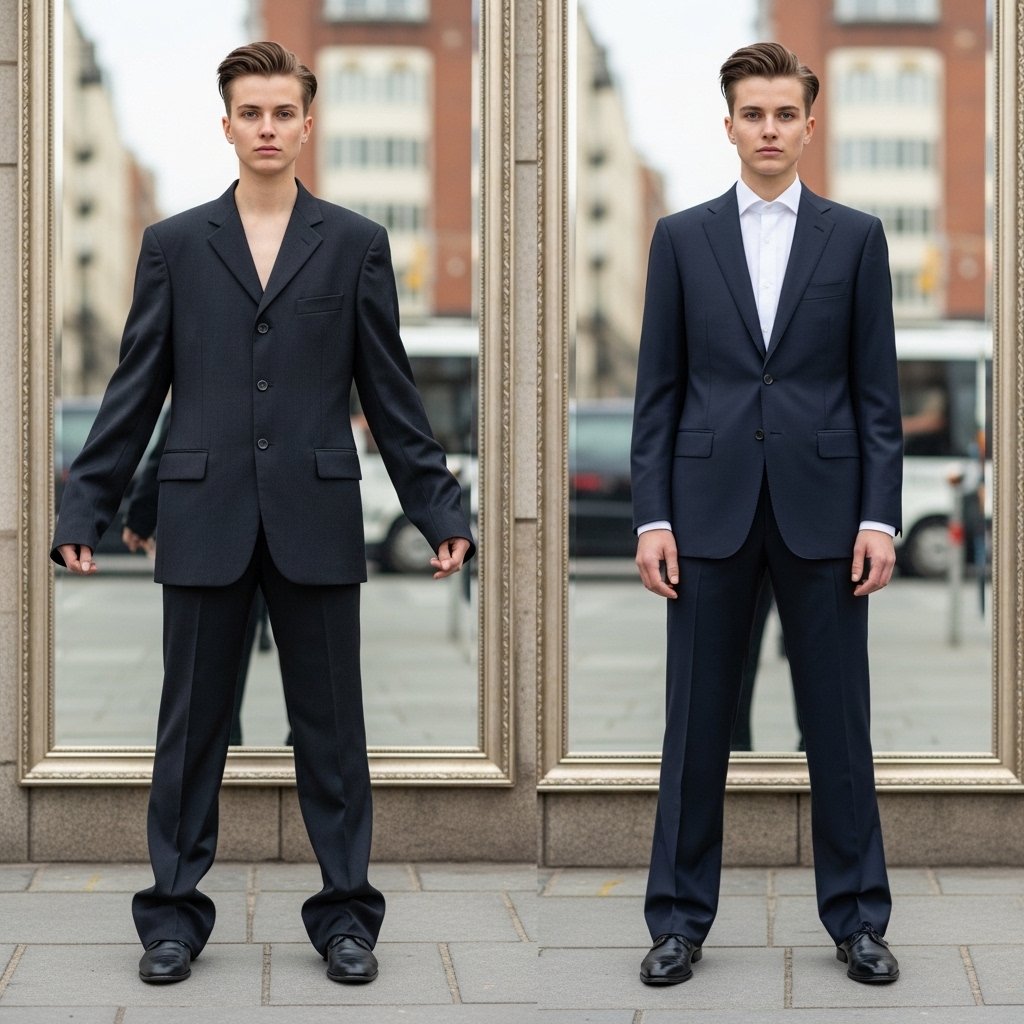
Off-the-rack clothing is cut for a statistical average that barely exists. Sleeves that swallow your hands, trousers pooling over shoes, a blazer that gaps at the buttons — these fit issues make even expensive clothes look cheap. A tailor, by contrast, makes even affordable clothes look custom.
You don’t need full bespoke. The highest-impact alterations are also the cheapest: hemming trousers, tapering sleeves, taking in a waist. Budget a modest amount per piece for basics. Start with the items you wear most — great fit on five pieces beats mediocre fit on fifty.
Overlooking The Impact Of Fabric Wrinkles
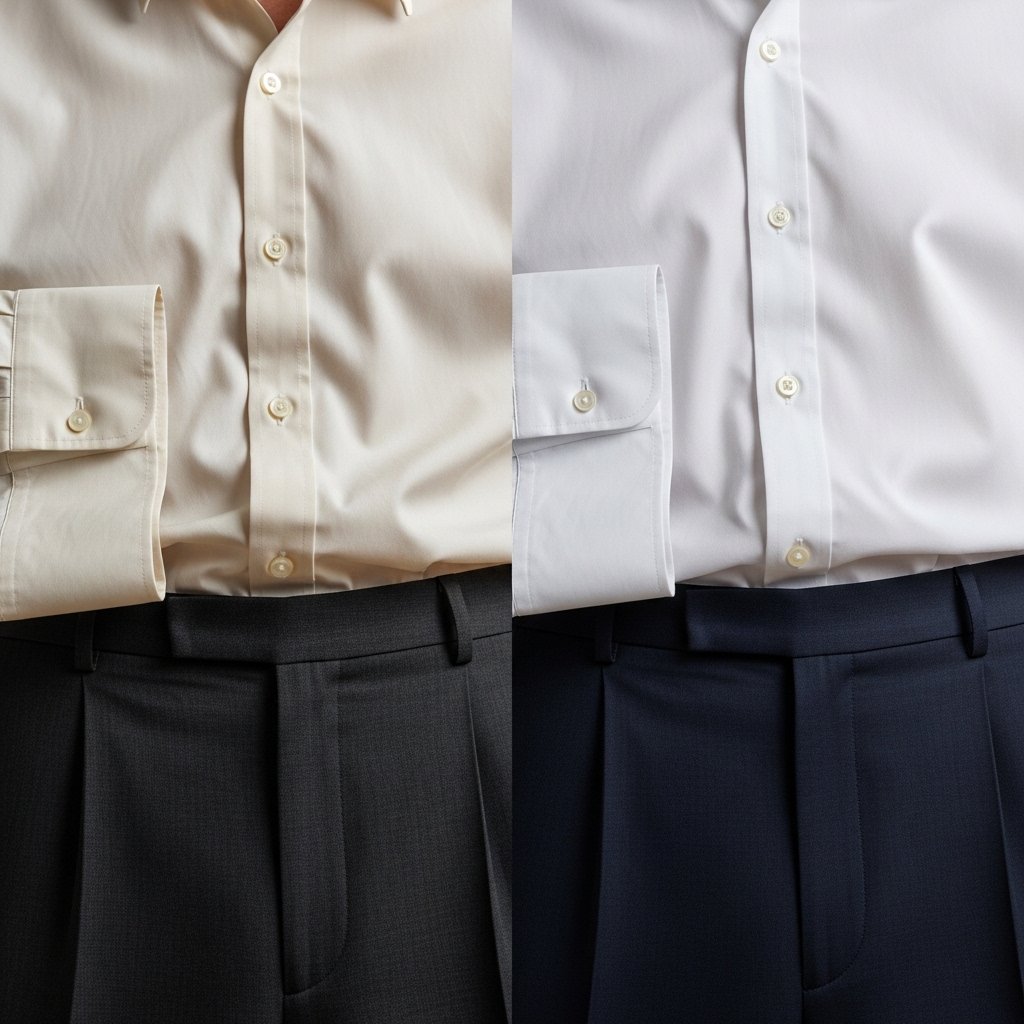
Wrinkles are the fastest way to make an outfit look sloppy. A designer shirt pulled from the bottom of a pile reads as careless, while a budget steamed shirt reads as polished. Fabric care is invisible when done right and glaring when skipped.
Get a handheld steamer — it’s faster and more forgiving than an iron, and it works on almost everything. Hang tomorrow’s outfit tonight so gravity does half the work. And learn which fabrics wrinkle most, like linen and rayon, so you can plan around them on important days.
Mixing Too Many Seasonal Trends At Once
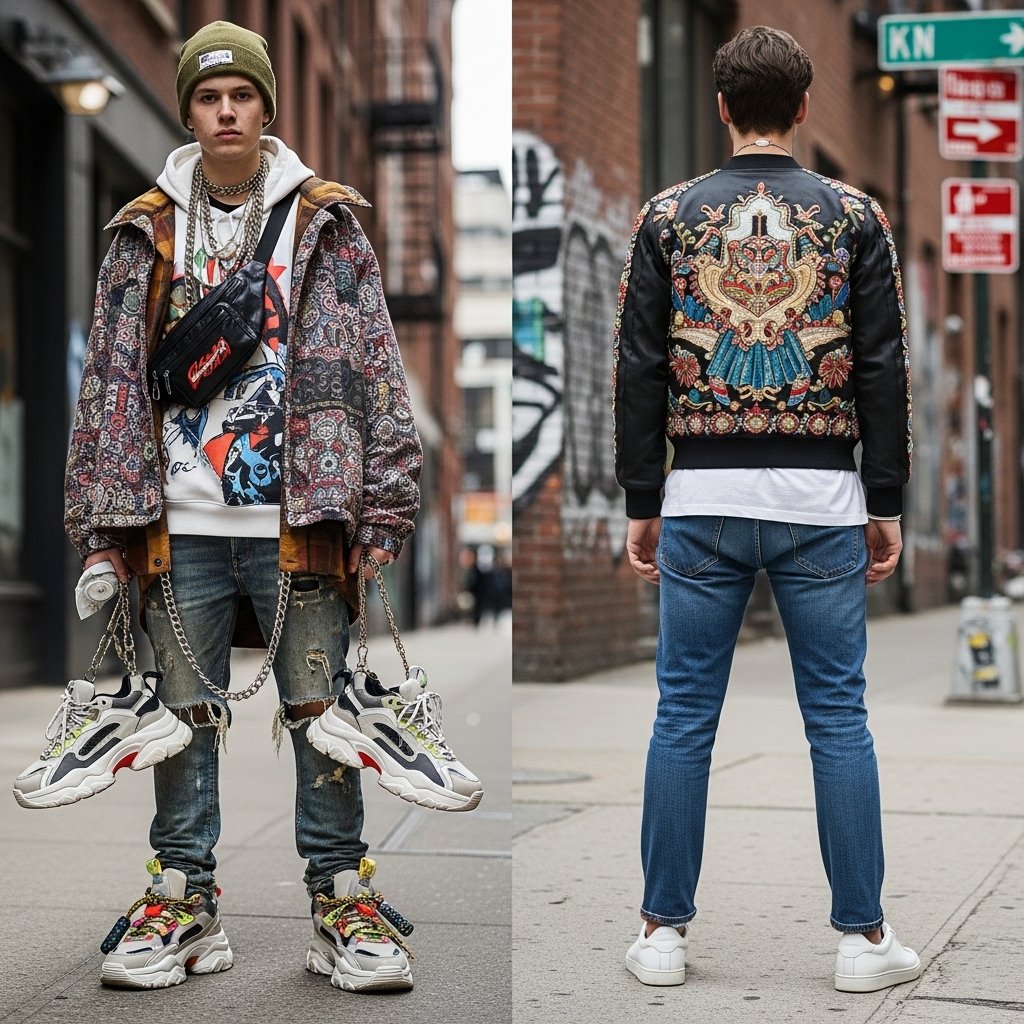
Social media makes every trend feel mandatory at once — but wearing them all simultaneously creates visual noise. An outfit with five competing moments has no focal point; the eye doesn’t know where to land, and the whole look feels chaotic rather than current.
The fix is the one-or-two rule: pick one trend to feature and let everything else be timeless. Trendy bag? Pair it with classic jeans and a simple top. Statement boots? Keep the rest quiet. Restraint is what makes trends look expensive instead of exhausting.
Forgetting About The Balance Of Proportions
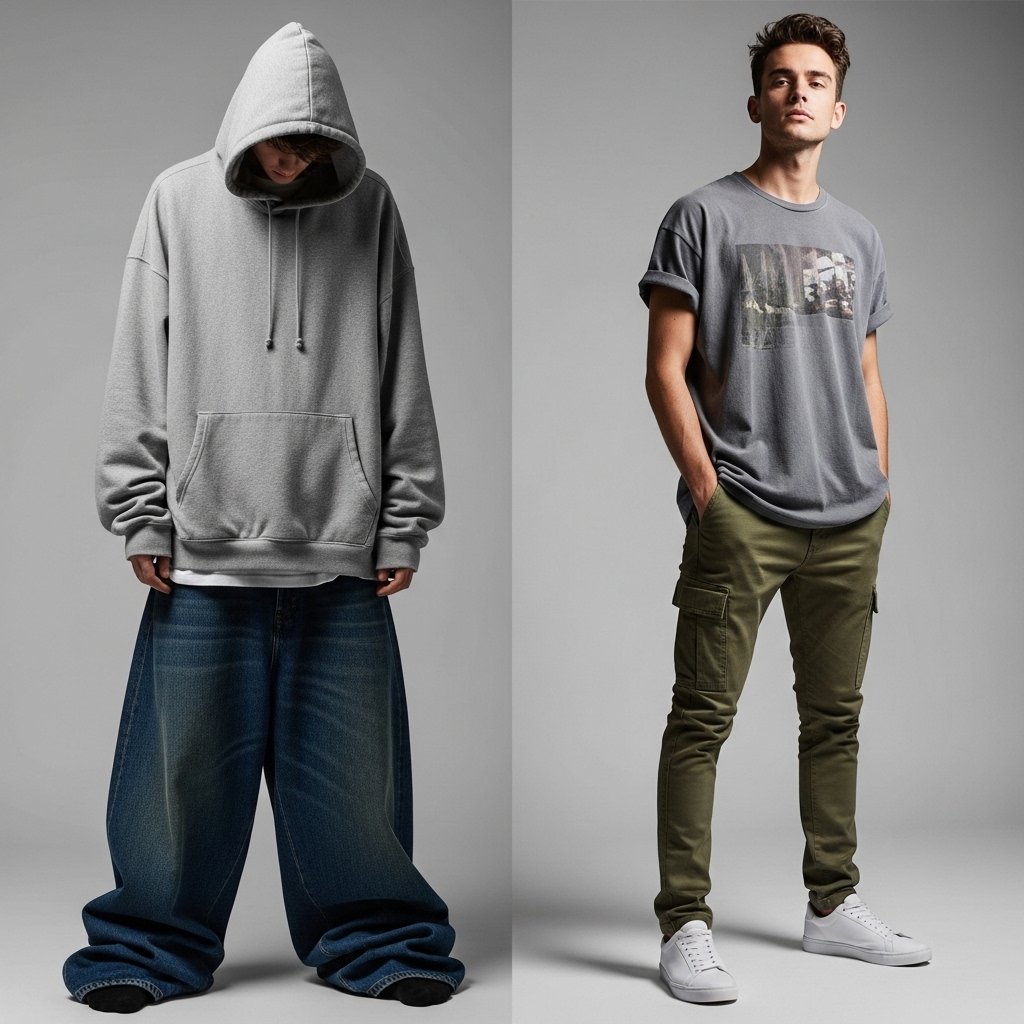
Proportion is the silent architecture of every outfit. Oversized on top and oversized on bottom swallows your shape; tight everywhere can look overdone. The classic rule — volume on one half, structure on the other — exists because it reliably creates a deliberate silhouette.
Try wide-leg trousers with a fitted top, or an oversized blazer with slim jeans. Tucking in — full or partial — defines the waist and instantly improves proportions. When in doubt, show some shape somewhere, like ankles, wrists, or waist, to keep relaxed fits from reading as shapeless.
Wearing The Wrong Socks For The Shoe
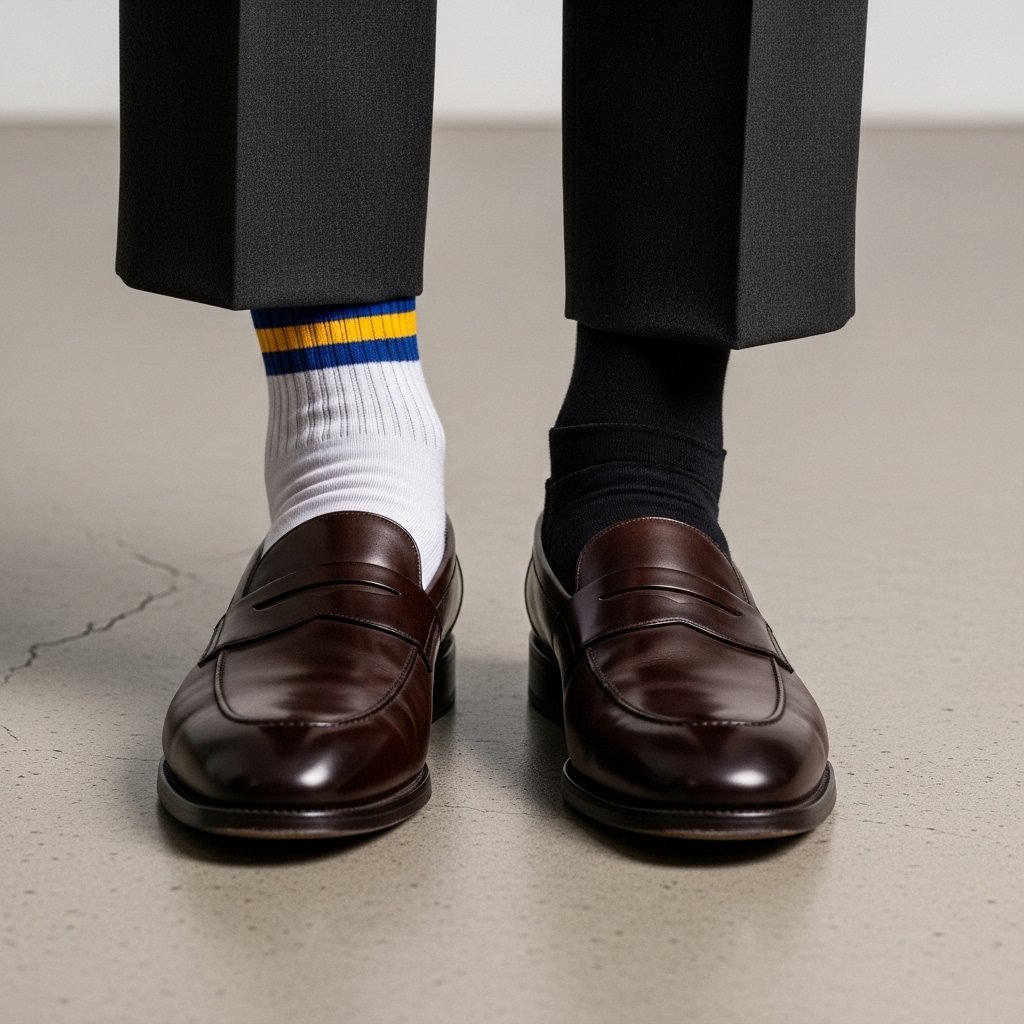
Socks are small but mighty. A white athletic sock slouching out of a sleek loafer or dress boot derails an otherwise sharp outfit in one glance. The eye goes straight to the mismatch, and the whole look drops a level.
Match sock to shoe: no-show socks for loafers, sneakers, and low-cut shoes; dress socks that complement (not exactly match) your trousers for formal shoes. Or make socks a deliberate statement — bold color or pattern — worn with confidence. The only wrong choice is the accidental one.
Ignoring The Importance Of Undergarment Lines
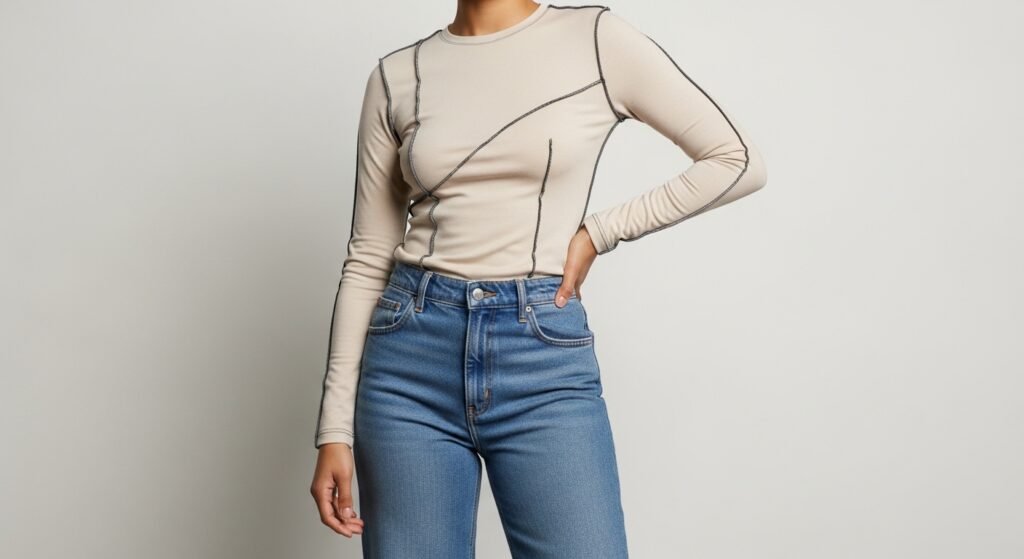
Visible lines, a contrasting bra under a light top, or bunching shapewear can hijack an otherwise flawless outfit. Undergarments are the foundation — literally — and when they’re wrong, everything built on top suffers.
Invest in seamless, nude-for-you basics that disappear under clothes. White under white actually shows more; skin-tone shades vanish. Check yourself in natural light and from the side, not just head-on in a dim bedroom. The best undergarments are the ones nobody ever notices.
Overcomplicating The Color Palette
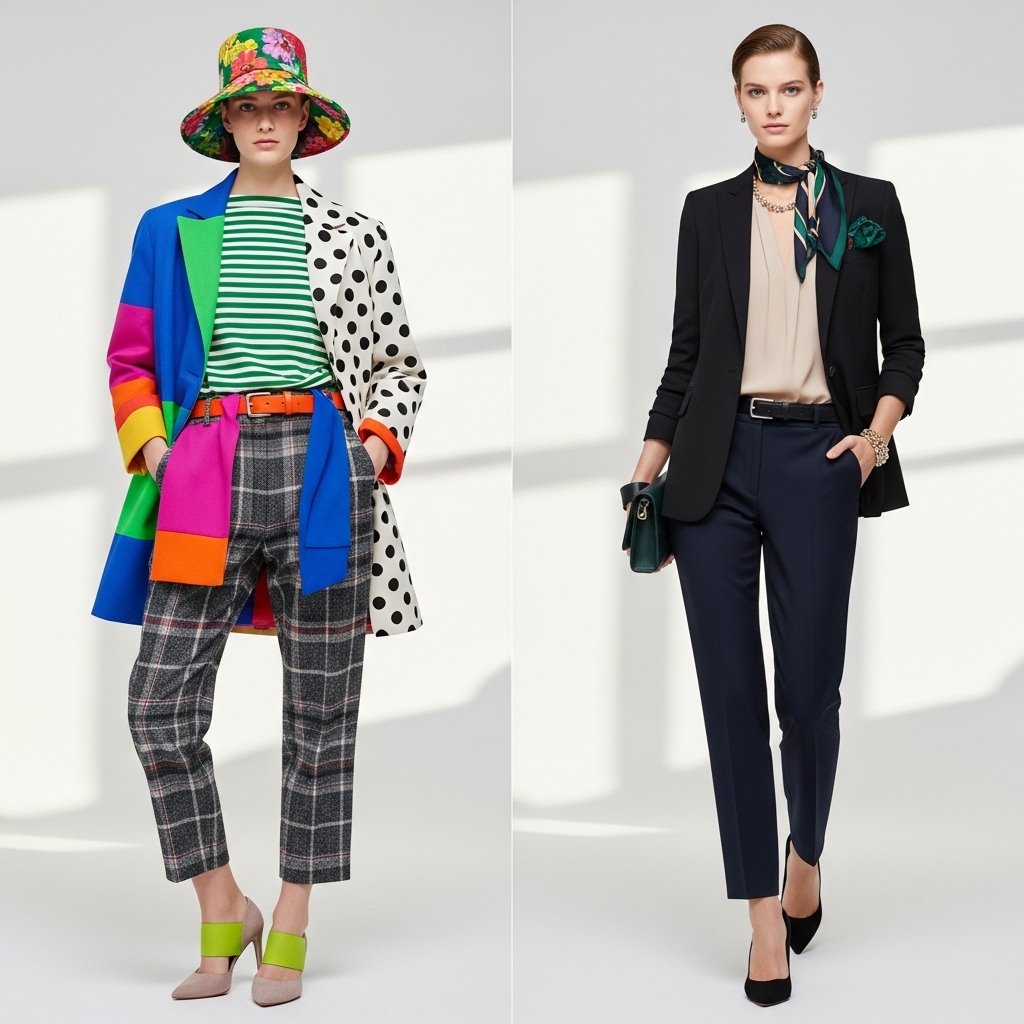
Color is powerful, but too many brights competing at once look accidental rather than bold. Without a neutral anchor, even beautiful colors clash — the outfit has no resting place for the eye, and the overall effect is loud instead of striking.
Build around neutrals — navy, black, white, beige, gray — and add one or two colors as accents. A good rule of thumb: mostly dominant neutral, a secondary shade, and a small pop. When you do go bold, keep the silhouette simple so the color can be the star.
Holding Onto Worn-Out Footwear
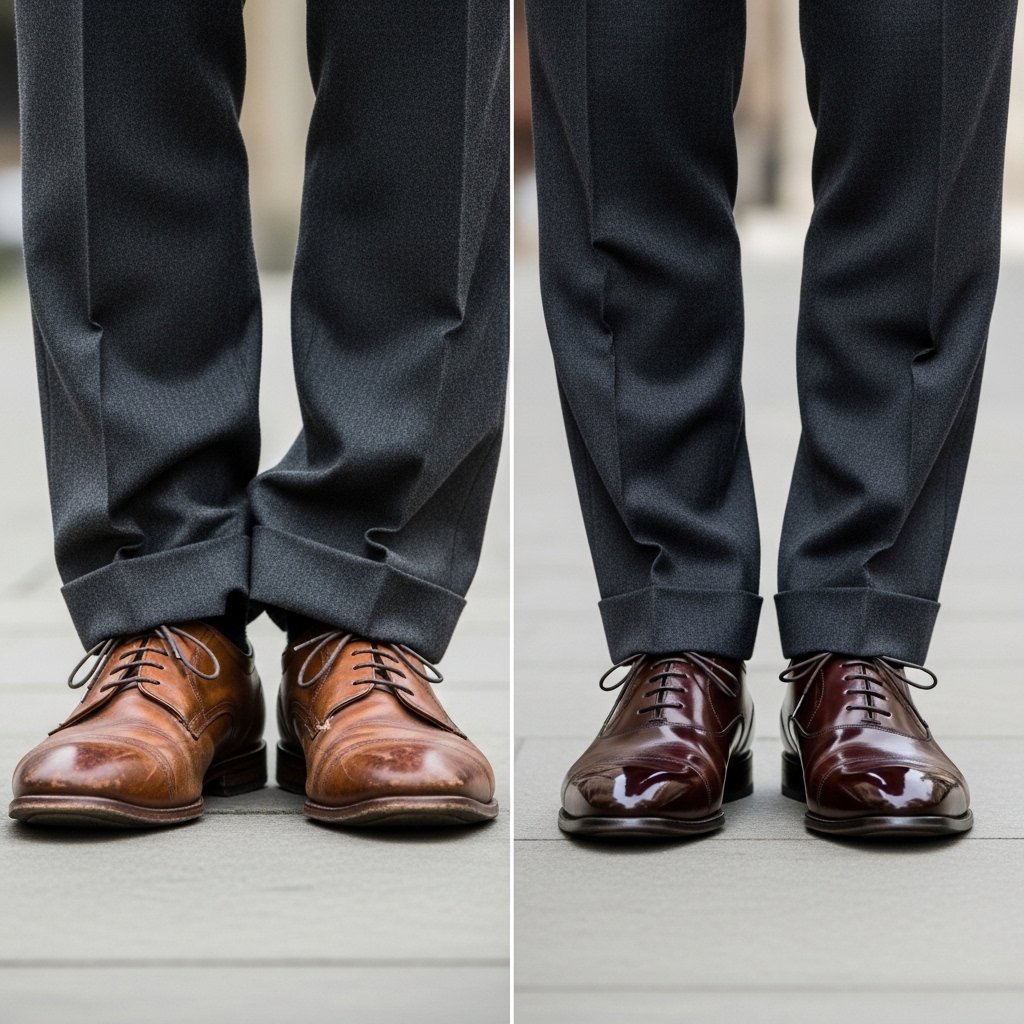
Shoes take the most abuse and get the least attention. Scuffed heels, worn-down soles, and tired sneakers drag down even a perfect outfit — people notice shoes, consciously or not, and shabby footwear signals neglect.
Maintain what you have: clean leather regularly, replace heel tips before they wear through, and retire sneakers that have lost their structure — not just their looks, since dead cushioning hurts too. A basic shoe-care kit extends the life of good shoes dramatically. When they’re done, let them go.
Overloading On Heavy Accessories
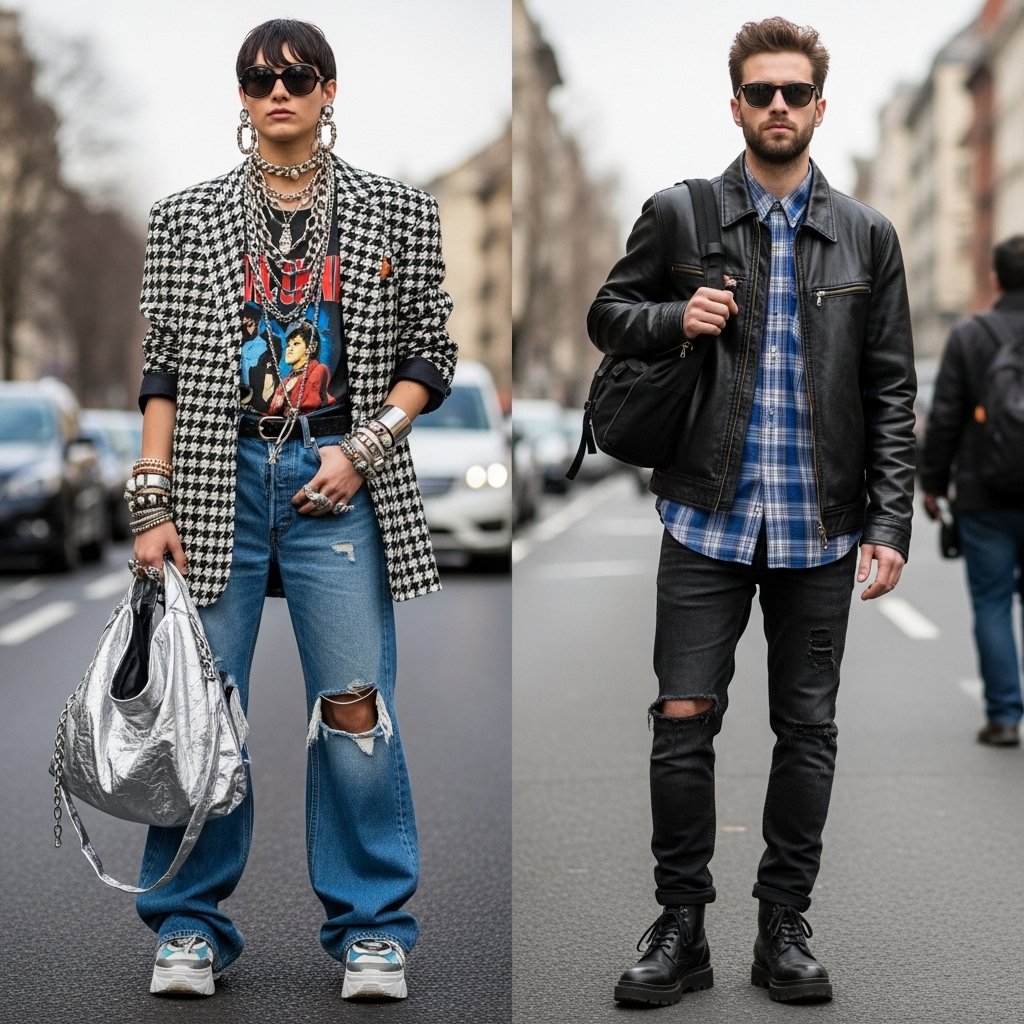
Accessories should complete an outfit, not compete with it. A statement bag plus chunky jewelry plus a bold belt plus a printed scarf is four outfits fighting in one. Each piece battles for attention, and the result is that none of them shines.
Edit ruthlessly: before leaving, remove one thing. Choose a single focal accessory per outfit and let the rest be quiet. A great bag deserves a simple outfit; great earrings deserve a bare neck. Restraint makes each piece look more expensive.
Not Matching The Vibe To The Occasion
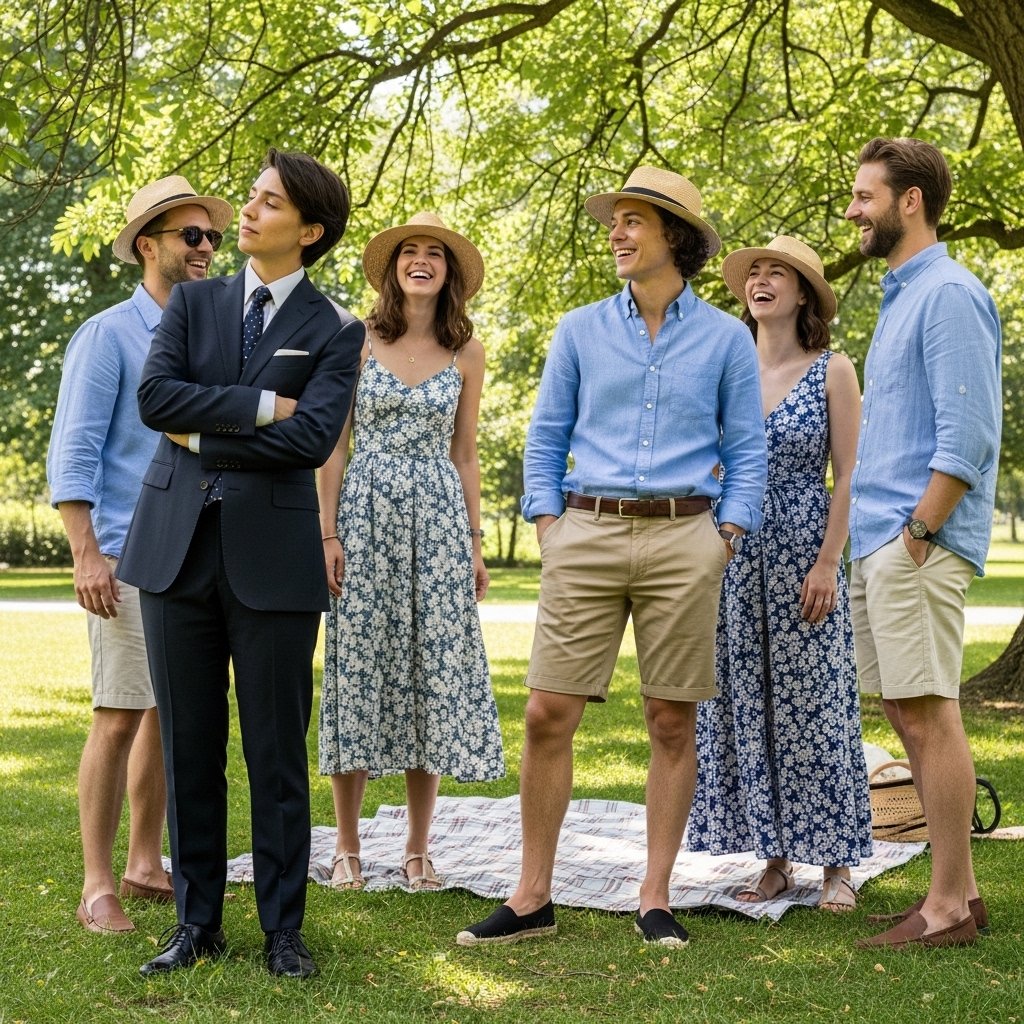
Being the most overdressed person in the room is almost as uncomfortable as being underdressed. A stiff suit at a backyard barbecue — or gym clothes at a nice dinner — signals that you misread the room, and no amount of quality fixes the disconnect.
When in doubt, ask the host or check photos from past events. Aim for one notch above the expected dress code rather than three. And build a mental library of go-to outfits for recurring occasions — brunch, office, date night, travel — so dressing right becomes automatic instead of stressful.
Thinking Expensive Always Means Better
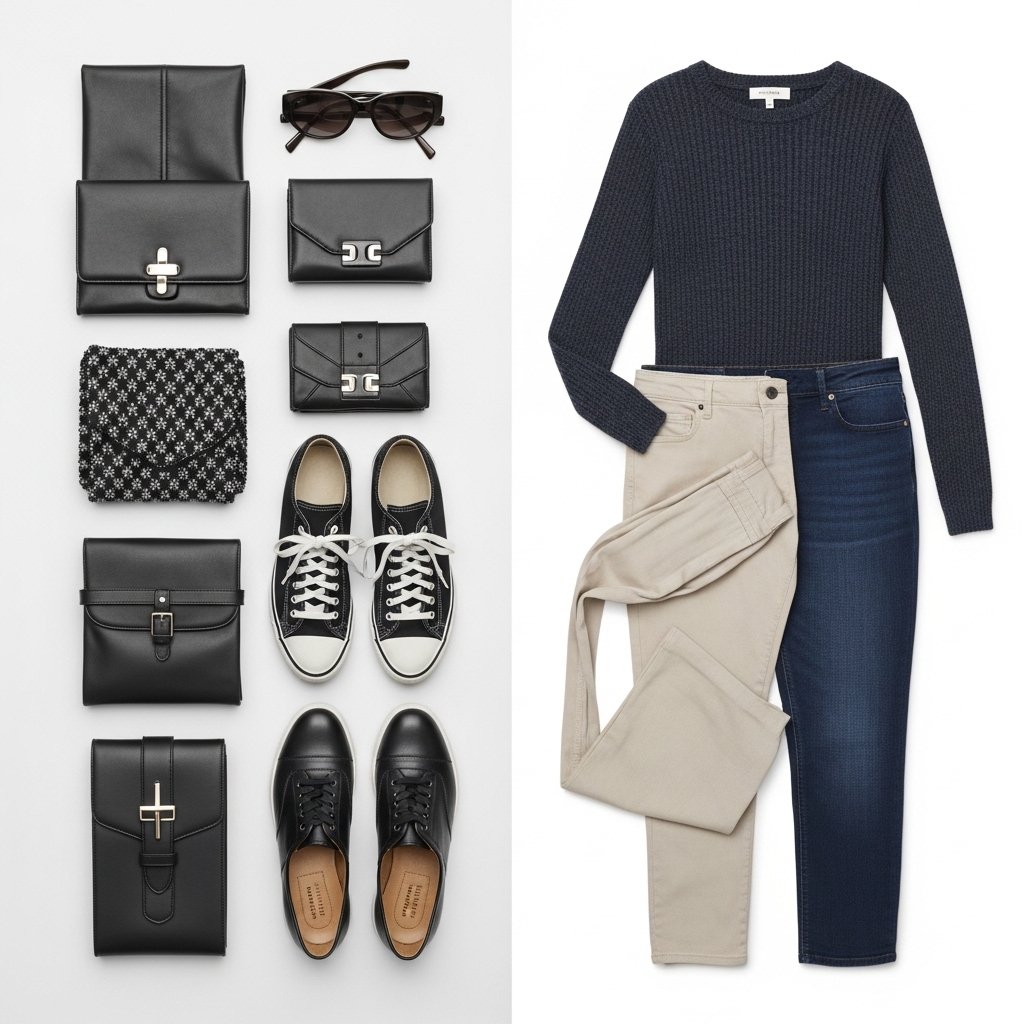
Price and style are not the same thing. An expensive piece in the wrong fit or a color that fights your skin tone will never look as good as an affordable piece chosen well. Some of the best-dressed people build outfits from inexpensive basics plus a few well-fitting anchors.
Spend where it counts: fit and tailoring, shoes, and a good bag — the things people actually notice. Save on trends and basics. And always judge a piece on how it looks on you, in natural light, moving around — not on its label or its price tag.
The Mirror Check That Catches Everything
Here’s a five-second habit that catches most of these mistakes: the full-length mirror check, in natural light, before you leave. Look for the specific culprits — wrinkles, lines, proportions, shoe condition. Then do the sit test: sit down and check hemlines, gaps, and comfort. Many outfits pass standing and fail sitting.
Take a quick phone photo, too. Cameras reveal what mirrors hide — the photo flattens the outfit the way others see it, and issues pop out immediately. If something bothers you in the photo for more than three seconds, change it. Trust the photo over the mirror.
Building A Mistake-Proof Wardrobe
The ultimate fix is structural: build a wardrobe where mistakes are hard to make. That means versatile neutrals that all work together, pieces that fit well enough to need minimal tailoring, and very few orphans — items that only work with one specific thing.
Audit your closet seasonally: pull everything out, try on the question marks, and release what doesn’t fit, flatter, or get worn. A smaller wardrobe of pieces that all work together beats a packed closet of maybes. When everything matches and fits, getting dressed becomes effortless — and mistake-proof.
The Fit Check Formula For Every Body Type
Fit rules aren’t one-size-fits-all because bodies aren’t. Petite frames get swallowed by oversized trends cut for taller proportions — choose cropped or tailored versions instead. Taller frames can carry volume but need hems and sleeves that are actually long enough. The goal is always the same: clothes that follow your lines instead of fighting them.
For curvier figures, structure is your friend: defined waists, fabrics with some weight, and necklines that frame rather than hide. For straighter figures, create shape with layering, belts, and texture contrast. These aren’t rules about hiding anything — they’re about highlighting what you like and balancing the rest with intention.
The universal test is simple: does it fit in the shoulders and skim — not squeeze or swim — everywhere else? Shoulders are the hardest part to alter, so they should fit off the rack; a good tailor can handle nearly everything below them. When the shoulders are right, the whole outfit falls into place.
Style Is In The Details
None of these mistakes means you have bad taste — they’re the kind of thing everyone does until someone points them out. The difference between fine and fantastic is almost never money; it’s attention to fit, balance, and detail. Fix three of these this week and watch what happens.
Great style isn’t about having more clothes. It’s about making the clothes you have work harder through fit, care, and intention. The details are the outfit — master them, and everything else follows.