
 Sarah Grey
Theme parks promise thrilling rides and spectacular parades, but the reality of ticket prices, dining costs, and endless queues can exhaust both wallets and families. A single day at a major theme park can easily cost a family of four several hundred dollars, and that is before souvenirs and snacks. Increasingly, parents are discovering that memorable family adventures do not require towering roller coasters or beloved cartoon mascots. Across the country, affordable alternatives offer similar joy, togetherness, and wonder without the financial strain. These options encourage bonding, outdoor exploration, and creativity while keeping plans flexible and budgets intact. A day out does not need record-breaking attractions to create lasting memories. From nature trails to local fairs to hands-on museums, families are rediscovering the pleasure of simpler outings. Here are eleven budget-friendly experiences that rival theme parks for fun.
What makes these alternatives special is not just their affordability but their character. Theme parks are designed to be the same everywhere, but local attractions reflect the unique flavor of their communities. A state fair in Texas feels nothing like a botanical garden in Brooklyn, and that distinctiveness is part of the appeal. Children benefit from varied experiences that engage different interests, from wildlife to history to agriculture. Parents benefit from shorter lines, reasonable food prices, and the ability to visit repeatedly without breaking the bank.
National Parks

America’s national parks offer some of the most spectacular scenery on Earth at remarkably low prices. Entrance fees are modest compared to theme park tickets, and the annual America the Beautiful pass, which covers more than 2,000 federal recreation sites, pays for itself after just a few visits. Families can enjoy scenic hiking trails, picnic areas with breathtaking views, wildlife sightings, ranger-led programs, and junior ranger activities designed specifically for children.
The unhurried pace of a national park visit is part of its charm. Unlike theme parks, where the goal is to maximize rides per hour, parks invite families to slow down and observe. Children learn to spot animal tracks, identify wildflowers, and appreciate geological wonders. Many parks offer evening campfire programs, stargazing events, and guided walks that add educational depth. The memories created watching a sunset over the Grand Canyon or spotting elk in Rocky Mountain National Park rival any theme park thrill, and the cost is a fraction of the price.
State Fairs
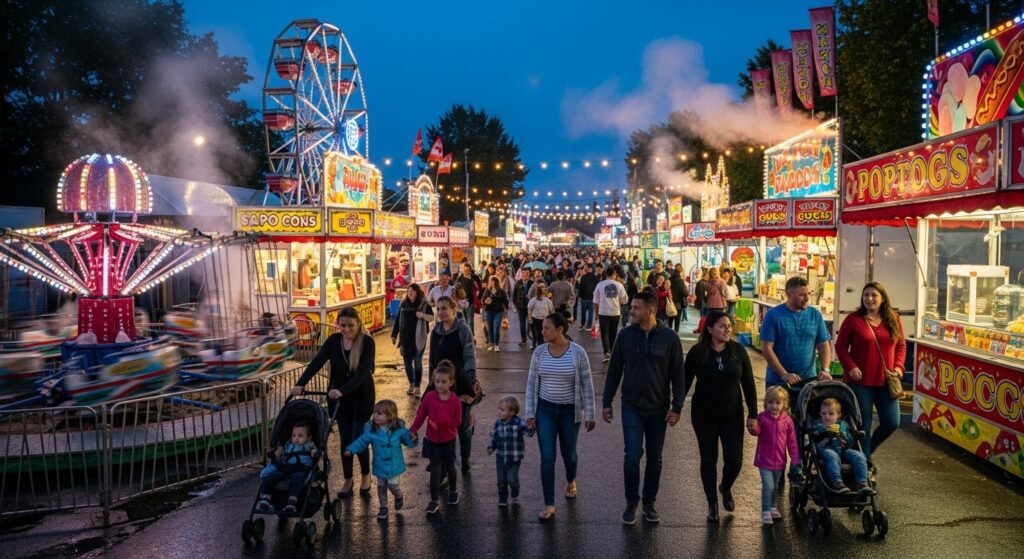
State fairs pack rides, games, live entertainment, and distinctive food into seasonal celebrations that cost far less than theme parks. Events like the Texas State Fair or the Minnesota State Fair draw millions of visitors with their combination of carnival midways, agricultural exhibits, concerts, and famously indulgent fair food. Admission is typically under twenty dollars, and families can choose how much to spend on rides and treats.
What sets fairs apart is their connection to local culture. Livestock shows, craft competitions, and regional food specialties give children a taste of their state’s heritage. The atmosphere is festive without being overwhelming, and the seasonal nature of fairs makes them feel like special occasions. Many families make attending their state fair an annual tradition, building anticipation and memories year after year at a price that does not cause stress.
Local Water Parks
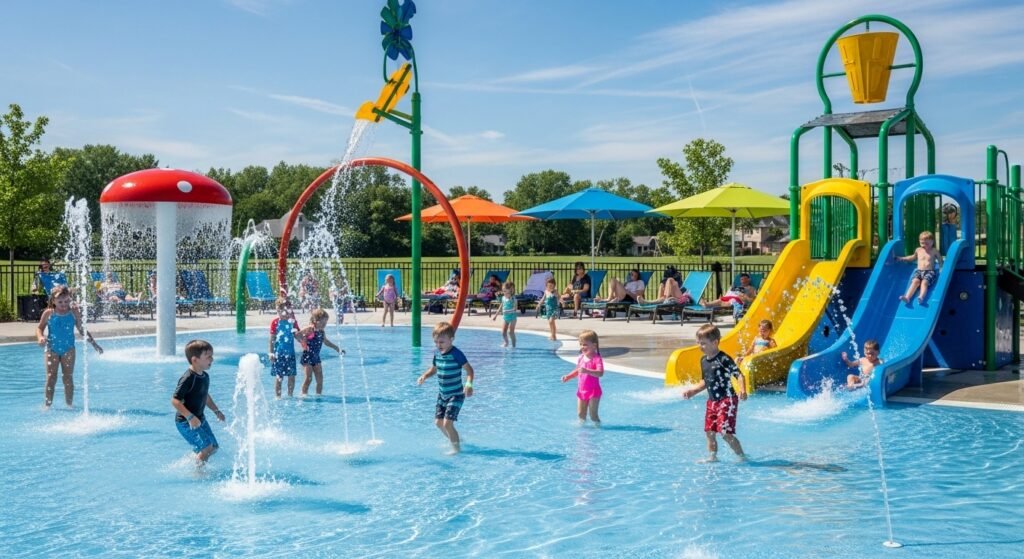
Community water parks deliver slides, splash pads, lazy rivers, and wave pools at a fraction of the cost of major theme park water attractions. Municipal and county-run facilities often charge modest daily admission or offer affordable season passes. They are easier to navigate than sprawling resort water parks, with shorter walks between attractions and a more relaxed atmosphere.
Parents particularly appreciate the practical advantages: shorter lines mean more actual play time, affordable snack bars keep costs reasonable, and the smaller scale makes it easier to keep track of children. Many community water parks also offer swimming lessons, lap swimming hours, and shaded picnic areas. For families seeking summer fun without the logistical complexity of a major theme park trip, the local water park is an ideal solution that can be enjoyed repeatedly all season.
Children’s Museums
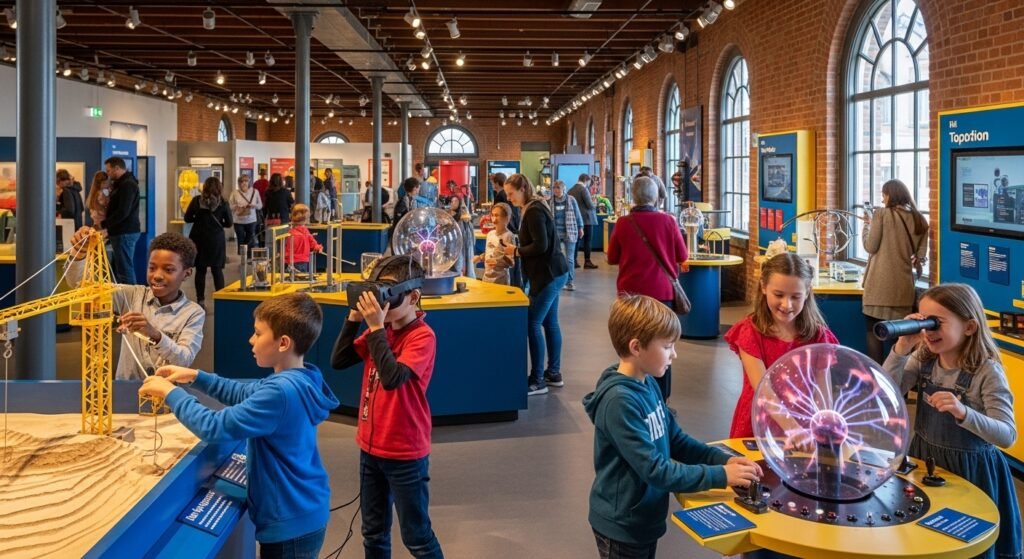
Hands-on children’s museums encourage creativity and learning through interactive exhibits that invite touching, building, and experimenting. Institutions like the Please Touch Museum in Philadelphia or the Children’s Museum of Indianapolis let kids explore science, art, and history through play. Admission is reasonable, and annual memberships often pay for themselves within a few visits while providing a year of educational outings.
Unlike the passive entertainment of theme park shows, children’s museums engage young minds actively. Kids might build structures, conduct simple science experiments, dress up in historical costumes, or create art. The experience is enriching without feeling like school, and exhibits are designed for repeat visits as children grow. Many museums also host special events, story times, and seasonal programs that keep the experience fresh for member families.
Botanical Gardens
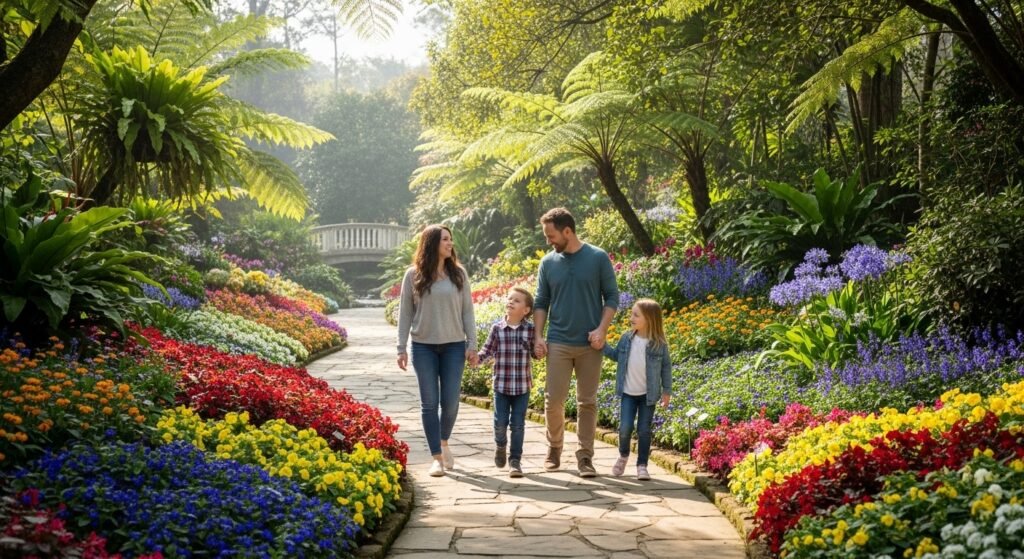
Botanical gardens offer peaceful walks among seasonal blooms, themed landscapes, and family workshops at reasonable admission prices. Places like the Brooklyn Botanic Garden or the Chicago Botanic Garden provide acres of beauty to explore, from Japanese gardens to native plant collections to conservatories filled with tropical wonders. Many offer free or discounted days, and memberships are affordable.
The calm atmosphere of a garden encourages conversation and unhurried exploration, a welcome contrast to the sensory overload of theme parks. Children’s gardens within larger institutions feature climbing structures, water play areas, and plantings designed for young senses. Seasonal events like cherry blossom festivals, holiday light displays, and butterfly exhibits give families reasons to return throughout the year. It is an outing that nourishes both relaxation and curiosity.
Community Festivals
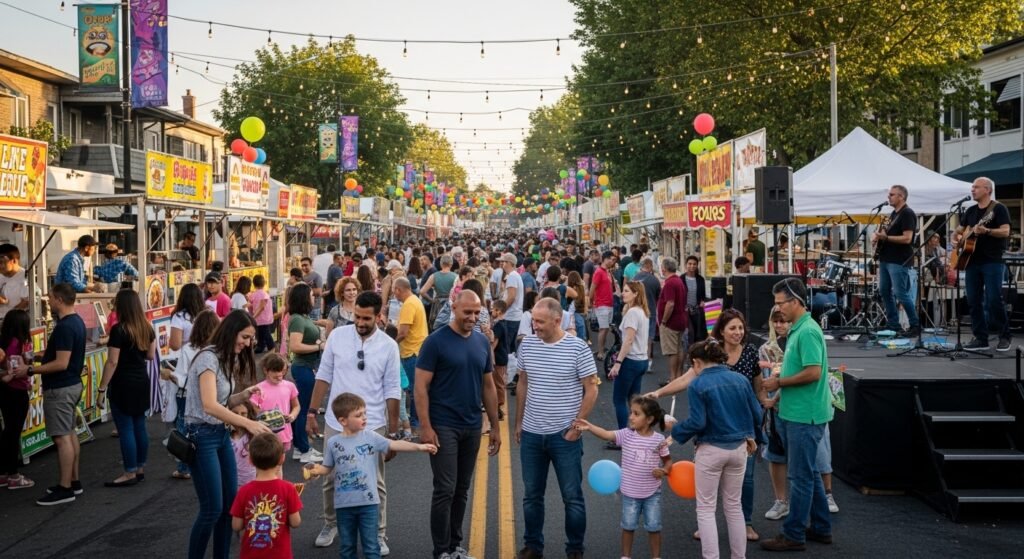
Town festivals bring together music, crafts, food vendors, and local traditions in welcoming community settings. Many are free to attend, with families spending only on food and activities they choose. Street fairs, harvest festivals, cultural celebrations, and holiday events fill calendars year-round in most regions, offering entertainment that reflects local character.
These gatherings foster a sense of belonging that theme parks cannot replicate. Children meet neighbors, discover local artisans, and experience the traditions of their community. Supporting local businesses and performers adds a feel-good dimension to the fun. Because festivals are typically one-day or weekend events, they feel special without requiring extensive planning or expense, making them easy additions to family life.
Zoos With Membership Plans

Zoos like the San Diego Zoo offer annual memberships that become cost-effective after just a couple of visits. Members enjoy unlimited admission for a year, along with perks like early entry, guest passes, and discounts. For families who visit regularly, the per-visit cost drops to just a few dollars, making the zoo one of the most economical entertainment options available.
Beyond value, zoos provide educational experiences that deepen with repetition. Children develop favorite animals, observe seasonal changes in behavior, and learn about conservation. Many zoos now emphasize naturalistic habitats and offer keeper talks, feeding demonstrations, and behind-the-scenes tours. The leisurely pace allows for genuine observation rather than rushed sightseeing, and membership removes the pressure to see everything in a single visit.
Historic Villages
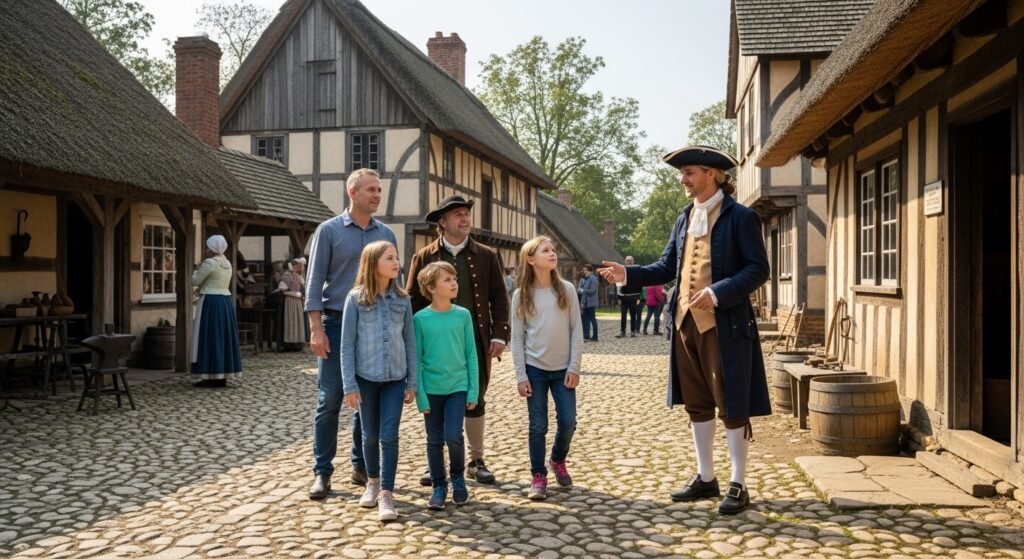
Living history sites like Colonial Williamsburg recreate earlier eras with costumed interpreters, craft demonstrations, and hands-on activities. Families can explore reconstructed buildings, watch blacksmiths and weavers at work, and participate in period games and chores. Admission is reasonable, especially for the depth of immersive experience offered.
These villages make history tangible in ways textbooks cannot. Children who might yawn at a history lesson become engaged when churning butter, marching in a militia drill, or questioning a costumed interpreter in character. The experience sparks curiosity about the past while providing a full day of exploration. Smaller local historic sites offer similar experiences on an even more affordable scale, often with free or donation-based admission.
Beach or Lakeside Days

A day at a local beach or lake delivers simple pleasures: swimming, sandcastle building, picnicking, and relaxing by the water. Often the only cost is parking, making it one of the most affordable full-day outings possible. Public beaches and lakefront parks provide natural playgrounds where children’s imaginations supply the entertainment.
The unstructured nature of a beach day is its greatest strength. Without schedules or lines, families set their own pace, alternating between active play and rest. Packing a cooler with homemade food keeps costs minimal while allowing for a festive picnic atmosphere. Whether it is a Great Lake shoreline, a river swimming hole, or an ocean beach, time by the water creates the kind of relaxed, happy memories that define childhood summers.
Minor League Baseball Games

Minor league baseball teams like the Durham Bulls offer exciting live sports at ticket prices far below major league games. Seats are close to the action, between-inning entertainment keeps kids engaged, and promotional nights feature fireworks, giveaways, and themed events. Concession prices are reasonable, and the family-friendly atmosphere welcomes young fans.
The intimate scale of minor league stadiums creates an experience that large venues cannot match. Children can get autographs, run the bases after games, and feel genuinely close to the players. The focus on fun over fierce competition makes it enjoyable even for those who are not die-hard baseball fans. A summer evening at the ballpark, complete with hot dogs and a sunset, is a classic American outing that remains wonderfully affordable.
Adventure Farms and Orchards

Family farms offering seasonal picking, hayrides, corn mazes, and animal encounters provide wholesome entertainment at modest prices. Visitors can pick their own apples, berries, or pumpkins, navigate elaborate corn mazes, meet farm animals, and enjoy homemade treats. The setting is authentic and relaxed, a world away from commercial amusement parks.
These agritourism experiences connect children with where food comes from, adding an educational layer to the fun. Spring brings baby animals and flower festivals, summer offers berry picking, and fall delivers the beloved trifecta of apple picking, pumpkin patches, and corn mazes. Many farms also host evening events like flashlight mazes or harvest dinners. The seasonal rhythm gives families reasons to return throughout the year, building traditions rooted in nature’s calendar.
Making the Most of Budget Adventures
A few strategies can stretch family fun budgets even further. Packing meals and snacks avoids the markup of venue food. Visiting on weekdays or during off-peak hours means smaller crowds. Many attractions offer free days, library pass programs, or reciprocal memberships that grant access to multiple institutions. Signing up for email lists alerts families to special events and discounts.
Ultimately, the best family outings are not defined by their price tags but by the time spent together. Children remember laughter, discovery, and the feeling of being with people who love them far more than they remember specific attractions. By choosing affordable adventures, families can enjoy more outings, more often, building a rich tapestry of shared experiences. The memories made on a hiking trail, at a county fair, or during a beach picnic are every bit as precious as those made in the shadow of a roller coaster, and they come without the financial hangover.