 Sarah Grey
Traveling has never been easier. Booking flights takes minutes, hotels appear with a few taps, and entire itineraries can be assembled from a phone. Yet many Americans lose hundreds, even thousands, of dollars to avoidable money mistakes while traveling. The problem is rarely a lack of funds. More often, it is a failure to plan, to pay attention, or to be patient with small financial decisions. Exchange rates shift, fees hide in plain sight, and travel insurance gets skipped. Choices that seem minor at home become expensive abroad. Understanding where money quietly disappears is the smartest preparation any traveler can make, protecting both your wallet and your peace of mind.
The good news is that most travel money mistakes are entirely preventable. They stem from habits and oversights rather than bad luck, which means a little knowledge goes a long way. This guide examines the most common and costly errors American travelers make, explains why they happen, and offers practical strategies to avoid them. Whether you are planning your first international trip or your fiftieth, these lessons can save you real money.
Exchanging Currency at the Airport
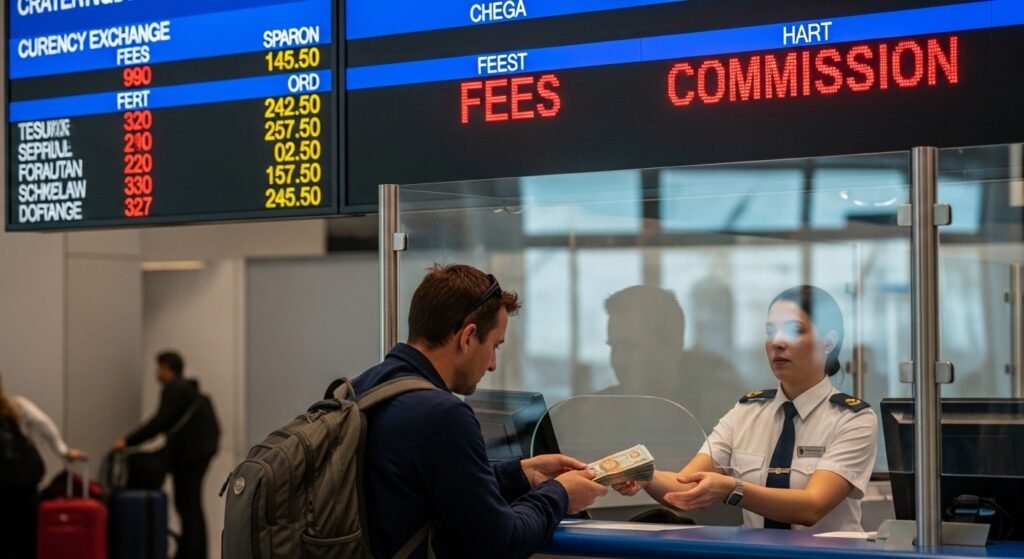
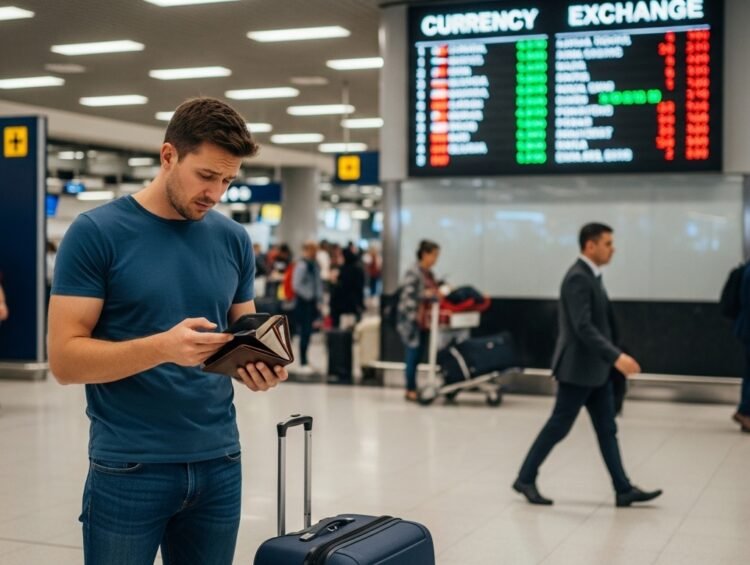
Airport currency exchange counters are convenient, and that convenience comes at a steep price. Their exchange rates are typically among the worst available, often 7 to 15 percent worse than the mid-market rate, and they add service fees on top. Many travelers exchange large sums at these counters simply to have local cash on arrival, not realizing how much value they are surrendering for the sake of convenience.
Better alternatives exist. Withdrawing local currency from a bank ATM at your destination usually offers rates close to the interbank rate, with only a modest ATM fee. Exchanging a small amount before departure through your home bank, which often provides better rates than airport counters, covers immediate needs like taxis. For larger amounts, reputable exchange offices in city centers typically beat airport rates significantly. The few minutes of planning required can save fifty dollars or more on a typical exchange.
Ignoring Foreign Transaction Fees
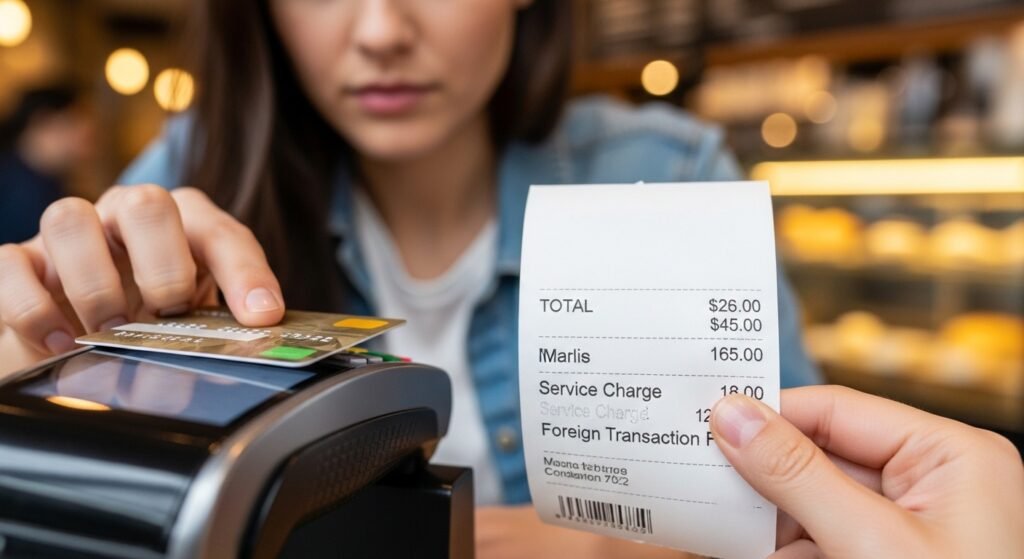
Many credit cards charge a foreign transaction fee, typically around 3 percent, on every purchase made abroad. That percentage seems small until it compounds across an entire trip. On $3,000 of spending, the fee adds $90, enough for a nice dinner or a day trip. Travelers who use the wrong card for every meal, hotel, and souvenir watch these fees accumulate silently.
The solution is straightforward: get a credit card with no foreign transaction fees before you travel. Many travel rewards cards waive these fees entirely, and some offer additional perks like travel insurance and airport lounge access. Reviewing your card’s terms before departure takes minutes and prevents weeks of unnecessary charges. If you already have such a card, make it your default for all international spending.
Skipping Travel Insurance
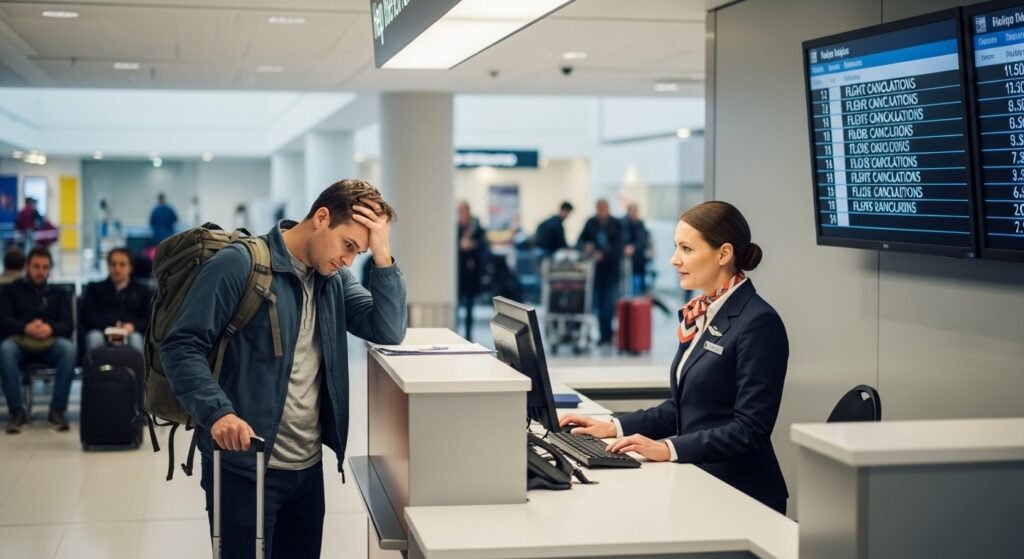
Travel insurance feels unnecessary until the moment it becomes essential. A cancelled flight, lost luggage, or medical emergency abroad can turn a dream trip into a financial nightmare. Medical care in foreign countries can be extraordinarily expensive, and domestic health insurance often provides limited or no coverage overseas. A single emergency room visit can cost more than a comprehensive travel insurance policy many times over.
Comprehensive policies covering trip cancellation, medical emergencies, and baggage loss typically cost 4 to 10 percent of the trip’s total price, a modest investment for significant protection. Some premium credit cards include travel insurance as a cardholder benefit, so check your existing coverage before purchasing. The peace of mind alone is worth the cost, and the financial protection can be trip-saving when things go wrong.
Overpacking and Paying Baggage Fees
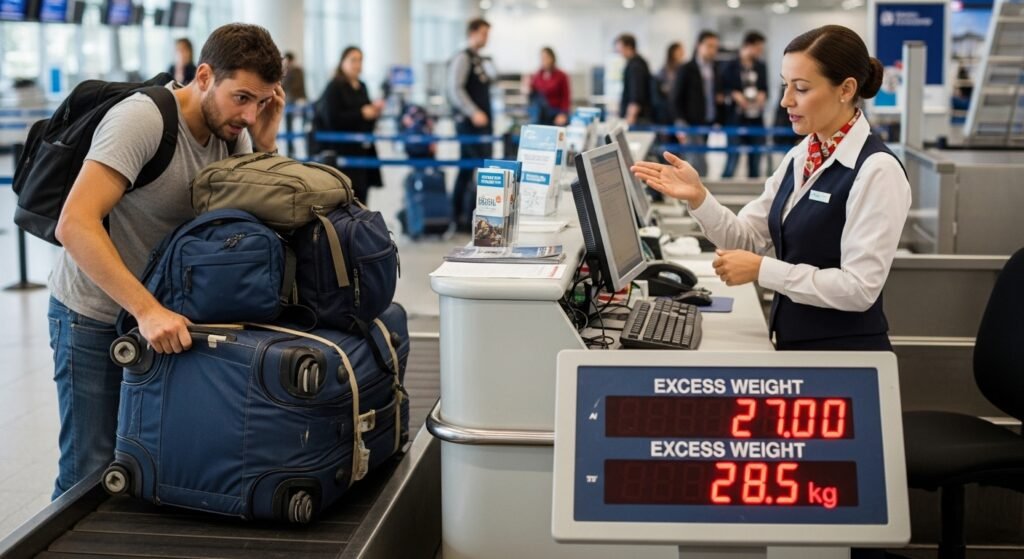
Heavy luggage triggers airline baggage fees that add up quickly, especially on international itineraries with multiple flights. Most travelers pack items they never use, lugging around just-in-case outfits and gadgets that add weight without adding value. Beyond fees, overpacking reduces mobility, making it harder to navigate stairs, public transit, and cobblestone streets.
Packing light is a skill worth developing. Choose versatile clothing in coordinating colors, wear your heaviest items on the plane, and remember that most destinations have laundry options and stores for forgotten essentials. Reviewing airline baggage policies before packing prevents surprise charges at the airport. Many experienced travelers find that a carry-on alone suffices for trips of a week or more, eliminating baggage fees entirely while making travel noticeably more pleasant.
Relying Only on One Payment Method

Depending on a single credit or debit card is risky. Cards get blocked by fraud detection systems, lost, stolen, or simply declined by merchants who do not accept your network. Finding yourself without a working payment method in a foreign country is stressful and can lead to expensive emergency solutions like wire transfers or high-fee cash advances.
Carrying a backup card from a different network, plus a modest amount of local cash, provides essential redundancy. Store the backup separately from your primary wallet so that losing one does not mean losing both. Digital wallets on your phone add another layer of backup. This simple precaution costs nothing but can save a trip when the unexpected happens.
Not Informing Banks Before Travel
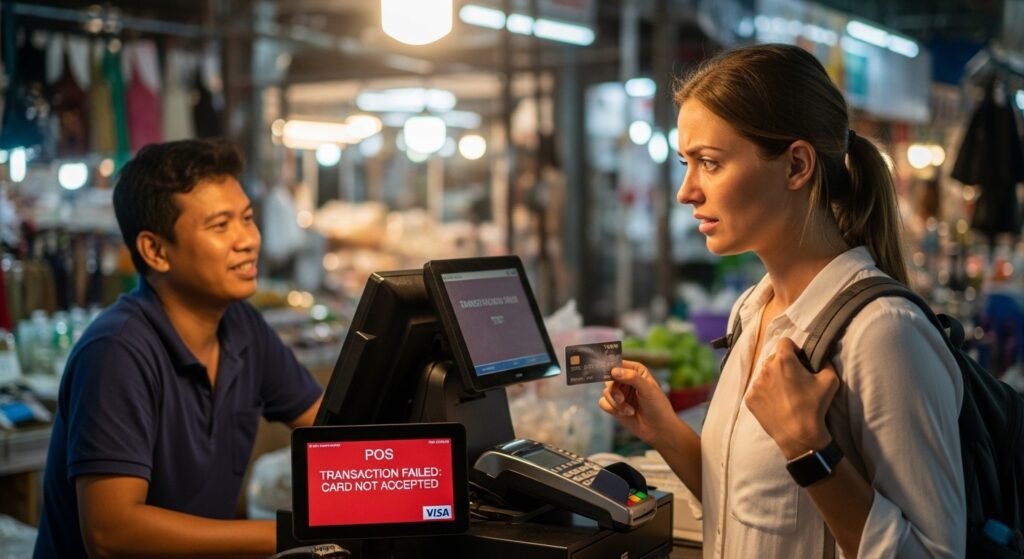
Banks monitor for unusual activity, and sudden foreign transactions can trigger fraud alerts that freeze your cards. Discovering this at a restaurant or hotel checkout is embarrassing and inconvenient. While many banks now use sophisticated algorithms that reduce the need for travel notifications, informing them remains wise, especially for less common destinations.
Most banks allow travel notifications through their apps in under a minute. Provide your destinations and travel dates, and confirm that your cards will work internationally. Also verify your daily withdrawal and purchase limits, and save your bank’s international customer service number. These small steps ensure uninterrupted access to your money throughout your trip.
Booking Without Comparing Prices

Impulse bookings are expensive. Flight and hotel prices vary dramatically across platforms, dates, and booking windows. Travelers who book the first option they see often pay significantly more than those who spend a little time comparing. Flexible dates can unlock even larger savings, as shifting a trip by a day or two sometimes cuts airfare substantially.
Using fare comparison tools, setting price alerts, and checking both aggregator sites and direct booking options helps ensure you are getting a fair deal. Booking directly with airlines and hotels sometimes yields better prices or more flexible cancellation policies. The research need not be exhaustive, but even thirty minutes of comparison shopping can save hundreds on a typical trip.
Overlooking Local Transportation Costs
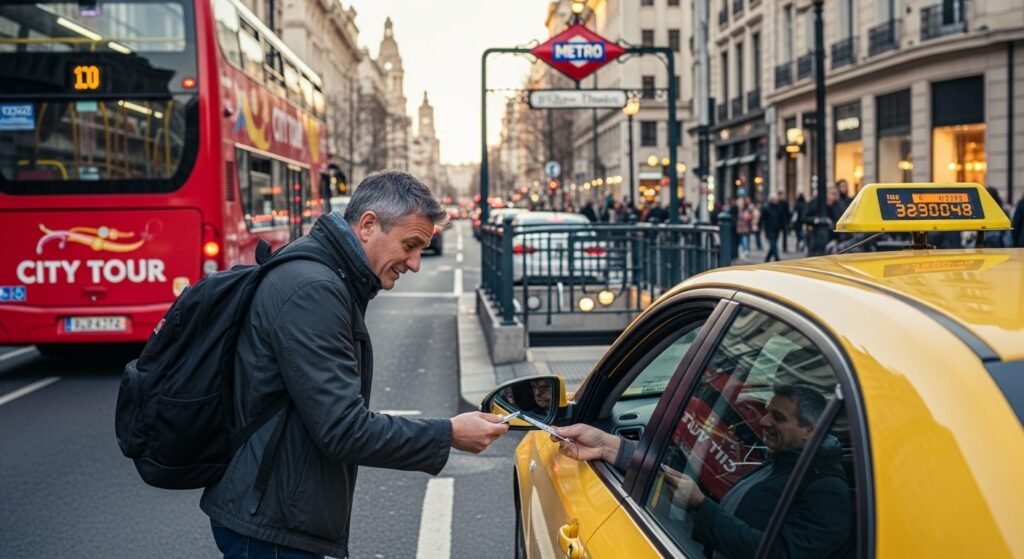
Taxis and ride-hailing services can devour a travel budget, especially in cities where distances are deceiving. Many travelers default to the most convenient option without considering alternatives. Yet most major cities offer excellent public transportation at a fraction of the cost, with day passes and tourist cards providing unlimited rides.
Researching local transit options before arrival pays dividends. Airport transfers by train or bus are often dramatically cheaper than taxis. Walking is free and frequently the best way to experience a city. When ride-hailing is necessary, comparing local apps to international ones can reveal savings. Budgeting for transportation as a distinct category, rather than treating it as an afterthought, keeps these costs under control.
Falling for Dynamic Currency Conversion
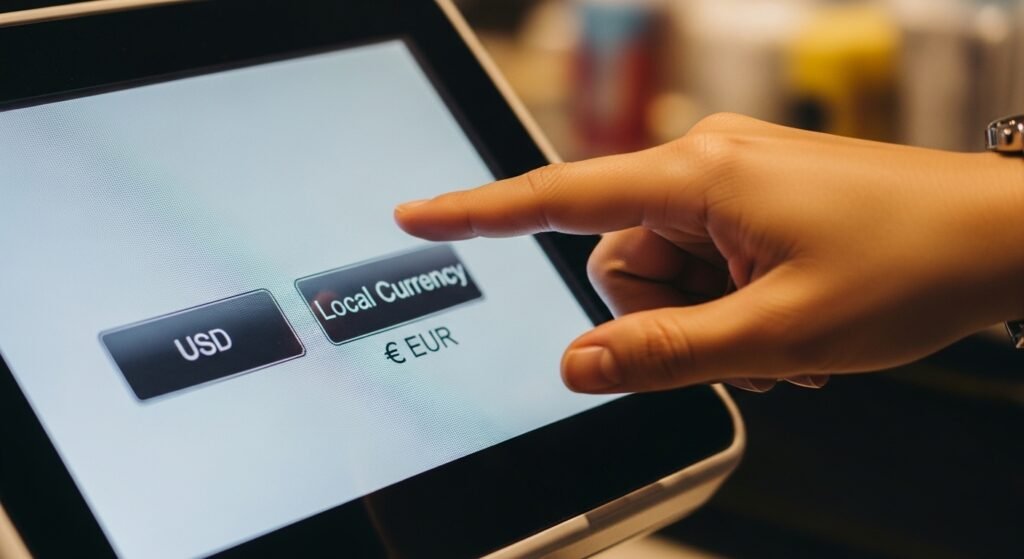
Some overseas merchants offer to charge your card in U.S. dollars instead of the local currency, a practice called dynamic currency conversion. It sounds helpful, but the exchange rate used is almost always worse than what your card issuer would apply. The merchant or payment processor pockets the difference, typically adding 3 to 7 percent to your bill.
The rule is simple: always choose to pay in the local currency. Your card issuer will convert at a far better rate, especially if you are using a card with no foreign transaction fees. The same principle applies at ATMs, which may ask whether you want to be charged in dollars. Declining conversion at every opportunity is one of the easiest ways to avoid unnecessary costs abroad.
Dining in Tourist-Heavy Areas Only

Restaurants clustered around major attractions charge premium prices for often mediocre food. Travelers who never venture beyond these zones pay more while experiencing less. Just a few streets away, neighborhood restaurants serve better meals at lower prices, offering a more authentic taste of local cuisine.
Seeking out where locals eat is both a money-saving strategy and a travel enrichment strategy. Markets, food halls, and side-street eateries reveal the culinary character of a place. Asking hotel staff or hosts for recommendations, reading local food blogs, and simply walking a few blocks from the main sights can cut dining costs dramatically while improving every meal. Some of the most memorable travel dining experiences happen far from the tourist crowds.
Forgetting About Daily Spending Limits
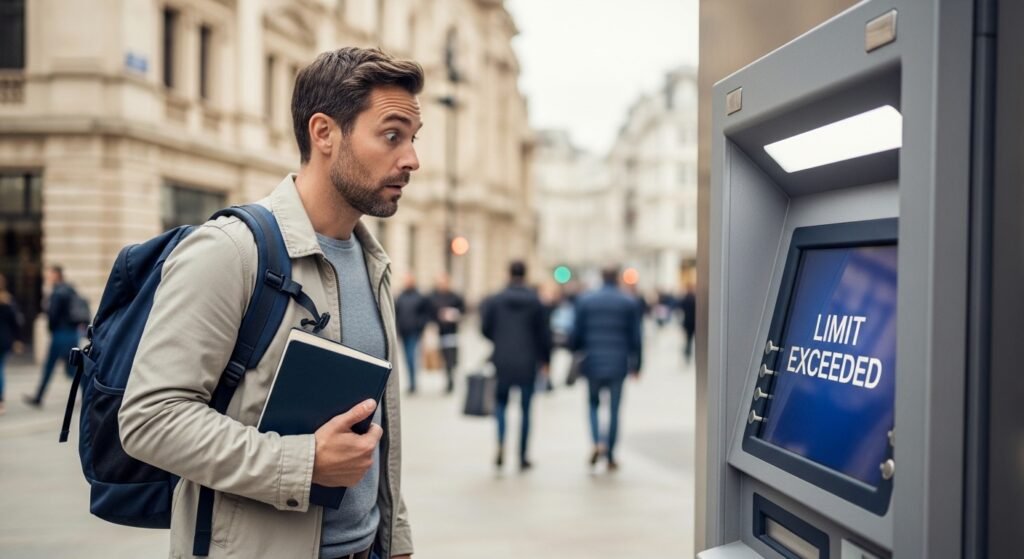
Banks and credit cards impose daily limits on withdrawals and purchases. Travelers occasionally hit these caps at critical moments, such as when paying for accommodation or booking onward travel. The resulting declined transactions cause stress and can force expensive workarounds.
Checking your account limits before departure and requesting temporary increases if needed prevents these disruptions. It is also wise to spread large expenses across days when possible and to keep a buffer in your checking account. Knowing your limits is part of knowing your financial tools, and it ensures that your money is available when you need it most.
Building Smarter Money Habits for Travel
Avoiding these mistakes comes down to preparation and awareness. Before each trip, review your cards’ fees, notify your banks, compare booking prices, and research local costs. During the trip, choose local currency, favor public transit, eat where locals eat, and keep track of spending. None of these habits require expertise, only a little attention.
The savings add up to more than money. Traveling with financial confidence reduces stress and frees you to enjoy the experience. Every dollar not lost to fees or poor rates is a dollar available for the moments that make travel worthwhile: a special meal, an unforgettable excursion, or simply the comfort of knowing your budget is under control. Smart money habits do not just protect your wallet; they enhance the entire journey.