 Sarah Grey
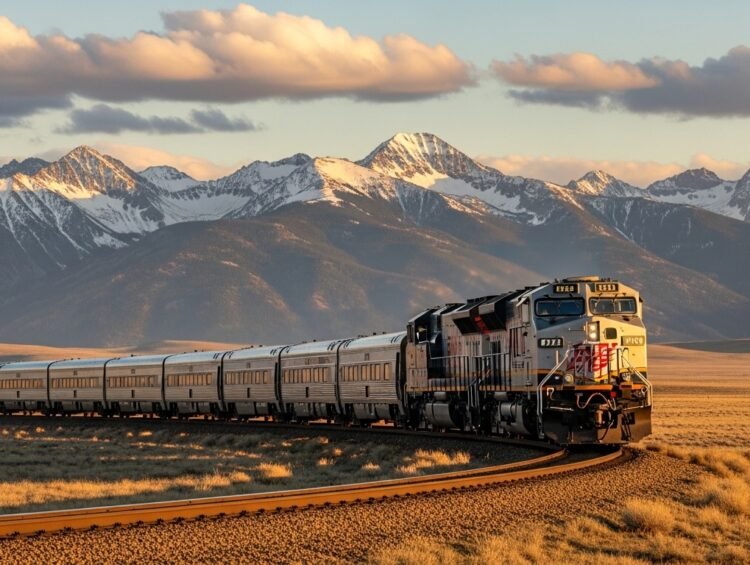
There is no better way to grasp the sheer scale of America than to cross it slowly, at ground level, watching the continent unfold outside a train window. Amtrak’s Empire Builder does exactly that: a legendary long-distance route linking Chicago with Seattle and Portland, crossing the Mississippi, the northern plains, the Rockies, and the Cascades in a single epic ride of more than 2,200 miles and nearly two full days.
Named for James J. Hill, the railroad magnate known as the Empire Builder of the Great Northern Railway, this is less a mode of transport than a moving panorama of the American interior. From the observation car’s wraparound windows, the country passes in chapters: farmland, prairie, mountains, forest, gorge, and finally the Pacific Northwest. Here is the journey, stop by unforgettable stop.
Departure from Chicago
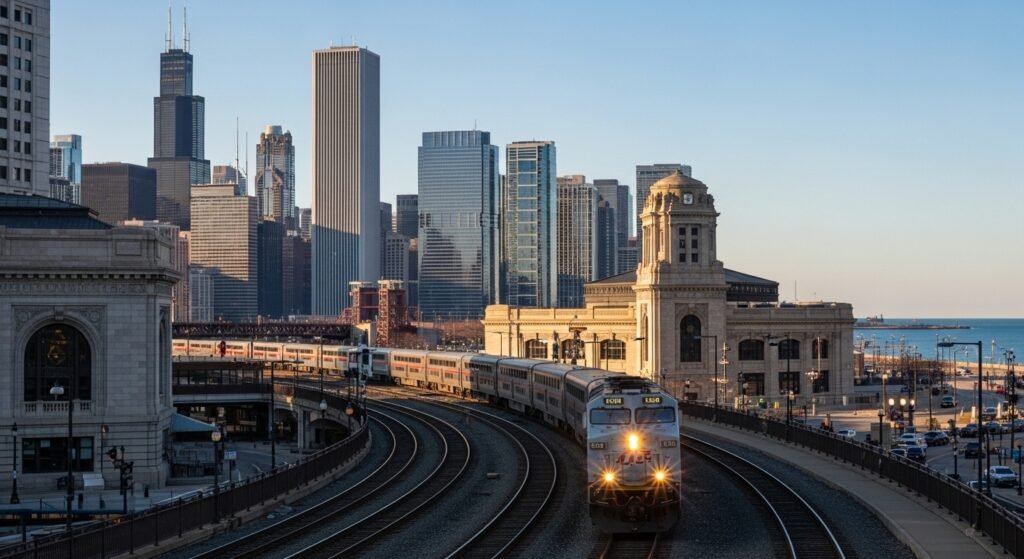
Every great journey needs a great departure, and Chicago Union Station delivers: a grand Beaux-Arts hall where the Empire Builder boards in the afternoon amid the bustle of one of America’s busiest rail hubs. Settle into your seat as the train pulls out past the city’s industrial corridors and the Lake Michigan shoreline, and within an hour the skyline gives way to suburbs, then to the wide, open farmland of Wisconsin and Minnesota stretching to the horizon.
The first evening is for settling in: find your bearings, visit the Sightseer Lounge with its panoramic windows, and have dinner in the dining car as the Midwest rolls by in the golden light. There is a particular pleasure in that first night aboard, falling asleep to the gentle rhythm of the rails while the train carries you steadily west through the dark.
Crossing the Mississippi River
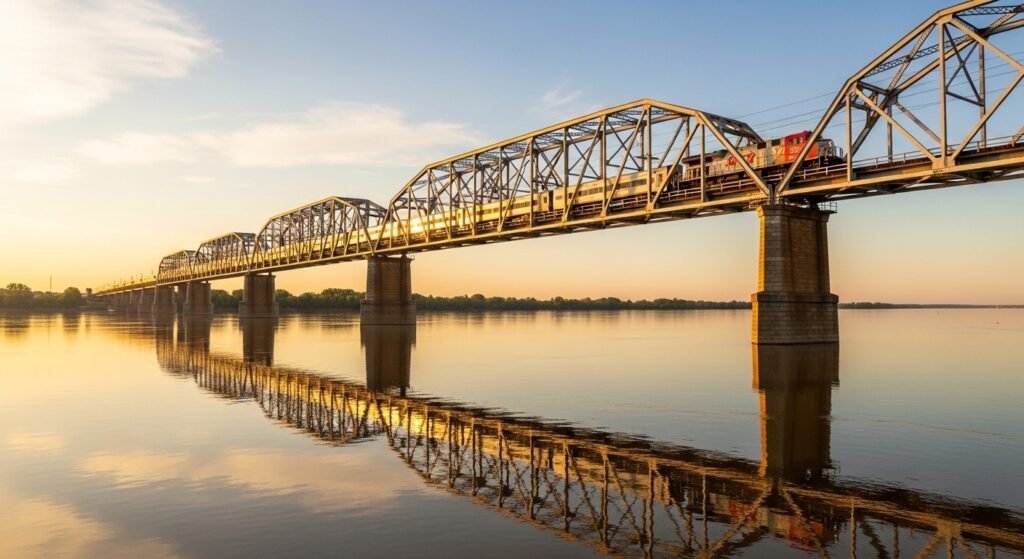
One of the journey’s first great moments comes at the Mississippi River, which the Empire Builder crosses in the Minneapolis-St. Paul area. The mighty river glitters below, wide and purposeful, marking a symbolic threshold: behind you the eastern Midwest, ahead the vast northern plains. It is the kind of crossing that makes the whole observation car reach for the camera at once.
The Twin Cities stop is a welcome chance to stretch your legs on the platform and breathe the night air before the train pushes on into the darkness. From here the landscape begins its slow transformation, the towns spacing farther apart, the horizon widening with every mile, the sky taking over the view. The plains are coming, and you can feel it.
North Dakota’s Open Skies
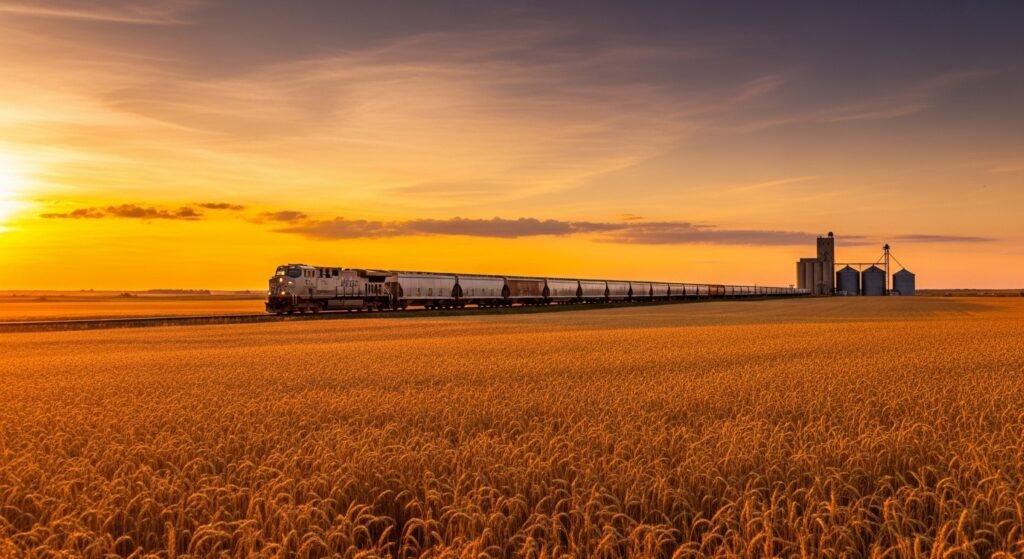
You wake to North Dakota, and the first thing you notice is the sky. It is enormous, an unbroken dome stretching from horizon to horizon, with grain elevators and lonely farmsteads punctuating fields that run to the very edge of sight. This is the agricultural heartland at full scale: wheat, sunflowers, and canola in their seasons, cattle grazing on the open range.
Sunsets here are legendary, bands of gold and lavender washing across the prairie in slow layers. The train’s pace feels exactly right for this country: unhurried, observant, meditative. Order coffee in the lounge car, claim a forward-facing seat by the big windows, and let the plains do what they do best, which is put everything in perspective.
Montana’s Big Sky Country
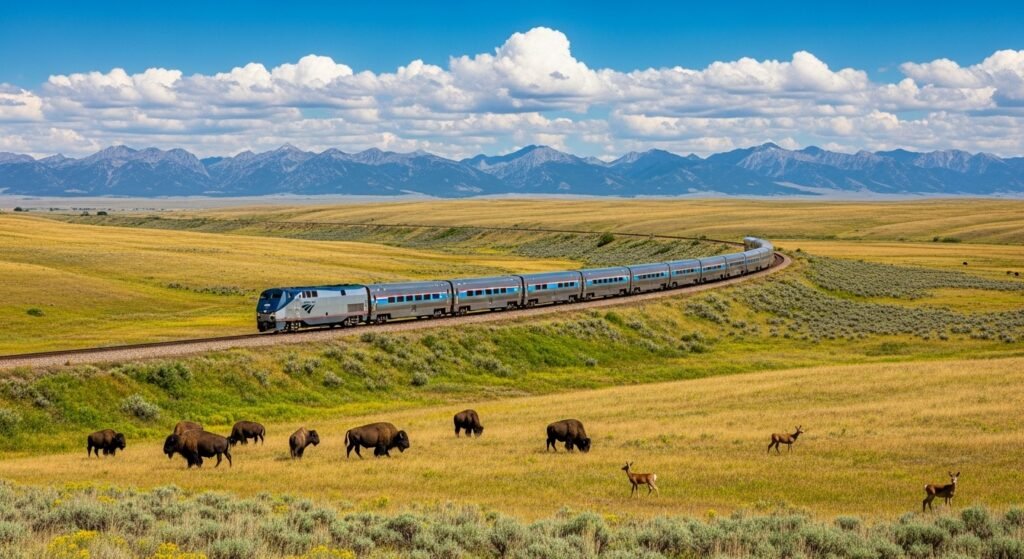
Crossing into Montana, the land begins to rumple and rise in earnest. The flat plains give way to rolling ranch country, then to distant blue mountain ranges on the horizon that grow steadily closer with every hour. This is Big Sky Country in the full sense of the phrase: working cattle ranches, wandering rivers, and abundant wildlife, keep an eye out for deer, bald eagles, and pronghorn grazing near the tracks.
The light in Montana has a quality that photographers chase across continents: crisp, clear, and golden for hours at a stretch. Small railroad towns like Havre, Shelby, and Whitefish flash past the windows, each one a reminder of the railroad’s central role in settling the American West. The best scenery is yet to come, and you can feel the anticipation building throughout the observation car.
Glacier National Park Views
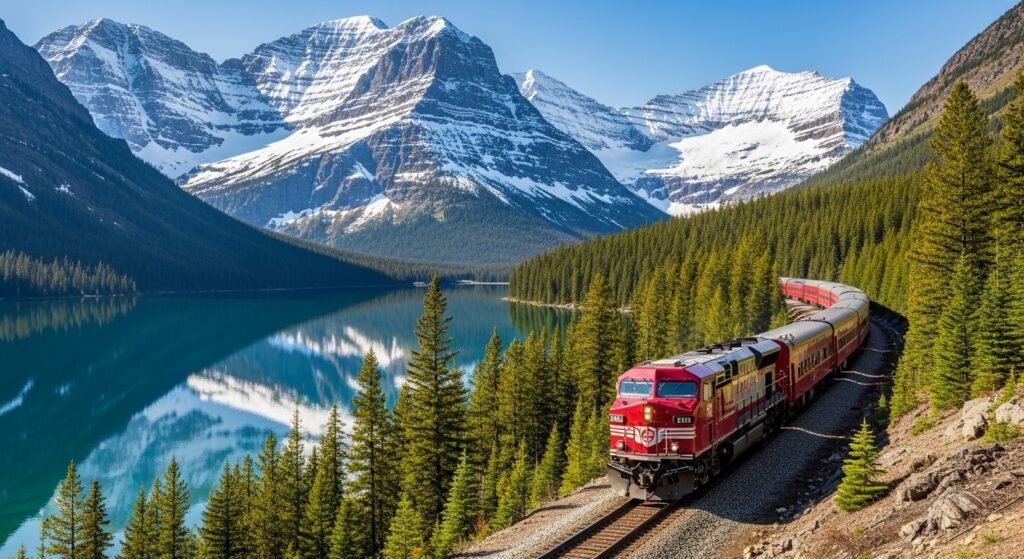
The undisputed highlight of the entire route runs along the southern edge of Glacier National Park, where the tracks thread a narrow corridor between the park’s protected wilderness and the Great Bear Wilderness beyond. Snow-capped peaks tower directly above the train, waterfalls streak down the cliffs after rain, and the Middle Fork of the Flathead River runs wild and turquoise right beside the rails.
This is the only Amtrak route that serves a national park so intimately, with station stops at West Glacier and the storybook lodge town of Essex. In summer the commentary drifting through the observation car is half gasps and half laughter. It is the stretch of track that converts casual riders into lifelong rail devotees.
Climbing the Rockies
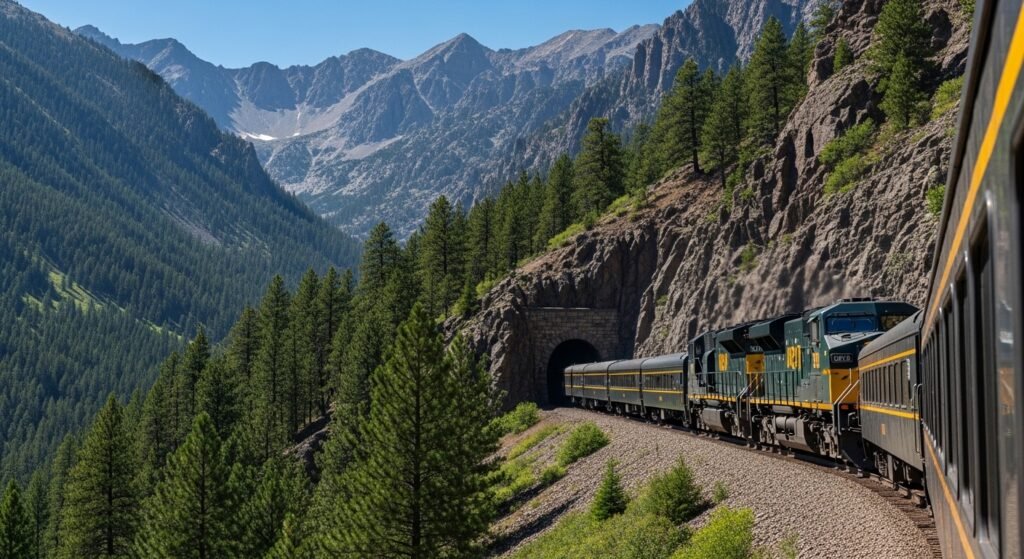
West of Glacier, the Empire Builder climbs to Marias Pass, at 5,213 feet the lowest crossing of the Continental Divide in the United States, following the route scouted by railroad surveyors back in the 1880s. The engineering on display is a marvel of another era: tunnels bored through solid rock, trestles spanning deep ravines, and snowsheds built to survive brutal avalanche country.
This is the most dramatic railroading of the entire trip, and the train slows enough through the pass to let you savor every curve. Thick evergreen forest closes in on both sides, mountain streams braid silver below the trestles, and each bend reveals another hidden valley. It is a vivid reminder that this route was carved through genuine wilderness, and that the wilderness is still very much there.
Spokane’s Historic Stop
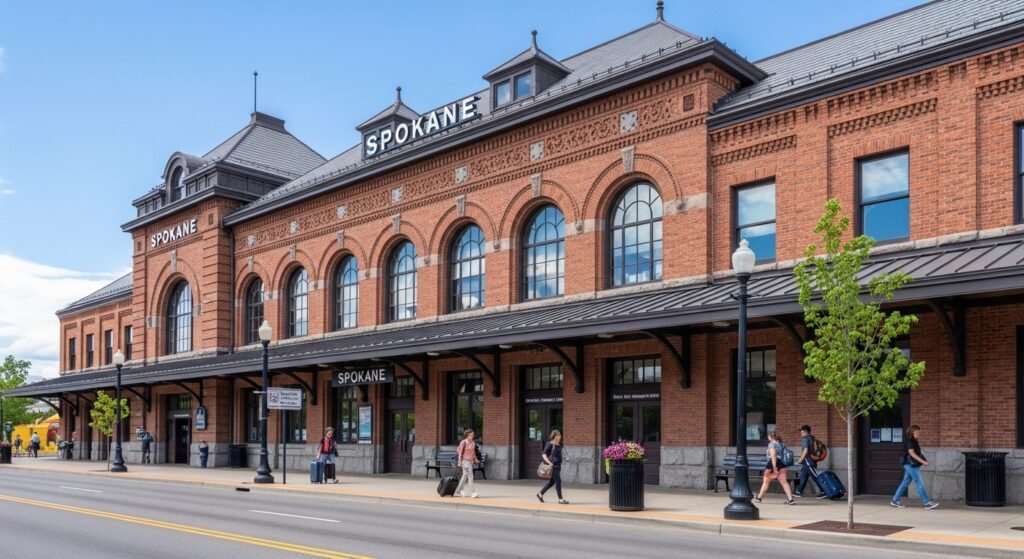
In the middle of the night, the train reaches Spokane, Washington, for one of railroading’s most fascinating maneuvers: the Empire Builder splits into two trains. One section continues west to Seattle while the other turns south to Portland, with cars uncoupled, switched, and re-sorted in the dark as passengers sleep soundly through the entire operation.
You will likely snooze through the switching itself, but waking to find your train reconfigured for its final leg is part of the quiet magic of the journey. Spokane’s handsome brick station district, glimpsed in the early dawn, is a fitting welcome to the Pacific Northwest, all evergreens, river mist, and crisp morning air.
Columbia River Gorge
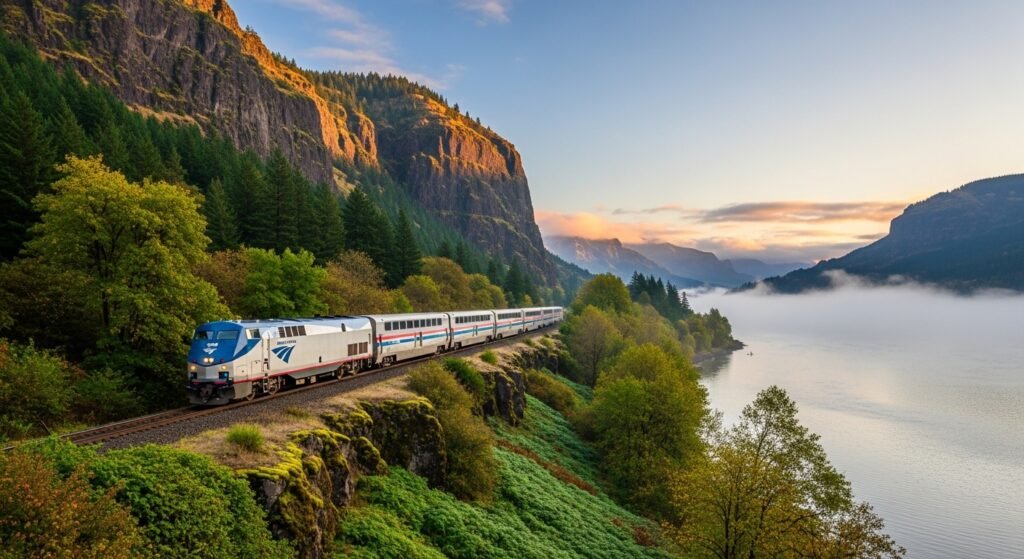
Passengers on the Portland section wake to the Columbia River Gorge, one of the great scenic corridors in all of American railroading. The tracks run at water level beneath sheer basalt cliffs, past cascading waterfalls, windsurfers skimming the whitecaps, and the mighty river itself rolling steadily toward the Pacific Ocean.
The gorge was carved by Ice Age floods of almost unimaginable power, and that violent geology is written across every cliff face you pass. Morning mist often softens the basalt walls into something dreamlike and painterly. It is a gentler drama than the Rockies but no less beautiful, a green and watery finale before the train rolls into Portland.
Arrival in Seattle
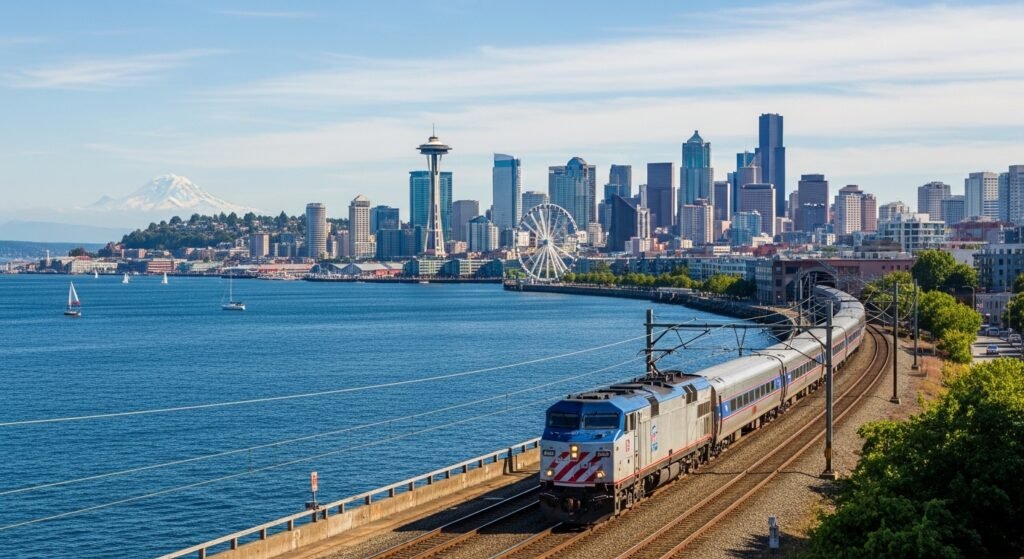
The Seattle section crosses the Cascade Range via the long Cascade Tunnel and Stevens Pass, emerging into the lush green foothills above Puget Sound. The final approach follows the shoreline north, with the Olympic Mountains rising across the water and the city skyline, Space Needle and all, appearing ahead like a reward. After two days of deep wilderness, Seattle’s vibrant waterfront energy feels electric.
King Street Station’s beautifully restored grandeur is a fitting end to the epic journey. Step out into the salt air, find excellent coffee within about thirty seconds, and congratulate yourself properly: you have just crossed two-thirds of a continent at the speed of scenery, and seen more of America than most road trips ever show.
Portland’s Pacific Charm
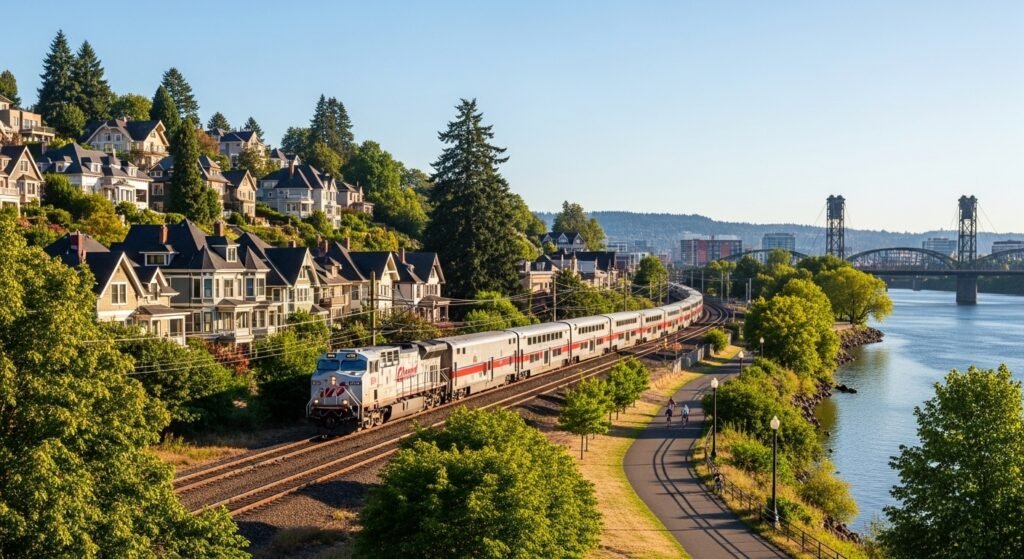
The Portland section ends at the city’s beautifully restored Union Station, with its iconic clock tower, set in the heart of the historic Old Town. Step outside to tree-lined streets, the Willamette River just a few blocks away, and a city famous for its food carts, independent coffee roasters, and spectacular rose gardens. The air here smells of the Pacific: green, damp, and alive.
Portland is the softer landing of the two termini, a walkable, neighborhood-driven city that rewards travelers who linger a few extra days. After the vastness of the plains and the drama of the mountain passes, its human scale and easy charm feel like a deep, contented exhale.
Life Onboard the Empire Builder
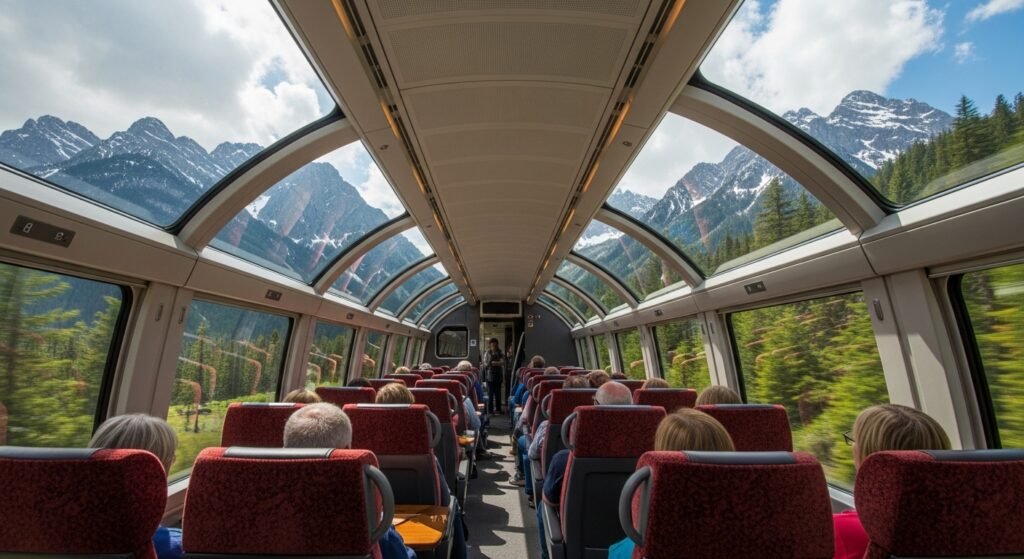
The journey is the destination, and the train is thoughtfully designed for exactly that. The double-decker Sightseer Lounge, with its wraparound panoramic windows, is the social heart of the train: strangers become friends over card games, shared sunsets, and collective gasps at the scenery. The dining car serves proper sit-down meals, and the coach seats are wide, reclining, and far kinder to the human body than any airplane seat.
For the full classic experience, book a roomette or bedroom: a private cabin by day that the attendant converts into a sleeper at night, with meals included in the fare. However you choose to ride, the rhythm is the same: unhurried, observant, communal. Time passes at the speed of the landscape outside, which is exactly the point of the whole enterprise.
Why the Train Still Matters
In an age of three-hour flights, spending two full days on a train is a deliberate choice, and that is precisely where its value lies. The Empire Builder restores something that flying can never provide: a felt, physical sense of distance, of how big and varied and staggeringly beautiful this country actually is. You arrive not just transported but transformed, with the continent’s geography written into your memory.
Book a sleeper if you can, pack layers for cold mountain mornings, bring a good book you will barely open, and bring curiosity for your fellow passengers. America’s great train journey is not the fastest way west. It is simply the best way to understand what west really means.