 Sarah Grey
Every few years, a travel movement arrives that rewrites our collective idea of the perfect trip. In 2026, that movement is the Mystic Outlands: a sweeping embrace of mist-shrouded highlands, fog-draped ruins, silent forests, and landscapes so dramatic they barely feel real. Travelers are trading crowded beach clubs and checklist city tours for something harder to define and harder to forget, a mood of wonder, mystery, and deep calm that the modern world rarely offers.
This is not about ticking off famous landmarks. The Mystic Outlands trend is a pursuit of atmosphere: the feeling of stepping into a storybook where every valley holds a secret and every castle has a ghost. From the Scottish Highlands to the Faroe Islands, from ancient stone circles to rain-soaked hidden seasons, here is why everyone wants to experience the world’s most magical edges, and how you can plan your own journey into the mist.
Finding Magic In The Ordinary World
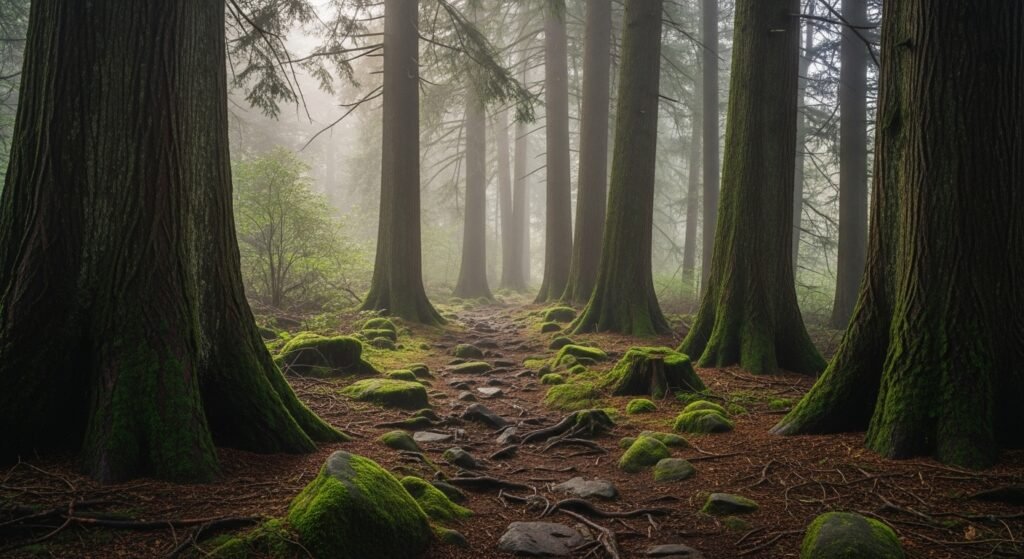
At its heart, the Mystic Outlands trend reflects a quiet rebellion against the way we have been taught to travel. For a decade, the dominant aesthetic was brightness: turquoise water, white sand, infinity pools, golden hour. Beautiful, but increasingly interchangeable. The new longing is for something with texture and shadow, places where the weather is a participant rather than a backdrop, and where beauty feels earned rather than staged.
Psychologists might call this a search for awe, the emotion we feel in the presence of something vast and mysterious that rearranges our sense of scale. Awe quiets the chattering mind and has been linked to reduced stress and greater well-being. The Mystic Outlands traveler is, knowingly or not, chasing that feeling: standing small before something ancient, misty, and magnificent, and feeling the noise of ordinary life fall away.
The Allure Of The Scottish Highlands
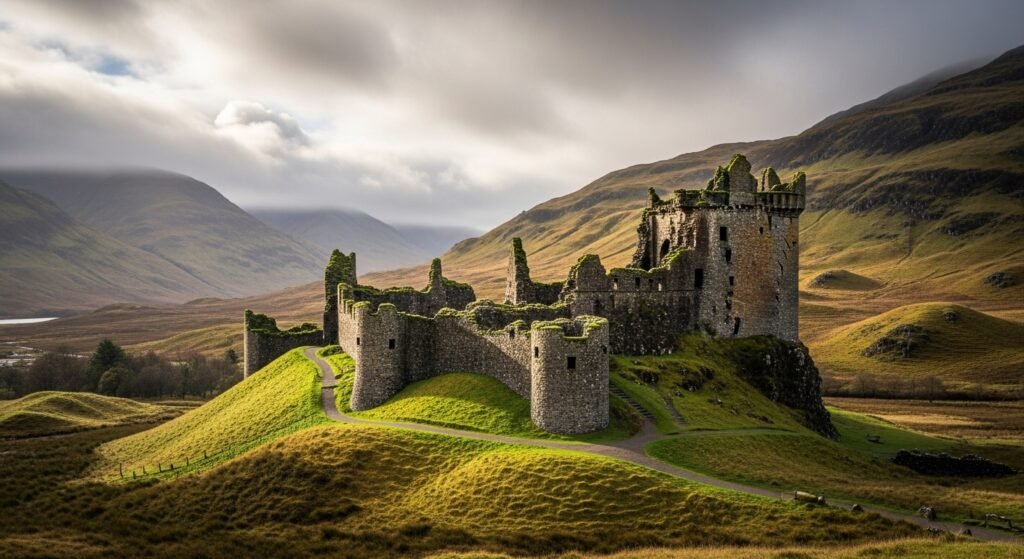
No destination embodies the trend better than the Scottish Highlands. Rugged Munros disappearing into low cloud, moss-covered glens, mirror-still lochs, and castles like Eilean Donan that seem to have grown out of the rock itself: this is the original mystic outland, and it has been perfecting the aesthetic for millennia. The Isle of Skye’s otherworldly rock formations and Glencoe’s brooding valley feel less like scenery and more like setting, as if a story is about to begin.
What draws travelers is the layering of nature and history. In the Highlands, the two are inseparable: clan battlefields, ancient drovers’ roads, and crofting villages sit within landscapes that have barely changed in centuries. Walking here is a form of time travel, and the ever-shifting weather means no two visits ever look the same. Mist is not a disappointment in Scotland; it is the main attraction.
Escaping The Noise Of Daily Life
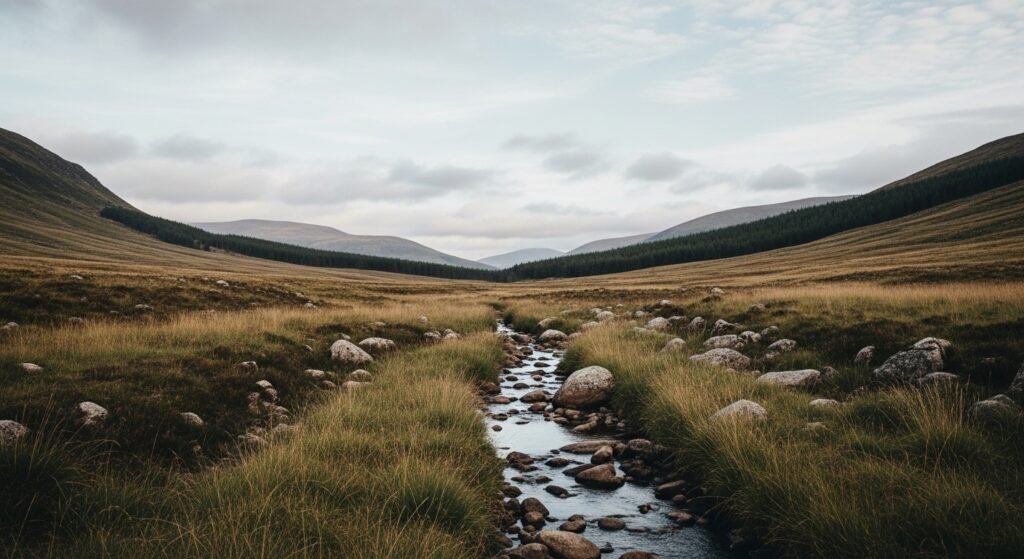
One of the trend’s most powerful promises is silence. Not the absence of sound but the presence of natural quiet: wind over moorland, water over stone, the cry of a distant bird. For people whose daily lives are scored by notifications, traffic, and open-plan offices, that kind of quiet is not empty. It is restorative, a genuine mental reboot that no spa weekend in the city can replicate.
This is why remote stays are central to the movement: bothies, crofters’ cottages, lighthouse keeper’s quarters, and off-grid cabins where the loudest evening entertainment is the weather. Travelers report sleeping better, thinking more clearly, and returning home with a calm that outlasts the trip by weeks. Disconnection, it turns out, was the luxury all along.
Surreal Landscapes Of The Faroe Islands
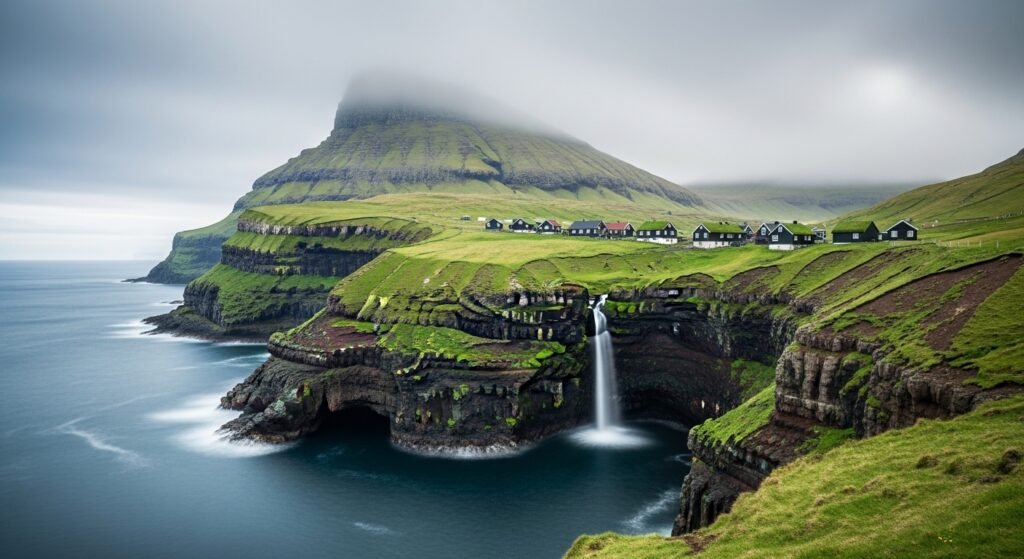
If Scotland is the classic, the Faroe Islands are the revelation. This self-governing Danish archipelago in the North Atlantic, eighteen islands of impossible green cliffs, turf-roofed villages, and waterfalls that blow upward in the wind, looks like a place cartographers invented. The famous Múlafossur waterfall, plunging directly into the ocean beside the village of Gásadalur, is the single most photographed argument for the entire trend.
The Faroes deliver the isolation that the Mystic Outlands traveler craves. With a tiny population and weather that changes by the minute, the islands enforce a slower rhythm: ferries when they run, hikes when the fog lifts, and an ever-present sense of being at the edge of the map. It is spooky, stunning, and utterly unlike anywhere else in Europe.
Why Folklore Is Replacing Postcards
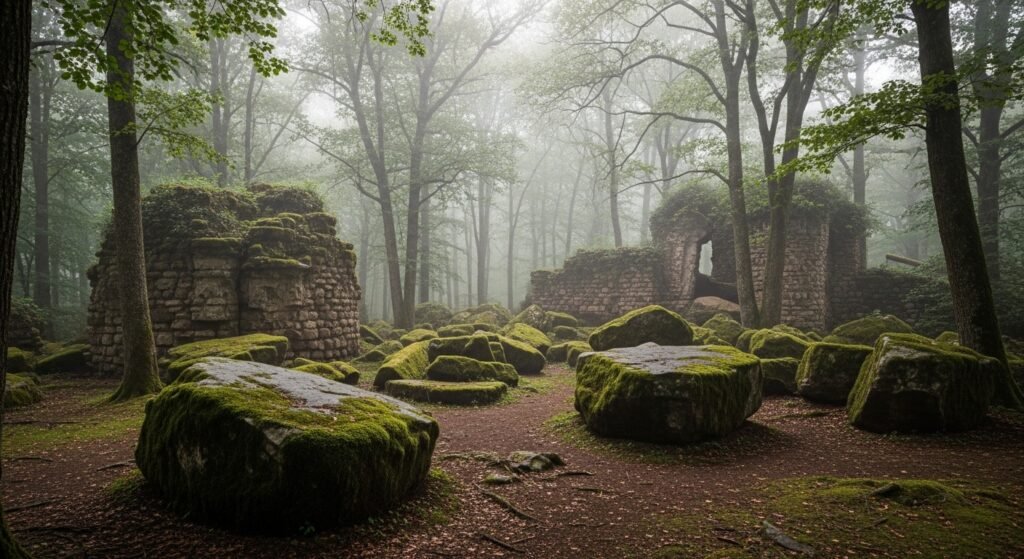
Underneath the aesthetic runs a deeper current: a hunger for story. Travelers are increasingly choosing destinations with folklore, legend, and myth woven into the landscape, places where every hill has a tale and every ruin has a ghost. A castle is just a building until you know the legend of the clan that held it; a misty lake is just water until you hear what is said to live in it.
This is why folklore is replacing postcards as the souvenir that matters. A stunning view fades from memory, but a story told by a local guide on a windswept hillside stays with you for years. The Mystic Outlands trend is, at bottom, a recognition that the best travel souvenir is not a photograph but a narrative you now carry with you.
The Beauty Of The Hidden Season
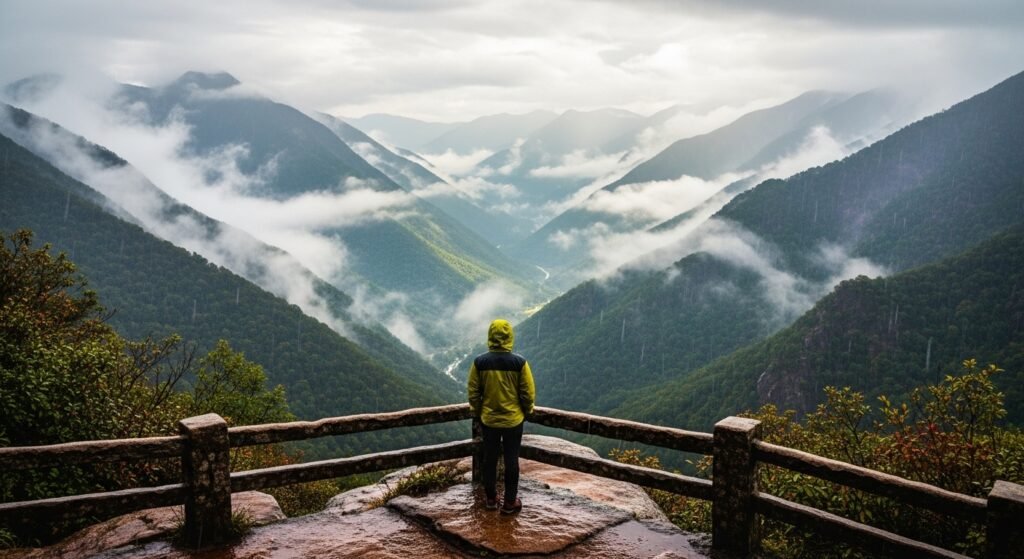
Perhaps the most radical idea in the movement is the embrace of the off-season. Mystic Outlands travelers actively prefer the months others avoid: the rain, the low cloud, the short days. They have discovered what photographers have always known, that bad weather is the best weather for atmosphere. A valley in flat summer sun is pretty; the same valley with storm light breaking through is transcendent.
Traveling in the hidden season brings practical rewards too: fewer crowds, lower prices, and a more authentic encounter with places that are not performing for peak-season visitors. The pub is full of locals instead of tour groups, the trails are empty, and the landscape, moody and magnificent, feels like it belongs to you alone.
Walking Through Ancient Stone Circles
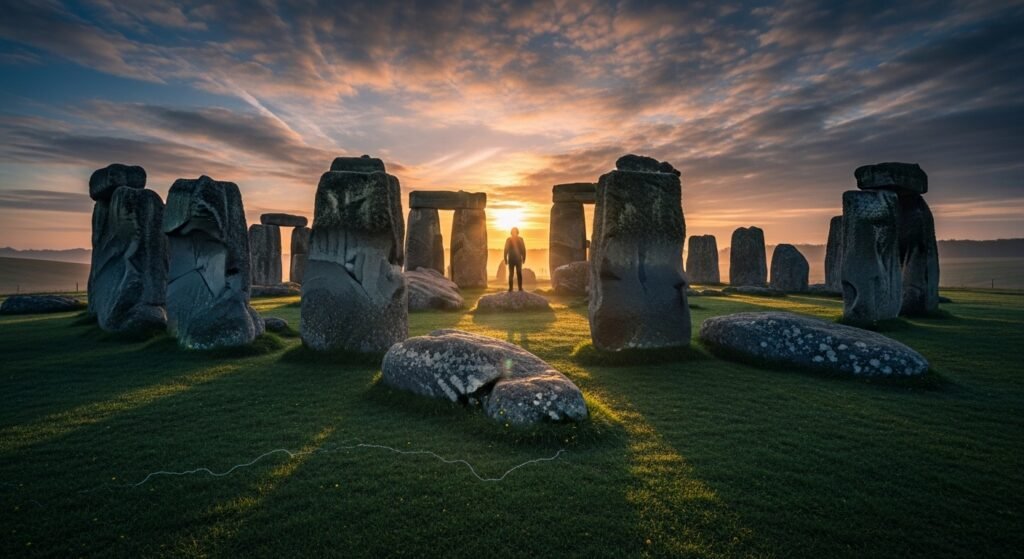
Ancient sites are the trend’s spiritual anchors. Stonehenge on Salisbury Plain, its massive sarsens aligned to the solstices for over four thousand years, remains the most famous, but the British Isles hold hundreds of lesser-known circles, standing stones, and burial chambers where you can stand alone with the deep past. There is an electric quality to these places that visitors consistently describe: a hush, a sense of scale, a feeling of being briefly connected to everyone who ever stood there.
Archaeologists may debate what the circles were for, but travelers need no consensus to feel their power. In an age of the virtual and the disposable, there is something profoundly grounding about placing your hand on a stone that was raised before the pyramids were finished. The Mystic Outlands are, among other things, a pilgrimage to permanence.
The Role Of Social Inspiration
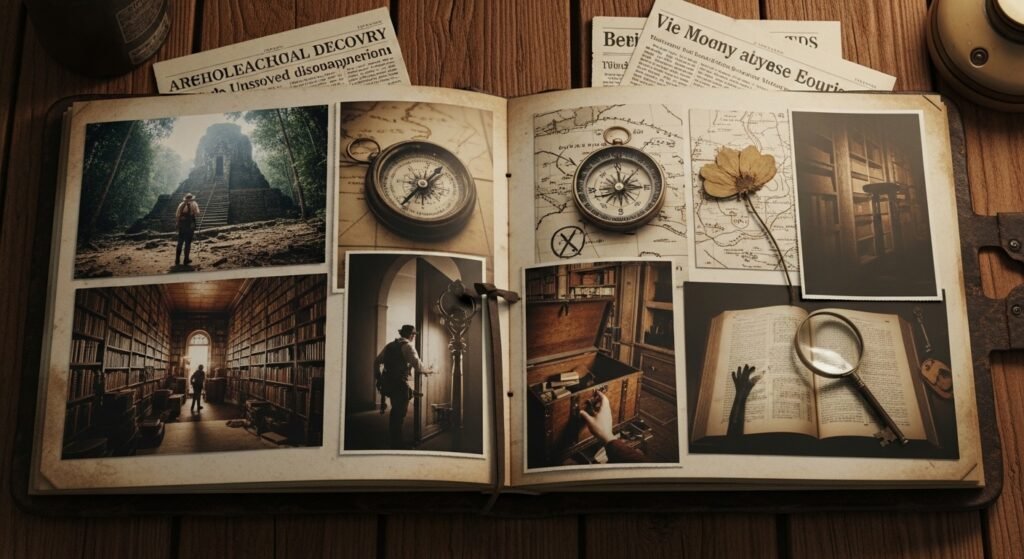
Social platforms have been the trend’s great accelerant. Searches for moody, misty, folklore-rich travel imagery have surged on Pinterest and Instagram, where a single fog-drenched photograph of a Highland glen or a Faroese cliff can inspire thousands of saved itineraries. The aesthetic photographs beautifully: all brooding skies, ancient stone, and cinematic light.
But the most interesting thing about the social dimension is what people say they want from it. The comments are not about luxury or status; they are about feeling. Travelers want their photos to tell a story of adventure and mystery, to capture a mood rather than a resort. In a small but meaningful way, the trend is redirecting the performative energy of travel toward something more soulful.
How To Plan Your Own Mystic Outlands Journey
Ready to step into the mist? Start by choosing your mood: Highland castles and whisky trails in Scotland, edge-of-the-world isolation in the Faroes, ancient stones across England and Wales, or misty forests closer to home. Travel in the shoulder or off-season for atmosphere and solitude, pack seriously good rain gear, and build flexibility into your itinerary, because the weather is part of the experience, not an obstacle to it.
Above all, travel slowly and respectfully. These are living landscapes with fragile ecosystems and small communities. Stay on marked paths, support local guides and family-run stays, and leave the mist as mysterious as you found it. The Mystic Outlands reward the traveler who listens more than they photograph. Go quietly, and the magic will find you.
One more thought for the would-be mystic traveler: you do not need a passport or a plane ticket to begin. The outlands are a way of seeing as much as a place to go. That foggy ravine an hour from your city, the abandoned stone mill in the county forest, the hilltop cemetery at dusk: all of them hold a version of the same magic, if you arrive with the right eyes. Practice noticing atmosphere close to home first. Wake early for the mist, walk in the rain instead of waiting it out, and learn the old stories of your own region, because every landscape has them. When you eventually stand in a Highland glen or on a Faroese cliff edge, you will not be a tourist collecting scenery. You will be a traveler who knows how to meet a place on its own mysterious terms, and that is the real secret of the trend.