 Sarah Grey
Travel brochures show sunsets and smiling couples. They do not show you hunting for a late-night meal in an unfamiliar city or figuring out the local pharmacy with hand gestures. Nobody warns you about the unglamorous parts of traveling until you are living them, usually far from home and always wiser afterward. After years of trips that taught me the hard way, here are the twelve things I wish someone had told me before I learned them myself.
Consider this the honest pre-trip briefing. Not the scary kind, but the practical kind that saves you money, stress, and at least one meltdown. Forewarned is forearmed, and a little preparation turns most travel surprises from disasters into funny stories.
1. Midnight Hunger Is Real

In many parts of the world, kitchens close far earlier than you expect. In Spain, dinner does not start until 9 or 10 p.m., but in much of rural Europe and Asia, restaurants shut their doors by 8. If you arrive late, hungry, and jet-lagged, finding a meal can become a genuine quest.
The fix is simple: always travel with emergency snacks. A granola bar, some nuts, or crackers in your day bag will save you more than once. And on arrival day, make food your first mission, not your last. A fed traveler is a happy traveler, and everything looks better after a meal.
2. Foreign Pharmacies Are Puzzles
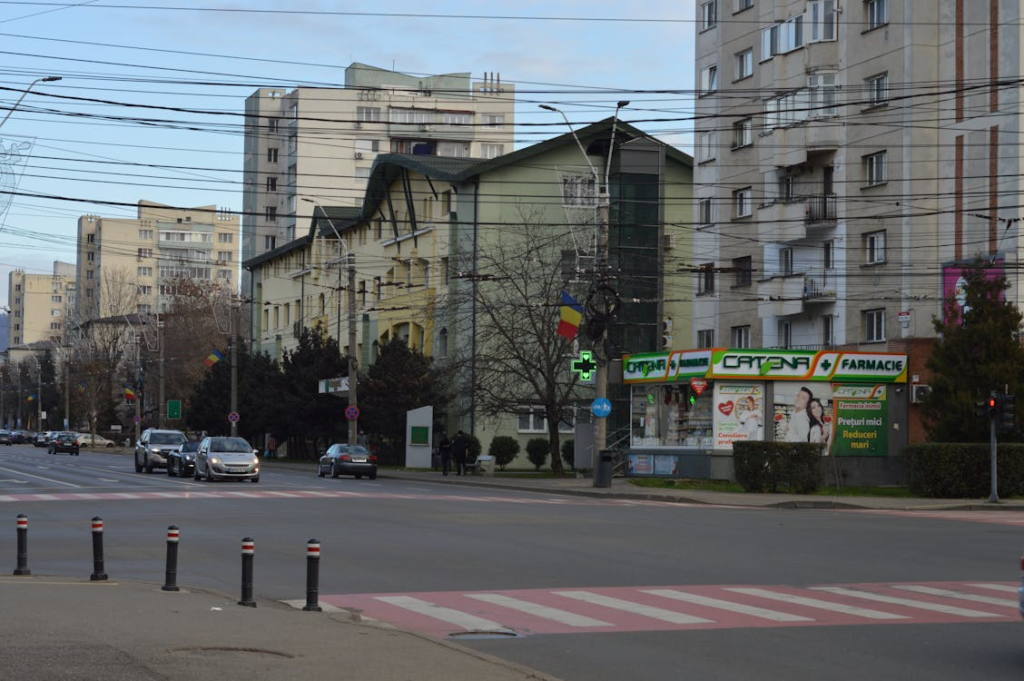
Your trusted headache remedy or allergy pill may not exist under the same name abroad, or may be sold under completely different branding. When you are unwell in an unfamiliar place, charades is not the game you want to play.
Pack a small travel health kit with your personal essentials before you go: pain relievers, allergy tablets, stomach remedies, motion sickness aids, bandages, and any personal prescriptions with documentation. Knowing the generic names of your usual products helps too, since those cross borders better than brand names.
3. The Laundry Bill Shock
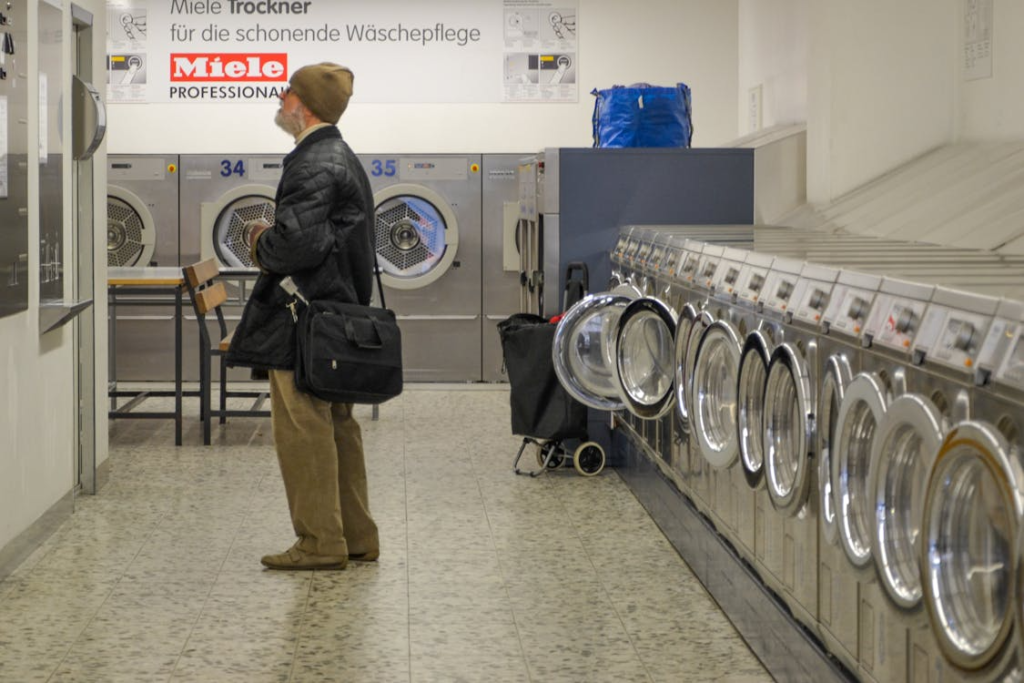
Hotel laundry services often charge per item, and the per-item prices can be jaw-dropping. A few shirts and socks can cost more than a nice dinner. Nobody warns you until the bill arrives, and by then the lesson is expensive.
For trips longer than a week, find a local laundromat. They are cheaper, faster, and often a fun cultural experience in themselves. Alternatively, pack travel detergent packets and hand-wash essentials in the sink. Quick-dry fabrics earn their place in a travel wardrobe precisely for this reason.
4. Your Shoes Will Betray You

Those cute boots or fashionable flats that felt fine in the store will declare war on your feet by day two of cobblestones, hills, and ten-mile walking days. Travel is an athletic event disguised as a vacation, and your footwear is your most important equipment.
Break in your walking shoes for at least two weeks before the trip, and bring a backup pair with a different shape so you can rotate. Blisters can ruin days, so pack blister bandages as insurance. The travelers having the most fun are almost always the ones in comfortable shoes.
5. Data Roaming Shocks

Even with an international plan, crossing certain borders can mean throttled speeds or shocking per-megabyte charges. And in remote areas, there may be no signal at all, exactly when you need maps most.
Before you go, download offline maps of your destinations, save key addresses and reservations as screenshots, and look into local SIM cards or eSIM data plans, which are often dramatically cheaper than roaming. Tell someone your rough itinerary too. Being unreachable for a day is fine. Being unreachable and lost is not.
6. Public Restrooms Cost Money
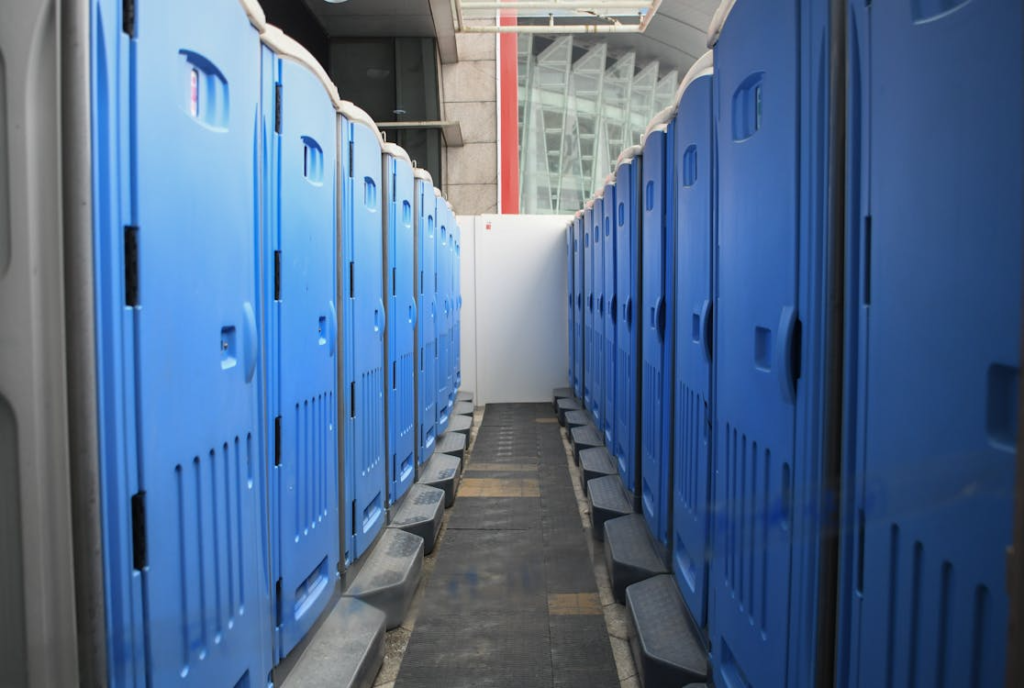
In many countries, using a public restroom costs a small fee, and they often require exact coins. It feels strange the first time, but it is completely normal, and the facilities are usually cleaner for it. The real surprise is needing to go and having no coins.
Keep small change on you at all times, carry tissues and hand sanitizer, and learn to spot the restroom signs early. Department stores, museums, and larger restaurants are reliable free options. This is one of those tiny travel skills that makes you feel like a seasoned pro.
7. The Jet Lag Wall Hits on Day Three
Everyone expects to feel tired on arrival day. The cruel surprise is day three, when the adrenaline wears off and your body files a formal complaint. Sleep researchers note that traveling eastward, which shortens your day, is typically harder to adjust to than traveling westward. A general rule is that it takes about a day per time zone crossed to fully adjust.
Fight it with light and timing. Get bright daylight in the morning at your destination to reset your internal clock, avoid long daytime naps, and consider shifting your sleep schedule by an hour or two in the days before departure. Do not plan your most important activities for day three. Plan a slow morning instead.
8. Water Safety Is About More Than Drinking
In destinations where tap water is not safe, the risk is not just the glass of water. It is the ice in your drink, the water used to rinse salads and fruit, and even brushing your teeth. Travel health authorities advise checking water safety for your destination before you go.
Stick to bottled or purified water where advised, skip the ice unless you are sure of its source, and eat fruit you peel yourself. A reusable bottle with a built-in filter is a great investment for frequent travelers. A little caution here prevents the kind of stomach trouble that can cost you days of a trip.
9. Hidden Taxes and Resort Fees
The price you see online is often not the price you pay. Many cities charge tourist taxes, and many hotels add daily resort or facility fees that only appear in the fine print. These can add a significant amount to a week-long stay.
Always check the total including taxes and fees before booking, and budget an extra cushion for arrival costs. Reading the fine print takes two minutes and prevents the sour feeling of a bill that is mysteriously larger than expected. Forewarned is forearmed, and now you are.
10. Your Battery Will Die When You Need It Most
Maps, translation, photos, tickets, rideshares. Travel drains a phone battery at an alarming rate, and the moment it dies is inevitably the moment you need it most. A dead phone in an unfamiliar place is a special kind of helplessness.
A portable power bank is the single most useful travel accessory you can own. Charge it every night alongside your phone. Also save offline copies of your hotel address, key bookings, and an emergency contact. Paper backup of the essentials means a dead battery is an inconvenience, not a crisis.
11. Pack Half of What You Think
Dragging an overstuffed suitcase up narrow stairs, over cobblestones, and through crowded stations is miserable. You will wear about half of what you pack, and you will resent the other half with every step. Heavy bags also make you less mobile and more tired.
Lay out everything you plan to bring, then remove a third. Choose versatile pieces in a coordinating palette, wear your bulkiest items on travel days, and remember that most places have shops if you truly need something. Traveling light is a skill, and it makes every part of the trip easier.
12. Respect the Quiet Zones
Enthusiasm reads differently across cultures. In Japan, loud conversation on trains is frowned upon. In many temples and churches, silence is expected. In some places, a friendly volume at home is a rude volume abroad. Nobody tells you the local volume until you have already been too loud.
Watch the locals and match their energy. When in doubt, be a little quieter than feels natural. Learning a few basic phrases and customs before you go shows respect and opens doors. The best travelers are observant first and expressive second.
The Seasoned Traveler Checklist
Keep this list on your phone before every trip, and most of these surprises become non-events:
- Snacks and water in your day bag, always.
- A small health kit with your personal essentials.
- Broken-in shoes plus a backup pair and blister care.
- Offline maps and screenshots of key bookings.
- A power bank, charged every night.
- Small local currency for restrooms, tips, and tiny purchases.
- Travel insurance details saved offline.
- One flexible day with nothing planned, for recovery or serendipity.
No one warns you about these things until it is too late, but now you have been warned. The beautiful truth is that most travel mishaps become your favorite stories later. Prepare for the practical stuff, stay flexible about the rest, and let the surprises, the good ones, find you. And when the next unexpected thing happens, and it will, you will handle it like the seasoned traveler you are becoming.