
 Sarah Grey
Travel should be invigorating, not irritating. Yet even seasoned travelers commit avoidable mistakes that waste time, drain money, and pile on stress. Most of these errors do not come from inexperience — they come from overconfidence, rushing, or simply not thinking ahead. When you are thousands of miles from home, a small oversight can snowball into a trip-ruining disaster.
The difference between a dream vacation and a travel nightmare often comes down to preparation. Here are the most common travel mistakes that can ruin your trip — and exactly how to avoid each one.
Whether you are planning a weekend getaway or a month-long adventure, these pitfalls apply to every kind of traveler. Business travelers miss flights, honeymooners forget insurance, and backpackers lose documents — experience does not grant immunity. The travelers who thrive are simply the ones who prepare for what can go wrong before it does.
Ignoring Passport Validity Rules
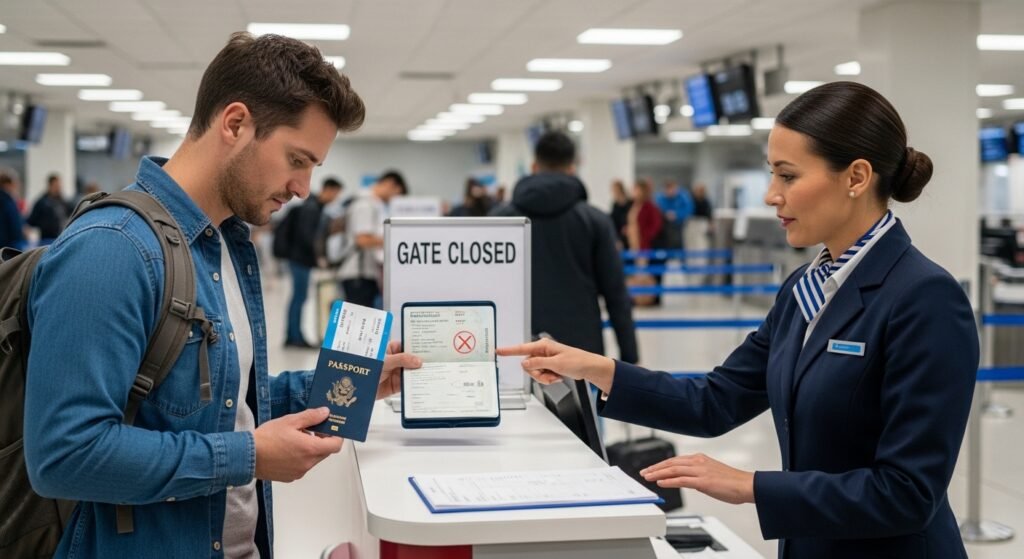
Many countries require your passport to be valid for at least six months beyond your travel dates — and airlines can deny you boarding if it is not. Travelers routinely overlook this rule, assuming that an unexpired passport is enough. Discovering the problem at the check-in counter, with a non-refundable trip on the line, is a devastating way to start a vacation.
Check your passport’s expiration date the moment you start planning a trip, not the week before. If it expires within nine months of your return date, renew it immediately — processing can take weeks. Keep a photo of your passport on your phone as backup, and verify entry requirements for every country on your itinerary, including layover stops.
Overpacking Unnecessary Items

Dragging an overstuffed suitcase through airports, up hotel stairs, and over cobblestone streets turns every transit day into an ordeal. Most overpackers wear only half of what they bring, yet pay baggage fees and waste precious vacation time wrestling with luggage they never needed.
Pack for a week regardless of trip length, choosing versatile pieces in a coordinating palette. Lay out everything, then remove a third. Wear your bulkiest items on the plane, limit shoes to two pairs, and remember: almost anything you forget can be bought at your destination. Traveling light is traveling happy.
Skipping Travel Insurance
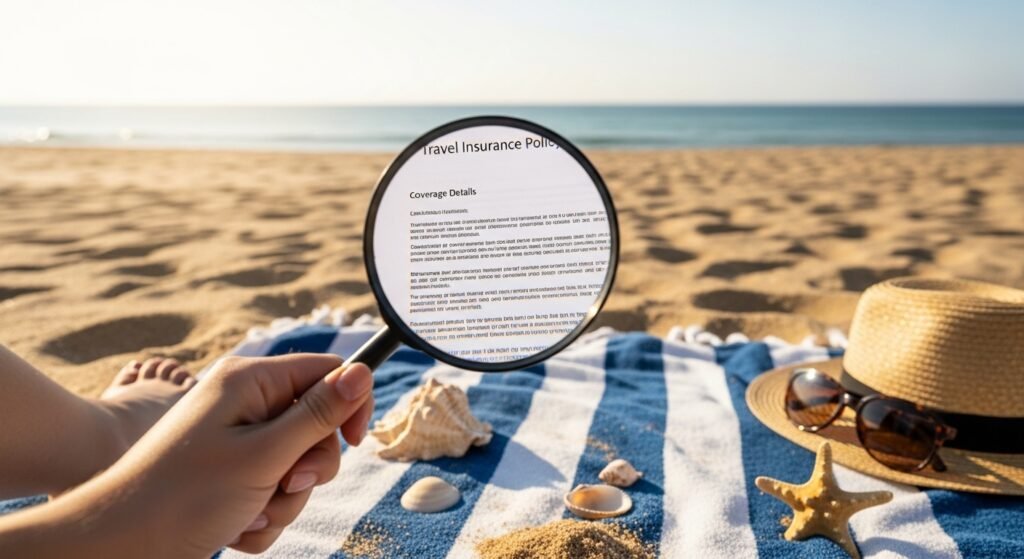
It is tempting to skip travel insurance and assume nothing will go wrong — until a canceled flight, a medical emergency, or lost luggage proves otherwise. A single hospital visit abroad can cost more than a decade of premiums, and without coverage, one bad day can erase your entire travel budget.
Buy a comprehensive policy that covers trip cancellation, medical emergencies, evacuation, and baggage loss. Read the fine print for exclusions around adventure activities and pre-existing conditions. The peace of mind alone is worth the cost; the financial protection could save your trip and your savings.
Not Informing Your Bank

Using your card in a foreign country without warning your bank can trigger fraud alerts that freeze your accounts mid-trip. Suddenly you cannot pay for your hotel, withdraw cash, or buy a train ticket — a stressful situation that is entirely preventable.
Notify your bank and credit card companies of your travel dates and destinations before departure. Ask about foreign transaction fees and consider a no-fee travel card. Carry a backup card from a different network, and know your daily ATM withdrawal limits. A five-minute call saves days of headaches.
Forgetting Local Transportation Research

Assuming taxis will always be available is a gamble that fails in many destinations. Some cities rely on metro systems that shut down at midnight; others require pre-booked airport transfers. Arriving exhausted to discover no ride to your hotel is a miserable start.
Before you fly, research how to get from the airport to your accommodation, including costs and operating hours. Download offline maps and the local transit or ride-share apps. In some regions, pre-booking a transfer is cheaper and safer than hailing a cab. Knowledge is the cheapest travel upgrade.
Ignoring Local Customs and Etiquette

Cultural missteps — wearing shoes into a temple, tipping where it insults, or photographing people without permission — can cause genuine offense and even legal trouble. What is polite at home may be rude abroad, and ignorance is not an excuse locals accept.
Spend thirty minutes learning the basics: dress codes for religious sites, tipping norms, greeting customs, and photography rules. A few words in the local language and a respectful attitude open doors that money cannot. Travelers who honor local customs are rewarded with warmer, richer experiences.
Arriving Late to the Airport
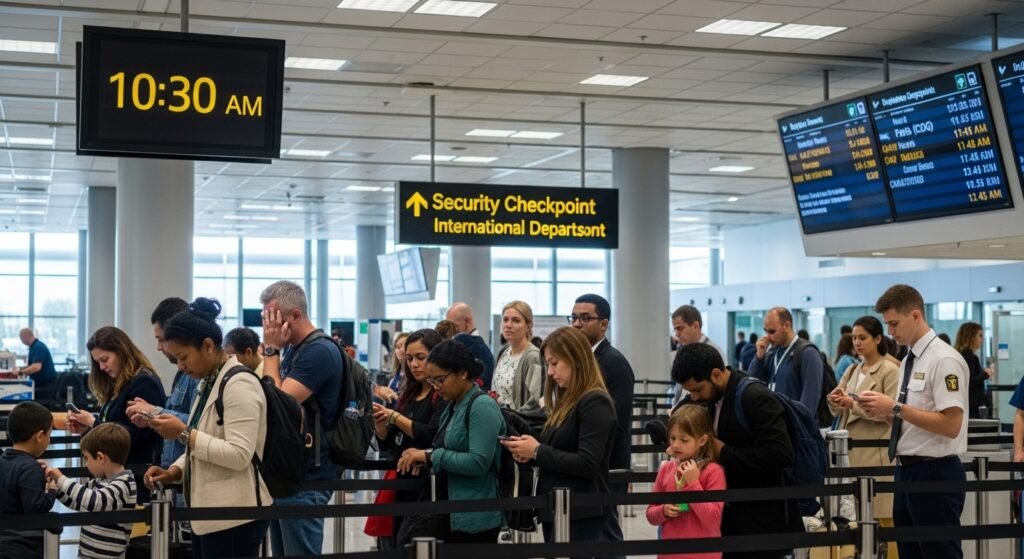
Underestimating traffic, long security lines, or terminal transfers is one of the most common — and most stressful — travel mistakes. Sprinting to a closing gate, or worse, watching your plane push back without you, can wreck an entire itinerary of connections and bookings.
Arrive two hours early for domestic flights and three for international ones, then add a buffer for unfamiliar airports. Check in online, keep documents accessible, and track your flight for delays or gate changes. The calm of an unhurried airport coffee beats the panic of a missed flight every time.
Failing to Keep Digital and Physical Copies
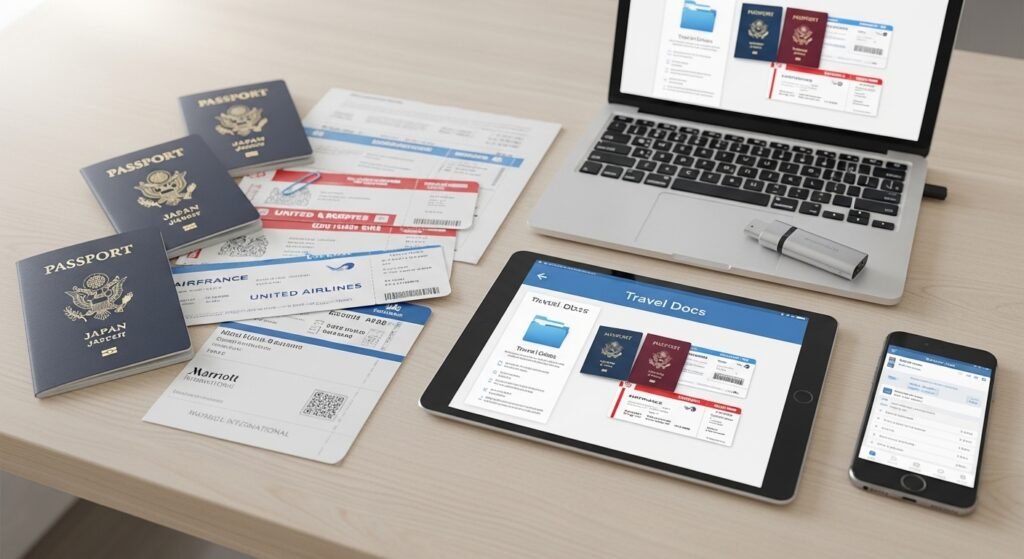
Losing your passport, tickets, or hotel confirmations with no backup turns a minor mishap into a crisis. Theft, water damage, or simple forgetfulness can leave you stranded without proof of identity or bookings.
Email yourself scans of your passport, visas, insurance policy, and reservations, and save them offline on your phone. Carry one printed set separate from the originals. If documents vanish, copies dramatically speed up replacements at embassies and help desks. Redundancy is a traveler’s best friend.
Forgetting to Check Visa Requirements
Many travelers assume they can enter any country freely, only to be turned away at the border. Visa rules vary wildly — some countries offer visas on arrival, others require applications weeks in advance, and a few demand proof of onward travel or specific vaccinations.
Check the official government or embassy website for every destination well before booking. Note processing times, fees, and required documents like passport photos or bank statements. Never rely on forum anecdotes; rules change. A little research protects the entire investment you have made in your trip.
No Backup Plan for Connectivity
Landing in a new country with no data, no maps, and no way to contact your hotel is a recipe for panic. Relying solely on airport Wi-Fi or your home carrier’s roaming — often slow and shockingly expensive — leaves you disconnected when you need help most.
Arrange connectivity before you go: an eSIM for your destination, an international plan, or a local SIM bought at the airport. Download offline maps, translation packs, and your hotel’s address in the local language. Staying connected is not a luxury; it is your safety net.
Overplanning Every Single Minute
Cramming every hour of your itinerary with back-to-back activities turns a vacation into an endurance test. When a single delay — a late train, a long museum line — cascades through a rigid schedule, stress replaces enjoyment and the trip starts to feel like work instead of rest. Exhausted travelers make poor decisions and miss the subtle pleasures of a place.
Build breathing room into every day: plan one anchor activity and let the rest unfold naturally. Some of the best travel memories come from unplanned wandering — the café you stumbled into, the viewpoint you found by accident. A flexible itinerary absorbs delays gracefully and keeps the journey joyful rather than frantic.
Forgetting to Back Up Your Photos
Losing a phone or camera mid-trip can wipe out every photo you have taken — irreplaceable memories gone in an instant. Many travelers assume their pictures are safe on the device, only to discover too late that theft, damage, or a failed memory card erased everything.
Enable automatic cloud backup over Wi-Fi each night, and carry a spare memory card. If you shoot on a camera, transfer files to your phone or laptop every evening. Backing up takes minutes; losing a trip’s worth of photos hurts for years. Protect your memories as carefully as your passport.
Relying Only on Credit Cards
In many parts of the world — rural towns, local markets, small family restaurants — cash is still king. Travelers who carry only cards can find themselves unable to pay for taxis, tips, or street food, stuck hunting for an ATM in an unfamiliar neighborhood.
Carry a mix of payment methods: cards for hotels and major purchases, plus enough local currency for daily expenses. Withdraw cash at bank ATMs rather than airport kiosks for better rates, and stash emergency cash separately from your wallet. Financial flexibility keeps small problems small.
Every one of these mistakes is avoidable with a little foresight. The best travelers are not the luckiest — they are the most prepared. Build a pre-trip checklist from this list, work through it a week before departure, and you will board your flight with confidence instead of crossed fingers.
Travel rewards the prepared and punishes the careless. Avoid these mistakes, and your trips will be defined by the memories you make — not the disasters you barely survived. Bon voyage, and travel smart.
Print this list, tape it inside your suitcase lid, and review it before every departure. In a few trips, these precautions will become second nature — and you will wonder how you ever traveled without them. The world is waiting; go see it the smart way.