 Sophia Martinez
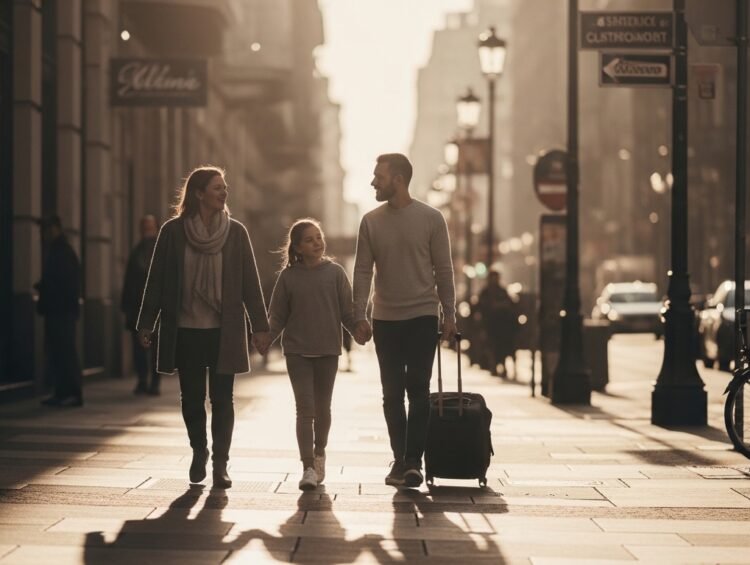
 Walking across a city pulls you into its pulse, its people, its routine – something cars never provide. Curiosity finds rewards here: tight blocks, calm sidewalks, moments you miss behind glass. Old lanes give way to well-shaped new towns, each showing how knowing a place begins not with speed but with small steps.
Paris
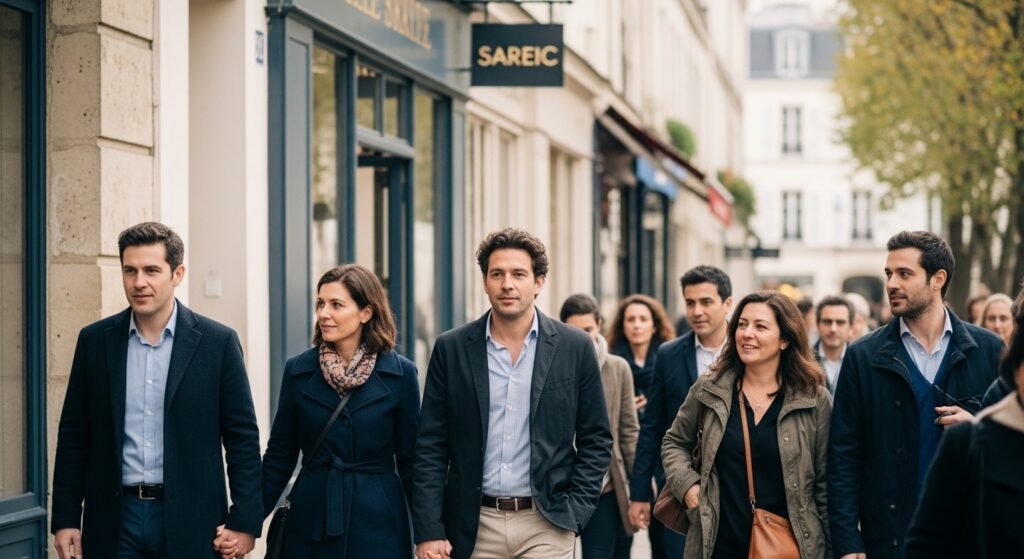
Wandering through Paris comes naturally, thanks to wide avenues that fold into quiet lanes – each leading to parks, stalls, or famous squares without rush. Landmarks stand close by, yet never dominate the view; instead, they blend into pauses at iron-armed seats or windows full of steaming crockery. Time stretches because the streets themselves seem to slow down, guiding you past limestone facades, small shops, and soft conversations drifting from doorways.
Rome
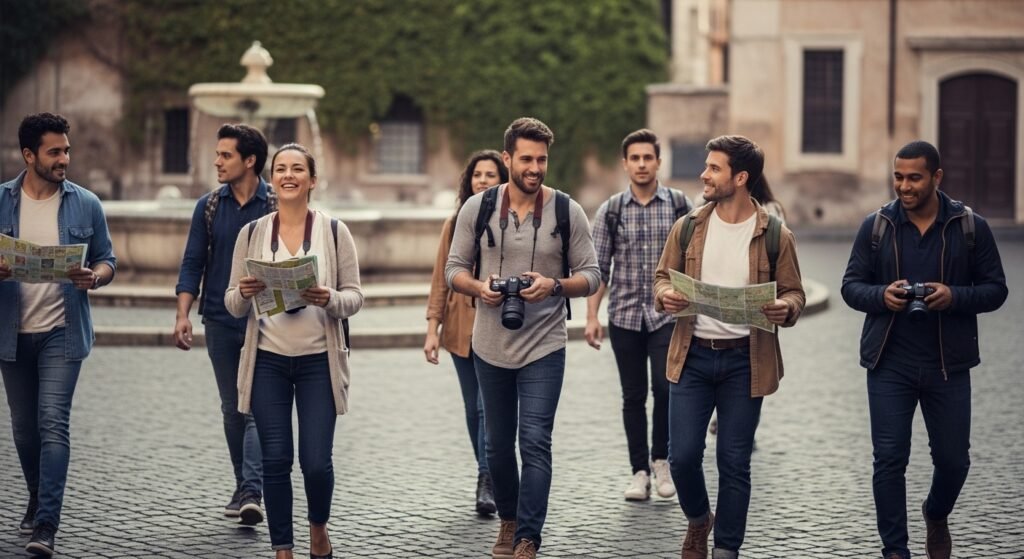
Step into Rome, where each walk unfolds like a layered story. History presses in from every direction, with ancient stones tucked beside bustling piazzas and soft side streets. Time slips away on paths that wind past iconic landmarks – yet surprises lurk around quiet corners too. Distance shrinks when you move by foot, allowing spaces past, present, and past again to overlap without warning.
Kyoto
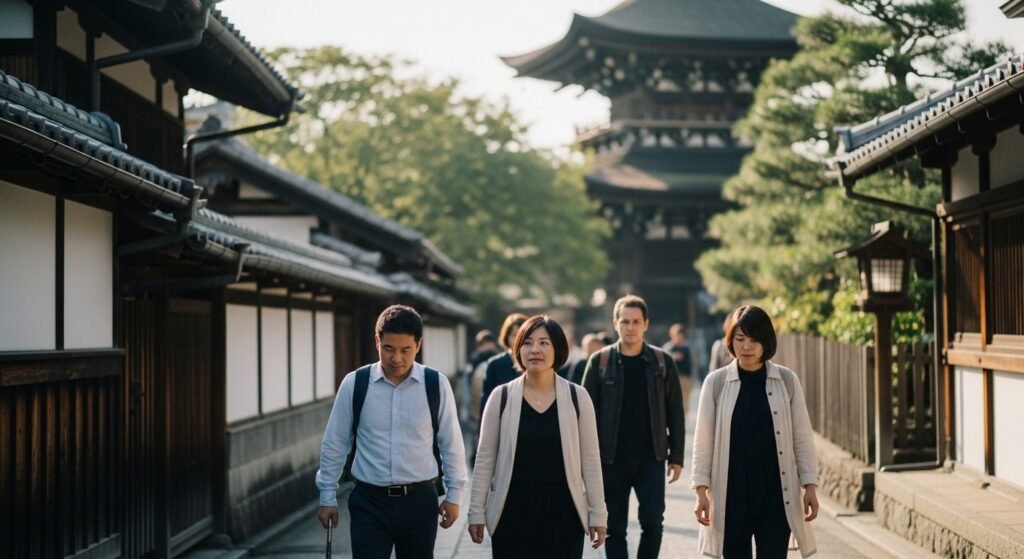
Slow walks through Kyoto’s quiet lanes reveal much, particularly near ancient temples, quiet gardens, and old neighborhood pockets. The pace slows naturally, giving visitors time to notice handiwork, shifting light across seasons, and small repeated acts throughout the day.
Amsterdam
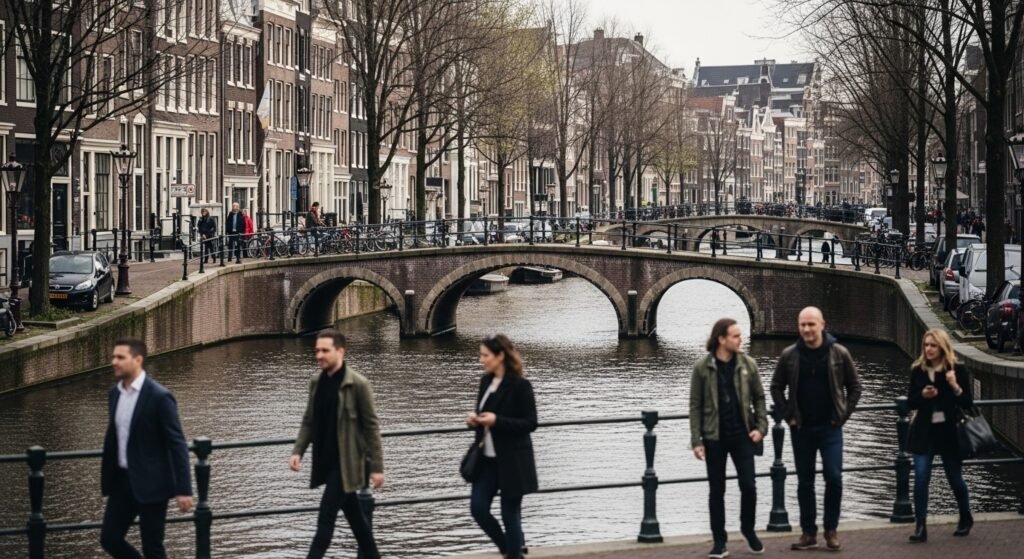
Built low to the ground, Amsterdam fits well into a traveler’s stride. Canals stretch between old buildings, while bridges rise quietly above the flow. Movement here does not rush – spaces open quietly one after another. Reaching museums, green spaces, or quiet streets happens without effort.
Barcelona
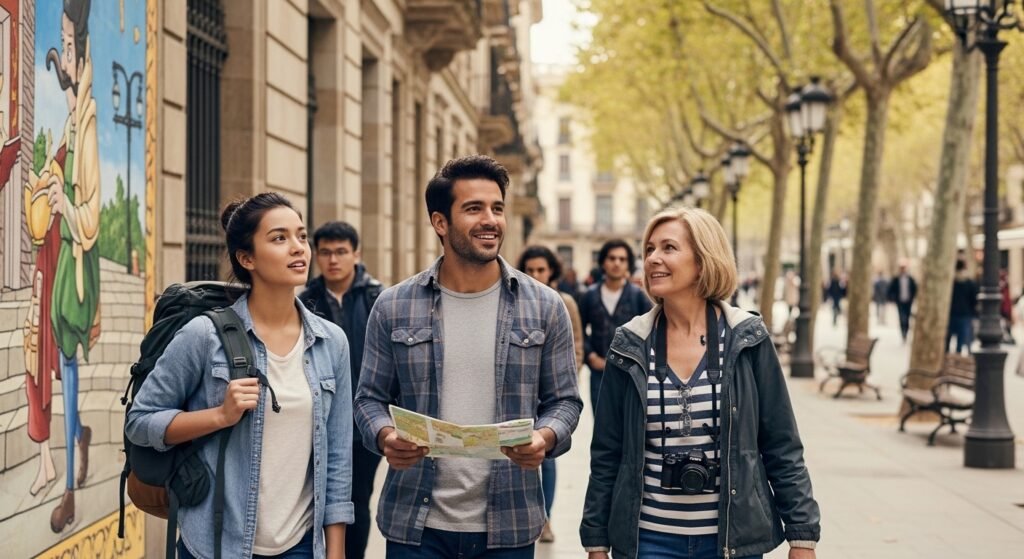
Wide boulevards stretch across Barcelona, yet tucked inside are cozy historic zones, offering movement without confusion. Seafront trails lead into bustling districts, where discovery happens naturally – murals cover walls, buildings tilt playfully, living moments unfold nearby.
Prague
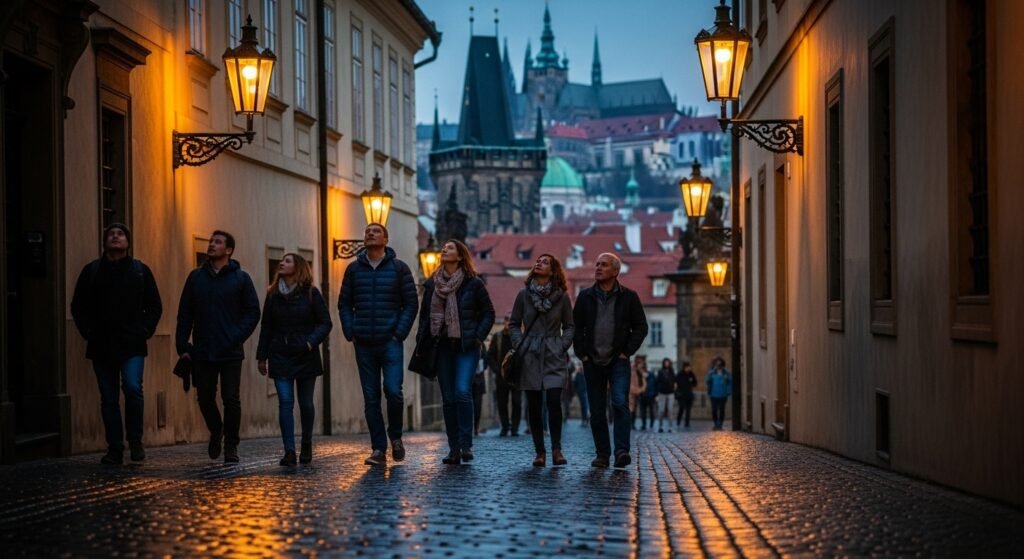
Wandering through Prague’s old town feels natural, thanks to narrow cobblestone lanes that lead toward castles, bridges, yet still unfold hidden corners. Everything stays close by, while the way the streets curve and meet keeps discovery alive without effort.
Florence
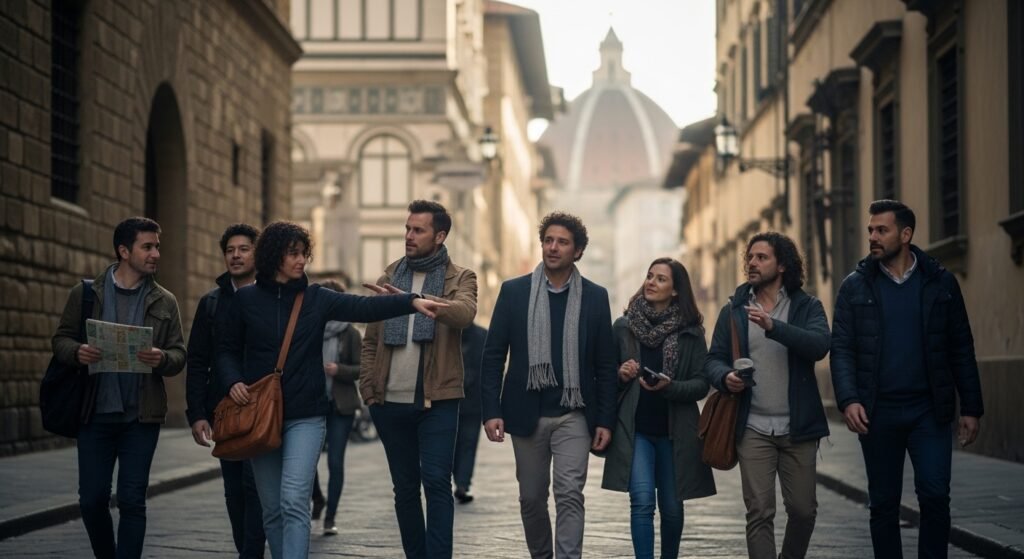
Built close together, Florence’s sights make walking between them straightforward. Because no trains or roads came first, moving by foot still fits how things feel.
Copenhagen
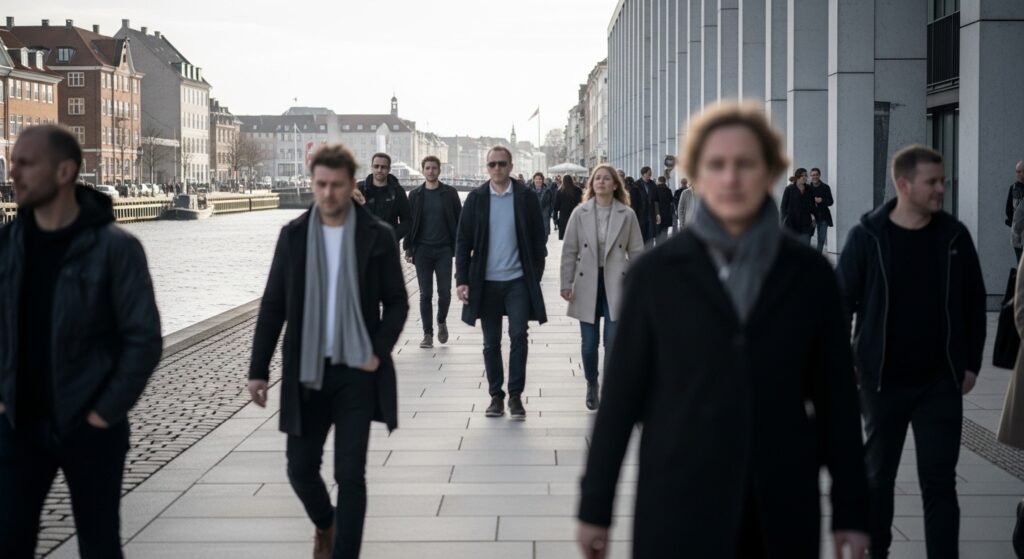
In Copenhagen, spaces open up just for walking. Wide walkways invite steps, while roads stay quiet and easy to follow. A path along the water leads one way, then busy yet peaceful streets wait nearby. Movement here feels light, full of room to notice things along the way.
Edinburgh
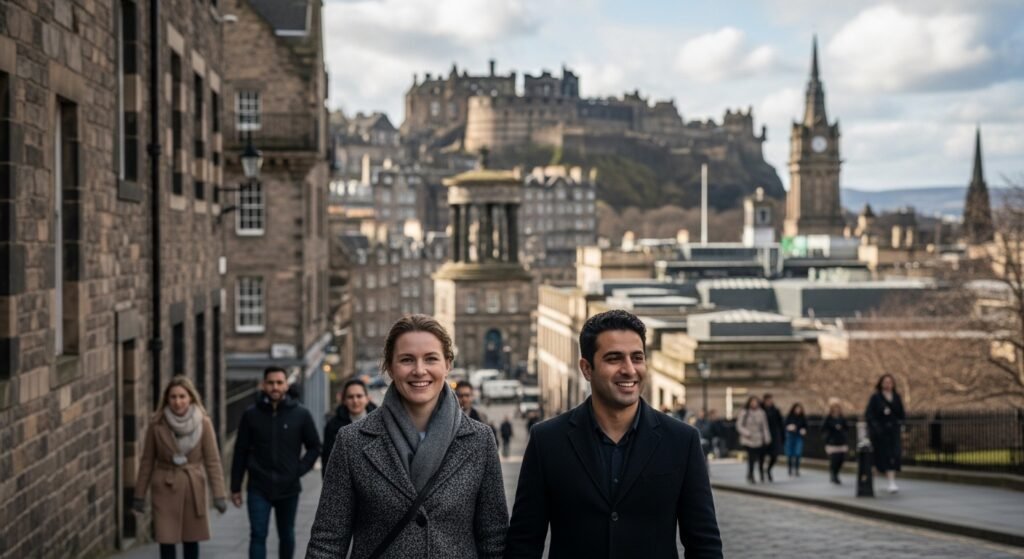
Out here, Edinburgh folds its oldest lanes beside fresh neighborhoods, each corner opening to parks, museums, or hilly lookouts – all reachable by stepping from one to another. Wandering through gives a feel for how traditional districts rub against modern ones, not in fragments but as pieces of one flowing path.
Lisbon
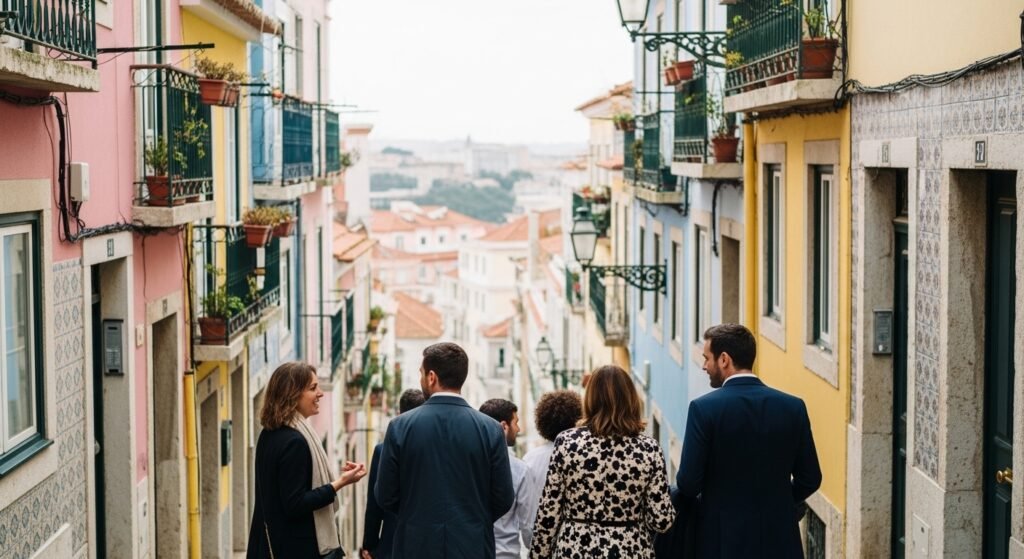
Walking connects Lisbon’s districts more than you might expect, even though steep roads appear at every turn. With each stride comes a colorful house, a hidden view, or moments of everyday energy – making the climb something to hold onto instead of fight.