 Sarah Grey
The United States has always been a dream destination — the Grand Canyon’s vastness, New York’s electric energy, California’s sun-soaked coast. But lately, something has shifted. International visitors are increasingly thinking twice before booking that American adventure, and the reasons go far beyond the usual travel hassles. From the strength of the dollar to new entry fees and changing perceptions, a perfect storm of factors is making tourists reconsider. Here is an honest look at what is giving international travelers pause — and what it means for the future of American tourism.
The Heavy Weight Of The Strong Dollar
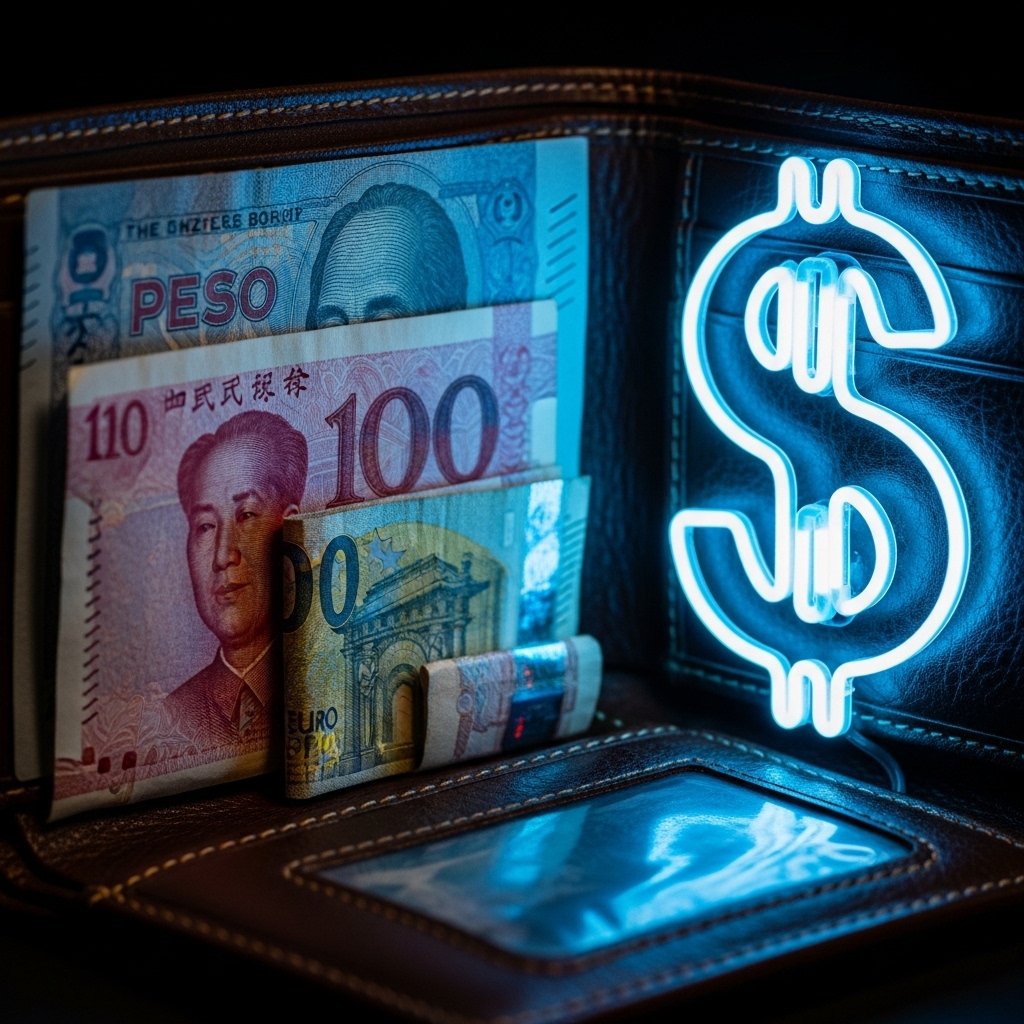
When the U.S. dollar is strong, everything in America gets more expensive for foreign visitors — hotels, meals, shopping, even a simple coffee. Travelers from Europe, Asia, and Latin America are finding their home currencies do not stretch nearly as far as they used to. A dinner that felt reasonable a few years ago can now feel like a splurge, and that psychological shift matters enormously when people are choosing between destinations.
This currency effect is one of the most powerful forces in tourism, and it cuts both ways. A strong dollar makes America pricey for visitors while making foreign trips cheap for Americans. Until exchange rates shift, many international travelers are simply getting better value elsewhere — and they know it. For budget-conscious tourists, the math increasingly favors destinations where their money goes further.
New Fees For Entering The Country

Getting into the United States has never been free, but new and increased fees are adding up fast. Reports of a hefty visa integrity fee — potentially hundreds of dollars per traveler — mean a family of four could pay a significant surcharge before they have even left home. When you add visa application fees, travel authorization charges, and processing costs, the price of admission alone can rival a budget flight.
These fees hit families and group travelers hardest, and they create a psychological barrier that goes beyond the dollars. Every added cost makes competing destinations — many of which charge little or nothing for entry — look more appealing. When the trip itself is already expensive, piling on entry fees feels like being nickel-and-dimed before the vacation even begins.
Extensive Social Media Privacy Checks
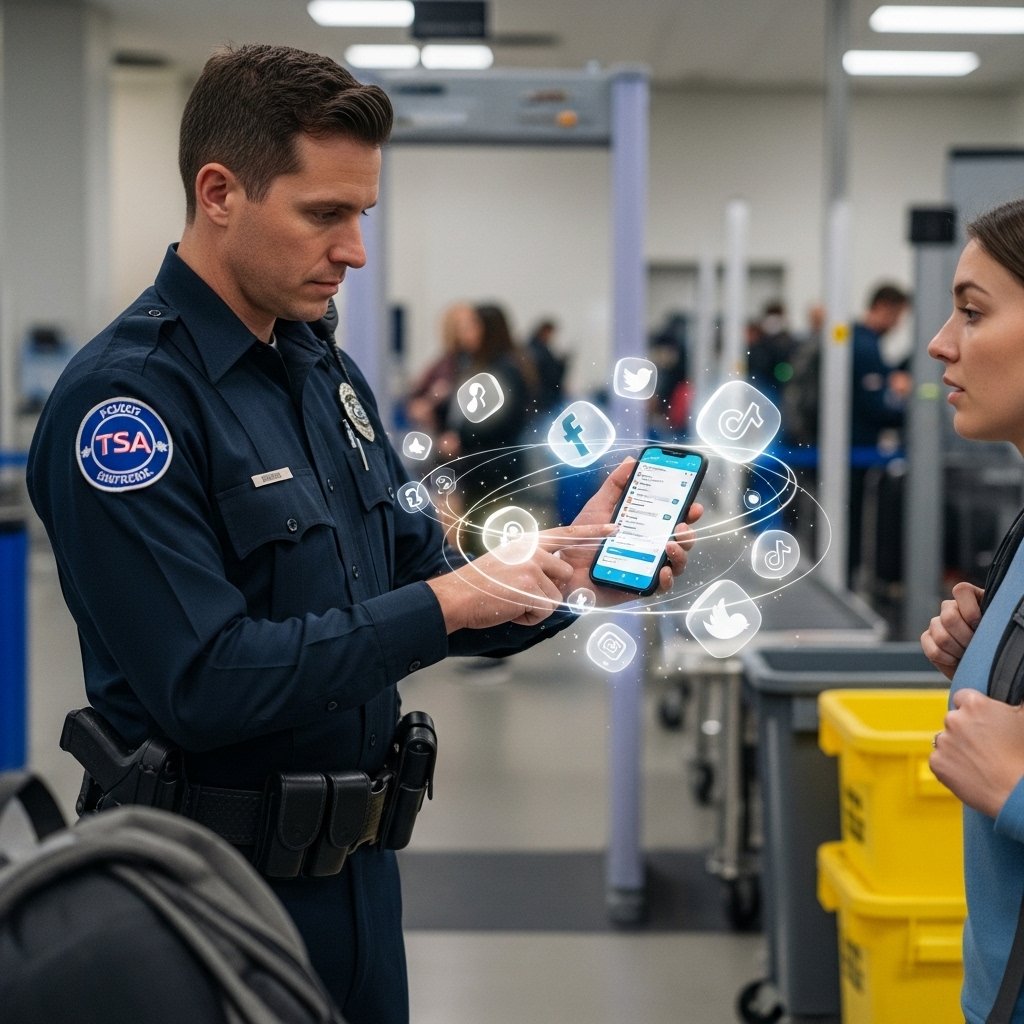
Perhaps nothing has rattled prospective visitors more than the prospect of having years of social media history scrutinized at the border. The idea that a vacation could hinge on old posts, likes, or comments feels deeply invasive to many travelers. Even those with nothing to hide find the concept unsettling — a holiday should not feel like a background check.
This concern is especially acute among younger travelers, for whom social media is a central part of life. The fear is not just about being denied entry, but about the principle: the sense that their privacy and digital lives are being judged by a foreign government. For many, that alone is enough to choose a destination with a warmer welcome.
Sky High Costs In Iconic Cities
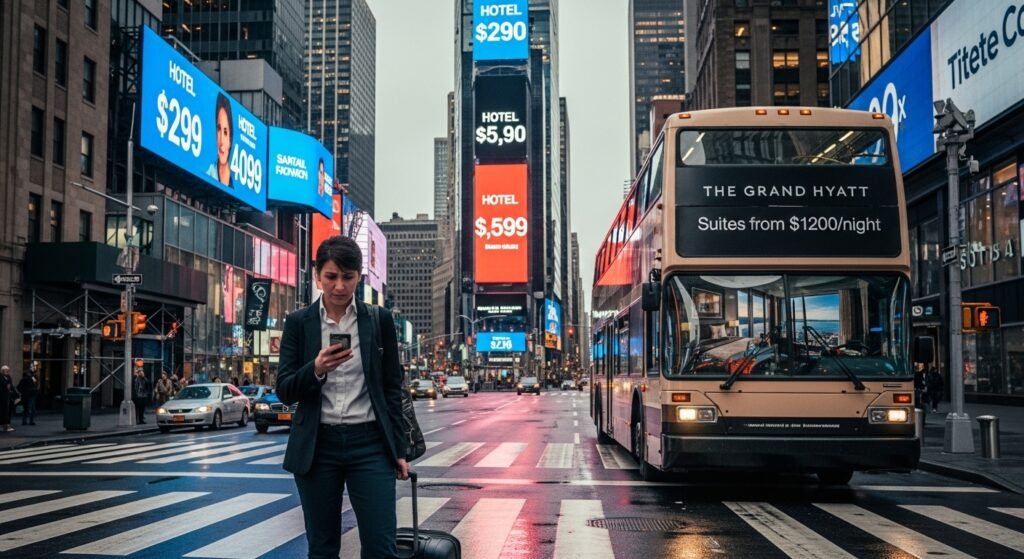
America’s most iconic cities have always been pricey, but the gap has widened dramatically. A mid-range hotel in New York or San Francisco can cost what a luxury stay costs elsewhere, and restaurant prices in major metros have soared. For international visitors already dealing with an unfavorable exchange rate, the sticker shock is real — and it starts before they even land.
The irony is that these cities remain genuinely extraordinary places to visit. But when travelers compare the cost of a week in New York against two weeks in Portugal or Japan, the value proposition gets shaky. High costs do not just deter budget travelers; they make even comfortable travelers question whether the experience justifies the expense.
Long Wait Times For Visa Interviews
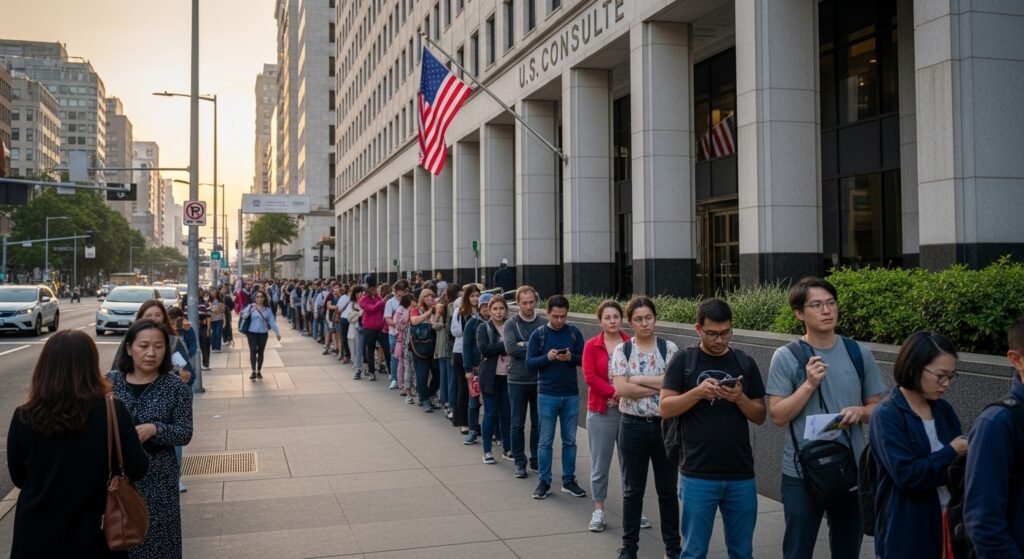
For travelers who need a visa, the process itself has become a deterrent. In some countries, securing a visa interview appointment can take months, with no guarantee of approval at the end. That kind of uncertainty makes planning impossible — who books non-refundable flights when they do not know if they will get a visa in time?
Faced with these delays, many travelers simply choose destinations with easier entry. Europe’s Schengen visa, Japan’s streamlined process, or visa-free Southeast Asia all look increasingly attractive by comparison. Every month of waiting is a month where a potential visitor books somewhere else instead — and discovers they love it there.
Heightened Border Security Measures
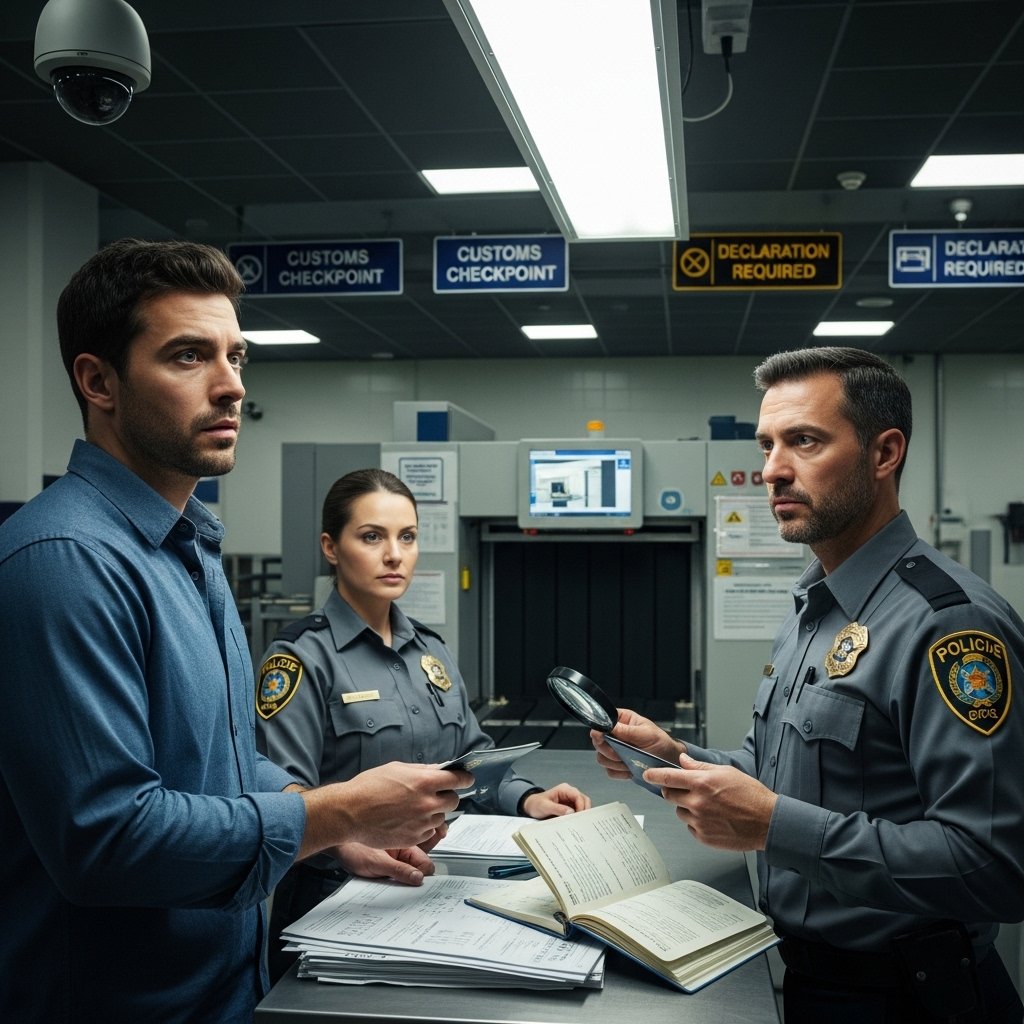
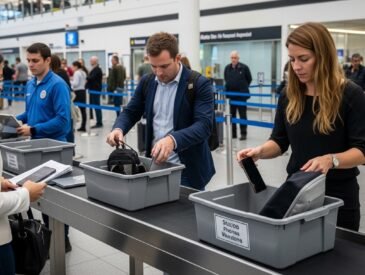
Safety matters, and no reasonable traveler objects to sensible security. But reports of aggressive questioning, lengthy detentions, and heightened scrutiny have left many visitors anxious about the arrival experience. A vacation should begin with excitement, not with dread about what awaits at passport control. The stories that circulate — even the rare ones — shape perceptions powerfully.
This is fundamentally about hospitality. Countries that make visitors feel welcome at the border earn loyalty and repeat visits; those that make entry feel like an interrogation do not. Tourism is a choice, and travelers increasingly choose destinations where the welcome is warm from the moment they land.
The Rise Of Competitive Alternatives
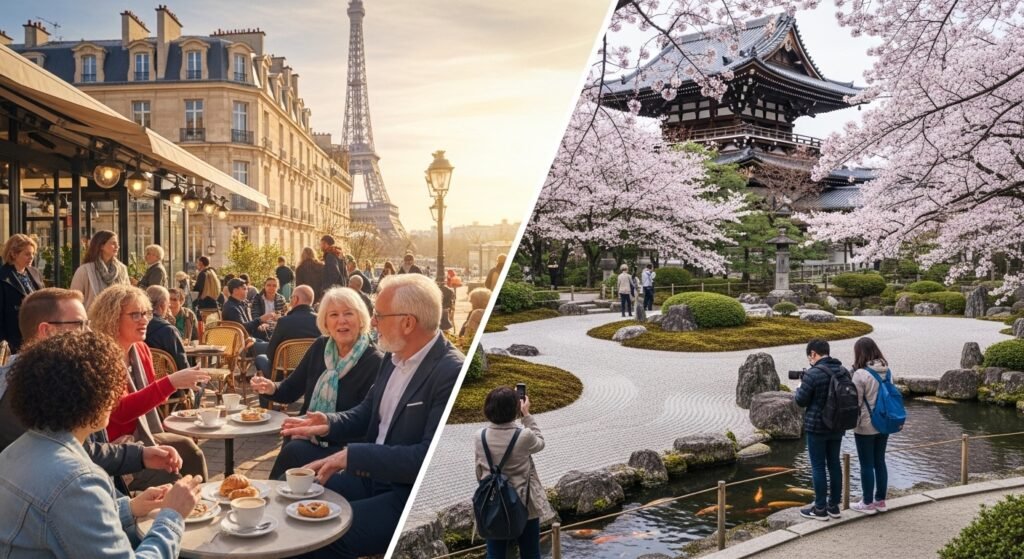
America is not competing in a vacuum. Europe, Japan, Southeast Asia, and Latin America are all upping their tourism game with better infrastructure, savvy marketing, and — crucially — better value. Japan in particular has seen record visitor numbers, offering world-class experiences at prices that make American cities look exorbitant by comparison.
Once travelers discover these alternatives, many do not come back. A fantastic trip to Portugal or Vietnam creates its own loyalty, and word of mouth does the rest. America is competing for a finite pool of global travelers, and right now, the competition is winning on price, ease, and welcome.
Concerns Over Public Safety News

International news coverage of the United States tends to amplify the dramatic — and that shapes how the country is perceived abroad. Stories about crime and social unrest, however unrepresentative of the typical tourist experience, plant seeds of doubt. Most American tourist destinations are perfectly safe, but perception often matters more than statistics when people choose where to vacation.
The reality is nuanced: millions of visitors explore the U.S. safely every year, and the typical tourist experience involves none of the drama seen on the news. But overcoming a negative perception requires active effort, and right now the narrative is not in America’s favor. Destinations that feel — and are perceived as — safe and welcoming have a major advantage.
The Disappearance Of The Budget Road Trip
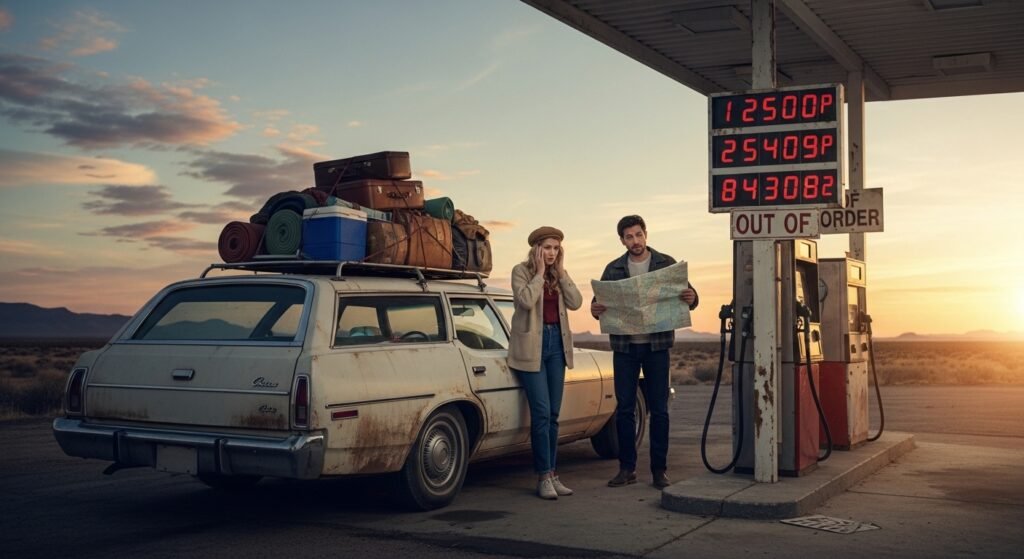
The great American road trip — once the ultimate budget adventure — has gotten expensive. Rental car rates have climbed, fuel costs add up across vast distances, and even motels are pricier than they used to be. What was once the cheapest way to see the country now requires serious budgeting, especially for international visitors already paying a premium on everything else.
This matters because the road trip was America’s secret weapon: the affordable, flexible, iconic experience that no other country could quite replicate. As that advantage erodes, so does one of the most compelling reasons to choose the U.S. over destinations where getting around is cheaper and simpler.
Increased Costs For National Parks
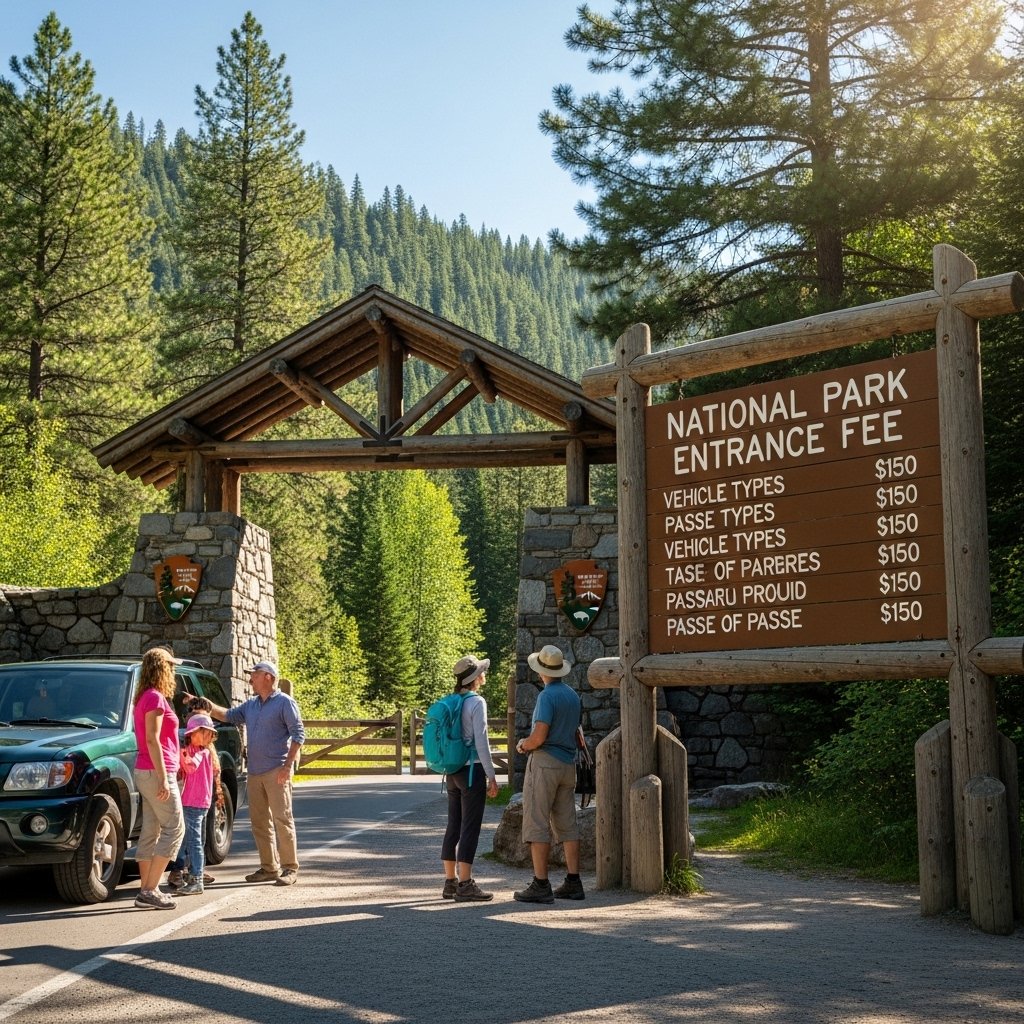
America’s national parks are among its greatest treasures, but even they are getting pricier. Increased entrance fees, timed-entry reservation systems, and rising costs for lodging near popular parks have made the classic parks road trip more expensive and more complicated to plan. For international visitors, who may only get one shot at seeing the Grand Canyon or Yellowstone, the added friction is frustrating.
The fees fund vital conservation work, and most travelers understand that. But combined with everything else — the strong dollar, the visa costs, the expensive cities — it contributes to a growing sense that America is pricing itself out of reach. The parks remain worth every penny, yet the pennies keep adding up.
Doubled Fees For Visa Waivers
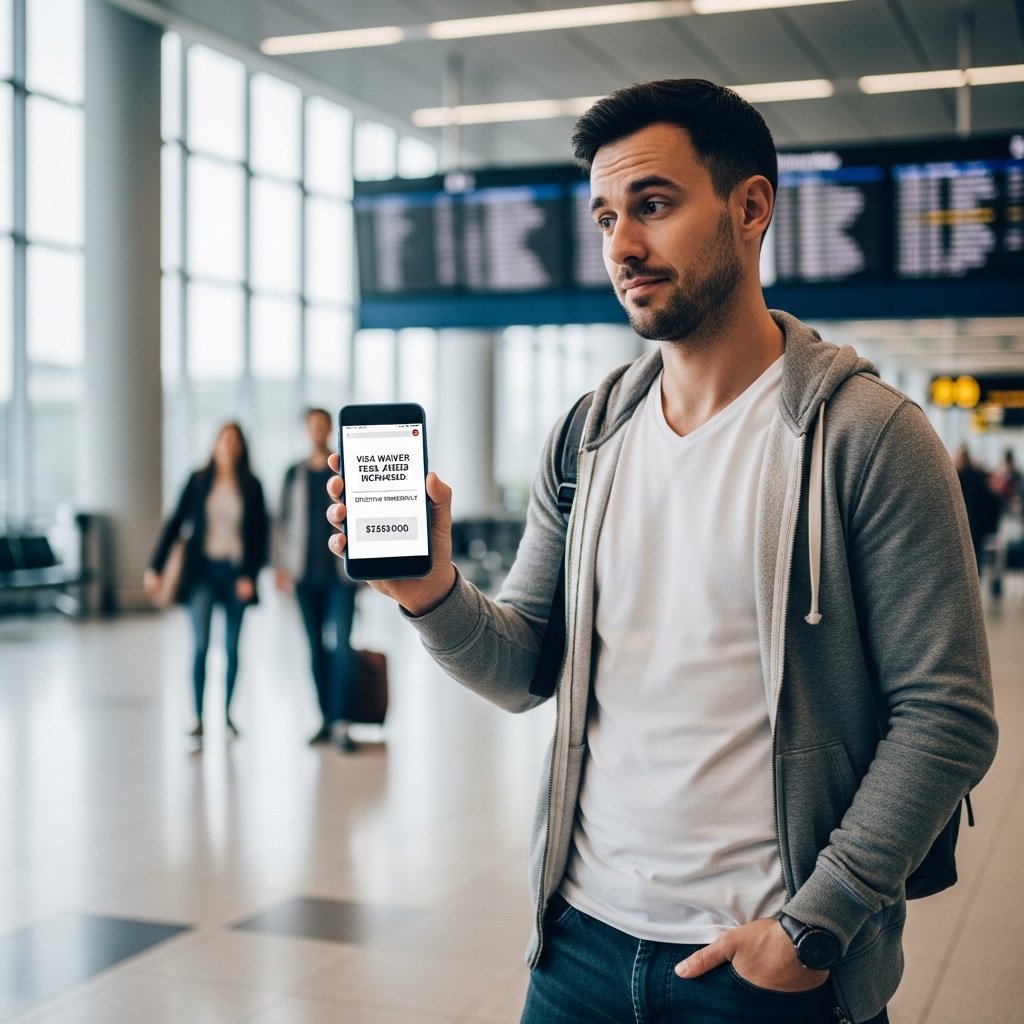
Even travelers from visa-waiver countries — who skip the full visa process — are feeling the pinch. Electronic travel authorization fees have climbed sharply, nearly doubling in some reports. It is a smaller charge than a full visa, but it adds to the unmistakable sense of being nickel-and-dimed at every step of the journey.
These are the travelers America should be rolling out the red carpet for — visitors from allied nations with strong currencies and a history of trouble-free travel. Instead, they are getting higher fees and more hassle. When even the easiest path into the country gets more expensive, it sends a message, whether intended or not.
None of this means America has lost its magic — the national parks, the cities, the culture, and the sheer scale of it all remain unmatched. But tourism is a competition, and right now the U.S. is making it harder for visitors to choose it. The good news is that most of these barriers are fixable: friendlier entry processes, saner fees, and a warmer welcome would go a long way. Until then, travelers will keep doing the math — and increasingly, the math points elsewhere. For now, the smartest move for would-be visitors is to plan carefully, budget generously, and keep an eye on policy changes — because the America worth visiting is still there, waiting for the welcome to catch up with the wonder.