 Sarah Grey
It is common to believe that raw vegetables are automatically better for you. After all, cooking can destroy some heat-sensitive vitamins like vitamin C. But the full story is more interesting: for many vegetables, gentle cooking actually increases the availability of key nutrients, helping your body absorb more of the good stuff.
Heat breaks down tough plant cell walls, releasing nutrients that would otherwise pass through undigested. It can also neutralize compounds that interfere with mineral absorption. The result: some vegetables are genuinely more nutritious cooked than raw.
This does not mean raw vegetables are bad. It means the smartest approach is a mix: some raw, some cooked, each prepared in ways that maximize what they offer. Understanding which vegetables benefit from heat helps you get the most from every meal.
Here are nine vegetables that gain more nutrients when cooked, and the best ways to prepare each one.
Carrots
Carrots are famous for beta-carotene, the antioxidant your body converts to vitamin A. But raw carrots lock much of it inside rigid cell walls. Cooking softens those walls, making beta-carotene significantly more available for absorption.
Studies show that cooked carrots deliver measurably more beta-carotene than raw ones. The effect is even stronger when carrots are cooked with a little fat, since beta-carotene is fat-soluble. A drizzle of olive oil on roasted carrots is not just delicious but nutritionally smart.
Do not overcook them into mush. Light steaming, roasting, or quick sauteing preserves texture while unlocking nutrients. And do not throw away the cooking water if you boil them: valuable compounds leach out, so use it in soups or sauces.
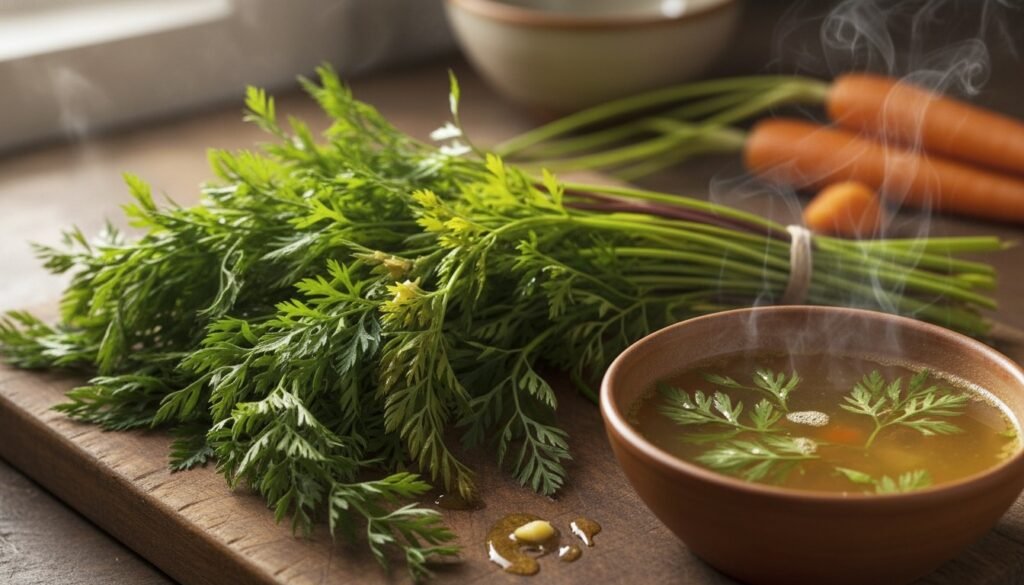
Carrot tops, the leafy greens, are also edible and nutritious. Lightly sauteed, they offer vitamins A and K. Like many greens, they benefit from brief cooking that softens their texture and mellows their flavor.
Tomatoes
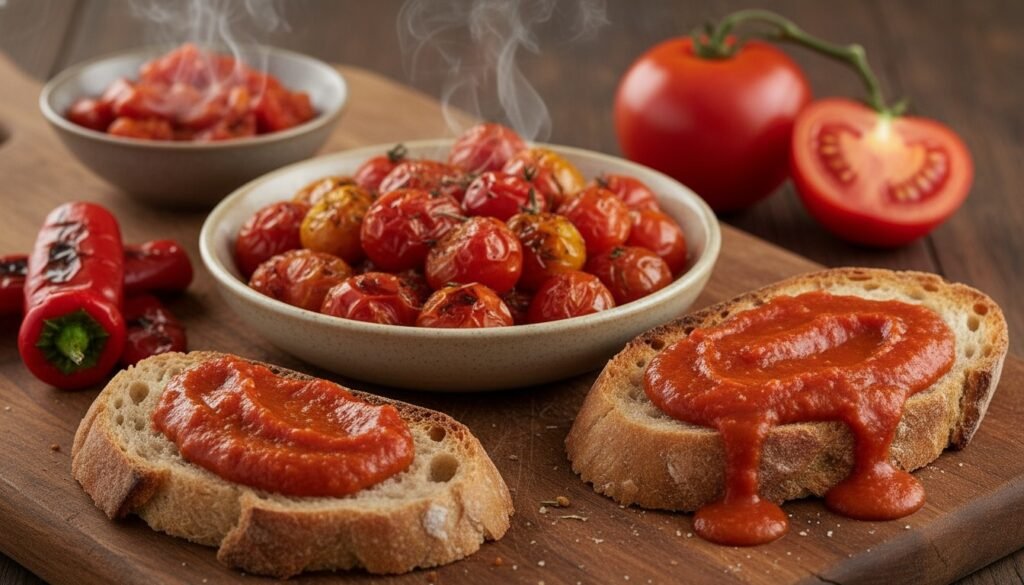
Tomatoes are the poster child for cooking-enhanced nutrition. They are rich in lycopene, a powerful antioxidant linked to heart health and reduced cancer risk. Heat dramatically increases lycopene’s bioavailability by breaking down cell walls that trap it.
Cooked tomato products, sauce, paste, soup, deliver two to three times more absorbable lycopene than fresh tomatoes. This is one reason Mediterranean diets, rich in cooked tomato sauces with olive oil, are associated with such good health outcomes.
The combination of heat and fat is key. Lycopene is fat-soluble, so tomato sauce made with olive oil maximizes absorption. A simple marinara is not just comfort food but a nutritional powerhouse.
Fresh tomatoes still have their place, offering vitamin C that cooking diminishes. The ideal approach is both: fresh tomatoes in salads, cooked tomatoes in sauces. Variety covers all bases.
Even brief cooking helps. Research shows that just a few minutes of heating begins to increase lycopene availability, with longer cooking delivering greater benefits. Your quick weeknight pasta sauce is doing more good than you realized.
Beet Greens
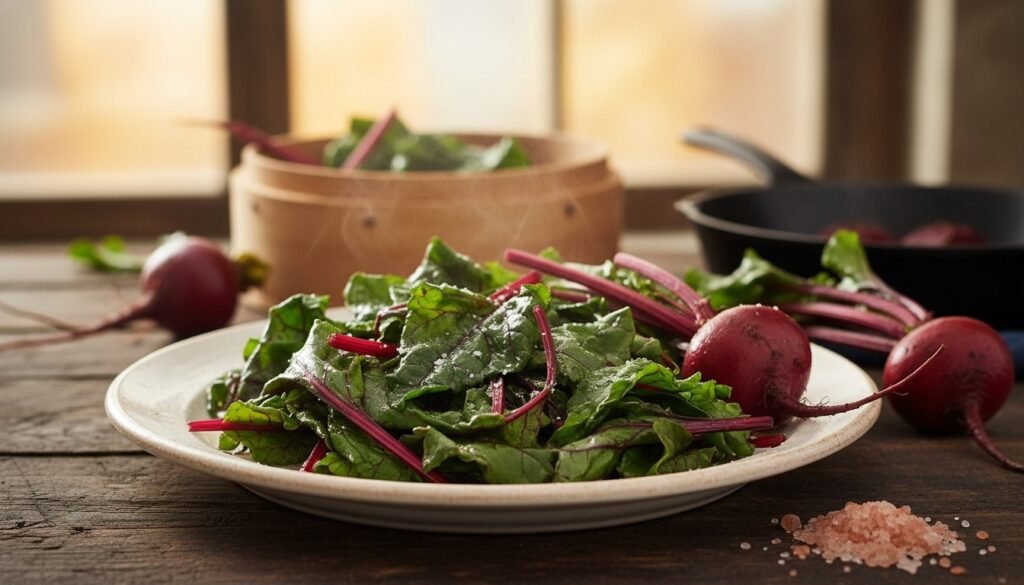
Beet greens, the leafy tops often discarded, are nutritional treasures rich in vitamins A, C, and K, plus minerals like iron and calcium. But like many leafy greens, they contain oxalates that can interfere with mineral absorption.
Light cooking reduces oxalate levels, allowing your body to absorb more of the calcium, iron, and magnesium these greens offer. Sauteing or steaming also softens their fibrous texture, making them more palatable.
Beet greens cook quickly, wilting like spinach in just a few minutes. Saute with garlic and olive oil, add to soups, or mix into grain bowls. Their slightly earthy flavor pairs well with bold seasonings.
Do not overlook this free superfood. If you buy beets with tops attached, you are getting two vegetables for the price of one, and the greens may be even more nutritious than the roots.
Mushrooms
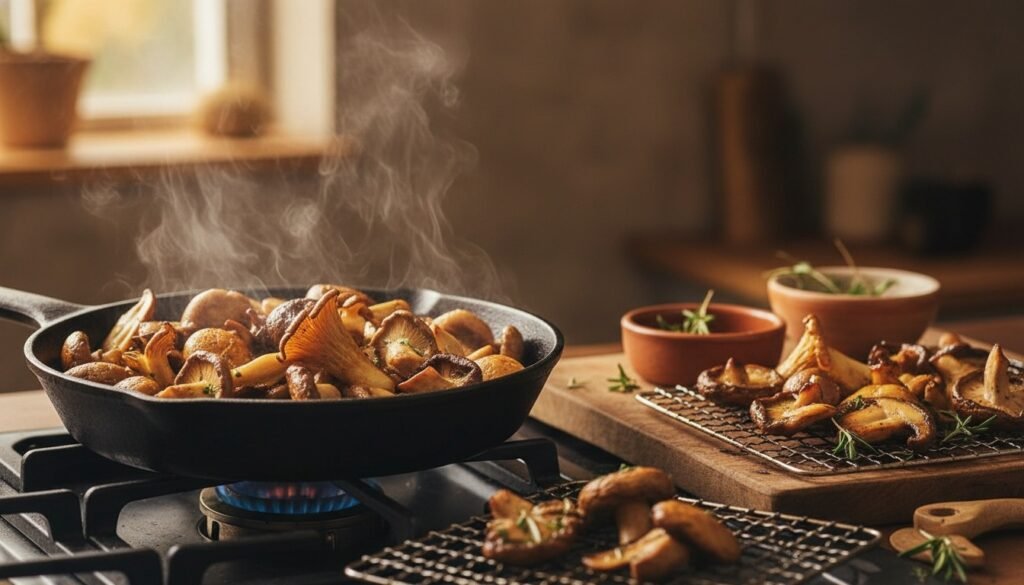
Mushrooms should always be cooked, both for safety and nutrition. Raw mushrooms contain small amounts of potentially harmful compounds that heat neutralizes. Cooking also breaks down their tough chitin cell walls, releasing nutrients.
Heat increases the antioxidant activity of mushrooms, including their levels of ergothioneine and glutathione, compounds linked to immune support and healthy aging. Different cooking methods preserve these benefits well.
Mushrooms are also one of the few non-animal sources of vitamin D, and their levels increase with sun exposure. Cooking does not diminish this benefit. Saute, roast, or grill them freely.
For maximum flavor and nutrition, cook mushrooms over fairly high heat without crowding the pan. This browns them properly instead of steaming them, developing rich, savory flavors through the Maillard reaction.
All common varieties benefit: button, cremini, portobello, shiitake. Each has a slightly different nutritional profile, so mixing varieties gives you the broadest range of benefits.
Asparagus
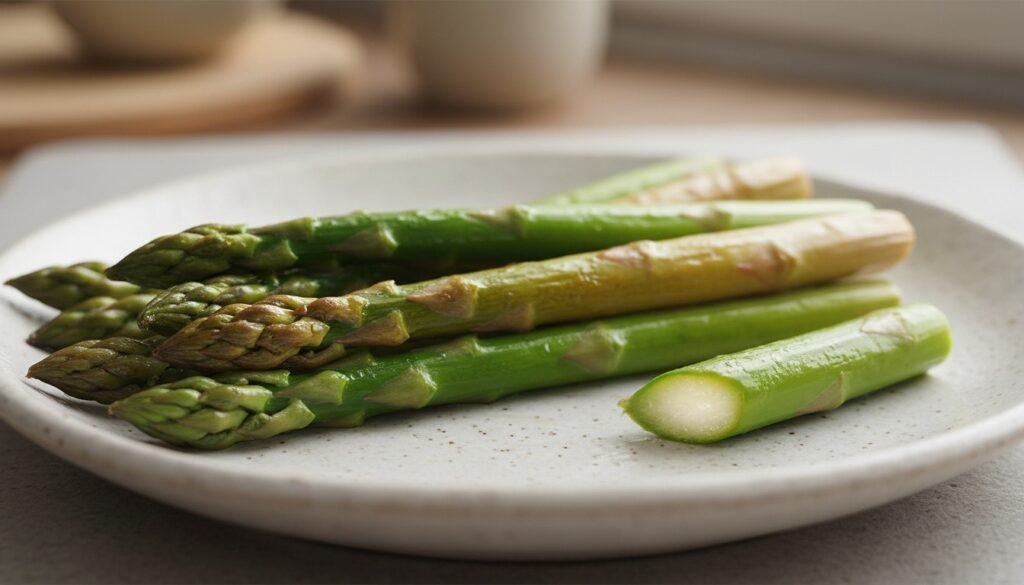
Asparagus contains ferulic acid and other antioxidant compounds that become more available with cooking. Heat breaks down the vegetable’s fibrous structure, releasing these beneficial substances for absorption.
Studies have found that cooking asparagus increases its total antioxidant activity. Steaming, roasting, and grilling all work well. The key is to cook it enough to soften the fibers without turning the spears to mush.
Asparagus is also rich in prebiotic fiber that feeds beneficial gut bacteria. Cooking makes this fiber more accessible while maintaining its prebiotic benefits. Lightly cooked asparagus supports both antioxidant intake and gut health.
For the best results, cook asparagus briefly at high heat: roasted at 425 degrees for 10 to 12 minutes, or grilled for just a few minutes per side. The spears should be tender-crisp, bright green, and full of flavor.
Kale
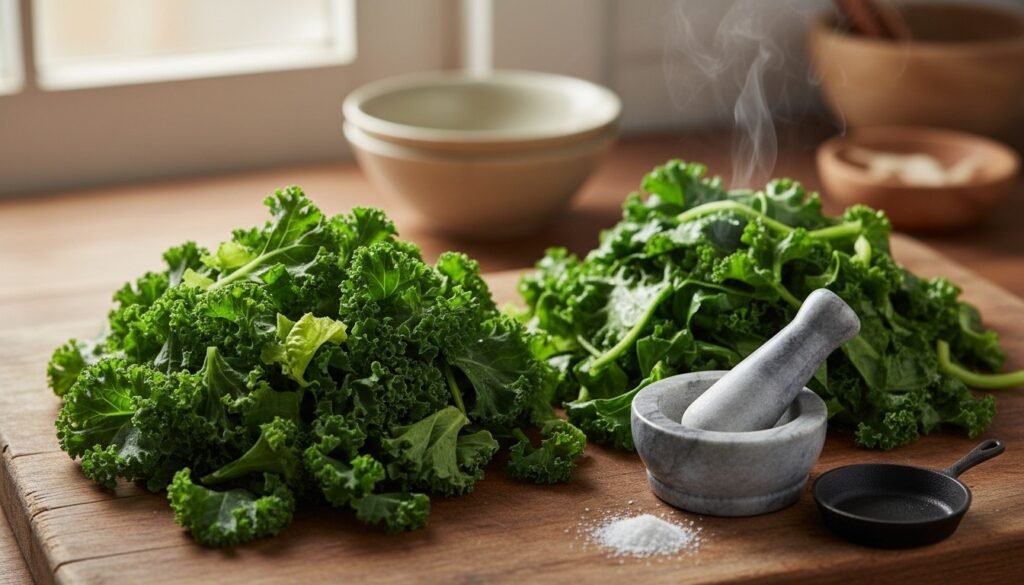
Kale’s reputation as a superfood is well-earned, but raw kale has a catch: like spinach and other greens, it contains oxalates that bind to calcium, iron, and magnesium, reducing absorption. Cooking breaks down these oxalates.
Light steaming or sauteing significantly reduces oxalate content while preserving kale’s vitamins and antioxidants. Cooked kale delivers more absorbable minerals than raw, making it the better choice for those focused on mineral intake.
Cooking also softens kale’s tough texture and mellows its bitter edge, making it more enjoyable for many people. Massaging raw kale with oil helps, but heat does the job more thoroughly.
Do not discard the stems. Kale stems are edible and nutritious, just tougher than the leaves. Chop them finely and cook them a few minutes longer than the leaves, or save them for soups and stir-fries where longer cooking softens them completely.
Eggplant
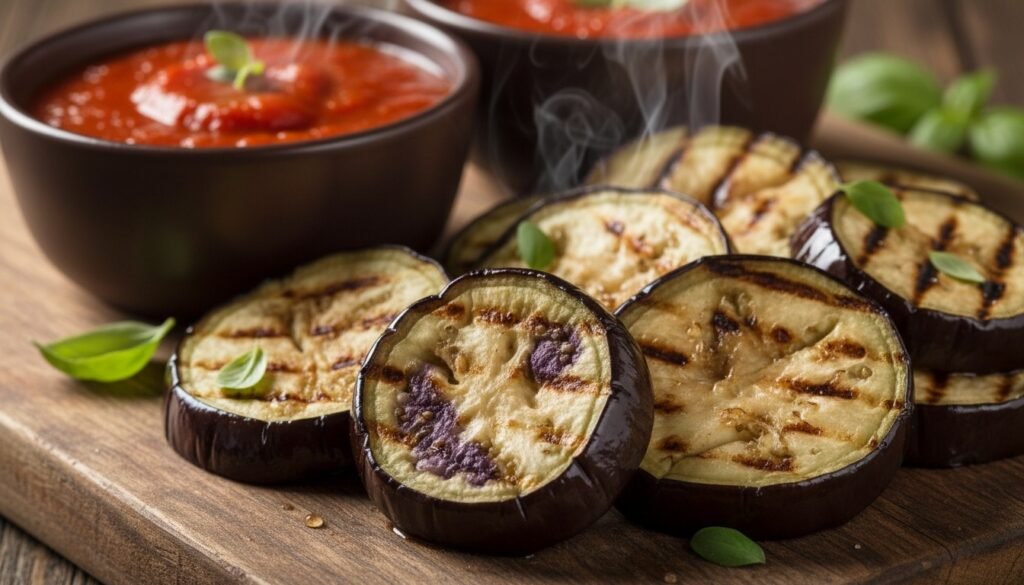
Eggplant’s deep purple skin contains nasunin, a potent antioxidant that protects brain cell membranes. Cooking softens the eggplant’s spongy texture and makes its nutrients more accessible.
Roasting and grilling are ideal methods. High, dry heat caramelizes the eggplant’s natural sugars, creating rich flavor while breaking down fibers. The creamy texture of properly cooked eggplant is one of cooking’s great transformations.
Eggplant absorbs oil enthusiastically, so be mindful of how much you use. Roasting with a light coating of oil, or grilling slices directly, gives great results without excess fat. Salting before cooking draws out moisture and reduces oil absorption.
Do not peel eggplant before cooking. The skin holds much of the nasunin and other beneficial compounds. The skin softens during cooking and becomes completely palatable.
Spinach
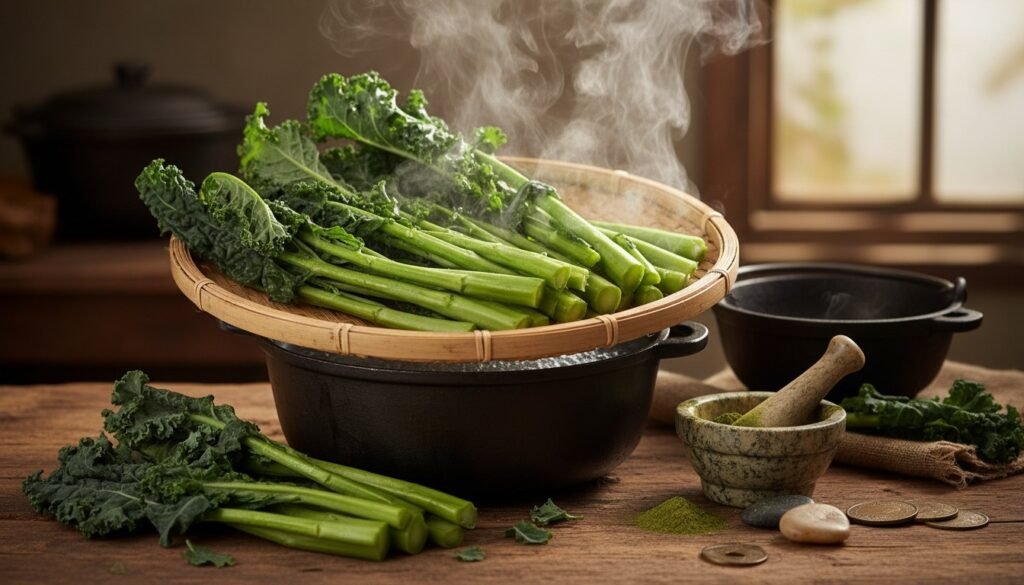
Spinach is famous for iron, but raw spinach’s oxalates bind much of it, along with calcium. Cooking dramatically reduces oxalate levels, freeing these minerals for absorption. A cup of cooked spinach delivers far more usable iron than a cup of raw.
Cooking also concentrates spinach: a large volume of fresh leaves cooks down to a small, nutrient-dense portion. It is much easier to eat a meaningful amount of cooked spinach than raw.
Quick wilting is all it takes. Saute spinach with garlic for two minutes, wilt it into hot pasta or soup, or steam it lightly. Overcooking destroys texture and leaches nutrients, so keep it brief.
Pair cooked spinach with vitamin C-rich foods like lemon juice or bell peppers. Vitamin C enhances iron absorption, creating a nutritional synergy that maximizes the benefit of every bite.
Zucchini
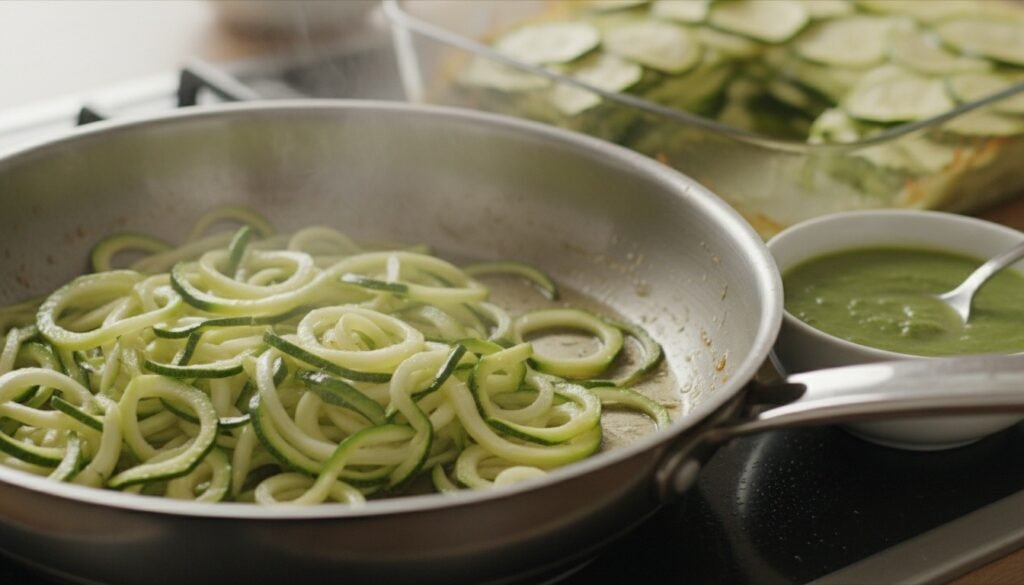
Zucchini’s mild flavor and tender texture make it versatile, but light cooking improves its nutritional profile. Heat increases the bioavailability of its carotenoids and makes its nutrients easier to absorb.
Gentle cooking methods work best. Quick sauteing, light steaming, or grilling softens zucchini’s cell walls without destroying its delicate texture or water-soluble vitamins.
Zucchini is also excellent for adding moisture and nutrients to baked goods, where the cooking process further enhances nutrient availability. Zucchini bread is not just delicious but sneakily nutritious.
Avoid overcooking, which turns zucchini mushy and waterlogged. Cook it just until tender-crisp to preserve both texture and the maximum nutritional benefit.
Cook Smart, Eat Well
These nine vegetables prove that cooking is not the enemy of nutrition. When done right, gentle heat unlocks nutrients, neutralizes interfering compounds, and makes vegetables more delicious, which means you will eat more of them.
The best approach is variety: enjoy some vegetables raw for their vitamin C and crunch, and cook others to maximize their unique nutritional benefits. There is no single right way to eat vegetables, only delicious ways.
Pay attention to cooking methods too. Steaming, quick sauteing, roasting, and grilling generally preserve nutrients better than prolonged boiling, which leaches water-soluble vitamins into the cooking liquid.
So fire up the stove with confidence. Your body will thank you for every perfectly roasted, lightly steamed, and thoughtfully sauteed bite.