 Sarah Grey
European cuisine blends comfort, tradition, and local character, shaped by centuries of history and culture. From simple rustic fare to refined delicacies, every dish reflects regional ingredients and time-honored cooking traditions.
Many recipes have been passed down through generations, keeping their original flavors and character. These classics are defined by balanced tastes, straightforward preparation, and deeply satisfying textures.
Whether you crave savory comfort or sweet indulgence, European food has something for every palate. Here are eleven must-try classic dishes that remain staples of the continent’s rich culinary heritage.
Pizza Margherita – Italy
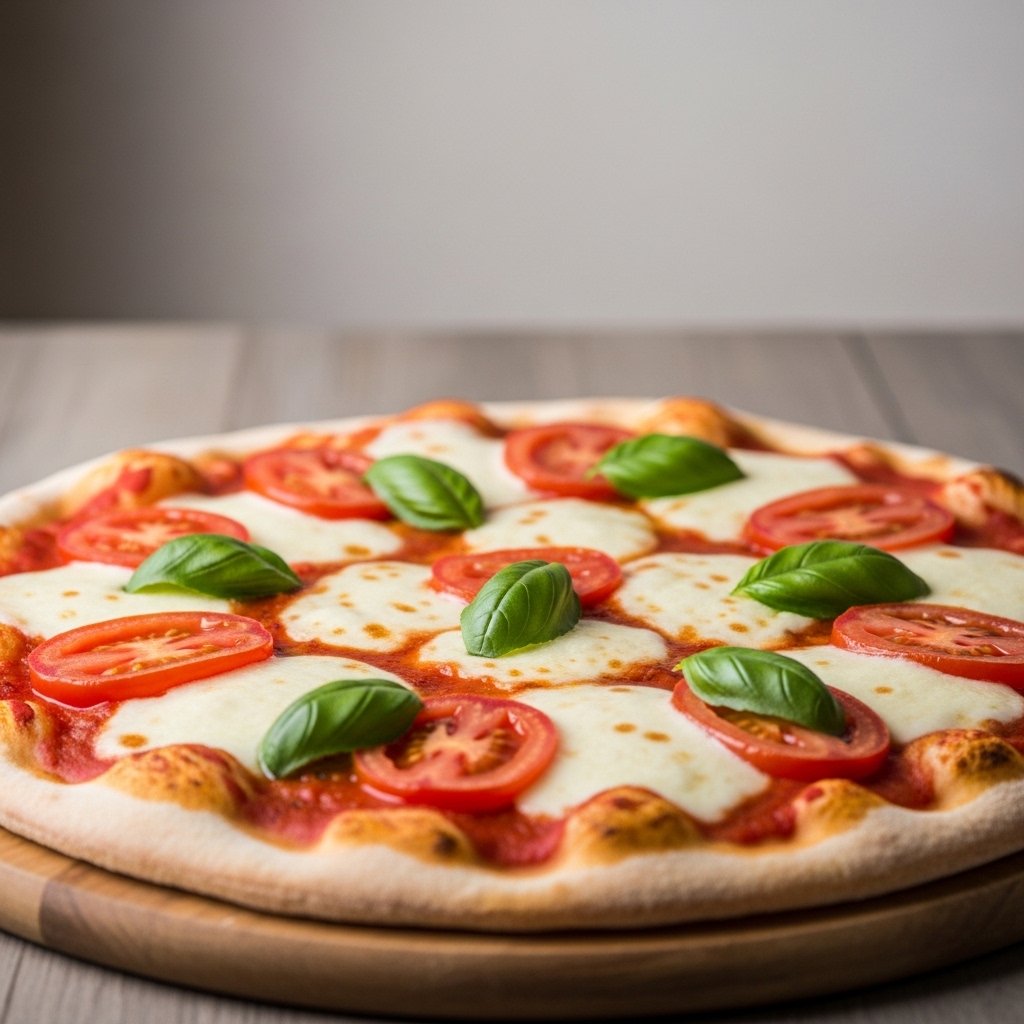
Pizza Margherita is simple yet delicious, made with fresh tomatoes, mozzarella, and basil on a soft, airy crust. Its vibrant flavors showcase the best of Italian cooking.
Legend says it was created in Naples in 1889 to honor Queen Margherita, with toppings mirroring the Italian flag. The story captures how food and national pride intertwine.
Authentic Margherita uses San Marzano tomatoes and fior di latte mozzarella. A blazing hot wood-fired oven creates the signature charred, puffy crust.
The beauty of this pizza lies in its restraint. With only a few ingredients, each one must be excellent, proving that simplicity is the ultimate sophistication.
Enjoy it fresh from the oven with nothing more than a drizzle of olive oil. It remains beloved by people all over the world.
Seek out pizzerias that follow the Vera Pizza Napoletana standards. The certification guarantees traditional methods and ingredients.
Croissant – France

The croissant is defined by thin, buttery layers and a light, flaky texture. Delicate folding techniques create its tender interior and crisp, golden exterior.
Making croissants is a labor of love. The dough is folded with butter over many hours in a process called lamination, creating dozens of impossibly thin layers.
A great croissant shatters when you bite it, then melts on the tongue. French bakers judge quality by the honeycomb structure visible inside.
It remains a favorite for breakfast and light meals. Served warm with jam or simply on its own, it is pure pleasure.
Pair it with a café au lait for the classic Parisian morning. Few rituals are as civilized as a fresh croissant and good coffee.
The best croissants come from artisan boulangeries that bake fresh each morning. Arrive early for the warmest, flakiest selection.
Paella – Spain
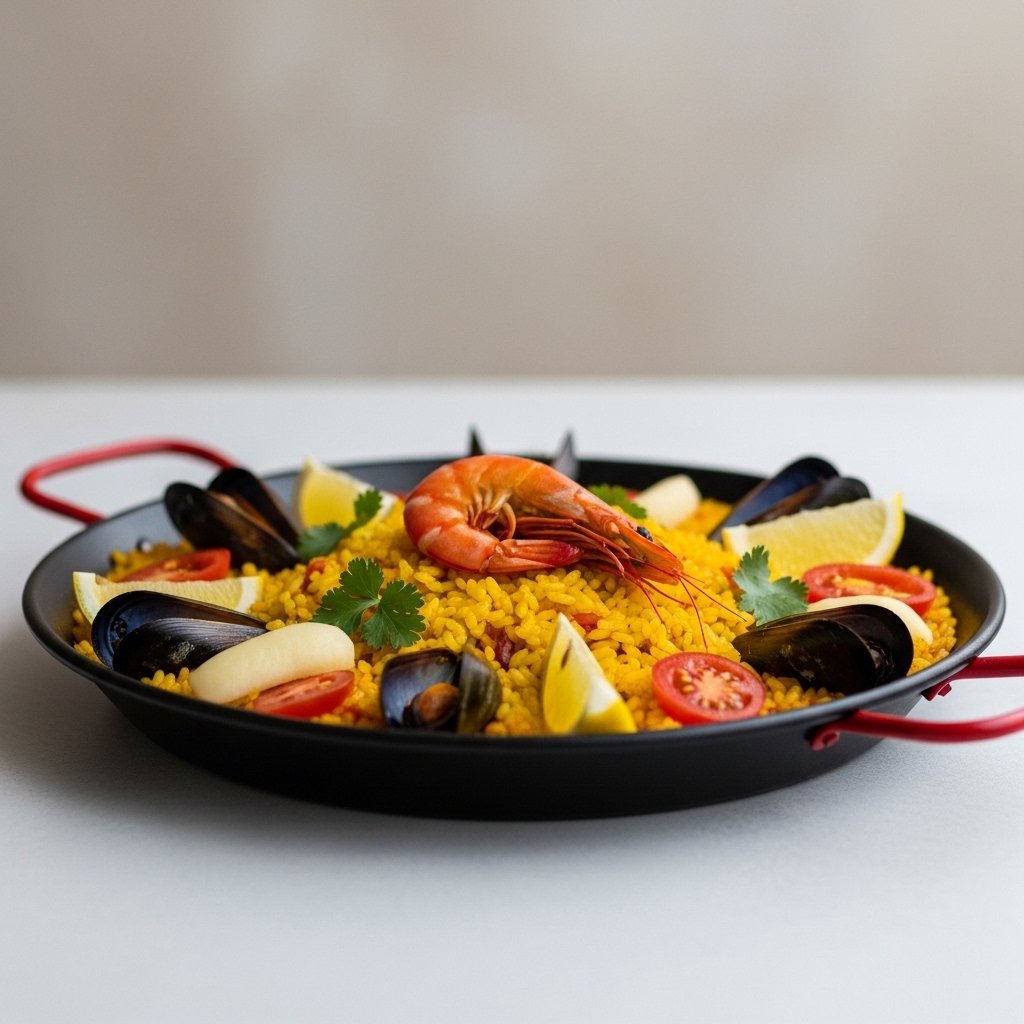
Paella is a colorful rice dish made with vegetables, herbs, and varied ingredients. Its vivid presentation and enticing aroma reflect proud regional traditions.
Originating in Valencia, paella was a humble farmworkers’ lunch cooked over open fire. Saffron gives the rice its golden color and distinctive fragrance.
The prized socarrat, the crispy layer of rice at the bottom of the pan, is the mark of a well-made paella. Achieving it requires patience and the right heat.
Paella is meant for sharing, served straight from the wide, shallow pan. It turns any gathering of family and friends into a celebration.
Variations abound, from seafood to mixed meats to vegetarian. Each region of Spain claims its own authentic version.
For the most authentic experience, try paella in Valencia on a Sunday. Locals treat it as a weekly ritual worth savoring slowly.
Wiener Schnitzel – Austria
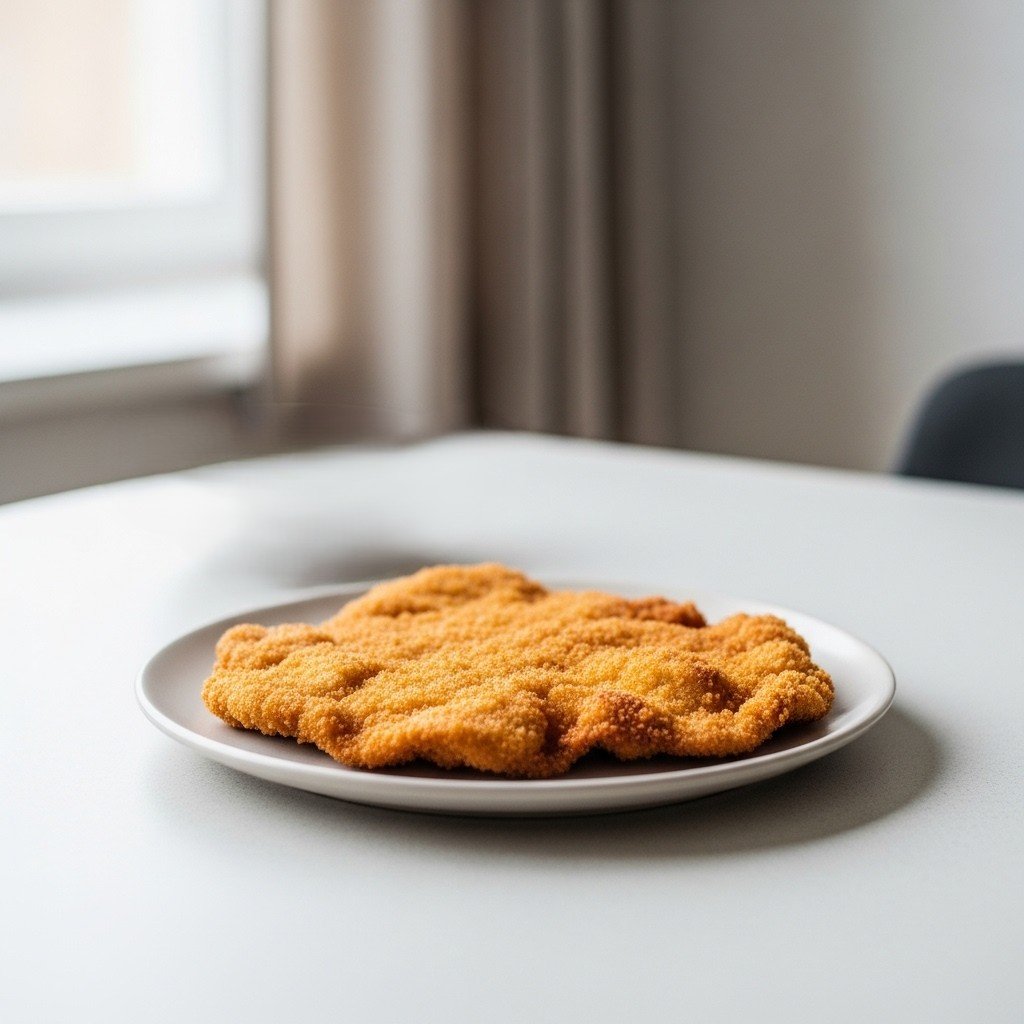
Wiener Schnitzel is made from very thinly pounded meat coated in breadcrumbs and fried until golden. The crisp exterior and tender inside make it deeply comforting.
By Austrian law, true Wiener Schnitzel must be made from veal. The pork version, while delicious, is technically called Schnitzel Wiener Art.
The secret is frying in enough fat that the coating puffs away from the meat slightly. This creates the characteristic light, airy crust.
It is traditionally served with lemon, potato salad, or lingonberry jam. Simple sides let the schnitzel shine.
This dish embodies Viennese culinary elegance. It is comfort food elevated to an art form.
Vienna’s historic restaurants have served schnitzel for centuries. Dining in one of these grand establishments is a cultural experience in itself.
Moussaka – Greece
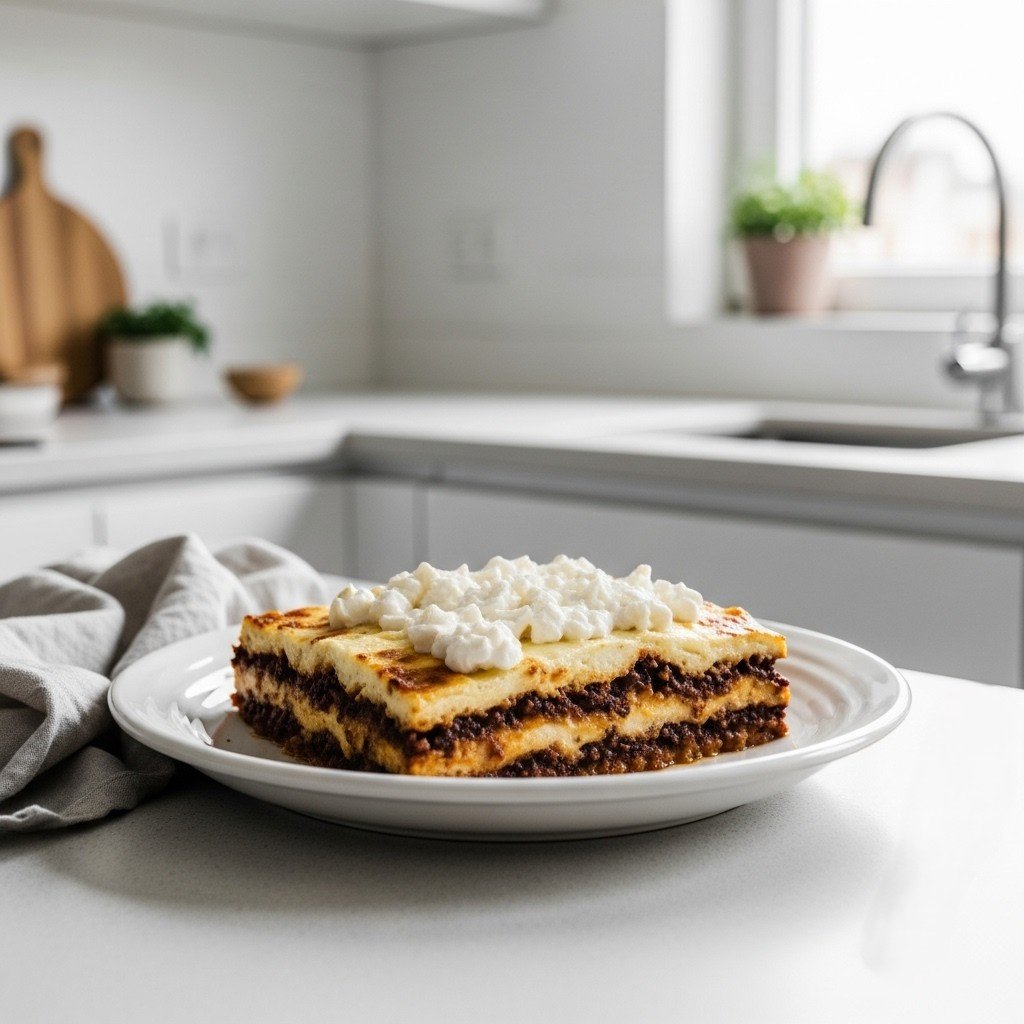
Moussaka layers vegetables with a savory filling under a creamy baked topping. Its rich texture and deep flavor make it the essence of Greek home cooking.
Eggplant is the traditional foundation, sliced and roasted until silky. Some versions add potatoes or zucchini for extra heartiness.
The béchamel topping should be thick, golden, and slightly nutty from the oven. A pinch of nutmeg is the classic seasoning.
Let it rest before slicing so the layers set. Moussaka rewards patience with clean, beautiful portions.
Every Greek family has its own version. It is the kind of dish that tastes like home, wherever home may be.
Pair it with a simple Greek salad and crusty bread. The fresh, bright sides balance the richness of the baked layers.
Goulash – Hungary
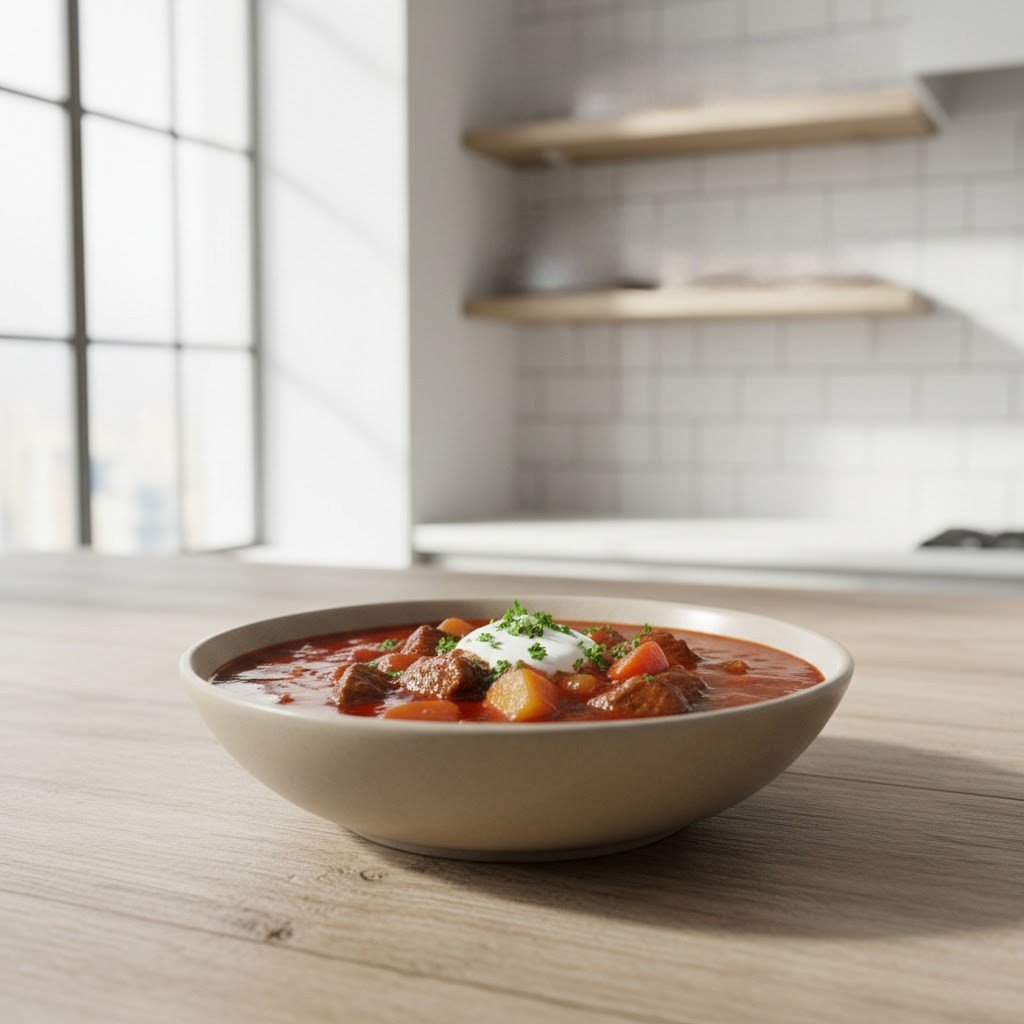
Goulash is a robust stew of slowly cooked meat, vegetables, and spices. Its rich flavor and warming character reflect rustic Hungarian tradition.
Paprika is the soul of goulash. Sweet Hungarian paprika gives the stew its deep red color and distinctive earthy sweetness.
True goulash is more soup-like than the thick stews served elsewhere. It was originally a herdsmen’s meal cooked in a kettle over open fire.
Slow cooking is essential. Hours of gentle simmering transform tough cuts into meltingly tender morsels.
Serve with crusty bread or dumplings to soak up the flavorful broth. It is the ultimate comfort food for cold weather.
Budapest’s historic restaurants serve goulash with pride. Tasting it in its homeland adds a layer of authenticity no recipe can replicate.
Fish and Chips – United Kingdom
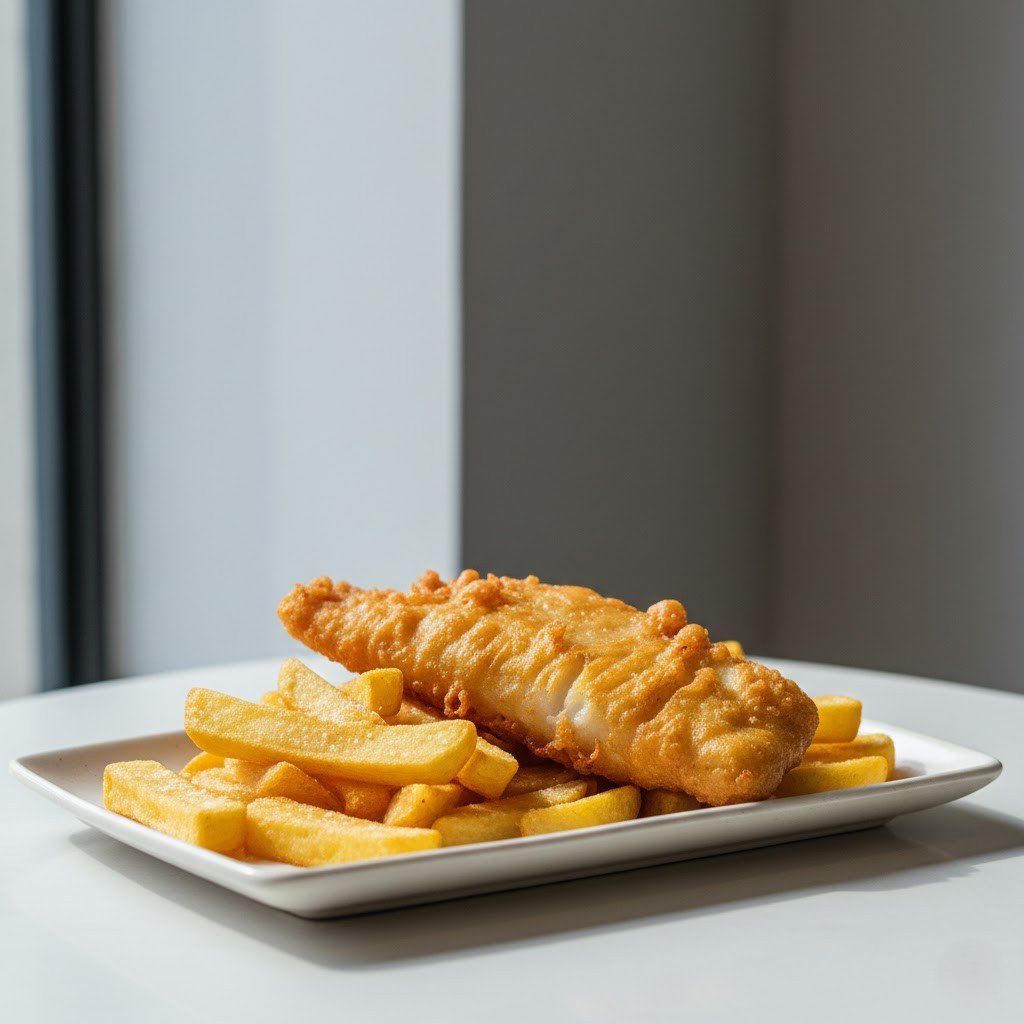
Fish and chips pairs battered fish with thick-cut fried potatoes. The crisp textures and light seasoning make it deeply satisfying comfort food.
The batter should be light and crunchy, shattering to reveal steaming white fish inside. A good beer batter is the traditional choice.
Vinegar and salt are the classic condiments. Mushy peas on the side complete the authentic chippy experience.
Eaten from paper on a seaside promenade, it is a British institution. The setting is half the pleasure.
Despite its humble nature, great fish and chips requires real skill. Temperature control and timing separate the good from the unforgettable.
Look for chippies that cook to order rather than holding fish under heat lamps. Freshness makes all the difference.
Pierogi – Poland
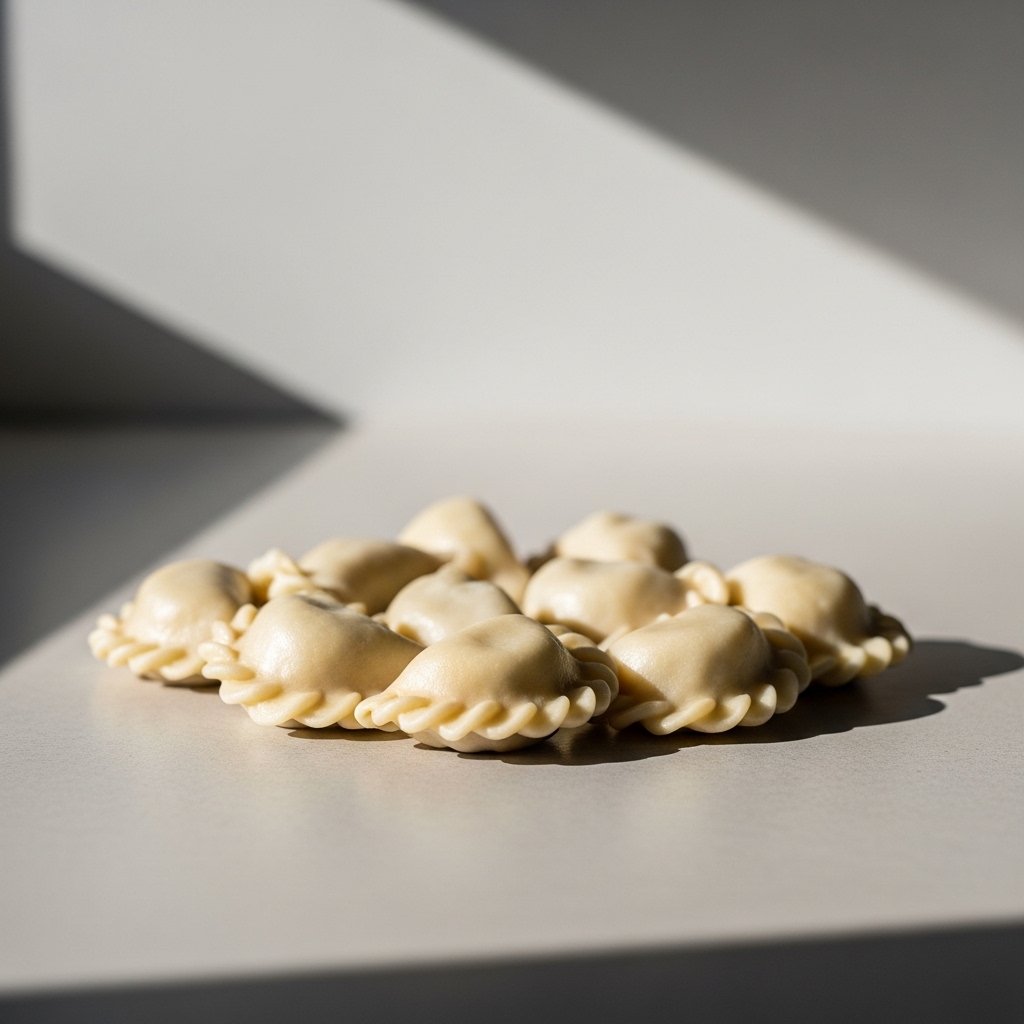
Pierogi are tender dumplings filled with savory or slightly sweet fillings. Their delicate dough and comforting centers make them endlessly appealing.
Classic fillings include potato and cheese, sauerkraut and mushroom, or seasoned meat. Sweet versions with blueberries appear in summer.
Making pierogi is traditionally a family affair. Generations gather to roll, fill, and crimp dozens of dumplings together.
Boil them first, then pan-fry in butter for the best texture. The crispy edges contrast beautifully with the soft filling.
Serve with sour cream and fried onions. They are a staple of family gatherings and celebrations across Poland.
Frozen pierogi from Polish delis are a worthy shortcut. They cook up nearly as well as homemade on busy weeknights.
Ratatouille – France
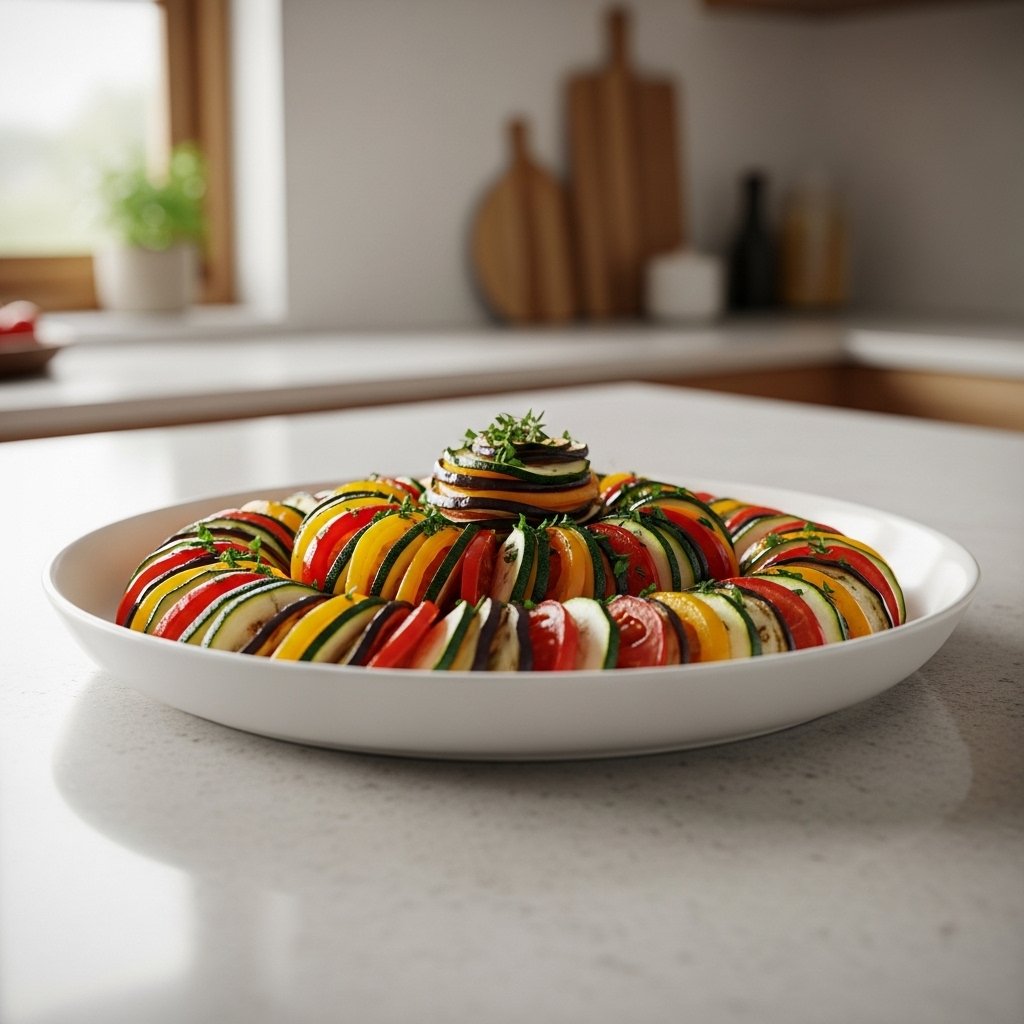
Ratatouille slowly cooks fresh vegetables with herbs into a light yet flavorful dish. Its colorful appearance and gentle seasoning celebrate natural produce.
Eggplant, zucchini, peppers, and tomatoes are the core vegetables. Each should be cooked just enough to become tender while holding its shape.
Provençal herbs like thyme, rosemary, and basil give authentic flavor. Good olive oil ties everything together.
It is delicious hot, warm, or at room temperature. Like many vegetable dishes, it improves as the flavors meld.
Ratatouille proves that humble vegetables, treated with care, become something extraordinary. It is country cooking at its finest.
Serve it as a side, a main over polenta, or even cold as part of a picnic spread. Its versatility is part of its charm.
Bratwurst – Germany

Bratwurst is a traditional sausage made from seasoned meats following time-honored recipes. Its savory flavor and firm texture make it a German favorite.
Germany boasts over a thousand regional sausage varieties. Each town seems to have its own cherished bratwurst recipe.
Grill it slowly so the casing crisps without splitting. Patience keeps the juices inside where they belong.
Serve in a crusty roll with mustard, or alongside sauerkraut and potato salad. Simple accompaniments honor the sausage.
From Christmas markets to summer barbecues, bratwurst is woven into German life. It represents regional pride in edible form.
The Nuremberg bratwurst, small and delicately spiced, is among the most famous. Trying regional varieties is a delicious way to tour Germany.
Belgian Waffles – Belgium

Belgian waffles feature a light interior and crisp exterior with deep pockets made for toppings. Their airy sweetness makes them irresistible.
True Belgian waffles come in two styles: the rectangular Brussels waffle and the denser, caramelized Liège waffle studded with pearl sugar.
The deep pockets are engineered for holding toppings. Fresh berries, whipped cream, and chocolate are classic choices.
Eat them fresh and hot for the full experience. A waffle that sits too long loses its signature crispness.
Whether for breakfast or dessert, Belgian waffles are a joyful treat. They turn any morning into an occasion.
In Brussels, waffle stands on nearly every corner serve them plain or dressed. Watching them made fresh is part of the fun.
Tasting Europe One Dish at a Time
These eleven classics show how European cuisine turns simple ingredients into lasting traditions. Each dish carries the history and heart of its homeland.
You do not need a plane ticket to explore them. Many of these recipes are achievable in a home kitchen with a little patience and good ingredients.
Start with the flavors that call to you, then keep exploring. Europe’s table is vast, and every dish tells a delicious story.
Cooking these dishes at home connects you to the cultures that created them. Every meal becomes a small journey across the continent.