 Sarah Grey
Vitamins are sold as magic bullets for energy, immunity, and healthy aging. Yet after 60, some of them can become troublemakers. Your body processes nutrients more slowly with age, the kidneys tire, the liver slows down, fat-soluble vitamins accumulate, and water-soluble ones can overload the gut or interact with medications.
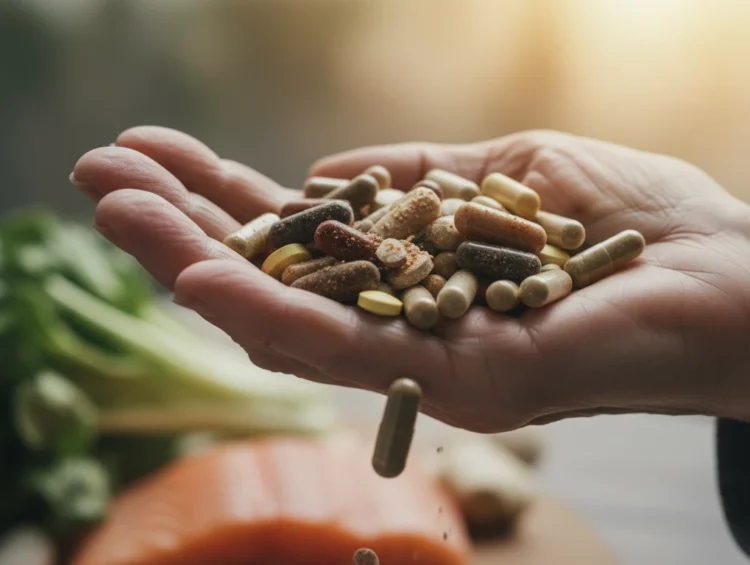
Many people swallow handfuls of pills each day in pursuit of perfect health, only to end up fighting nausea, nerve tingling, or soaring cholesterol. The truth is that foods like salmon, spinach, and sensible sunlight deliver balanced nutrition without the overdose risk. Research has linked megadose supplements to kidney stones, artery plaque, and other problems, while supplement purity is rarely inspected the way prescription drugs are.
Forget one-size-fits-all bottles. Blood work can identify your actual gaps so you supplement only what you need. Here are nine vitamins and supplements that could be doing more harm than good, and what to do instead.
Vitamin A (Retinol Form)

Retinol accumulates in the liver, and toxicity causes dizziness, dry skin, and bone fragility that hits seniors hardest. Because vitamin A is fat-soluble, the body stores excess rather than excreting it, so high-dose supplements build up silently over time.
Skip preformed vitamin A supplements unless your doctor specifically recommends them. Beta-carotene from carrots, sweet potatoes, and leafy greens is converted to vitamin A only as needed, which makes food sources far safer than pills.
Watch out for multivitamins that stack retinol on top of a separate vitamin A pill. Combined doses are a common route to accidental excess, so read labels and count every source.
Symptoms of chronic excess include headaches, blurred vision, and joint pain, which are easy to blame on aging. If you take vitamin A and notice these, stop the supplement and talk to your doctor promptly.
High-Dose Vitamin B6

Exceeding 50 mg of vitamin B6 per day can damage nerves, leading to numbness and unsteady walking that doctors may mistake for aging. The irony is painful: a vitamin taken for health can create the very symptoms people hope to avoid.
Poultry, bananas, potatoes, and chickpeas provide safe amounts of B6 without the neurological risk. Food-based intake almost never reaches the doses linked to nerve damage, which is why the danger comes almost entirely from supplements.
Check energy drinks and B-complex formulas, which often hide large B6 doses. If you take a B-complex, choose one with modest amounts and stop any product that causes tingling in the hands or feet.
The good news is that B6 nerve damage often reverses once the excess stops, though recovery can take months. Catching it early makes all the difference, so never ignore new numbness or tingling.
Iron Supplements

Taking iron when you are not deficient can strain the liver, burden the cardiovascular system, and cause severe constipation. Women after menopause generally do not need supplemental iron, since monthly blood loss has stopped.
Excess iron acts as an oxidant in the body, generating free radicals that damage tissues over time. Unlike some nutrients, the body has no efficient way to excrete surplus iron, so it simply accumulates.
Always test your levels before taking iron. A simple ferritin blood test shows whether you are truly deficient, and if you are, your doctor can prescribe the right dose for a limited time rather than an open-ended daily pill.
Iron also interferes with the absorption of certain medications, including thyroid drugs and some antibiotics. Take iron at a different time of day from prescriptions, and only with medical guidance.
Calcium Pills

Beyond about 1,200 mg per day, calcium supplements have been linked to artery calcification, kidney stones, and cardiovascular events. The mineral meant to protect bones may end up stiffening blood vessels instead.
Calcium from food behaves differently than calcium from pills. Kale, yogurt, sardines, and fortified plant milks deliver calcium alongside the cofactors your body needs to direct it into bone rather than soft tissue.
If your doctor recommends calcium, ask about splitting the dose and pairing it with vitamin K2 and magnesium, which help route calcium properly. Never megadose on your own based on an advertisement’s promise.
Weight-bearing exercise does more for bone density than calcium pills alone. Walking, dancing, and light resistance training stimulate bones to stay strong, which no supplement can replace.
Vitamin E (Synthetic)

Doses of 400 IU and above can thin the blood dangerously, especially for people who are already lean or taking blood thinners. Large trials have also linked high-dose vitamin E to prostate concerns in men.
Almonds, sunflower seeds, and spinach supply abundant vitamin E without any bleeding risk. Food sources provide the full family of tocopherols working together, while synthetic supplements typically deliver only one isolated form.
Be especially cautious before surgery or dental work, since vitamin E’s blood-thinning effect raises bleeding risk. Tell your doctor about every supplement you take, not just prescriptions.
Natural mixed tocopherols from food also come with healthy fats that aid absorption. A handful of almonds delivers vitamin E exactly the way your body evolved to receive it.
Excess Vitamin D

Pouring in 4,000 IU or more daily without medical guidance can raise blood calcium to dangerous levels, causing confusion, nausea, and heart rhythm problems. Vitamin D toxicity is real, even though deficiency gets more headlines.
Fatty fish, sensible sun exposure, and moderate fortified foods provide vitamin D safely for most people. Because it is fat-soluble, the body stores surplus, so steady moderate intake beats occasional megadoses.
Get your 25-hydroxy vitamin D level tested before supplementing aggressively. Work with your doctor to find the smallest effective dose, and retest rather than guessing indefinitely.
Signs of excess include excessive thirst, frequent urination, and bone pain, which mimic other conditions. If you take high-dose D and feel unwell, get your calcium checked without delay.
Folic Acid (Synthetic)

Excess synthetic folic acid can mask a vitamin B12 deficiency, allowing nerve damage to progress silently while blood counts look normal. This is especially risky for older adults, who absorb B12 less efficiently.
Folate from spinach, lentils, and asparagus works with your body’s chemistry more naturally than high-dose synthetic folic acid. Food folate has never been linked to the masking problem seen with supplement megadoses.
If you take folic acid, keep the dose modest and make sure your B12 status is checked too. The two vitamins work as a team, and balancing them matters more than maximizing either one alone.
Vegetarians and older adults should be particularly vigilant about B12, since it comes mainly from animal foods and absorption declines with age. A B12 test is cheap insurance against silent nerve damage.
Vitamin C Megadoses
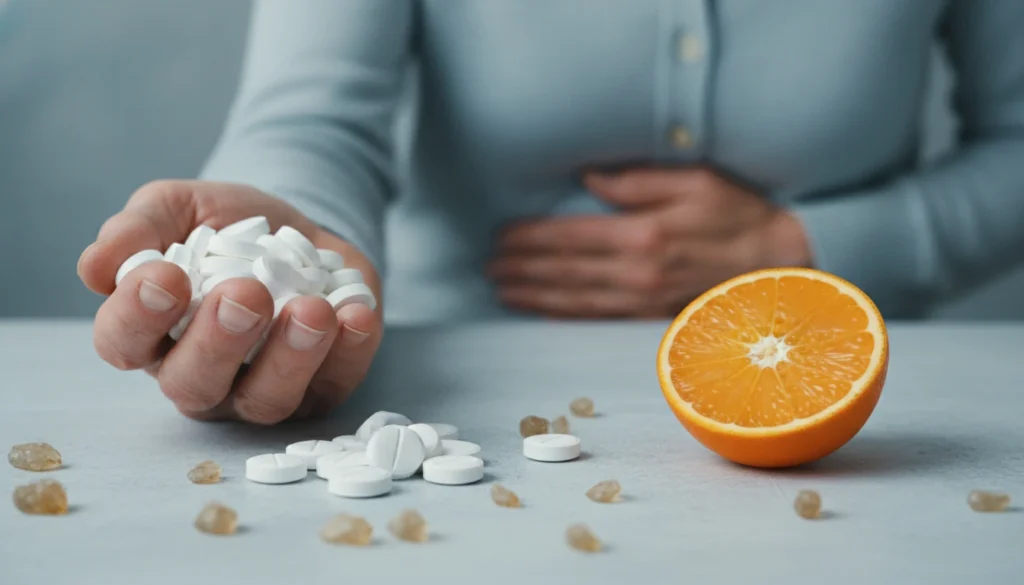
Doses above 1,000 mg can irritate the bowels and promote oxalate kidney stones, while your body simply excretes most of the excess. Megadosing is an expensive way to produce very expensive urine.
Oranges, bell peppers, strawberries, and broccoli support immunity gently at ordinary dietary doses. Studies show little additional benefit beyond what a vitamin C-rich diet already provides.
If you are prone to kidney stones, be especially wary of high-dose vitamin C. Stick with food sources and save your money, and your kidneys, from the megadose habit.
Smokers do need slightly more vitamin C than nonsmokers, but even then food easily covers it. One bell pepper delivers more than double the daily requirement without any supplement.
Multivitamins Overall
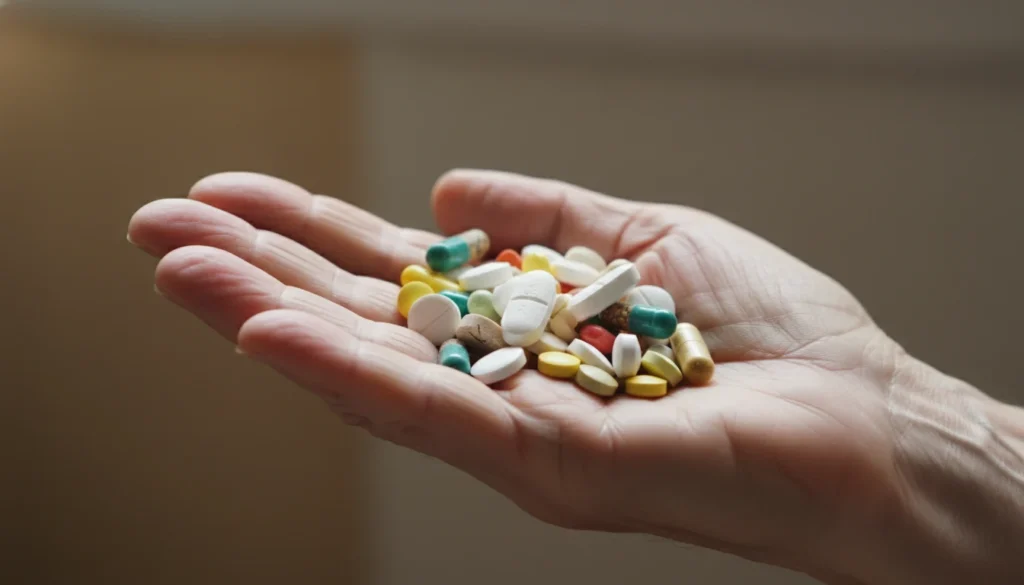
Generic multivitamins bundle together many of the risks above, combining unnecessary extras with no proven lifespan benefit in large trials. For well-nourished adults, the daily multi is more habit than help.
A targeted approach wins every time: test for actual deficiencies, supplement only what is low, and let a varied diet cover the rest. This avoids the stacking problem where several products quietly deliver the same nutrient.
Talk with your doctor or a registered dietitian before continuing a daily multivitamin indefinitely. Personalized nutrition beats the one-size-fits-all bottle.
If you do keep a multivitamin, choose one formulated for your age group without megadoses of anything. More is not better when it comes to micronutrients.
How to Supplement Safely
Start with blood work rather than guesswork. Testing vitamin D, B12, iron, and other key levels reveals your true gaps, so you supplement with precision instead of piling on pills you may not need.
Read every label and count total intake across all products. Multivitamins, B-complexes, energy drinks, and fortified foods can stack the same nutrient several times over, turning moderate doses into megadoses by accident.
Revisit your regimen yearly with your doctor. Needs change with age, diet, medications, and health conditions, so a supplement routine should evolve rather than run on autopilot for a decade.
Let Food Lead the Way
By stepping back from these nine overused supplements, you let your natural vitality shine without the side effects. A colorful diet, sensible sun, and targeted testing cover nearly everything the megadose bottles promise.
Supplements have their place, but that place is filling proven gaps, not chasing perfect health by the handful. When in doubt, eat the salmon, enjoy the spinach, and talk to your doctor before adding another bottle to the shelf.