 Sarah Grey
Denim has always been a fixture in American wardrobes, showing up on road trips, casual weekends, and just about everywhere in between. Lately, though, shoppers are reaching for something with more history: vintage denim. Old jeans, jackets, and shirts from previous decades are reappearing in closets across the country. Some buyers are drawn by nostalgia, others by the craftsmanship that older pieces seem to embody, and many by the thrill of discovering something one of a kind. Whatever the reason, vintage denim is quietly staging a major comeback.
This is more than a passing fad. The return of vintage denim reflects deeper shifts in how Americans think about clothing, sustainability, and personal style. Here are ten reasons these well-worn blues are winning hearts again.
A Sense of Nostalgia That Feels Comforting
Clothing from the past carries an emotional warmth that new garments rarely match. Vintage denim can evoke earlier decades, family photo albums, and stories from parents or grandparents. That nostalgic resonance is a powerful reason these pieces feel meaningful again.
Psychologists have found that nostalgic feelings can reduce stress and strengthen a sense of identity, which helps explain why wearing something with history feels good. A pair of 90s jeans or an 80s denim jacket connects the wearer to a broader cultural memory. In uncertain times, that sense of continuity is genuinely comforting, turning an ordinary outfit into something that feels like home.
The Unique Character of Older Fabrics
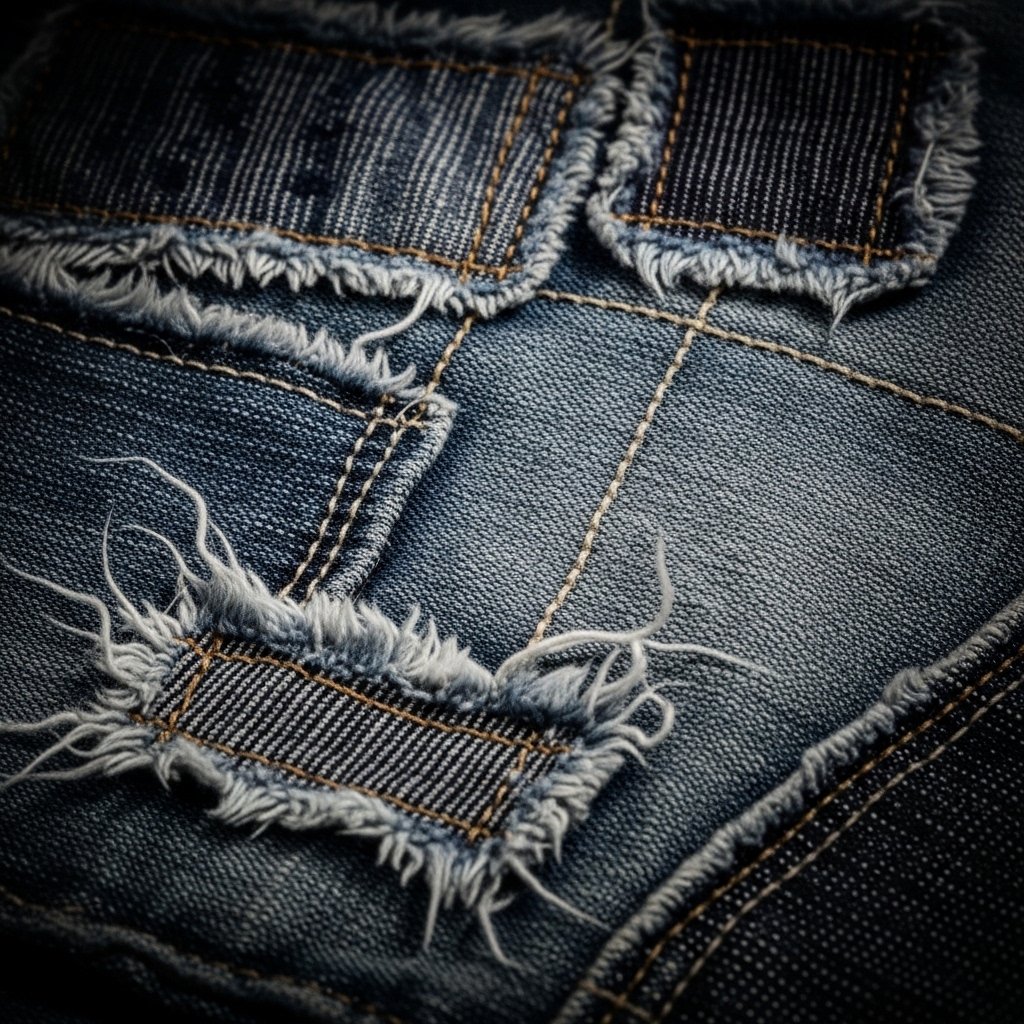
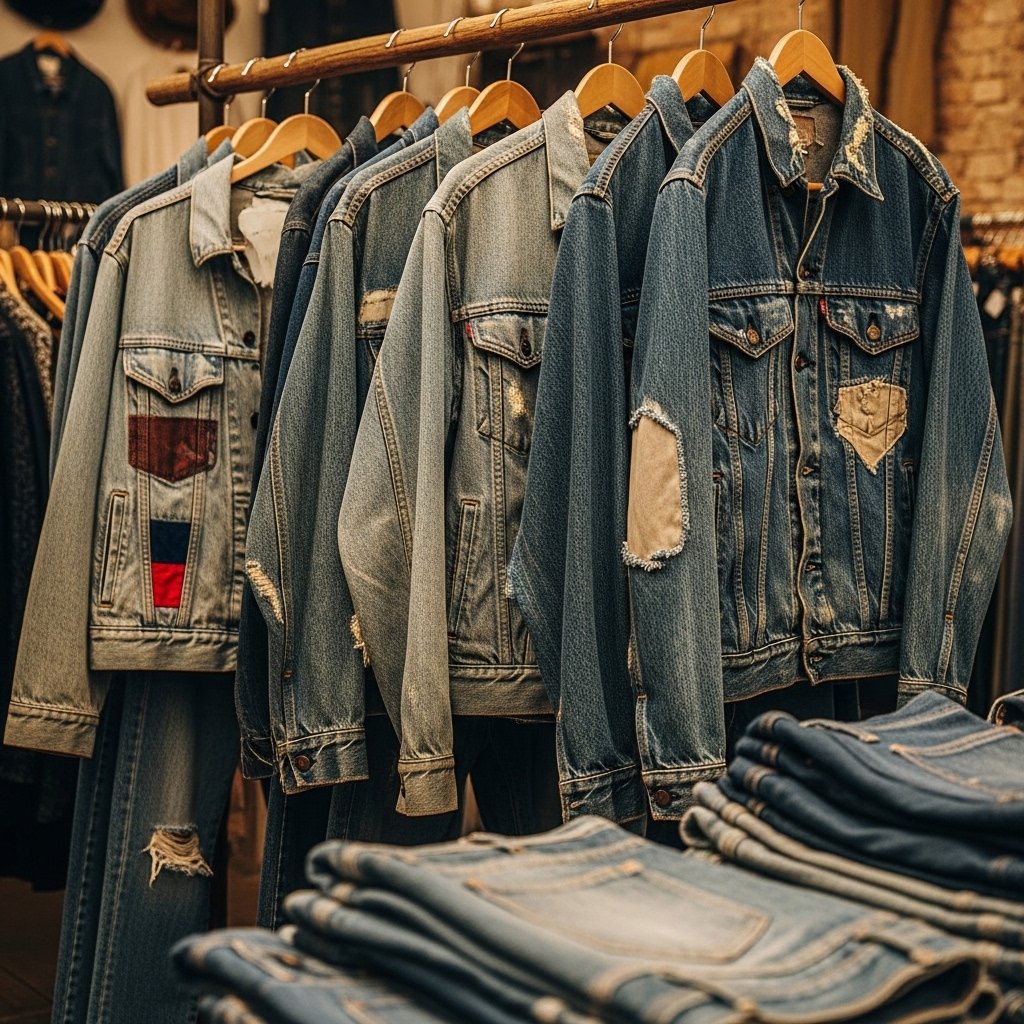
Many vintage denim pieces bear small imperfections that make them unique: faded knees, softened fabric, honeycomb creases behind the knees, and whiskering at the hips. These marks develop over years of wear and cannot be authentically replicated by factory distressing. Each piece tells a visual story.
Collectors prize specific details, from the roping effect on hemmed seams to the particular fade patterns of different eras. Selvedge denim from older production methods has a character that enthusiasts can identify at a glance. For wearers, these details mean no two vintage finds are ever identical. In a world of mass production, that individuality is increasingly precious.
A Break From Fast Fashion
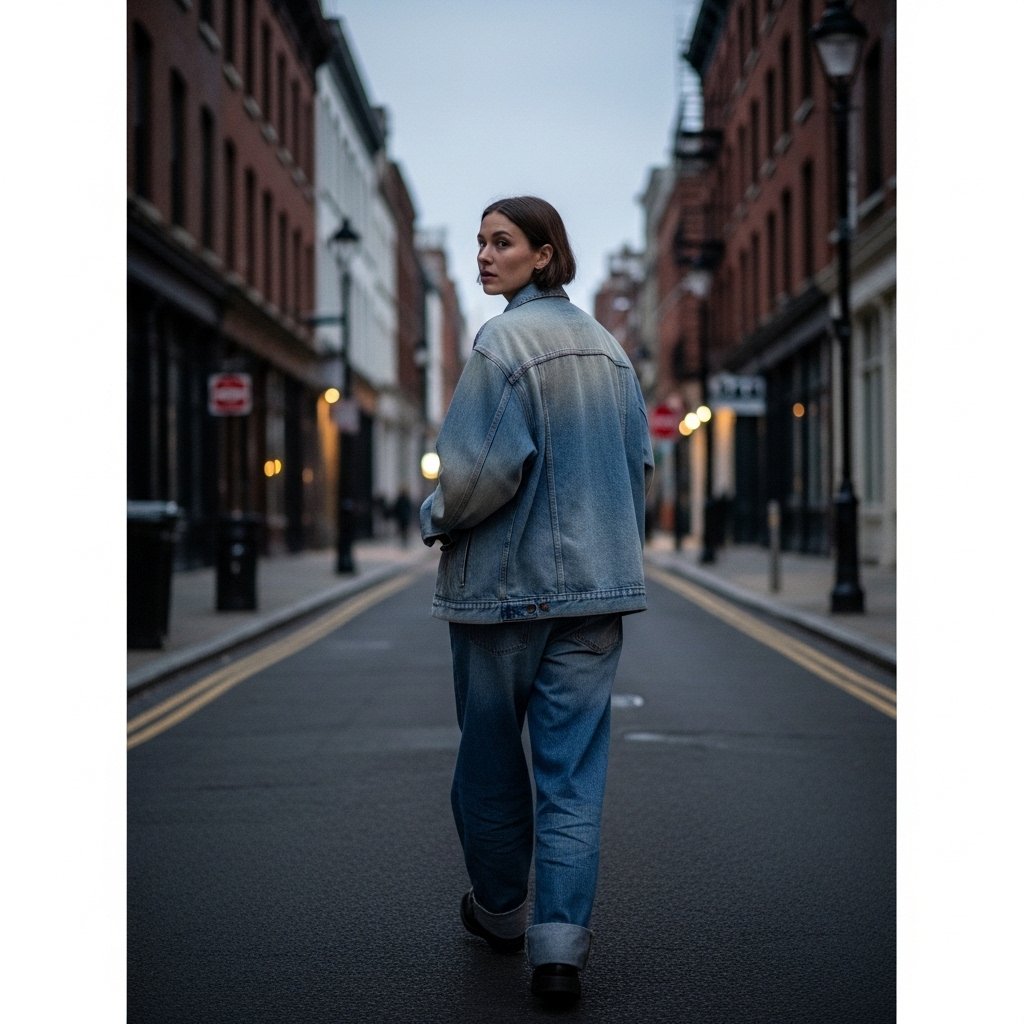
Fashion moves at a dizzying pace, with trends cycling seasonally and cheaply made clothes designed for disposal. Vintage denim offers a slower, more deliberate alternative. Choosing older garments can feel like opting out of constant consumption in favor of pieces that have already proven their staying power.
This resonates with growing skepticism about fast fashion’s environmental and labor costs. Buying a vintage jacket means no new resources were consumed to make it and no garment worker was underpaid to produce it this season. For many shoppers, especially younger ones, that matters as much as how the piece looks. Vintage denim lets them participate in fashion while standing slightly apart from its most troubling habits.
A Connection to American Culture
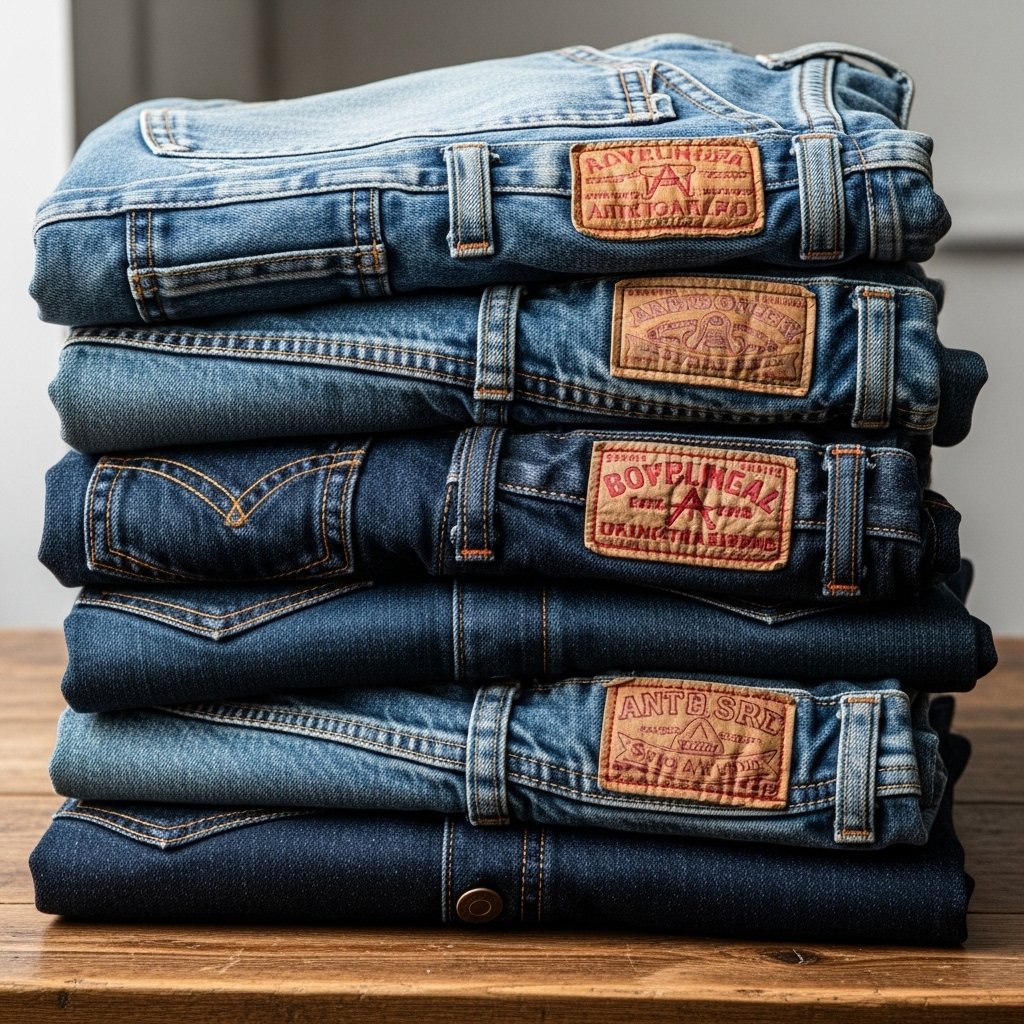
Denim is woven into American history, from Gold Rush workwear to 1950s rebellion to 90s streetwear. Wearing vintage denim feels like participating in that continuing narrative. The fabric has dressed miners, cowboys, movie stars, and musicians, accumulating cultural meaning with each generation.
Specific eras carry specific associations: the rigid 501s of the 60s counterculture, the designer jeans of the 70s, the acid wash of the 80s, the baggy fits of the 90s. Choosing a vintage piece is partly choosing which chapter of that story to wear. For Americans, denim is not just a fabric but a shared language, and vintage pieces speak it with a particularly rich accent.
The Appeal of Durable Craftsmanship
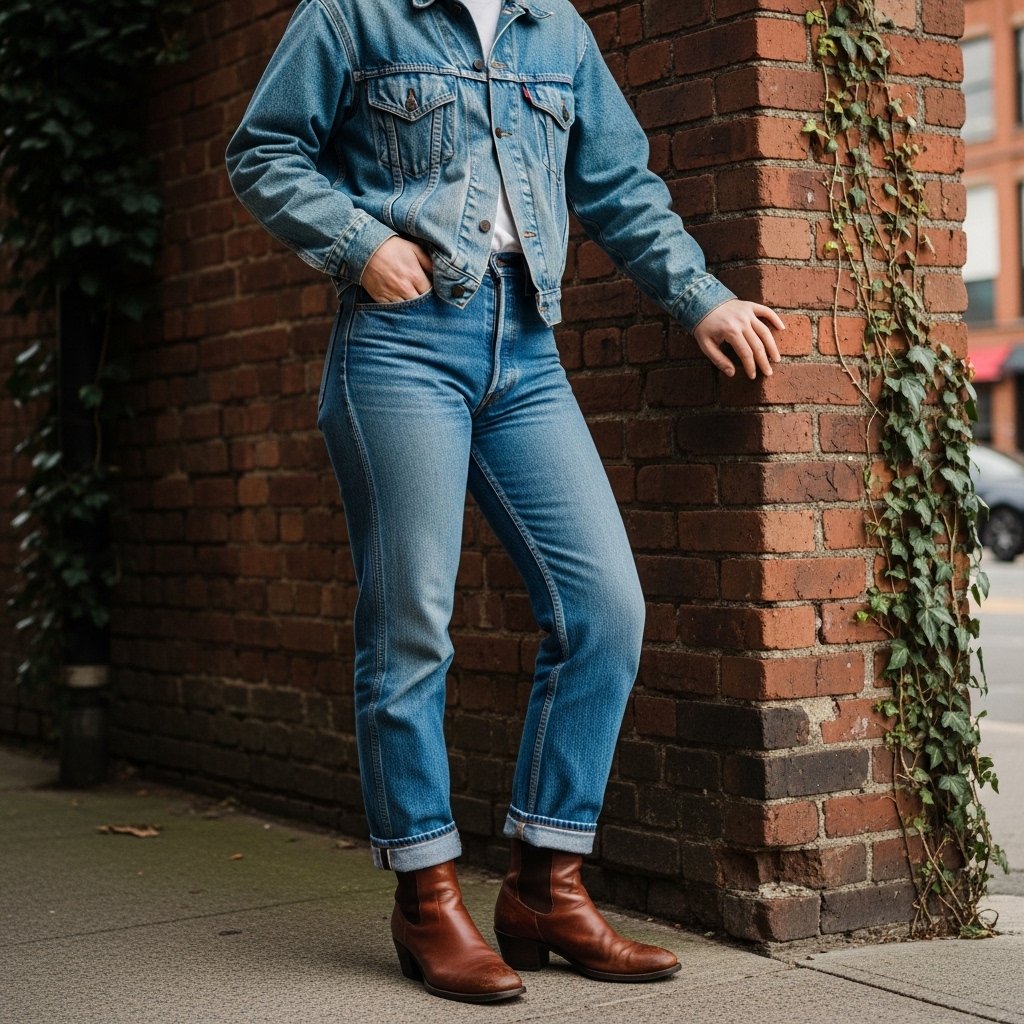
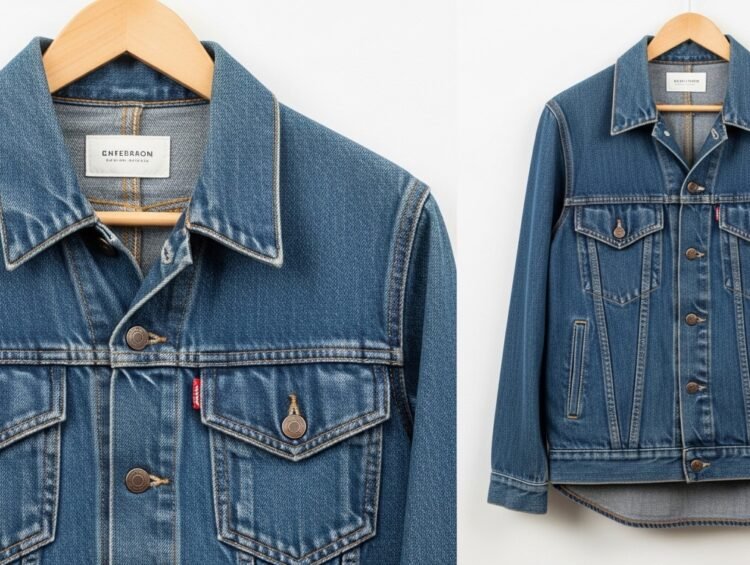
Many believe older denim was made to higher standards: heavier fabrics, sturdier stitching, and details like chain-stitched hems and copper rivets. While not every vintage piece is superior, the ones that survived decades of wear have proven their durability simply by existing.
There is truth behind the reputation. Much mid-century denim used heavier ounce fabrics and construction methods that prioritized longevity over cost. Shuttle looms produced selvedge denim with a density that modern high-speed looms struggle to match. When shoppers handle a well-preserved vintage jacket, the difference is tactile. That sense of quality, earned through survival, is a major part of the appeal.
Individual Style Without Trying Too Hard
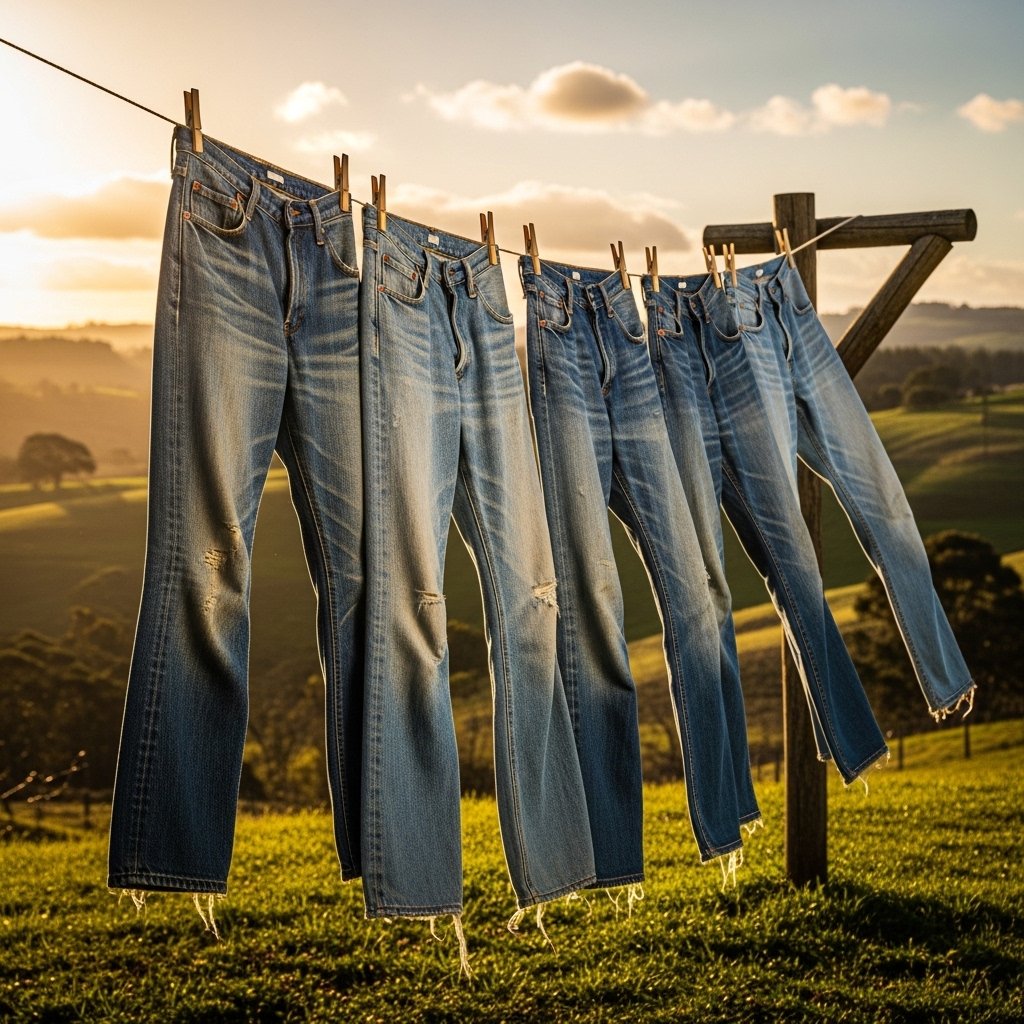
Vintage denim makes personal style effortless. Because older pieces vary in wash, fit, and detailing, outfits built around them automatically look distinctive. No two thrifted finds are the same, which means the wearer’s look cannot be exactly copied off a rack.
This appeals to people tired of algorithm-driven sameness, where everyone seems to wear identical outfits from the same few retailers. A vintage denim jacket thrown over a simple dress or paired with modern trousers creates contrast that looks intentional without being fussy. It is a shortcut to originality that requires no styling expertise, just a good eye at the thrift store.
Sustainability Conversations in Fashion
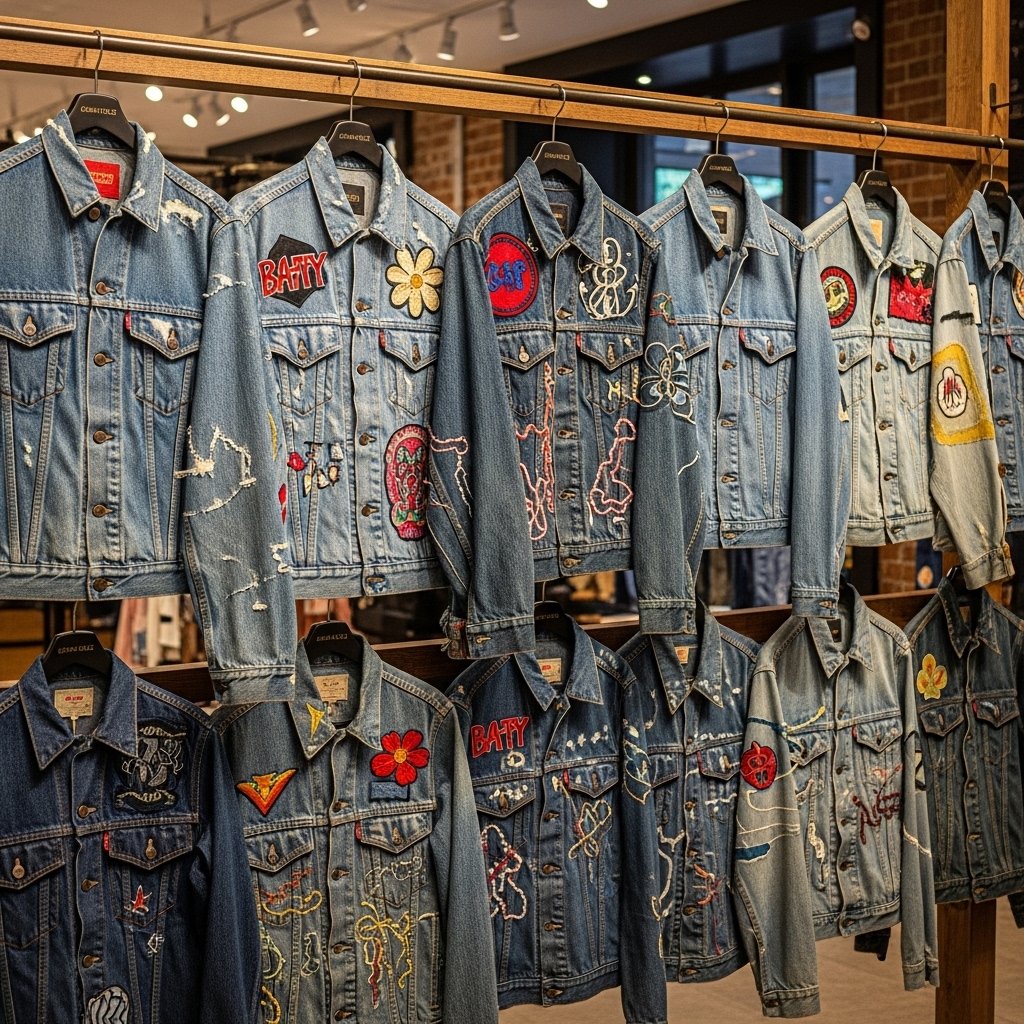
Environmental awareness has become central to fashion discourse, and vintage denim fits the moment perfectly. Denim production is notoriously resource-intensive, requiring thousands of gallons of water per pair of jeans. Extending a garment’s life through reuse is one of the most effective ways to reduce its footprint.
Giving an old garment a new life feels like a small but meaningful decision, and multiplied across millions of shoppers, the impact is significant. The secondhand market keeps wearable clothing out of landfills, where textiles are a growing waste problem. For environmentally conscious consumers, vintage denim is fashion they can feel genuinely good about, a rare combination of style and substance.
The Comfort of Relaxed Fits
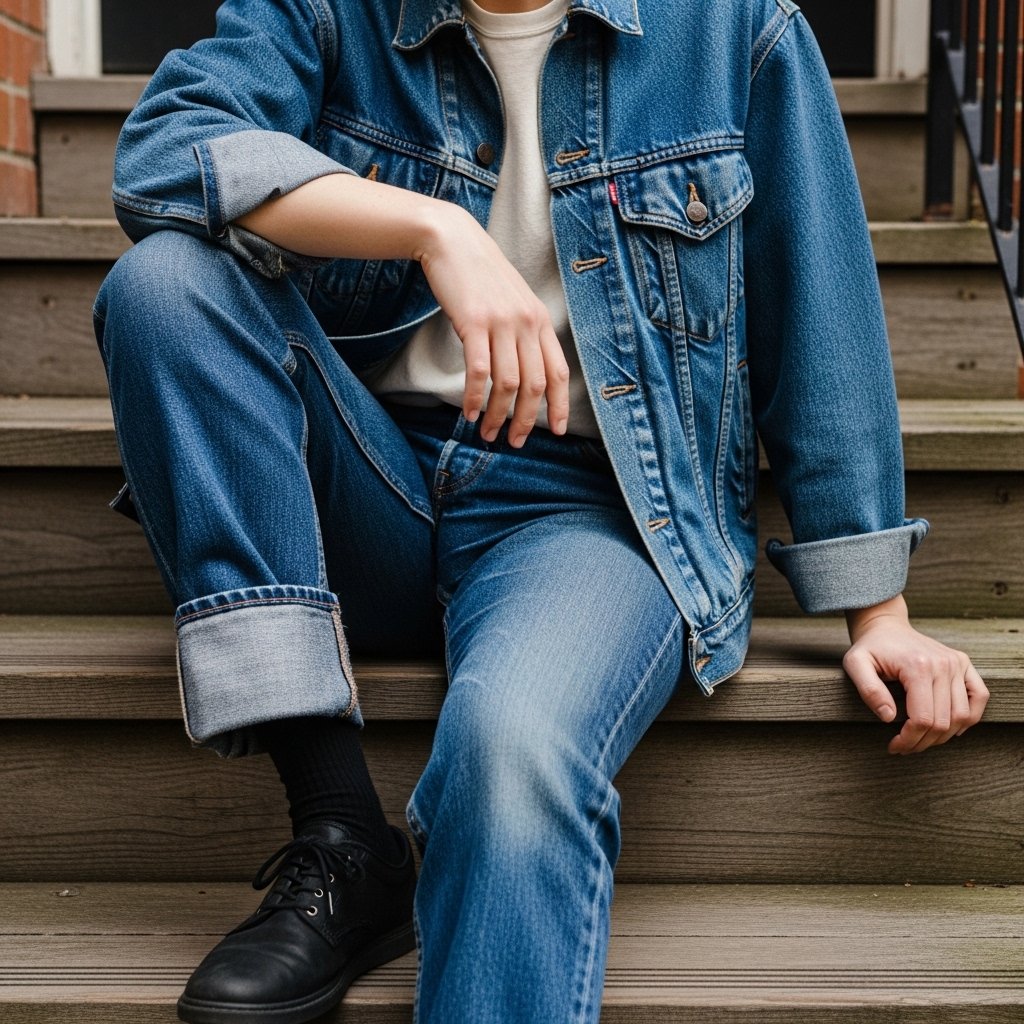
Vintage denim often features looser, more relaxed cuts than the skinny silhouettes that dominated recent years. Many people find this ease of wear deeply appealing. Relaxed fits allow movement, breathe better, and suit a wider range of body types without clinging.
The comfort factor aligns with broader fashion trends favoring ease over constriction. Mom jeans, dad jeans, and relaxed straight legs from past decades feel modern again precisely because they prioritize the wearer’s comfort. Additionally, broken-in vintage denim is softer than new rigid denim from day one. It is clothing that feels like it was made for living in, because it was.
Stories Hidden in Every Pair
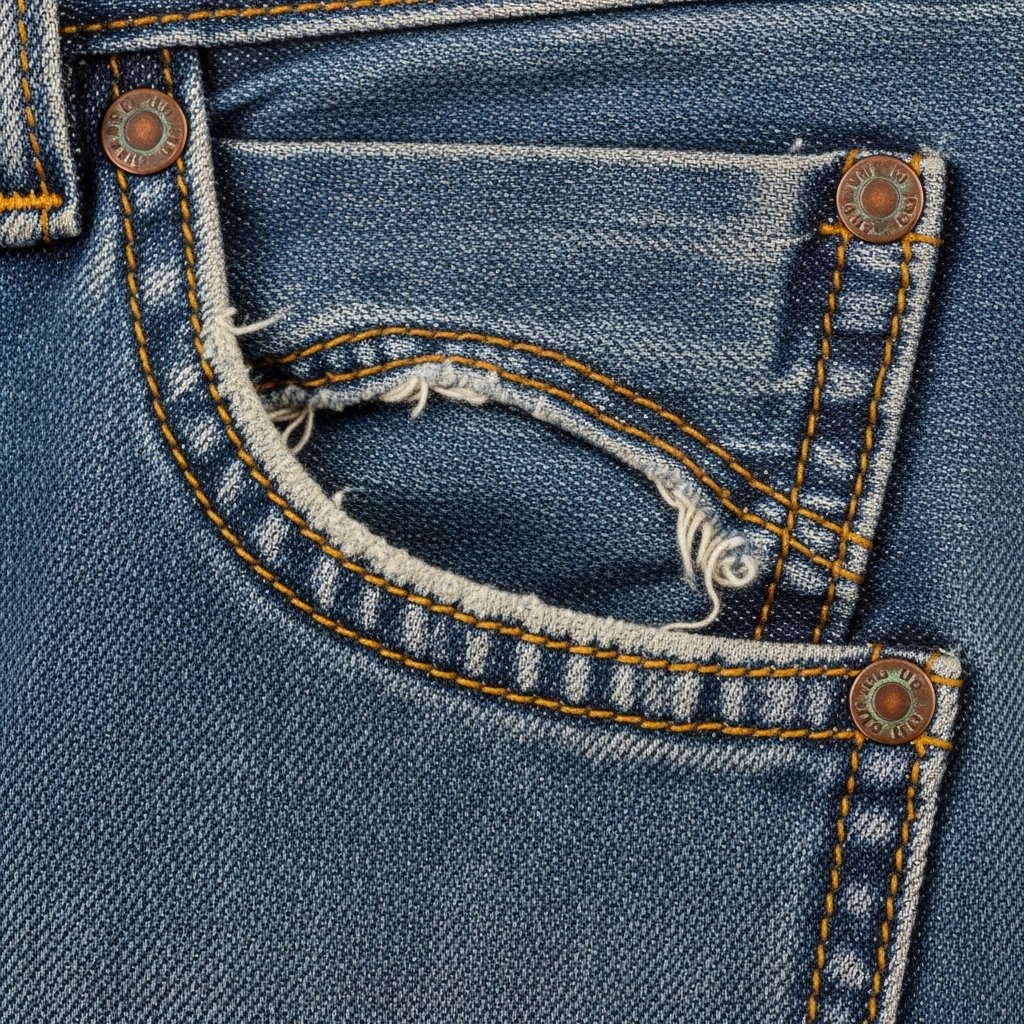
Every vintage denim piece has lived a previous life in someone else’s wardrobe. While no one can know the full story, imagining where those jeans or jackets have been adds a layer of romance. Faded concert ticket stubs in pockets, hem alterations, and repair stitches all hint at past chapters.
This sense of mystery transforms shopping into treasure hunting. Finding a perfectly worn-in pair in your size feels like destiny rather than commerce. Some collectors research union labels and care tags to date their finds, turning each piece into a small historical artifact. Wearing it continues the story, adding your own chapter to a garment that has already lived several.
A Trend That Feels Familiar Yet Fresh
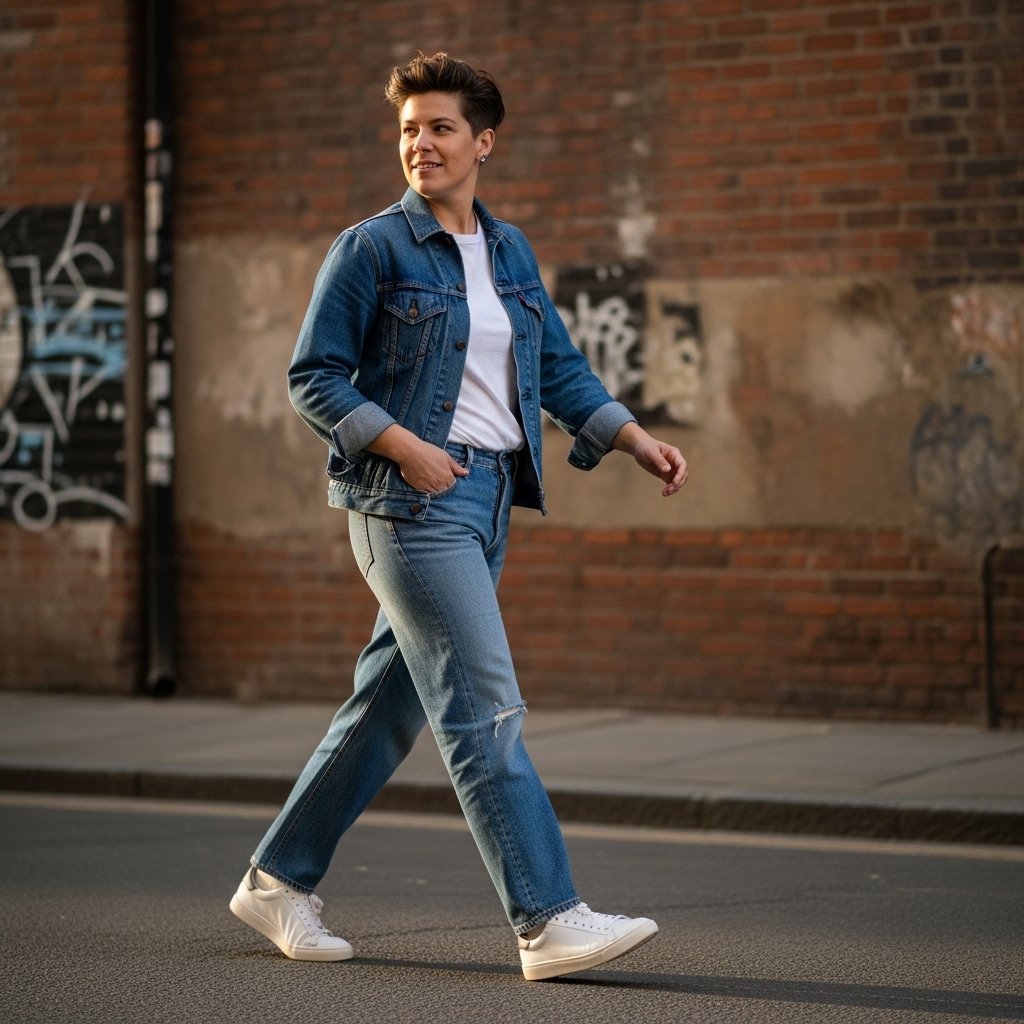
Fashion regularly revisits older ideas, giving them new momentum. Vintage denim is enjoying such a moment, blending comfort, history, and individuality in ways that feel exciting right now. The trend works because it is both familiar and fresh: everyone knows denim, but no one else has your exact vintage find.
What distinguishes this comeback from mere nostalgia is how naturally vintage denim integrates with contemporary wardrobes. It pairs with everything from tailored blazers to sneakers to silk blouses, bridging casual and polished. As long as people value authenticity, sustainability, and personal expression, vintage denim will have a place. This is not just a trend but a correction, a return to clothing with character in an age of disposability.
The Blues That Never Fade
Vintage denim’s comeback is about more than old jeans. It reflects a desire for clothing with history, quality that lasts, and style that cannot be mass-produced. From the thrill of the thrift store hunt to the satisfaction of wearing something built to endure, every aspect of the trend answers a modern craving for authenticity. Whether you are a seasoned collector or trying your first vintage pair, there has never been a better time to embrace the blues that never really fade.
Thrift stores and vintage shops have become destinations in their own right, with denim sections drawing dedicated hunters. Online marketplaces have made rare sizes and washes accessible to everyone, not just those near great thrift stores. Prices remain reasonable compared to premium new denim, making vintage an accessible entry point into quality clothing. For many shoppers, the hunt itself becomes part of the enjoyment.
Caring for vintage denim is part of the pleasure. Washing less frequently, using cold water, and air drying preserve the fabric and the unique fading you fell in love with. Many enthusiasts embrace visible mending, turning repairs into decorative features. These habits extend the garment’s life even further, making vintage denim one of the most sustainable choices in any wardrobe.
Whether you are hunting for the perfect vintage jacket or simply curious about the trend, start with reputable thrift stores and check measurements carefully, since vintage sizing differs from modern standards. With patience, you will find denim with character that only improves with age.