 Sarah Grey
The internet has a remarkable talent for turning the smallest moments into the biggest stories. A brief video clip, a candid reaction, or a single bite of food can transform an ordinary person into the center of a company-wide conversation. That is essentially what happened when a video featuring McDonald’s CEO began circulating online. It was not a polished marketing campaign or a carefully staged corporate announcement. Instead, it appeared to capture a genuine, unscripted reaction during an otherwise ordinary tasting moment. Within hours, viewers were sharing the clip, commenting on it, and offering their interpretations across social media. What started as a lighthearted incident gradually snowballed into an internet phenomenon that people could not stop watching and discussing.
Why did this particular clip resonate so strongly? The answer reveals a lot about internet culture, our relationship with food, and our fascination with the people behind powerful brands. Here is a closer look at how one bite became a sensation.
A Moment That Felt Unexpectedly Real
Many viewers were drawn to the clip because it felt unedited and spontaneous. Corporate executives are usually seen in boardrooms or delivering prepared remarks, so watching a CEO react naturally to a bite of food felt refreshing and even a little surprising. The contrast between the formal role and the casual moment was part of the appeal.
In an era when audiences are increasingly skeptical of staged content, authenticity stands out. The clip appeared to show a real person having a real reaction, without talking points or teleprompters. That genuineness is difficult to manufacture and easy to recognize. Viewers responded not to corporate messaging but to a human moment, which is precisely why it traveled so far.
The Internet Loves Small, Relatable Reactions
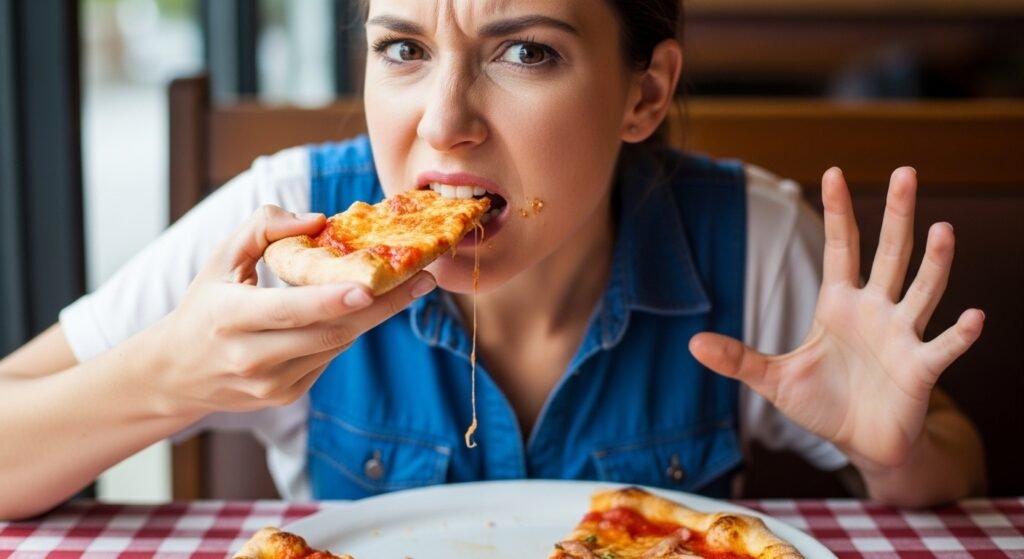
Internet culture gravitates toward relatable moments. A facial expression or an honest reaction can capture attention instantly because viewers see themselves in it. In this case, the CEO’s response to that single bite may have reminded people of their own experiences tasting something unexpectedly good, or unexpectedly strange.
This relatability is the engine of viral content. People share things that make them think, “that is so me,” or that they imagine a friend would enjoy. A powerful executive making the same face you make over great fries collapses the distance between the boardroom and the everyday. That shared recognition turns passive viewers into active sharers.
How Social Media Amplified the Clip
Once the video appeared online, it spread rapidly across platforms. One share became hundreds, then thousands. Recommendation algorithms likely accelerated the process, since each view, comment, and share signaled to the platforms that the clip was worth promoting to more people.
The multi-platform nature of modern virality played a key role. A clip might originate on one app but gain new life as it migrates to others, each with its own audience and remix culture. Reaction videos, duets, and stitches added layers of commentary that kept the original clip circulating. By the time traditional media picked up the story, the internet had already decided it was a moment.
Why Food Moments Often Go Viral
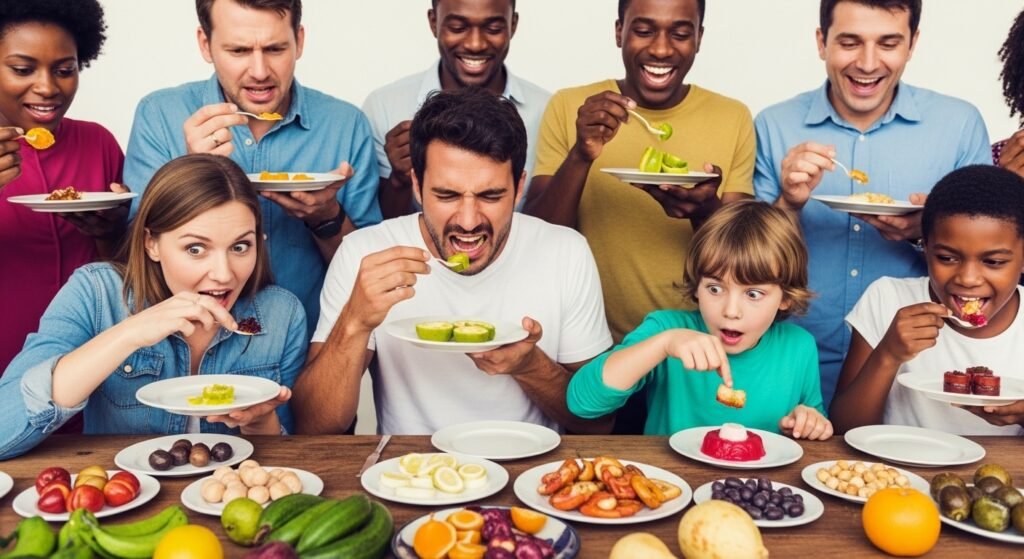
Food is one of the few truly universal experiences. Everyone eats, everyone has preferences, and everyone reacts to taste. That shared ground makes food content uniquely shareable across cultures, ages, and backgrounds. A tasting moment needs no translation or context to be entertaining.
McDonald’s adds another layer, as one of the most globally recognized brands. Nearly everyone has a McDonald’s memory, which means the clip tapped into a vast reservoir of personal associations. Food brands understand this power well, which is why taste tests and reaction videos are staples of online marketing. This time, the moment happened organically, which made it even more compelling.
The Curiosity Around Corporate Leaders

People are naturally curious about the personalities behind large corporations. A CEO seen in a casual, lighthearted situation satisfies that curiosity in a way that earnings calls never could. It offers viewers a rare glimpse of someone they usually encounter only in business news.
This fascination reflects a broader shift in how the public relates to corporate leadership. In the social media age, executives are expected to have visible personalities, and those who show human sides tend to generate goodwill. The clip humanized not just one person but, by extension, the brand itself. For a company as scrutinized as McDonald’s, that kind of authentic goodwill is invaluable.
The Power of an Authentic Reaction
If the reaction in the clip was genuine, that authenticity was likely central to its viral success. Online audiences have developed a sharp eye for staged content and tend to reward what feels real with their attention and affection.
Authenticity also invites participation. When something feels real, viewers feel comfortable adding their own jokes, interpretations, and reactions, which fuels the cycle. A polished advertisement asks to be watched; an authentic moment asks to be joined. That invitation to participate is what separates content people view from content people share.
Memes Begin to Take Over
Once the clip gained traction, internet humor quickly followed. Screenshots, captions, and jokes began circulating, each one extending the moment’s reach. Memes function as a second wave of virality, carrying the original content to audiences who might never have seen the video itself.
The meme-ability of a moment often determines its longevity. A distinctive facial expression or quotable reaction becomes a template that can be applied to countless situations, keeping the original alive in cultural memory long after the initial buzz fades. For brands, this kind of organic meme culture is the holy grail: widespread, positive, and entirely user-driven.
The Human Side of Big Corporations

Large corporations often feel distant or overly polished to the public. Moments like this remind viewers that brands are made of real people. That touch of humanity can significantly shift how audiences feel about a company.
In an age of skepticism toward big business, humanizing moments carry real strategic value. They build emotional connections that advertising struggles to achieve. When a CEO laughs, winces, or delights over a bite of food, the brand becomes associated with those genuine emotions. It is a reminder that behind every logo are people who eat, react, and enjoy things, just like the rest of us.
The Internet Moves Fast, But Moments Last
Viral trends usually pass quickly, but certain clips remain memorable years after the initial buzz. Whether this moment becomes a lasting piece of internet culture or simply a fond memory, it demonstrates how rapidly an ordinary moment can capture collective attention online.
The staying power of such moments often lies in what they reveal. This clip captured something true about authenticity, food, and human connection in the digital age. Long after the memes fade, it will remain a case study in how the internet rewards realness. In a landscape of endless content, the moments that last are the ones that feel most human.
One Bite, Big Lessons
The story of how one bite turned a CEO into an internet sensation is ultimately a story about what the internet values: authenticity over polish, relatability over status, and shared joy over corporate messaging. It shows that even the most powerful brands are at their most compelling when they let their humanity show. For marketers, the lesson is that the best viral moments cannot be manufactured, only recognized and embraced. And for the rest of us, it is a delightful reminder that sometimes, the most entertaining thing online is simply someone enjoying their food.
The timing of the clip also mattered. It arrived during a period when audiences were hungry for lighthearted content, and its simplicity made it easy to enjoy without context. Unlike complex news stories, a funny tasting moment requires no background knowledge. Anyone could watch, laugh, and share within seconds. This accessibility is a hallmark of the most successful viral content.
For brands watching from the sidelines, the episode offers a valuable lesson. The most shareable moments are often the ones you cannot plan. Creating space for genuine, unscripted interactions, and having the confidence to let them circulate without over-managing the message, can yield more goodwill than any ad campaign. Audiences reward courage and candor.
There is also a democratic quality to this kind of fame. The internet chose this moment, not a marketing department. That bottom-up energy is what makes viral sensations feel special. They belong to everyone who shared, laughed, and remixed them. In the end, one bite did not just make a CEO famous for a day; it reminded millions of people that joy, surprise, and connection can come from the simplest things.
So the next time a simple clip brightens your feed, remember the McDonald’s CEO and his famous bite. Behind every viral moment is a human being, a genuine reaction, and a story worth sharing with the world. These are the moments that remind us why we love the internet in the first place and keep coming back for more every single day without fail whatsoever truly always forever and ever amen.