 Sarah Grey
Dessert has always held a special place in American kitchens. From home-baked cookies to creamy puddings and pies still warm from the oven, desserts have a way of bringing comfort and celebration to the table. Lately, though, a subtle shift is changing how many people think about dessert. Instead of choosing between something sweet and something nutritious, a growing number of Americans are looking for treats that offer a bit of both. High-protein desserts have begun appearing on grocery shelves, in home kitchens, and across cooking websites. While classic pastries remain beloved, these newer creations are reshaping the role dessert plays in everyday eating.
Protein has become one of the most talked-about nutrients in American diets, and dessert is the latest frontier. Here is a closer look at why high-protein sweets are rising, what is driving the trend, and where it might go next.
A New Kind of Sweet Curiosity
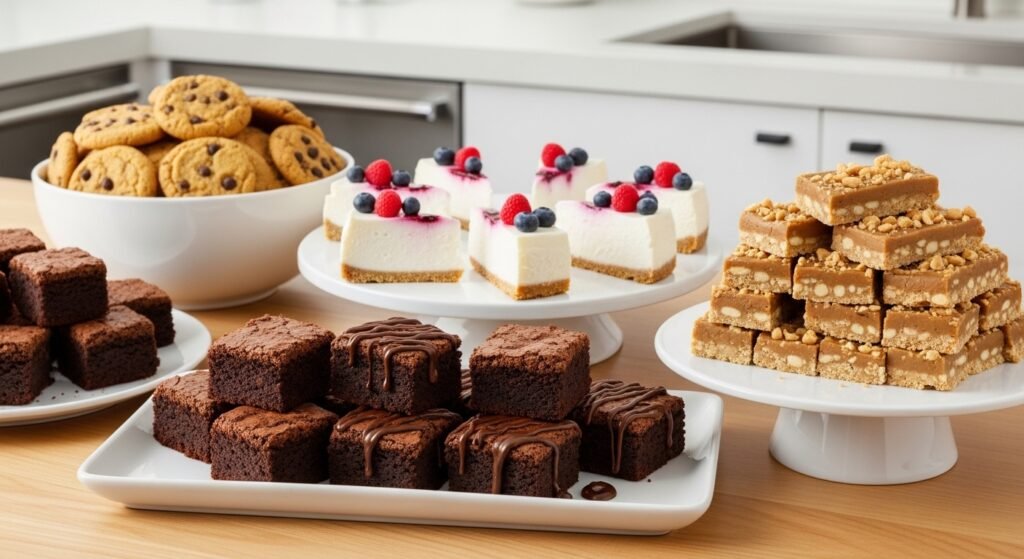
Americans are paying closer attention to what is in their food than ever before, reading labels and thinking about macronutrients in ways that were once limited to athletes. Against that backdrop, desserts made with extra protein naturally attract curiosity. They promise a creative compromise: the pleasure of a treat with a nutritional profile that feels more intentional.
This curiosity is fueled by visibility. Protein-enriched ice creams, cookies, and brownies now sit alongside traditional versions in freezer aisles and snack sections, inviting direct comparison. Social media creators showcase recipes for protein mug cakes and Greek yogurt cheesecakes that look indulgent in photos. The result is a sense that dessert can evolve without losing what makes it enjoyable, and many shoppers are eager to see for themselves.
The Influence of Fitness Culture
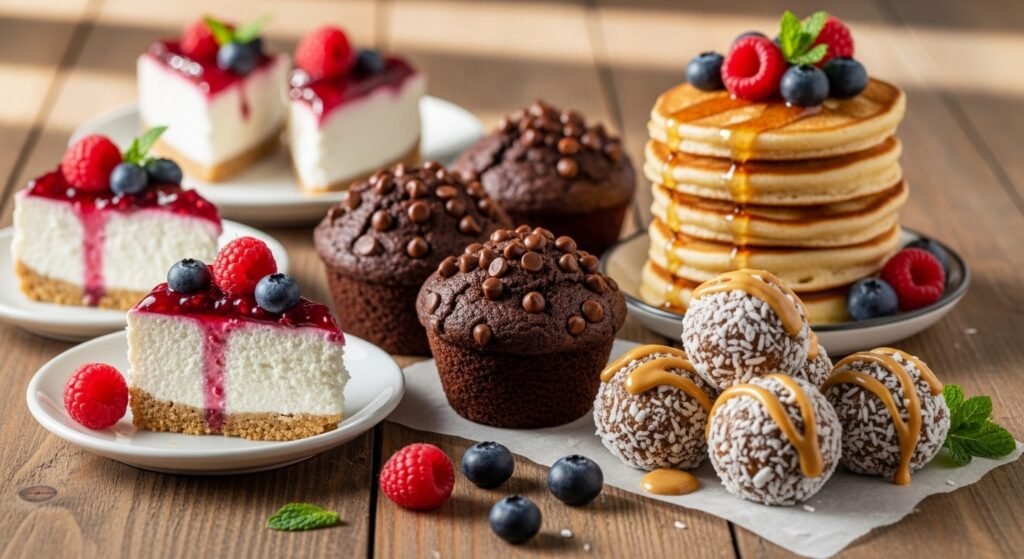
Fitness culture has played a major role in this shift. Gyms, running clubs, and online fitness communities emphasize protein intake for muscle recovery and satiety, and that mindset spills over into every meal, including dessert. It feels natural that sweet recipes would adapt, transforming familiar treats into options that align with active lifestyles.
The influence goes beyond serious athletes. Weekend warriors, busy parents trying to stay healthy, and young adults raised on wellness content all encounter the same message: protein matters. When a dessert can deliver 15 or 20 grams of protein, it stops feeling like a guilty pleasure and starts feeling like a smart choice. Food companies have noticed, and the growing shelf space devoted to these products reflects real demand rather than a passing gimmick.
Balancing Sweetness With Nutrition
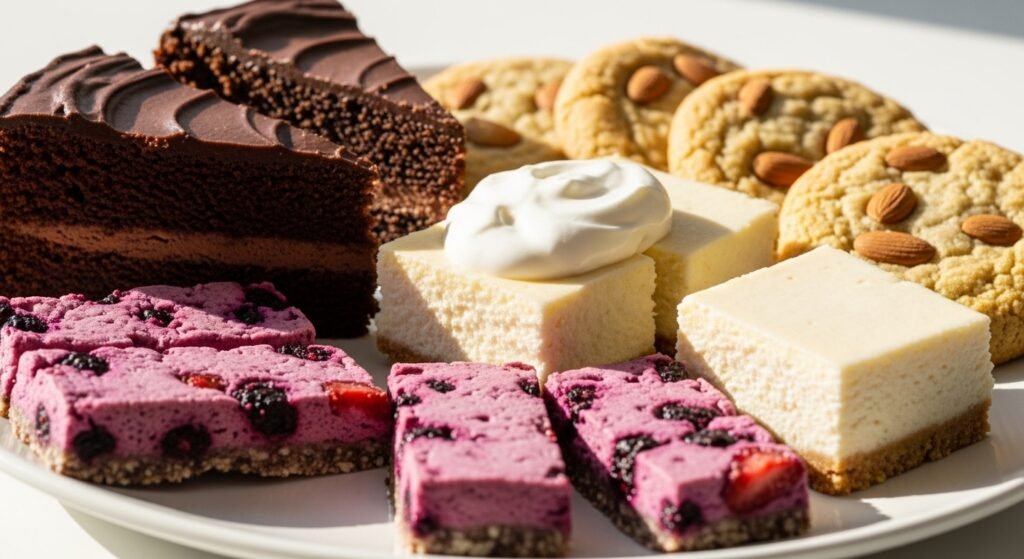
Many people enjoy desserts that feel a little less indulgent without sacrificing taste. High-protein versions offer that sense of balance. The sweetness remains, but the overall snack feels more purposeful within the day’s eating, especially for those tracking protein or trying to stay full longer.
Protein’s effect on satiety is well documented: it tends to keep people feeling satisfied longer than refined carbohydrates alone. A protein-rich dessert after dinner may reduce late-night snacking, while a protein cookie in the afternoon can bridge the gap to dinner more effectively than a sugary alternative. This functional benefit is a key reason the trend resonates beyond fitness enthusiasts. It is not just about building muscle; it is about feeling better after eating.
Home Bakers Exploring New Ingredients
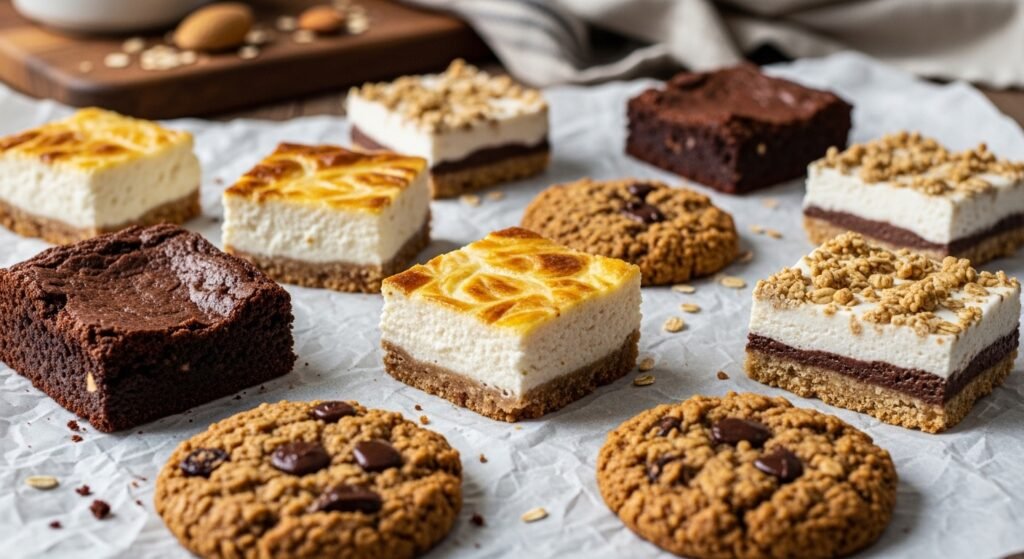
American food culture has always celebrated kitchen experimentation, and home bakers are embracing protein-rich ingredients with enthusiasm. Almond flour, cottage cheese, Greek yogurt, nut butters, and protein powders are being folded into recipes for brownies, blondies, pancakes, and puddings. The results often taste remarkably close to conventional versions.
Cottage cheese has become a particular star, blending into cheesecakes and frostings with a mild flavor and creamy texture while adding significant protein. Greek yogurt brings tang and moisture to cakes and muffins. These ingredient swaps do more than boost protein; they often reduce refined flour and add nutrients like calcium. Online recipe communities have accelerated the experimentation, with bakers sharing tips for avoiding the dryness or aftertaste that can come from protein powders.
Busy Lifestyles Encouraging Smart Snacking
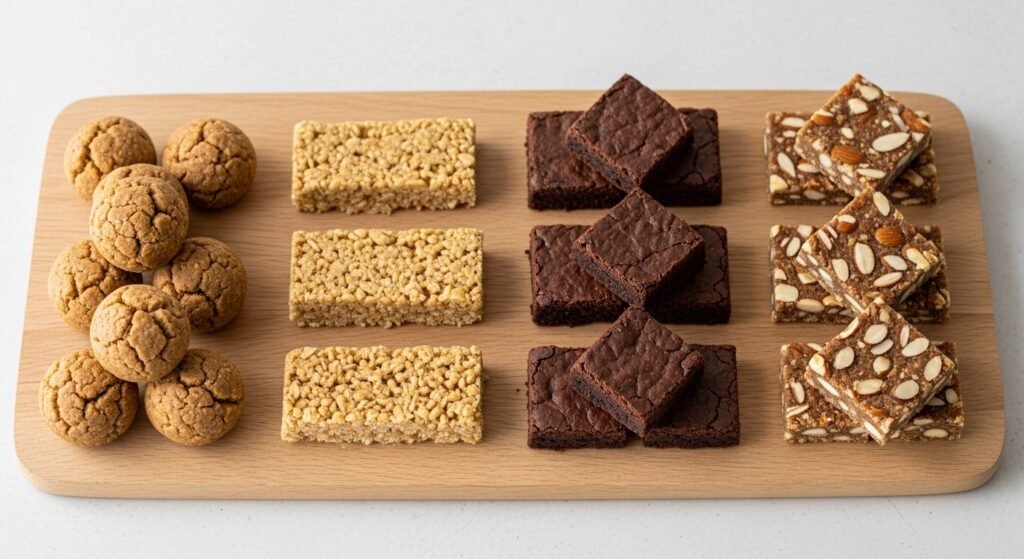
With packed schedules and long workdays, many people want snacks that genuinely satisfy rather than leading to an energy crash an hour later. Protein-rich desserts fit this need well, which helps explain their steady growth. A dessert that doubles as a filling snack earns its place in a busy routine.
This is especially true for the afternoon slump and the post-workout window, two moments when Americans reach for something sweet. A protein bar shaped like a candy bar, or a single-serve protein cookie, feels like a treat while delivering the staying power of a small meal. Convenience formats, from ready-to-eat cups to microwaveable mug cakes, make these options as easy as the vending machine, but far more satisfying.
The Curiosity of Trying Something New
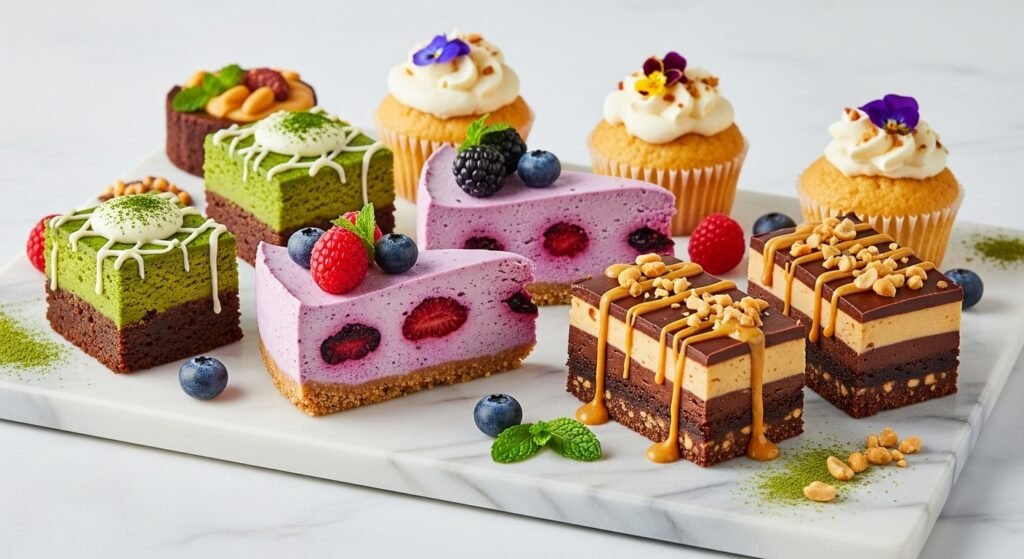
Food trends often spread simply because people enjoy trying new things. High-protein desserts fall squarely into this category. They offer a touch of novelty while staying close to the familiar flavors Americans love, making them an easy experiment with low risk.
The “can you tell the difference” challenge has become a popular social media format, with creators taste-testing protein versus regular versions of ice cream, brownies, and donuts. These videos demystify the category and often surprise viewers with how good the protein versions taste. Curiosity, once satisfied, frequently converts to habit, especially when the product delivers on both flavor and fullness.
Restaurants and Cafes Joining the Trend

Cafes and dessert shops are testing protein-enhanced menu items as well. Greek yogurt cheesecakes, protein powder brownies, and smoothie bowls topped like sundaes give customers something a little different from the standard offerings. For businesses, these items attract health-conscious diners who might otherwise skip dessert.
Smoothie and juice bars were early adopters, and traditional bakeries are now following. Some shops list protein content prominently on menu boards, treating it as a selling point alongside flavor descriptions. The trend also appears in meal delivery and corporate catering, where dessert options with better nutritional profiles are increasingly requested. When restaurants invest in a trend, it signals confidence that the demand is durable.
Health Conversations Shaping Food Choices
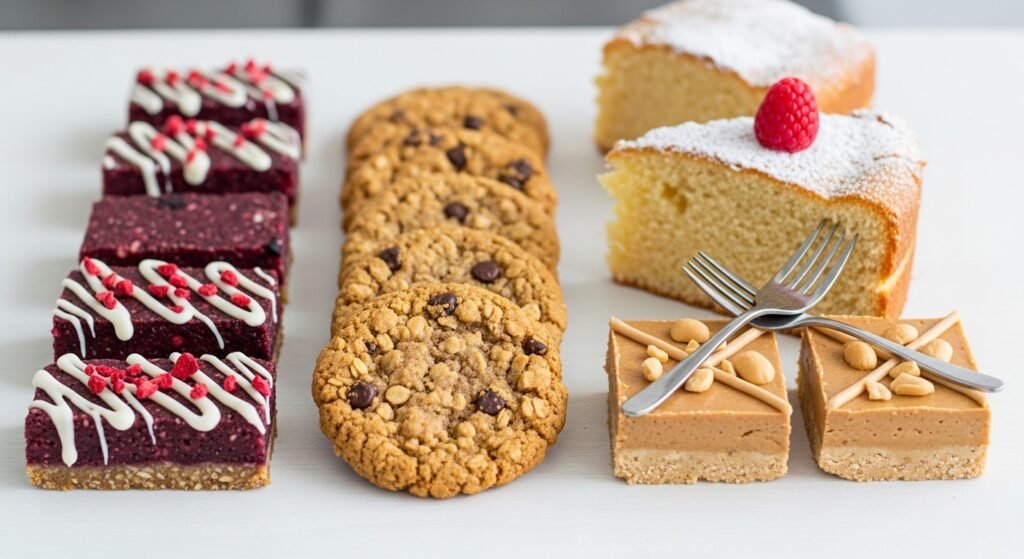
Conversations about wellness and nutrition are woven into everyday American life, from doctor visits to workplace programs to family discussions. While dessert is meant to be pleasurable, many people now prefer options that feel a bit more balanced within their overall eating pattern.
Nutrition professionals tend to view the trend pragmatically. A high-protein dessert is still dessert, and portion awareness still matters, but if it displaces a less nutritious choice or helps someone meet protein goals, that is a genuine improvement. Dietitians often recommend these products to clients who struggle to eat enough protein, particularly older adults. The broader lesson is that small upgrades, repeated daily, can meaningfully shift a diet’s quality.
Where the Trend Might Be Headed
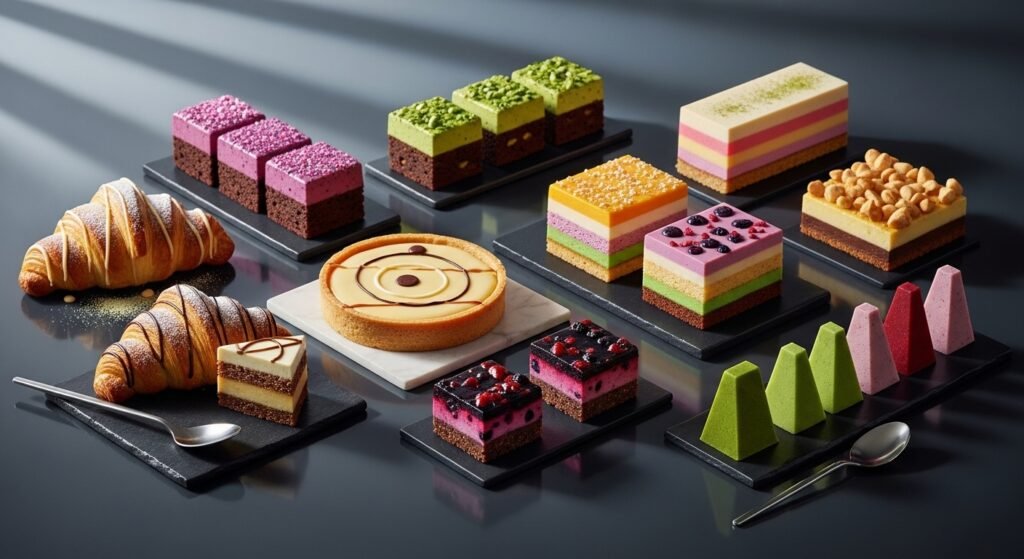
How long the high-protein dessert wave will last is hard to predict. What seems clear is that interest in protein-rich snacking continues to grow across categories, from breakfast to dessert. Whether this becomes a permanent fixture or eventually fades, it has already changed expectations about what dessert can be.
The most likely future is a segmented one: classic indulgent desserts will always have their place for celebrations, while protein-enhanced versions become everyday staples for the health-conscious. Food scientists continue improving taste and texture, narrowing the gap with traditional recipes. Whatever happens, the trend has proven that Americans do not want to give up dessert; they just want it to work a little harder for them.
Having It Both Ways
The rise of high-protein desserts captures something essential about how Americans eat today: the desire to enjoy food fully while still feeling good about choices. Driven by fitness culture, busy schedules, and genuine curiosity, these treats have moved from niche to mainstream. They will not replace the classic chocolate cake at a birthday party, and they do not need to. Instead, they offer a new option for everyday moments, proof that dessert can adapt to modern life without losing its joy. The sweet spot, it turns out, has room for protein too.
The nutritional science behind the trend is straightforward. Protein helps preserve muscle mass, supports healthy metabolism, and promotes satiety more effectively than refined carbohydrates. For older adults, who often struggle to consume enough protein, a protein-enriched dessert can be a genuinely helpful addition to the diet. Dietitians frequently note that the best nutritional change is one people actually enjoy enough to maintain.
Grocery shelves reflect the shift clearly. Protein ice creams, cookies, and baking mixes now occupy prominent positions, often placed right beside their traditional counterparts. Brands compete on both taste and protein content, and the quality has improved dramatically from the chalky, artificial-tasting products of a decade ago. Modern formulations use better ingredients and smarter recipes, closing the gap with conventional desserts.
Ultimately, the best dessert is one you truly enjoy. Whether you choose a classic treat or a protein-packed alternative, savoring it mindfully matters more than any single nutrient. The high-protein trend simply gives dessert lovers more delicious options to choose from.