
 Sarah Grey
Dreaming of cobblestone streets in Rome, croissants in Paris, or the northern lights in Scandinavia? Traveling to Europe remains one of life greatest adventures. But the way you enter Europe is changing. The European Union has introduced new digital border systems that replace old-fashioned passport stamps with biometric registration. Here is everything you need to know before you go.
Whether it is your first trip or your fiftieth, these are the must-know entry requirements for Europe in 2026.
1. Meet the Entry/Exit System (EES)
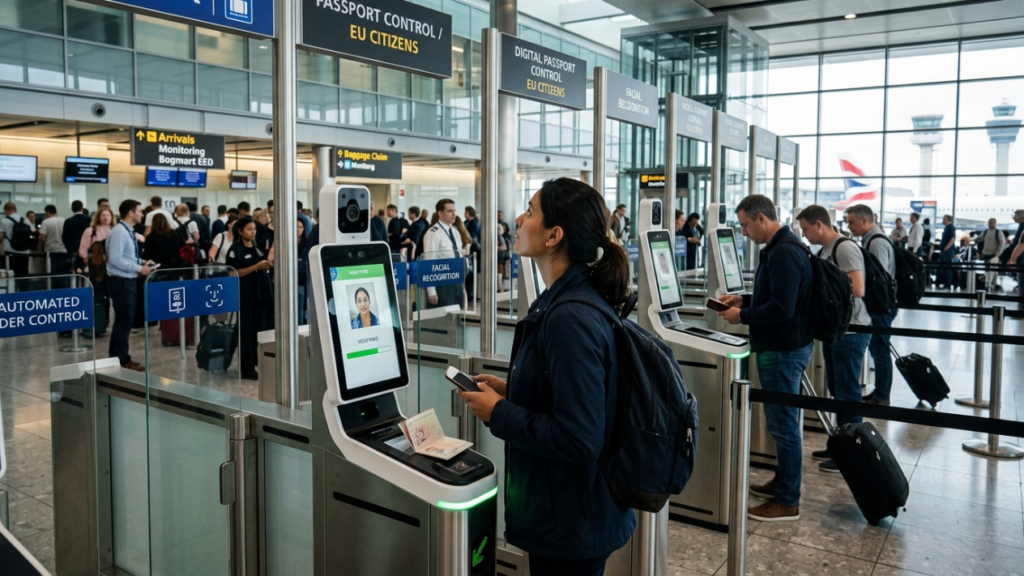
The Entry/Exit System, known as EES, is the European Union automated border system for travelers from outside the EU, including Americans, Brits, Canadians, and Australians. Instead of a border officer flipping through your passport and stamping it, the system electronically registers your entry and exit. It is designed to be faster, more accurate, and more secure than the old manual process.
The EES applies at the external borders of the Schengen Area, which includes most EU countries plus Iceland, Norway, Switzerland, and Liechtenstein. If you are a non-EU citizen entering for a short stay, you will go through EES. It is one of the biggest changes to European border crossings in decades, and understanding it before you travel will save you stress at the airport.
2. Say Goodbye to Passport Stamps
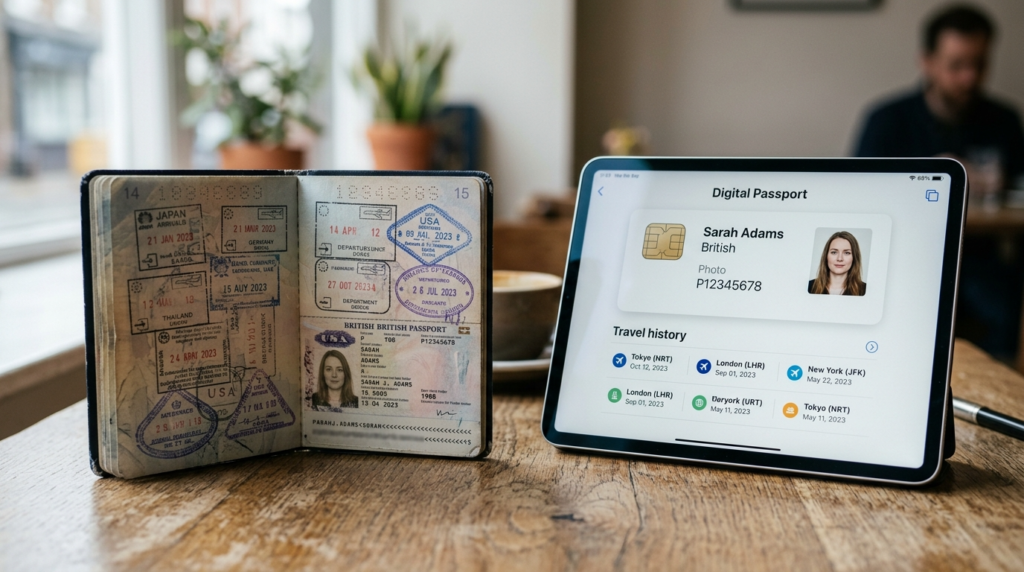
For decades, travelers collected passport stamps as souvenirs of their adventures. Under EES, manual stamping is being phased out in favor of digital records. Your entries and exits are logged electronically, creating a precise, tamper-proof history of your travel.
I know, it is a little sad for those of us who love a full passport. But the trade-off is real: digital records are faster to process, harder to forge, and eliminate the ambiguity of faded or missing stamps. Take a photo of your boarding pass instead. The memories are still yours. They are just stored in a database now.
3. You Will Share Biometric Data

When you go through EES, the system collects biometric identifiers: a facial image and fingerprints. This data is used to verify your identity and track your entries and exits accurately. It is similar to what the United States has done with its own entry systems for years.
This might sound intimidating, but the process is quick and contactless in most cases. The facial scan takes seconds. Fingerprints are captured electronically. The data is stored securely and used only for border management purposes under EU data protection rules. It is the new normal for international travel, and millions of travelers already go through similar systems worldwide.
4. Allow Extra Time on Your First Trip

Your first entry under EES takes longer than subsequent ones. Border officers need to create your initial digital file: collecting your biometrics, verifying your documents, and registering you in the system. This first-time enrollment is the most time-consuming part.
Plan accordingly. Arrive at the airport with extra buffer time, especially if you have a connecting flight. Once you are enrolled, future entries are much faster because the system already has your data. Think of it like getting TSA PreCheck: the setup takes time, but every trip after is smoother. Patience on trip one pays off on every trip after.
5. Look for the Self-Service Kiosks
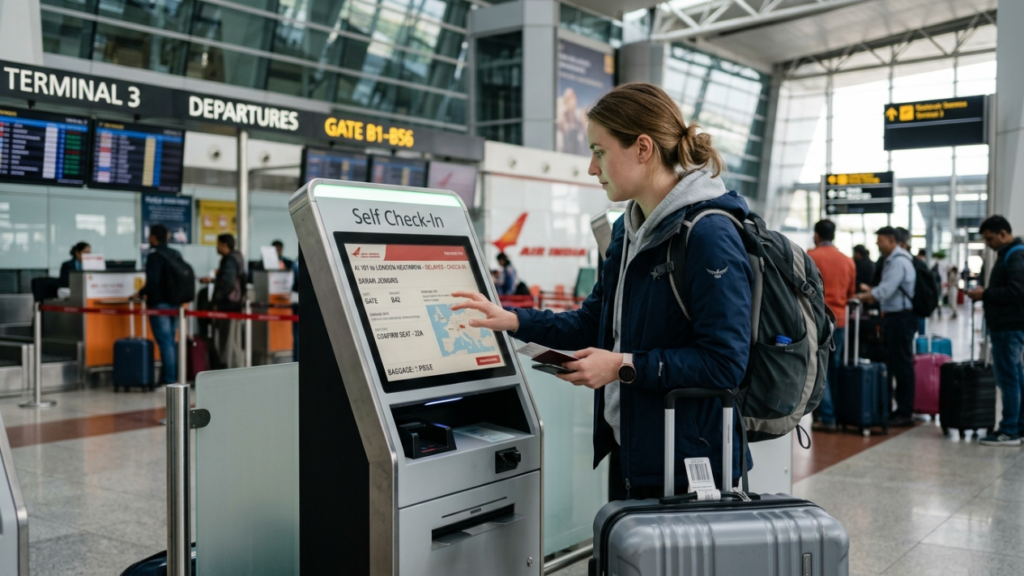
Many major European airports have installed self-service kiosks for EES processing. These machines guide you through the registration steps: scanning your passport, capturing your facial image, and collecting fingerprints. They are designed to be intuitive, with instructions in multiple languages.
Using the kiosks can significantly reduce your wait time compared to the staffed lanes. If you are comfortable with technology, head for the kiosks. If you prefer human assistance or have a complex situation, the staffed lanes are still available. Either way, follow the signs and do not be afraid to ask airport staff for help. They deal with first-timers all day.
6. Your 90-Day Limit Is Tracked Automatically

Non-EU visitors can stay in the Schengen Area for up to 90 days within any 180-day period. Under the old system, tracking this was manual and error-prone. EES calculates it automatically, logging every entry and exit with precision. Both you and the border authorities can see exactly how many days you have used.
This is actually good news for travelers. No more squinting at faded stamps trying to count days. No more disputes about when you entered. The system does the math. But it also means overstays are detected automatically, so take the 90/180 rule seriously. The system does not forget, and overstaying can affect your ability to return.
7. ETIAS: The Travel Authorization You Will Need

Separate from EES is ETIAS, the European Travel Information and Authorisation System. This is a travel authorization that visa-exempt visitors, including US citizens, will need before traveling to the Schengen Area. Think of it as Europe version of the American ESTA.
You apply online before your trip, providing your passport details and answering security questions. Most applications are approved quickly, often within minutes. Once granted, the authorization is valid for multiple trips over several years or until your passport expires. It is not a visa, but you cannot board without it. Apply well before your travel date to avoid last-minute stress.
8. Expect a Small Application Fee

The ETIAS application includes a small processing fee, expected to be around seven euros. This is a fraction of the cost of a traditional visa and covers the security screening of your application. Certain travelers, such as minors and seniors, may be exempt from the fee.
Seven euros for years of travel authorization is a bargain. Pay it through the official ETIAS website only. Be wary of third-party sites that charge inflated service fees. The official application is straightforward and designed to be completed in about ten minutes. Do not overpay for something simple.
9. Use the Official Apps and Websites

The EU provides official digital tools to help travelers prepare. These include the ETIAS application website and mobile apps that let you pre-register information before you arrive. Using official channels ensures your data is handled securely and your application is legitimate.
Avoid unofficial websites that mimic the ETIAS application. They often charge unnecessary fees or, worse, harvest your personal data. Always verify you are on an official europa.eu domain. Bookmark the real site when you apply. When it comes to travel documents, official sources are the only sources.
10. Follow the Signs for the Right Lane

Airports may have separate lanes for first-time EES users and returning travelers who are already enrolled. Pay attention to the signage. Going to the wrong lane wastes time for you and everyone behind you.
First-timers need the full enrollment process. Returning travelers with existing EES records can often use faster verification. If you are unsure, ask. Airport staff would much rather point you the right way than untangle a wrong-lane situation. A moment of asking saves twenty minutes of waiting.
11. Know the Exemptions

Not everyone goes through the full biometric process. Children under a certain age, typically twelve, are generally exempt from fingerprint collection, though they still need to be registered. There are also provisions for travelers who are physically unable to provide fingerprints.
If you are traveling with kids, check the current age thresholds before you go. The rules are designed to be practical, not punitive. Families with young children can expect a streamlined process. As always, verify the latest requirements on official EU websites, as details can be updated.
12. The Border Officer Still Has the Final Say
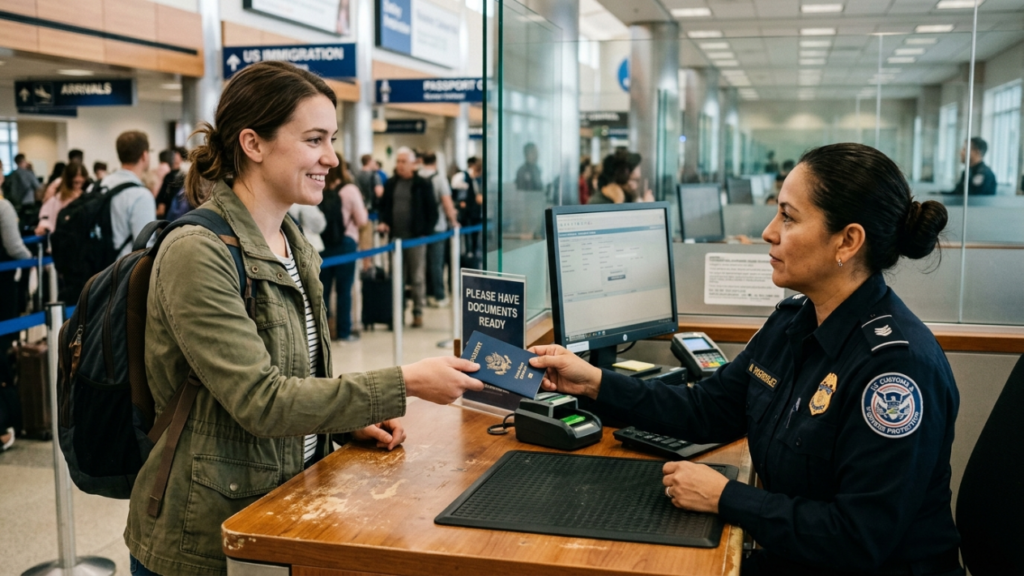
Here is the most important thing to understand: EES and ETIAS are tools, not guarantees. Even with valid authorization and successful registration, the border officer makes the final decision on entry. They can ask about your travel plans, your accommodation, your return ticket, and your means of support.
Be prepared. Have your hotel bookings, return flight, and travel insurance accessible. Answer questions honestly and calmly. The vast majority of travelers with proper documentation are admitted without issue. The systems are designed to facilitate legitimate travel, not block it. Come prepared, be polite, and enjoy Europe.
Your Pre-Trip Checklist
Before you fly to Europe in 2026, make sure you have:
- Valid passport: Check expiration. Many countries require six months validity beyond your travel dates.
- ETIAS authorization: Apply online well before your trip through the official website.
- Travel insurance: Not always mandatory, but strongly recommended and sometimes required.
- Proof of accommodation: Hotel bookings or host address, accessible on your phone.
- Return ticket: Evidence you plan to leave within the 90-day limit.
- Extra time: Arrive early for your first EES enrollment.
Europe is worth the paperwork. The new systems might seem daunting, but they are designed to make border crossings faster and more secure for everyone. Do your homework, apply early, arrive prepared, and then forget about the bureaucracy and enjoy the adventure. The cobblestones, the croissants, and the memories are waiting. Safe travels.