 Sarah Grey
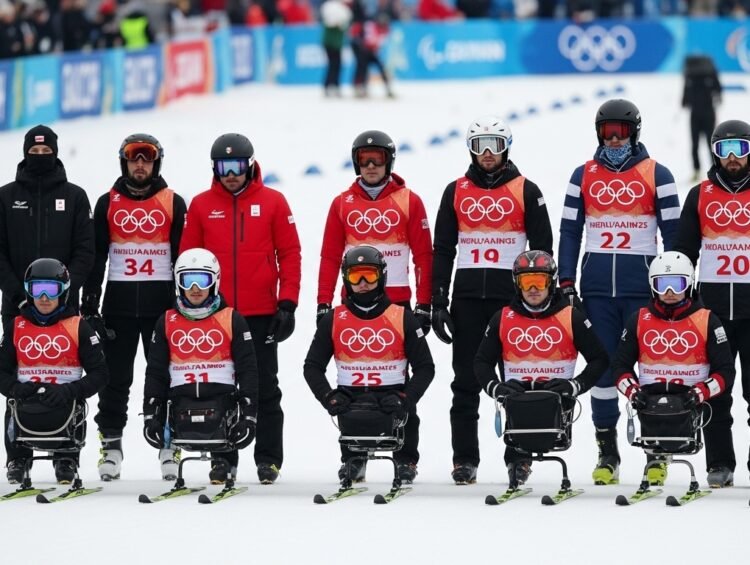
The Winter Paralympics bring together athletes whose lives are about far more than competition. At the 2026 Games, many of the participants carry stories of endurance, patience, and quiet determination that began long before they arrived at the starting line. Some are comeback athletes returning after serious injuries, personal setbacks, or extended time away from sport. Others are stepping back onto the world stage after events that might have ended their careers entirely. Their paths are different, but they share a spirit that inspires fans around the globe. Watching these athletes compete is not just about following results; it is about witnessing personal chapters of perseverance written on snow and ice.
Comeback stories resonate because they remind us that setbacks do not have to be endings. The athletes defining the 2026 Winter Paralympics show what is possible when determination meets support, science, and time. Here are the themes behind their remarkable returns.
Recovery That Took More Time Than Expected
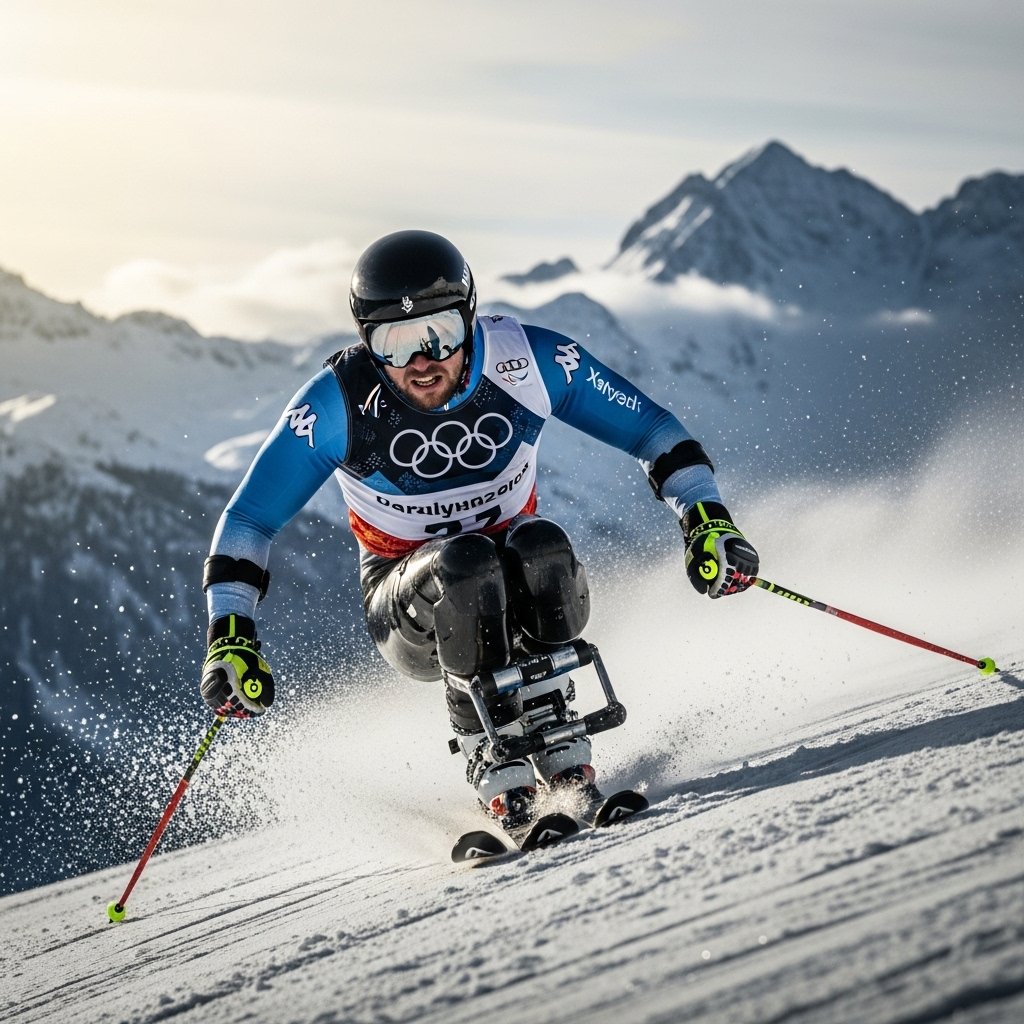
Some comebacks are better described as a process than an event. When athletes suffer serious injuries, recovery can take years of patient rehabilitation before they can even think about training at an elite level again. Muscles must be rebuilt, movement patterns relearned, and confidence restored step by step. The athletes who appear at the Games after such journeys are proof that recovery timelines are unpredictable, but persistence can eventually bring competitors back to the start line.
What makes these stories powerful is their honesty about how hard the road is. Setbacks within the comeback are common, including re-injuries, plateaus, and moments of doubt. Sports medicine has advanced enormously, with better surgical techniques, smarter physical therapy, and deeper understanding of how adaptive athletes heal. But technology only works when paired with an athlete willing to do the unglamorous daily work for months or years. Those long recoveries make the eventual return to competition one of the most emotional moments of the Games.
Family and Community Behind the Comeback

Behind almost every comeback stands a network of people who refused to give up on the athlete. Family members drive to endless therapy appointments, friends provide normalcy during dark months, and local communities often rally with fundraisers and encouragement. This quiet support system plays a role that is easy to overlook but nearly impossible to replace.
Many Paralympians speak about the moment someone believed in their return before they believed in it themselves. A parent who kept the equipment ready, a coach who stayed in touch during the layoff, or a hometown that cheered their name can provide the spark that restarts a career. These stories remind us that athletic comebacks are rarely solo achievements. They are team efforts where the team includes everyone who held the door open for the athlete to walk back through.
Young Athletes Restarting Their Dreams
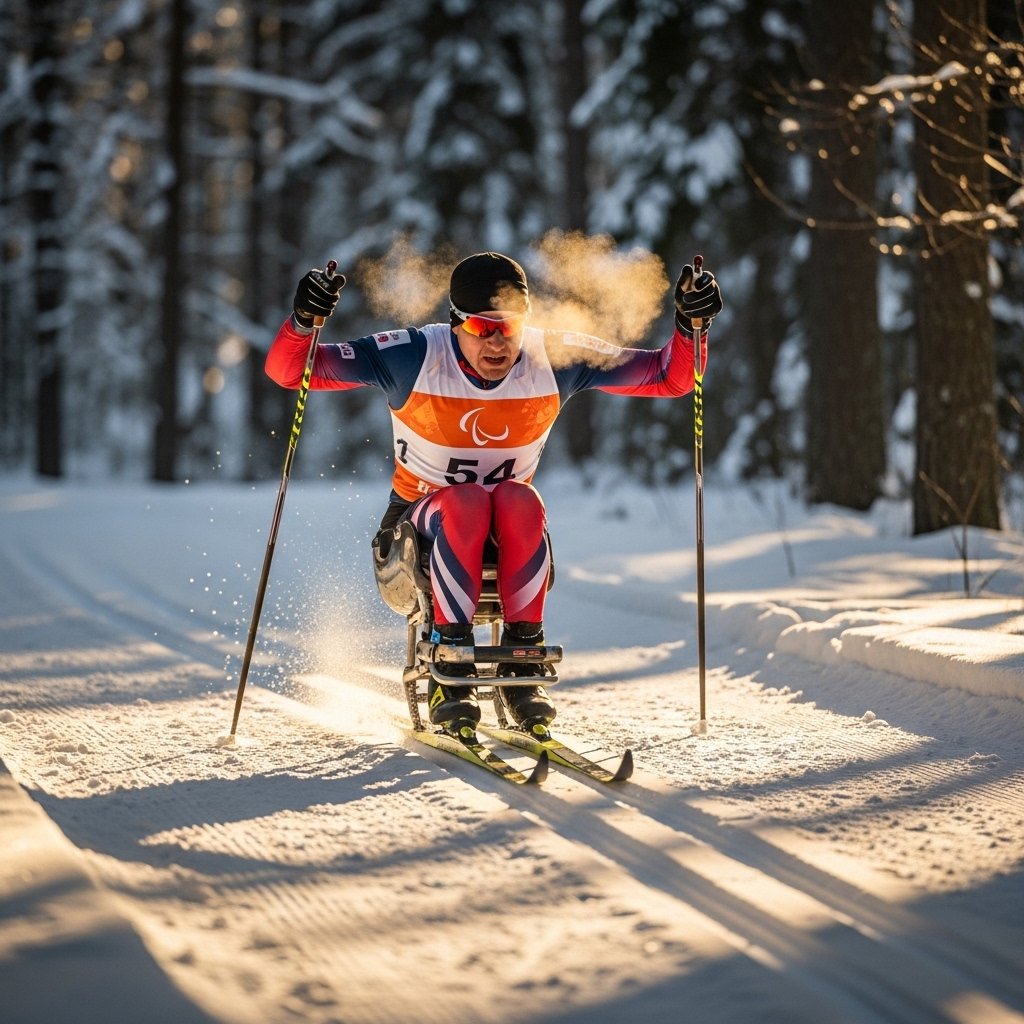
Some of the most moving comeback stories belong to young athletes whose careers were interrupted just as they were beginning. An injury or unexpected life event in the early years of a sporting journey can feel devastating, because the athlete has invested everything without yet having results to show for it. Returning to the Games represents the revival of dreams that once seemed lost.
For younger Paralympians, the comeback often involves growing up during the layoff. They return not just healed but matured, with a deeper understanding of themselves and their sport. Coaches note that these athletes frequently come back mentally tougher, having learned perspective that their peers are still developing. Their presence at the 2026 Games signals to other young athletes facing setbacks that a detour does not have to mean the end of the road.
Veterans Who Refuse to Step Away
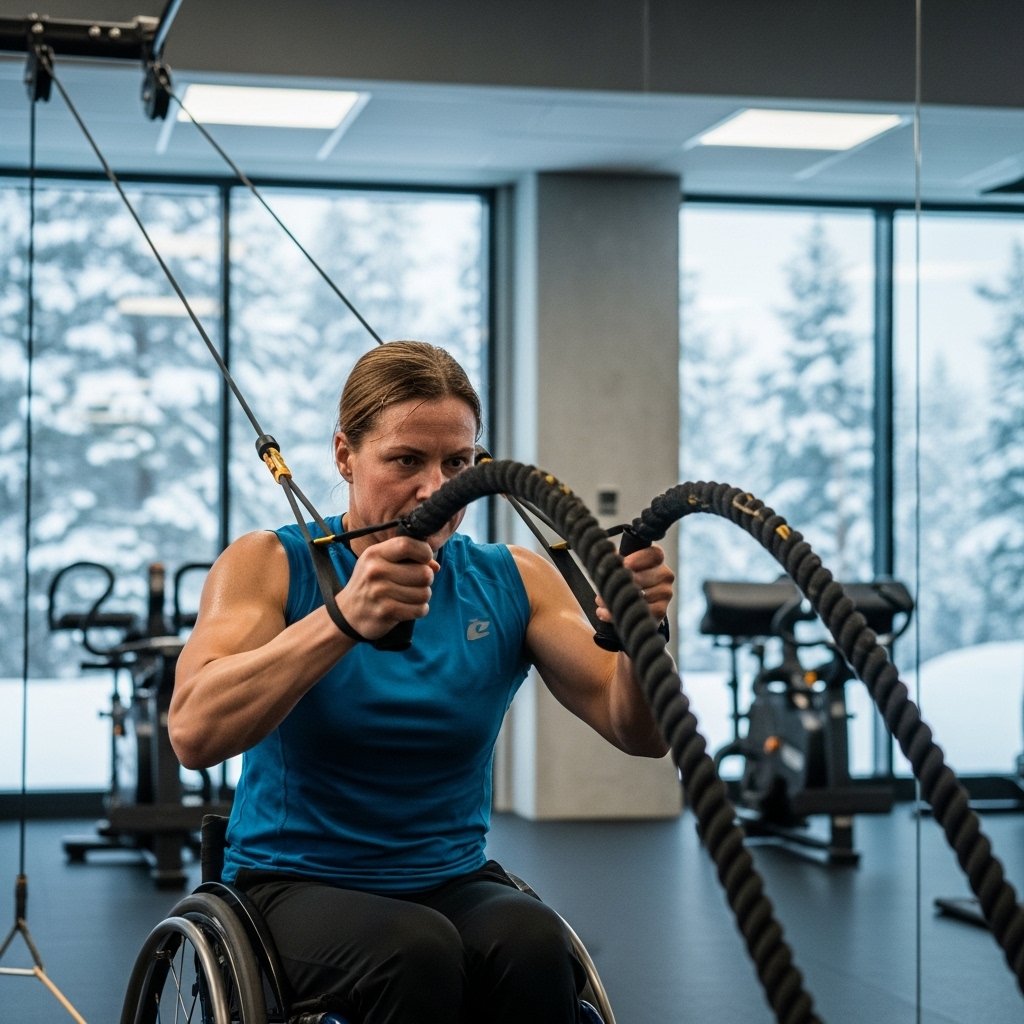
At every Paralympics, there are veteran athletes extending careers that have already spanned a decade or more. Their decision to keep competing comes from a deep attachment to their sport and a belief that they still have something meaningful to offer. These athletes have seen the movement grow, and they carry its history with them onto the snow.
What keeps veterans going is often bigger than medals. They mentor younger teammates, advocate for their sports, and demonstrate that athletic identity does not expire on a schedule. Their comebacks after injuries or time away carry extra weight because they prove that experience and wisdom can compensate for the raw physical advantages of youth. When a veteran stands on the podium, it celebrates not just one performance but an entire career of perseverance.
Adapting Training to New Realities
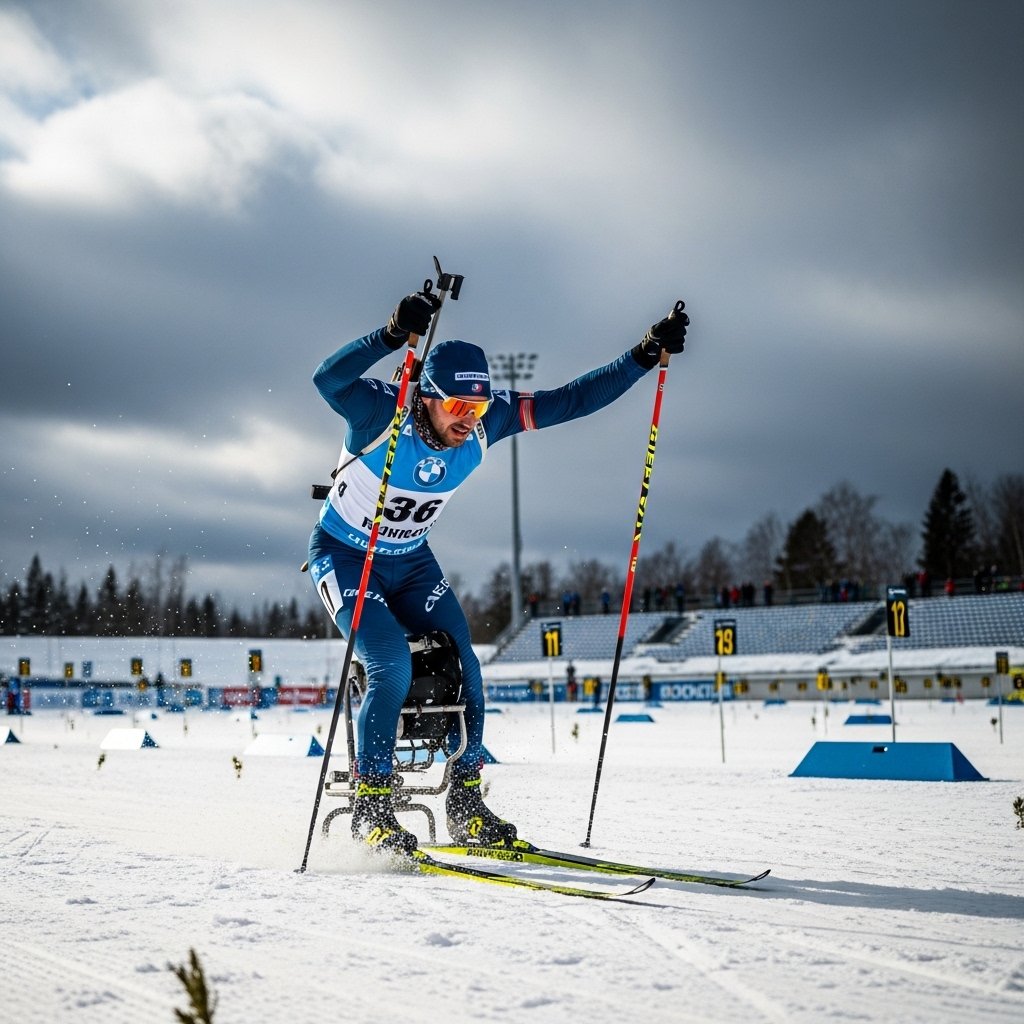
A comeback almost always forces athletes to rethink how they train. Bodies change after injury, and the methods that worked before may no longer apply. Competitors at the 2026 Games have embraced new approaches, from modified strength programs to smarter recovery protocols, that protect their health while maintaining elite performance.
Sports science plays a growing role in these adaptations. Better understanding of load management, nutrition, sleep, and mental conditioning helps athletes train more efficiently with less risk. Adaptive equipment continues to improve as well, with lighter prosthetics, better sit-skis, and more responsive gear. The athletes who successfully reinvent their training often discover they return not just recovered but improved, with a more sustainable approach that extends their careers.
Moments That Redefine an Athlete’s Story
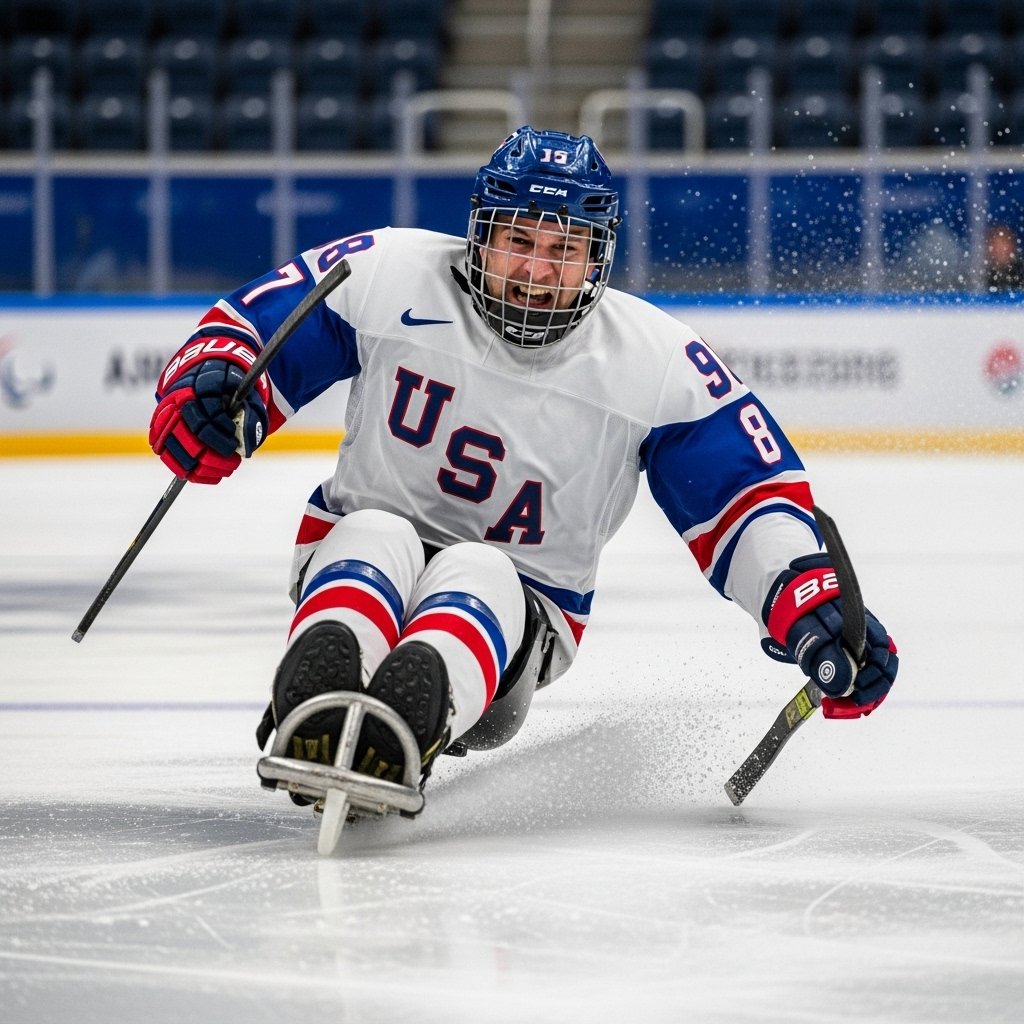
Sometimes a single race, run, or game can redefine how an athlete’s entire journey is remembered. Crossing the finish line after a years-long absence transforms the narrative from one of loss to one of triumph, regardless of placement. These moments remind fans that progress can be measured in many ways beyond medals.
The emotional weight of these moments extends beyond the athlete. Teammates, coaches, and spectators who followed the struggle share in the catharsis. Television coverage of the Paralympics increasingly highlights these stories, helping audiences understand the context behind each performance. When an athlete who was told they might never compete again glides across the finish line, it becomes one of those indelible Games moments that people remember for years.
Teammates Who Inspire Each Other
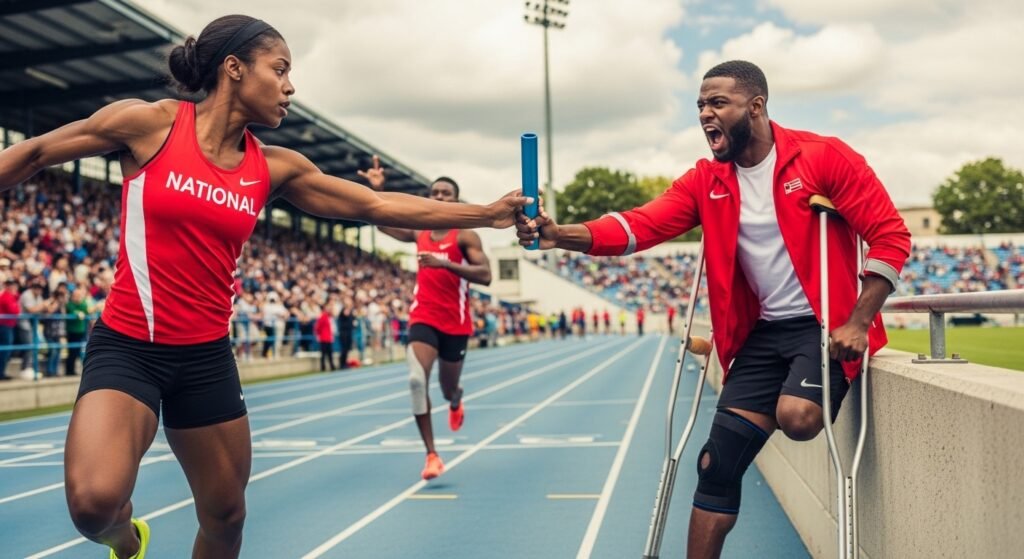
Within national teams, athletes draw strength from one another in powerful ways. Watching a teammate battle back from injury and return to competition can steel the resolve of everyone around them. These shared experiences create bonds that go beyond ordinary team camaraderie.
Team sports like para ice hockey showcase this dynamic vividly, but it exists in individual sports too. Training groups become support networks where athletes trade advice about recovery, equipment, and mental strategies. A comeback by one member lifts the belief of the whole squad. Coaches often say that the culture of a team is shaped as much by how athletes handle adversity as by how they handle victory, and the 2026 teams are rich with examples of both.
New Fans Discovering Paralympic Spirit
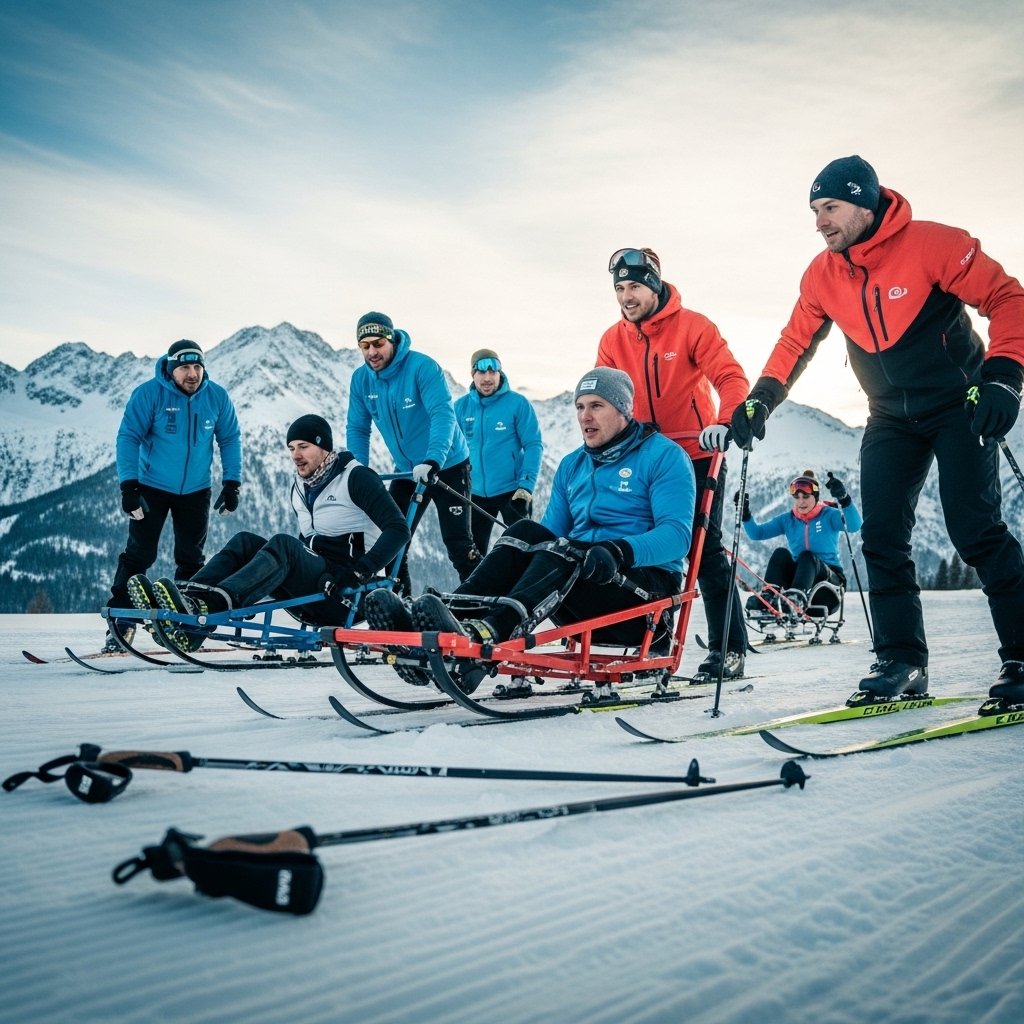
Comeback stories are often the gateway through which new fans discover the Paralympics. Someone tuning in for the first time may know little about classification or adaptive equipment, but they immediately understand a story about overcoming setbacks. The personal narratives make the sports accessible and emotionally compelling.
This growing audience matters for the movement. More viewers mean more sponsorship, better coverage, and greater opportunities for athletes. Each Games introduces the Paralympic spirit to people who carry it into their own lives, applying its lessons about resilience to their own challenges. The comeback athletes of 2026 are not just competing for themselves; they are expanding what millions of people believe is possible.
The Role of Coaches in Second Chances
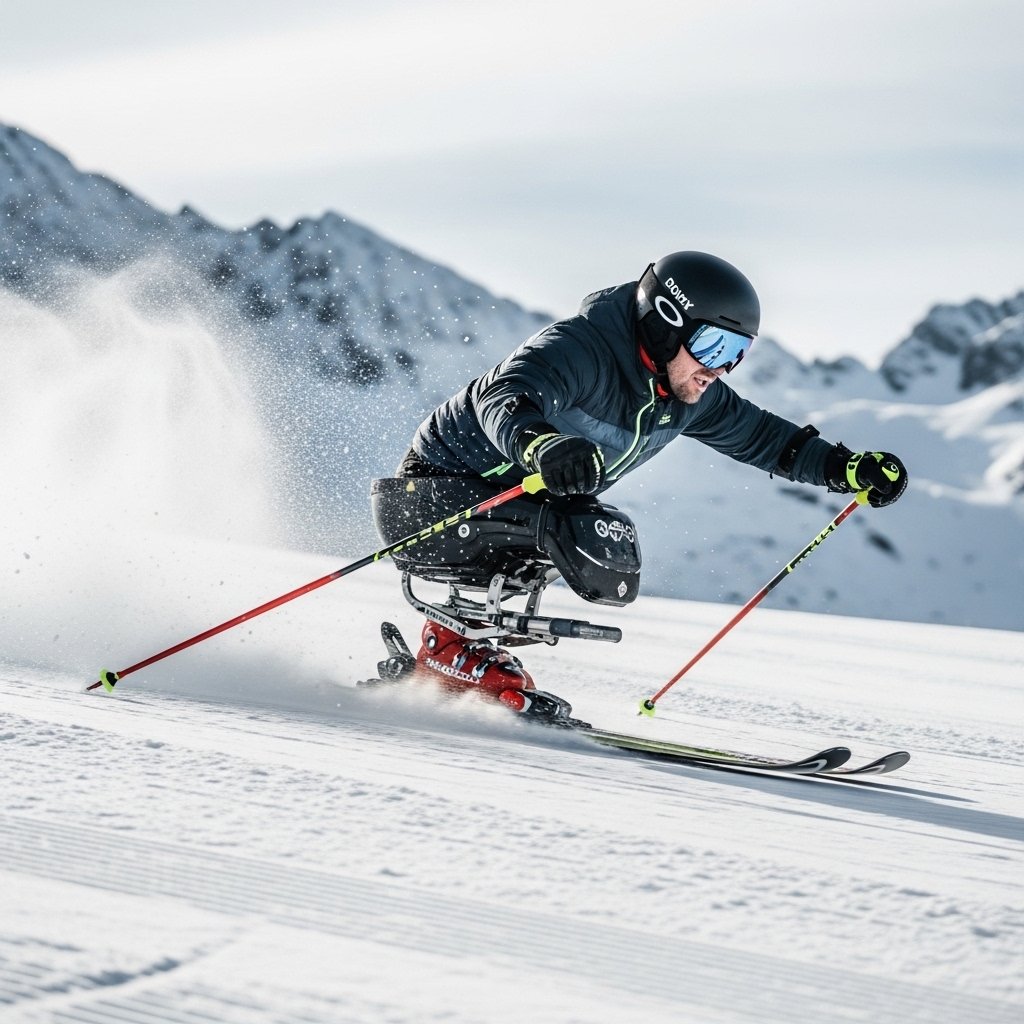
Coaches play a central role in nearly every successful comeback. Their willingness to adapt training plans, adjust expectations, and patiently rebuild an athlete’s capacity can make the difference between a return and a retirement. Great coaches also provide psychological support, helping athletes navigate the frustration and fear that accompany serious setbacks.
The best comeback coaches share certain traits: flexibility, honesty, and deep knowledge of both the sport and the individual. They know when to push and when to protect, when to reference the past and when to focus only on the present. Many Paralympic coaches describe the comeback process as the most rewarding part of their careers, because it reveals character in ways that easy victories never do. Behind every athlete reclaiming their place at the Games, there is usually a coach who never stopped believing it was possible.
What These Comebacks Teach Us
The comeback stories defining the 2026 Winter Paralympics offer lessons that extend far beyond sport. They show that recovery is rarely linear, that community matters enormously, and that reinvention can be a form of victory. They remind us that the most inspiring performances are not always the fastest or the most decorated, but the ones that represent the longest journey. As the Games unfold on snow and ice, each returning athlete carries a message worth hearing: it is never too late to begin again.
These comeback stories remind us that the true measure of an athlete is not just in victories, but in the courage to return. The 2026 Winter Paralympics will be remembered not only for the medals awarded, but for the indomitable human spirit on full display.