 Sarah Grey
Booking a flight for one and heading out into the world with no companion and no fixed plan sounds terrifying to some people and liberating to others. I used to be firmly in the terrified camp. Then I tried it, and solo travel rewired something in my brain. But here is what the glossy solo travel content does not tell you: the difference between a magical solo trip and a lonely, stressful one comes down to small daily habits. The happiest solo travelers I have met all practice the same simple rituals, and most casual travelers ignore every one of them. These are the habits that transform traveling alone from an endurance test into the best thing you will ever do for yourself.
Wake Up With The Sun
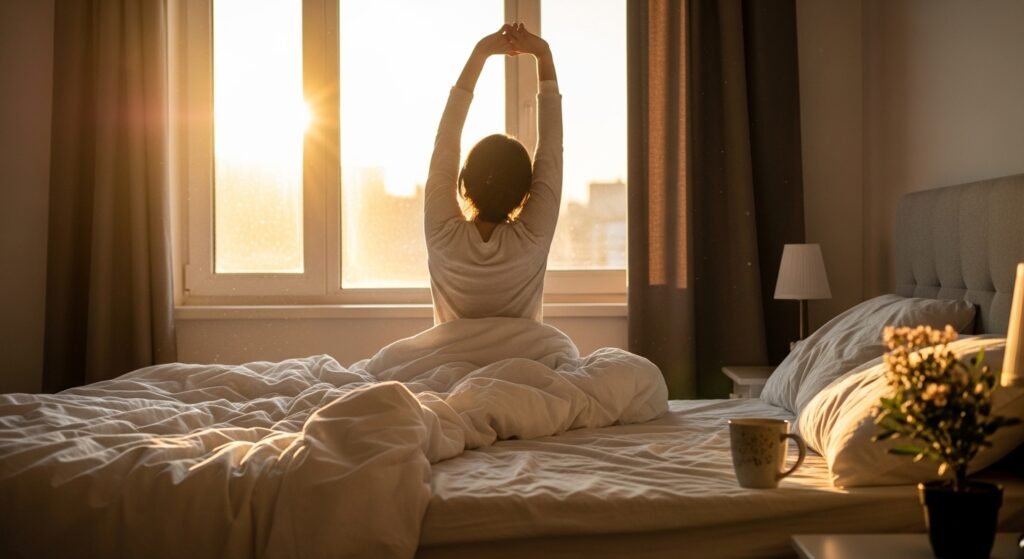
Getting up early is the solo traveler’s superpower. Famous landmarks at sunrise are a completely different experience from the same spots at noon: fewer crowds, softer light, cooler air, and a sense of having the place to yourself that no amount of money can buy at peak hours. The Trevi Fountain at dawn, an empty beach at first light, a market setting up while the city still sleeps. These are the moments that make solo trips feel cinematic.
There is a practical side too. Morning light helps reset your circadian rhythm, which fights jet lag faster than anything in a bottle. Early starts mean you accomplish your must-see sights before the tour buses arrive, leaving your afternoons free for the unplanned wandering where the real magic happens. And there is a safety bonus: navigating a new city in daylight while you learn its layout is simply smarter than figuring it out after dark. Set the alarm. The sunrise is worth it.
The Magic Of Slow Mornings
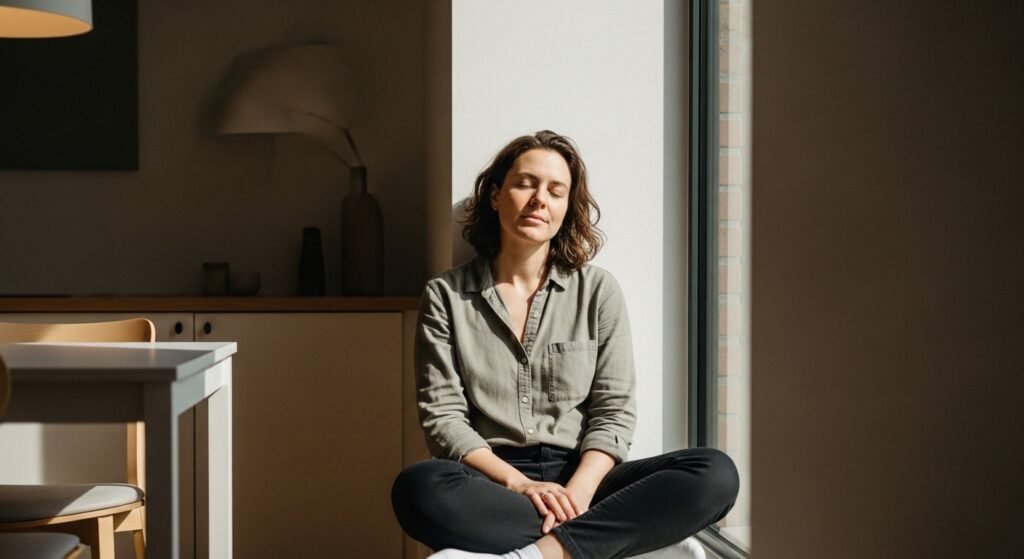
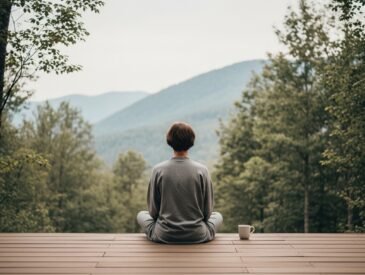
When you travel with others, mornings become negotiations: who needs the bathroom, where to eat, what time to leave. Alone, your morning is entirely yours, and the happiest solo travelers treat it as sacred. A slow morning at a local café, book or journal in hand, watching the neighborhood wake up, is one of travel’s purest pleasures. It costs almost nothing and delivers the kind of contentment that packed itineraries never do.
Café culture exists in nearly every country, and participating in it is a window into local life. The regulars, the rhythm of orders, the unhurried pace: you absorb a place by sitting still in it. I plan my days around one slow morning ritual, usually coffee and writing, and it anchors the entire trip. Rushing out the door every morning turns travel into a checklist. Lingering over coffee turns it into a life.
Walking As A Primary Hobby
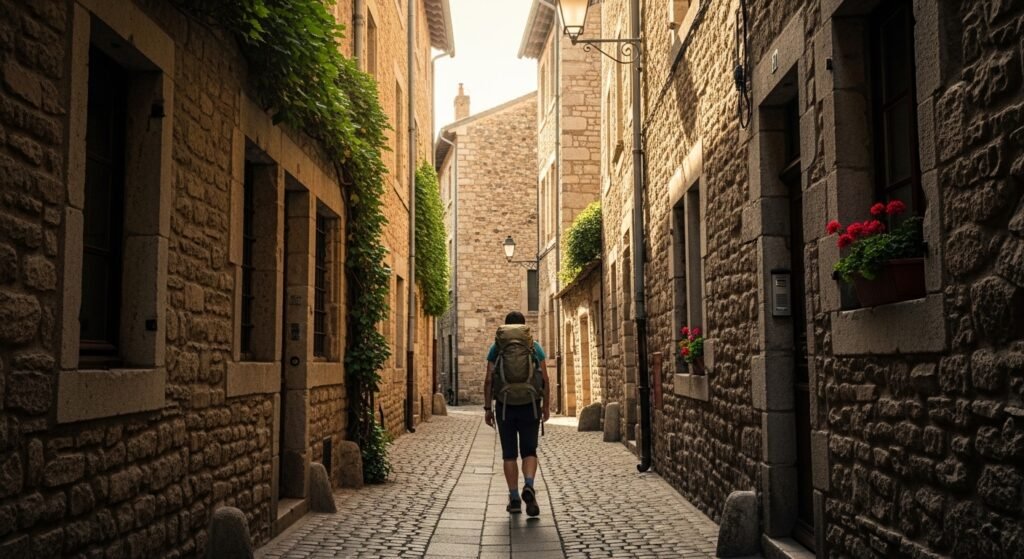
The best solo travelers I know treat walking as their main activity, not just transportation. Walking is how you discover the hidden courtyard, the tiny bakery, the street musician, the view between the famous views. Research consistently shows that walking boosts creativity, mood, and physical health, and on a trip, it has the added benefit of being free, flexible, and perfectly paced for one person.
I regularly log twenty thousand steps on solo travel days without noticing, because there is no one to negotiate with about when to stop. Wear genuinely comfortable shoes, carry water, and let yourself wander without a destination for at least part of each day. Some cities even offer free walking tours led by locals, which are perfect for solo travelers: you learn the layout, hear the stories, and meet other travelers in a low-pressure setting. The metro gets you there fast. Walking shows you what is there.
Eating At The Kitchen Counter
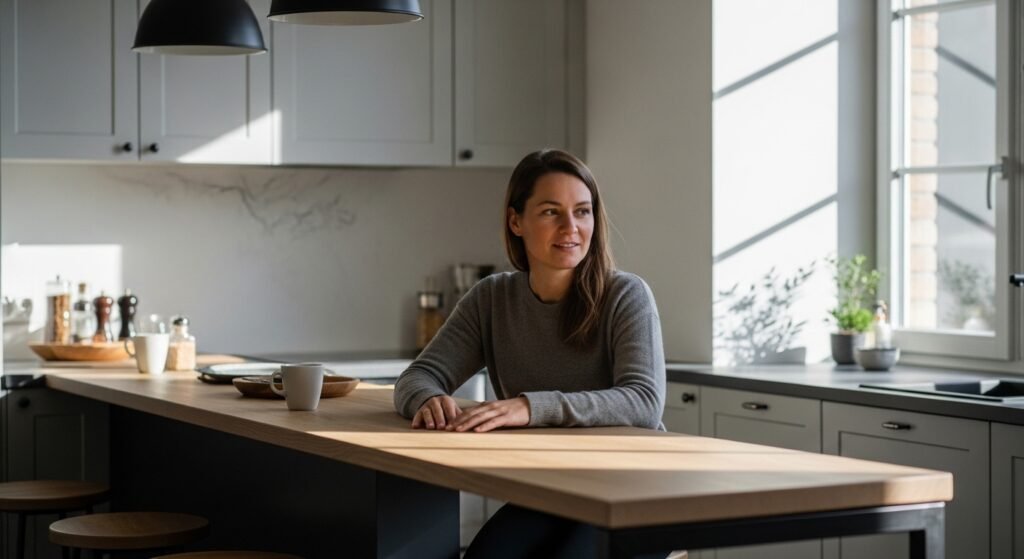
Dining alone intimidates first-time solo travelers more than almost anything else, which is a shame, because solo dining is one of travel’s great joys. The secret that experienced solo travelers know: sit at the counter, the bar, or a communal table. Counter seating eliminates the awkwardness of a table for one, puts you near the action, and makes conversation natural. Bartenders and chefs chat with counter diners. Fellow solo travelers sit next to you.
Some of my best travel conversations started at counters: a chef explaining a dish, a local recommending their favorite spot, another solo traveler who became a dinner companion for the evening. Bring a book if you want a buffer, but try one meal without it. Eating alone is not a consolation prize. It is a front-row seat to the theater of a restaurant, and the food tastes exactly as good.
Packing Only The Essentials
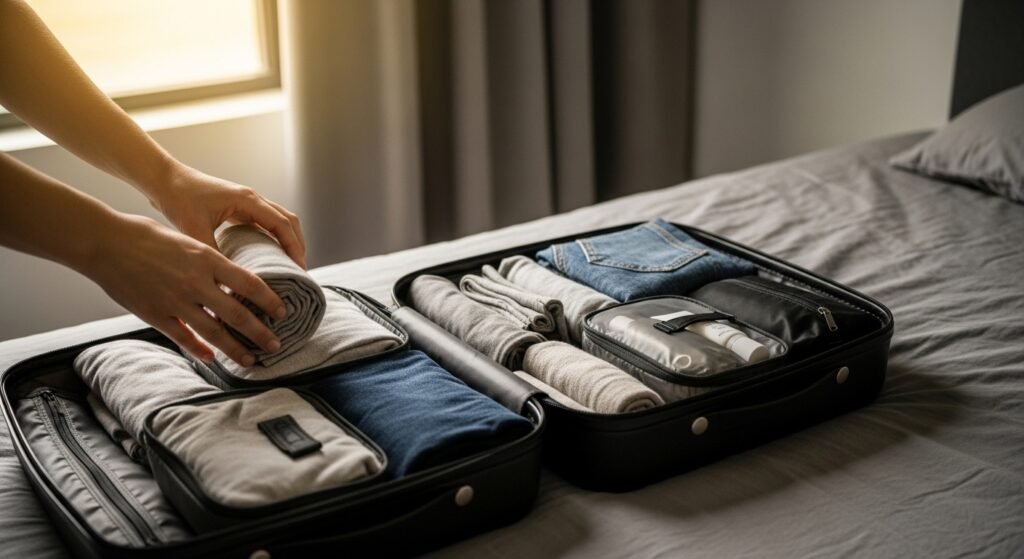
When you travel alone, you carry everything yourself, through every train station, up every staircase, across every cobblestone street. There is no one to watch your bag while you use the restroom, no one to help hoist it into an overhead rack. This is why seasoned solo travelers pack radically light. A carry-on-sized bag you can manage with one hand changes the entire texture of a trip: faster transits, cheaper fares, zero baggage-claim waits, and the freedom to change plans on a whim.
The method that works: choose a color palette so everything matches, pack for one week regardless of trip length because laundry exists everywhere, and wear your bulkiest items on travel days. Lay out everything you think you need, then remove a third. You will not miss the extra options, but you will feel the extra weight every single day. Packing light is not deprivation. It is the physical version of traveling with an uncluttered mind.
Learning Basic Local Phrases
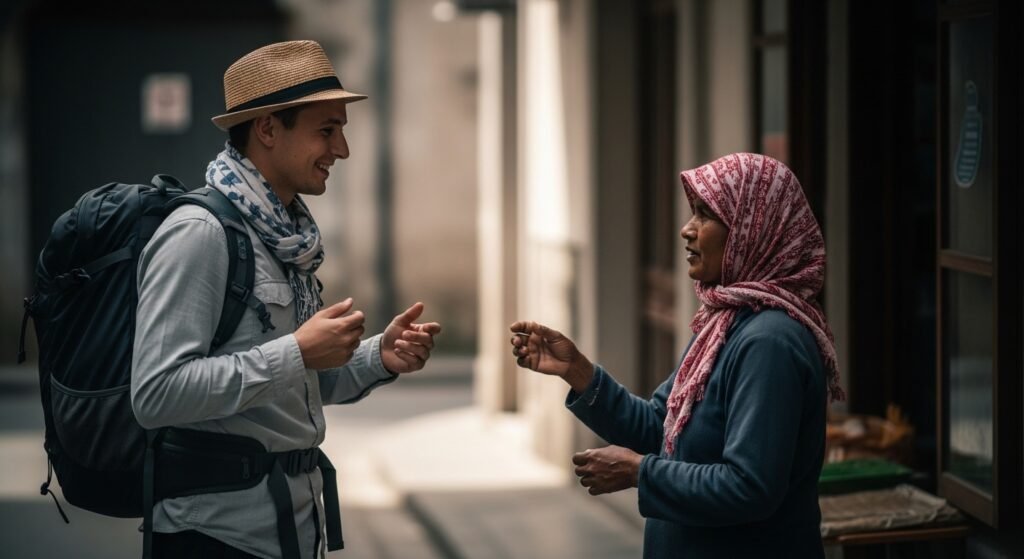
You do not need fluency. You need about ten phrases: hello, please, thank you, excuse me, yes, no, how much, where is, the bill please, and I am sorry. Learning even this much transforms how locals treat you. It signals respect, effort, and humility, and it consistently unlocks warmer service, helpful directions, and genuine smiles. People are remarkably forgiving of bad pronunciation when the attempt is sincere.
As a solo traveler, these phrases are also practical tools. Being able to ask for help, read basic signs, and handle transactions reduces the vulnerability of navigating alone. Download the language offline in a translation app before you go, learn the phrases on the flight, and use them from the first interaction. The return on investment for thirty minutes of study is enormous. Language is the cheapest, lightest souvenir, and the one you will use every single day.
Keeping A Physical Journal
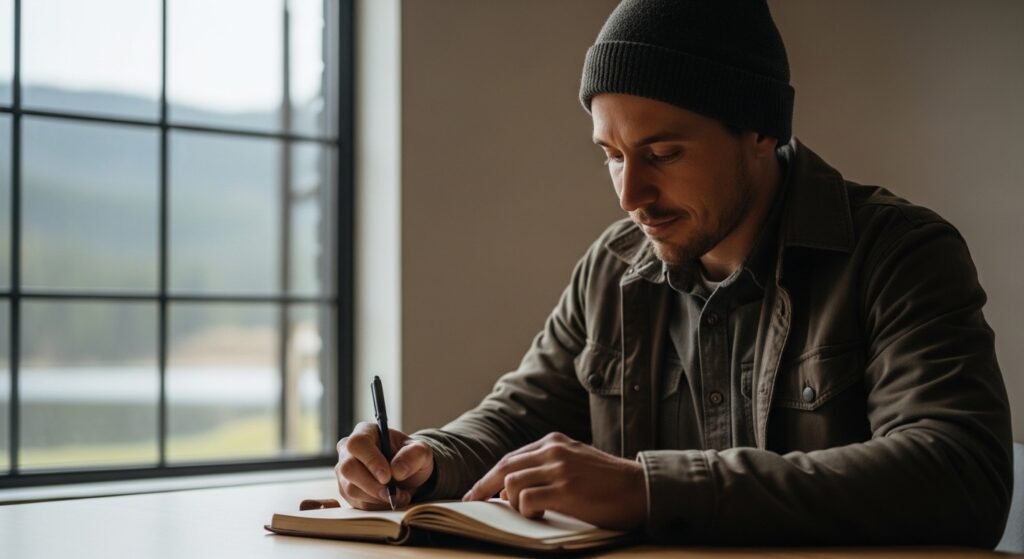
Photos capture what a place looked like. A journal captures what it felt like. The happiest solo travelers I have met all keep some form of trip journal, and there is science behind why it matters: handwriting engages memory and reflection differently than typing, and the act of recording your thoughts helps process experiences while they are fresh. Years later, a journal entry transports you back more vividly than any photo.
It does not need to be literary. Ticket stubs, a sketch of a street, three lines about a meal, the name of someone you met: these fragments become treasures. Journaling also fills the quiet moments of solo travel beautifully, turning a solo dinner wait or a train ride into something productive and reflective. And on hard days, writing sorts out thoughts that would otherwise spiral. Pack a small notebook. Future you will be grateful.
Trusting Your Gut Instincts
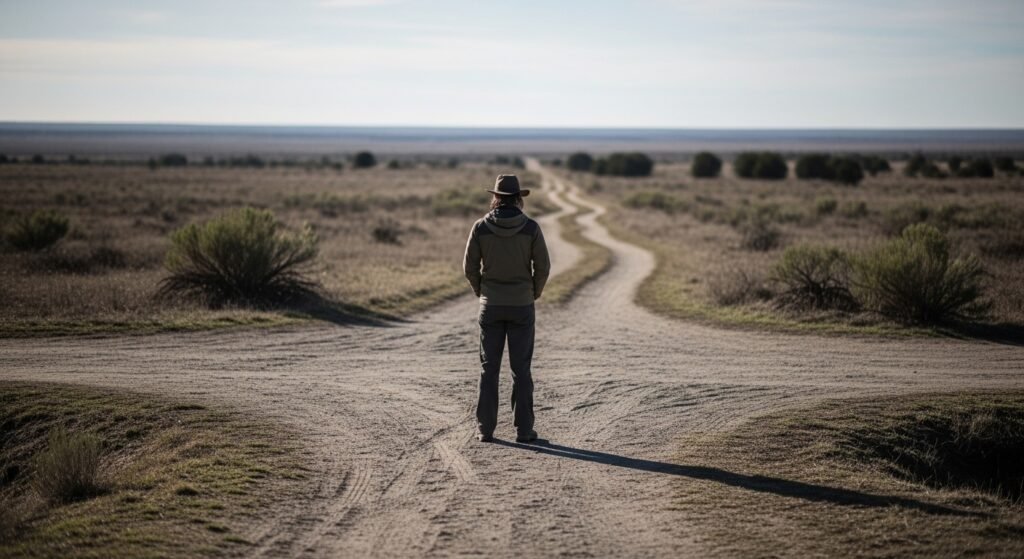
Every experienced solo traveler will tell you the same thing: your instincts are your most important safety tool. If a street feels wrong, leave. If a situation feels off, exit. If someone makes you uncomfortable, you do not owe them politeness. This is not paranoia; it is situational awareness, and it is a skill that sharpens with practice. The vast majority of solo trips are completely safe, but the habit of listening to your gut is what keeps them that way.
Build safety into your routines: share your itinerary with someone at home, keep your phone charged, know the local emergency number, and arrive in new cities during daylight when possible. Trust your instincts about people too, in both directions. Some of the best travel experiences come from saying yes to a spontaneous invitation that feels right. Discernment, not fear, is the goal. Your gut processes thousands of subtle cues. Listen to it.
Connecting With Other Travelers

Solo travel does not mean traveling alone every minute. In fact, solo travelers often have richer social lives on the road than people traveling in groups, because they are approachable and open. Staying in social hostels, joining walking tours, taking a cooking class, or signing up for a day excursion are all natural ways to meet people. These brief connections, a day exploring with someone from another continent, dinner with hostel mates, are among the most cherished parts of solo trips.
The key is balance. Say yes to the group dinner, join the walking tour, chat with the person next to you at the counter. But also protect your solitude, because the alone time is where the self-discovery happens. Some of my favorite travel friendships lasted a single perfect day. Not every connection needs to be forever to be meaningful. Be open, be friendly, and let the road provide company when you want it.
Prioritizing A Good Sleep

Sleep is the most underrated travel habit. An exhausted traveler makes bad decisions, gets sick more easily, and enjoys nothing. Yet people routinely sacrifice sleep to maximize sightseeing, then wonder why the trip feels like a blur. Prioritizing rest is not wasting travel time; it is protecting the quality of every waking hour. A well-rested traveler notices more, adapts faster, and stays healthier.
Choose accommodations with your sleep in mind: read reviews mentioning noise, bring earplugs and an eye mask everywhere, and keep a consistent sleep schedule even across time zones when you can. If hostels are your style, consider that private rooms are worth the splurge every few nights for recovery. And do not schedule crack-of-dawn activities every single day. Rest is part of the itinerary, not the enemy of it.
Documenting More Than Photos
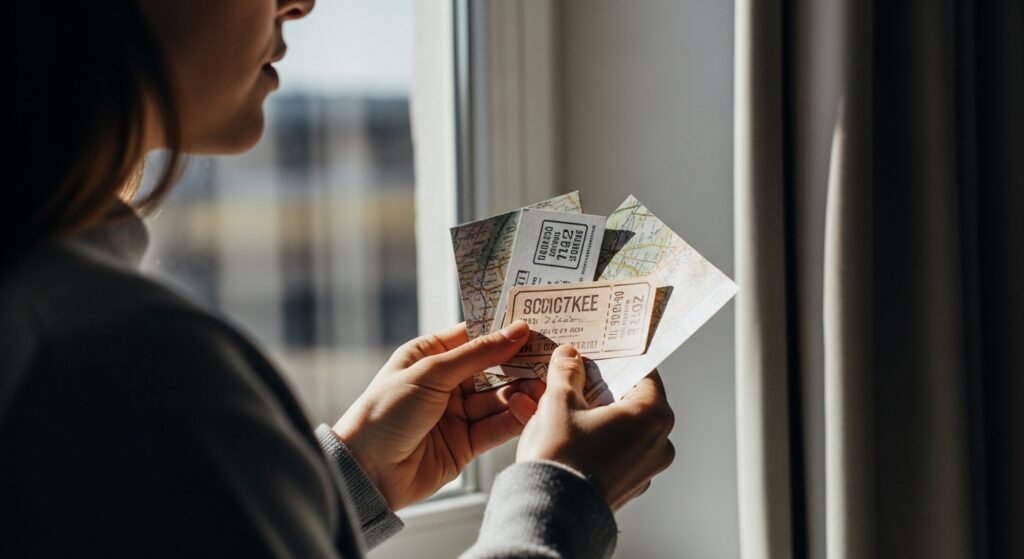
Photos are wonderful, but they capture only the visual slice of an experience. The happiest solo travelers document more: the sound of a market recorded on a phone, a paper coaster from a memorable café, a few words in the local language learned that day, the smell of a spice shop described in a journal. These multi-sensory fragments reconstruct a trip far more vividly than a camera roll of landmarks.
Try this on your next trip: each evening, note one sound, one taste, one smell, and one small moment from the day. It takes two minutes and creates a record no photo can match. Save the little paper things: tickets, maps, receipts with foreign writing. Years later, these fragments will bring back the trip in a way that a hundred sunset photos cannot. The goal is not to document everything. It is to remember what it felt like to be there, alone and completely alive.