 Sarah Grey
Your air journey begins long before you board the aircraft. The timing of your airport arrival shapes the entire travel experience, from check-in ease to boarding calm.
Airline experts and organizations like the International Air Transport Association advise against arriving too early or too late. Both extremes create unnecessary stress and wasted time.
Smart planning helps you avoid long queues, security delays, and last-minute rushing. The ideal arrival time depends on flight type, baggage needs, and airport size.
A calm, well-timed arrival means smoother check-in, relaxed security, and a peaceful start to your trip. These expert tips will help you master airport timing.
Check Flight Type First

Domestic and international flights require different arrival times. Airline experts recommend two hours for domestic and three hours for international travel.
This timing allows comfortable check-in, security screening, and boarding. Rushing through any of these steps adds stress.
International flights involve passport control and sometimes additional screening. The extra hour absorbs these requirements.
Some countries require earlier check-in for document verification. Research your destination’s specific requirements.
Connecting flights need buffer time between segments. Tight connections multiply the risk of missed flights.
Charter and low-cost carriers may have stricter cutoffs. Budget airlines often close check-in earlier.
Knowing your flight type is the foundation of good timing. Every other decision builds on this first step.
When in doubt, arrive earlier rather than later. Extra time at the gate beats sprinting through terminals.
Consider Airport Size and Traffic
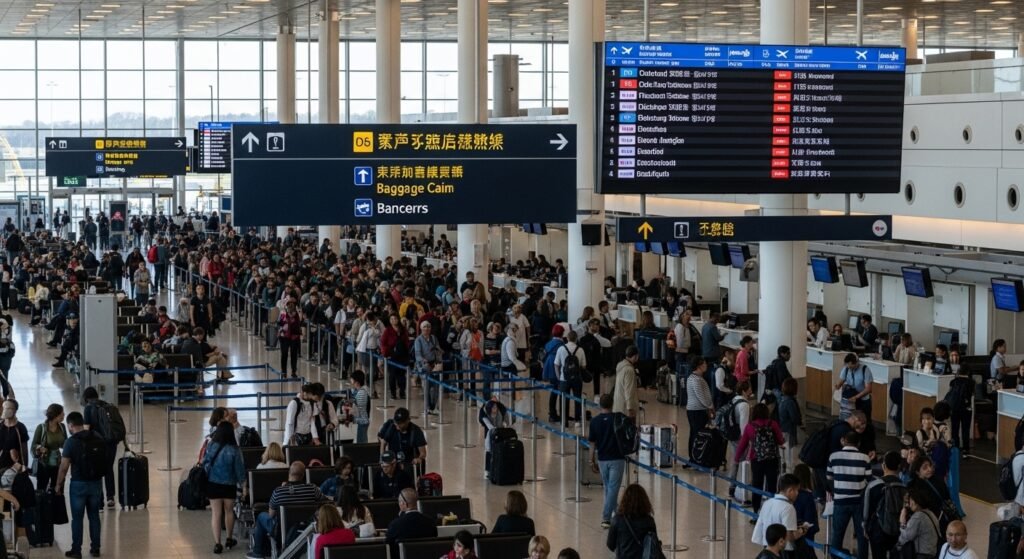
Large airports mean longer walks and heavier passenger flow. Lines and terminal transfers consume significant extra time.
Study the airport layout before traveling. Knowing your terminal and gate area prevents stressful searching.
Major hubs like Atlanta or Heathrow can require 20-minute walks. Factor this into your arrival calculation.
Peak hours multiply congestion at every checkpoint. Early morning and evening rushes are the busiest.
Smaller regional airports move faster but have fewer staff. Limited counters can still create bottlenecks.
Airport apps show real-time maps and walking times. Technology helps you navigate efficiently.
Add 30 minutes for unfamiliar mega-airports. Better safe than sprinting.
Size matters more than most travelers expect. Respect the scale of modern airports.
Review Airline Check-in Rules
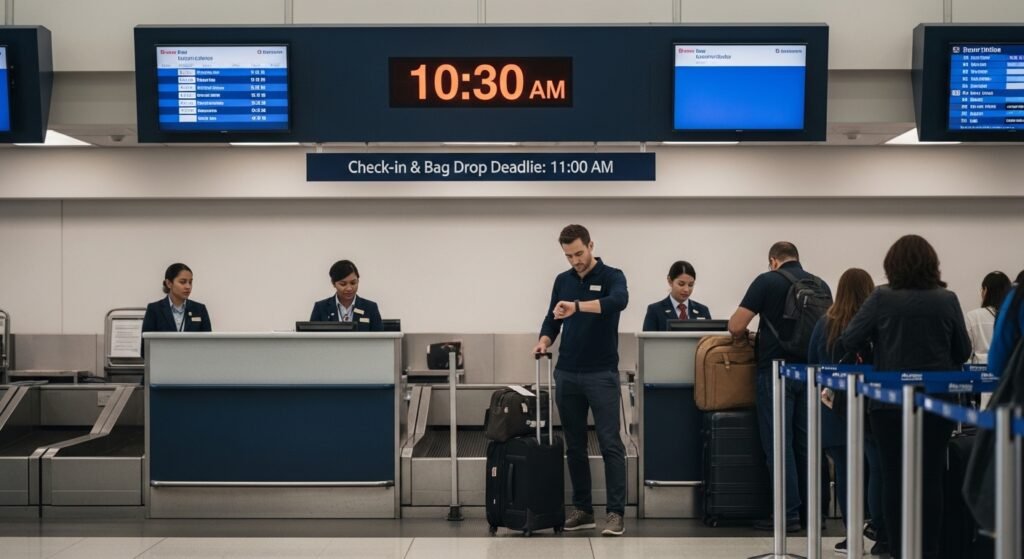
Each airline sets its own check-in and baggage deadlines. Missing these cutoffs can mean denied boarding.
Review your airline’s rules before flight day. Timing your arrival correctly ensures smooth document and baggage processing.
Deadlines vary by airline, route, and fare class. Never assume one airline’s rules apply to another.
Baggage drop often closes 45 to 60 minutes before departure. Late bags simply don’t fly.
Check-in counters may close earlier than you expect. Online check-in doesn’t always save you if you have bags.
Screenshot or save the deadline information. Having it handy prevents day-of confusion.
Rules change, so verify close to your travel date. What applied last year may differ now.
Knowledge of the rules is your best protection. Informed travelers rarely get caught out.
Monitor Security Wait Times
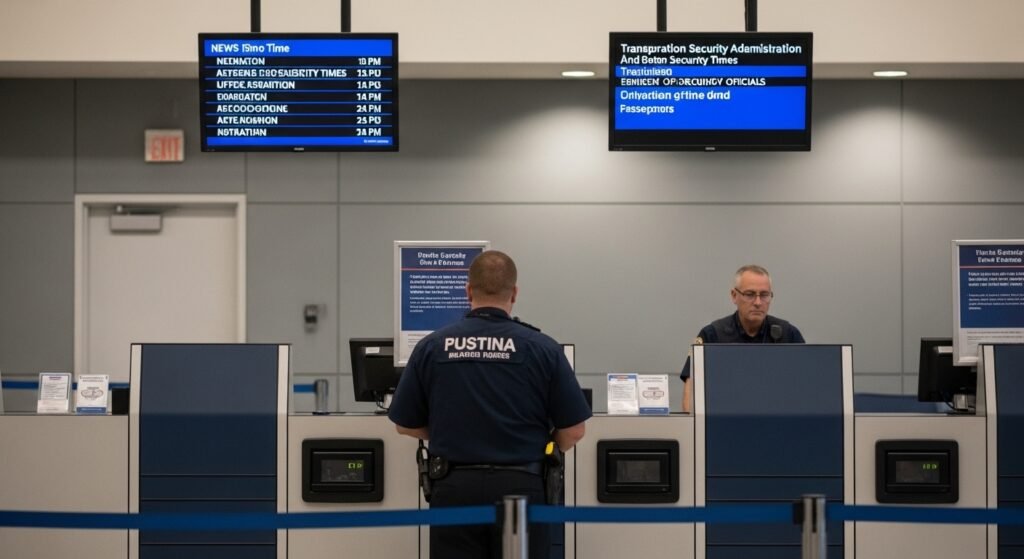
Security screening times vary with passenger volume and staffing. Checking expected waits helps you plan arrival more precisely.
TSA and airport websites publish estimated wait times. Many airports now offer real-time updates.
Apps like MyTSA show historical patterns by hour. Plan around the busiest periods.
TSA PreCheck and Clear dramatically reduce screening time. Frequent flyers should consider enrolling.
Prepare for screening before reaching the line. Empty pockets and easy laptop access speed things up.
Wear easily removable shoes and minimal jewelry. Every second saved compounds.
Families and large groups move slower through checkpoints. Add extra time when traveling with kids.
Smart security preparation is a travel superpower. Breeze through while others fumble.
Travel During Off-Peak Hours
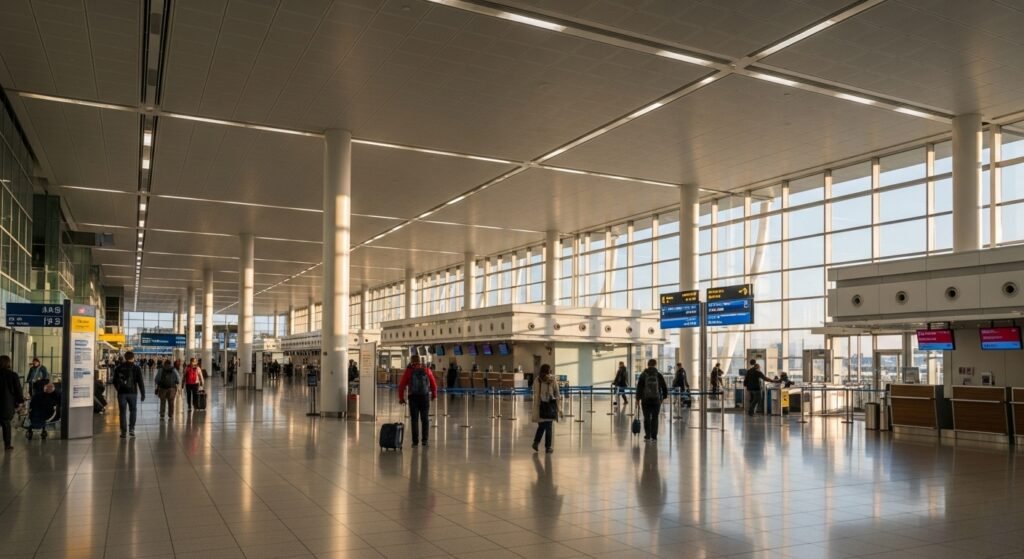
Early morning and late evening flights face smaller crowds. Off-peak travel shortens queues and speeds up security.
Midday and holiday periods bring the heaviest congestion. Avoid these windows when possible.
Tuesday and Wednesday are typically the quietest travel days. Weekends and Mondays run busiest.
Red-eye flights offer empty terminals and fast processing. Night owls enjoy a calmer airport.
Off-peak often means cheaper fares too. Save money while saving time.
Flexible schedules unlock the best travel windows. Even shifting by a few hours helps.
Business travelers cluster on Monday mornings and Friday evenings. Plan around their patterns.
Timing your flight well is half the battle won. Choose wisely and travel easily.
Factor in Baggage Requirements
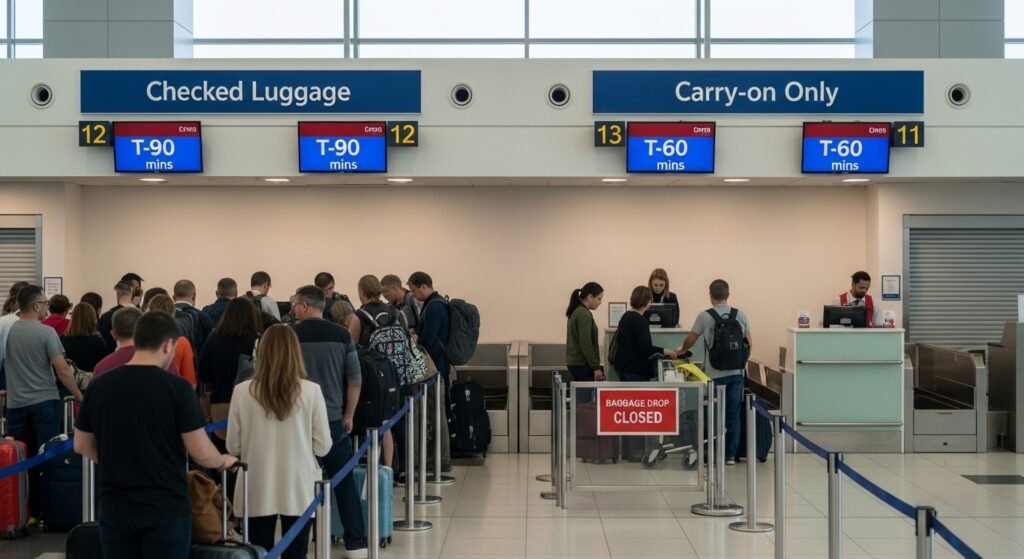
Passengers with checked luggage need earlier arrival than carry-on travelers. Baggage drop counters close before departure.
Extra time ensures smooth luggage handling without last-minute panic. Bag lines move slower than you’d expect.
Oversized or special items require additional processing time. Sports equipment and instruments need early drop-off.
Traveling carry-on only is the fastest airport strategy. Skip the counter entirely and head straight to security.
Weigh bags at home to avoid repacking at the counter. Surprises at check-in waste precious minutes.
Tag bags clearly and remove old airline tags. Confusion at sorting slows the system.
Consider shipping luggage ahead for complex trips. Door-to-door services eliminate airport baggage stress.
Your baggage strategy directly impacts your timeline. Plan bags and timing together.
Account for Transportation Delays

Road traffic, public transport delays, and parking issues all affect arrival time. Build a buffer that absorbs unexpected problems.
Reliable transport arrangements ensure timely arrival and reduce travel anxiety. Never leave ground transport to chance.
Check traffic apps before departing for the airport. Real-time data beats optimistic estimates.
Airport parking shuttles add 15 to 30 minutes. Factor this hidden time cost into your plan.
Rideshares can surge or cancel during peak times. Have a backup transport option ready.
Public transit is eco-friendly but vulnerable to delays. Allow extra margin when relying on trains or buses.
Aim to arrive at the airport with time to spare, not just in time. Buffers are the hallmark of experienced travelers.
Ground transport deserves as much planning as the flight. The journey starts at your front door.
Use Online Check-in Services
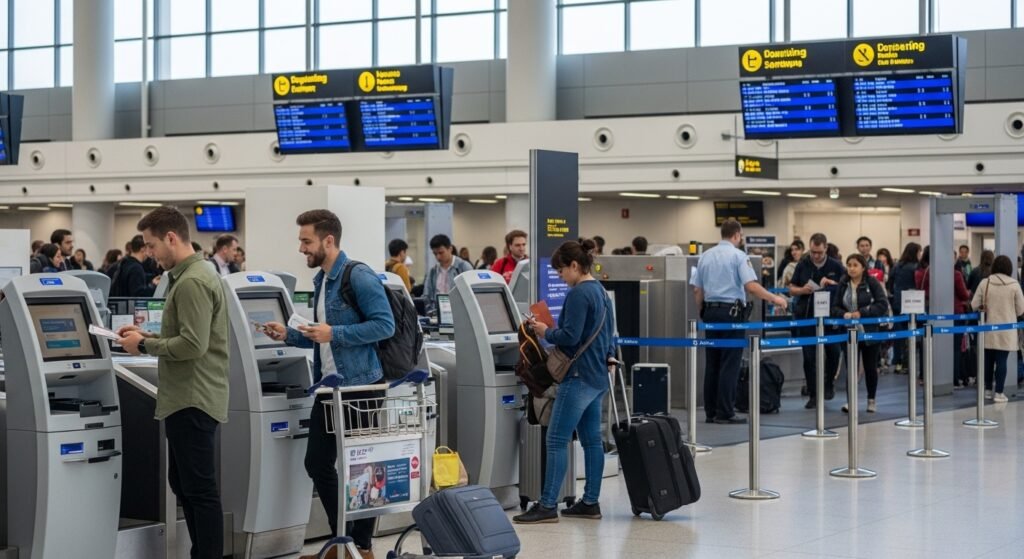
Most airlines offer online check-in that saves significant airport time. Complete this step before leaving for the airport.
Advance check-in minimizes queues and simplifies boarding. You arrive already processed and ready.
Download your boarding pass to your phone as backup. Paper passes get lost; digital ones persist.
Online check-in opens 24 to 48 hours before departure. Set a reminder to check in early.
Early check-in can secure better seat assignments. Window and aisle seats go fast.
Even with online check-in, allow time for security and navigation. Digital convenience doesn’t shrink the terminal.
Some fares still require document checks at the counter. International travelers should verify requirements.
Online check-in is free efficiency. There is no reason to skip it.
Check Travel Season and Weather
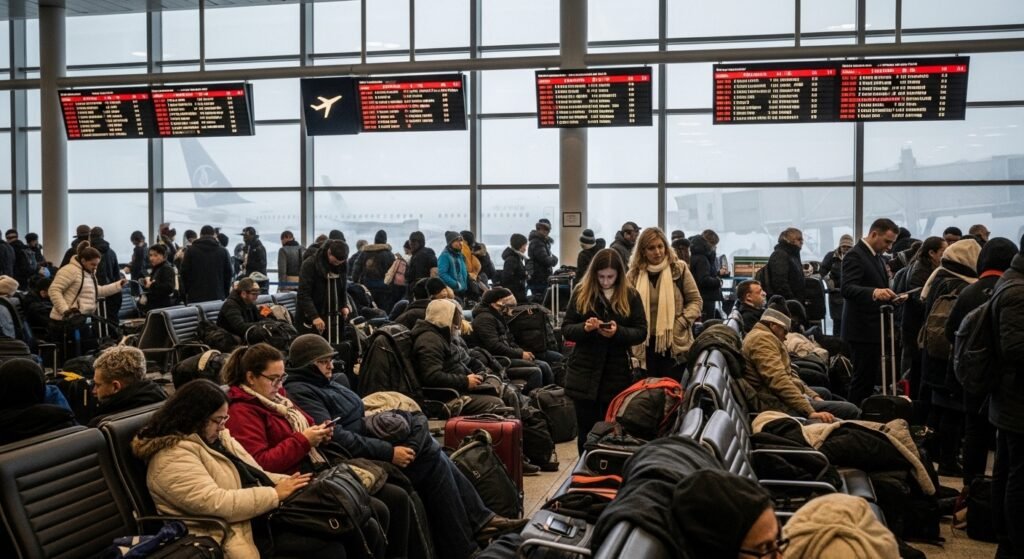
Bad weather and peak travel seasons create airport congestion. During these periods, flight operations may change unexpectedly.
Arriving earlier during peak season or storms provides flexibility. Extra time absorbs schedule disruptions gracefully.
Holiday travel multiplies passenger volumes enormously. Thanksgiving and Christmas airports are a different world.
Winter storms cause cascading delays across networks. One hub’s snow affects flights nationwide.
Summer thunderstorms disrupt afternoon departures routinely. Morning flights dodge most weather delays.
Monitor forecasts starting 72 hours before departure. Early awareness enables proactive rebooking.
Airlines offer flexible rebooking during weather events. Take advantage before options disappear.
Season and weather awareness separates novices from pros. Plan for the worst, enjoy the best.
Prepare Travel Documents Early
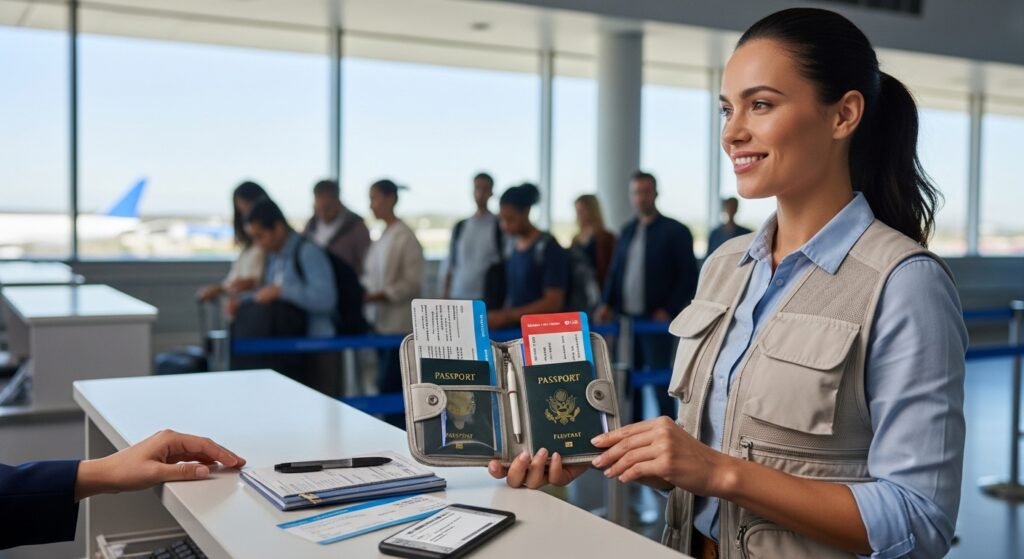
Having identification, boarding passes, and documents ready speeds up every checkpoint. Searching for papers wastes precious time.
Organized preparation enables smooth movement through counters and security. Everything in its place, ready to present.
Check passport expiration months before international travel. Many countries require six months of validity.
Verify visa requirements for your destination early. Last-minute visa scrambles ruin trips.
Keep documents in an accessible travel wallet. Fumbling through bags holds up lines.
Photograph important documents as backup. Digital copies help if originals are lost.
Ensure names match exactly across all bookings. Discrepancies trigger additional screening.
Document readiness is invisible when done right. Its absence, however, is painfully obvious.
Follow Airline Notifications
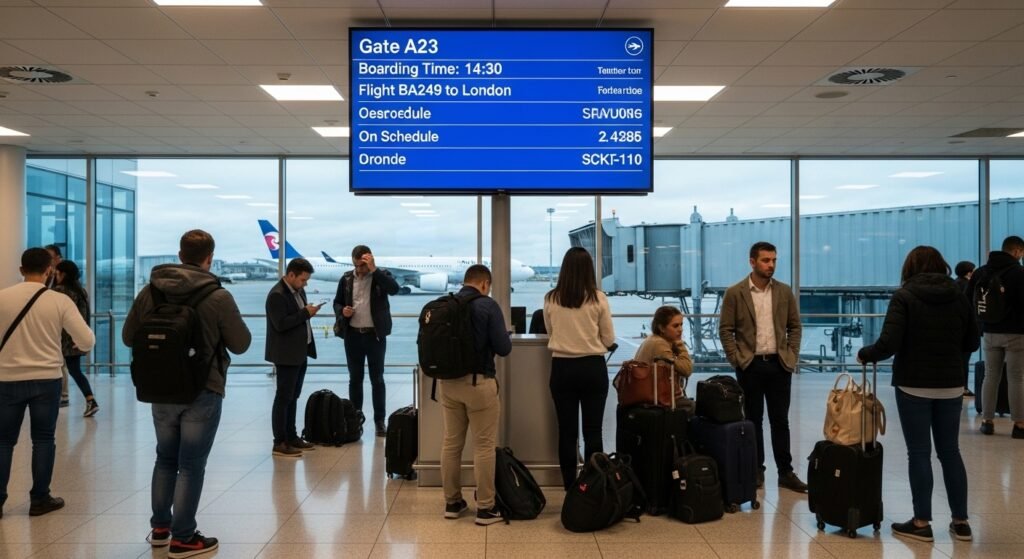
Airlines constantly update gate, boarding, and schedule information. Monitoring these alerts helps you adjust arrival plans.
Staying informed means better timing decisions and a smoother airport experience from entry to gate.
Enable push notifications from your airline’s app. Real-time updates beat airport announcement systems.
Gate changes happen frequently at large airports. Check the app before heading to the gate area.
Early delay notifications let you slow down and relax. No need to rush for a postponed flight.
Conversely, early departures require faster movement. Alerts give you a head start.
Follow the airline on social media for widespread disruption news. Crowdsourced updates add context.
Information is power at the airport. Stay connected and stay ahead.
Building Your Personal Timing Formula
Combine these factors into your own arrival formula. Start with the base recommendation, then add buffers for your situation.
Track your actual airport times over several trips. Personal data refines your formula beautifully.
Share your system with travel companions. Aligned expectations prevent group travel friction.
Review and adjust after each journey. Continuous improvement applies to travel too.
Time It Right, Travel Well
Smart airport timing transforms travel from stressful to serene. The experts’ advice works because it accounts for real-world variables.
Apply these tips on your next trip and notice the difference. Calm confidence replaces frantic rushing.
Arrive prepared, move smoothly, and enjoy the journey. Great trips begin with great timing.