 Sarah Grey
If you have been shopping for flights lately and felt sticker shock, you are not alone. The era of catching a cross-country flight for the cost of a nice dinner is fading into the rearview mirror. With changing airline policies, new government requirements, and global economic pressure, simply boarding a plane is becoming a strategic exercise. It is not just the prices on the screen that are changing — the entire airport and in-flight experience is shifting, and for many travelers, it is becoming way less fun.
Here is why flying in America is about to get more expensive and less enjoyable — and what you can do about it.
The New Identification Fee Hurdle
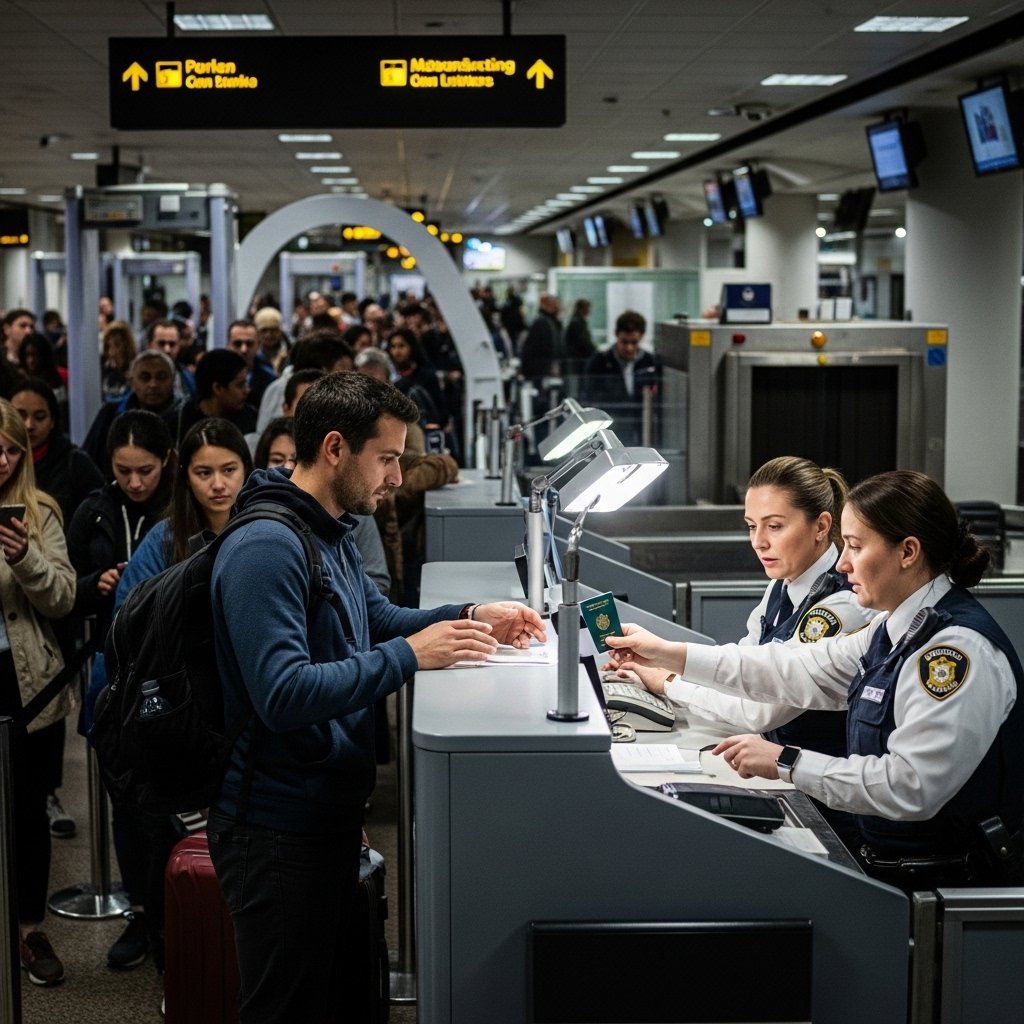
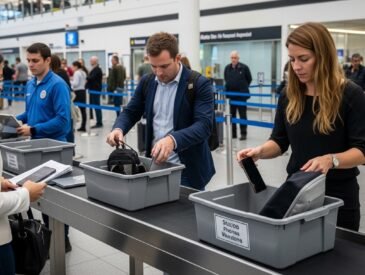
Travelers without a compliant ID could soon face a new obstacle at security checkpoints — a non-refundable verification fee of about $45 for those who have not updated their identification. It is an extra cost on top of everything else, hitting the least prepared travelers hardest.
The fix is simple but urgent: check your ID now, not the night before your flight. A compliant license or passport saves you the fee and the stress. This is one surcharge that is entirely avoidable with a little planning.
Fuel Costs Are Taking Flight
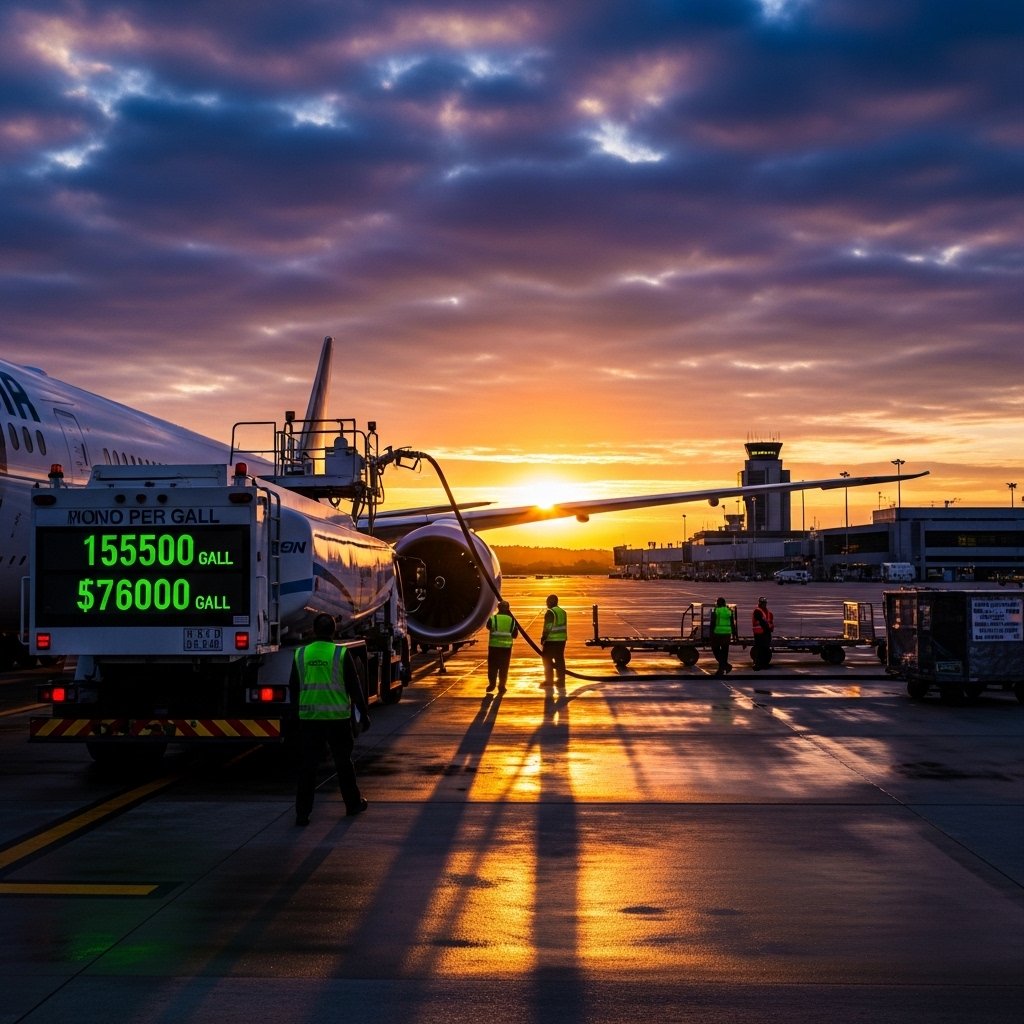
Jet fuel prices are climbing toward levels we have not seen in years, driven by global tensions and energy market shifts. Fuel makes up a huge share of any airline’s costs, so the extra expense inevitably trickles down to ticket prices.
Unlike fees you can dodge, fuel surcharges are baked into every fare. The only defense is booking smarter — flexible dates, alternate airports, and fare alerts that catch dips when they happen.
The End Of Open Seating
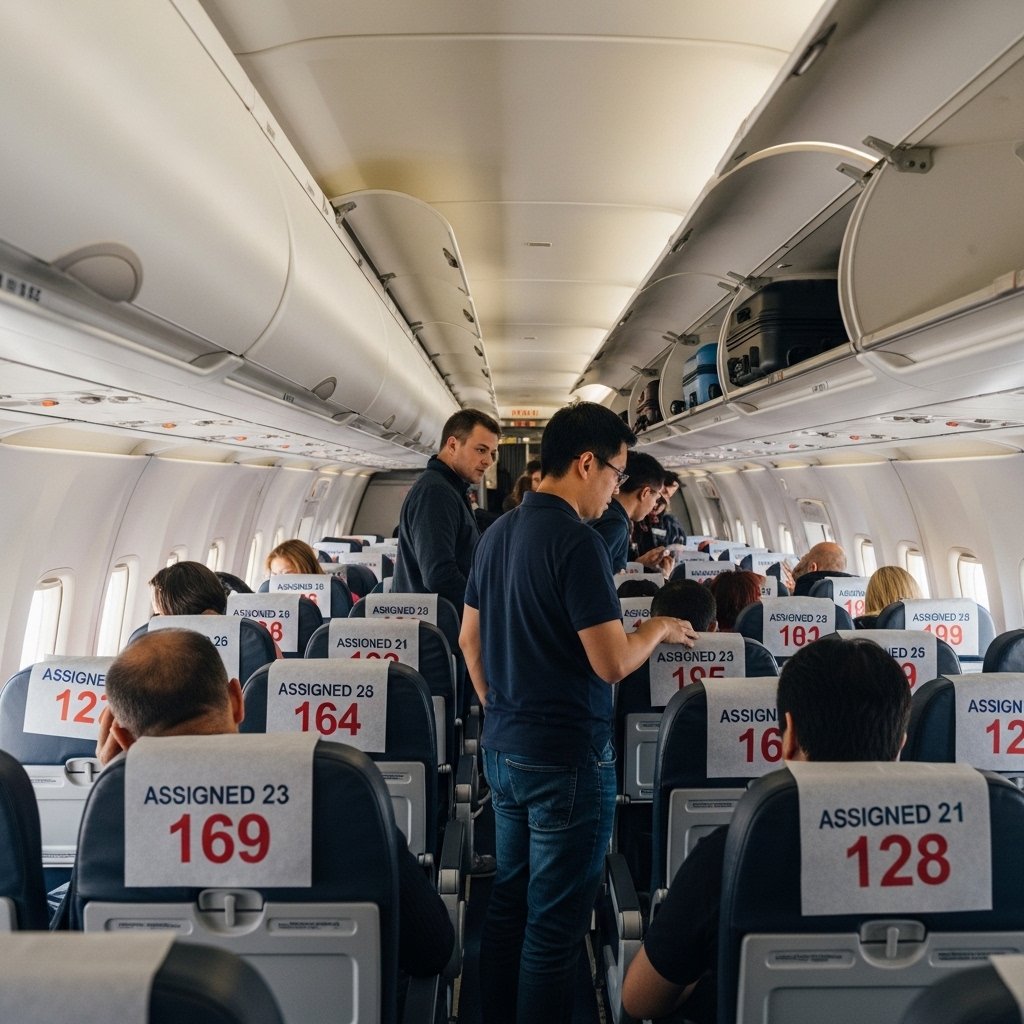
The sun is setting on one of budget travel’s most iconic features: open seating. Major airlines that once let you sit anywhere are moving to assigned seating layouts — often with hidden fees for preferred seats.
What was once free now costs extra, and families wanting to sit together face some of the steepest markups. If seating choice matters to you, factor those fees into the fare comparison — the cheapest ticket is rarely the cheapest trip.
A Crackdown On Personal Items
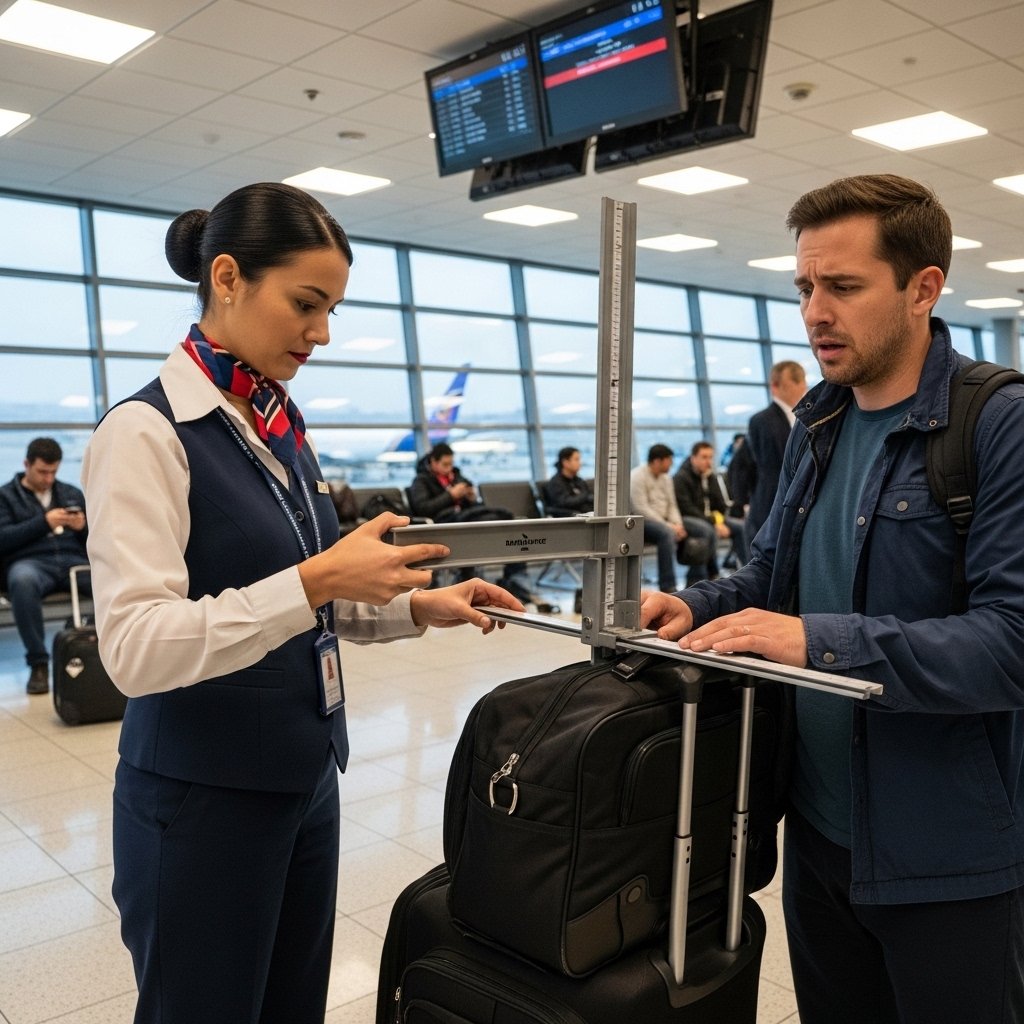
Not long ago, savvy travelers dodged baggage fees by cramming everything into a personal-item backpack. Airlines are now stricter than ever with gate sizers, levying full carry-on charges on bags that look even slightly too full.
The workaround is precision: know your airline’s exact personal-item dimensions and pack to fit them. A bag designed for the sizer beats an overstuffed backpack every time — and it boards without drama.
Pilot Shortages Limit Your Options
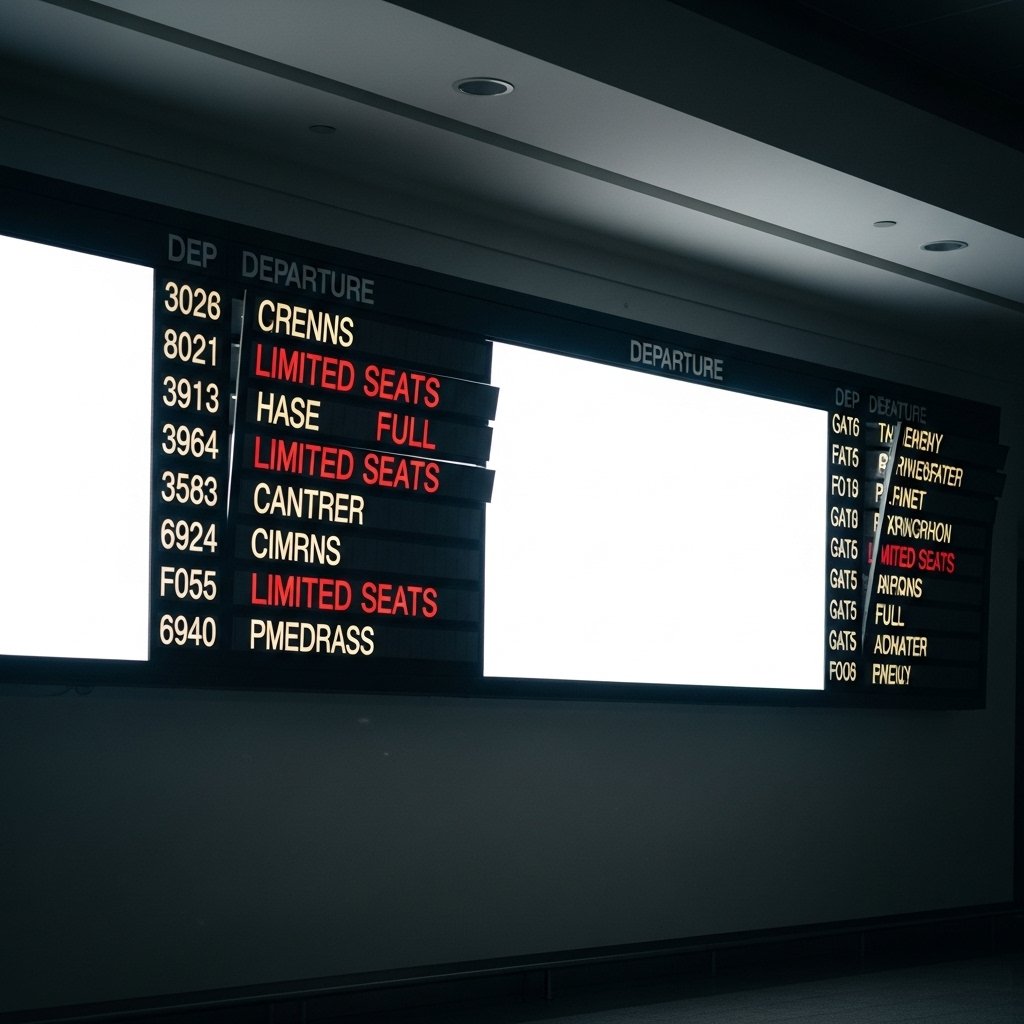
The industry-wide pilot shortage remains a major challenge, leaving airlines unable to serve as many routes as they would like. When seat supply is low and demand stays high, prices climb — simple economics, painful results.
Fewer flights also mean fewer backup options when things go wrong. Build buffer time into important trips and consider travel insurance — in a constrained system, one cancellation can cascade.
The Rise Of The Solo Traveler Surcharge
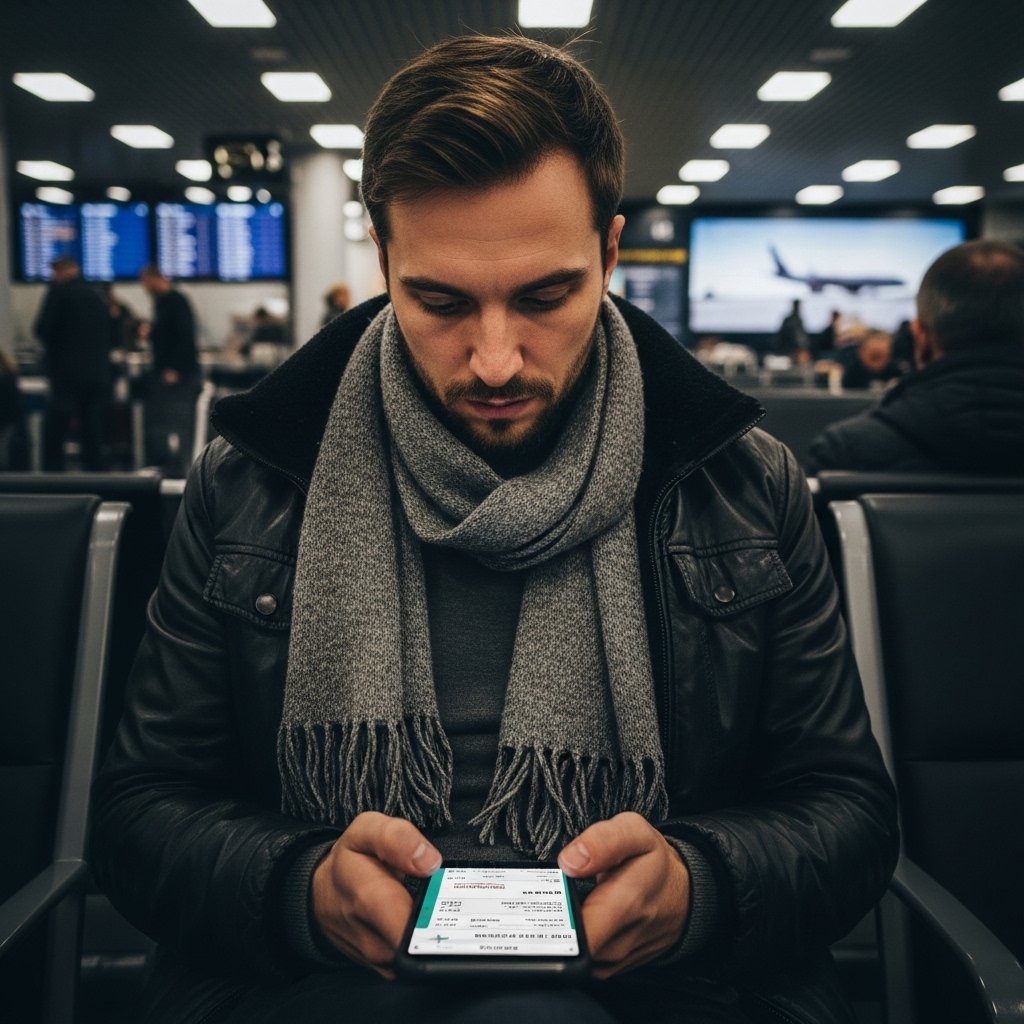
Booking algorithms are getting smarter — and some travelers have noticed it can cost more per person to book a single seat than to book within a group. The solo surcharge seems to be migrating from cruise ships to the skies.
Solo travelers should compare fares carefully: search as one passenger and as two, and watch for price differences. Sometimes booking through different channels or bundling with a hotel neutralizes the penalty.
Staffing Issues At Security Gates
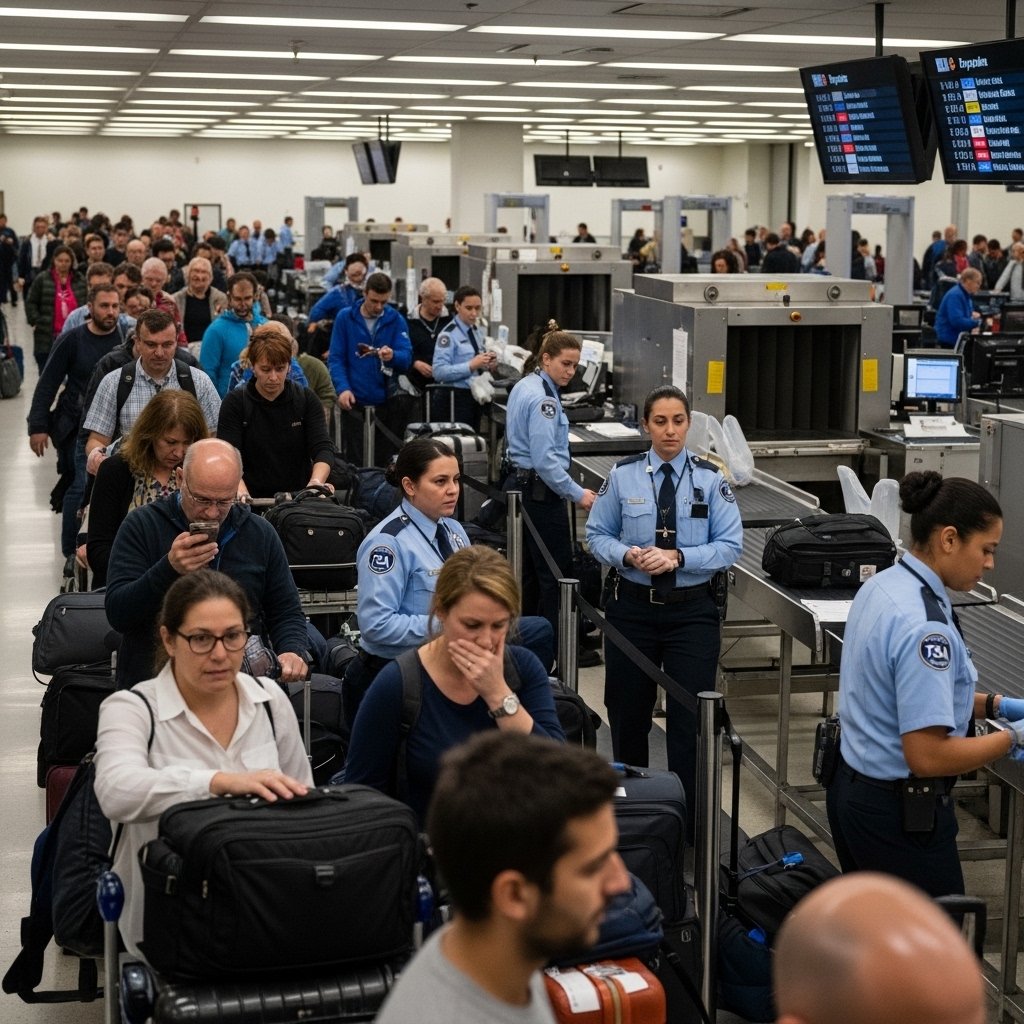
Staffing problems are not confined to the cockpit — they are hitting the ground too. As federal funding situations shift, agencies like the TSA face constraints, making regular security lines longer and more unpredictable.
Trusted traveler programs like TSA PreCheck and Global Entry are becoming less of a luxury and more of a necessity. The upfront cost pays for itself in saved hours — and saved sanity — within a few trips.
Shrinking Legroom For The Masses
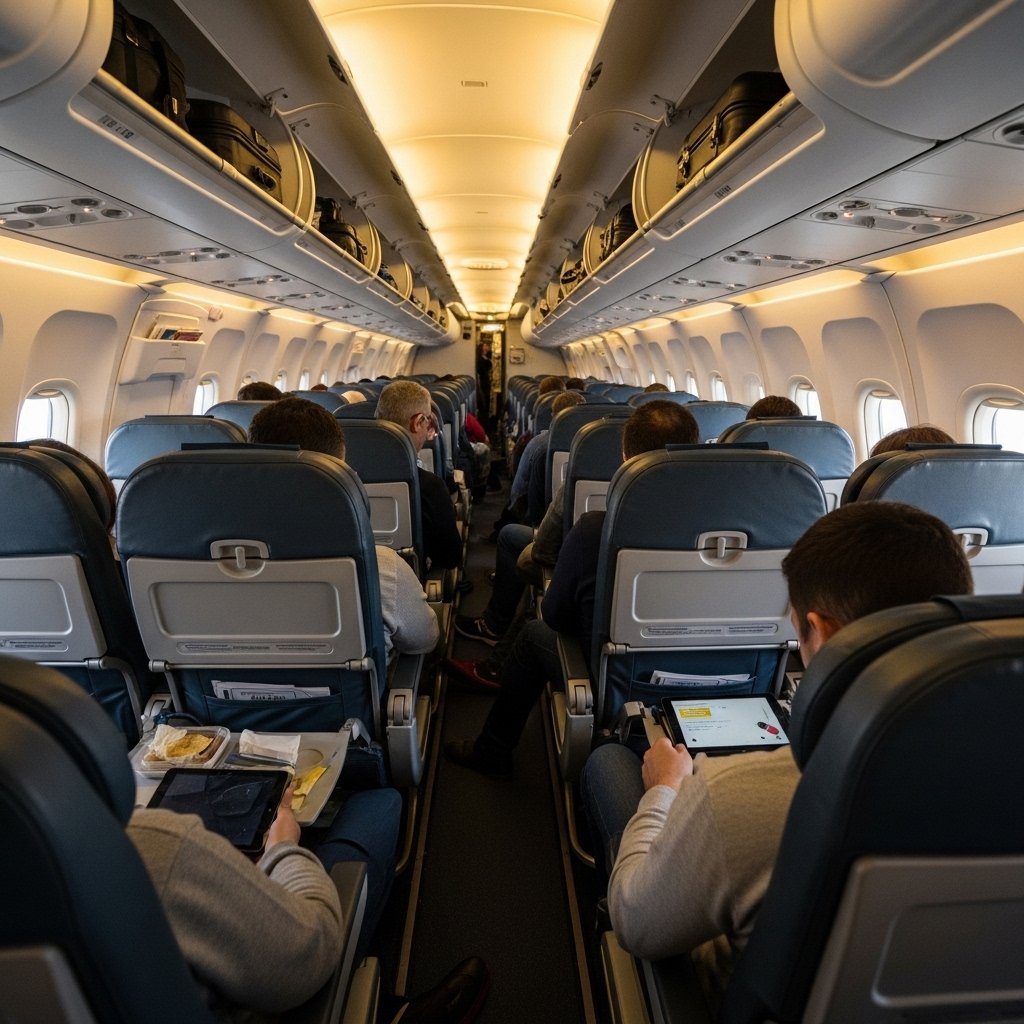
The back of the plane is getting more congested as airlines maximize profit. To fit expanded premium cabins, more rows are squeezed into the same space — leaving economy passengers with slightly less breathing room.
For tall travelers or long flights, the extra-legroom upgrade is increasingly worth pricing in from the start. And choosing your aircraft matters: seat maps vary widely even within the same airline.
Premium Perks At A Premium Price
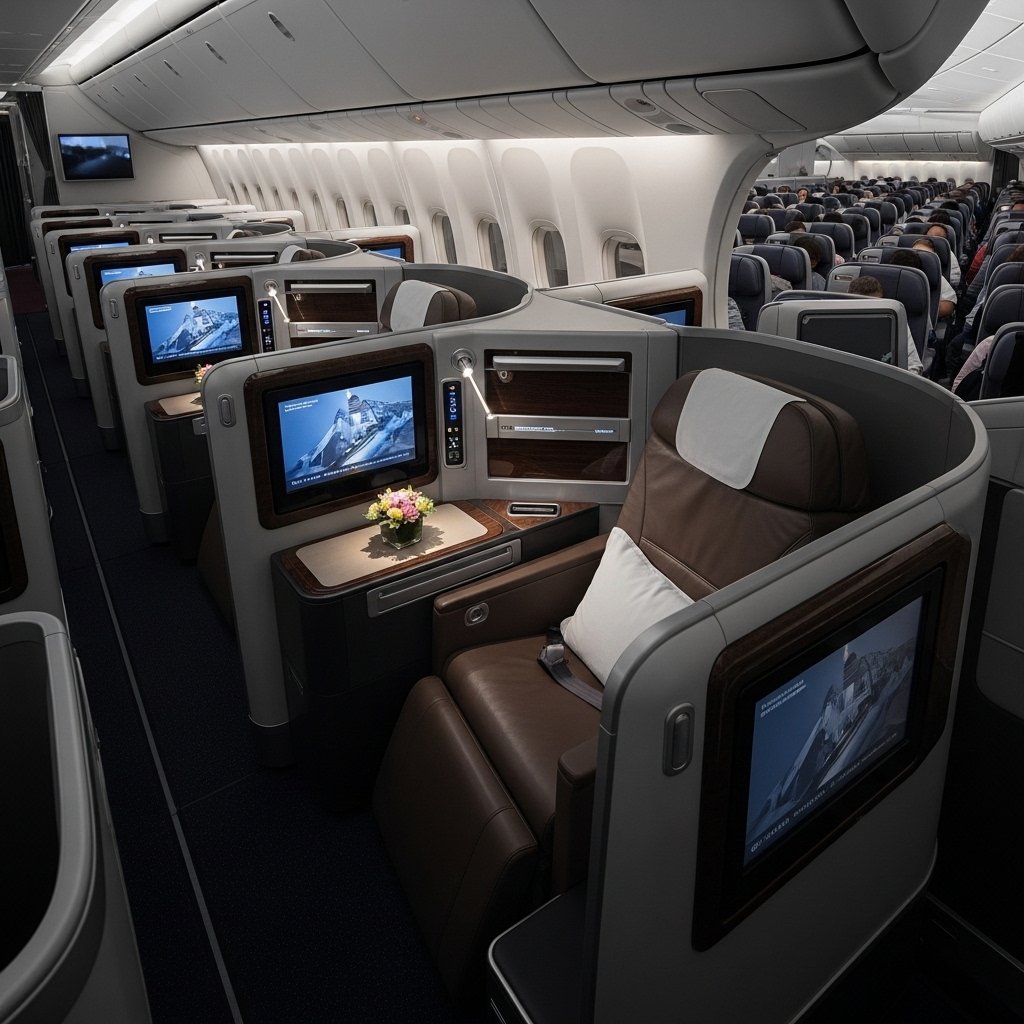
The front of the plane is becoming more luxurious than ever — at the expense of the back. With more space devoted to suites and lie-flat seats, the supply of genuinely cheap seats keeps shrinking.
Airlines are betting that comfort sells, and they are right — premium cabins fill up. For the rest of us, it means booking earlier and staying flexible, because the affordable seats are the first to vanish.
Tech Upgrades Are Quietly Increasing Ticket Prices
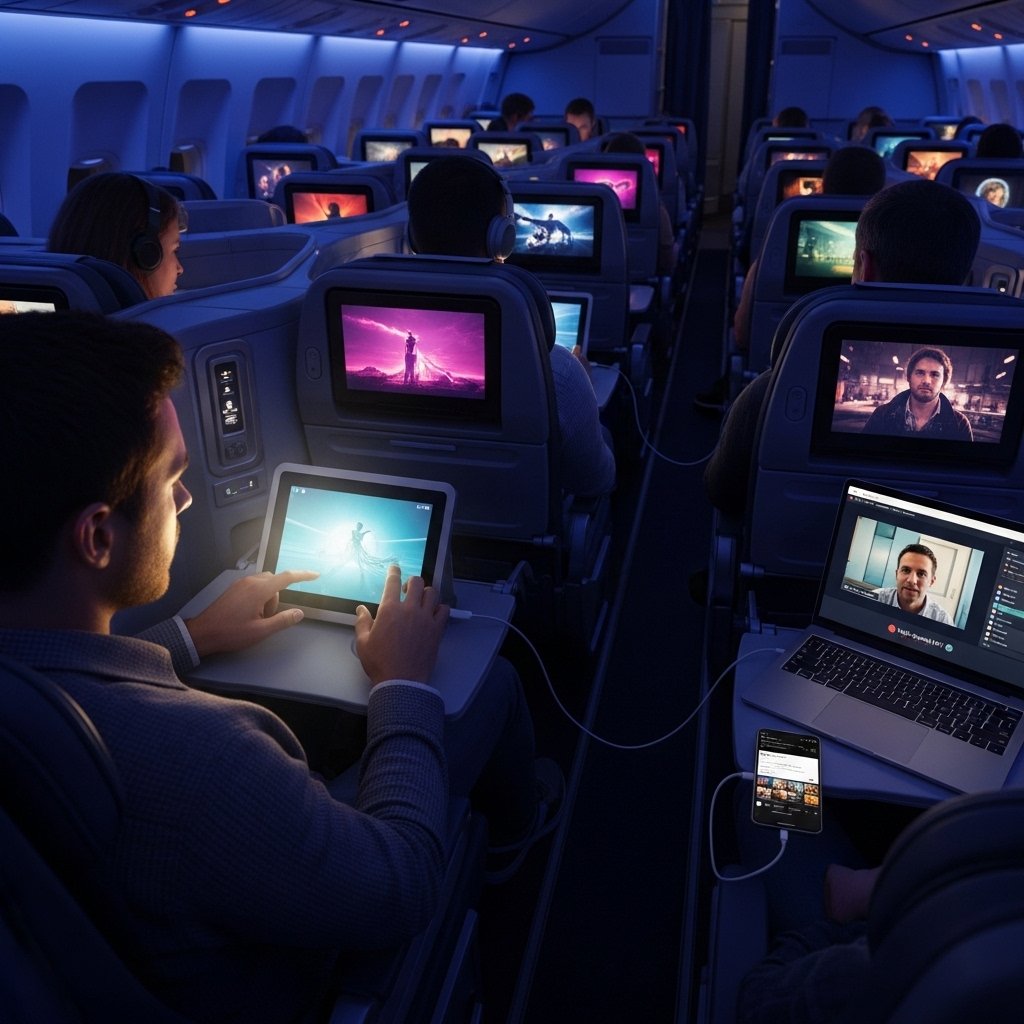
Faster Wi-Fi and better in-flight entertainment are exciting — but installing them across thousands of planes is not free. Airlines pass these modernization costs into base fares, whether or not you use the Wi-Fi.
There is no opting out of the tech surcharge, so you might as well enjoy it. Download what you need before boarding anyway — onboard systems are better than ever, but your own device is still the most reliable entertainment.
How To Beat Rising Airfares
The single best defense is flexibility. Travelers who can shift dates by even a day or two routinely save hundreds, and alternate airports can unlock dramatically cheaper fares. Set fare alerts early and pounce when prices dip — hesitation is expensive in a rising market.
Also rethink loyalty: in 2026, the cheapest fare often beats the familiar airline. Compare the all-in cost — fare plus bags, seats, and fees — across carriers before letting habit decide. Your wallet will notice the difference.
The Best Days And Times To Fly
Midweek flights — Tuesday and Wednesday — remain the cheapest days to fly, while Sunday evenings and Friday afternoons command the highest premiums. Early morning and late-night departures also tend to cost less, trading convenience for savings.
Booking windows matter too: domestic flights are often cheapest booked one to three months out, while international trips reward even earlier planning. Last-minute deals are largely a myth now — procrastination has a price.
Loyalty Programs: Worth It In 2026?
Airline loyalty programs have been devalued repeatedly, but they still have value for frequent flyers — free checked bags, priority boarding, and occasional upgrades add up. The key is concentrating your flying with one alliance rather than scattering miles everywhere.
For occasional travelers, a good travel rewards credit card often beats airline loyalty. Flexible points transfer to multiple airlines, and the sign-up bonuses alone can fund a trip. Do the math on your actual travel patterns before committing.
Regional Airports: The Hidden Bargain
Major hubs are convenient but pricey. Smaller regional airports often offer lower fares, cheaper parking, and blissfully short security lines. The trade-off is fewer nonstop options — but a single connection can save hundreds on popular routes.
Check every airport within reasonable driving distance before booking. Fare comparison tools let you search nearby airports at once, and the savings frequently outweigh the extra drive. Regional airports are the open secret of budget-savvy flyers.
When To Consider Driving Instead
Do the real math on short trips: once you add airport time, parking, bags, and ground transport, driving often wins for anything under five or six hours. Two or more travelers sharing costs makes the car an even clearer winner.
Driving also dodges nearly every fee in this article — no bag sizers, no seat charges, no ID surcharges. For regional getaways, the road trip is quietly becoming the smart money move again.
Know Your Rights As A Passenger
When airlines cancel or significantly delay your flight, you are entitled to a refund — not just a voucher — if you choose not to travel. Too many passengers accept credits they do not want because they do not know the rules.
Keep records of every disruption: screenshots, timestamps, and receipts. File complaints with both the airline and the Department of Transportation when warranted. In an era of shrinking legroom and rising fees, knowing your rights is its own form of savings.
Packing Smart To Dodge Fees
With baggage enforcement tightening, packing strategy is a money skill. Invest in a personal-item bag engineered to fit the sizers, learn to pack in a single carry-on, and wear your bulkiest items on the plane. Every fee you avoid is money for the actual trip.
Weigh your bag at home and photograph the sizer test for peace of mind. And remember: buying a cheap checked bag at the airport counter is the most expensive option — prepay online if you must check anything.
What This Means For Your Travel Plans
Flying is not going back to the cheap-and-cheerful days anytime soon. But informed travelers can still fly well: book early, stay flexible, pack smart, and know every fee before you click purchase. The golden age of carefree cheap flights may be over — the age of the savvy traveler is just beginning.
So plan ahead, compare the true all-in costs, and keep your sense of adventure. The skies are more expensive and less fun than they used to be — but the destinations are still worth it.