 Sarah Grey
It feels like only yesterday that the highest compliment you could pay someone was calling them busy. Back-to-back meetings, lightning-fast replies, weekends packed tighter than workdays: exhaustion was worn like a badge of honor. But a different energy is in the air now. Across the country, people are trading morning sprints for slow coffee, packed weekends for unhurried afternoons, and the cult of busy for something far more radical: slow living. Not laziness, not retreat, but a deliberate decision to live at a human pace in a world that profits from your hurry.
Slow living is not new. The Slow Food movement began in Italy in the 1980s as a protest against fast food and fast life, and writer Carl Honoré’s book In Praise of Slow gave the philosophy its modern manifesto two decades ago. What is new is how mainstream the impulse has become. Burnout, digital overload, and a collective reassessment of what matters have pushed millions toward a quieter, more intentional way of life. Here is why everyone is suddenly embracing slow living, and how you can begin.
The Great Collective Deep Breath
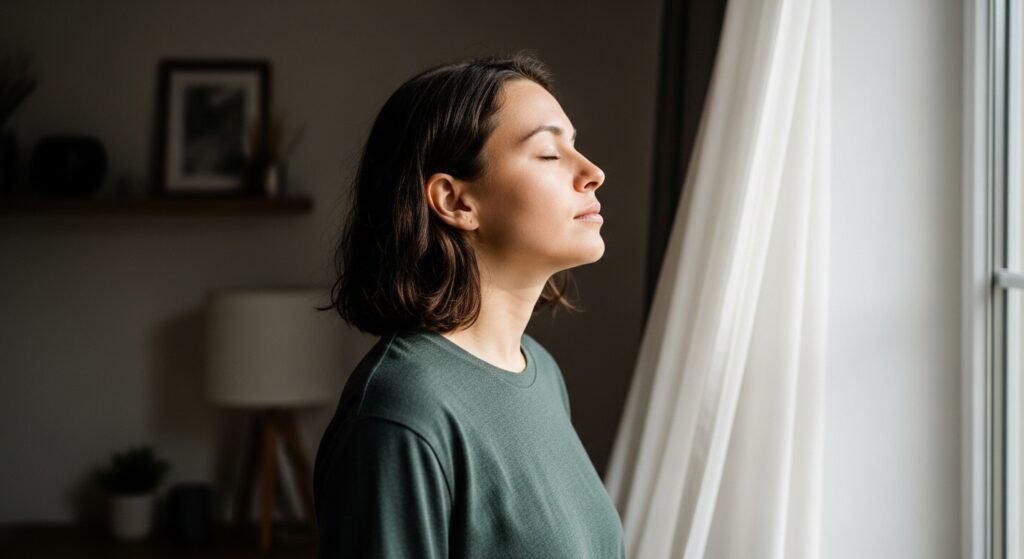
Something has shifted in the national mood. After years of running at full tilt, through a pandemic, economic whiplash, and the relentless acceleration of digital life, a great many people have hit the same wall at the same time. The symptoms are familiar: chronic tiredness that sleep does not fix, a sense of time slipping through your fingers, the feeling of being busy all day and having nothing to show for it. The collective response has been a long, deliberate exhale.
That exhale is the emotional core of slow living. It is the recognition that the hectic pace is not inevitable but chosen, and can therefore be unchosen. A moment spent simply breathing, looking around, and appreciating what is actually in front of you turns out to be more restorative than ticking off a thousand tiny boxes. The movement starts with permission: permission to stop racing.
Redefining What It Means To Be Productive

For decades, we absorbed a simple equation: busy equals successful. The person with the fullest calendar won. Slow living challenges that math directly, proposing that doing fewer things with more intention produces a richer day than doing many things distractedly. It is not anti-ambition; it is anti-frenzy. The goal is not to achieve less but to be present for what you do achieve.
This redefinition is quietly radical because it strikes at identity. Many of us learned to answer “how are you?” with “so busy,” as if busyness proved our worth. Letting go of that script means finding self-worth elsewhere: in the quality of your attention, the depth of your relationships, the care in your work. It is harder than it sounds, and more rewarding than it looks.
The Joy Of The Morning Ritual
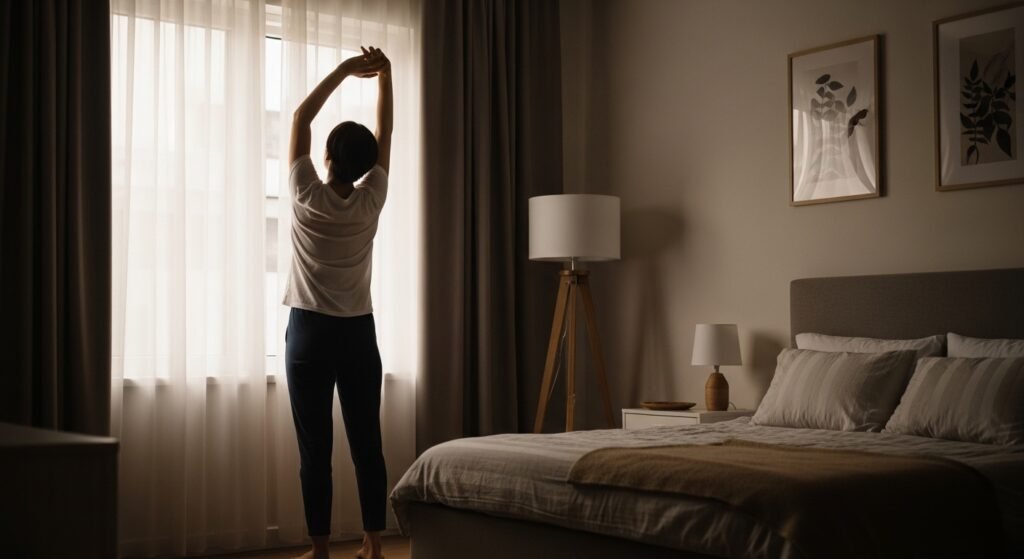
Ask slow living converts where they started and many will name the same thing: the morning. Instead of lurching from alarm to inbox, they built a small ritual, grinding coffee beans by hand, watching the sunrise, stretching for ten minutes, writing three lines in a journal. These tiny ceremonies do something disproportionate: they set the day’s tempo before the world gets a vote.
The science backs the instinct. How we spend the first hour shapes attention and stress hormones for hours afterward. A calm, phone-free morning creates a buffer of steadiness that frantic starts cannot. The ritual does not need to be elaborate or Instagram-worthy. Its power is in repetition: the same small pleasures, daily, becoming the spine of a slower life.
Disconnecting From The Digital Noise
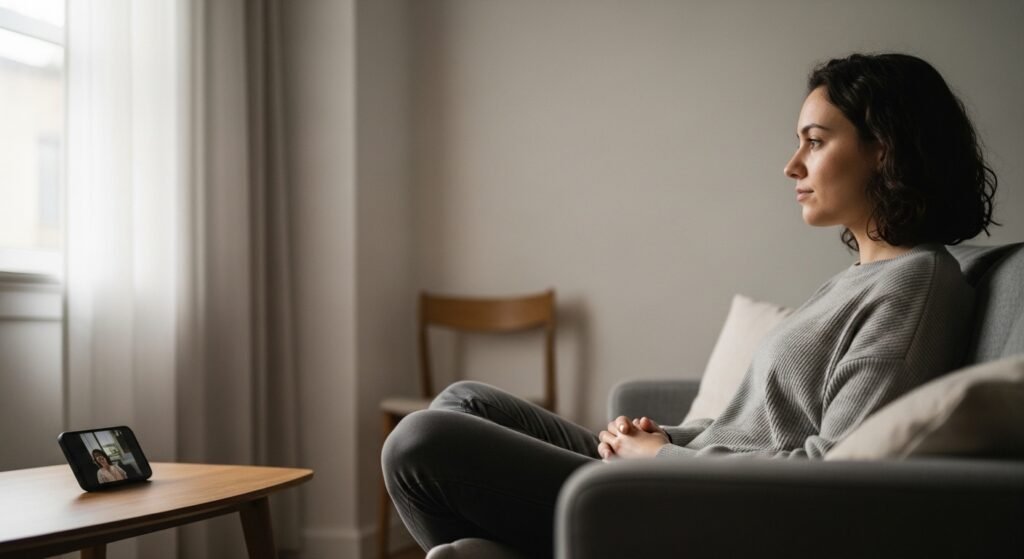
Constant notification pings have trained our nervous systems to treat ordinary life like a series of emergencies. Every buzz demands a verdict: now, now, now. Slow living’s simplest intervention is also its most powerful: put the phone in another room. For an hour, an evening, a Sunday. Reclaiming attention from the algorithm is the first step toward reclaiming time itself.
People who try regular disconnection report the same surprise: how quickly the itch fades, and how much richer the unmediated hours feel. Conversations go longer. Food tastes better. Boredom, that supposedly terrible state, turns out to be the doorway to creativity. The phone will still be there when you return. The difference is that you will have remembered you are someone apart from it.
Finding Magic In Simple Meals
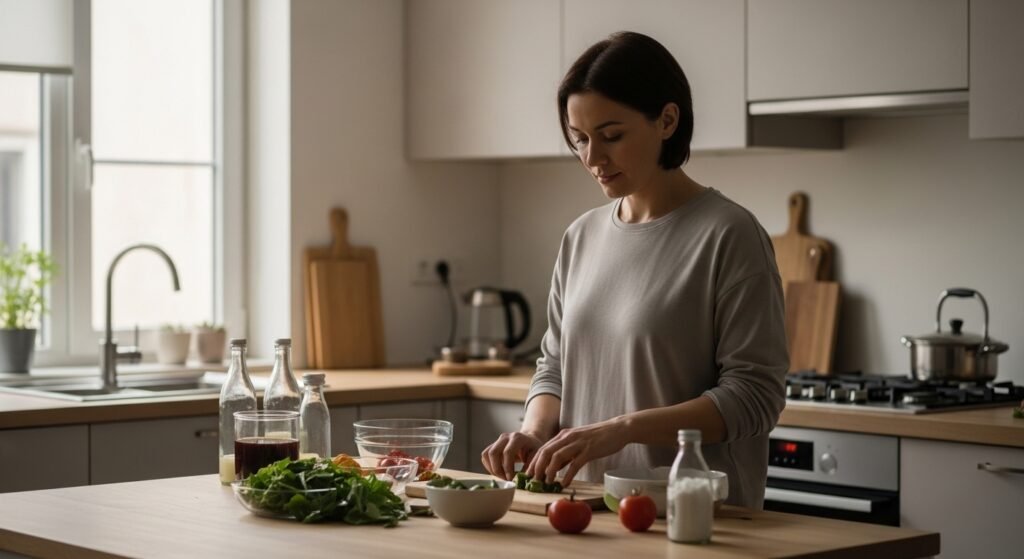
Cooking is the slow living movement’s original sacrament, and for good reason. The Slow Food philosophy that started it all insisted that a meal is not fuel but culture, pleasure, and connection. Chopping vegetables without rushing, letting a sauce simmer, setting the table with care: these acts transform even a Tuesday dinner from refueling into ritual.
There is also a quiet rebellion in cooking slowly. It rejects the entire infrastructure of hurry: the delivery app, the meal replacement, the lunch eaten over a keyboard. A home-cooked meal says that your time and your body are worth more than convenience. Eaten without screens, shared when possible, it becomes one of the day’s anchors, proof that slowness can be delicious.
The Charm Of Analog Hobbies

Gardening, knitting, woodworking, film photography, handwritten letters: the analog hobbies are back, and their appeal is precisely their inefficiency. They cannot be optimized, sped up, or multitasked. A garden grows at the speed of a garden. A letter arrives when it arrives. In a world of instant everything, that stubborn slowness is the feature, not the bug.
These pursuits also return us to our hands and bodies. Tactile, patient work quiets the anxious mind in a way scrolling never will; psychologists link hands-on hobbies to reduced stress and improved mood. And unlike digital pastimes, analog hobbies produce something real: a tomato, a scarf, a shelf, a letter someone will keep. The slowness leaves evidence.
Creating A Home That Feels Like A Sanctuary
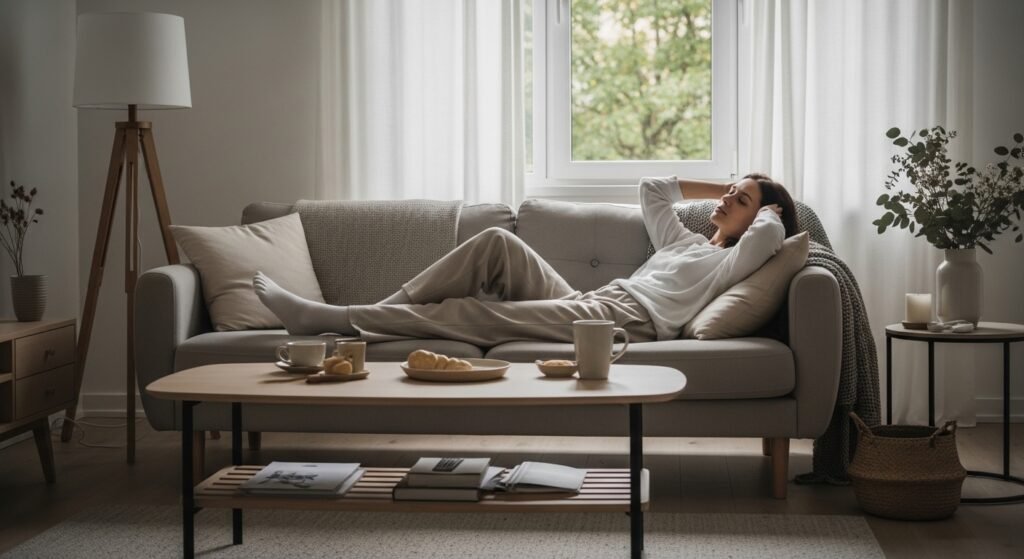
If the world outside is fast, the slow home is the counterweight. The movement has transformed how people think about their spaces: less showroom, more sanctuary. Low, warm lighting instead of overhead glare. Natural textures, wood, wool, linen, instead of cold gloss. Fewer things, each chosen with care. The goal is a home that lowers your blood pressure when you walk through the door.
This is not about interior design trends but about environmental psychology. Clutter and harsh lighting keep the nervous system on alert; calm, orderly, tactile spaces signal safety to the brain. Curating a sanctuary is slow living applied to square footage: every object earning its place, every room supporting rest rather than demanding attention.
Spending Time In The Great Outdoors
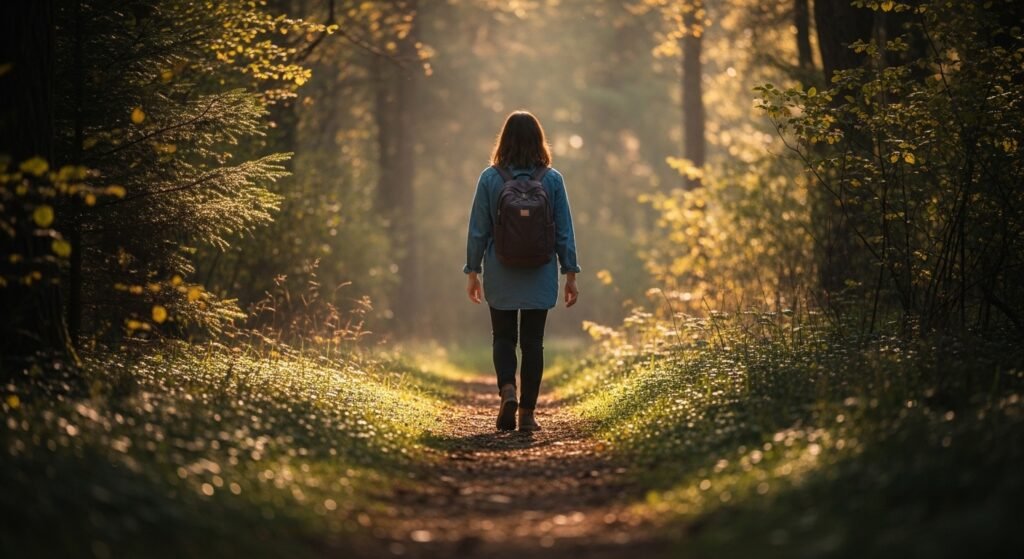
Nature is slow living’s greatest teacher, because nature has never hurried and never will. A walk in the woods, an hour by the lake, an evening watching light change on the hills: these experiences recalibrate our frantic internal clocks to a older, saner tempo. The Japanese practice of shinrin-yoku, forest bathing, has shown measurable reductions in stress hormones from unhurried time among trees.
You do not need wilderness. A city park, a community garden, a tree-lined street walked slowly instead of rushed through: the dose matters less than the attention. The instruction is simple and radical at once: go outside, leave the earbuds in your pocket, and let the pace of the living world set yours for a while.
The Art Of Saying No
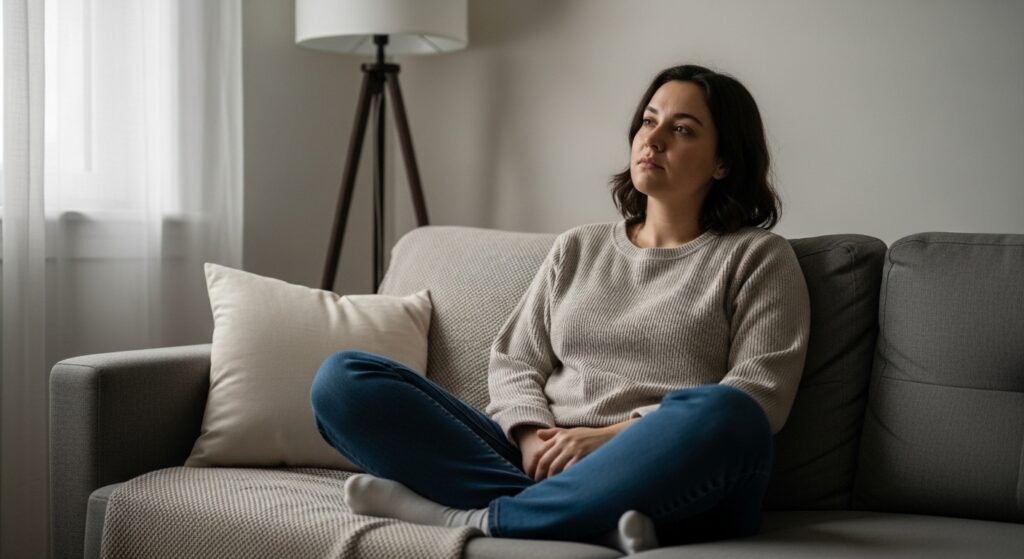
Every slow life is built on a foundation of refusals. Saying no to the extra commitment, the optional meeting, the social invitation that feels like duty: each no is a yes to something quieter, a peaceful evening, an unscheduled Saturday, an hour that belongs to no one but you. Learning to guard your time is the movement’s most essential and most difficult skill.
The difficulty is social. We fear disappointing people, missing out, seeming unambitious. But the slow living reframe is liberating: a no is not a rejection of others but a protection of what matters. The people who matter will understand. And the peace you gain will make you more present, kinder, and more generous in the commitments you do keep.
Supporting Local And Sustainable Choices
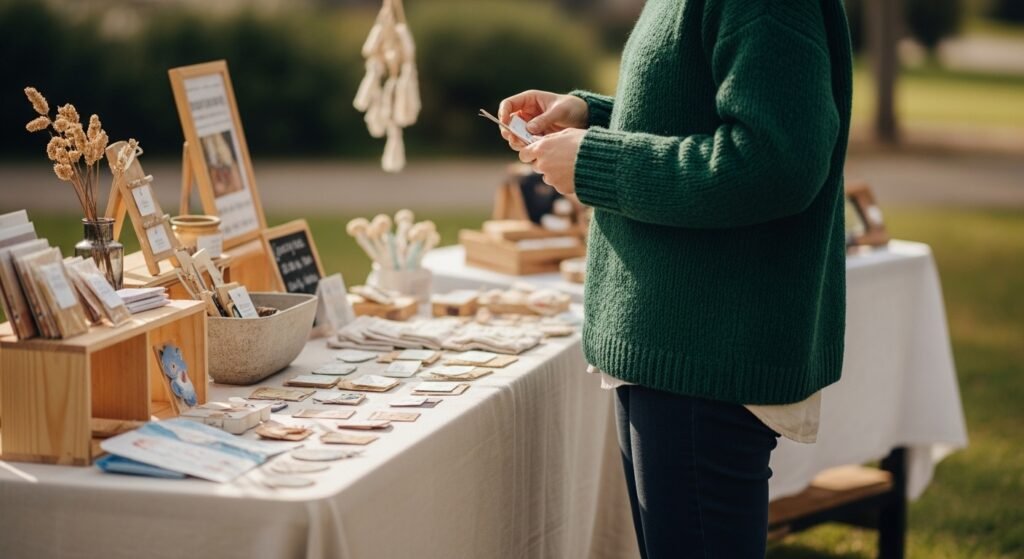
Slow living naturally extends to how we consume. The farmers’ market instead of the rushed grocery run, the local artisan instead of the overnight delivery, the repaired instead of the replaced: these choices slow down the frantic cycle of buy, discard, repeat. They reconnect us with the origins of things and the people who make them.
This is where personal philosophy meets collective impact. Slower consumption means less waste, fewer emissions, and stronger local economies. The slow living advocate would insist this is not sacrifice but upgrade: the market tomato tastes better, the artisan’s work lasts longer, and the money stays in the community. Sustainability, it turns out, is just slow living applied to the planet.
Finding Balance In A Fast World
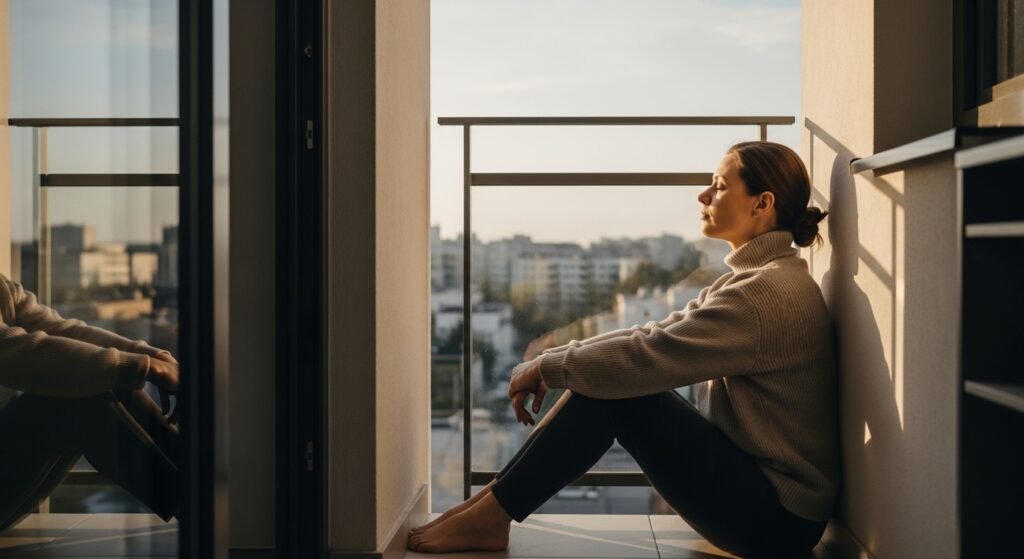
Here is the crucial clarification: slow living is not about abandoning modern life. You do not need to move to a cabin, quit your job, or smash your phone. It is about finding a personal balance that lets you use modern conveniences without being used by them. Keep the career, the city, the technology; lose the compulsion to let them set your tempo.
That balance looks different for everyone, which is why the movement resists rigid rules. For one person it is a phone-free evening; for another, a four-day week; for another, simply eating lunch away from the desk. The common thread is intentionality: choosing your pace instead of inheriting it. In a fast world, that choice is the slowest and most powerful thing of all.
How To Begin Your Slow Living Journey
Start small and start today. Pick one ritual, a morning coffee without screens, a weekly walk with no destination, one home-cooked dinner eaten slowly, and protect it for a month. Audit your yeses: cancel one commitment that drains you and notice how the freed hour feels. Put the phone to bed before you go to bed. Buy one thing from a local maker instead of a megastore.
None of these steps requires a life overhaul, and that is the point. Slow living is not a destination you arrive at but a direction you face, one small refusal of hurry at a time. The world will keep spinning fast. You get to choose whether you spin with it, or step gently to the side and watch it go, coffee in hand, in no rush at all.