Sarah Grey
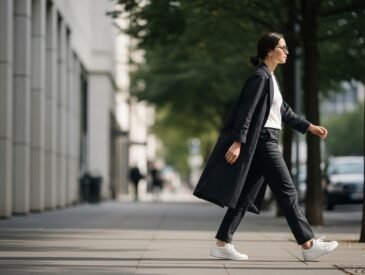
For decades, the fitness industry sold Americans a simple story: real exercise meant going all in. You joined a gym, hired a trainer, signed up for grueling boot camps, or trained for a marathon. Anything less was barely worth counting. But in 2026, that narrative is being rewritten by the most unassuming workout imaginable: walking. Across the country, millions of Americans are lacing up their sneakers and discovering that putting one foot in front of the other might be the most sustainable, enjoyable, and effective fitness habit they have ever adopted.
The numbers tell a remarkable story. Walking groups are forming in every city. Step-count challenges are going viral on social media. Treadmill walking workouts have become a content genre unto themselves. Corporate wellness programs are organizing lunchtime walks. What was once dismissed as too easy to count as exercise is now recognized as a legitimate, science-backed path to better health. Here is why walking workouts are exploding in popularity across America in 2026.
A Return to Simplicity

After years of increasingly complex fitness trends, from high-intensity interval training to elaborate boutique class formats, many Americans are craving simplicity. Walking requires no special equipment, no membership, no app subscription, and no learning curve. You step outside and you go. This radical accessibility is precisely its power. In a world where fitness can feel exclusive and intimidating, walking welcomes everyone.
The simplicity also removes the most common barriers to exercise. There is no commute to a gym, no need to coordinate schedules with class times, no expensive gear to buy. You can walk in your neighborhood, at a local park, on a treadmill, or even around your office building. This frictionless quality means people actually do it consistently, and consistency, as every exercise scientist will tell you, matters far more than intensity when it comes to long-term health outcomes.
Busy Schedules Need Flexible Fitness

The modern American schedule is relentless. Between work demands, family obligations, and the constant pull of digital life, finding an uninterrupted hour for the gym can feel impossible. Walking workouts solve this problem elegantly because they can be broken into small, flexible segments. A 15-minute walk at lunch, a 20-minute stroll after dinner, a quick loop around the block between meetings: it all counts, and it all adds up.
Research supports the effectiveness of accumulated activity. Studies show that multiple short bouts of walking throughout the day can deliver health benefits comparable to a single longer session. This is liberating for busy people who have internalized the idea that exercise only counts if it is a dedicated, sweaty, hour-long event. Walking reframes fitness as something woven into the fabric of daily life rather than a separate obligation competing for scarce time.
Lower Pressure, More Consistency

High-intensity fitness programs have a dirty secret: most people quit them. The dropout rates for intense exercise regimens are strikingly high, often because the workouts are punishing, the soreness is discouraging, and the time demands are unsustainable. Walking flips this dynamic. Because it is enjoyable rather than grueling, people stick with it. And in fitness, adherence beats intensity every time.
The psychology here is straightforward. When exercise feels like punishment, we avoid it. When it feels like a pleasant break, we seek it out. Walking occupies a sweet spot: it is active enough to deliver real cardiovascular and metabolic benefits, but gentle enough that it never feels dreadful. Many walkers report that their daily walk becomes the highlight of their day rather than a chore to endure. That positive association is the foundation of a lifelong habit.
Social Media Has Made It Trendy

It is impossible to discuss the walking boom without acknowledging social media’s role. TikTok and Instagram are filled with walking content: hot girl walk routines, treadmill stride workouts, 10,000-step challenges, and scenic route tours. Creators have transformed walking from a mundane activity into a lifestyle aesthetic, complete with curated playlists, stylish athleisure, and community accountability.
This social media visibility matters because it normalizes and celebrates walking. When millions of people share their walking routines, it signals that this is not a lesser form of exercise but a legitimate and even aspirational one. The community aspect is powerful too. Online walking challenges create gentle peer accountability, and the shared experience of working toward step goals fosters connection. What starts as a trend often becomes a habit, and social media has been an effective on-ramp.
It Feels More Inclusive

Gym culture, for all its benefits, can feel exclusionary. The mirrors, the complex equipment, the unspoken etiquette, and the presence of extremely fit regulars can intimidate beginners, older adults, and anyone who does not fit the stereotypical exerciser mold. Walking has none of these barriers. There is no wrong way to do it, no special clothing required, and no audience judging your form.
This inclusivity is one of walking’s greatest strengths. People of all ages, body types, and fitness levels can participate together. A grandparent, a parent, and a child can all enjoy the same walk at their own pace. Someone recovering from an injury or managing a chronic condition can start with short, gentle strolls and build gradually. By removing the intimidation factor, walking opens the door to fitness for millions who felt locked out of traditional exercise spaces.
Outdoor Spaces Are Being Reimagined

Cities and suburbs across America are investing in walkability like never before. New trails, greenways, pedestrian bridges, and revitalized waterfronts are creating inviting spaces that practically beg to be walked. Urban planners have recognized that walkable communities are healthier, happier, and more economically vibrant, and the infrastructure is catching up to that understanding.
These investments create a virtuous cycle. Better walking infrastructure encourages more people to walk, which builds political support for further improvements. A scenic trail or a safe, pleasant sidewalk can be the difference between someone walking regularly and not walking at all. As American communities become more walkable, the walking workout trend gains physical spaces that sustain it, turning a fitness fad into a lasting feature of daily life.
It Matches Well With Everyday Life

One of walking’s underappreciated advantages is how easily it combines with other activities. You can take phone calls while walking, listen to podcasts or audiobooks, brainstorm ideas, or simply decompress. Walking meetings have become increasingly popular in corporate America, with participants reporting better creativity and engagement than in conference room settings. The activity enhances rather than interrupts the rest of life.
This multitasking compatibility means walking does not feel like time stolen from other priorities. A parent can walk while a child rides a bike alongside. A professional can review notes via audio while getting steps in. A friend group can catch up on a walk instead of sitting at a restaurant. By integrating with rather than competing against daily life, walking achieves something rare in fitness: it adds energy and time rather than consuming them.
The Role of Work-From-Home Culture

The rise of remote and hybrid work has fundamentally changed how Americans move during the day. Without commutes, office hallways, and lunch outings, many remote workers found themselves alarmingly sedentary, sometimes going entire days with barely a thousand steps. Walking workouts emerged as the natural antidote: a deliberate, enjoyable way to reintroduce movement into a home-based routine.
Remote workers have embraced walking with particular enthusiasm because it solves multiple problems at once. A midday walk breaks up long hours of sitting, provides a mental reset that improves afternoon focus, and offers a reason to leave the house and experience the outside world. Many report that their daily walk has become an essential boundary between work mode and personal time, a ritual that protects both their health and their sanity in the work-from-home era.
It Feels Gentler on the Body

Not everyone can or wants to run, jump, or lift heavy weights, and that is perfectly fine. Walking is a low-impact activity that is kind to joints, making it accessible to older adults, people carrying extra weight, those recovering from injuries, and anyone who finds high-impact exercise uncomfortable. This gentleness is not a weakness. It is the reason walking can be sustained for decades.
Despite its gentleness, walking delivers substantial health benefits. Regular brisk walking improves cardiovascular fitness, helps manage blood sugar and blood pressure, supports healthy weight, strengthens bones, and boosts mood. Studies consistently show that walkers enjoy significantly better health outcomes than sedentary individuals. The message is empowering: you do not need to punish your body to improve your health. Consistent, moderate movement is remarkably powerful medicine.
It Encourages Time Outside

In an age of screens, walking is one of the most reliable ways to get outside, and time outdoors carries its own set of benefits. Sunlight exposure helps regulate sleep cycles and boosts vitamin D. Natural settings reduce stress and mental fatigue. Even a walk through an urban neighborhood provides changing scenery, fresh air, and a break from the artificial environments where we spend most of our time.
Many walkers describe their daily outing as a form of moving meditation, a chance to think, observe, and simply be present. The rhythmic, repetitive nature of walking has a calming effect on the nervous system, and the change of environment stimulates the mind. In 2026, as Americans increasingly recognize the costs of a fully indoor, fully digital life, the humble walk has become a powerful act of reconnection: with our bodies, our neighborhoods, and the natural world.
The walking workout boom is more than a fitness trend. It is a cultural correction, a collective realization that health does not require suffering, that consistency beats intensity, and that the simplest solutions are often the best ones. So lace up your shoes, step outside, and join the millions of Americans who have discovered that the path to better health might just be a walk away.