
 Sarah Grey
My mornings used to be a disaster movie in miniature: jolting awake to a blaring phone alarm, snoozing three times, scrolling through bad news with one eye open, then sprinting through a shower and out the door with coffee sloshing and my shirt inside out. By 9 a.m. I was already exhausted, already behind, already reactive. I knew something had to change, so I rebuilt my mornings from scratch with nine simple habits. No 4 a.m. wake-ups, no ice baths, no complicated protocols. Just small, human changes. Within two weeks, my entire day felt different. Here is exactly what I did.
The Power Of Natural Morning Light

The first thing I do now is open the blinds. Before coffee, before the phone, before anything. Morning sunlight is the most powerful signal for your circadian rhythm, the internal clock that controls sleep, energy, and hormones. Light hitting your eyes early triggers a healthy cortisol awakening response that makes you alert, and it starts a timer for melatonin release roughly fourteen hours later, which is what makes you sleepy at night.
Outdoor light is dramatically brighter than indoor lighting, even on cloudy days, which is why I step onto the porch for a few minutes when I can. The effect on my energy was noticeable within days: less grogginess, more natural alertness, and better sleep at night as a bonus. It costs nothing, takes two minutes, and works better than any supplement. Light is the original morning hack.
Hydration Before Your First Caffeine Fix

You wake up mildly dehydrated every morning after seven to eight hours without water. I used to pour coffee into that dehydration, which is like trying to start a car with no oil. Now I drink a large glass of water first and wait about thirty minutes before coffee. The water wakes up my system more gently, and the coffee works better when it arrives.
I keep the glass by the bathroom sink so there is no friction. The habit took three days to stick and immediately reduced my morning headaches, which I had not even connected to dehydration. Your body spent the night doing repair work without any water. Give it some before you ask it to perform.
Making The Bed For Early Success
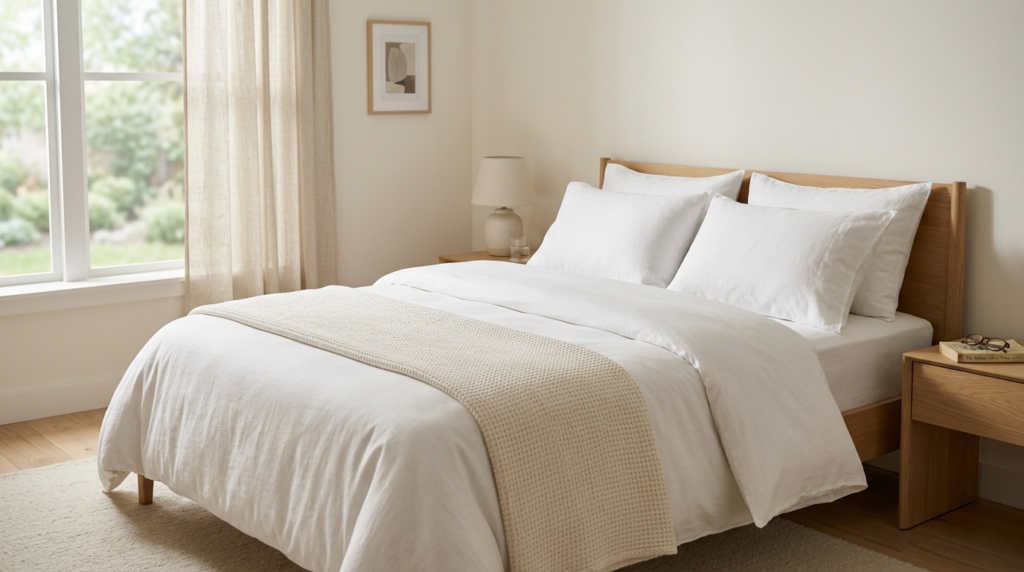
Making the bed takes ninety seconds and delivers the day’s first completed task. It sounds absurdly small, but the psychology is real: starting the day with one finished task creates momentum and a sense of order. Naval Admiral William McRaven famously argued that making your bed is the first step to changing the world, because small disciplines compound into larger ones.
Beyond the psychology, a made bed transforms the bedroom. Coming home to a tidy room instead of a tangle of sheets genuinely lowers evening stress. And on the worst days, when everything goes wrong, you still return to a bed that is made. It is a small act of self-respect that pays off twice: once in the morning, once at night.
Swapping The Scroll For Stillness
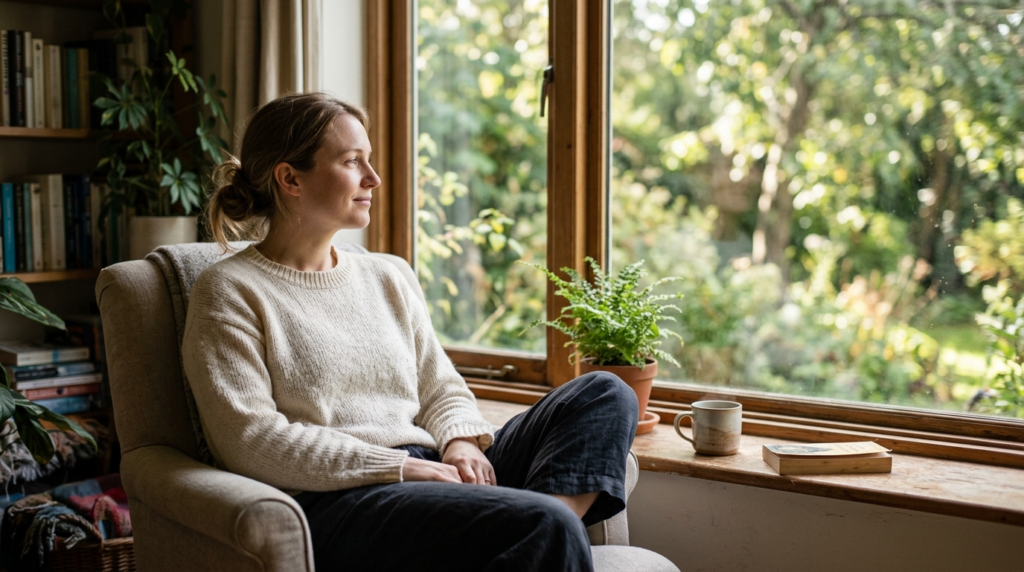
I stopped checking my phone for the first thirty minutes after waking. No news, no social media, no email. This was the hardest habit and the most transformative. Starting the day with the feed meant starting it in reactive mode: other people’s priorities, other people’s emotions, other people’s highlight reels setting the tone before I had a single thought of my own.
The stillness that replaced it felt strange at first, then luxurious. I used the time for the other habits on this list, and my mornings expanded. My attention, no longer fragmented by 7 a.m., stayed sharper through the whole day. Researchers studying attention have found that early reactive tasks like email put the brain in a responsive mode that persists for hours. Guarding the first thirty minutes guards the focus of the entire day.
Preparing The Outfit The Night Before
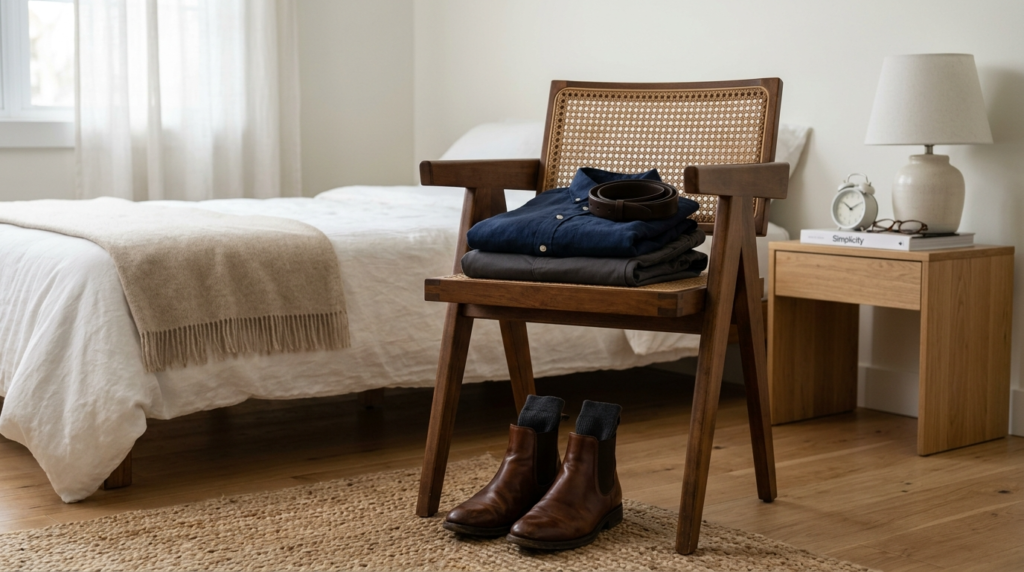
Decision fatigue is real: every choice you make depletes a little mental energy, and mornings should not spend it on wardrobe crises. Laying out clothes the night before eliminates the standing-in-a-towel staring at the closet routine. It takes five minutes in the evening when you are relaxed, and saves ten frantic minutes in the morning when you are not.
I check the weather while choosing, which prevents the wrong-jacket regret, and I lay out everything including shoes and accessories. The evening version of me makes better decisions than the half-awake morning version. This tiny habit removed one of the most stressful parts of my morning and replaced it with the calm of already knowing.
Cleansing The Face With Cold Water

A splash of cold water on the face is the fastest wake-up signal in existence. The cold triggers an alertness response: heart rate increases slightly, blood vessels constrict, and the fog lifts. It also reduces morning puffiness, since cold constricts the blood vessels that contribute to swelling around the eyes.
I finish with cold water even after a warm wash. It is bracing for exactly three seconds, then invigorating. Combined with the morning light and the water I drink, the cold splash completes a trio of physical wake-up signals that no alarm snooze can match. Some mornings it is the only thing standing between me and going back to bed, and it has never lost.
The Calm Of A Tidy Kitchen

I started cleaning the kitchen every night before bed: dishes done, counters wiped, coffee ready to brew. Waking up to a clean kitchen instead of last night’s mess changes the emotional tone of the morning completely. Environmental psychology research has found that cluttered spaces increase stress hormones, while orderly environments promote calm and focus.
The evening cleanup takes ten minutes and feels like a gift to my future self. Mornings now begin with clear counters and a ready coffee maker instead of a guilt-inducing mess. It is a small discipline with an outsized emotional return. Your environment is the invisible hand shaping your mood. Make it a tidy one.
Using A Traditional Alarm Clock
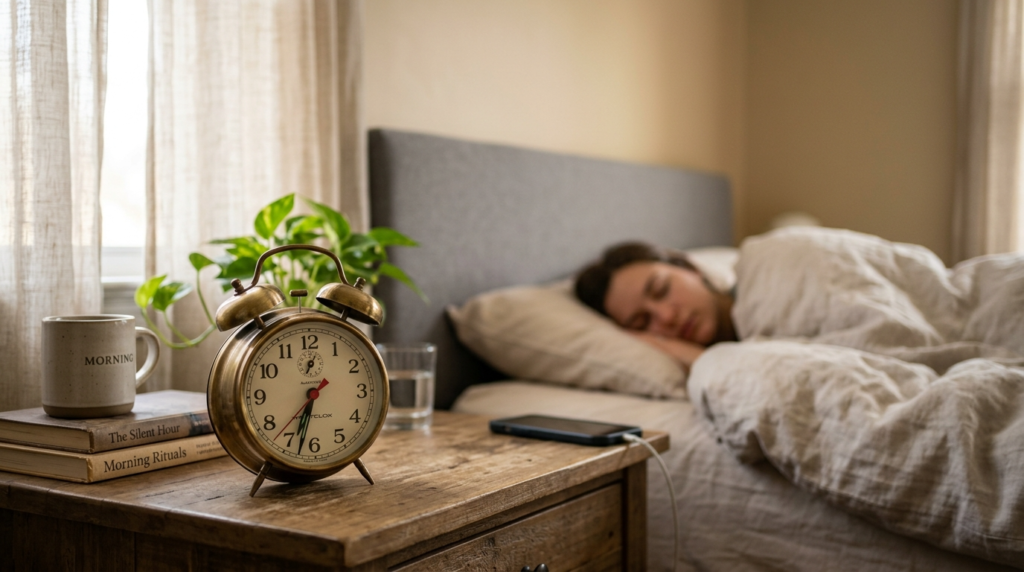
I bought a ten-dollar alarm clock and banished the phone from the bedroom. This single change enabled half the habits on this list: no phone means no morning scroll, no late-night scrolling, and no 2 a.m. notification anxiety. The phone now charges in the kitchen, and my bedroom is a sleep sanctuary instead of a notification center.
My sleep improved within days. Without the temptation of one more scroll, I fell asleep faster. Without the phone as an alarm, the snooze button lost its power, because getting up to silence a real alarm clock breaks the half-asleep snooze cycle. It is the cheapest, highest-impact purchase I have made in years. Ten dollars for better sleep and calmer mornings is the deal of the century.
Stepping Outside For Fresh Air

A few minutes outside every morning, breathing actual fresh air, is the habit that ties everything together. The light resets my clock, the air clears the sleep fog, and the brief change of scenery marks a psychological transition from rest to readiness. Even two minutes on the porch with my water glass counts.
On days when I can manage a short walk, the benefits multiply: gentle movement, more light, and a head start on daily activity. But even the minimal version works. The outdoors is the original stimulant, free and without side effects. Step outside before the day starts, and the day starts better.
Writing Down Three Priorities
Before the day begins, I write down my three most important tasks on a small notepad. Not a sprawling to-do list, just three things that would make the day feel successful. This tiny planning ritual takes two minutes and gives the whole day direction. Without it, I used to spend the morning reacting to whatever seemed loudest. With it, I start with intention instead of reaction.
The limit of three is deliberate. It forces real prioritization instead of wishful listing. On overwhelming days, three priorities keep me from freezing up. On easy days, finishing all three by lunch creates momentum that carries into the afternoon. Paper works better than an app for this: the physical act of writing helps commit the plan to memory, and crossing items off with a pen is deeply satisfying. Two minutes of planning saves hours of drifting.
Mornings Are Built, Not Found
Two months into these habits, my days feel fundamentally different. I am calmer, more focused, and more in control, not because I became a different person, but because I designed different mornings. None of these habits is dramatic. Light, water, a made bed, no phone, clothes laid out, cold water, a clean kitchen, a real alarm clock, fresh air, and three written priorities. Together, they transformed the first hour, and the first hour transformed everything after it.
Start with one. Just one. The easiest one, the one that made you nod while reading. Do it for a week, then add another. Mornings are not a personality trait you either have or do not have. They are a system you build, one small habit at a time. Build yours, and watch the whole day follow.