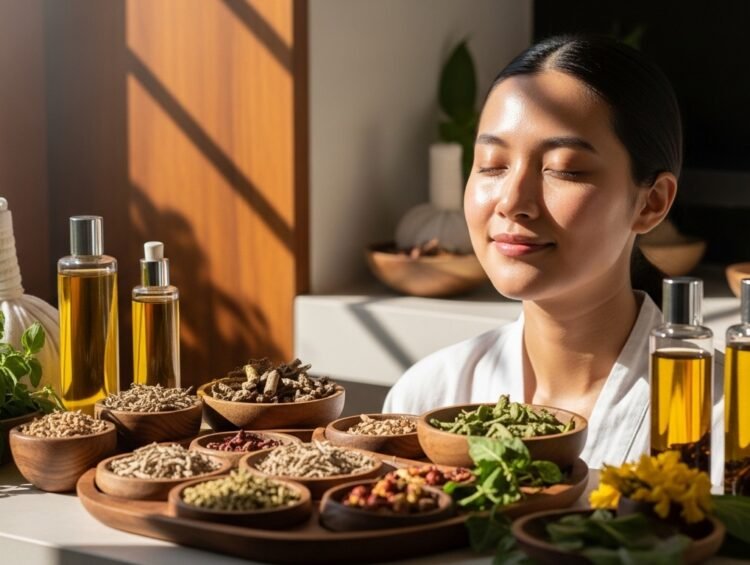
 Sarah Grey
Scroll through social media today and a quiet revolution is visible: young adults trading twelve-step routines and harsh actives for turmeric masks, warm oil massages, and copper tongue scrapers. Ayurveda, the 3,000-year-old Indian system of wellness whose name comes from the Sanskrit words ayur (life) and veda (knowledge), has become Gen Z’s unexpected beauty obsession. It is slow in a fast world, natural in a synthetic market, and holistic where modern beauty is often fragmented.
The attraction runs deeper than aesthetics. Raised amid climate anxiety, ingredient scandals, and filter fatigue, Gen Z brings a researcher’s mindset to beauty: they read labels, question claims, and value transparency. Ayurveda answers with plant-based formulas used for centuries, rituals that double as mindfulness, and a philosophy that treats skin as a reflection of overall balance rather than a problem to fix. This is not nostalgia; it is a deliberate choice of a different beauty logic. Here is what is driving the trend.
Holistic Skin Philosophy
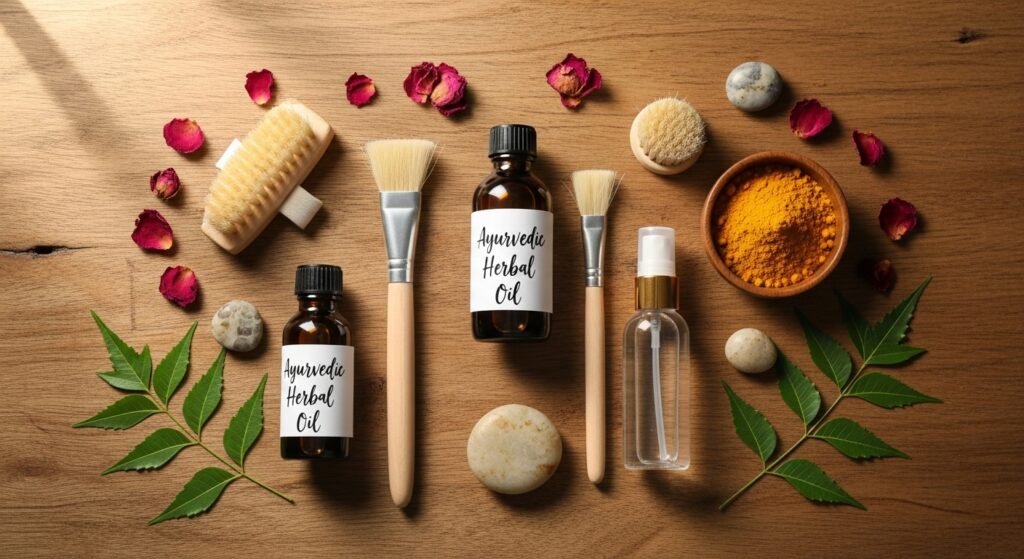
Ayurveda sees beauty as the visible result of inner harmony. Rather than isolating a blemish or a wrinkle, it asks about diet, sleep, digestion, and stress, on the theory that skin reflects the state of the whole system. The traditional framework describes three doshas, or constitutions, Vata, Pitta, and Kapha, each with different skin tendencies and care needs. A Pitta type prone to redness and sensitivity, for example, is guided toward cooling ingredients like rose and sandalwood.
This resonates with a generation skeptical of one-size-fits-all solutions. Instead of chasing the newest viral serum, Ayurvedic thinking encourages understanding your own patterns first. The approach feels personal and empowering: your skin is not misbehaving, it is communicating. For young people exhausted by conflicting beauty advice, that reframe is genuinely liberating.
Trust in Time-Tested Ingredients
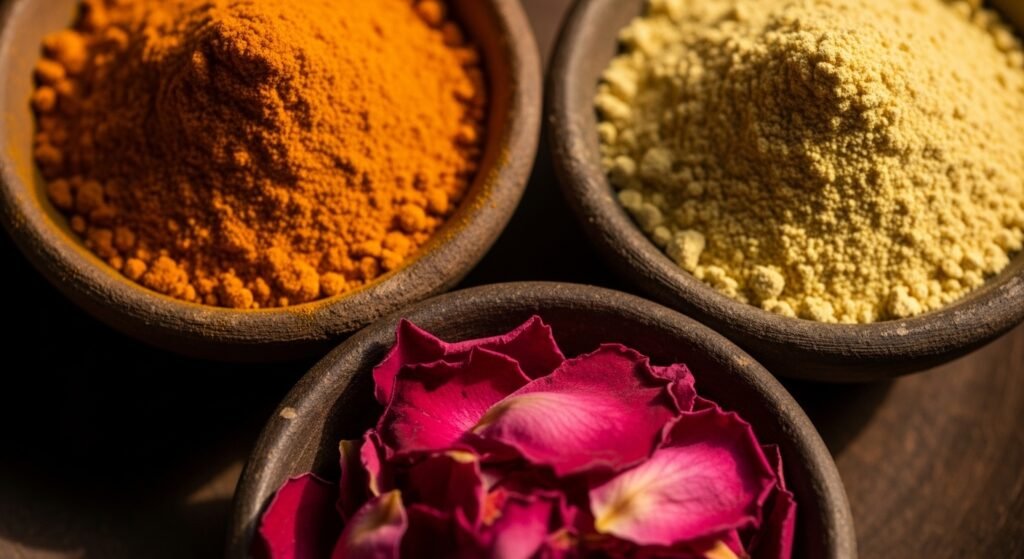
Turmeric, sandalwood, rose water, neem, and amla have been used on skin for centuries, and that track record matters to ingredient-conscious consumers. Turmeric’s active compound, curcumin, has been studied for anti-inflammatory properties; amla, or Indian gooseberry, is exceptionally rich in vitamin C; neem has a long folk history for troubled skin. These are not mystery chemicals but kitchen and garden staples with generations of use behind them.
There is also an emotional logic: many young South Asian consumers grew up watching grandmothers apply turmeric-and-yogurt ubtan masks before weddings, and that inherited trust now extends to peers discovering the ingredients fresh. In a market where new actives launch monthly with bold claims, the appeal of something your grandmother vouches for is powerful. Tradition, here, functions as the original clinical trial.
Simplicity Over Overload
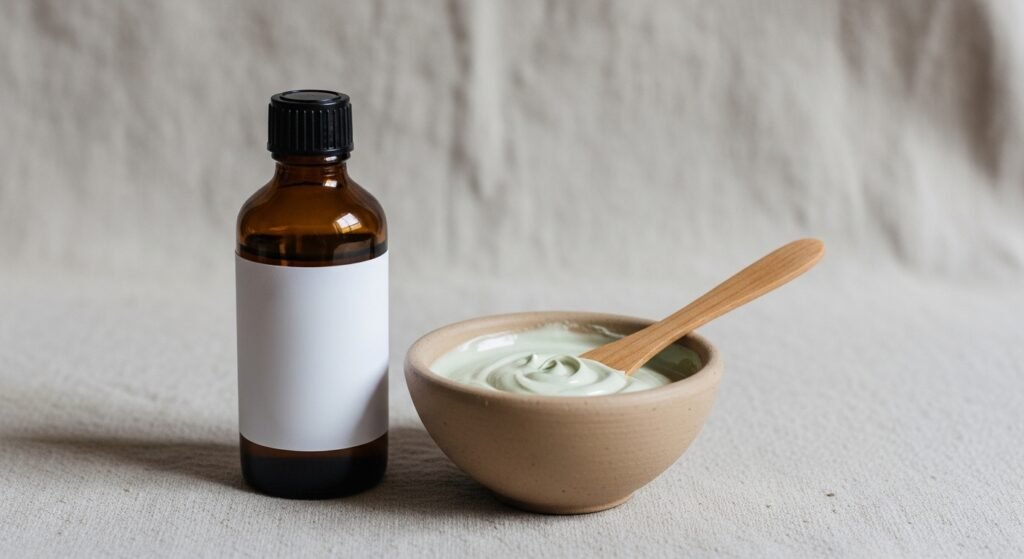
The ten-step routine is losing its grip. Dermatologists have long warned that layering multiple actives can damage the skin barrier, causing the very irritation people are trying to treat, and Gen Z got the message. The parallel trend of skinimalism, fewer products, gentler formulas, dovetails perfectly with Ayurvedic practice, which traditionally centers on a few multipurpose staples: a cleansing oil, an herbal mask, a nourishing face oil.
A basic Ayurvedic-inspired routine might be just this: massage with a plant oil to cleanse, a weekly ubtan mask of gram flour, turmeric, and yogurt for gentle exfoliation, and a light facial oil to seal in moisture. Three steps, recognizable ingredients, minimal packaging. For a generation decluttering their shelves and their minds, that restraint feels like relief.
Rituals That Slow Down Time
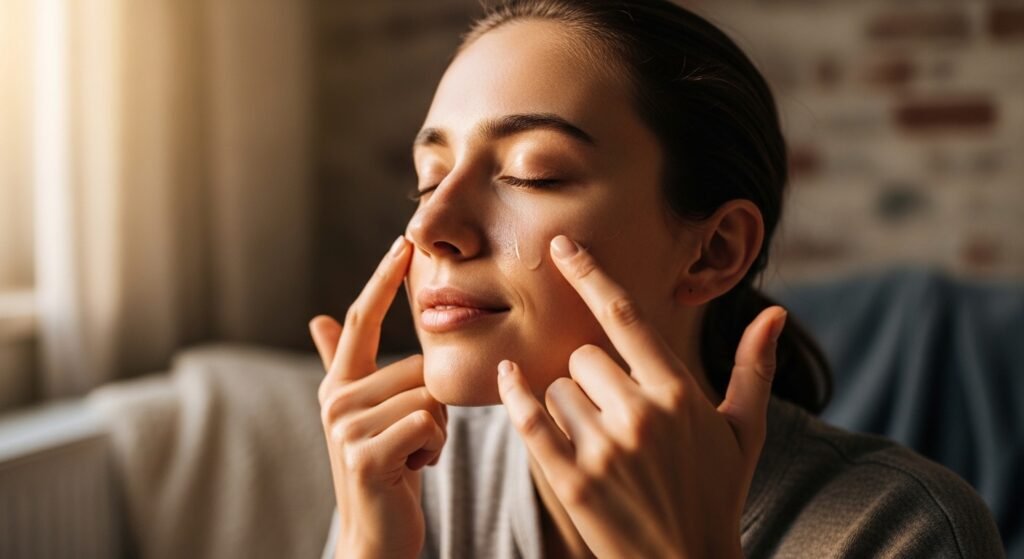
Daily facial oiling or a weekly scalp massage with warm oil turns skincare into a mindfulness practice. The unhurried, repetitive motions, massaging the jaw, pressing oil into the scalp, force a pause that no serum applied in thirty seconds can provide. In Ayurveda, these rituals are explicitly meant to calm the nervous system, not just the skin.
For a generation reporting record levels of anxiety, that framing matters enormously. Ten quiet minutes of self-massage become a genuine stress-management tool, a small daily ceremony of care in a life of notifications. The glow that follows is partly the oil, but mostly the relaxation. Beauty as a side effect of calm is a compelling proposition.
Focus on Natural Glow

Where much of modern beauty chases coverage, Ayurvedic care chases luminosity from within. Gentle exfoliation with gram-flour ubtan, nourishing oils like kumkumadi (a traditional saffron-infused facial oil blend), and rose water toning aim to improve the skin’s own texture and tone rather than mask it. The goal is the lit-from-within look that no highlighter quite replicates.
This aligns with the broader cultural shift away from heavy makeup toward skin confidence. As filters fall out of favor and real skin becomes aspirational, practices that genuinely improve skin quality beat products that merely conceal. The Ayurvedic glow is slow-earned, which is precisely why it photographs as authentic.
Connection to Cultural Roots
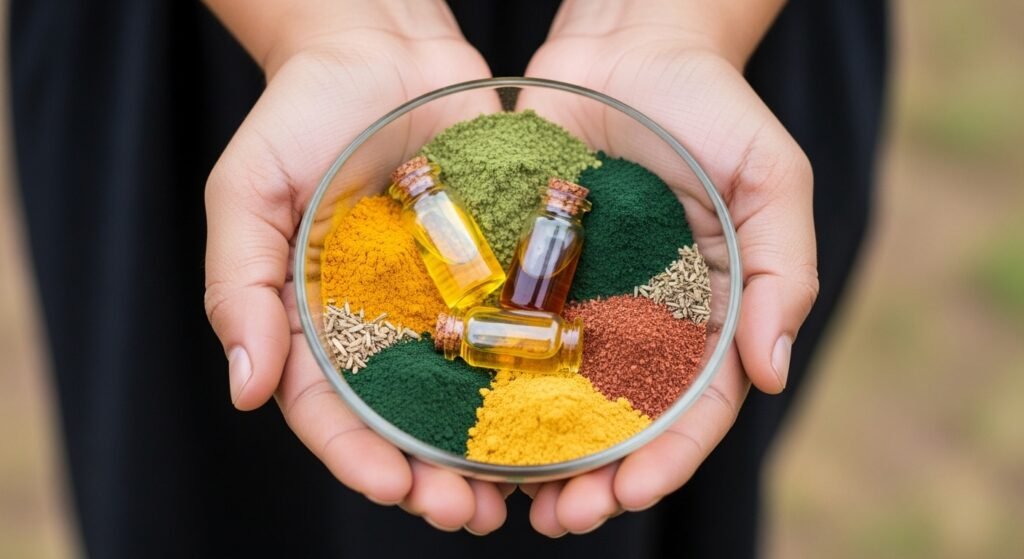
For many young people of South Asian heritage, practicing Ayurveda is a homecoming. The same ingredients their families used, once dismissed as old-fashioned beside Western cosmetics, are now celebrated globally. Reclaiming these traditions builds cultural pride and continuity, turning a beauty routine into an act of identity.
This dynamic also pushes the industry toward more respectful engagement: crediting origins, supporting South Asian-founded brands like Forest Essentials and Kama Ayurveda, and distinguishing appreciation from appropriation. Gen Z consumers notice who tells the story and who profits from it, and they reward brands that honor the source. The trend’s depth comes from this rootedness; it is a living tradition, not a borrowed aesthetic.
Clean Beauty Awareness

Ingredient literacy is at an all-time high. Young shoppers scan labels for parabens, sulfates, synthetic fragrance, and drying alcohols, and they share findings widely. Plant-based Ayurvedic formulations, with short, pronounceable ingredient lists, fit this transparency demand naturally. When a face oil lists just sesame oil, saffron, and sandalwood, there is nothing to hide.
Caution is still warranted: natural does not automatically mean safe or effective for everyone (turmeric stains, essential oils can irritate), and traditional claims deserve the same scrutiny as lab-made ones. But the direction of travel is clear. Consumers want to understand what they put on their skin, and botanical traditions offer a legible starting point that synthetic chemistry often does not.
Stress Relief Through Self-Massage

Abhyanga, the Ayurvedic practice of warm oil self-massage, is prescribed traditionally as a daily ritual for calming the nervous system and nourishing the tissues. The technique is simple: warm a natural oil (sesame is traditional), massage it into the skin with long strokes on limbs and circular motions on joints, rest briefly, then bathe. Practitioners describe deep relaxation and improved sleep.
Modern research on massage supports the stress-reduction claims in general terms: massage therapy is associated with lower cortisol and self-reported anxiety. Whether or not one accepts the full traditional framework, the practice delivers what overstimulated young adults crave, embodied calm. It reframes self-care from consumption (buying another product) to action (ten minutes of touch), a meaningful shift.
Seasonal Adaptability
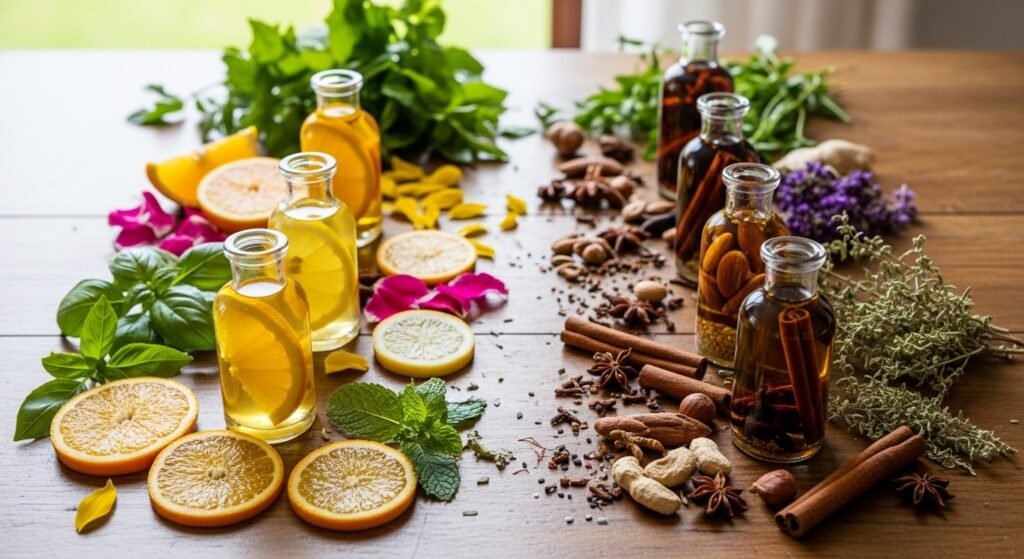
Ayurveda has always adjusted routines to season and constitution, a concept modern beauty is only now embracing. The traditional guidance is intuitive: lighter oils like jojoba or grapeseed in humid summers, richer blends with sesame or almond in dry winters, warming spices when it is cold, cooling rose and sandalwood when it is hot. The routine flexes instead of staying rigid year-round.
This seasonal intelligence feels refreshingly sane next to marketing that sells the same heavy cream for August and January. It also teaches attentiveness: noticing how your skin responds to weather builds the body literacy that underpins the whole philosophy. Adapting with the seasons turns skincare into an ongoing conversation rather than a fixed prescription.
Emphasis on Inner Wellness

In Ayurveda, clear skin is considered a byproduct of good digestion, balanced nutrition, adequate sleep, and managed stress. The tradition pairs external rituals with internal support: warm herbal teas like cumin-coriander-fennel blends, cooked whole foods suited to one’s constitution, and adaptogenic herbs like ashwagandha, which modern studies have linked to reduced cortisol in stressed adults. Beauty starts in the kitchen as much as at the vanity.
This inside-out view validates what dermatologists increasingly confirm: that diet, sleep, and stress visibly affect skin. For Gen Z, already fluent in gut-health and sleep-hygiene discourse, the Ayurvedic emphasis on inner wellness slots neatly into existing habits. The glow-up becomes a whole-life project, which is both more demanding and more honest than any single product promise.
Sustainable Lifestyle Choices
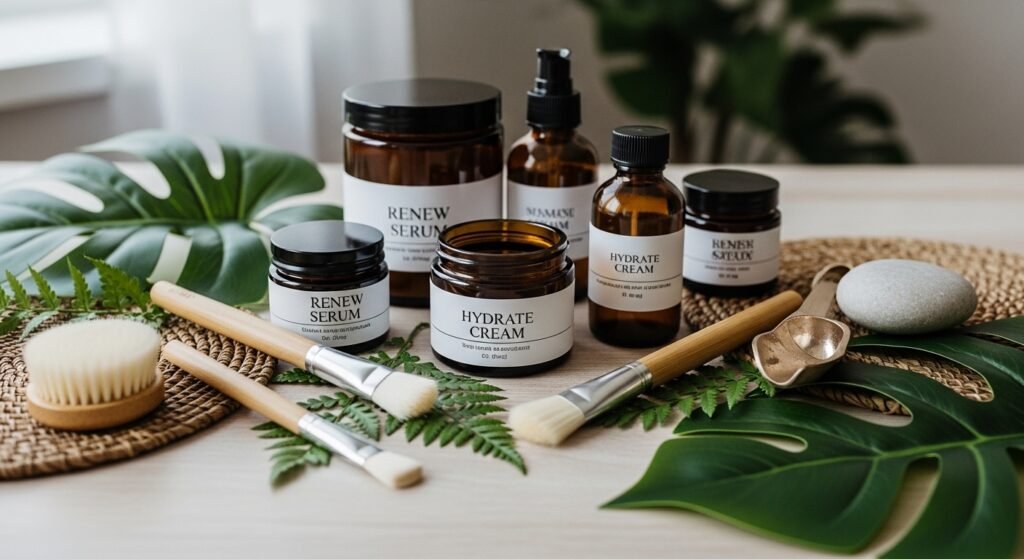
Ayurvedic beauty is inherently low-waste: bulk oils in glass bottles, powdered masks mixed fresh at home, ingredients that biodegrade. Compared with the beauty industry’s packaging crisis, multi-step routines in plastic pumps, single-use sheet masks, constant launches, the traditional approach looks radically sustainable. Fewer products, simpler packaging, refillable staples.
This ecological fit may be the trend’s strongest lock-in. Gen Z’s purchasing is heavily values-driven, and a beauty philosophy that is gentle on skin and planet simultaneously resolves a real tension. The shift is subtle but significant: from expressing identity through consumption to expressing it through practice. Responsibility becomes part of the ritual, not an afterthought.
A Thoughtful Way Forward
Gen Z’s embrace of Ayurvedic beauty is not a rejection of science but an expansion of what counts as wisdom. The most thoughtful adopters blend both: they patch-test traditional ingredients, consult dermatologists about their skin concerns, and use Ayurvedic rituals for the calm and care they reliably deliver. Tradition provides the philosophy; modern knowledge provides the safety checks.
Whether the trend endures as Ayurveda or dissolves into the broader clean-beauty movement, its core insights seem durable: fewer, better products; rituals over routines; inner balance as the foundation of outer glow; and respect for the traditions being borrowed. That is a glow-up philosophy with staying power, whatever the next trend cycle brings.