 Sarah Grey
Scrambled eggs look like the simplest dish in the kitchen, and that is exactly why so many plates disappoint. Dry and crumbly, pale and watery, or rubbery enough to bounce: the difference between mediocre and magnificent comes down to a handful of small decisions made before and during the three minutes of cooking. Temperature, timing, equipment, and technique matter far more than most cooks expect.
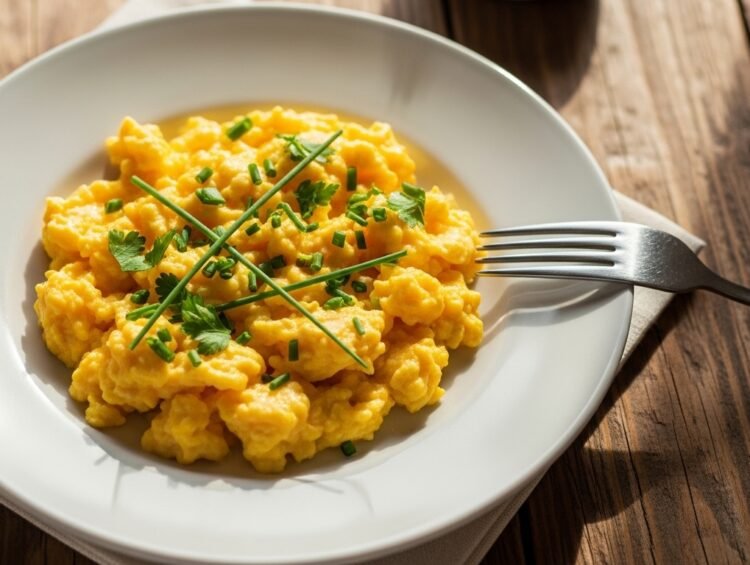
A perfect scramble is soft and custardy, with large, pillowy curds that are just set but still glistening. It should taste rich and delicate, never browned or tough. The good news is that no fancy equipment is required, just attention and a willingness to slow down. These eleven secrets will transform your scrambled eggs from an afterthought into the best thing on the breakfast table.
Choose Fresh Eggs
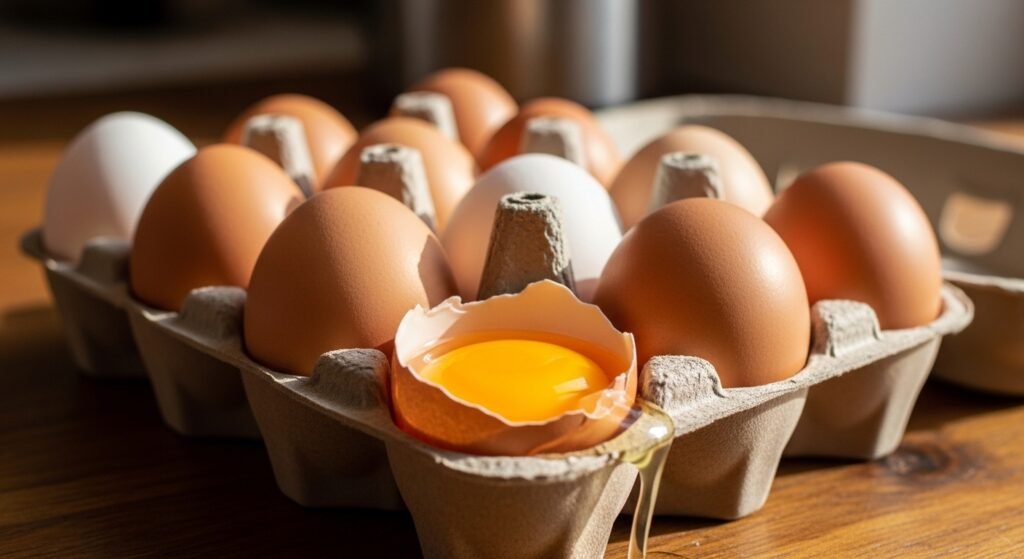
Everything starts with the egg itself. In a fresh egg, the yolk stands tall and domed while the white stays compact and gel-like around it; as eggs age, the whites thin out and spread, which makes for flatter, less luxurious curds. Check the pack date when buying, store eggs in their carton in the coldest part of the fridge rather than the door, and use them within three to five weeks for the best texture.
The classic freshness test still works: place an egg in a bowl of water. A fresh egg lies flat on the bottom, a week-old egg stands upright, and an egg that floats should be discarded. For scrambling, bring eggs to room temperature for 15 to 20 minutes before cooking; cold eggs hit the pan unevenly and take longer to set, which throws off your timing. Small detail, noticeable difference.
Crack Into a Separate Bowl
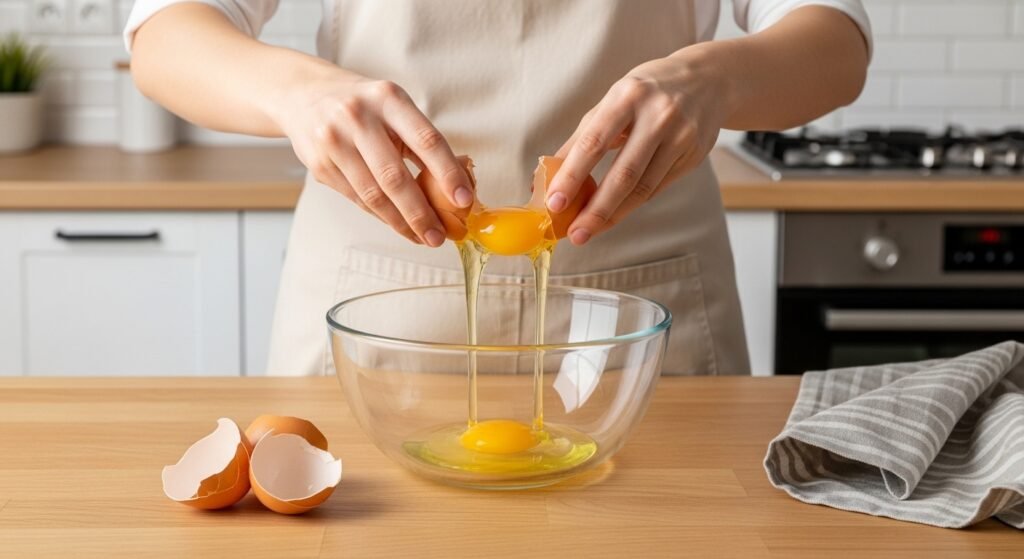
Never crack eggs directly into the pan. Cracking into a bowl first lets you spot and remove shell fragments, check that every egg is good before it joins the batch, and whisk the mixture properly before heat enters the equation. One bad egg can ruin the whole pan, and fishing shell out of a hot skillet is nobody’s idea of a calm morning.
Crack on a flat surface rather than the rim of the bowl; a flat tap creates a cleaner break with fewer shattered fragments than a sharp edge. Open each egg with your thumbs, let the contents fall gently, and quickly scan for any bits of shell. This thirty-second habit is the mark of a cook who respects the ingredients, and it guarantees a smooth, uniform scramble.
Whisk Gently but Thoroughly
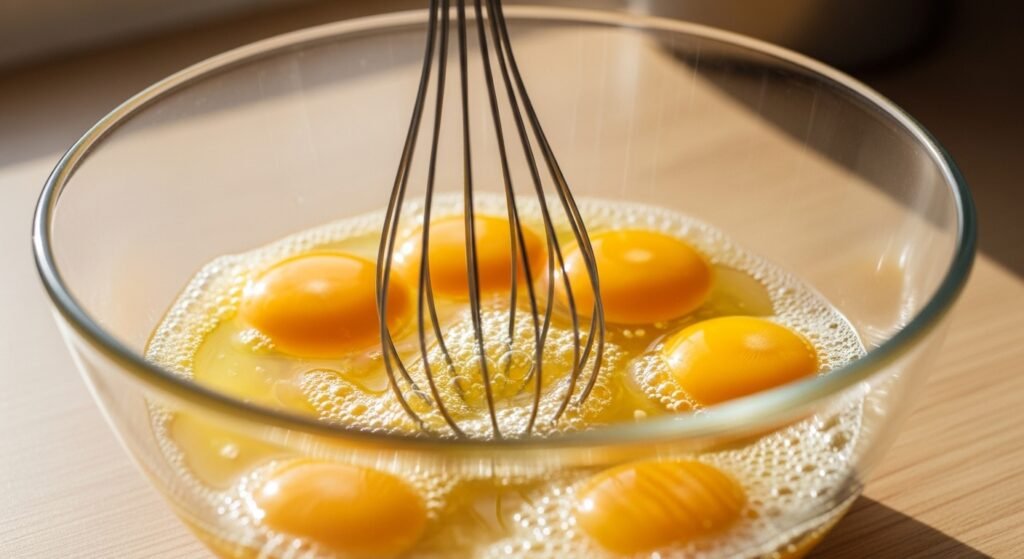
Whisk until the yolks and whites become one uniform, pale-yellow liquid with no streaks remaining. Those white streaks are unmixed egg white, and they cook into rubbery bits in the finished dish. A fork works perfectly well; you are aiming for thorough blending, not a frothy meringue. Overbeating incorporates excess air, which can make the eggs puff up and then collapse into dryness.
Whisk just before the eggs hit the pan, not minutes ahead. Letting beaten eggs sit allows the proteins to start bonding prematurely, which leads to a tougher texture. About 20 to 30 seconds of steady whisking is the sweet spot: the mixture should look smooth, slightly thickened, and completely homogenous. This is the foundation every later step builds on.
Add a Splash of Dairy
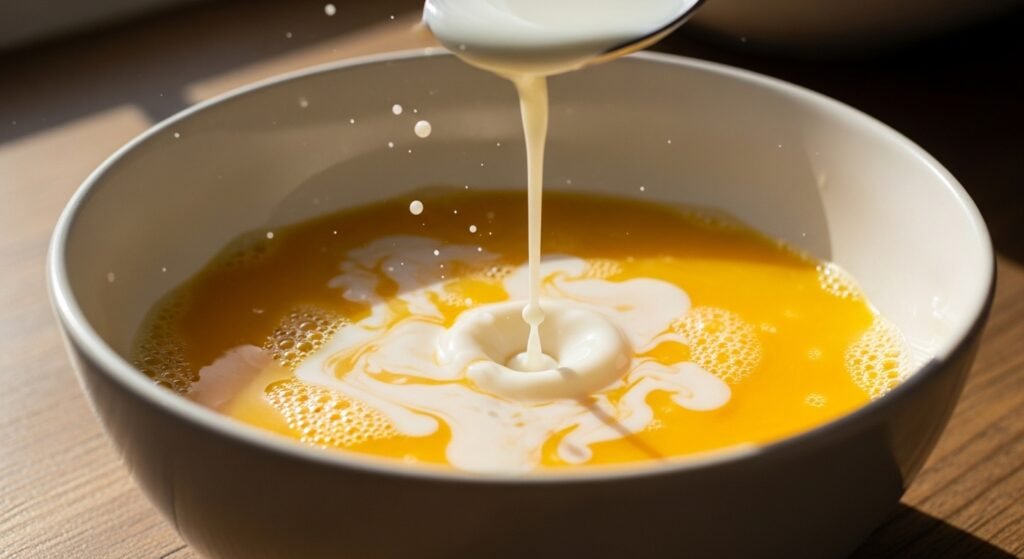
A tablespoon of milk, cream, or creme fraiche per two eggs lends tenderness and a subtle richness to the curds. The added liquid gets trapped between the egg proteins as they set, keeping the texture soft and custardy rather than dense. Gordon Ramsay’s famous method finishes with a spoonful of creme fraiche for exactly this reason: it adds luxurious body and cools the eggs slightly to stop the cooking.
Restraint is essential. More than a splash per egg dilutes the flavor and steams the eggs instead of scrambling them, producing a watery result. Whole milk or cream works better than skim, since fat is what carries the creamy mouthfeel. If you prefer dairy-free, a spoonful of unsweetened oat milk or simply a teaspoon of water per egg achieves a similar tenderizing effect through steam.
Season at the Right Moment
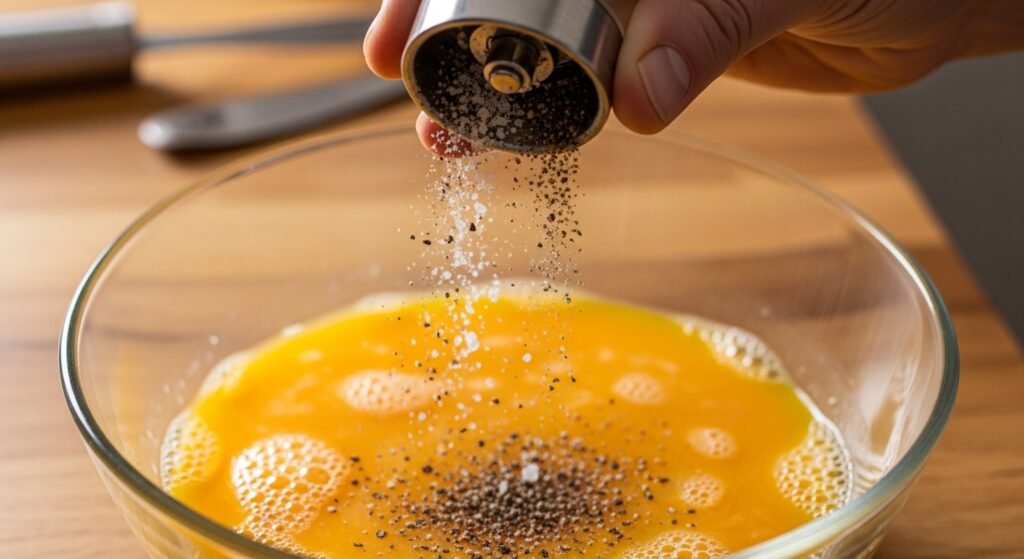
Salt is non-negotiable, but timing matters. Food science testing by cooks like J. Kenji Lopez-Alt has shown that salting beaten eggs about 15 minutes before cooking actually produces more tender curds: the salt dissolves muscle proteins so they cannot bond as tightly. If you do not have 15 minutes, salting right before the pan is the next best option. What you want to avoid is salting halfway through, which can draw out moisture unevenly.
Pepper, on the other hand, is best added at the end. Its volatile flavor compounds dull under sustained heat, and black specks distributed through the cooking eggs can look muddy. Finish with freshly cracked pepper, flaky sea salt, and perhaps chopped chives or dill off the heat. The seasoning should enhance the eggs’ delicate flavor, never mask it.
Use the Right Pan
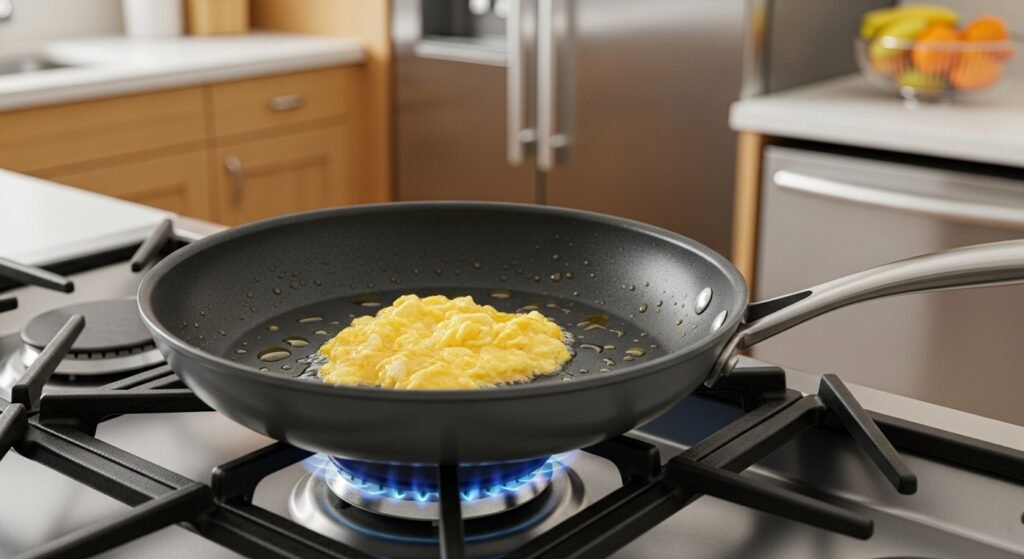
A small nonstick skillet or a well-seasoned carbon steel pan is the ideal vessel. Nonstick lets the delicate curds release cleanly and makes the constant stirring effortless; stainless steel, by contrast, grabs egg proteins and makes a mess of soft curds. Choose a pan sized to your portion: two to three eggs want an 8-inch pan, while a larger skillet spreads the eggs too thin and overcooks them.
Pair the pan with a silicone spatula, which is flexible enough to sweep the curved edges and gentle enough not to scratch nonstick coatings. Avoid metal utensils and high-sided saucepans, which make the folding motion awkward. Crowding is another enemy: cooking more than four eggs at once in a small pan steams the bottom layer while the top stays raw. Work in batches for a crowd.
Start With Low to Medium Heat
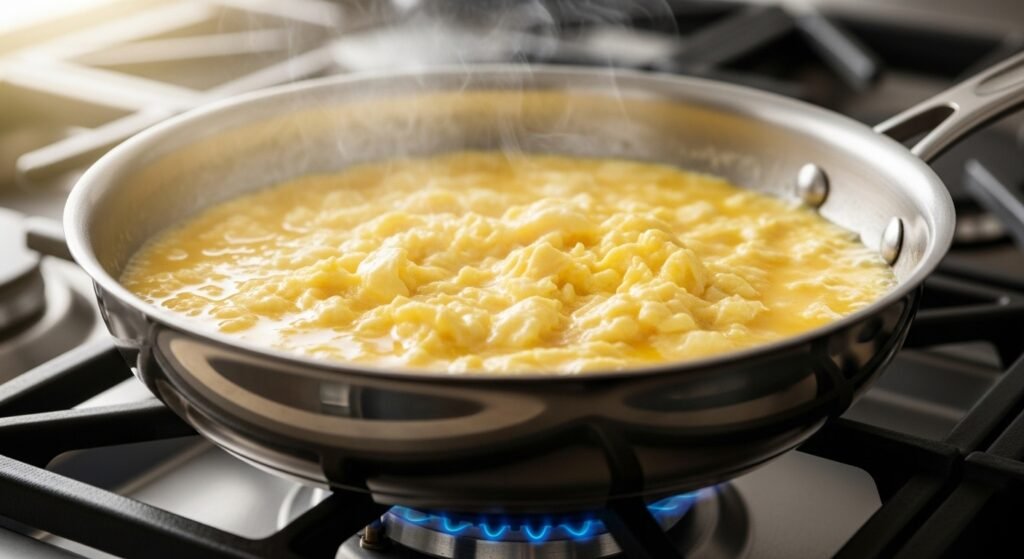
High heat is the number one killer of scrambled eggs. It seizes the proteins in seconds, squeezing out moisture and turning the curds rubbery and weeping. Low to medium-low heat gives you control: the eggs set gradually into soft, creamy folds instead of firm, bouncy lumps. Patience here is the entire secret of luxurious texture.
Preheat the pan over low heat, add your butter or oil, and let it warm until the butter foams but does not brown. The eggs should sizzle very gently on contact, not hiss aggressively. If you hear loud sizzling, the pan is too hot; lift it off the burner for a few seconds. French-style soft scrambles go even lower and slower, taking up to ten minutes of patient stirring for a nearly saucy result.
Stir Constantly and Slowly
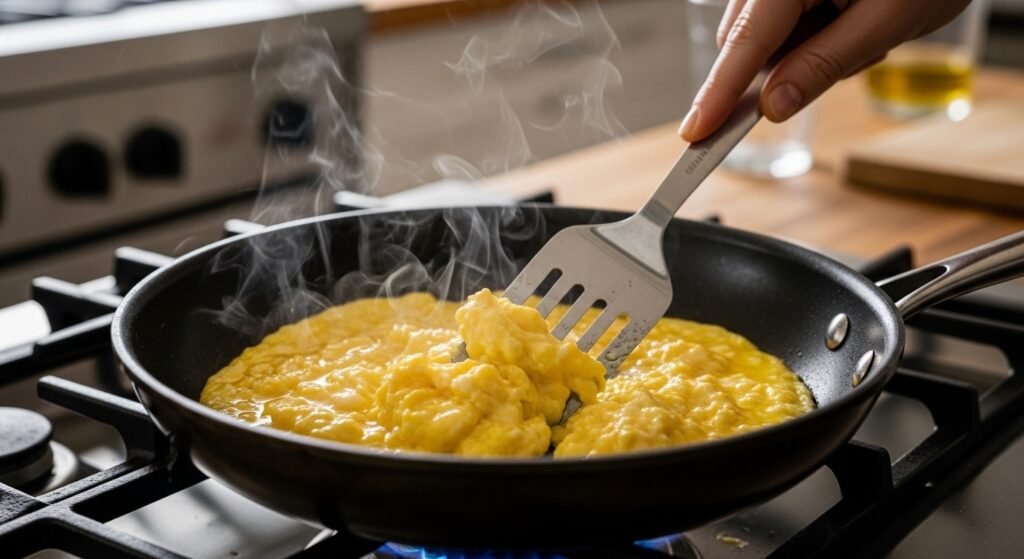
Once the eggs are in the pan, keep them moving with slow, deliberate strokes. Use the spatula to push cooked egg from the edges toward the center, letting uncooked egg flow into the cleared space. This continuous motion breaks the curds into small, soft folds and prevents any part from sitting long enough to brown or toughen.
The motion should be calm, not frantic: think folding rather than scrambling. Fast, aggressive stirring breaks the curds into tiny, dry grains, while no stirring at all produces an omelet-like slab. The whole process takes two to four minutes over low heat. Stay with the pan; scrambled eggs wait for no one, and thirty seconds of distraction is the difference between creamy and chalky.
Remove From the Heat Early
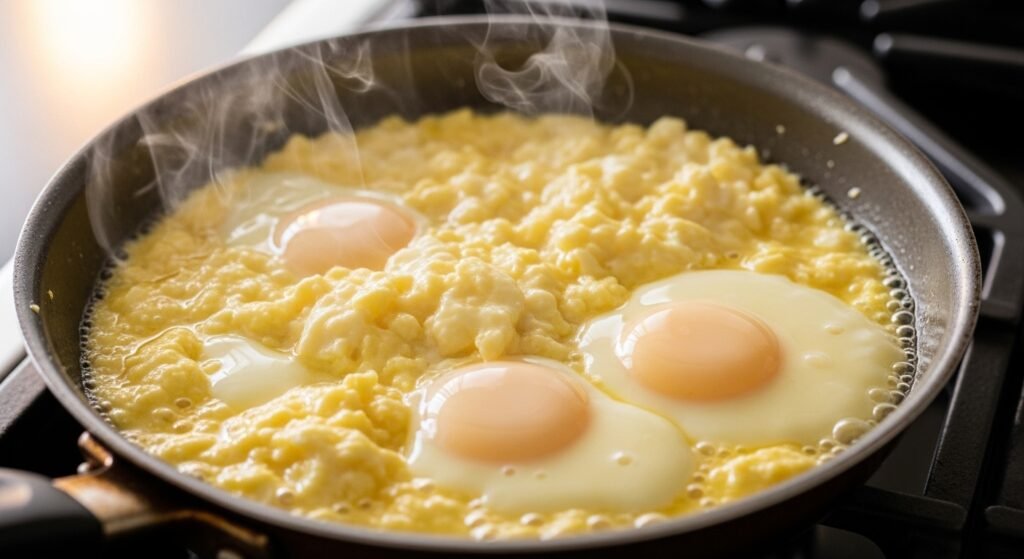
Carryover cooking is real: eggs continue to set from residual heat after leaving the burner. Take the pan off the heat when the eggs look slightly underdone, soft, glossy, and just barely runny in places. They will finish setting on the way to the plate. If they look perfect in the pan, they will be overcooked by the time you eat them.
This is the step most home cooks get wrong, because underdone eggs look alarming the first few times. Trust the process: the residual heat of the pan completes the job in under a minute. Transfer the eggs to a warm plate immediately rather than letting them sit in the hot pan, which keeps cooking them. Slightly loose is the target; you can never uncook an egg.
Add Butter for Finish
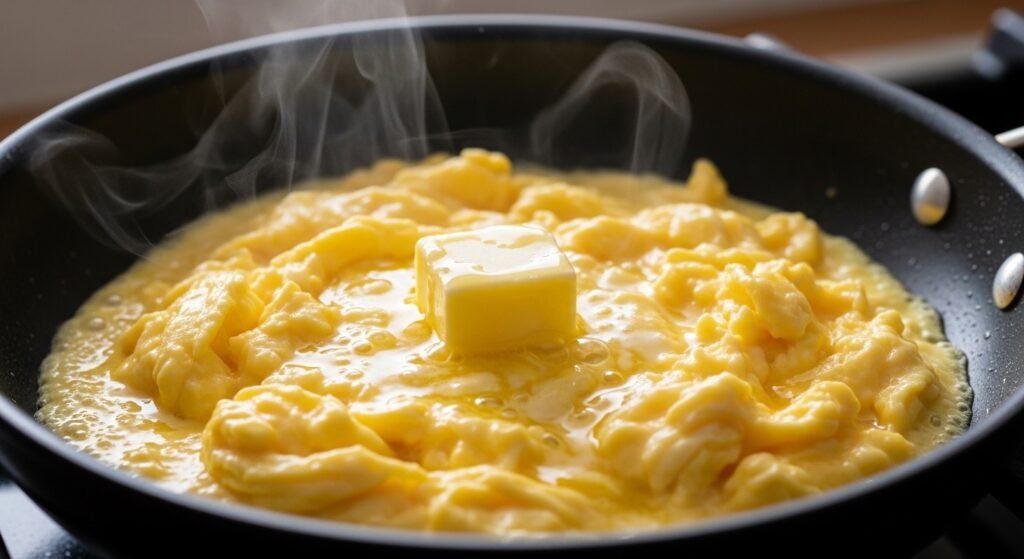
Off the heat, stir in a small knob of cold butter and watch it melt into the curds, adding gloss, richness, and a velvety finish. The cold butter also helps arrest the cooking, locking in that just-set texture. This is the restaurant trick that makes home scrambles taste professionally rich with almost no extra effort.
Keep the amount modest, about a teaspoon per two eggs, so the butter enriches rather than greases. For variations, this is the moment to fold in extras: grated Parmesan or goat cheese, chopped fresh herbs, smoked salmon, or sauteed mushrooms. Add delicate ingredients off the heat so they warm through without overcooking, and the eggs stay the star.
Serve Immediately
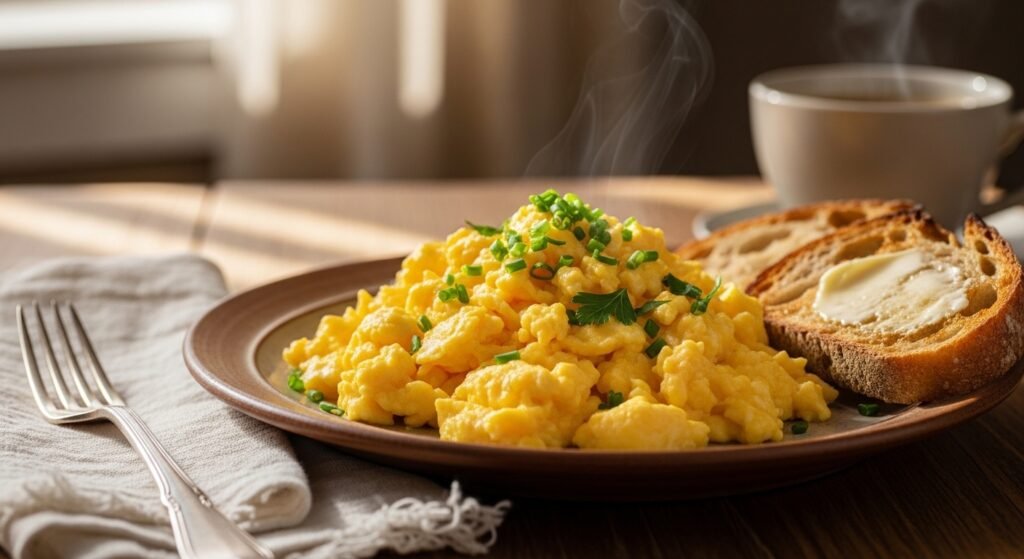
Scrambled eggs are at their peak the moment they leave the pan. Within minutes they begin to cool, firm up, and weep liquid as the protein network tightens. Plate them immediately on warm plates, which buys you a few extra minutes of ideal temperature, and get them to the table without delay. Everything else, toast, coffee, table setting, should be ready before the eggs are.
Serve them simply to show off the texture: on buttered sourdough toast, alongside smoked salmon and avocado, or with nothing but the pepper and herbs you finished them with. However you plate them, eat them hot. A perfect scramble waits for no one, and that fleeting, custardy moment is exactly what makes the technique worth mastering.
Putting It All Together
Perfect scrambled eggs are not about a single trick but a chain of small, correct decisions: fresh room-temperature eggs, cracked into a bowl, whisked smooth, salted early, cooked low and slow in the right pan with constant gentle folding, removed early, finished with butter, and served at once. Miss one link and the result is merely fine; honor them all and breakfast becomes memorable.
The best part is how quickly the method becomes instinct. After a few mornings of practice, you will feel when the heat is right and see the exact moment to pull the pan. Eggs are one of the most nutritious breakfast foods available, delivering about six grams of complete protein per large egg along with choline, vitamin D, and B12. Cooked with this much care, they taste as good as they are good for you.